Category
Manufacturer
Model
Mueller
Mueller is renowned for its dairy processing equipment, particularly in the area of pasteurization and separation. Their machinery plays a critical role in ensuring the quality and safety of dairy products.
FAQ:
What types of Mueller dairy processing equipment are commonly available on the used market?
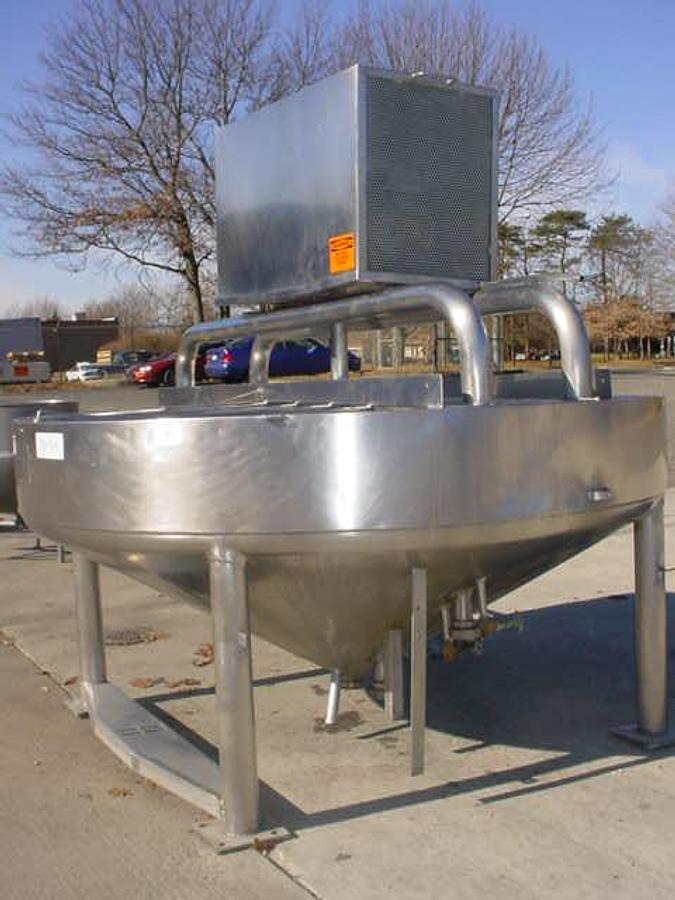
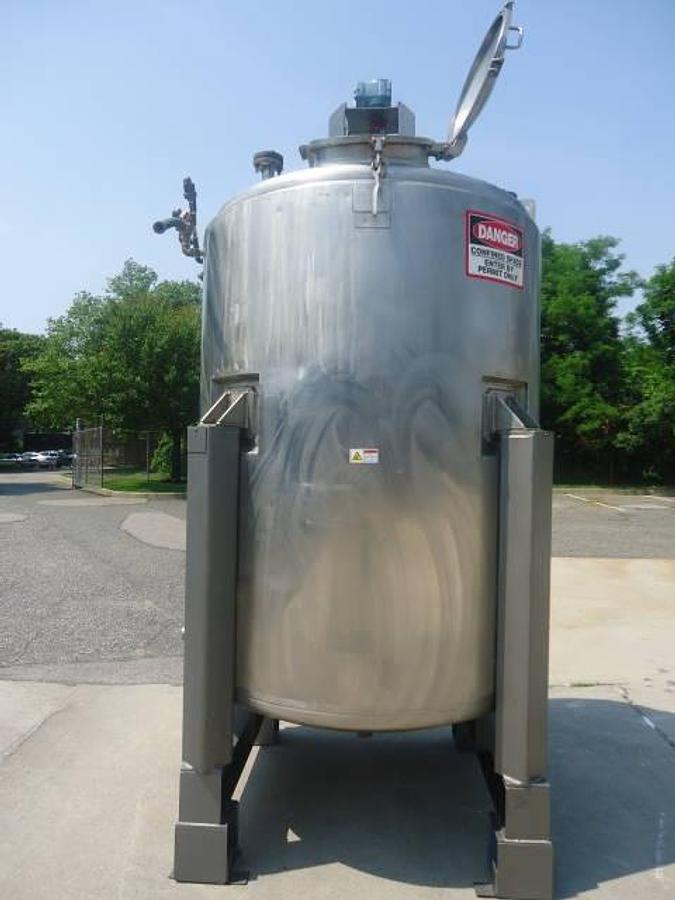
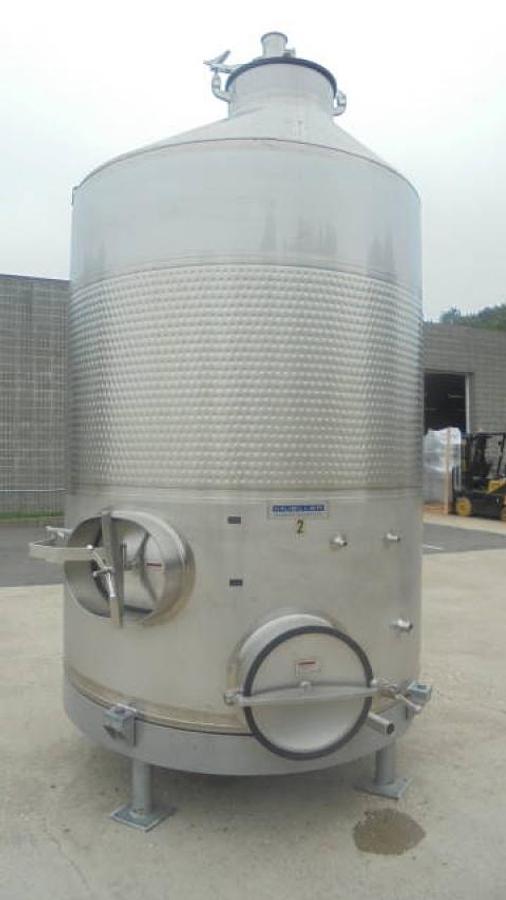
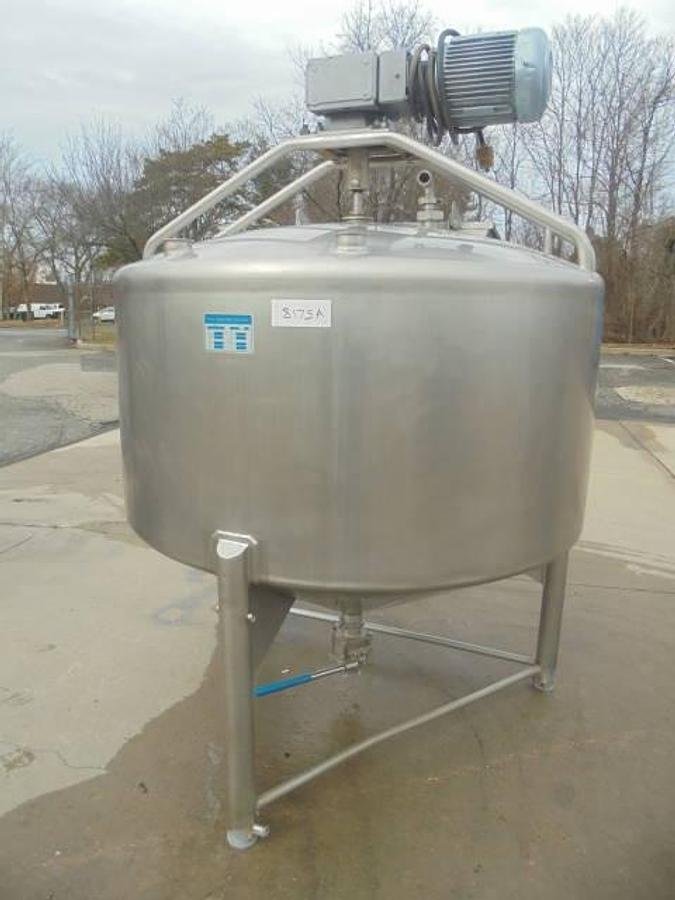
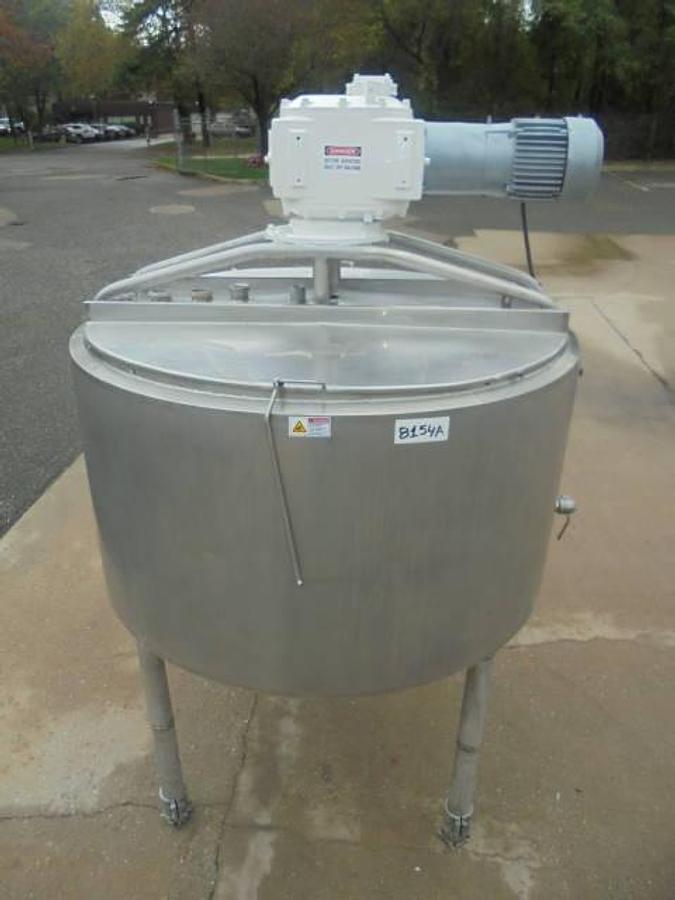
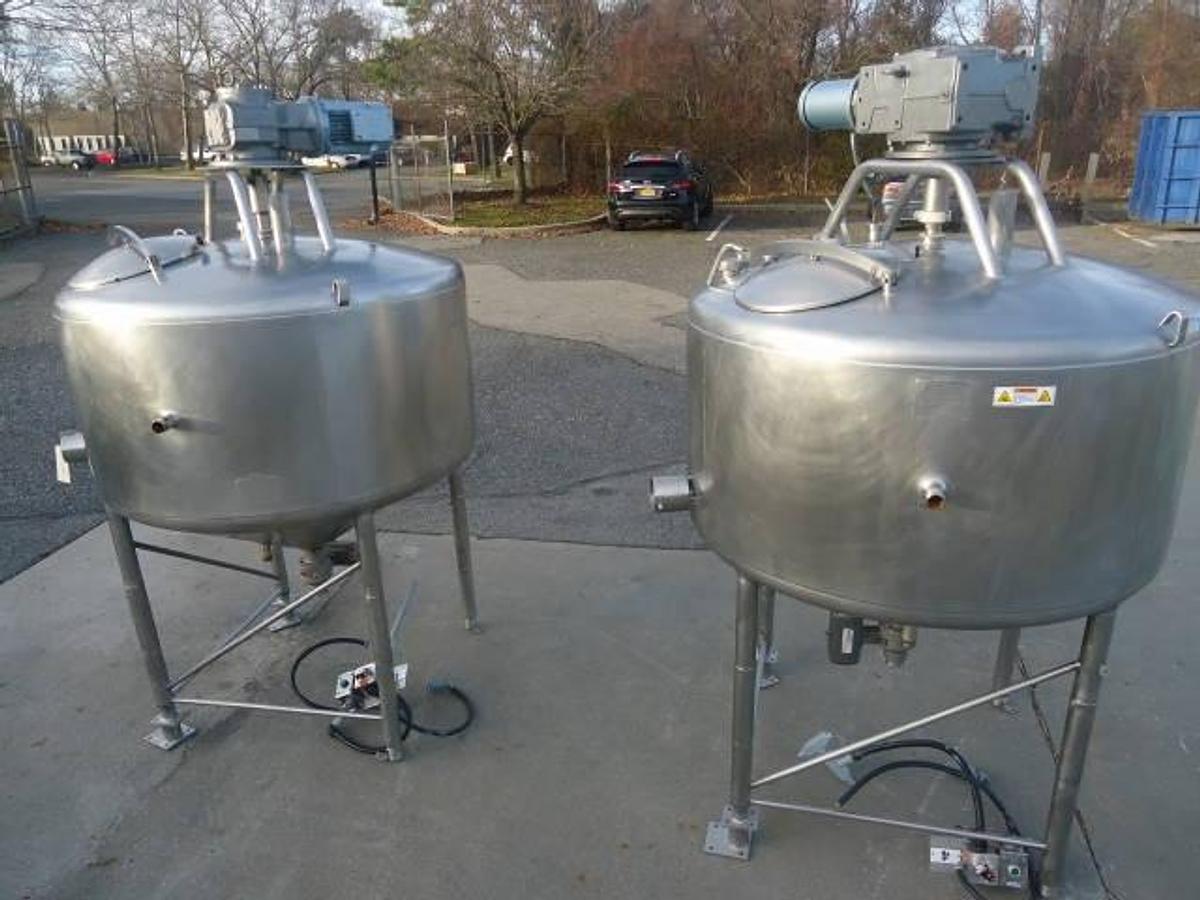
Mueller (Paul Mueller Company) produces a wide range of stainless steel sanitary dairy processing equipment, and most categories show up regularly on the used market. The most common types include bulk milk cooling tanks, dimple-jacketed mix tanks, scrape-surface agitated vessels, cone bottom cooker/cooler units, and closed vertical tanks. These come in a broad range of capacities, from smaller farm-scale units in the 200 to 500 gallon range up to large commercial tanks exceeding 5,000 gallons, making Mueller equipment suitable for operations of nearly any size.
Jacketed tanks are particularly common in used Mueller inventories. These vessels use a dimple or conventional jacket to circulate heating or cooling media around the product, which is critical for pasteurization, temperature-controlled mixing, and cooling applications. Scrape-surface agitated models add an interior scraper mechanism to prevent product buildup on the vessel walls, which is especially useful for viscous dairy products. Cone bottom designs aid in complete product drainage, an important feature in sanitary processing environments where residue can create contamination risks.
Why is Mueller such a well-regarded brand in the dairy processing industry?
Mueller has built its reputation in the dairy industry over decades by consistently manufacturing equipment to 3-A Sanitary Standards, which is the primary hygiene benchmark for dairy processing equipment in the United States and is recognized in many international markets as well. 3-A compliance means the equipment is designed to be thoroughly cleanable, with smooth interior surfaces, minimal crevices, and materials that resist corrosion and bacterial growth. For dairy processors, this is not a minor detail; it directly affects product safety, regulatory compliance, and the ability to pass facility inspections.
Beyond sanitary design, Mueller equipment is known for its build quality and longevity. Stainless steel construction, robust jacket designs rated for significant PSI (many Mueller tanks carry jacket ratings of 80 to 200 PSI), and precise fabrication tolerances mean that Mueller vessels often remain in serviceable condition for many years after manufacture. This durability is a major reason why used Mueller equipment holds its value and why dairy processors actively seek it out on the secondary market. A well-maintained Mueller tank purchased used can provide years of reliable service at a fraction of the cost of comparable new equipment.
How do I verify the condition of used Mueller dairy equipment before purchasing?
Verifying condition on used dairy processing equipment takes a few different forms, and buyers should pursue as many of them as possible before committing to a purchase. Start by requesting the model number and serial number, then contact Mueller directly to confirm the unit's specifications, age, and what level of parts and support is available for that particular model. Older or discontinued models may have limited parts availability, which is important to factor into the total cost of ownership. Ask the dealer for any available service history, inspection records, or documentation of past repairs.
Beyond paperwork, a physical or visual inspection is the most reliable way to assess actual condition. Reputable used equipment dealers will typically accommodate in-person inspections, virtual walkthroughs, or detailed video captures of the machine. Pay close attention to the interior surface finish of the tank, the condition of any gaskets, seals, and fittings, the integrity of the jacket, and the operation of any agitator or scraper mechanisms. Keep in mind that most equipment dealers do not have the permitting or infrastructure to run actual dairy production, so functional testing with product is generally not possible. The inspection is about confirming the mechanical and structural state of the equipment, not a full production trial.
What PSI jacket ratings should I look for in a used Mueller jacketed tank?
Jacket pressure ratings on Mueller tanks vary by model and are an important specification to match against your process requirements. Used Mueller tanks on the market commonly carry jacket ratings ranging from around 80 PSI on the lower end up to 200 PSI on heavier-duty models. The jacket rating determines what heating or cooling media can be used and at what pressure, which directly affects the temperature ranges achievable and the speed of heating or cooling cycles. For standard hot water or chilled water applications, lower jacket ratings are often sufficient, but steam-heated processes typically require higher-rated jackets.
When evaluating a used Mueller tank, confirm that the jacket has not been compromised by corrosion, leaks, or previous over-pressurization. Ask whether the jacket has been hydrostatically tested recently, and check for any visible deformation or weld repairs on the jacket exterior. A jacket that has been improperly repaired or that shows signs of stress may not hold its rated pressure safely. If you plan to use the vessel for a process that pushes toward the upper end of the jacket's rated capacity, having a qualified pressure vessel inspector evaluate the unit before purchase is a reasonable precaution.
What capacity Mueller dairy tank is right for a small to mid-size dairy operation?
Capacity selection depends on daily throughput, batch size, and how frequently the tank will be cycled through cleaning and production. For small farm-scale or artisan dairy operations, Mueller tanks in the 200 to 500 gallon range are typically a practical fit. These units are manageable in terms of footprint, utility requirements, and cleaning time, and they show up regularly on the used market in models like cone bottom cooker/coolers and agitated mix tanks. A 200 gallon Mueller cone bottom unit, for example, suits small-batch cheese or yogurt production, while a 400 to 500 gallon agitated vessel works well for operations that need consistent mixing with temperature control.
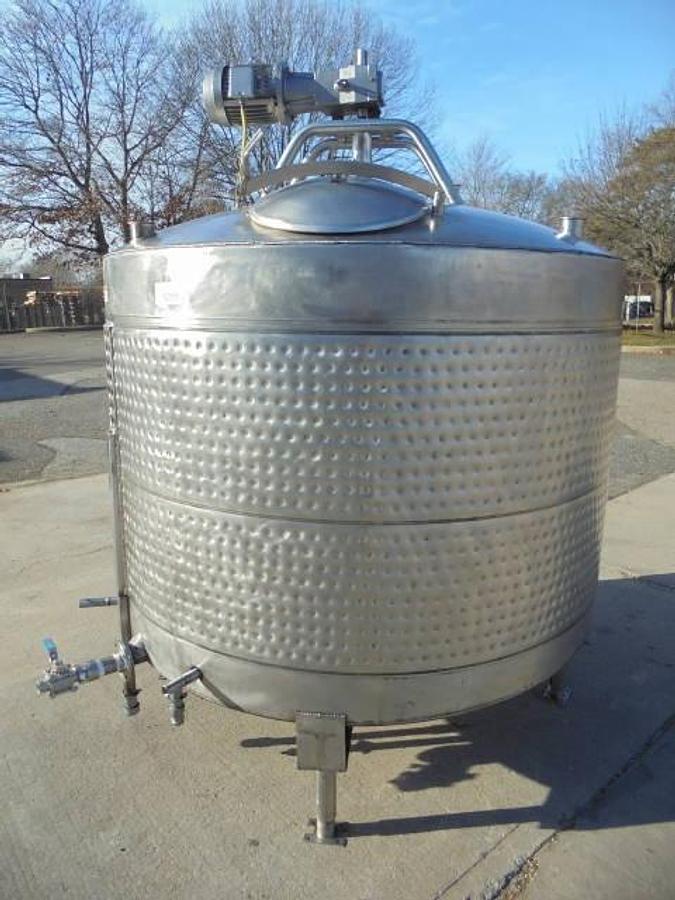
Mid-size operations processing larger daily volumes generally look at Mueller tanks in the 600 to 1,500 gallon range. These vessels offer meaningful production capacity while still fitting within the physical and utility constraints of many smaller processing facilities. The 1,000 gallon closed vertical tank and 1,500 gallon dimple-jacketed sanitary tank are examples of Mueller equipment that bridge the gap between farm-scale and full commercial processing. When sizing equipment, it is worth accounting not just for current production but for realistic growth over the next several years, since purchasing used equipment at a slightly larger capacity now is usually far more cost-effective than replacing a tank in two or three years.
What is the difference between a dimple jacket and a conventional jacket on a Mueller tank?
A dimple jacket consists of a thin outer shell that has been spot-welded to the tank wall in a pattern of small indentations, creating a network of narrow channels through which heating or cooling media flows. This design allows for relatively even heat transfer across the tank surface and is well suited to applications where rapid temperature changes are needed, such as cooling milk quickly after pasteurization or heating product for cooking. Dimple jackets are generally lighter than conventional jackets and are a common construction choice on Mueller sanitary tanks across a wide range of capacities.
A conventional jacket, sometimes called a full jacket or annular jacket, consists of a continuous outer shell that surrounds a larger portion of the tank, creating a larger volume of space for the heating or cooling medium. This design can hold more fluid and is often used in applications requiring sustained temperature holds rather than rapid cycling. When evaluating used Mueller tanks, the jacket type should be matched to the intended process. A dimple-jacketed tank is not inherently better or worse than a conventionally jacketed one; the right choice depends on the heat transfer rate required, the media being used, and the specific process conditions in your facility.
What should buyers know about shipping and delivery costs for used Mueller dairy tanks?
Shipping costs for used dairy processing equipment like Mueller tanks can vary significantly depending on the size and weight of the vessel, the distance between the seller and the buyer, and the level of packaging or crating required to protect the equipment in transit. Smaller tanks in the 200 to 500 gallon range may be shippable on a standard pallet with appropriate blocking and bracing, while larger vessels in the 1,000 to 1,500 gallon range typically require custom crating or specialized flatbed freight. Buyers should ask the dealer for a detailed breakdown of packaging, rigging, and freight costs before finalizing a purchase, since these expenses can meaningfully affect the total landed cost of the equipment.
Larger Mueller tanks and vessels with agitators, motors, or other attached components may require heavy-duty rigging for both loading at the seller's location and unloading at the buyer's facility. This rigging work is usually an added cost beyond standard freight and requires equipment like forklifts or cranes rated for the load. If the buyer's facility does not have unloading equipment on site, arranging for a local rigging contractor in advance is important. Confirming all of these logistics details with the dealer before purchase prevents surprises and allows for accurate budgeting of the full acquisition cost.
Are used Mueller dairy tanks compliant with 3-A Sanitary Standards?
Mueller has historically manufactured its dairy processing equipment to 3-A Sanitary Standards, which govern the hygienic design of equipment used in milk and dairy product processing in the United States. 3-A compliance requires specific surface finishes on product-contact surfaces, design features that eliminate harborage points for bacteria, and materials that meet food-grade requirements. When Mueller equipment left the factory, it was built to meet these standards, and that underlying design does not change as the equipment ages.
However, whether a specific used Mueller tank remains in compliance with current 3-A Standards depends on its condition and any modifications made during its service life. Surface finishes can degrade, welds can be improperly repaired, and non-compliant fittings or components can be added over time. Buyers who need to demonstrate 3-A compliance for regulatory or customer audit purposes should have the equipment inspected by a qualified sanitarian or third-party inspector before putting it into production. Contacting Mueller directly with the model and serial number can also help confirm the original specifications and what standards the unit was built to meet.
What payment terms are typical when purchasing used Mueller dairy equipment?
The standard practice among used equipment dealers is to require full payment before the equipment is released for shipping. This applies to most transactions involving used dairy processing equipment, including Mueller tanks and vessels. Unlike purchasing from a manufacturer with established credit terms, buying used machinery through a dealer typically does not come with net-30 or net-60 payment arrangements unless the buyer has an established relationship with that dealer and a track record of prior purchases.
Buyers should plan accordingly and have financing in place before committing to a purchase. Some dealers may work with repeat customers on payment terms, but this is the exception rather than the rule. For buyers financing the purchase through a third-party lender or equipment financing company, it is worth confirming the timeline for funding disbursement, since dealers will generally not hold equipment indefinitely without a deposit or full payment. Asking about deposit requirements and the process for confirming payment receipt before shipment is a reasonable step to take early in any transaction.
How does buying used Mueller dairy equipment compare to purchasing new processing vessels?
The most immediate difference is cost. Used Mueller tanks and processing vessels are typically available at a significant discount compared to equivalent new equipment, which makes the used market an attractive option for operations that need reliable, sanitary processing capacity without the capital outlay of new machinery. Mueller's reputation for durability means that used units, when properly maintained, can provide many years of additional service life. For a dairy operation that needs a 1,000 gallon jacketed mix tank or a scrape-surface agitated vessel, sourcing a used Mueller unit can deliver the required functionality at a fraction of the replacement cost.
The trade-offs are primarily around condition uncertainty and the absence of a manufacturer's warranty. Used equipment is sold as-is, which places the responsibility for assessing condition squarely on the buyer. This is why thorough inspection, documentation review, and sourcing from reputable dealers with a long track record in the dairy equipment sector are so important. Buyers should also consult with Mueller about parts availability for the specific model they are considering, since older or discontinued models may have limited support. Factoring in any reconditioning, parts replacement, or compliance verification costs alongside the purchase price gives a more accurate picture of the true cost of acquisition.