Category
Manufacturer
Model
Mrm/Elgin
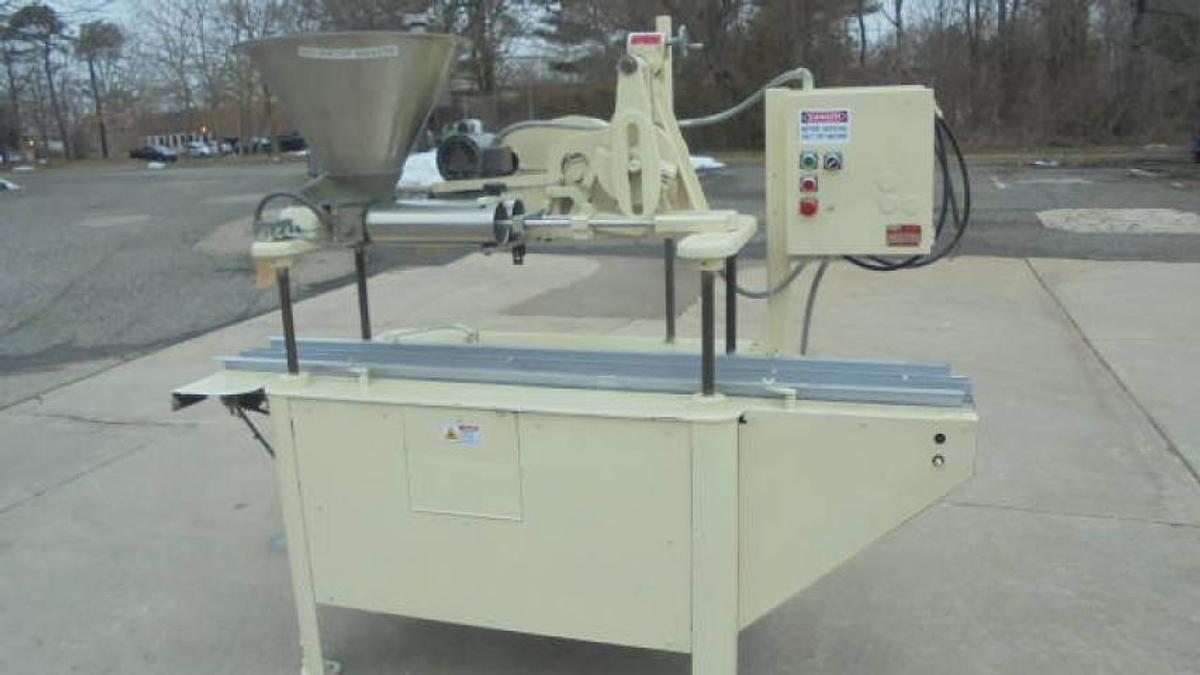
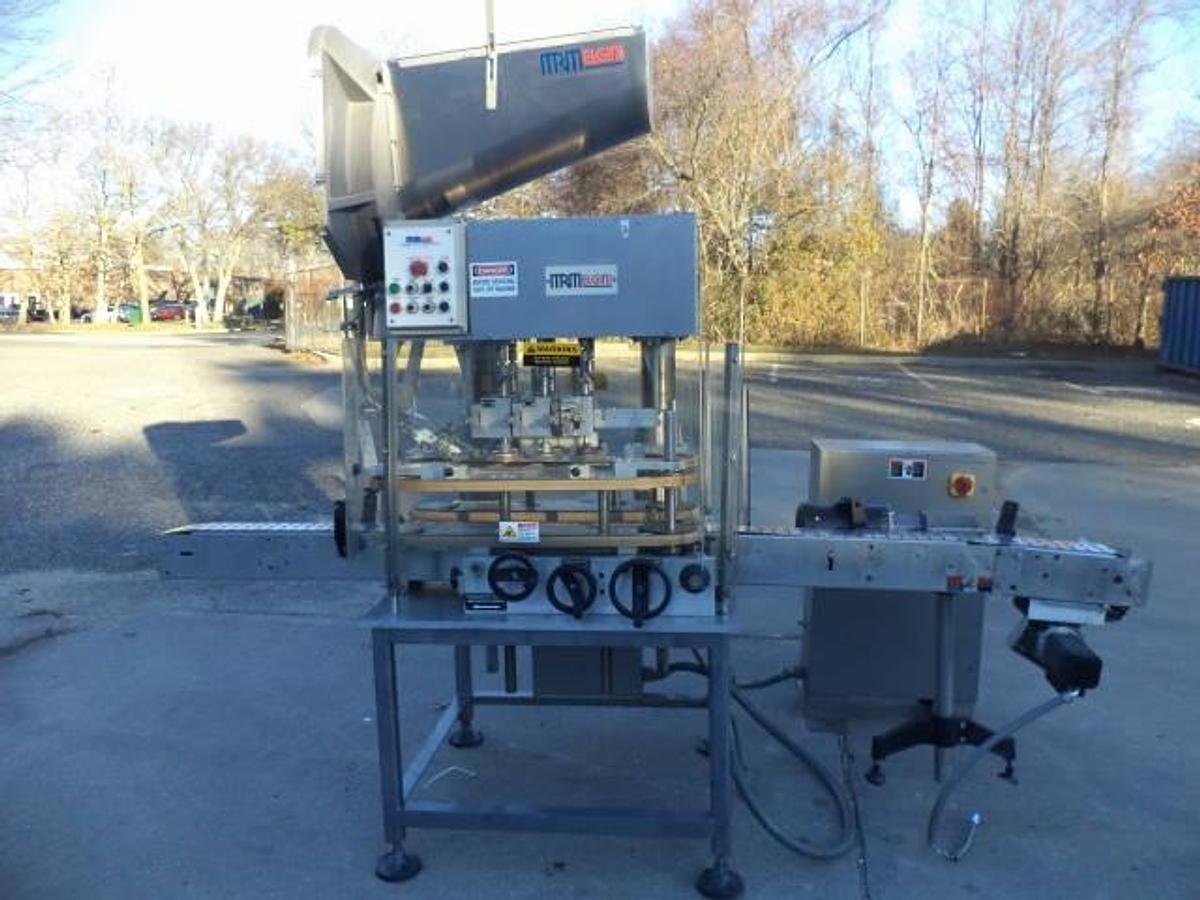
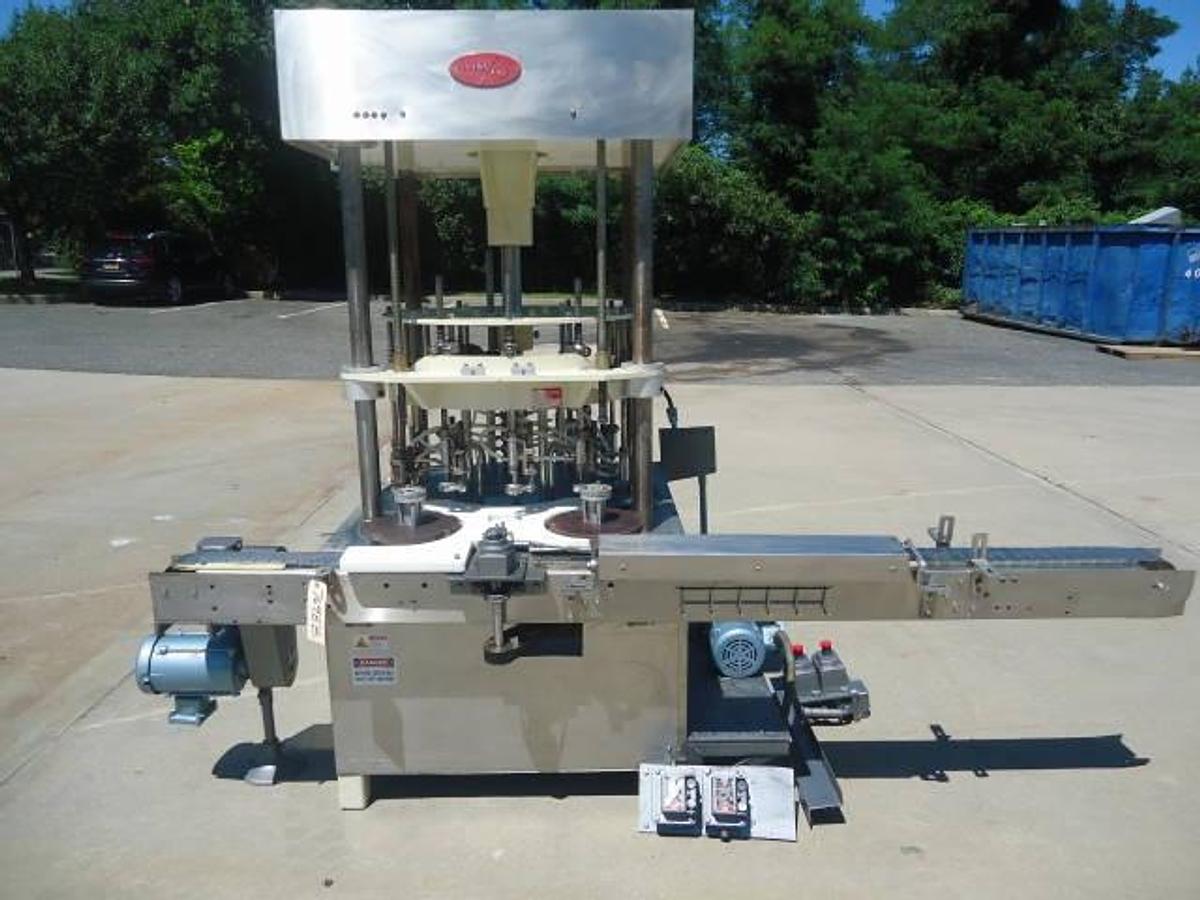
Mrm/Elgin combines expertise in machinery design with advanced technology to provide solutions for the food and beverage sectors. They are particularly known for their filling and labeling systems.
FAQ:
What types of products can MRM Elgin filling machines handle?
MRM Elgin filling machines are designed to handle a wide range of liquid and semi-liquid products across multiple industries. Their equipment is commonly used in food and beverage production, cosmetics manufacturing, and pharmaceutical applications. The machines are built with stainless steel construction, which makes them well-suited for sanitary environments where product contact surfaces must meet strict cleanliness standards. Depending on the specific model, MRM Elgin machines can fill products ranging from thin, water-like liquids to thicker, more viscous materials such as sauces, lotions, and gels.
The brand offers several filling technologies, including piston fillers, overflow fillers, and rotary vacuum fillers, each suited to different product types and production requirements. Piston fillers are particularly effective for thicker or particulate-laden products because the positive displacement mechanism handles viscosity variation reliably. Overflow fillers work best with thin, free-flowing liquids where a consistent fill level in the container is more important than a precise fill volume. This range of technologies makes MRM Elgin equipment a flexible choice across a broad spectrum of filling applications.
What is the difference between MRM Elgin piston fillers and overflow fillers?
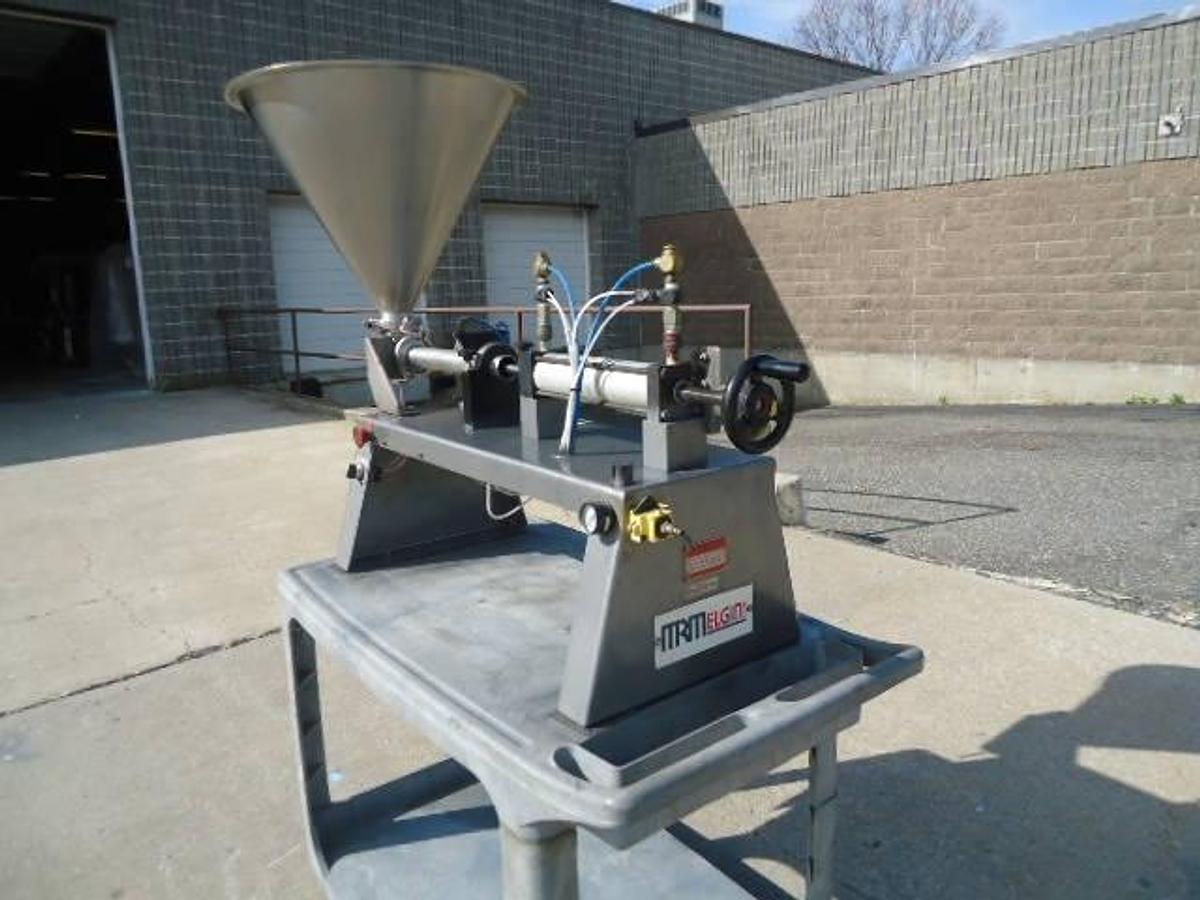
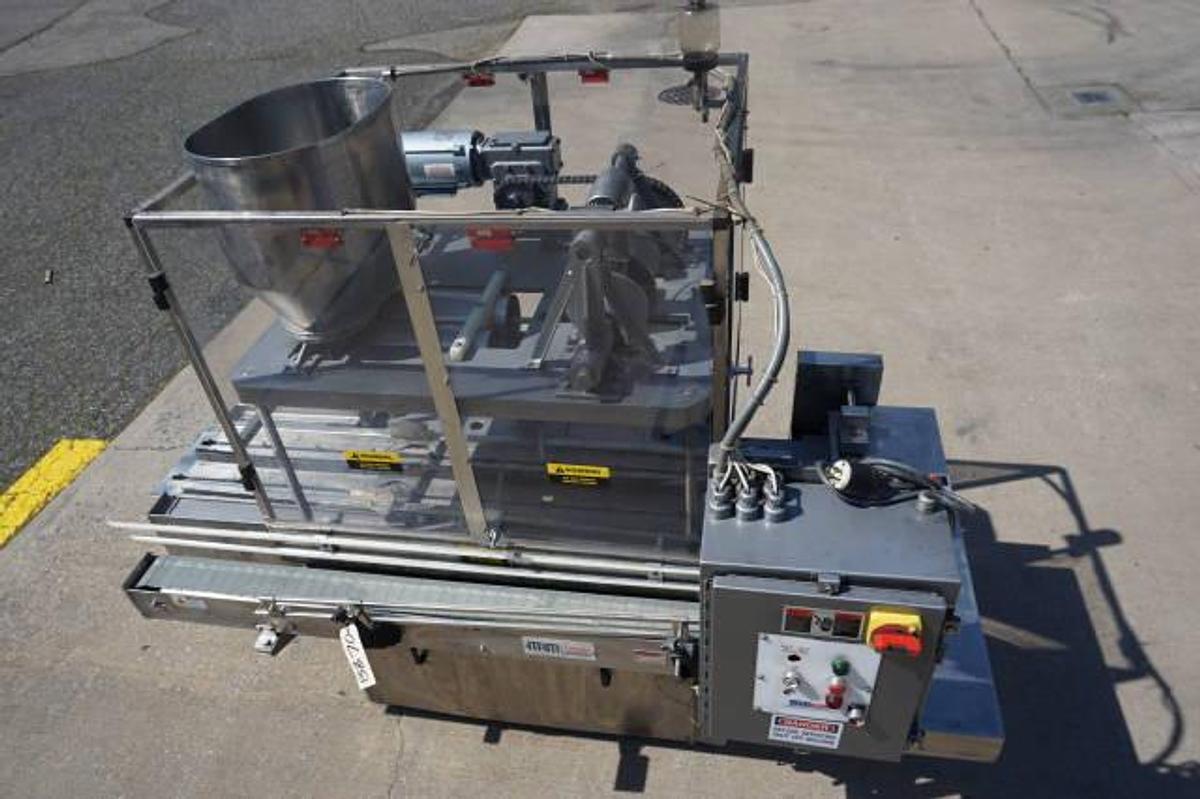
Piston fillers and overflow fillers represent two fundamentally different approaches to liquid filling, and MRM Elgin manufactures both types. A piston filler uses a cylinder and piston mechanism to draw a precise, measured volume of product and then dispense it into the container. This volumetric filling method is highly accurate for products where fill weight or volume consistency is critical, and it performs well with thicker or more viscous materials. MRM Elgin piston fillers are available in configurations ranging from single-head units to multi-head inline machines, with piston sizes on some models reaching up to 97 ounces per stroke.
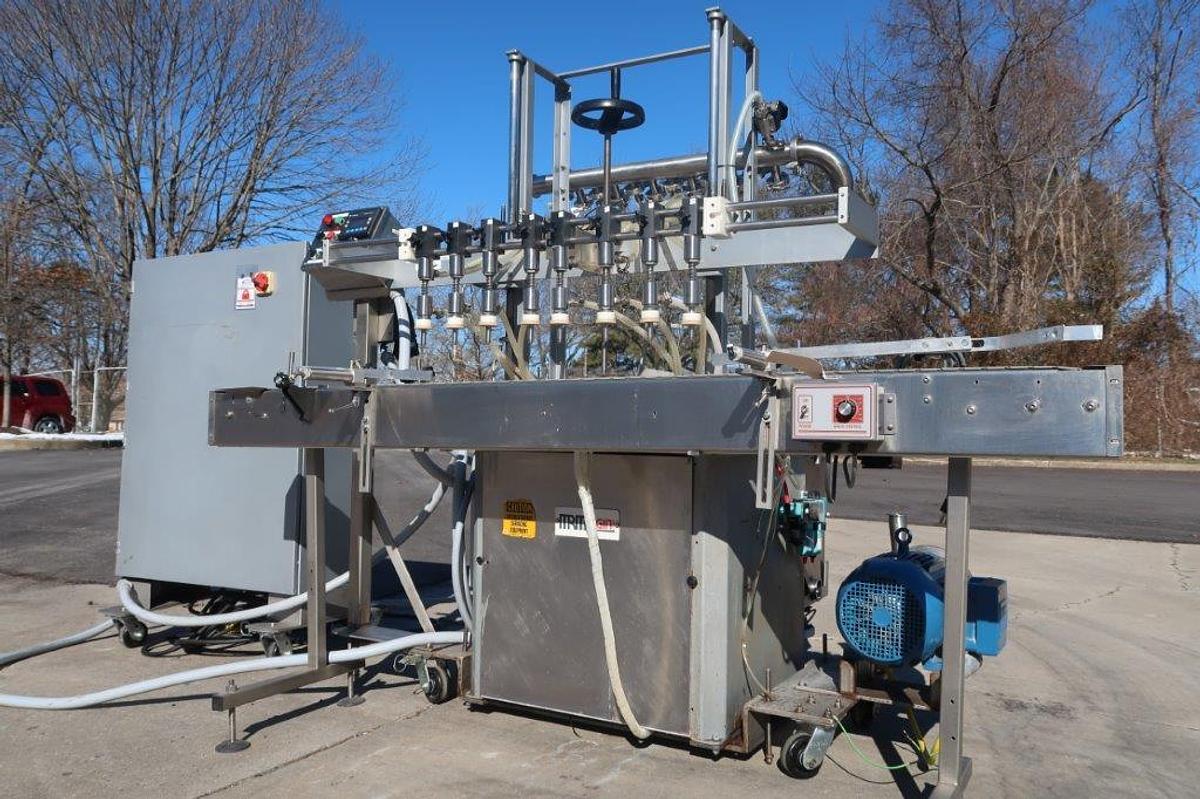
Overflow fillers, by contrast, fill containers to a consistent visible level rather than a precise volume. Product is pumped into the container until it overflows through a return port back into the supply tank, which creates a uniform fill line regardless of minor variations in container volume. This method works best with thin, foamy, or free-flowing liquids and is especially popular in the household products and beverage sectors where shelf appearance matters. MRM Elgin's 8-head straightline overflow filler is a good example of this technology applied at a production scale. Choosing between the two types depends on the product viscosity, the required fill accuracy, and whether fill level or fill volume is the priority for a given application.
What fill volume ranges do MRM Elgin filling machines support?
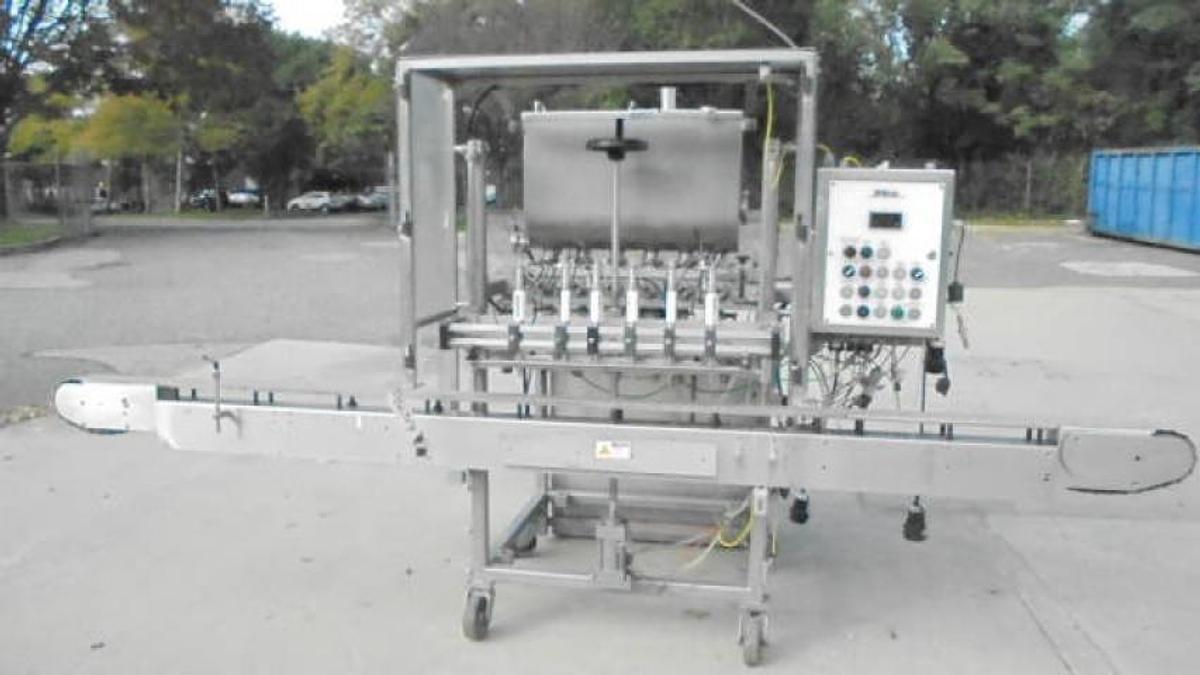
MRM Elgin filling machines are available across a broad range of fill volumes, making them adaptable to many different container sizes and production requirements. On the smaller end, some single-piston models are configured for fills up to 60 ounces, which suits personal care, household chemical, or specialty food applications with smaller container formats. Larger piston models, such as the twin-head gallon piston filler or the inline six-piston machine with 94-ounce pistons, are built for higher-volume fills and are commonly used in industrial food production, cleaning products, or large-format beverage packaging.
When evaluating a used MRM Elgin machine, it is important to confirm the actual piston size or fill range configured on that specific unit, since many machines can be adjusted or re-tooled within a certain range. Some machines come with change parts that allow operators to shift between different container sizes on the same line. Buyers should ask the selling dealer which change parts, tooling, or adjustment components are included with the machine, as this significantly affects how versatile the equipment will be once installed. Confirming the fill range against the intended production containers before purchase avoids costly modifications after delivery.
Are MRM Elgin filling machines suitable for small businesses or only large-scale production?
MRM Elgin produces equipment across a fairly wide production scale spectrum. Single-head and twin-head piston fillers are well-suited to smaller production environments, craft manufacturers, or businesses that are scaling up from manual filling operations. These machines offer a significant step up in speed and consistency compared to hand-filling while still fitting within a modest floor space and budget. A used single-piston or twin-piston MRM Elgin unit can be a practical entry point for a small food, beverage, or personal care company that needs reliable automated filling without the capital outlay of a full production line.
At the other end of the spectrum, MRM Elgin also manufactures multi-head inline machines and rotary fillers designed for higher throughput environments. A twelve-spout rotary vacuum filler or an eight-head straightline overflow machine is more appropriate for mid-to-large scale production runs where output per hour is a primary concern. The used equipment market makes both scales of MRM Elgin machinery accessible at price points that can fit a range of budgets. The key is matching the machine's head count, fill speed, and automation level to the actual production volume requirements rather than over-buying capacity that will go unused.
What should buyers look for when purchasing a used MRM Elgin filling machine?
Buying used filling equipment requires a more thorough evaluation process than purchasing from a manufacturer, since condition, age, and maintenance history vary significantly from machine to machine. The most important factors to assess on a used MRM Elgin unit include the condition of the piston seals and cylinder bores, the state of the stainless steel contact surfaces, whether any valves or nozzles show signs of wear or corrosion, and the overall mechanical integrity of the frame and drive components. Buyers should also confirm the fill volume range, number of heads, and whether the machine is configured for the product type they intend to run.
Inspections are a critical step in the buying process. Reputable used equipment dealers will typically accommodate in-person inspections, virtual walkthroughs, or video documentation of the machine's current condition. Some machines may still be installed and running at a production facility, which provides an opportunity to observe the equipment operating under real conditions. Keep in mind that most dealers do not have the permits or infrastructure to run actual product through a machine for a live test, so the inspection is primarily a mechanical and visual assessment. Buyers should also check with MRM Elgin directly or consult parts suppliers to confirm that replacement components are available for the specific model and age of the machine under consideration, since parts availability can vary depending on how long ago a particular model was manufactured.
Are replacement parts and technical support still available for MRM Elgin machines?
Parts availability for MRM Elgin filling machines depends largely on the age and model of the specific unit. For machines that are relatively recent, the manufacturer or authorized service channels may still carry replacement components such as piston seals, fill nozzles, valves, and drive parts. Older or discontinued models may require sourcing parts from third-party suppliers, machining custom components, or finding compatible parts from other manufacturers that share similar specifications. Before committing to a used MRM Elgin purchase, it is worth contacting the manufacturer directly to ask about parts availability and support for the specific model and serial number in question.
Technical support follows a similar pattern. Newer or more widely distributed models tend to have better documentation, service manual availability, and manufacturer support than older or less common configurations. Some third-party service companies specialize in filling equipment and can provide maintenance and repair support regardless of whether the manufacturer still actively supports a given model. Buyers should factor in the potential cost and lead time for parts when evaluating a used machine, particularly for models that have been out of production for a number of years. A machine that is priced attractively on the used market may carry hidden costs if critical wear components are difficult to source.
How difficult is it to clean and sanitize an MRM Elgin filling machine for food or pharmaceutical use?
MRM Elgin filling machines are built with stainless steel product contact surfaces, which is a standard requirement for equipment used in food-grade and pharmaceutical filling environments. Stainless steel resists corrosion, does not absorb odors or flavors, and tolerates the cleaning agents and sanitizers typically used in these industries. Many MRM Elgin models are designed to allow disassembly of the fill heads, pistons, nozzles, and valves for manual cleaning, which is a common practice in facilities that run multiple product types or need to meet sanitation standards between production runs.
The ease of cleaning depends on the specific model and its configuration. Machines with more complex valve arrangements or tight internal passages can be more time-consuming to break down and clean thoroughly. When evaluating a used MRM Elgin machine, it is useful to ask the dealer or previous owner about the cleaning procedures that were used in production, whether the machine was ever used with food-safe or pharma-grade products, and whether all seals and gaskets are in good condition. Worn or degraded seals can harbor bacteria and compromise sanitation regardless of how thorough the cleaning process is. Replacing seals and gaskets as part of commissioning a used machine is a common and recommended practice for any buyer planning to use the equipment in a regulated production environment.
What is the typical price range for used MRM Elgin filling machines?
Pricing for used MRM Elgin filling machines varies considerably based on the type of machine, the number of fill heads, the fill volume range, the age of the unit, and its overall condition. Simple single-head or twin-head piston fillers at the lower end of the market can be found for a few thousand dollars, making them accessible for smaller operations or businesses just beginning to automate their filling process. More complex multi-head inline machines, rotary fillers, or units with explosion-proof ratings typically command higher prices that can reach into the tens of thousands of dollars depending on condition and configuration.
Beyond the purchase price itself, buyers should account for the full landed cost of acquiring a used machine. Shipping costs for filling equipment vary based on the size and weight of the machine, the level of crating or palletization required to protect it in transit, and any rigging needed for loading and unloading at either end of the shipment. Larger or heavier machines may require specialized freight handling that adds meaningfully to the total cost. It is advisable to request a detailed breakdown of packaging, rigging, and shipping charges from the dealer before finalizing a purchase so there are no surprises once the machine arrives.
What filling technologies does MRM Elgin offer across its product line?
MRM Elgin has built its reputation across several distinct filling technologies, each designed for different product characteristics and production environments. Piston filling is among the most common configurations in the MRM Elgin lineup, appearing in single-head, twin-head, and multi-head inline arrangements. These machines use a positive displacement mechanism that draws a precise volume of product into a cylinder and then dispenses it into the container, making them reliable for viscous products and applications where fill accuracy is important. The brand also produces overflow fillers, which fill containers to a consistent visual level and are better suited to thin, free-flowing liquids.
Beyond piston and overflow filling, MRM Elgin also manufactures rotary vacuum fillers, which use a rotating carousel and vacuum-assisted fill heads to handle certain product and container combinations at higher throughput rates. The company's product line has also extended into capping equipment, with models like the VERSA-CAP III six-quill screw capping machine appearing alongside their filling systems. This range of technologies means that production lines can sometimes be built around multiple MRM Elgin machines that are designed to work together, which can simplify integration and standardize maintenance across a facility. On the used market, these machines appear individually or occasionally as matched sets from decommissioned production lines.
What are the typical payment and shipping expectations when buying used filling equipment from a dealer?
Most used equipment dealers require full payment before a machine is released for shipping. This is standard practice in the industry and applies broadly regardless of the equipment type or price point. Some dealers may offer payment terms to established customers with a prior purchasing history, but buyers approaching a dealer for the first time should expect to pay in full upfront. Accepted payment methods vary by dealer and may include wire transfer, credit card, or other arrangements confirmed at the time of sale.
Shipping costs for filling machines depend on several factors including the physical dimensions and weight of the equipment, the destination, and the level of packaging required to protect the machine during transit. Machines that are not properly crated or palletized are at risk of damage, so dealers will typically charge for appropriate packaging based on the size and fragility of the unit. Larger or heavier machines may require specialized rigging for loading at the dealer's location and unloading at the buyer's facility, which adds to the total cost. Buyers should request a full breakdown of all shipping, crating, and rigging charges before finalizing the purchase to understand the complete landed cost of the equipment, not just the listed sale price.