Category
Manufacturer
Model
Morse
Morse is a leading manufacturer of material handling equipment, specializing in drum handling and storage solutions. Their products are widely used in various industries, including chemical and food processing, to ensure safe and efficient operations.
FAQ:
What types of Morse drum handling equipment are commonly available on the used market?
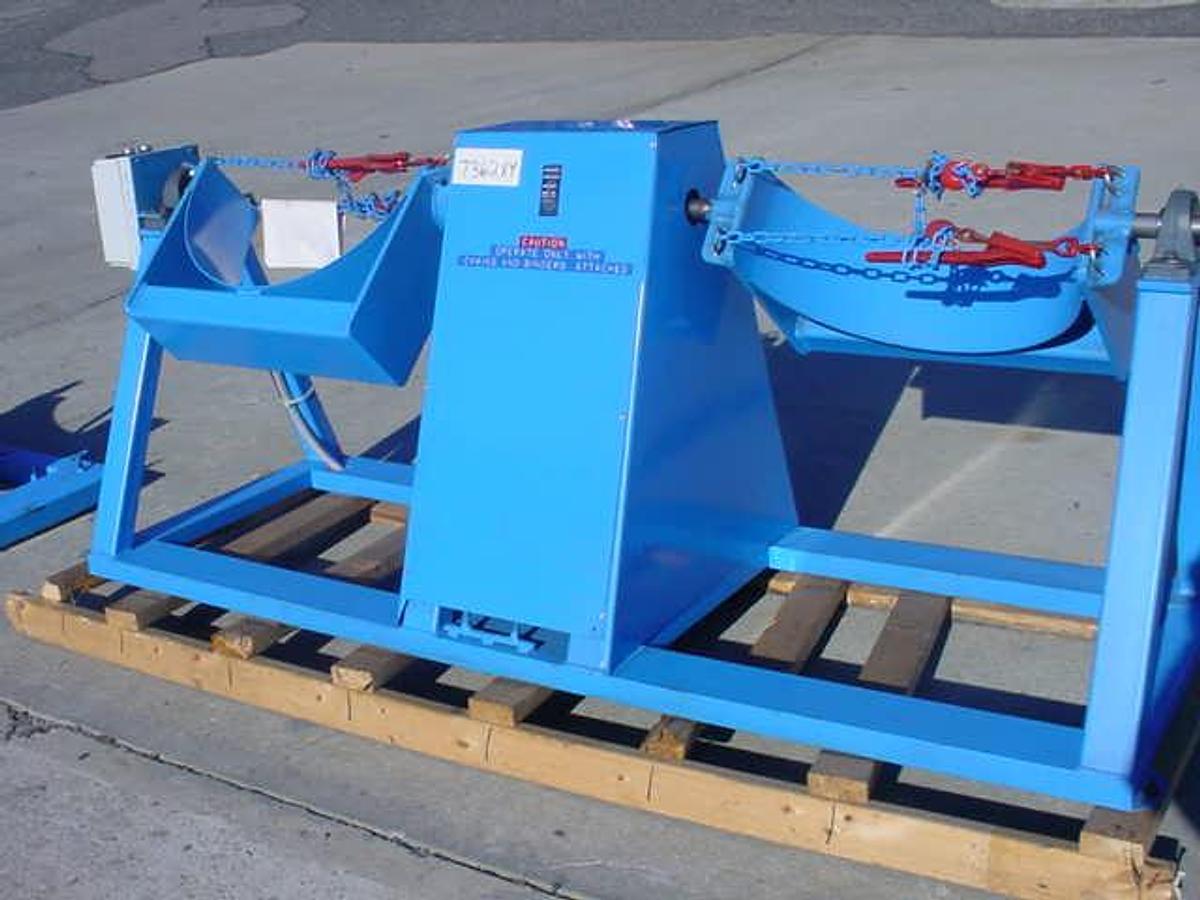
Morse Manufacturing produces a wide range of drum handling equipment, and most of these product categories show up regularly in the used machinery market. The most commonly traded units include drum tumblers and rotators, drum karriers, drum cradles, drum lifters, drum dumpers, and drum mixers. Each type serves a distinct purpose: tumblers and rotators are used to blend or mix drum contents by rotating the entire drum, while karriers and lifters are designed to move drums safely from one location to another without manual lifting. Drum dumpers are used to dispense contents from a drum into a process vessel or hopper, and cradles hold drums in a tilted position for controlled pouring.
The Morse Double Drum Tumbler/Rotator and the Morse Drum/Barrel Tumbler are two specific models that appear in the used equipment market. These machines are particularly popular in chemical processing, food manufacturing, and pharmaceutical blending operations where consistent mixing of drum contents is required. Buyers looking for used Morse equipment should pay attention to the model number and drum capacity rating, since Morse has produced multiple generations of each product type, and specifications can vary considerably between older and current production runs.
What industries use Morse drum handling equipment?
Morse drum handling equipment is used across a broad range of industries wherever 55-gallon or similar drums are a standard part of the production or storage process. Chemical manufacturing and distribution is one of the largest user segments, since drum handling equipment reduces the risk of spills and worker injuries when moving or mixing hazardous materials. Food processing operations rely on drum tumblers and rotators to blend dry or liquid ingredients, and the stainless steel construction options on many Morse models make them suitable for food-contact environments. Pharmaceutical and nutraceutical manufacturers also use Morse equipment for blending powders and liquids in drum-scale batches.
Beyond those primary sectors, Morse equipment shows up in paint and coatings manufacturing, adhesives production, agricultural chemical blending, and general industrial warehousing where drums of raw materials or finished goods need to be moved, stored, or dispensed efficiently. The ergonomic design of Morse products was specifically developed to reduce the musculoskeletal injuries that come from manually rolling, tilting, or lifting full drums, which makes this equipment relevant to any facility with an active drum handling operation and an interest in OSHA compliance and worker safety.
What weight capacities do Morse drum handlers typically support?
Morse drum handling equipment is engineered around the standard 55-gallon drum, which can weigh up to approximately 800 to 1,000 pounds when filled with dense materials like liquids or powders. Most Morse drum rotators, tumblers, and karriers are rated to handle drums in this weight range, though the specific capacity depends on the model. Lighter-duty models designed for 30-gallon drums or partially filled containers will carry lower rated loads, while heavy-duty industrial models are built to handle the full weight of a loaded 55-gallon drum without flexing or tipping.
When buying used Morse equipment, it is important to verify the rated capacity of the specific model being purchased rather than assuming all units within a product family share the same specs. Capacity ratings are typically found on the machine's data plate or in the manufacturer's documentation. Buyers should also consider the condition of load-bearing components like rollers, frames, and drive motors on used units, since these are the parts most subject to wear over time. Consulting Morse's published specifications for a given model number is a practical way to confirm what the machine was originally designed to handle.
Can Morse drum handling equipment work with both steel and plastic drums?
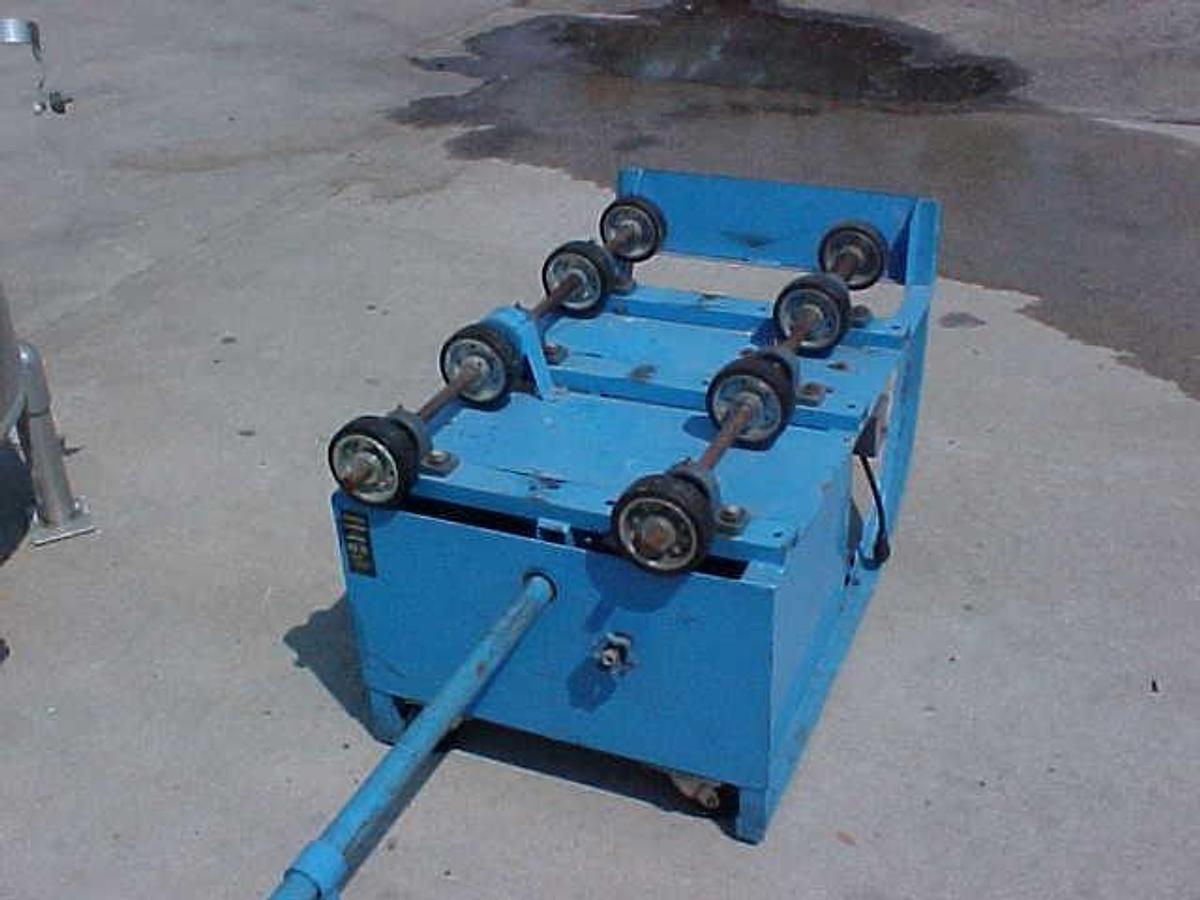
Most Morse drum handling equipment is designed to accommodate both steel and plastic drums, though compatibility depends on the specific model and its roller or cradle configuration. Drum tumblers and rotators, for example, use rubber-covered rollers that grip the drum's exterior surface during rotation. These rollers work well with the smooth surface of both steel and high-density polyethylene (HDPE) plastic drums, provided the drum's diameter falls within the machine's adjustment range. Some models offer adjustable roller spacing to accommodate drums of different diameters, which extends compatibility across drum types and sizes.
That said, buyers of used equipment should inspect the rollers and contact surfaces carefully before purchasing. Worn or hardened rollers may not grip plastic drums as securely as they would a steel drum, and any deformation of the roller surface can cause uneven rotation or drum slippage during operation. If the used machine was previously operated exclusively with steel drums, it may show wear patterns that are less than ideal for plastic drum use. Asking the seller about the machine's prior application and requesting a video inspection or in-person review of the rollers and contact points is a reasonable step before committing to a purchase.
What should buyers inspect when evaluating used Morse drum handling equipment?
A thorough inspection of used Morse drum handling equipment should cover both mechanical and structural components. On tumblers and rotators, the rollers are the most critical wear items to examine. Look for cracking, flat spots, or hardening of the rubber roller covers, since these issues affect how securely the drum is held during rotation. The drive motor and gearbox should be checked for unusual noise, leaks, or signs of overheating. The frame and welded joints should show no cracks or significant corrosion, and any safety guards or limit switches should be present and functional.
For drum karriers, lifters, and dumpers, the hydraulic or pneumatic systems (if equipped) deserve close attention. Check hoses and fittings for leaks or brittleness, and verify that cylinders extend and retract smoothly without hesitation or drift. Electrical components like control panels, switches, and wiring should be inspected for damage or improper modifications. Reputable used equipment dealers will typically accommodate in-person inspections or provide detailed video walkthroughs of the machine in its current condition. Some equipment may still be in active production at a facility, which can allow for an operational demonstration, though dealers generally cannot run production tests themselves due to permitting and facility limitations.
How does buying used Morse drum handling equipment compare to buying it directly from the manufacturer?
Buying used Morse drum handling equipment typically offers a significant cost advantage compared to purchasing current production units through a distributor or directly from the manufacturer. Used machines are often available at a fraction of the price of a comparable unit, which makes them attractive for operations that need reliable drum handling capability but have budget constraints. The trade-off is that used equipment comes without the assurances that accompany a purchase from a manufacturer, including lead time guarantees, documentation packages, and the ability to specify custom configurations.
Used equipment is sold as-is, which places the responsibility for evaluating condition squarely on the buyer. This is why selecting a reputable used machinery dealer with a track record in industrial equipment is important. Dealers who specialize in material handling or processing equipment are better positioned to accurately describe a machine's condition and history than general auction platforms. Buyers should also contact Morse directly to understand what level of technical support, documentation, and parts availability they can expect for the specific model and approximate age of the machine they are considering, since older models may have limited parts availability.
Are replacement parts and accessories available for used Morse drum handling equipment?
Morse Manufacturing has been producing drum handling equipment for decades, and the company has maintained a reputation for supporting its installed base with replacement parts. For many models, components like rollers, drive belts, motors, and control parts can be sourced directly through Morse or through authorized distributors. However, the availability of parts for any specific used machine depends heavily on its age and model. Older or discontinued models may have limited parts support, and some components may need to be fabricated or sourced from third-party suppliers.
Before purchasing a used Morse machine, it is worth contacting Morse Manufacturing directly to ask about parts availability for the specific model number. This conversation can also reveal whether technical documentation such as operator manuals or wiring diagrams is still available for that model, which can be valuable for maintenance and troubleshooting. Buyers should factor parts availability into their total cost of ownership calculation, since a machine with limited parts support may carry higher long-term maintenance costs even if the purchase price is attractive. Dealers may also be able to advise on which models have the strongest aftermarket support based on their experience reselling and servicing Morse equipment.
What are the typical shipping and logistics considerations for Morse drum handling equipment?
Morse drum handling equipment varies considerably in size and weight depending on the model. Smaller drum karriers and cradles can often be palletized and shipped via standard LTL freight, while larger tumblers, rotators, and dumpers may require custom crating or blocking and bracing to prevent damage in transit. The level of packaging required directly affects shipping costs, and buyers should ask the dealer for a detailed breakdown of packaging, rigging, and freight charges before finalizing a purchase. Understanding the full landed cost of the equipment, not just the purchase price, is essential for accurate budgeting.
Larger or heavier units may require forklift loading at the origin and forklift unloading at the destination, and in some cases a liftgate service or dock-to-dock arrangement will need to be specified. If the buyer's facility does not have a loading dock or forklift, those logistics need to be arranged in advance. Some dealers handle shipping coordination directly, while others require the buyer to arrange their own freight carrier. Either way, confirming the machine's crated weight and dimensions before booking freight is the most reliable way to avoid surprises at delivery.
What payment terms should buyers expect when purchasing used Morse drum handling equipment?
Used equipment dealers generally require payment in full before a machine is released for shipping. This is standard practice in the industry and reflects the nature of used machinery transactions, where the seller needs to confirm cleared funds before committing to packaging and freight coordination. Some dealers may extend payment terms to established customers with a history of repeat purchases, but buyers who are new to a particular dealer should expect to pay in full upfront.
Accepted payment methods vary by dealer but commonly include wire transfer, ACH, and in some cases credit card for smaller purchases. Buyers should confirm accepted payment methods early in the process to avoid delays. It is also reasonable to ask whether the dealer holds the machine for a defined period after a deposit is placed, since some buyers need time to arrange internal purchase approvals or financing before completing a transaction. Getting clarity on payment expectations and hold policies at the start of a negotiation avoids misunderstandings later in the process.
What safety benefits does drum handling equipment provide compared to manual drum handling?
Manual handling of 55-gallon drums is one of the more physically demanding and injury-prone tasks in industrial settings. A full drum of liquid can weigh close to 500 pounds, and rolling, tilting, or repositioning drums by hand puts significant strain on workers' backs, shoulders, and wrists. OSHA has identified manual material handling as a leading cause of workplace musculoskeletal disorders, and drum handling is a specific area where mechanical equipment can substantially reduce injury risk. Drum karriers, lifters, and rotators are designed to take the physical load off workers by mechanizing the lifting, moving, and rotating tasks that would otherwise be done by hand.
Beyond injury prevention, drum handling equipment also improves operational consistency. A drum tumbler or rotator, for example, ensures that drum contents are mixed according to a repeatable rotation cycle rather than relying on manual effort that varies from one worker to the next. For chemical or food processing applications, this consistency matters for product quality. Used Morse equipment, even with some hours on it, can deliver these ergonomic and process benefits at a lower capital cost than purchasing current production units, making it a practical option for facilities looking to improve their drum handling practices without a large capital investment.