Category
Manufacturer
Model
Mk Automation
Mk Automation specializes in providing automation solutions for manufacturing processes across various industries. They are known for their conveyor systems and robotic automation equipment that enhance production efficiency.
FAQ:
What types of conveyor systems does MK Automation manufacture?
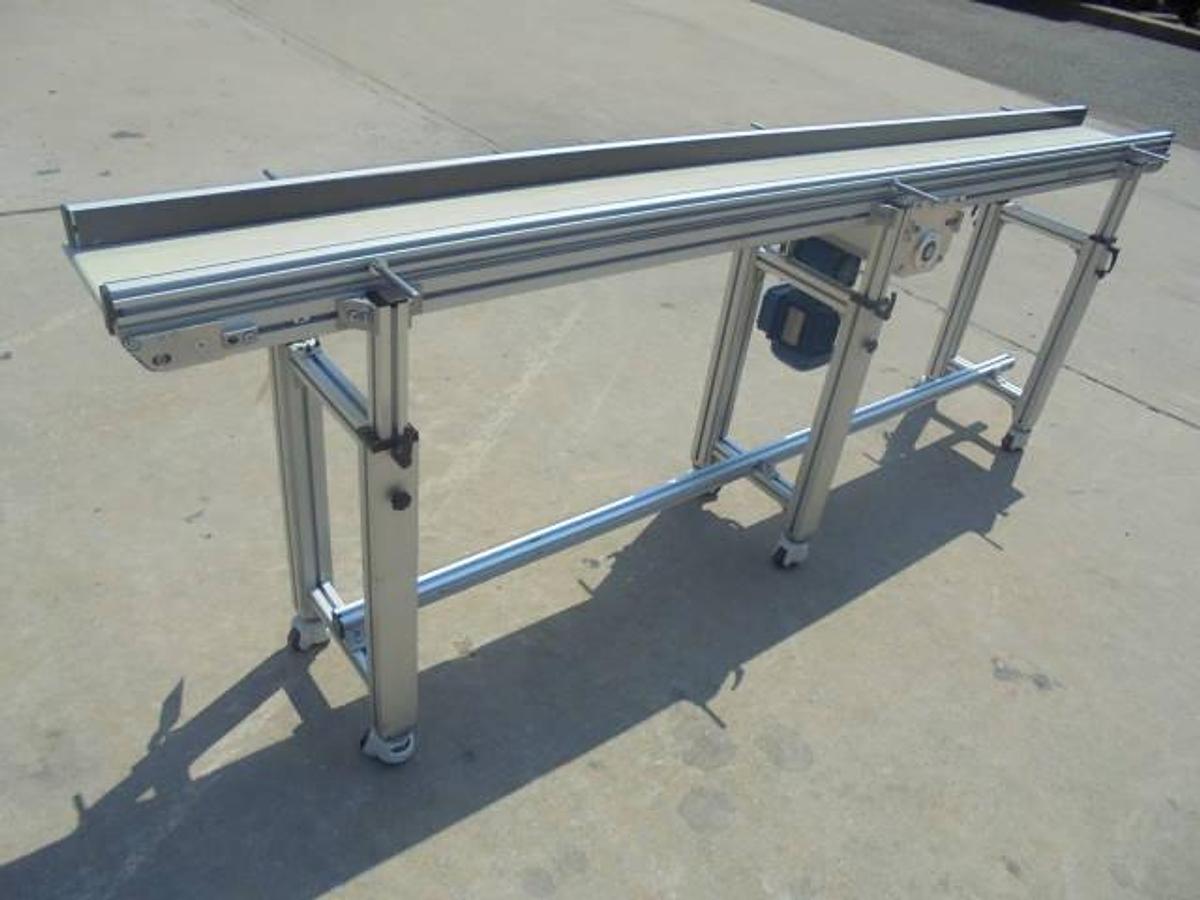
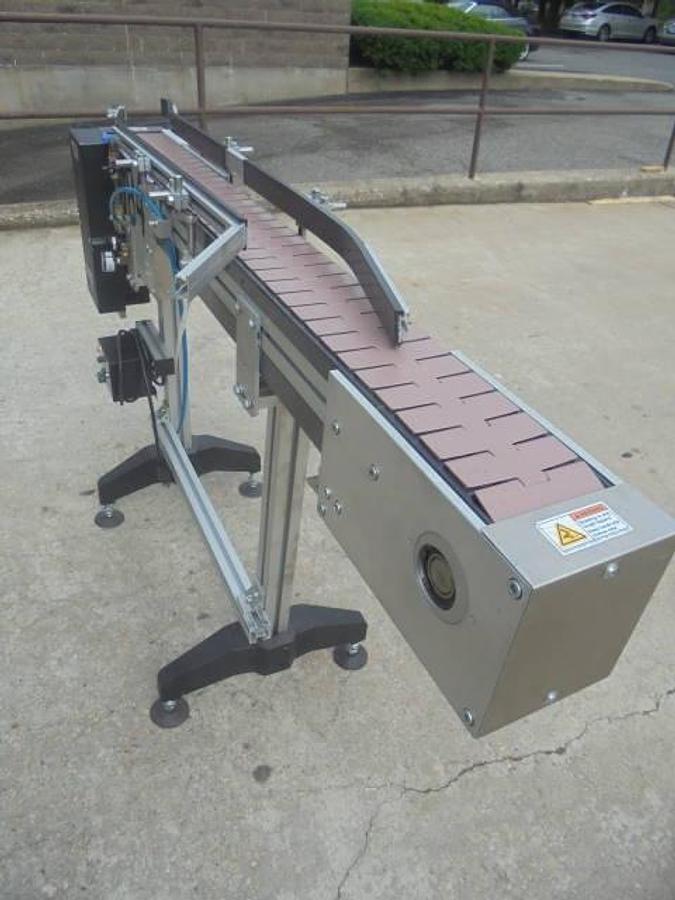
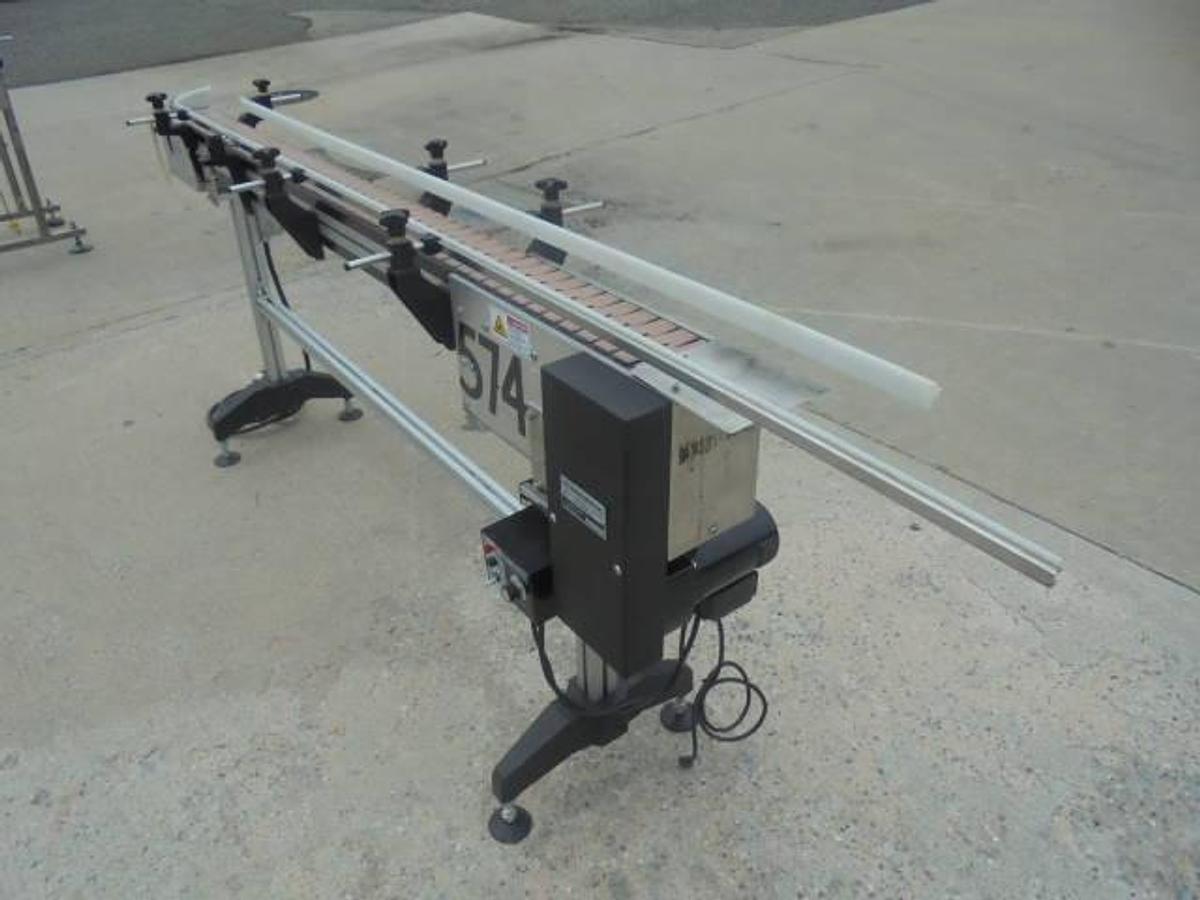
MK Automation (also marketed as mk North America and part of the mk Technology Group) produces a broad range of conveyor systems built around an aluminum profile extrusion platform. The core product line includes belt conveyors, chain conveyors, timing belt conveyors, roller conveyors, and overhead conveyor systems. Within the belt conveyor category alone, configurations vary considerably, from narrow bottle conveyors in the 4.5-inch belt width range to wider motorized belt conveyors in the 11-inch range, and lengths typically span from a few feet up to 9 feet or more depending on the application.
The aluminum extrusion foundation is a defining characteristic of MK's engineering approach. It keeps the frames lightweight while maintaining structural rigidity, and it allows components to be added, repositioned, or reconfigured without welding or heavy fabrication work. This makes MK conveyors a popular choice for facilities that need to adapt their production layouts over time without investing in entirely new equipment each time line configurations change.
What industries are MK Automation conveyor systems best suited for?
MK Automation conveyors are used across a wide range of manufacturing and assembly environments. Electronics assembly is one of the most common applications, where the precision and cleanliness of aluminum-framed belt conveyors suits the handling of circuit boards, sensors, and delicate components. Automotive parts handling, medical device manufacturing, packaging lines, and quality inspection stations are also frequent use cases. The systems are engineered for controlled, repeatable product movement, which makes them a natural fit anywhere that product orientation, spacing, or gentle handling matters.
Beyond those core industries, MK conveyors appear in food and beverage production, cosmetics packaging, and light industrial assembly operations. The bottle conveyor models, for example, are specifically designed to transport cylindrical containers upright and at variable speeds, which suits bottling lines and labeling stations. Because the platform is modular, the same basic conveyor frame can be fitted with different belt materials, side guides, and drive configurations to meet the specific demands of a given industry or product type.
What should buyers know about purchasing used MK Automation conveyor systems?
Buying used MK Automation conveyors can be a cost-effective way to add proven material handling equipment to a production line, but it requires more due diligence than purchasing from a manufacturer. Used equipment is sold as-is, meaning the condition of belts, drives, motors, and frame components will vary based on how the machine was used and maintained in its previous application. Buyers should request detailed photos, video walkthroughs, or in-person inspections to assess belt wear, motor condition, speed control functionality, and the integrity of the aluminum frame and any guiderails.
One practical advantage with MK conveyors specifically is that the modular aluminum profile system makes parts relatively accessible. Belts, drive components, and profile sections can often be sourced and replaced without custom fabrication. Before purchasing, it is worth consulting with MK Automation or an authorized service provider to confirm parts availability for the specific model and age of the unit being considered, since older models may have limited support. A reputable used equipment dealer with experience in conveyor systems will be able to provide accurate condition information and facilitate inspection arrangements.
Are MK Automation conveyor systems modular, and can they be reconfigured after purchase?
MK Automation's conveyor systems are built on a modular aluminum extrusion platform that is specifically designed for reconfiguration. The profile sections connect using standard hardware, which means conveyor lengths can be extended or shortened, side guides can be repositioned, and accessories like sensors, stops, or diverters can be added without specialized tooling or welding. This is one of the primary reasons MK conveyors have a strong following in assembly and automation environments where production layouts change periodically.
For buyers acquiring used MK conveyors, this modularity is an added benefit. Even if a used unit was originally configured for a different application, the frame and drive components may be adaptable to a new use case with relatively straightforward modifications. The key is verifying that the belt width, length, and speed range of the used unit align with the intended application, or confirming that the necessary components to modify it are available. Facilities that already run MK equipment may find it particularly easy to integrate a used unit, since they likely already have familiarity with the profile system and any compatible accessories.
What belt widths and lengths are commonly available for MK Automation conveyors?
MK Automation produces conveyors across a range of belt widths and lengths to suit different product sizes and throughput requirements. On the narrower end, bottle conveyor models are commonly available in widths around 4.5 inches, which is suited for single-file transport of small containers, vials, or cylindrical parts. Wider belt conveyor configurations, such as 11-inch belt widths, are used for larger parts, trays, or products that require a broader support surface. Lengths in the used market frequently range from around 5 feet to 9 feet or more, though custom lengths were available from the manufacturer for specific applications.
When evaluating a used MK conveyor, belt width and effective belt length are two of the most important specifications to confirm upfront. The listed dimensions on used equipment listings typically refer to the belt surface dimensions rather than the overall frame footprint, so buyers should clarify both measurements before purchase. Variable speed models, which are common in MK's bottle conveyor line, add flexibility for matching conveyor speed to upstream and downstream equipment, and confirming that the speed control mechanism is functional is an important part of any pre-purchase inspection.
How does the inspection process work when buying a used MK Automation conveyor?
Reputable used equipment dealers typically offer buyers the option to inspect machinery in person, through a live video call, or via recorded video of the machine. The goal of any inspection is to get an accurate picture of the conveyor's current condition, including the state of the belt surface, the drive motor, speed controls, frame integrity, and any guiding or side rail components. For MK conveyors that are still installed and running in a production facility, an in-person inspection can sometimes be arranged at the plant where the equipment is currently in use, giving buyers a chance to see the machine operating under real conditions.
It is worth understanding that most used equipment dealers do not have the permitting or infrastructure to run production-scale testing with actual product. What they can typically demonstrate is that the conveyor powers on, the belt runs, and the drive and speed controls function as expected. Buyers with specific throughput or application requirements should factor this into their evaluation process and may want to involve a qualified conveyor technician or integrator in the inspection to assess whether the used unit will meet their needs. Asking the dealer detailed questions about the machine's history, including what it was used for and how long it was in service, can also provide useful context.
What are typical shipping and logistics considerations for used MK Automation conveyors?
Conveyor systems require careful packaging to prevent damage during transit, and the cost of shipping will depend on the size of the unit, the level of crating or palletization required, and the distance involved. Smaller MK conveyors in the 5- to 9-foot range can often be shipped on standard pallets with proper blocking and bracing, but longer or heavier configurations may require custom crating to protect the belt, drive components, and aluminum frame from impact or vibration damage. Buyers should ask the dealer specifically what packaging method will be used and whether that cost is included in the listed price or billed separately.
For larger conveyor systems, rigging for loading and unloading at each end of the shipment can add to the total landed cost. Freight carriers that specialize in industrial equipment are generally better equipped to handle machinery than standard LTL carriers. Before finalizing a purchase, it is good practice to request a complete breakdown of packaging, freight, and any rigging charges so there are no surprises when the equipment arrives. Buyers should also confirm who is responsible for unloading the equipment at the destination and whether a forklift or other material handling equipment will be needed on the receiving end.
What payment terms should buyers expect when purchasing used conveyor equipment?
The standard practice among used equipment dealers is to require full payment before a machine is released for shipment. This applies to most transactions, particularly for first-time buyers or buyers with no prior purchasing history with a given dealer. Some dealers may offer payment terms to established customers with a track record of repeat purchases, but this is the exception rather than the rule in the used machinery market. Buyers should clarify payment expectations early in the process to avoid delays once a purchase decision is made.
Accepted payment methods vary by dealer but commonly include wire transfer, ACH, and in some cases credit card for smaller purchases. Given that used equipment is sold as-is, the payment and inspection process are closely linked. Most experienced buyers complete their inspection, ask any remaining questions about condition or specifications, and then arrange payment before the machine is packaged for shipment. Understanding the full cost of the transaction, including equipment price, packaging, freight, and any rigging fees, before submitting payment helps avoid misunderstandings and ensures the buyer has an accurate picture of the total investment.
Can MK Automation conveyor systems be integrated with PLCs and existing automation equipment?
MK Automation conveyors are designed with industrial automation integration in mind. Most motorized models use standard drive components that can be connected to programmable logic controllers (PLCs) for speed control, start/stop sequencing, and coordination with upstream or downstream equipment. Variable speed models, which are common in MK's product line, typically use standard AC or DC motor drives that accept analog or digital control signals compatible with most major PLC platforms from manufacturers like Allen-Bradley, Siemens, and Omron.
For used MK conveyors, integration capability depends on the specific drive and control components installed on the unit being purchased. Buyers planning to integrate a used conveyor into an automated line should confirm the motor type, drive specifications, and any existing control wiring before purchase. In some cases, the original control panel or speed controller may be included with the used unit, which can simplify integration. In others, the conveyor may arrive as a standalone mechanical unit requiring the buyer to supply or source compatible controls. Discussing integration requirements with the dealer during the evaluation process, and involving a controls engineer or systems integrator early, helps ensure the used conveyor will work within the intended automation architecture.
What is the price range for used MK Automation conveyor systems?
Pricing for used MK Automation conveyors varies based on belt width, length, configuration, condition, and the specific model. Smaller units, such as narrow bottle conveyors in the 4.5-inch by 5-foot range, typically sell for less than larger motorized belt conveyors with wider belts and longer frames. In the used equipment market, MK conveyors generally command a premium compared to lower-tier conveyor brands because of the quality of their aluminum extrusion construction and the availability of replacement parts, but they still represent a significant cost savings compared to purchasing equivalent equipment through a manufacturer's current production line.
Buyers should factor in the total landed cost when evaluating price, not just the listed equipment price. Packaging, freight, and rigging can add meaningfully to the total, particularly for longer or heavier conveyor sections being shipped across significant distances. It is also worth budgeting for any replacement components, such as a worn belt or a speed controller, that may need to be addressed after the machine arrives. Contacting the dealer directly for a current price and a full cost breakdown, including all shipping-related charges, gives the most accurate picture of what a specific used MK conveyor will actually cost to put into service.