Category
Manufacturer
Model
Mixmor
Mixmor focuses on providing manufacturing equipment for the food and beverage industry. Their popular products include high-efficiency mixing systems that improve production processes.
FAQ:
What types of Mixmor mixing equipment are available on the used market?
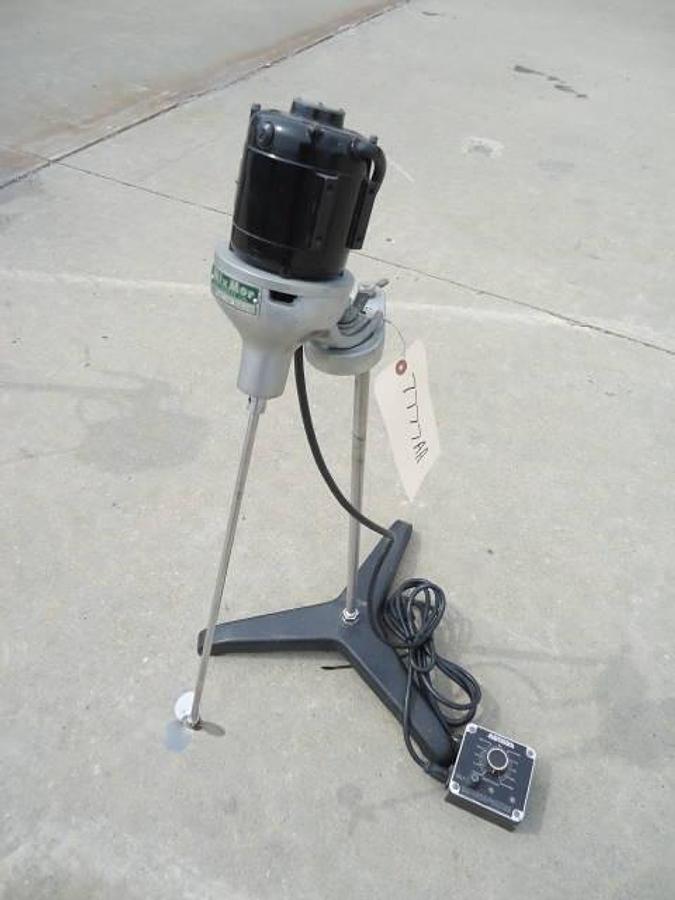
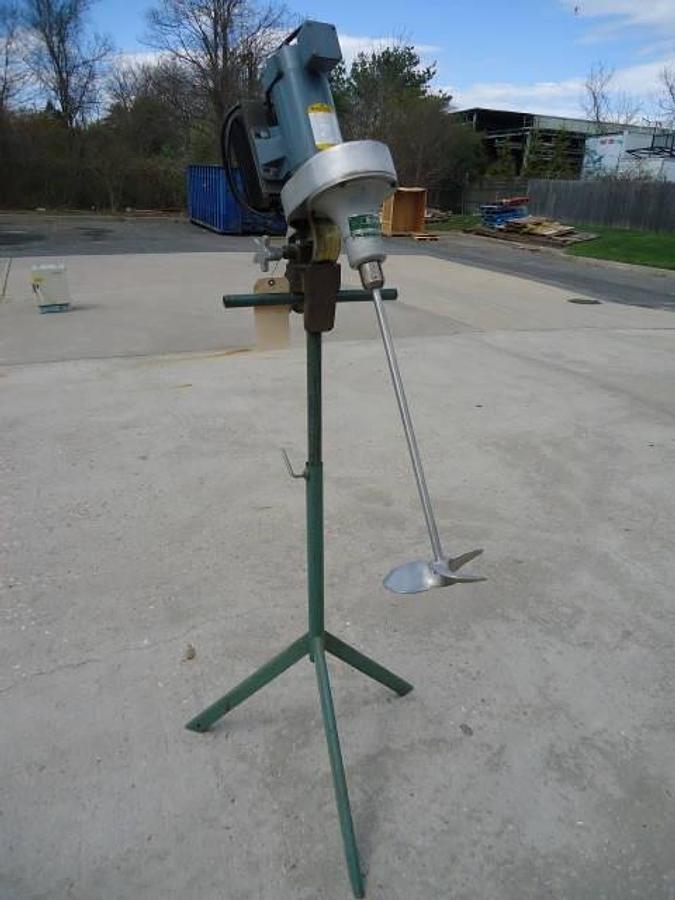
Mixmor produces a fairly broad range of mixing equipment, and used units that surface on the secondary market tend to reflect that variety. Buyers commonly find portable agitators, tabletop laboratory mixers, drum mixers, and larger tank-mounted units. Configuration options include top-entry and side-entry designs, giving buyers flexibility depending on their tank geometry and process requirements. Specific models like the Mixmor variable-speed portable agitator and the tabletop laboratory propeller mixer appear regularly among used equipment listings.
Beyond the basic mixer types, Mixmor equipment spans a wide range of drive configurations. Electric motor-driven units are the most common, but pneumatic (air-powered) and hydraulic options also exist for facilities where electrical power is restricted or explosion-proof environments are required. Horsepower ratings on used Mixmor units can range from fractional horsepower models suited for lab or small-batch work all the way up to larger industrial-duty machines designed for continuous production. Knowing the specific model number and horsepower rating before purchasing helps buyers match the equipment to their actual process demands.
What industries commonly use Mixmor mixing equipment?
Mixmor has built a strong reputation across several process-intensive industries. Food and beverage manufacturing is one of the most prominent application areas, where consistent blending, emulsification, and agitation are critical to product quality and safety. Chemical processing, water and wastewater treatment, paint and coatings manufacturing, and pharmaceutical production are also well-established markets for Mixmor equipment. The brand's focus on durability and reliable performance in demanding environments has made it a recognized name in facilities where mixers run continuously or handle challenging materials.
Because Mixmor equipment is designed for real production environments, used units purchased from those industries often have a documented operating history in conditions similar to what the next buyer may need. A mixer previously used in a food processing plant, for example, may already be built to sanitary or food-grade standards. Buyers sourcing used Mixmor equipment should ask the dealer about the machine's prior application, as this context can be valuable when evaluating whether a particular unit is a good fit for their own process requirements.
Can Mixmor mixers handle high-viscosity materials?
Yes, many Mixmor mixer models are designed with high-viscosity applications in mind. The brand offers configurations with impeller and propeller styles suited to thicker materials, and variable-speed drives allow operators to adjust rotational speed to match the resistance of heavy or viscous products. This makes certain Mixmor units well-suited for applications like adhesives, thick sauces, slurries, and similar materials that require more torque and slower agitation speeds than low-viscosity liquids.
When evaluating a used Mixmor mixer for high-viscosity work, buyers should pay close attention to the motor horsepower, gear ratio, shaft length, and impeller type. A unit that was originally configured for water-like liquids may not have the torque output needed for thick materials, even if the overall frame size looks appropriate. Requesting detailed specifications from the dealer and, if possible, reviewing the original equipment documentation will help confirm whether a specific used unit is properly matched to the intended viscosity range.
What should buyers know about inspecting used Mixmor equipment before purchasing?
Inspection is one of the most important steps in buying any used mixing equipment, and Mixmor units are no exception. Reputable used equipment dealers typically offer in-person inspections, virtual walkthroughs, or detailed video documentation of the machine's current condition. Buyers should look closely at the motor, shaft, seals, impeller or propeller, gearbox (if applicable), and speed control components. Wear on the shaft or impeller, signs of corrosion, and any evidence of prior repairs are all worth noting before committing to a purchase.
Some used Mixmor units may still be installed and operating at a production facility at the time of sale, which can provide a valuable opportunity to see the machine running under real conditions. In other cases, the equipment may have been decommissioned and placed in storage. Keep in mind that most used equipment dealers are not set up to run production tests with actual product, since that requires different permitting and facility capabilities. The goal of any inspection is to get an accurate, honest picture of the machine's mechanical condition so there are no surprises after delivery.
What power and drive configurations are available for Mixmor mixers?
Mixmor mixing equipment is manufactured in multiple drive configurations to accommodate different facility requirements and safety standards. Electric motor-driven units are the most widely available and cover a broad range of horsepower ratings. Pneumatic (air-powered) mixers are also part of the Mixmor lineup and are commonly chosen for use in hazardous or explosion-proof environments where electrical equipment poses a risk. Hydraulic drive options exist as well, typically for heavier-duty applications where very high torque is needed.
On the used market, electric models tend to be the most frequently available simply because they are the most widely deployed in general manufacturing settings. Variable-speed electric units, like the Mixmor portable agitators with variable speed control, are particularly sought after because they offer operational flexibility across different batch sizes and material types. Buyers should confirm the voltage and phase requirements of any used electric Mixmor unit (common configurations include single-phase 115V or 230V, and three-phase 230V or 460V) to make sure the equipment is compatible with their facility's electrical supply before purchasing.
Does Mixmor offer both portable and fixed-mount mixing solutions?
Mixmor produces equipment across both categories. Portable agitators are designed to be moved between tanks, drums, or vessels and are typically clamped or mounted temporarily rather than permanently installed. These units are popular in facilities that need mixing flexibility across multiple containers or production lines without investing in dedicated fixed equipment for each station. The Mixmor portable agitator line includes variable-speed models that are well-suited for lab work, pilot batches, or lower-volume production.
Fixed-mount configurations, including top-entry and side-entry tank mixers, are designed for permanent installation on a specific vessel and are built for continuous or high-duty-cycle operation. Side-entry mixers are commonly used in large storage tanks where top-entry access is impractical, while top-entry designs work well for open tanks and reactors. On the used market, both portable and fixed configurations appear with some regularity, and buyers should clarify with the dealer which mounting hardware, clamps, or flanges are included with the unit, as these components can affect installation costs and compatibility with existing tanks.
What mixing capacities do Mixmor units typically support?
Mixmor equipment spans a wide range of mixing capacities, from small laboratory and pilot-scale units designed for benchtop use up to large industrial mixers capable of agitating thousands of gallons in production tanks. The tabletop laboratory propeller mixer, for example, is built for small-volume work in research or quality control settings. At the other end of the spectrum, larger Mixmor tank mixers are engineered for full-scale industrial production environments where continuous operation and high throughput are required.
Capacity is not just a function of the mixer's physical size. Motor horsepower, impeller diameter, shaft length, and rotational speed all interact to determine how effectively a given unit can mix a specific volume and viscosity of material. Buyers evaluating used Mixmor equipment should match these technical parameters to their actual tank dimensions and product characteristics rather than relying on general size categories alone. Dealers who specialize in mixing equipment can often help buyers identify the right model for their application based on the machine's specifications.
Are replacement parts and manufacturer support available for used Mixmor equipment?
Parts availability and manufacturer support for used mixing equipment can vary significantly depending on the age of the machine and the specific model. Mixmor has been an established brand in the industrial mixing space for many years, and for relatively recent models, parts such as impellers, shafts, seals, and motor components are often still available through the manufacturer or authorized distributors. Older or discontinued models may have more limited support, which is worth investigating before committing to a purchase.
Buyers are strongly encouraged to contact Mixmor directly before purchasing a used unit to ask about parts availability and technical support for the specific model they are considering. The manufacturer can provide guidance on what components are still stocked, what the lead times look like, and whether the model in question has any known service considerations. This kind of due diligence is especially important for used equipment, since the machine's age and prior operating conditions can affect which parts are most likely to need attention over time.
What are typical shipping and logistics considerations when buying used Mixmor equipment?
Shipping used mixing equipment involves more planning than a standard freight shipment. Smaller portable units like tabletop laboratory mixers or compact agitators can typically be palletized and shipped via standard LTL (less-than-truckload) freight carriers, provided they are properly secured and protected. Larger tank mixers or heavy industrial units may require custom crating, specialized rigging for loading and unloading, and flatbed or specialized freight services. The cost of packaging, crating, and rigging can add meaningfully to the total landed cost of the equipment, so buyers should ask for a full breakdown of these charges upfront.
For heavier machines, rigging at both the origin and destination is often a separate cost that buyers need to arrange or budget for independently. Some facilities where the equipment is currently installed may require the buyer to coordinate rigging and removal logistics directly. Buyers should also confirm with the dealer exactly what is included in the quoted shipping price versus what will be billed separately, and factor in any required permits or specialized transport arrangements for oversized loads. Getting a clear picture of the full landed cost before agreeing to a purchase avoids unexpected expenses after the sale.
What payment terms should buyers expect when purchasing used Mixmor mixing equipment?
Payment practices in the used industrial equipment market are fairly standardized. Most dealers require payment in full before the equipment is released for shipping or pickup. This is standard practice across the industry and reflects the nature of used machinery transactions, where the dealer needs to confirm funds before transferring ownership and arranging logistics. Common payment methods include wire transfer, ACH, and in some cases credit card, though the accepted methods vary by dealer.
For buyers who are repeat customers with an established relationship at a particular dealership, some dealers may offer extended payment terms or other arrangements. First-time buyers should plan for the full-payment-upfront model and factor that into their procurement timeline, especially if internal purchase order or approval processes take time. It is also worth confirming with the dealer at what point in the transaction the equipment is considered sold and removed from available inventory, to avoid situations where a desired machine sells to another buyer while payment is being processed.