Category
Manufacturer
Model
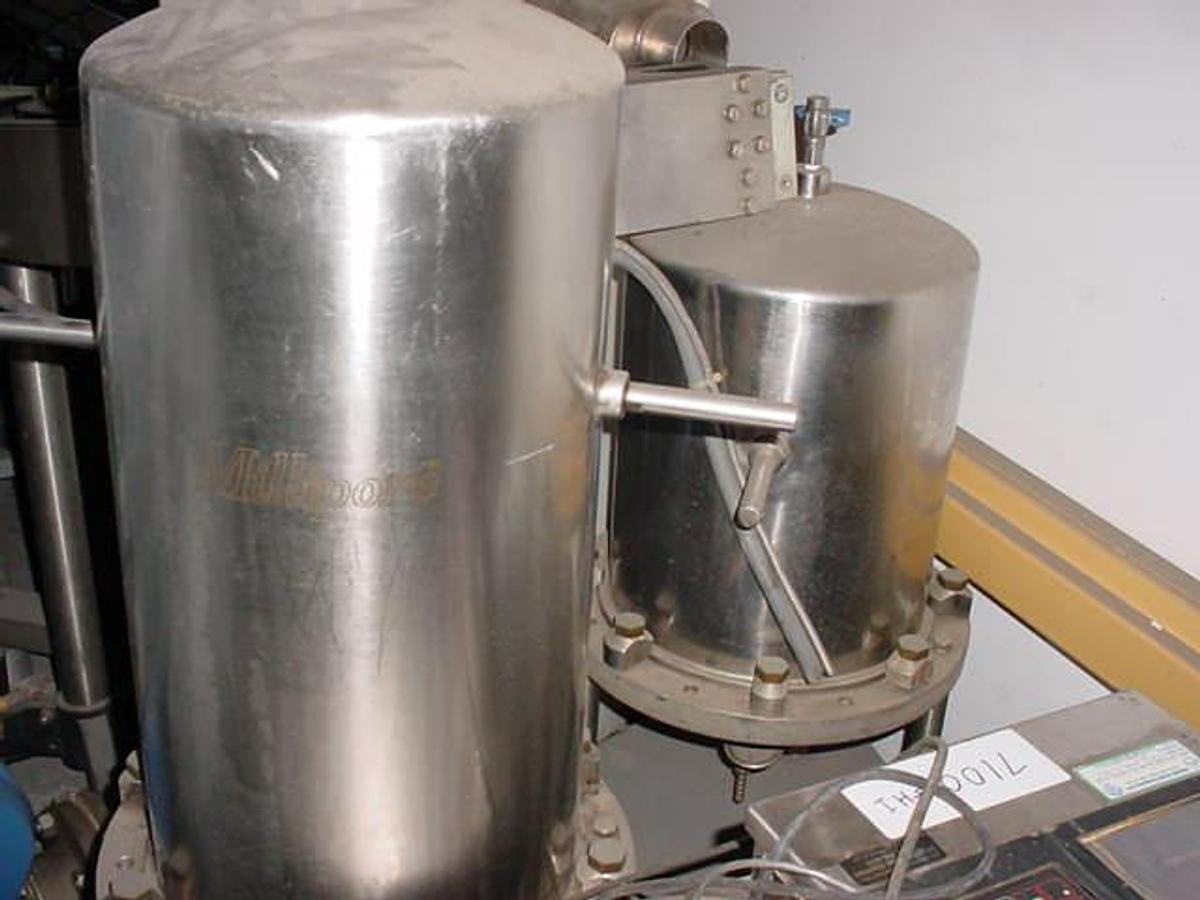
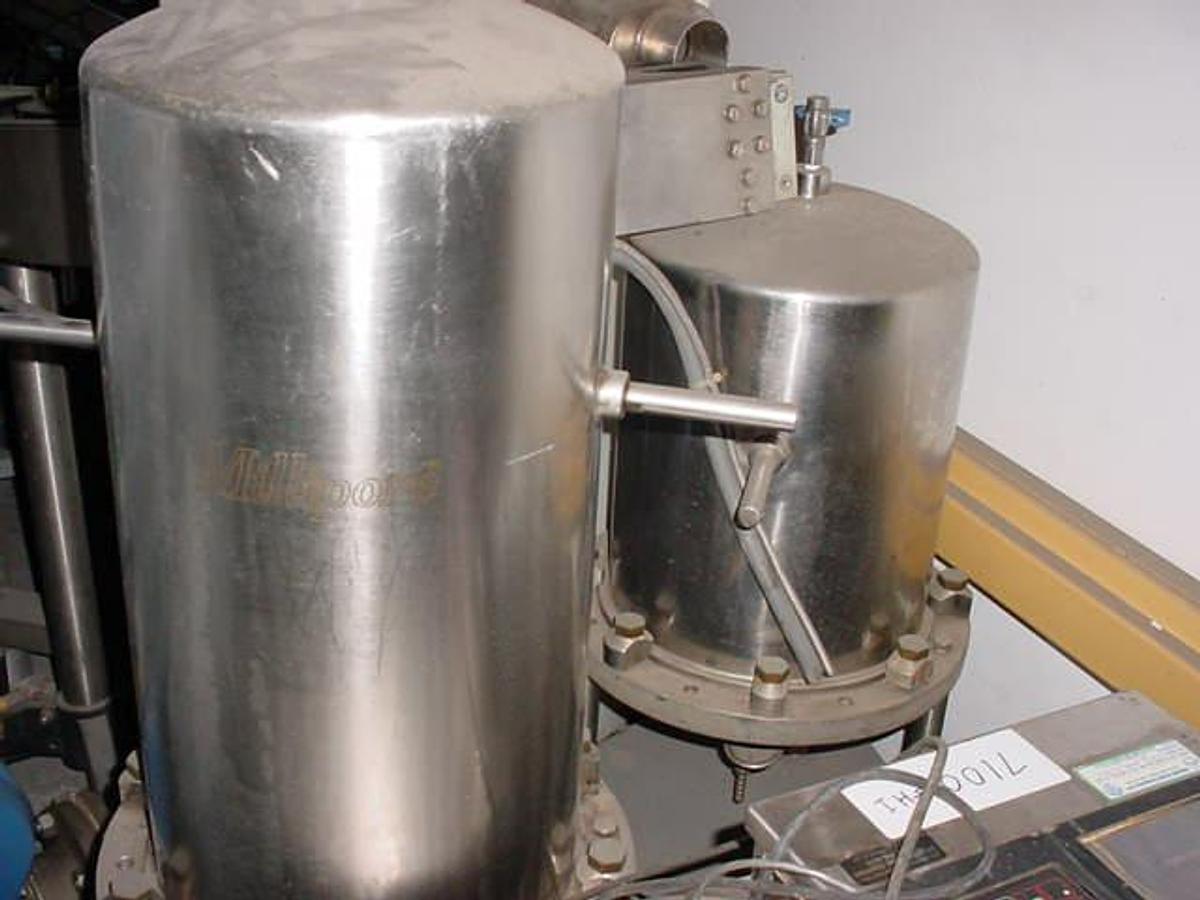
Millipore
Millipore is a leader in manufacturing equipment for the life sciences and pharmaceutical industries. They are recognized for their filtration and purification systems that are crucial for maintaining product integrity.
FAQ:
What types of Millipore equipment are commonly available on the used market?
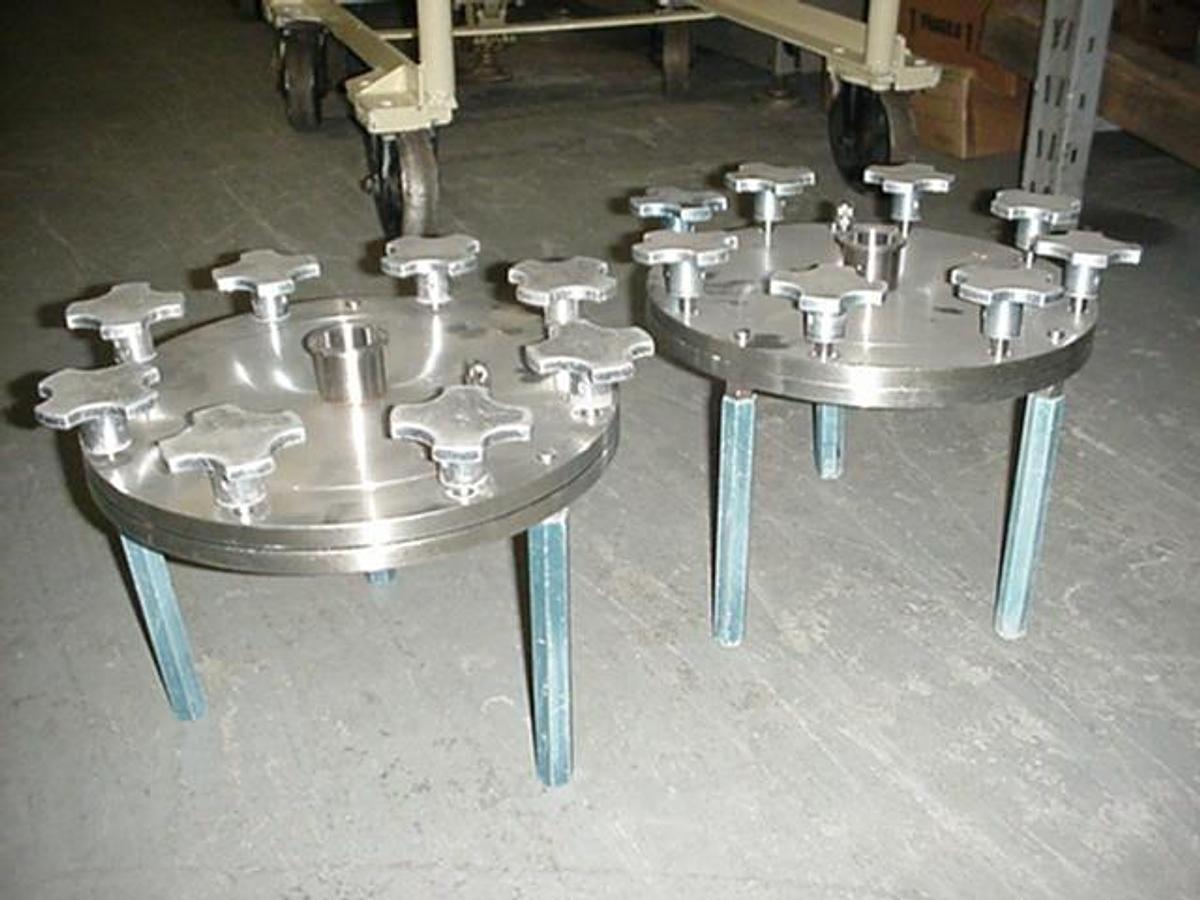
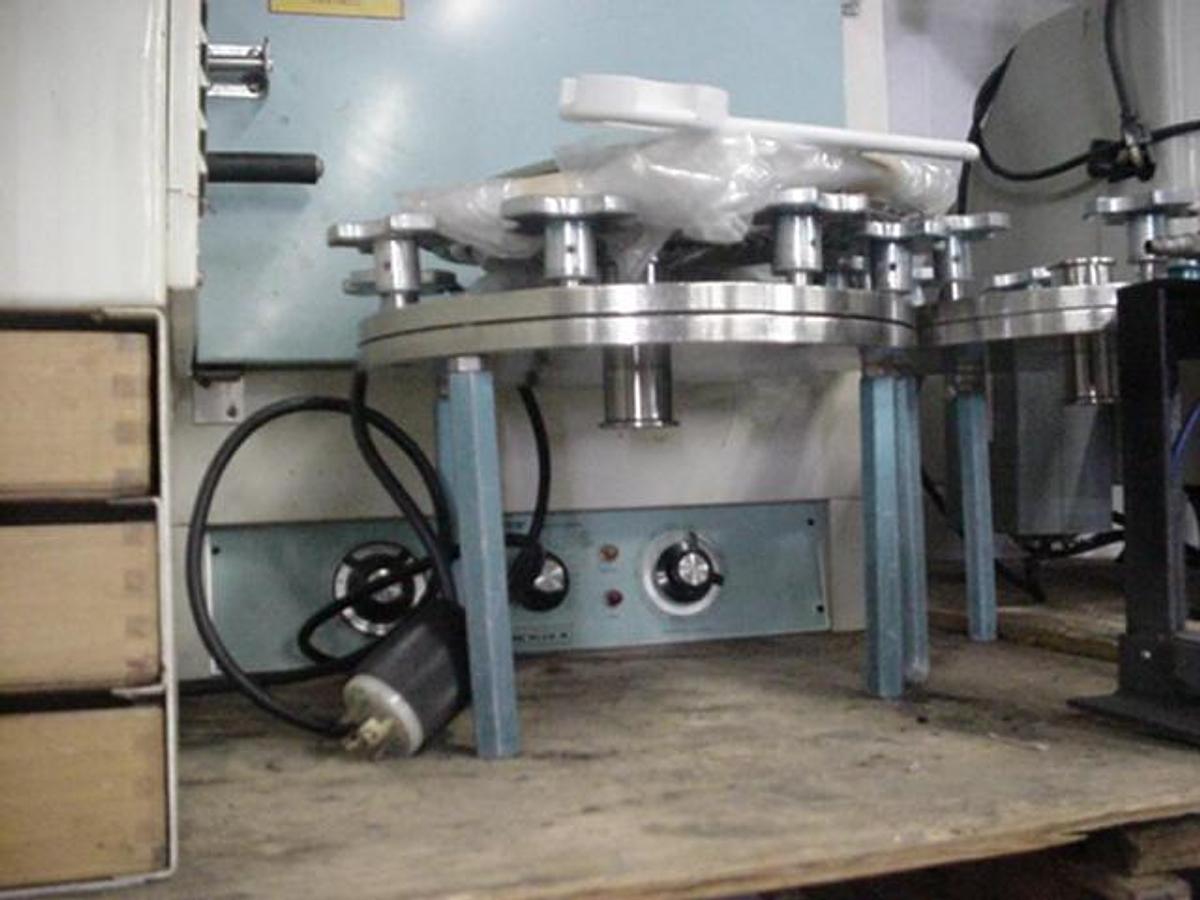
Millipore produces a broad range of equipment for laboratory filtration, water purification, and bioprocessing. On the used market, buyers most frequently find Milli-Q water purification systems, tangential flow filtration (TFF) units, membrane disc filter holders, peristaltic pump/dispensers, Stericup and Steritop filtration assemblies, and stainless steel filter holders in various sizes such as 293mm configurations. These product categories serve a wide range of applications across pharmaceutical manufacturing, biotech research, academic laboratories, and clinical settings.
The specific models available at any given time depend on what has been decommissioned from active facilities. Peristaltic pump/dispensers like the Millipore Sterite Compact are popular finds, as are membrane disc filters in both standard and stainless steel configurations. Buyers with specific application requirements should review available inventory carefully and confirm that the model they are considering matches the flow rates, membrane compatibility, and pressure ratings their process demands.
What is Millipore, and what industries does it serve?
Millipore is a globally recognized manufacturer of filtration, purification, and separation equipment for the life sciences and pharmaceutical industries. The company is now part of MilliporeSigma, which was formed following the merger of Merck KGaA and Sigma-Aldrich. Millipore equipment is known for maintaining product integrity in processes where contamination control and precise fluid handling are critical. Their systems are used in drug manufacturing, biopharmaceutical production, water quality testing, and research laboratory workflows.
The primary buyers of Millipore equipment span pharmaceutical companies, biotechnology firms, academic research institutions, and clinical laboratories. Within those settings, Millipore products support applications such as sterile filtration, ultrapure water production, cell culture media preparation, HPLC sample preparation, and microfiltration. The brand's reputation for precision and compliance with industry standards has made it one of the most sought-after names in laboratory and process filtration equipment.
What is the difference between Millipore and Milli-Q water purification systems?
Milli-Q is a specific product line within the broader Millipore portfolio, dedicated to laboratory water purification. Milli-Q systems are designed to produce ultrapure Type 1 water, which meets the most stringent purity requirements for sensitive laboratory applications. This level of water quality is essential for techniques such as HPLC, mass spectrometry, cell culture, PCR, and molecular biology assays, where even trace contaminants can compromise results. The Milli-Q name has become so synonymous with ultrapure water in laboratory settings that researchers often use it generically, regardless of the actual system brand.
Millipore as a whole covers a much wider range of equipment beyond water purification, including membrane filtration systems, tangential flow filtration units, filter holders, and peristaltic pumps used in bioprocessing and pharmaceutical manufacturing. So while every Milli-Q system is a Millipore product, not every Millipore product is a Milli-Q system. Buyers searching the used market should clarify which specific product line or model they need, since the applications and consumable requirements differ significantly between water purification systems and process filtration hardware.
Is used Millipore equipment reliable for pharmaceutical or biotech applications?
Used Millipore equipment can perform reliably in pharmaceutical and biotech environments, but the condition of the specific unit matters considerably. Millipore builds its equipment to demanding quality standards, and many systems have long operational lifespans when properly maintained. That said, buyers in regulated industries should pay close attention to the service history, age, and current condition of any used unit before committing to a purchase. Filtration equipment that has been stored improperly, run beyond its maintenance intervals, or exposed to incompatible solvents may require significant reconditioning before it is fit for GMP or validated use.
For regulated applications, buyers should also factor in the cost and feasibility of requalification or revalidation after acquiring used equipment. Consulting with the manufacturer, MilliporeSigma, about parts availability, calibration support, and whether a given model is still supported is a practical step before purchasing. Selecting a used equipment dealer with a track record in laboratory and pharmaceutical machinery, and requesting a thorough inspection prior to purchase, reduces the risk of acquiring a unit that cannot meet the performance requirements of a controlled environment.
How should a buyer inspect used Millipore equipment before purchasing?
Inspections are a critical step in any used equipment purchase, and reputable dealers will typically offer several options. Buyers can request an in-person inspection at the dealer's facility, a live video walkthrough, or recorded video documentation of the machine's current condition. For Millipore filtration equipment, an inspection should cover the condition of filter housings, seals, gaskets, and any tubing or fittings. Visible corrosion, cracking, or staining on stainless steel components can indicate exposure to harsh chemicals or inadequate cleaning. For pump-based systems, listening for unusual noise during operation and checking for smooth, consistent flow is important.
One practical limitation to keep in mind is that most used equipment dealers are not set up to run actual production processes. Testing a membrane filter system with real product, for example, requires specific permitting and production infrastructure that a dealer will not have. What dealers can typically demonstrate is mechanical operation, such as pump function or valve movement, and physical condition. Buyers should use the inspection to get the most accurate picture possible of the machine's current state, and should factor in the cost of any reconditioning, seal replacement, or calibration that may be needed after delivery.
Are replacement filters, membranes, and consumables readily available for used Millipore equipment?
Consumables for Millipore equipment, including filter membranes, cartridges, seals, and gaskets, are widely available through MilliporeSigma directly as well as through authorized laboratory supply distributors. This is one of the practical advantages of purchasing Millipore equipment on the used market: the consumable supply chain is well-established, and buyers are unlikely to face sourcing difficulties for commonly used membrane types and filter formats. Millipore membranes are available in a range of materials including PVDF, PTFE, nylon, and mixed cellulose esters, covering most filtration applications in life sciences and pharmaceutical manufacturing.
That said, buyers should verify consumable compatibility before purchasing a specific used unit. Older or discontinued models may use proprietary filter formats that are harder to source, and some legacy systems may require adapters or custom fabrication for certain membrane sizes. Contacting MilliporeSigma with the model number of the equipment under consideration is a straightforward way to confirm what consumables are currently supported and whether any end-of-life notices apply to that product line. This step can prevent unexpected operational costs after the equipment arrives.
What compliance standards and certifications does Millipore equipment typically meet?
Millipore designs its filtration and purification equipment to meet the requirements of heavily regulated industries, and many products are built in accordance with ISO quality management standards, FDA guidance for pharmaceutical manufacturing, and GMP (Good Manufacturing Practice) requirements. Specific product lines are validated for use in applications governed by USP (United States Pharmacopeia) and EP (European Pharmacopoeia) water quality standards, particularly within the Milli-Q water purification line. Filter membranes and housings intended for sterile filtration applications are typically manufactured and tested to meet standards such as ASTM and ANSI specifications relevant to microbiology and bioburden control.
For buyers acquiring used Millipore equipment for regulated applications, the equipment's original compliance documentation does not automatically transfer with a used sale. Requalification and revalidation are typically required before a used system can be placed into a GMP environment. This involves generating new installation qualification (IQ), operational qualification (OQ), and performance qualification (PQ) documentation. Buyers should budget for this process and consult with their quality assurance teams early in the purchasing decision, as the cost and timeline of revalidation can be a significant factor in the overall value of a used unit.
What does used Millipore equipment typically cost, and what factors affect pricing?
Pricing for used Millipore equipment varies considerably depending on the product category, model, age, and condition. Smaller items such as membrane disc filter holders and peristaltic pump/dispensers are generally priced in the hundreds to low thousands of dollars. More complex systems such as Milli-Q ultrapure water stations or tangential flow filtration rigs can run from several thousand to tens of thousands of dollars depending on the configuration and how recently the unit was manufactured. Stainless steel construction, larger filter diameters, and multi-channel configurations all tend to push prices higher.
Beyond the purchase price, buyers should account for shipping, rigging, and any reconditioning costs when calculating the true landed cost of a used unit. Larger or heavier equipment may require specialized rigging for loading and unloading, which adds to the total. Consumables needed to bring the system into service, such as replacement membranes or seals, should also be factored in. Despite these additional costs, used Millipore equipment typically represents a meaningful discount compared to purchasing equivalent systems through standard laboratory supply channels, which is why the used market for this brand remains active across pharmaceutical, biotech, and academic buyers.
What should buyers know about shipping and payment for used Millipore equipment?
Shipping used laboratory and filtration equipment requires careful packaging to prevent damage in transit. Dealers will typically palletize or crate equipment depending on its size, weight, and fragility, and the level of packaging required directly affects shipping costs. Buyers should ask dealers for a detailed breakdown of packaging, rigging, and freight charges before finalizing a purchase, since these costs can be significant for heavier stainless steel filter systems or multi-component units. For large equipment, specialized rigging services may be needed for both loading at the dealer's facility and unloading at the destination, and those costs are generally passed on to the buyer.
On the payment side, most used equipment dealers require full payment before a machine ships. Some dealers extend payment terms to established repeat customers, but this is the exception rather than the rule for first-time buyers. Understanding the full landed cost, which includes the equipment price, packaging, rigging, freight, and any import duties if shipping internationally, gives buyers an accurate picture of the investment before committing. Asking these questions upfront avoids surprises and helps buyers compare the total cost of acquiring used equipment against other sourcing options.
What is the typical lifespan of Millipore filtration equipment, and how does age affect a used purchase decision?
Millipore filtration equipment is built for demanding laboratory and production environments, and many systems have operational lifespans measured in decades when properly maintained. Stainless steel filter holders and housings, for example, can remain serviceable for 20 or more years if they have been cleaned correctly and stored appropriately between uses. Pump-based systems and more complex instrumentation tend to have shorter practical lifespans due to wear on mechanical and electronic components, but even these units often remain functional well past the 10-year mark with proper servicing. The age of a unit is therefore one factor in a used purchase, but condition and maintenance history are generally more telling.
Buyers should approach age as context rather than a disqualifier. A well-maintained 15-year-old stainless steel filter holder may be a better purchase than a poorly stored 5-year-old unit. For more sophisticated systems like Milli-Q water purification stations, age also affects parts availability and manufacturer support. Consulting with MilliporeSigma about whether a specific model is still supported, and what parts remain available, is a sensible step before purchasing older equipment. A reputable used equipment dealer specializing in laboratory or pharmaceutical machinery will typically be transparent about the age and service history of units they carry, which helps buyers make an informed decision.