Category
Manufacturer
Model
Mikro
Mikro specializes in manufacturing equipment for the food and pharmaceutical industries. They are particularly known for their milling and grinding machines that ensure product consistency and quality.
FAQ:
What is Mikro milling and grinding equipment used for?
Mikro milling and grinding equipment is designed for size reduction and powder processing, with a particular focus on achieving fine and ultra-fine particle sizes. The equipment is widely used in industries where product consistency and particle uniformity are critical, including pharmaceuticals, food processing, chemicals, cosmetics, minerals, and plastics. Mikro machines reduce bulk materials into powders by applying mechanical forces such as impact, attrition, and shear, depending on the specific mill type. This makes them suitable for processing everything from heat-sensitive pharmaceutical compounds to food ingredients that require precise granularity for texture or bioavailability.
Within those industries, specific applications include grinding active pharmaceutical ingredients (APIs) to controlled particle sizes for drug absorption, milling spices and food additives for consistent flavor and texture, and reducing pigments or minerals for use in coatings and plastics. Mikro equipment is associated with the Hosokawa Micron Group, a globally recognized name in powder processing technology. Because of this lineage, Mikro mills are often specified by process engineers who need reliable, repeatable results at both laboratory and full production scale. Used Mikro equipment is commonly sought after by manufacturers looking to add proven size reduction capability without the lead times or cost associated with purchasing new machinery from a manufacturer.
What particle sizes can Mikro milling grinding equipment achieve?
Mikro milling and grinding equipment is engineered to achieve a broad range of particle sizes, from coarse granules down to micron and sub-micron levels depending on the mill type and configuration. The Mikro ACM Air Classifying Mill, for example, is particularly well-regarded for its ability to produce narrow particle size distributions in the range of 1 to 100 microns, making it one of the more versatile options for fine powder applications. Other models, such as hammer mills and pulverizers like the Mikro 1SH and 2DH, are better suited for medium-fine reduction where the target particle size is coarser but consistency across the batch is still essential.
The actual particle size achieved in practice depends on several variables: rotor speed, classifier wheel speed (where applicable), feed rate, screen or liner selection, and the physical properties of the material being processed, including hardness, moisture content, and heat sensitivity. Mikro equipment is designed to allow operators to adjust these parameters and dial in a target particle size distribution with a reasonable degree of repeatability. Buyers evaluating used Mikro equipment should review the specific model's design characteristics and, where possible, consult with the manufacturer to confirm whether the machine's configuration is appropriate for their target particle size range.
What industries commonly use Mikro milling grinding equipment?
Mikro milling and grinding equipment has a particularly strong presence in the pharmaceutical and food processing industries, where product purity, contamination control, and particle size consistency are non-negotiable. In pharmaceuticals, Mikro mills are used to reduce API particle sizes to improve dissolution rates and bioavailability, and the availability of stainless steel and explosion-proof configurations makes them compliant with the stringent hygiene and safety requirements of GMP environments. In food processing, the equipment handles spices, starches, sugars, and other ingredients that need to be milled to a specific fineness for quality and texture.
Beyond those two core markets, Mikro equipment is also used in chemicals, cosmetics, minerals processing, and plastics compounding. Chemical manufacturers use these mills to reduce pigments, dyes, and specialty compounds. Cosmetics producers rely on them for fine grinding of talc, mica, and other mineral-based ingredients. Minerals and mining operations use Mikro equipment for processing industrial minerals to specification. The breadth of industries served reflects the versatility of the equipment's design, particularly the availability of different rotor types, liners, and material contact surfaces. Used Mikro machines are actively sought across all of these sectors because the underlying engineering remains sound well beyond the initial production run of the equipment.
What types of Mikro milling and grinding machines are available on the used equipment market?
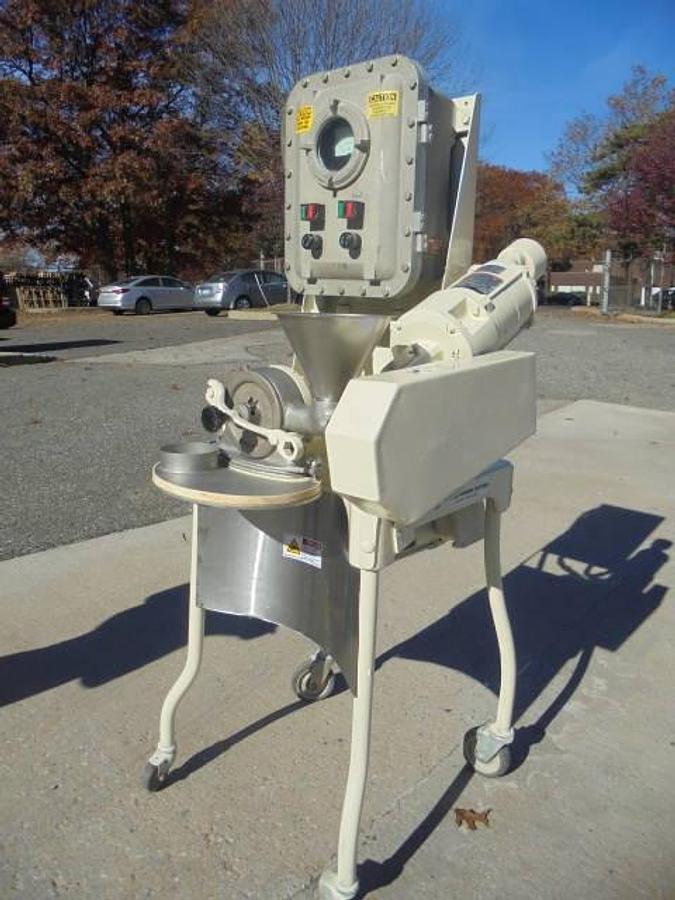
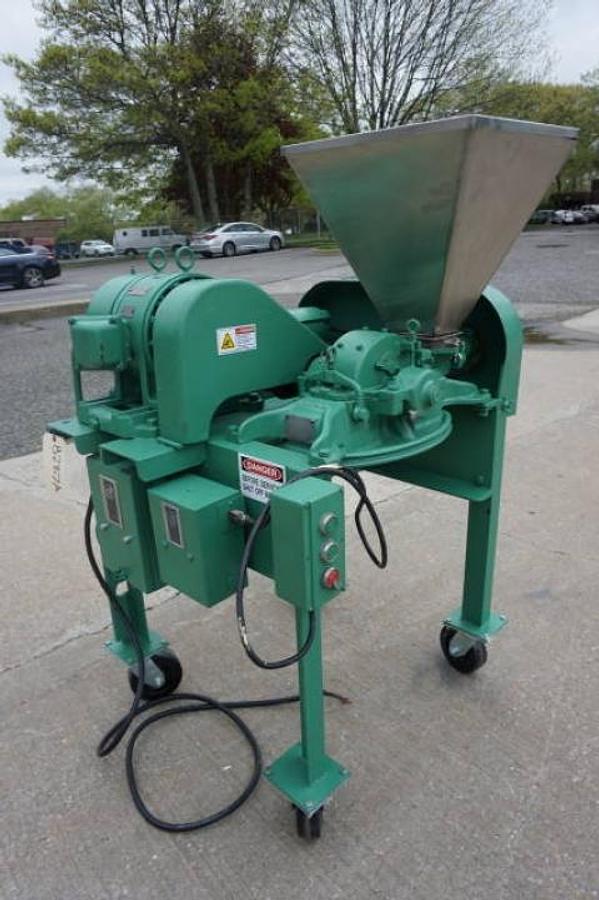
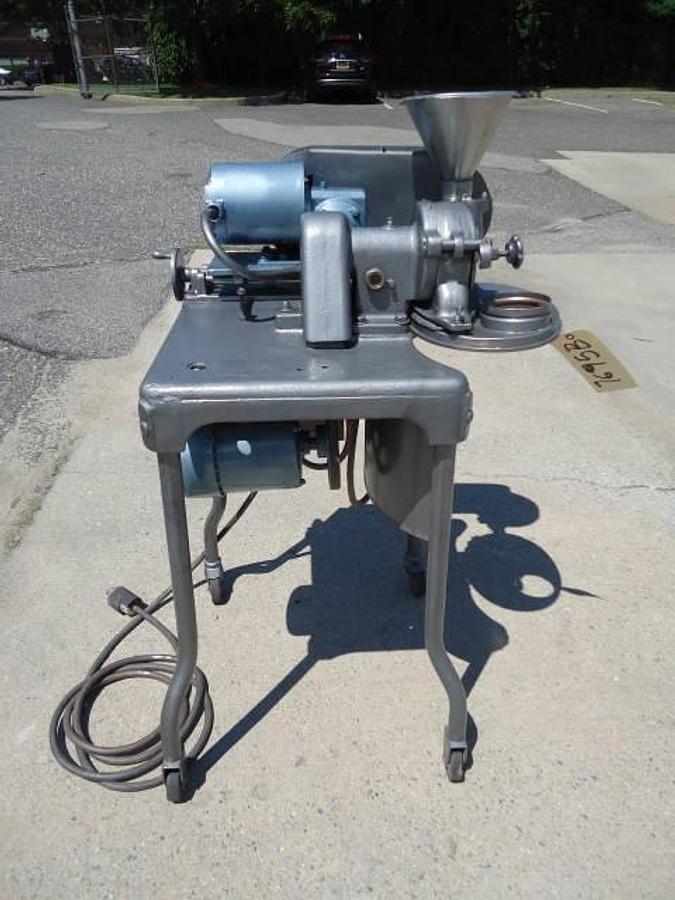
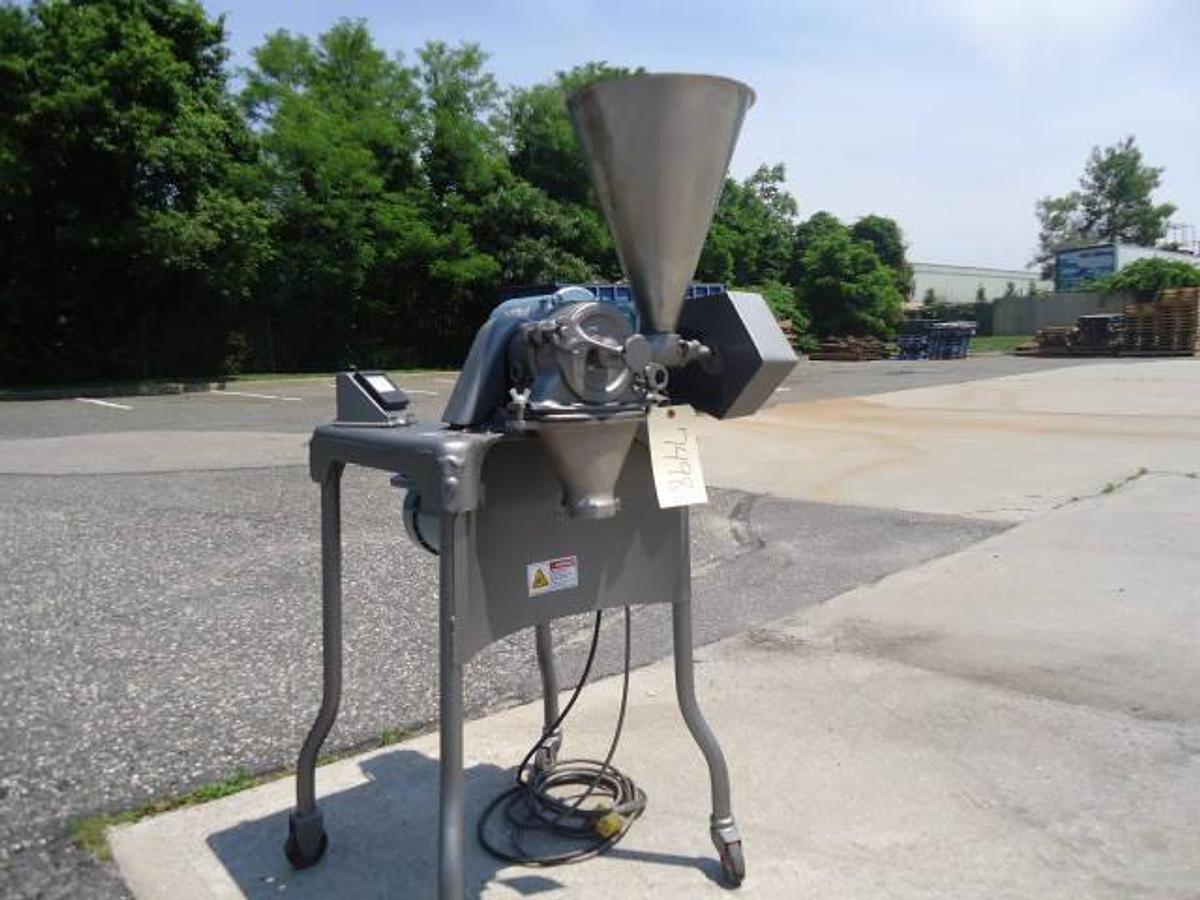
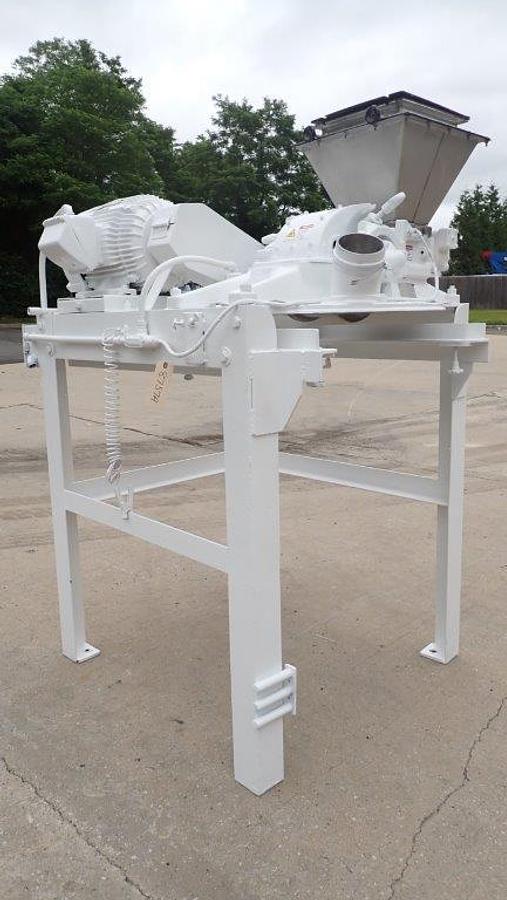
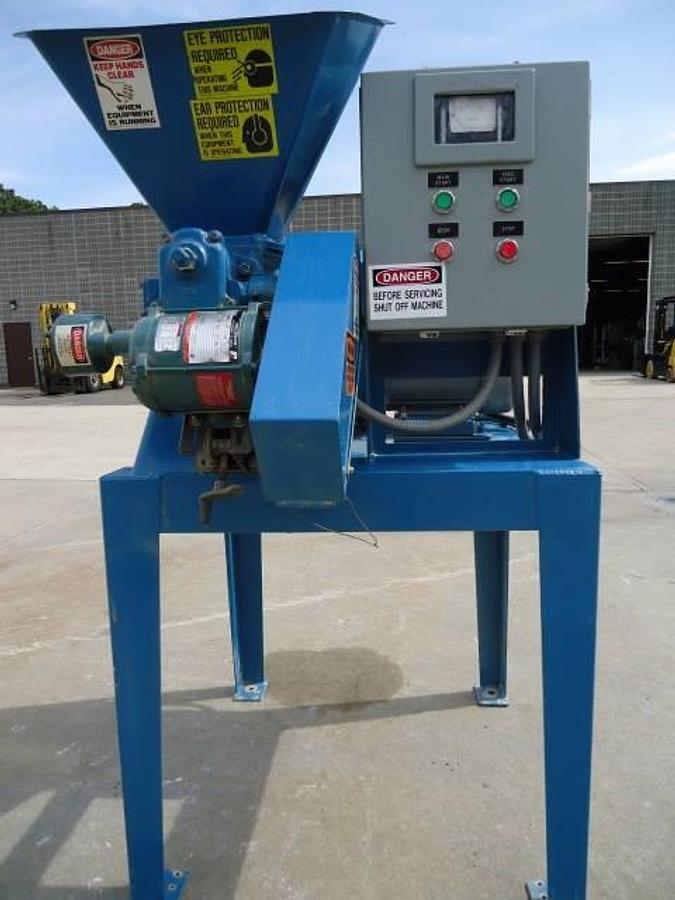
The used equipment market for Mikro machinery includes several distinct product lines, each designed for different milling applications and production scales. Hammer mills and pulverizers, such as the Mikro 1SH and 2DH models, are among the most commonly available. These machines use high-speed rotating hammers to impact and shear material, making them well-suited for medium-fine grinding of a wide range of materials. The Bantam series, including the Mikro Bantam SH and Bantam CF, represents a smaller-footprint option often used in laboratory or pilot-scale settings where process development or small-batch production is the goal.
Beyond hammer mills, the used market also surfaces Mikro ACM Air Classifying Mills, which incorporate an internal classifier to produce tighter particle size distributions, and Mikro UMP Universal Milling Systems, which offer flexibility across different grinding mechanisms. Many used Mikro machines are available in stainless steel construction for food and pharmaceutical applications, and explosion-proof motor configurations for handling flammable or combustible materials. Buyers should pay close attention to the specific model designation and configuration when evaluating used Mikro equipment, as the differences between models, motor ratings, and material contact surfaces significantly affect suitability for a given application.
How does a Mikro ACM Air Classifying Mill differ from a Mikro hammer mill or pulverizer?
The Mikro ACM Air Classifying Mill and the Mikro hammer mill or pulverizer both reduce particle size through mechanical impact, but they differ significantly in how they control the final particle size distribution. A hammer mill or pulverizer relies primarily on screen selection and rotor speed to determine the upper limit of particle size leaving the machine. Material passes through the mill until it is small enough to exit through the screen, which works well for a range of applications but can produce a broader distribution of particle sizes. The ACM, by contrast, incorporates an internal air classifier that continuously separates particles by size within the milling chamber. Oversized particles are returned for further grinding, while particles that meet the target size exit the system. This closed-loop classification produces a much tighter, more controlled particle size distribution.
From a practical standpoint, this means the ACM is better suited for applications where a narrow distribution is critical, such as pharmaceutical APIs or fine chemical powders, while hammer mills and pulverizers are often preferred for applications where throughput and cost-efficiency matter more than achieving a precise distribution. The ACM also handles heat-sensitive materials more effectively because the air flow through the system provides cooling during processing. On the used equipment market, ACM mills tend to command higher prices than standard hammer mills due to their greater process capability, but both types are widely available and can represent strong value compared to purchasing from a manufacturer.
What materials can be processed with Mikro milling grinding equipment?
Mikro milling and grinding equipment is capable of processing a wide range of materials, provided the machine configuration is matched to the material's physical properties. Hard, brittle materials such as minerals, pigments, and certain chemicals are well-suited to impact-based milling using hammer mills or pulverizers. Softer or more fibrous materials, including food ingredients like spices, starches, and dried vegetables, can also be processed effectively with the right rotor and screen combination. Pharmaceutical compounds, including crystalline APIs and excipients, are among the most demanding applications because they often require ultra-fine particle sizes combined with strict purity and contamination standards.
Material properties that significantly affect equipment selection include hardness, abrasiveness, moisture content, heat sensitivity, and whether the material is flammable or combustible. For heat-sensitive materials, the ACM's air-cooling capability is an advantage. For flammable or combustible materials, explosion-proof motor configurations, such as those found on the Mikro 1SH XP and Mikro 2DH Explosion Proof models, are a practical necessity rather than an optional feature. Buyers evaluating used Mikro equipment for a specific material should verify that the machine's construction materials, motor rating, and screen or classifier configuration are appropriate for that material before completing a purchase. Consulting with the manufacturer about a specific model's suitability for a given material is a reasonable step during the evaluation process.
What is the price range for used Mikro milling grinding equipment?
Pricing for used Mikro milling and grinding equipment varies considerably depending on the machine type, size, configuration, age, and overall condition. Smaller laboratory-scale units like the Bantam series typically fall at the lower end of the price range, making them accessible for research facilities, universities, or small-batch producers. Mid-range pricing generally applies to standard production-scale hammer mills and pulverizers such as the 1SH and 2DH models. Larger, more complex systems like the ACM Air Classifying Mill or fully integrated milling systems tend to carry higher price tags on the used market, reflecting their greater process capability and the cost of the technology involved.
Beyond the base machine price, buyers should factor in additional costs that affect the total landed price of the equipment. Shipping, rigging, and crating costs can be significant for heavier industrial machines, and these expenses vary based on origin, destination, and the level of packaging required to protect the equipment in transit. It is worth asking the selling dealer for a detailed breakdown of all associated costs before making a purchase decision. Buyers should also consider the potential cost of spare parts, wear items like hammers and liners, and any refurbishment work that may be needed after acquisition. Used equipment pricing reflects the machine's condition at the time of sale, so a thorough inspection is the best way to understand the true value of a specific unit.
Is used Mikro milling grinding equipment suitable for pharmaceutical or food-grade applications?
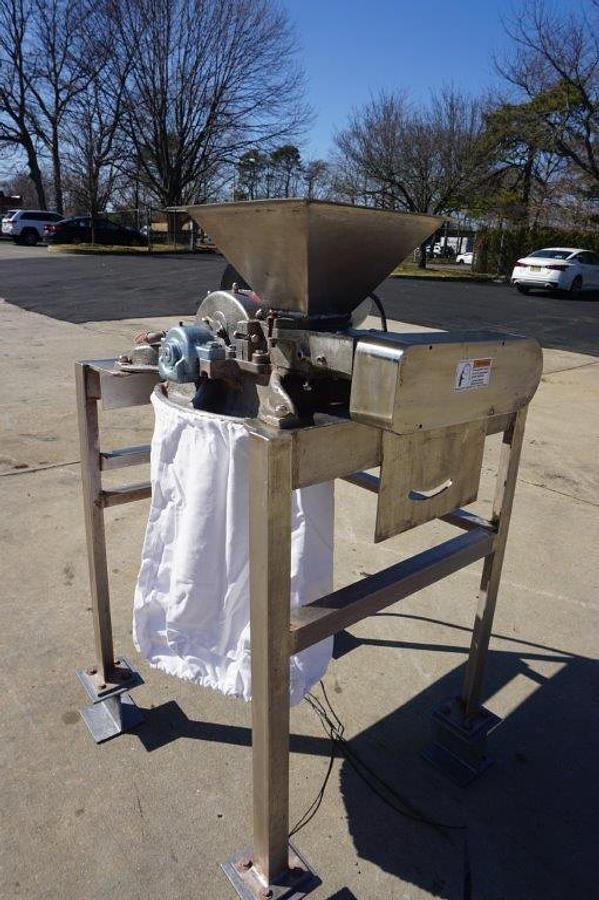
Used Mikro milling and grinding equipment can be suitable for pharmaceutical and food-grade applications, but the suitability depends heavily on the specific machine's construction and configuration. Mikro produces equipment in stainless steel contact surfaces specifically to meet the hygiene and contamination control requirements of these industries. Models like the Mikro 1SH Stainless Hammermill and the Mikro 2DH in stainless steel are examples of machines built with food and pharmaceutical use in mind. When evaluating used equipment for these applications, buyers should confirm that all product-contact surfaces are stainless steel, that the machine can be cleaned to the required standard, and that no modifications have been made that would compromise its suitability.
For pharmaceutical applications specifically, buyers should also consider whether the machine's design is compatible with GMP (Good Manufacturing Practice) documentation requirements, and whether the manufacturer can still provide validation support or documentation for that model. Age and model generation can affect the level of support available from the manufacturer, so it is worth contacting Hosokawa Micron directly to understand what documentation, parts, and technical support remain available for a given unit. A thorough inspection, either in person or via video, is especially important for pharmaceutical and food-grade acquisitions, as the internal condition of the milling chamber and contact surfaces needs to be assessed carefully before the machine is put back into service.
What should buyers look for when inspecting used Mikro milling grinding equipment?
A thorough inspection of used Mikro milling and grinding equipment should cover several key areas. The milling chamber and all product-contact surfaces should be examined for wear, corrosion, or damage, particularly on the hammers, liners, and screens, since these are the components that experience the most mechanical stress during operation. Rotor balance and bearing condition are also important indicators of overall machine health, as worn bearings or an out-of-balance rotor can lead to vibration issues and premature failure. For explosion-proof models, the integrity of the XP motor and associated electrical components should be verified by a qualified technician.
Reputable used equipment dealers will typically accommodate in-person inspections or provide video walkthroughs of the machine so buyers can assess its condition before committing to a purchase. Some equipment may still be installed and operating at a production facility, in which case the dealer can often arrange an inspection at the plant. Keep in mind that most equipment dealers are not set up to run actual production tests with a buyer's specific material, as that requires different permitting and facilities. However, a visual and mechanical inspection combined with a review of the machine's operating history can provide a solid basis for evaluating condition. Buyers should also ask about the availability of spare parts for the specific model, particularly wear components, since the ability to source replacement hammers, screens, and liners is essential for keeping the machine running after acquisition.
What maintenance does Mikro milling grinding equipment typically require?
Mikro milling and grinding equipment requires regular maintenance focused primarily on wear components and mechanical systems that are subject to continuous stress during operation. The hammers, liners, and screens inside the milling chamber are consumable parts that wear down over time and need periodic inspection and replacement depending on the hardness and abrasiveness of the material being processed. Rotor and bearing inspections are also a routine part of maintenance, as these components are critical to smooth, vibration-free operation. Bearings should be lubricated according to the manufacturer's specifications, and any signs of unusual noise or vibration should be investigated promptly to avoid more significant damage.
For machines used in pharmaceutical or food applications, cleaning validation and documentation of the cleaning process are part of the maintenance routine, not just mechanical upkeep. Drive belts, motor mounts, and seals also require periodic inspection and replacement. Buyers of used Mikro equipment should request any available maintenance records from the seller to understand what work has already been performed and what may be due. It is also advisable to contact the manufacturer to confirm the availability of spare parts for the specific model being purchased, since older models may have limited parts availability. Establishing a relationship with a parts supplier or service technician familiar with Mikro equipment before the machine arrives on site is a practical step that can reduce downtime after installation.