Category
Manufacturer
Model
Metromatic
Metromatic provides automation solutions for manufacturing processes, focusing on efficiency and precision. Their equipment is used across various industries to streamline production lines.
FAQ:
What types of Metromatic equipment are available on the used market?
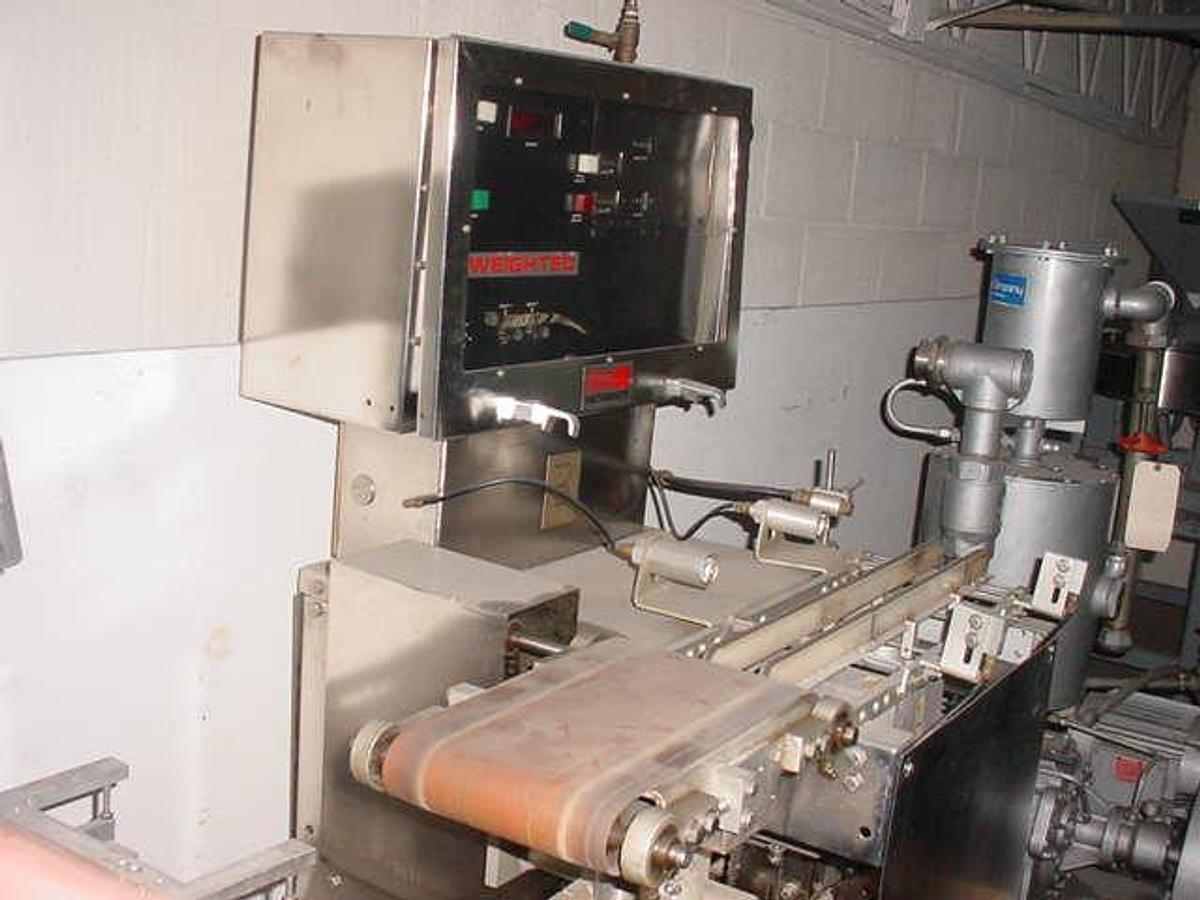
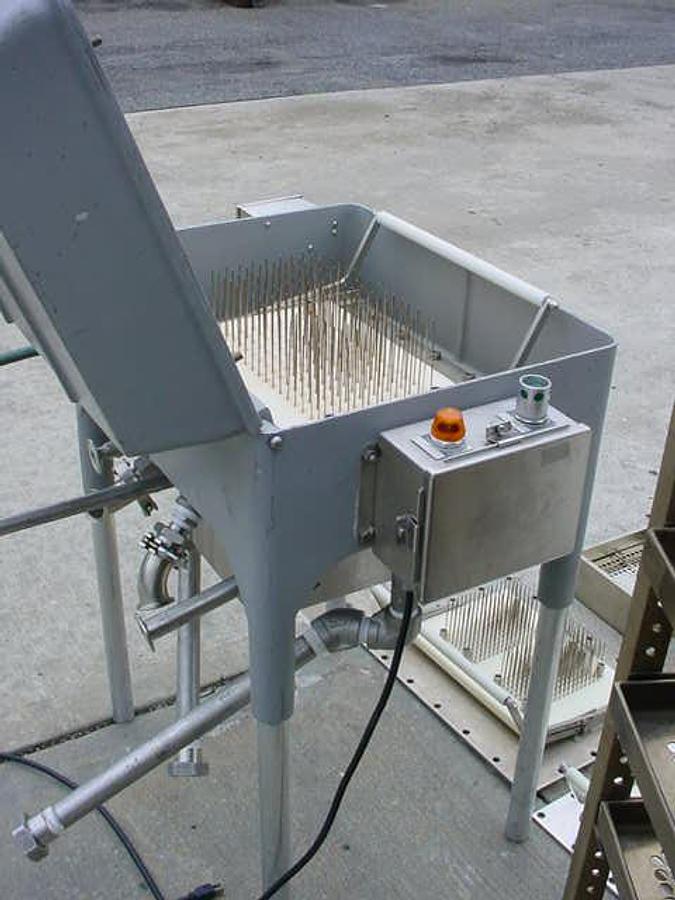
Metromatic has historically produced industrial and commercial machinery spanning several product categories, including packaging equipment, bagging systems, material handling machinery, checkweighers, and washing systems for pharmaceutical applications. On the used market, buyers can expect to find equipment such as ampule and vial washers designed for pharmaceutical production lines, as well as checkweighers like the "Weightec" stainless steel model, which is built for precision weight verification in demanding manufacturing environments. The specific inventory available at any given time will vary depending on what has come off production lines or been decommissioned by facilities.
Because Metromatic equipment spans multiple industries and product lines, buyers are encouraged to verify that the specific model they are researching matches their intended application before purchasing. Used equipment dealers who specialize in industrial machinery will typically provide detailed specifications and model information to help buyers confirm compatibility with their existing production setup. Searching by specific model number or application type, such as pharmaceutical washing or checkweighing, tends to yield more targeted results than searching by brand alone.
What industries commonly use Metromatic equipment?
Metromatic equipment is used across a range of industries where automation, precision, and production efficiency are priorities. The pharmaceutical industry relies heavily on Metromatic washing systems for ampules and vials, where cleanliness and consistency are critical to compliance and product integrity. Food processing and packaging operations use Metromatic checkweighers and bagging systems to maintain accurate portion control and throughput. Manufacturing and logistics operations also incorporate Metromatic machinery into production and fulfillment lines where material handling and automation reduce labor costs and improve output consistency.
The durability of Metromatic equipment is one reason it remains in circulation on the used market long after its initial installation. Facilities that originally purchased this machinery for high-volume production often find that the equipment outlasts the product lines it was built for, making it available for secondary buyers at a fraction of the cost of comparable modern alternatives. Buyers from food processing, pharmaceuticals, contract manufacturing, and light industrial sectors frequently seek out used Metromatic equipment as a cost-effective way to expand or upgrade their production capabilities.
What should buyers look for when evaluating used Metromatic equipment?
Condition is the single most important factor when evaluating any used industrial machine, and Metromatic equipment is no exception. Buyers should request detailed photographs or video of the machine, paying close attention to wear on contact surfaces, the condition of seals and gaskets, the state of electrical components, and any visible corrosion or structural damage. For equipment like checkweighers or washing systems, the precision components are often the first to show wear, so understanding the service history of the machine is valuable when available. Ask the dealer whether the machine was decommissioned or is still actively running in a facility, as actively running equipment is generally easier to evaluate for current performance.
Beyond physical condition, buyers should research parts availability for the specific Metromatic model they are considering. Older models may have limited manufacturer support, and sourcing replacement components through aftermarket suppliers or machine shops may be necessary. Consulting with Metromatic or a qualified service technician before purchase can help buyers understand what level of ongoing support to expect for a particular model. A reputable used equipment dealer will be transparent about the machine's condition and will typically offer inspection options, either in person or via video, so buyers can make an informed decision before committing to a purchase.
How is used Metromatic equipment typically priced?
Pricing for used Metromatic equipment varies considerably depending on the type of machine, its age, its condition, and current market demand. A basic checkweigher in working condition might be priced significantly lower than a fully functional pharmaceutical washing system, which involves more complex components and stricter regulatory requirements in the industries that use it. Condition grading plays a major role in pricing: equipment described as used and sold as-is will generally be priced lower than machinery that has been reconditioned or rebuilt, which involves additional labor and parts costs that are reflected in the asking price.
Buyers should also factor in the total landed cost of the equipment, not just the list price. Shipping, rigging, crating, and any necessary installation or commissioning work can add meaningfully to the overall investment. For heavier or more complex Metromatic machinery, rigging and freight costs can be substantial, particularly if the equipment requires specialized loading equipment at the point of origin. Getting a full cost breakdown from the dealer before finalizing a purchase helps avoid surprises and allows for a more accurate comparison between available options.
Does used Metromatic equipment come with a warranty?
Used industrial equipment, including Metromatic machinery, is typically sold on an as-is basis by used equipment dealers. This is standard practice in the secondary machinery market and means that the responsibility for assessing the machine's condition falls primarily on the buyer. Warranties, when they exist at all in the used equipment space, are generally offered only by manufacturers on their own products sold through authorized channels, not by dealers selling pre-owned machines.
Because of this, buyers are strongly encouraged to conduct thorough inspections before purchasing. A reputable used equipment dealer will accommodate in-person visits, video calls, or recorded video walkthroughs of the machine so buyers can assess its current state. Buyers should also contact Metromatic directly to understand what level of technical support, documentation, and parts availability they can expect for the specific model they are considering, since older or discontinued models may have more limited manufacturer support than current production lines.
How can buyers inspect used Metromatic equipment before purchasing?
Most reputable used equipment dealers offer multiple inspection options to help buyers evaluate machinery before committing to a purchase. In-person inspections are the most thorough option and allow a buyer or their technician to physically examine the machine, check for wear, test electrical systems where possible, and get a hands-on sense of the equipment's condition. For buyers who cannot travel to the machine's location, video inspections conducted live via video call or through pre-recorded walkthroughs provided by the dealer are a practical alternative that still gives a meaningful view of the machine's current state.
It is worth noting that most used equipment dealers do not have the permitting or facility setup required to run full production tests on machinery. This means that while a machine can be powered on and its mechanical functions demonstrated, testing it with actual product in a live production environment is typically not possible at the dealer's location. In some cases, equipment that is still installed and running at a manufacturing facility can be inspected there, either in production or after decommissioning, which offers a more complete picture of how the machine has been performing. Buyers should clarify the inspection options available for any specific piece of Metromatic equipment with the dealer before making a decision.
Are replacement parts available for used Metromatic machines?
Parts availability is one of the most practical concerns for buyers of used industrial equipment, and it varies significantly depending on the age and model of the Metromatic machine in question. For more recent models, manufacturers may still carry replacement components, and authorized service providers may be able to source parts through established supply chains. For older or discontinued models, buyers may need to explore aftermarket suppliers, machine shops capable of fabricating custom components, or the secondary parts market where components pulled from decommissioned machines are sometimes sold separately.
Before purchasing a used Metromatic machine, it is a good practice to contact the manufacturer directly and ask which parts are still available for that specific model, and whether service documentation such as manuals and schematics can be obtained. This conversation can also reveal whether the manufacturer still supports the model with technical assistance, which matters for installation, troubleshooting, and ongoing maintenance. Dealers who specialize in the type of equipment being purchased are often a useful resource as well, since they frequently have experience sourcing parts for the machines they sell and can advise buyers on what to expect.
What are the shipping and delivery considerations for used Metromatic equipment?
Shipping used industrial machinery requires more planning than standard freight, and the costs involved depend on the size, weight, and fragility of the specific Metromatic equipment being purchased. Smaller machines like bench-top checkweighers may be palletized and shipped via standard LTL freight carriers, while larger or more complex equipment may require custom crating to protect sensitive components during transit. The level of packaging required directly affects shipping costs, so buyers should ask dealers for a detailed breakdown of how the machine will be prepared for transport before agreeing to a price.
For heavier Metromatic equipment, rigging services are often necessary for safe loading at the point of origin and unloading at the destination. Rigging involves specialized equipment and trained personnel to move heavy machinery without damaging it or creating safety hazards, and this cost is typically separate from the freight charge itself. Buyers should request a full landed cost estimate that includes the machine price, crating or palletization, rigging, freight, and any applicable fuel surcharges or delivery fees. Understanding the total cost before purchase prevents unexpected expenses and allows for a more accurate comparison between available machines.
What payment terms are typical when buying used Metromatic equipment?
The standard practice among used industrial equipment dealers is to require full payment before the machine is released for shipping. This applies to most transactions, particularly for first-time buyers purchasing from a dealer they have not worked with before. The requirement for upfront payment reflects the nature of the used equipment market, where machines are often unique items that cannot simply be restocked if a deal falls through, and where verifying buyer creditworthiness is more complex than in traditional retail environments.
Some dealers may offer payment terms or financing arrangements to repeat customers with an established purchasing history, but this is not universal and should not be assumed. Buyers who need financing should ask about available options early in the process, as arranging third-party equipment financing through a lender is also a common approach in the industrial machinery space. Regardless of payment method, buyers should ensure they receive clear documentation of the transaction, including a detailed description of the equipment, its condition as represented, and any agreed-upon terms related to inspection or shipping before funds are transferred.
How difficult is it to install and operate used Metromatic equipment?
Installation and operational complexity for Metromatic equipment depends heavily on the type of machine and the buyer's existing infrastructure. A checkweigher, for example, is generally designed to integrate into an existing production line and requires proper calibration, electrical connection, and alignment with upstream and downstream conveyor systems. A pharmaceutical washing system involves plumbing connections, validation considerations, and potentially more involved commissioning to ensure it meets the cleanliness standards required in regulated environments. Buyers without in-house engineering resources may need to budget for outside installation support from a qualified technician or systems integrator.
Obtaining the machine's technical documentation before or at the time of purchase makes installation considerably more straightforward. Service manuals, wiring diagrams, and operator guides are invaluable for understanding how the equipment is designed to function and what utilities it requires. Buyers should ask dealers whether documentation is available for the specific Metromatic model they are purchasing, and if not, whether the manufacturer can supply it. For complex machines or for buyers who are unfamiliar with the equipment type, consulting with a technician who has experience with similar machinery before purchase is a practical way to avoid installation surprises.