Category
Manufacturer
Model
Metica
Metica focuses on manufacturing equipment for the food processing industry, particularly in the area of packaging. Their machines are designed to ensure product safety and integrity during distribution.
FAQ:
What types of equipment does Metica manufacture for the food processing industry?
Metica specializes in food processing equipment with a particular focus on packaging machinery. Their product line is built around ensuring product safety and integrity during distribution, which makes their machines a common choice for food producers who need reliable, sanitary packaging solutions. Specific equipment types include automatic cappers, automatic filling lines, and stainless steel vertical tanks, among other processing and packaging machinery.
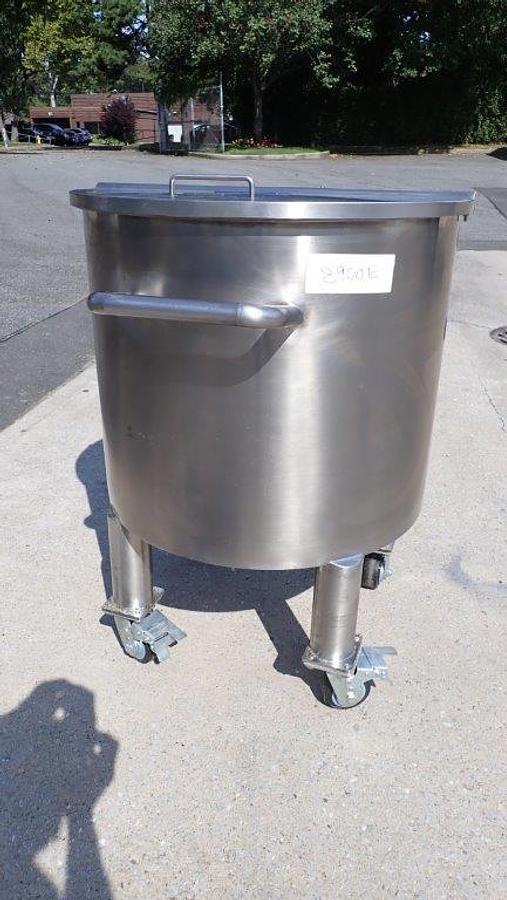
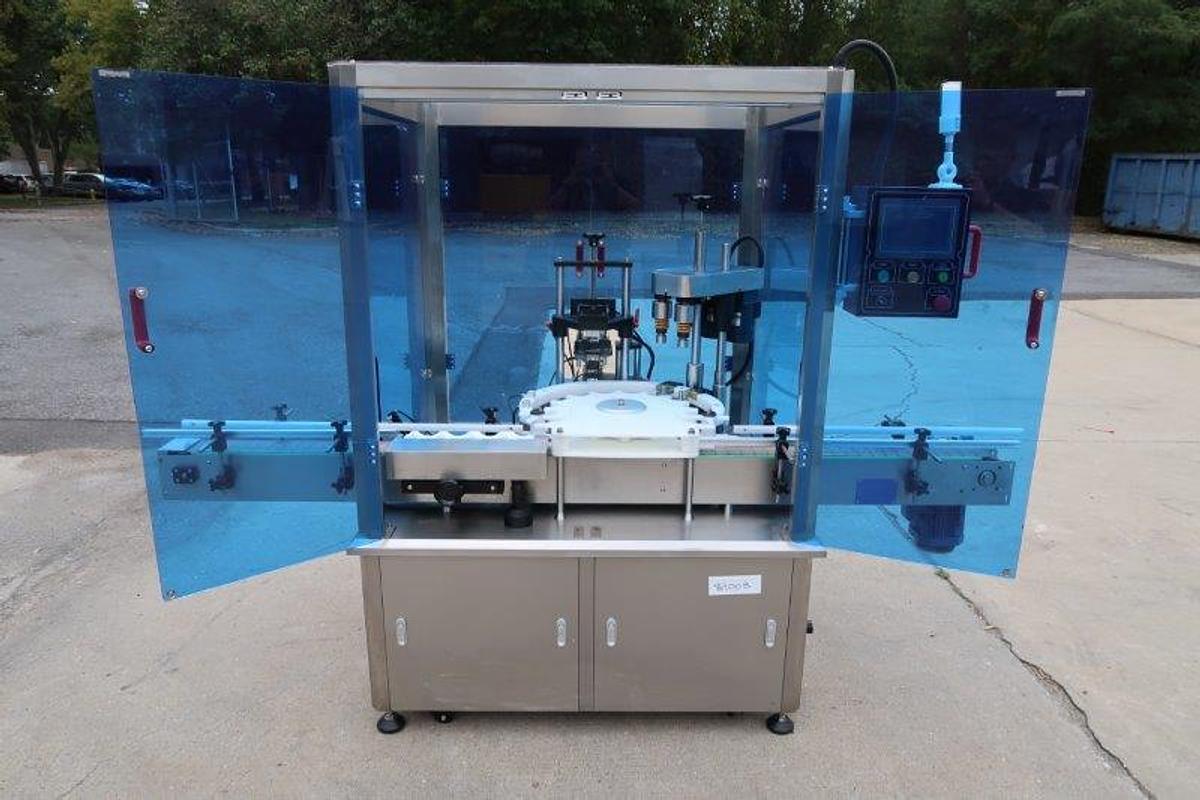
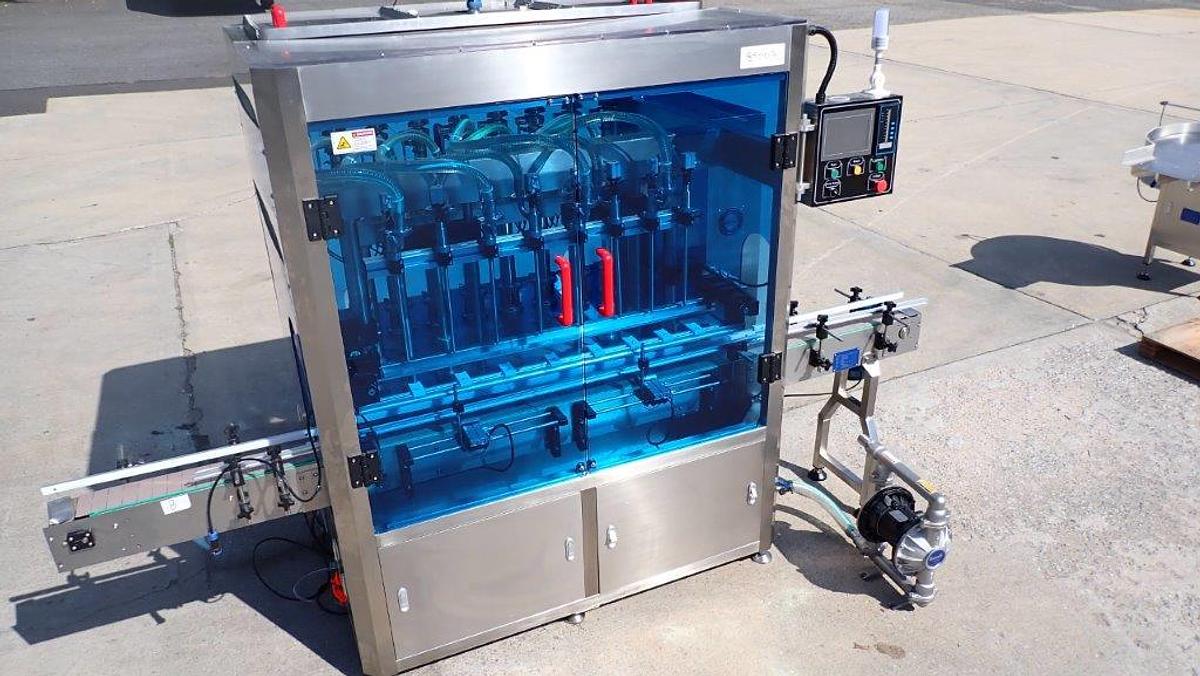
The automatic filling line, for example, is designed to handle bottles up to 16 oz., making it suitable for liquid food products, sauces, beverages, and similar goods. The double head automatic capper addresses one of the more labor-intensive steps in a bottling operation, automating the capping process to improve throughput and consistency. Stainless steel vertical tanks with cone bottoms are a staple in food and beverage processing for mixing, holding, and transferring liquids, and Metica produces these in sizes such as 200 liters. Together, these product categories reflect a focus on the bottling and liquid food packaging segment of the broader food processing market.
What should buyers know about purchasing used Metica food processing equipment versus buying from the manufacturer?
Buying used Metica equipment through a secondary market dealer is a fundamentally different transaction than purchasing directly from a manufacturer. Used machines are sold as-is, meaning there is no manufacturer warranty transferred to the buyer. This places the responsibility of due diligence squarely on the purchaser. Selecting a reputable dealer with a long track record of selling food processing machinery is one of the most important steps a buyer can take to reduce risk. Dealers who specialize specifically in food and beverage equipment will have a better understanding of the machines they carry and can provide more meaningful insight into condition and functionality.
Buyers should also contact Metica directly to understand what level of support is available for the specific model and age of the machine they are considering. Parts availability and technical support can vary significantly depending on how old a machine is and whether it is a current or discontinued model. A reputable dealer will typically accommodate in-person or video inspections so buyers can assess the machine's current condition before committing to a purchase. Taking these steps helps buyers make a well-informed decision and avoid costly surprises after the equipment arrives.
How do buyers inspect used Metica equipment before purchasing?
Inspections are a standard part of buying used food processing equipment, and most established dealers offer multiple formats to accommodate buyers. In-person inspections allow a buyer or their technician to physically examine the machine, check for wear, assess the condition of contact surfaces, and evaluate overall mechanical integrity. Video inspections and recorded walkthroughs are a practical alternative for buyers who cannot travel, giving them a detailed visual of the machine's current state. Some machines may still be installed and running at the facility where they were used, which can allow for a live operational inspection arranged between the dealer and the plant.
It is worth understanding that even when a machine is operational at a facility, most equipment dealers are not set up to run actual product through a machine during an inspection. Food production requires specific permitting and facility conditions that a dealer's warehouse typically does not have. The goal of any inspection is to get an accurate, honest picture of the machine's mechanical condition and working order. Buyers should prepare a checklist of critical components to review, including seals, drive systems, electrical panels, and any product-contact surfaces, and should not hesitate to ask the dealer specific questions about the machine's history and last known use.
What hygiene and material standards should buyers look for in used food processing equipment like Metica machines?
Stainless steel construction is the baseline expectation for food-contact surfaces in processing and packaging equipment, and it is one of the first things buyers should verify when evaluating any used machine. Stainless steel resists corrosion, is easy to sanitize, and meets the material requirements set by most food safety regulatory bodies. Metica's vertical tanks, for example, are built from stainless steel, which is appropriate for holding and transferring food-grade liquids. Beyond material, buyers should look at surface finish quality, weld integrity, and whether product-contact areas are free of crevices that can harbor bacteria.
For filling and capping equipment, ease of cleaning is a critical operational consideration. Machines that allow for tool-free disassembly of product-contact parts make sanitation faster and reduce the risk of contamination between production runs. Buyers evaluating used equipment should inspect these areas carefully, as wear and improper cleaning over the machine's prior service life can affect both hygiene performance and the longevity of seals and gaskets. Certifications such as NSF, CE, and FDA compliance with applicable materials standards are worth researching for any specific model, and buyers should consult the manufacturer's documentation or the dealer for any available compliance records associated with the machine.
What is the typical price range for used Metica food processing equipment?
Pricing for used Metica equipment varies considerably depending on the type of machine, its age, condition, configuration, and current market demand. Smaller or simpler pieces of equipment, such as a single-function capper or a compact stainless steel tank, will generally fall at a lower price point than a complete automatic filling line. Used food processing machinery in general can range from a few thousand dollars for basic standalone units to tens of thousands for more complex automated systems, and Metica's packaging-focused equipment falls within that broad spectrum.
Buyers should also factor in the full landed cost of the equipment, not just the listed sale price. Shipping, rigging, and any required crating or palletization will add to the total. If the machine needs reconditioning, replacement parts, or installation work upon arrival, those costs should be estimated before finalizing a purchase decision. Requesting a detailed quote from the dealer that breaks out equipment price, packaging, freight, and any applicable rigging charges gives buyers a clearer picture of what the machine will actually cost to put into service.
How does shipping and logistics work for used food processing equipment like Metica machines?
Shipping food processing equipment requires more planning than standard freight because the machines are often heavy, mechanically sensitive, and expensive to repair if damaged in transit. Dealers are responsible for preparing equipment for shipment, and the level of packaging required, whether standard palletization, custom crating, or full skidding with bracing, will depend on the size and fragility of the machine. Buyers should ask the dealer specifically how the equipment will be packaged and what that packaging is designed to protect against, since shipping charges vary based on the protection level required.
Larger machines, such as complete filling lines or sizable stainless steel tanks, may require specialized rigging equipment for loading at the dealer's facility and unloading at the buyer's location. Rigging costs are typically separate from freight charges and should be confirmed upfront. Buyers who do not have a loading dock or appropriate receiving equipment at their facility will need to arrange for that as well. Getting a complete breakdown of packaging, rigging, and freight costs before agreeing to a purchase ensures there are no surprises and allows for accurate budgeting of the total acquisition cost.
What are the payment terms typically used when buying used food processing equipment?
Used equipment dealers generally require full payment before a machine is released for shipment. This is standard practice in the industry and reflects the fact that used machinery transactions do not carry the same contractual structures as purchasing from a manufacturer. For buyers who are new to a particular dealer, full payment upfront is almost universally the expectation. Some dealers may extend payment terms to established customers with whom they have a prior purchasing relationship, but this is not something buyers should count on without a prior history with that specific seller.
Buyers should clarify accepted payment methods early in the process, as wire transfers are common for equipment transactions of significant value. Understanding the payment timeline relative to the inspection and shipping schedule is also important. A buyer should ideally complete their inspection and be satisfied with the machine's condition before submitting final payment. Asking the dealer about their process for handling payment, inspection, and shipment sequencing helps avoid miscommunication and ensures both parties are aligned on expectations before the transaction closes.
What production capacity considerations matter when evaluating a used Metica filling line?
Throughput is one of the most important specifications to evaluate when looking at any used filling line, including Metica's automatic filling equipment. The filling line designed for bottles up to 16 oz. is built for a specific bottle size range, and buyers need to confirm that the machine's configuration matches their container dimensions and fill volumes. Automatic filling lines are rated by bottles per minute or bottles per hour under optimal conditions, and buyers should ask the dealer for any available documentation on the machine's rated speed and the conditions under which that speed was achieved.
For operations that are scaling up or expect production volumes to grow, it is worth evaluating whether the machine's throughput can meet not just current needs but near-term demand as well. Used equipment may have experienced wear that reduces its effective speed compared to its rated capacity, so an honest assessment of actual versus rated throughput during inspection is valuable. Buyers should also consider how the filling line integrates with upstream and downstream equipment in their facility, including conveyors, labelers, and case packers, since line speed mismatches between pieces of equipment can create bottlenecks that limit overall production output.
What industries and product types are Metica packaging machines best suited for?
Metica's equipment is designed for the food processing industry, with a specific emphasis on packaging applications. Their filling and capping machinery is well suited for liquid and semi-liquid food products that are packaged in bottles, such as sauces, condiments, dressings, beverages, and similar consumer food goods. The 16 oz. bottle capacity of their automatic filling line points to a focus on retail-sized consumer packaging rather than bulk industrial filling, which makes these machines a practical fit for small to mid-sized food producers and contract packagers.
The stainless steel vertical tanks in Metica's lineup serve a broader range of applications within food and beverage processing, including ingredient holding, mixing, and batch preparation before products move into the filling stage. These tanks are a common piece of infrastructure in dairy, beverage, sauce, and specialty food production. Buyers from outside the food industry, such as cosmetics or pharmaceutical producers, may also find Metica's packaging equipment relevant, since the hygienic design standards and bottle-filling functionality translate across industries that use similar packaging formats. That said, any regulatory compliance requirements specific to non-food industries should be verified separately.
How should buyers evaluate the long-term cost of ownership for used food processing equipment?
The purchase price of a used machine is only one part of the total cost of ownership. Ongoing costs including spare parts, routine maintenance, consumables such as seals and gaskets, and energy consumption all factor into what a machine actually costs to operate over time. For used equipment, parts availability is a particularly important variable. Buyers should research whether replacement parts for the specific Metica model they are considering are still available through the manufacturer or through aftermarket suppliers, since older or discontinued models may have limited parts support that drives up repair costs or causes extended downtime.
Maintenance requirements also deserve careful attention. Machines that have been well maintained in their prior service life will generally require less remedial work after purchase, while equipment that shows signs of deferred maintenance may need significant investment before it is ready for production. Asking the dealer about the machine's service history, any known issues, and what maintenance was performed before the sale helps buyers estimate what they are likely to spend in the first months of ownership. Factoring in installation, any necessary reconditioning, operator training, and integration with existing equipment gives a much more realistic picture of true acquisition cost than the sticker price alone.