Category
Manufacturer
Model
Lombi
Lombi specializes in manufacturing equipment for the food processing industry, particularly in the area of meat and poultry. Their systems are designed to enhance production efficiency and ensure product quality in meat processing operations.
FAQ:
What types of pasta equipment does Lombi manufacture?
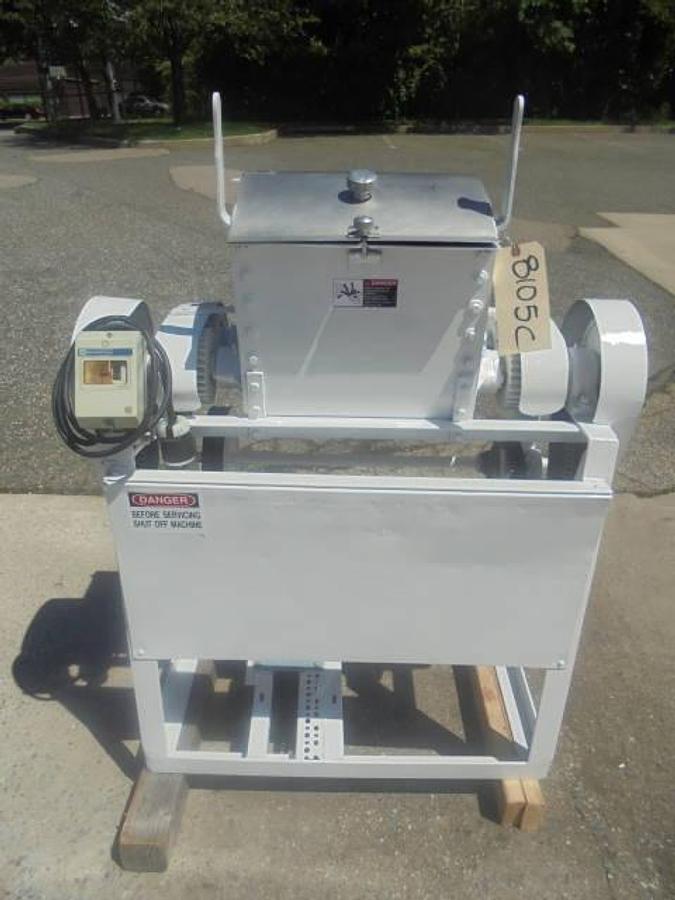
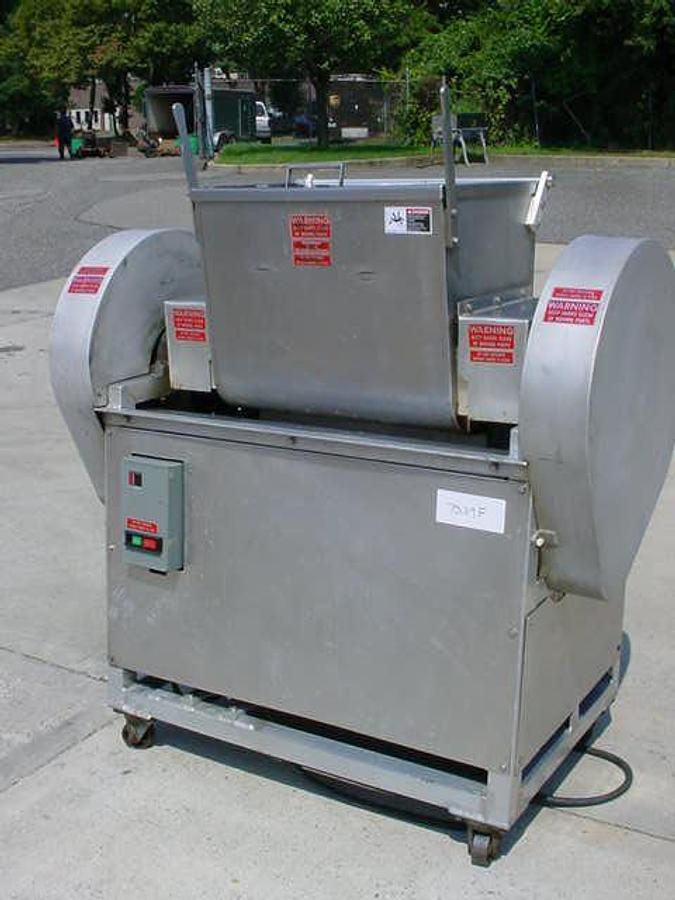
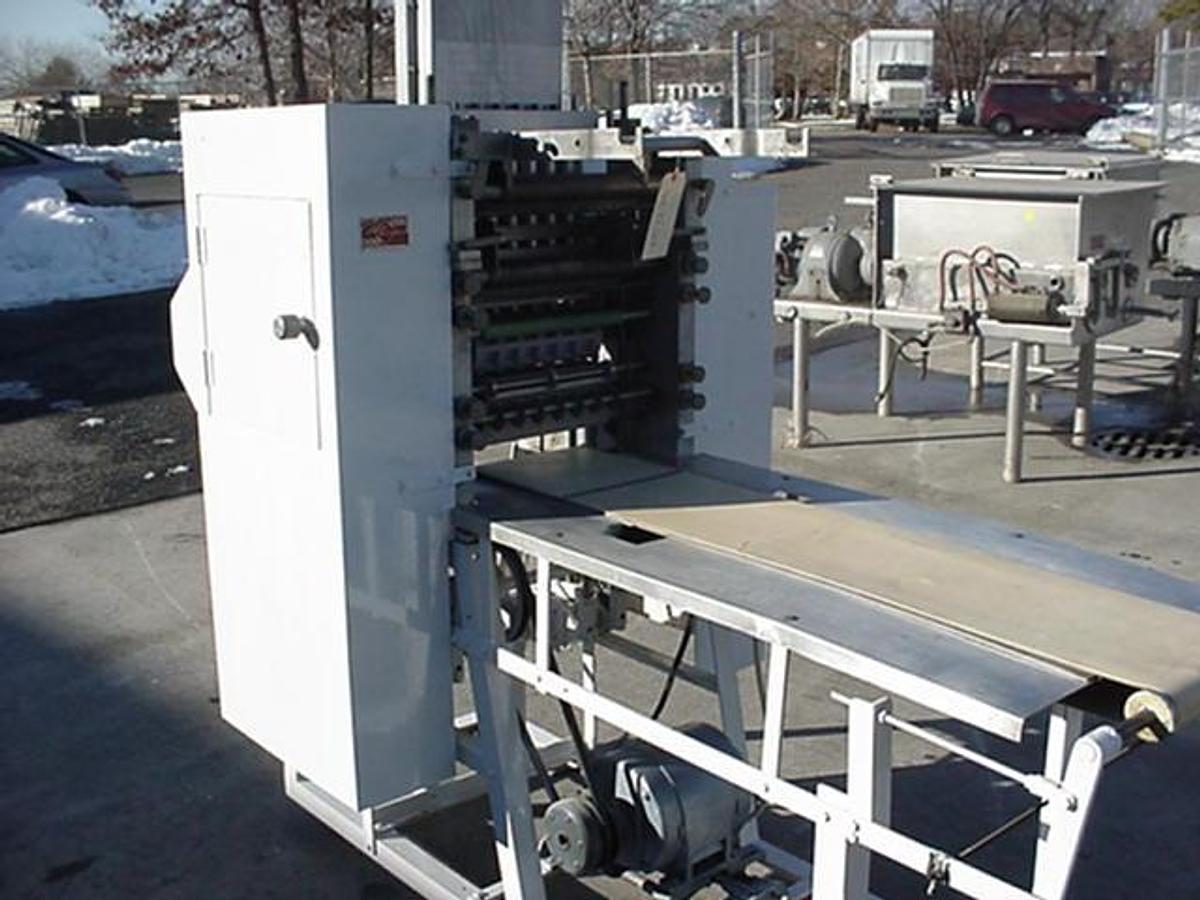
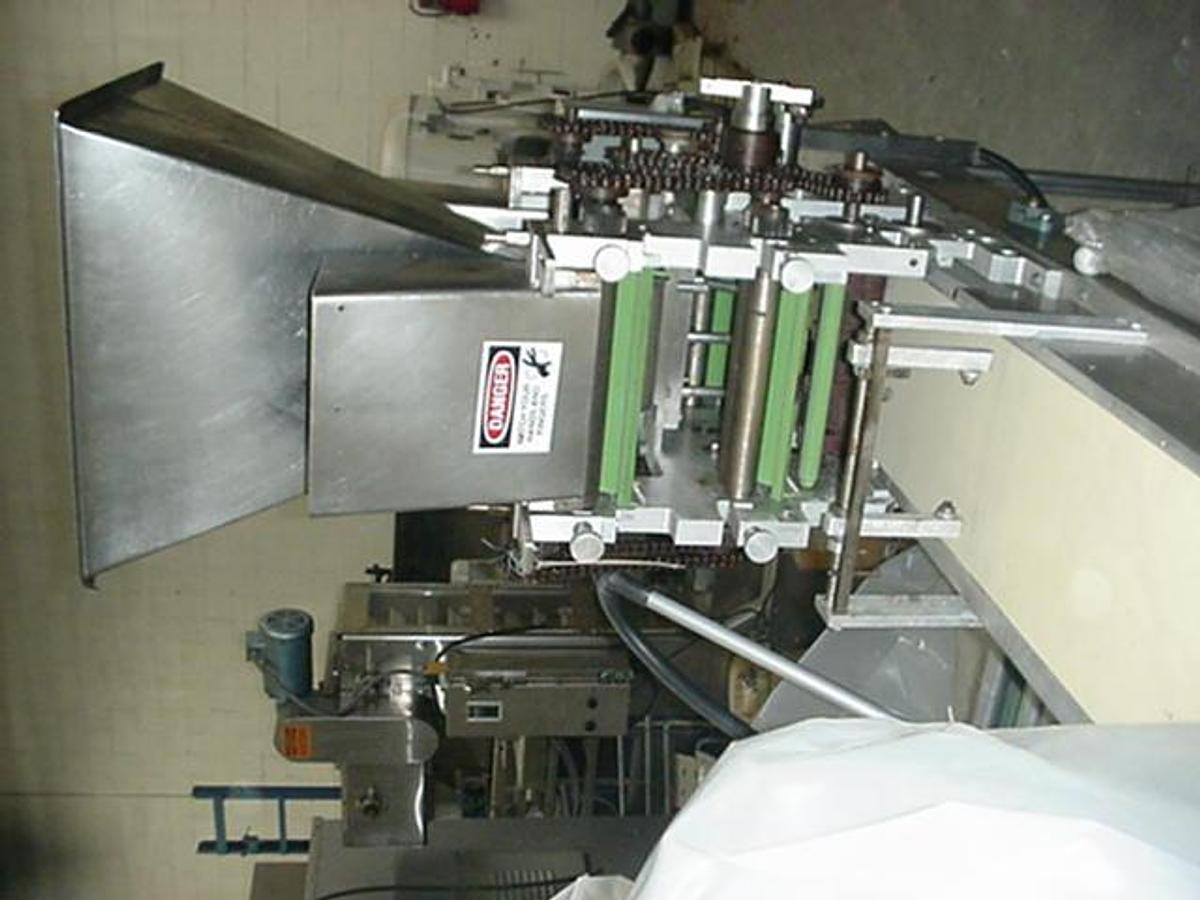
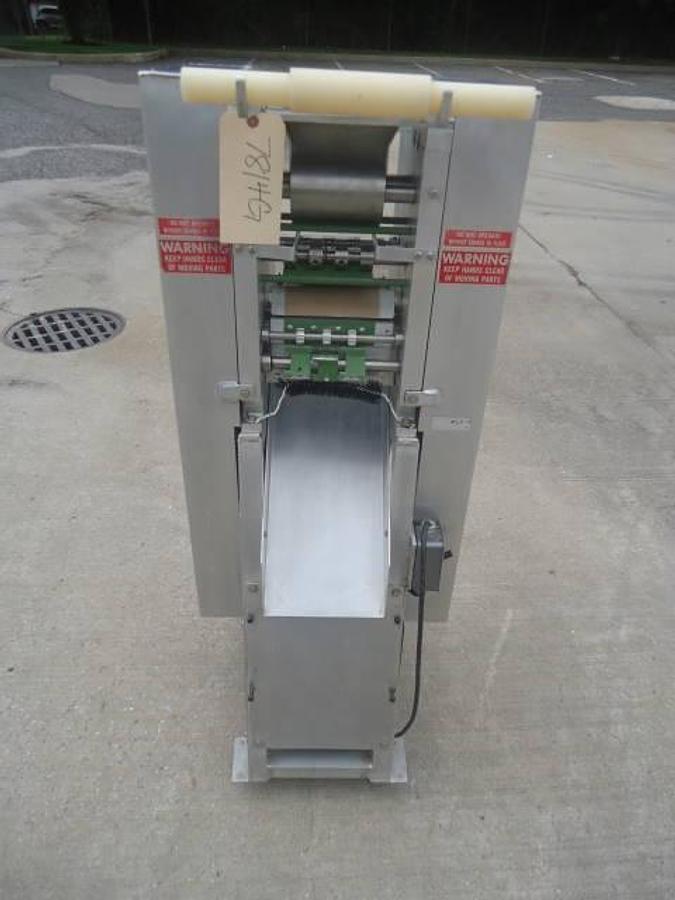
Lombi produces a range of commercial pasta processing equipment covering several categories of pasta production. Their lineup includes double arm pasta dough mixers in various capacities, ravioli machines (available in round and square configurations), agnolotti machines, cavatelli machines, and pilot plant dough mixers. This breadth of equipment makes Lombi a relevant option for operations that produce both sheet-based filled pastas and shaped extruded pastas.
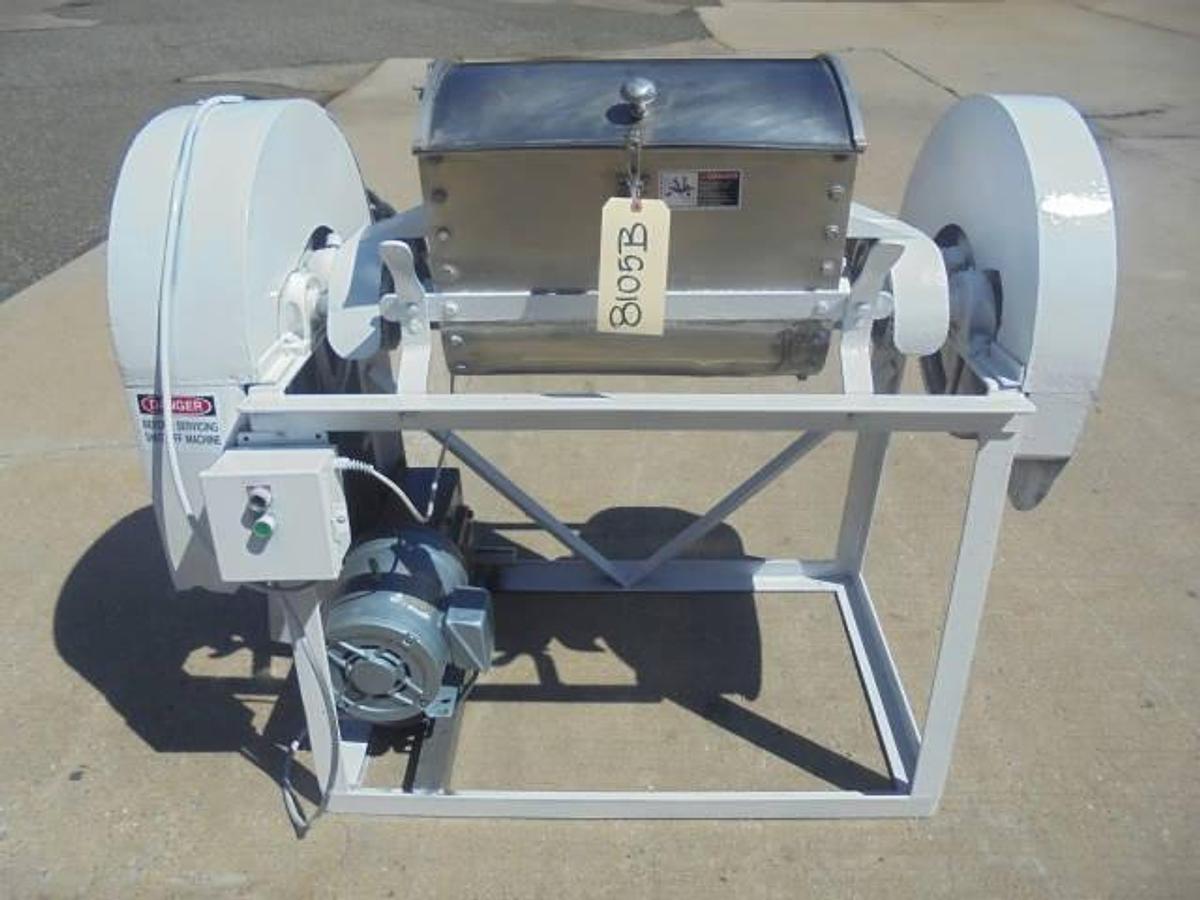
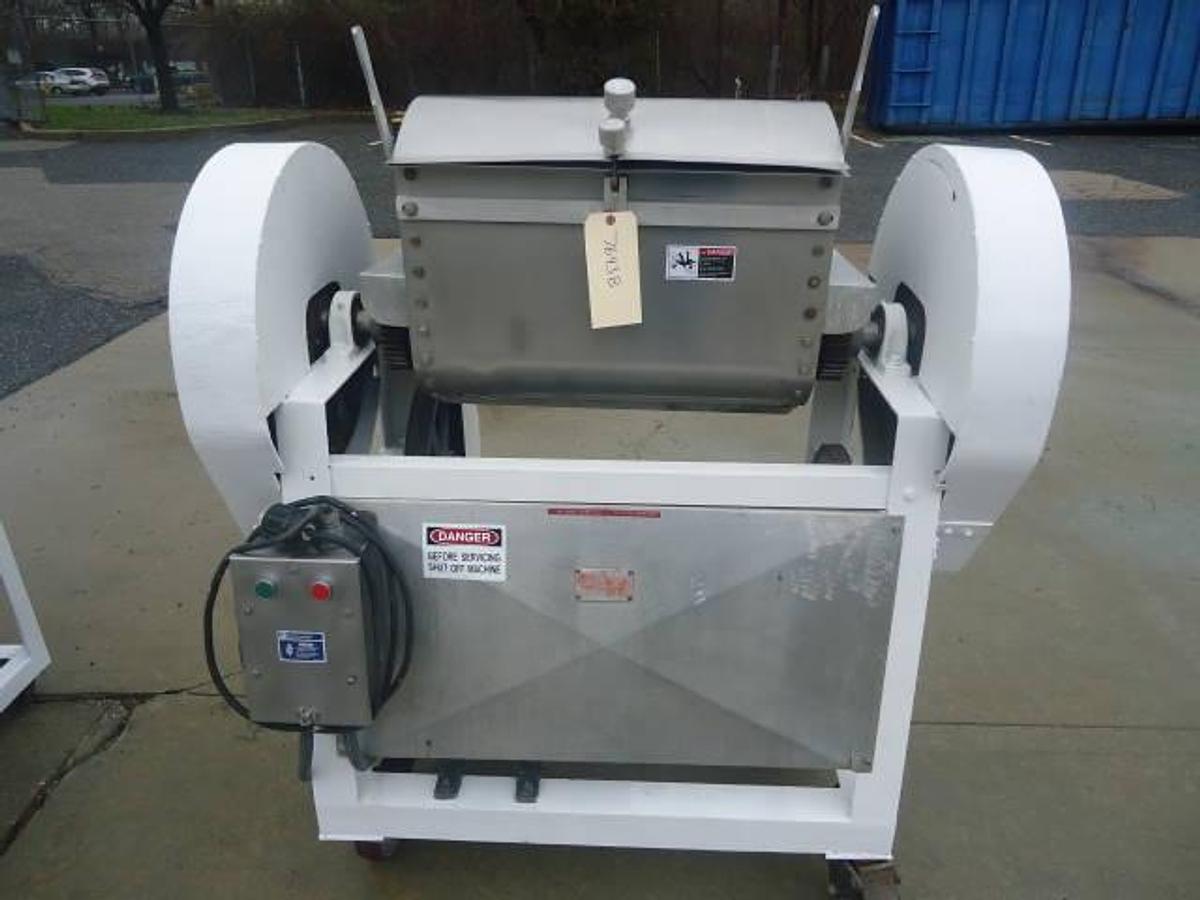
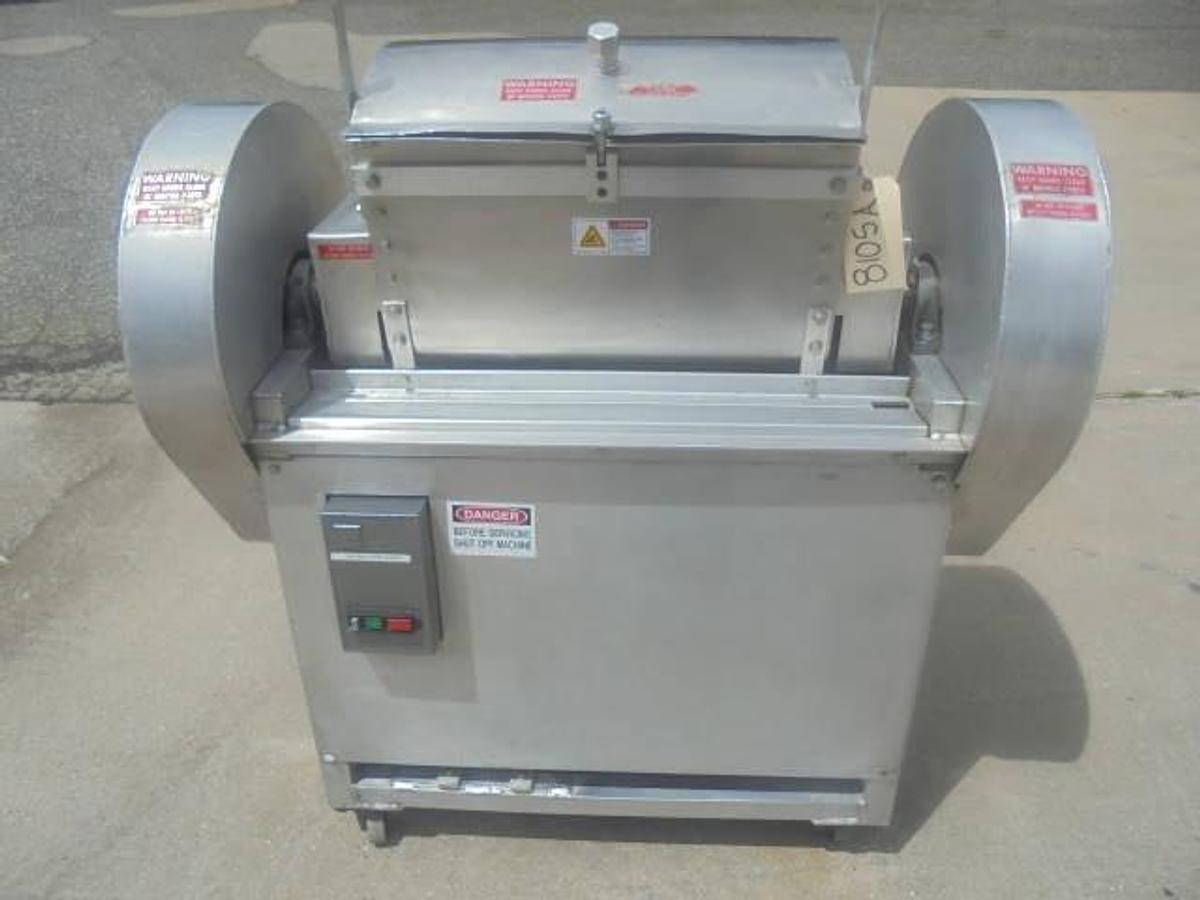
The variety within each category is also notable. For example, Lombi offers double arm dough mixers in capacities such as 25 lb. and 50 lb., with some models featuring tilt discharge and caster-mounted bases for easier handling in a production environment. Their ravioli machines come in 4-up round and 6-across square formats, which correspond to different production throughput and shape requirements. This range suggests the brand was designed to serve operations of varying scale, from pilot plant testing to mid-volume commercial production.
How much does used Lombi pasta equipment typically cost?
Pricing for used Lombi pasta equipment varies considerably depending on the machine type, capacity, age, and overall condition. Smaller units like a 25 lb. double arm dough mixer will generally be priced lower than a 50 lb. tilt discharge model or a multi-head ravioli machine. As a general reference point in the used commercial food equipment market, pasta dough mixers of this class can range from a few thousand dollars to well over ten thousand, while more specialized filled pasta machines like ravioli or agnolotti equipment often command higher prices due to their mechanical complexity.
Buyers should also factor in costs beyond the listed machine price. Shipping, rigging, and any crating or palletization required to safely transport the equipment will add to the total landed cost. Requesting a full quote that includes freight and handling before committing to a purchase is a practical step that avoids surprises. Used equipment prices also reflect market availability, so machines in good working condition from a recognized brand like Lombi tend to hold value reasonably well compared to lesser-known manufacturers.
Is Lombi pasta equipment suitable for small artisan operations or only large-scale manufacturers?
Lombi's equipment catalog spans a range that can serve both smaller artisan producers and mid-scale commercial operations, though the machines are decidedly commercial in their construction and output. A 25 lb. double arm dough mixer, for instance, is a practical fit for a specialty pasta shop, a restaurant producing fresh pasta in-house, or a small food manufacturer running limited daily batches. The portable cavatelli machine and pilot plant dough mixer in the Lombi lineup further suggest the brand has products aimed at lower-volume or testing environments.
That said, these are not consumer or home-use machines. Even the smaller Lombi units are built for repeated daily use in a commercial setting, which means they require appropriate electrical infrastructure, space, and operator familiarity with commercial food processing equipment. For a growing artisan pasta business evaluating its first serious production equipment purchase, a used Lombi machine can be an efficient way to access commercial-grade capability without the capital outlay of buying new from a manufacturer. The key is matching the machine's capacity and format output to the actual production needs of the operation.
What should buyers look for when inspecting used Lombi pasta dough mixers?
A thorough inspection of a used pasta dough mixer should cover both mechanical and food-safety-related aspects. On the mechanical side, buyers should examine the condition of the mixing arms, the drive mechanism, and any gearbox or motor components for signs of wear, unusual noise during operation, or evidence of prior repairs. Tilt discharge models have an additional pivot mechanism that should be checked for smooth, controlled operation. Machines on casters should have functioning wheel locks and no damage to the frame that would affect stability during use.
From a food safety and compliance standpoint, the condition of all product-contact surfaces matters significantly. Stainless steel components should be free of deep pitting, cracks, or repairs that could harbor bacteria and make sanitation difficult. Seals and gaskets around the mixing bowl should be inspected for deterioration. Buyers who cannot conduct an in-person inspection should request detailed video footage covering the machine at rest and, where possible, running under power. Used equipment dealers specializing in food processing machinery will typically accommodate video or in-person inspections to give buyers an accurate picture of the machine's current condition.
How does a double arm pasta dough mixer differ from other commercial mixer types?
A double arm mixer, sometimes called a sigma blade or dual-arm mixer, uses two counter-rotating S-shaped or Z-shaped blades that knead dough through a combination of folding, stretching, and pressing action. This mixing geometry is particularly well-suited to pasta dough, which is a stiff, low-hydration mixture that would strain or overload a standard planetary mixer. The double arm design distributes mechanical energy evenly through the dough mass, producing a consistent gluten development without overheating the product.
For pasta production specifically, this matters because the texture and workability of the dough directly affects how it extrudes, sheets, or forms in downstream equipment. Inconsistent mixing leads to uneven pasta surfaces, cracking during drying, or poor bite texture in the finished product. Lombi's double arm mixers in 25 lb. and 50 lb. capacities with tilt discharge are designed to integrate into a production workflow where the mixed dough is transferred directly to a sheeter, extruder, or forming machine, making the discharge mechanism a practical production feature rather than just a convenience.
What is the difference between a ravioli machine and an agnolotti machine?
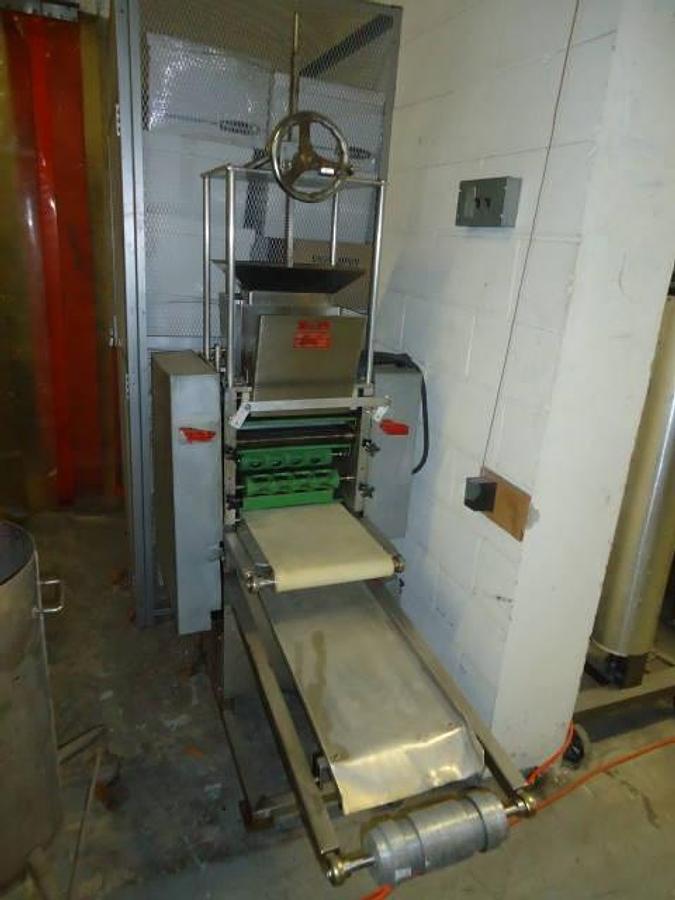
Both ravioli and agnolotti machines produce filled pasta, but they differ in the shape, sealing method, and regional tradition behind each product. Ravioli machines typically form individual square or round pasta pillows by sandwiching a filling between two sheets of pasta dough and cutting them into discrete pieces. Lombi offers both a 4-up round ravioli machine and a 6-across square ravioli machine, with the numeric designation referring to how many pieces are formed across the width of the dough sheet in a single pass, which directly affects output rate.
Agnolotti is a filled pasta from the Piedmont region of Italy, traditionally made by folding a single sheet of dough over a filling and then cutting or pinching it into smaller portions. The forming action is different from ravioli, and the resulting shape has a distinctive folded edge rather than a sealed seam on all four sides. Commercially, an agnolotti machine automates this folding and cutting process. For a pasta producer, the choice between these machines depends on the product mix they intend to sell, and having both types of equipment allows for a broader filled pasta offering.
What power requirements should buyers anticipate for commercial Lombi pasta machines?
Commercial pasta processing equipment like Lombi's dough mixers and forming machines typically requires three-phase electrical power, which is standard in industrial and commercial food production facilities but is not always available in smaller kitchens or non-industrial spaces. Three-phase power provides the consistent, high-amperage supply that motors on commercial mixers and pasta machines need to handle dense dough loads without voltage fluctuation or motor strain. Buyers should confirm the specific voltage, phase, and amperage requirements for any machine they are considering before purchase.
For operations that do not currently have three-phase power, installation can be a significant added cost that should be factored into the overall equipment budget. Electricians familiar with food processing environments can assess what infrastructure upgrades are needed. Some smaller or portable commercial pasta machines may operate on single-phase power, but this is less common for production-scale equipment. Confirming electrical specifications with the equipment seller prior to purchase, and consulting with a licensed electrician about facility readiness, is a practical step that avoids costly surprises after delivery.
Is buying a used commercial pasta machine worth it compared to purchasing new equipment?
For many food businesses, used commercial pasta equipment represents a practical way to access production-grade machinery at a fraction of the cost of buying directly from a manufacturer. Italian pasta equipment brands like Lombi are built for long service lives in demanding production environments, which means a well-maintained used machine can deliver years of reliable output. The savings on capital expenditure can be redirected toward ingredients, staffing, packaging, or other parts of the business that generate direct revenue.
The trade-offs are real and worth understanding. Used machines are sold as-is, meaning the buyer assumes responsibility for the equipment's condition after purchase. There is no manufacturer-backed coverage as there would be with a new machine. This makes the inspection process critical. Buyers should work with reputable dealers who specialize in food processing equipment, request thorough inspection documentation or video, and consult with the manufacturer about parts availability and technical support for the specific model and age of machine being considered. A used machine from a reputable dealer with a clear inspection history is a very different proposition from an unknown-condition unit purchased with no background information.
How should buyers approach shipping and logistics when purchasing used pasta equipment?
Shipping commercial pasta machinery involves more planning than a typical freight shipment because of the weight, size, and sensitivity of the equipment. Smaller units like a portable cavatelli machine or a 25 lb. dough mixer may ship on a standard pallet with appropriate blocking and bracing, while larger machines such as a 50 lb. tilt discharge mixer or a multi-head ravioli machine may require custom crating to prevent damage in transit. The level of packaging directly affects shipping cost, and buyers should ask the seller for a detailed breakdown of what packaging is included in the quoted price.
For heavier equipment, rigging costs for loading at the origin and unloading at the destination are an additional consideration. A forklift or liftgate service may be needed at both ends, and not all freight carriers offer this as a standard service. Buyers should request a fully landed cost estimate before finalizing a purchase, covering the machine price, packaging, freight, and any rigging or liftgate fees. Coordinating delivery logistics in advance, including confirming that the receiving facility has appropriate unloading equipment, prevents delays and potential damage once the shipment is in transit.
How profitable is a fresh pasta business, and what role does equipment play?
Fresh and specialty pasta businesses can be quite profitable, particularly in markets where consumers are willing to pay a premium for quality over mass-produced dry pasta. Artisan fresh pasta, filled pasta like ravioli and agnolotti, and regionally specific shapes like cavatelli command retail and wholesale prices that can support healthy margins when production is managed efficiently. Food service accounts, farmers markets, specialty grocery stores, and direct-to-consumer channels are all viable revenue streams for a pasta producer operating at a small to mid-scale level.
Equipment capacity and reliability are central to profitability because labor is typically the largest variable cost in fresh pasta production. A well-functioning commercial dough mixer and forming machine can dramatically increase the volume one or two operators can produce in a shift compared to hand production. This is where investing in the right equipment pays off over time. A used Lombi dough mixer or ravioli machine that runs reliably allows a producer to scale output without proportionally scaling labor costs, which is the core of margin improvement in food manufacturing. The key is selecting equipment that matches actual production volume needs so the machine is neither a bottleneck nor an underutilized capital expense.