Category
Manufacturer
Model
Loma
Loma is recognized for its inspection and detection systems, primarily serving the food and pharmaceutical industries. Their metal detectors and X-ray inspection systems are crucial for ensuring product safety and compliance with industry standards.
FAQ:
What types of Loma metal detectors are available on the used equipment market?
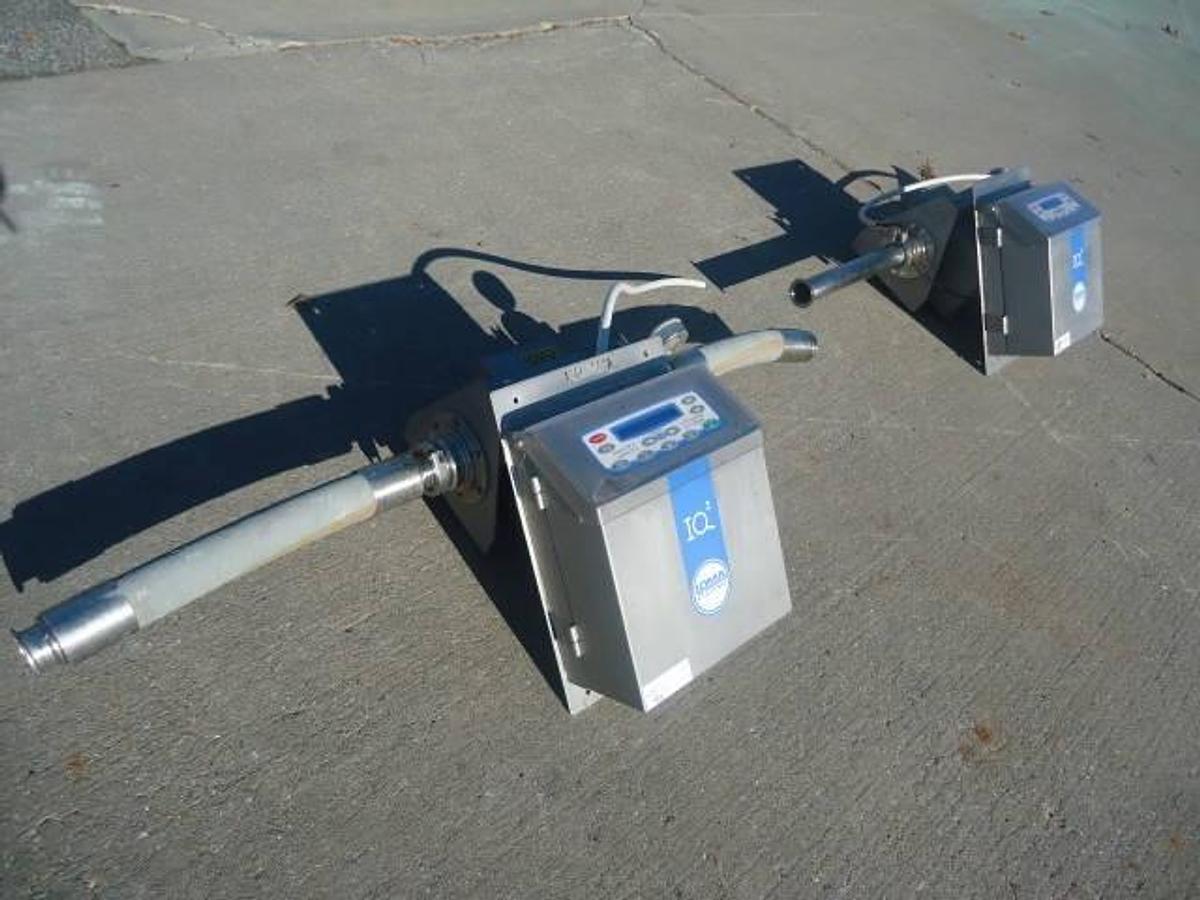
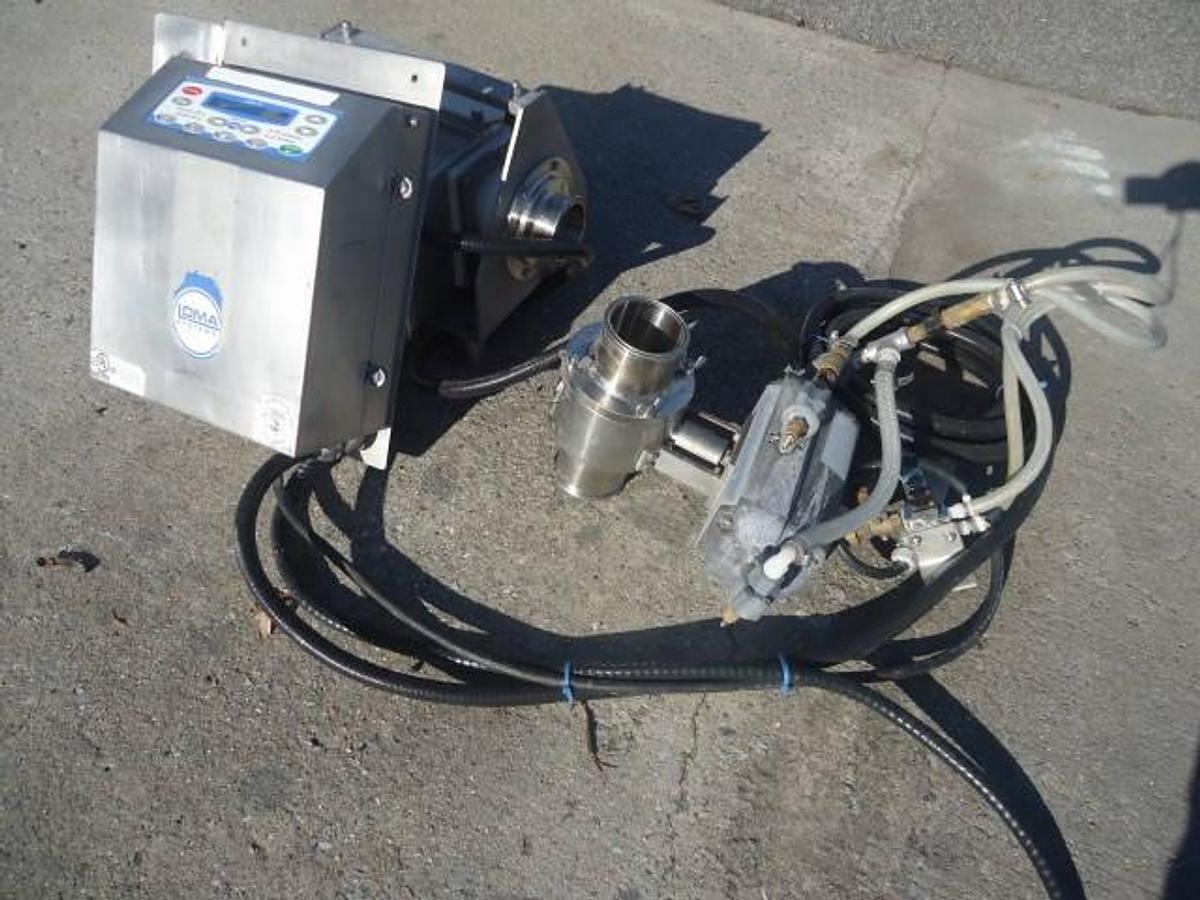
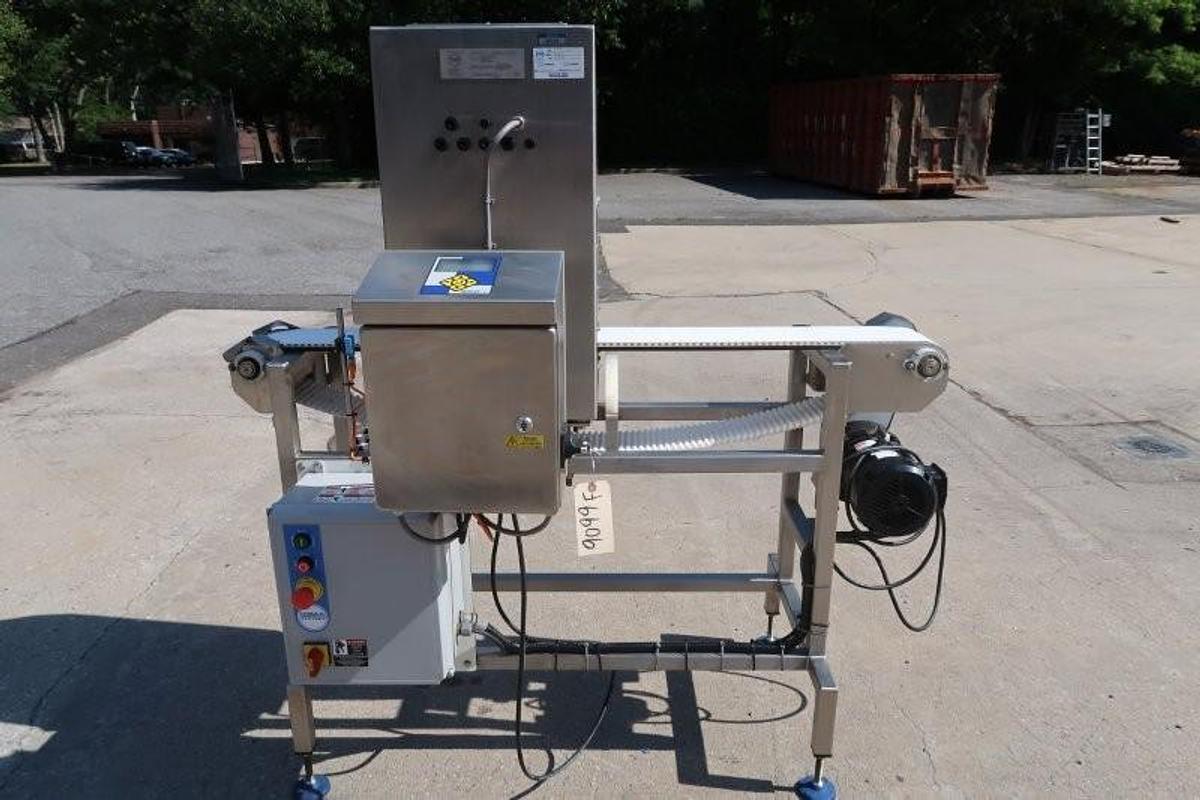
Loma produces several distinct metal detector configurations, and most of them show up regularly in the used equipment market. The most common types include conveyorized metal detectors, which pass packaged or bulk products through a detection aperture on a belt system, and pipeline metal detectors designed for liquid, paste, or pumped product applications. The pipeline models, such as the Loma IQ2 series, use Tri-Clamp ports (typically 2-inch or 3-inch) and are popular in dairy, beverage, and pharmaceutical processing lines where product flows through pipes rather than moving on a conveyor.
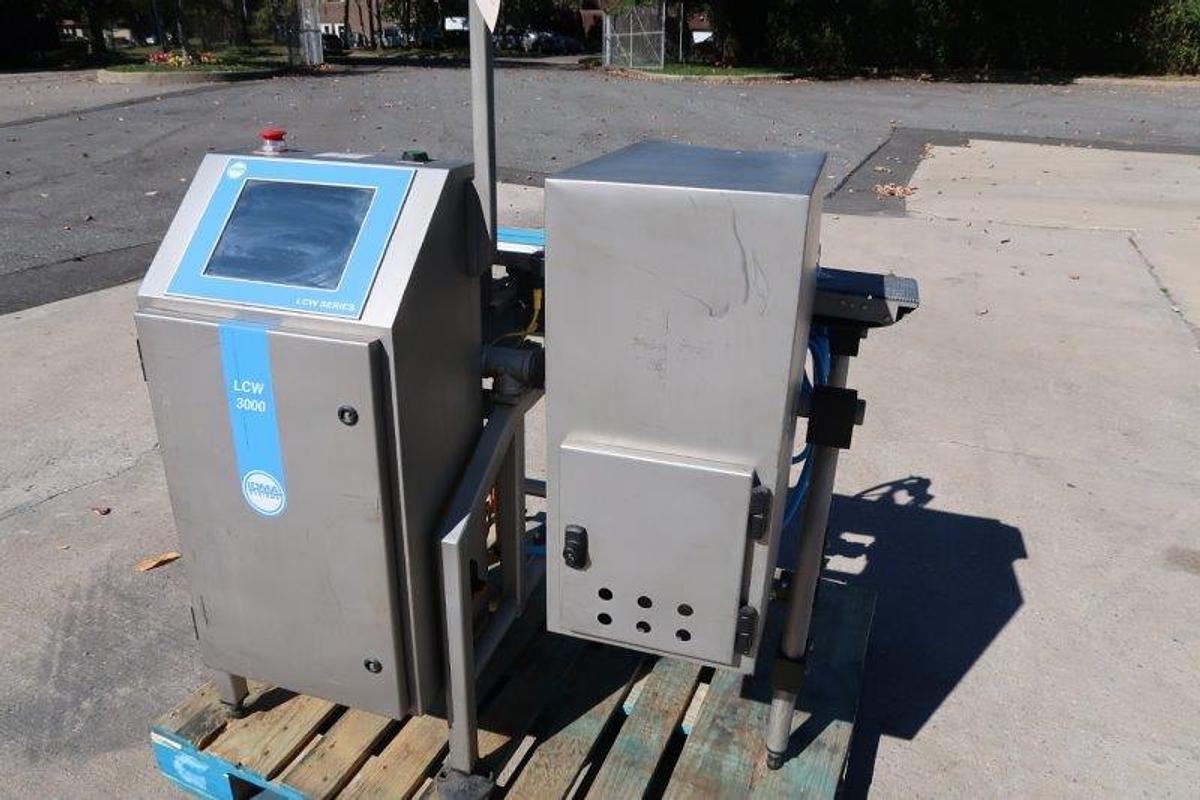
Beyond metal detectors, Loma also manufactures inline checkweighers and combination inspection systems. Used listings frequently include models like the Loma LCW 3000 inline checkweigher with reject capability, the Loma Euroscan conveyorized detector, and SS (stainless steel) motorized units with varying aperture sizes. Aperture dimensions matter significantly when selecting a used unit since the opening must accommodate the largest cross-section of your product or packaging. A unit listed as 21 inches wide by 7 inches high, for example, suits wide, flat packages, while a 6-inch wide by 10.5-inch high aperture fits taller, narrower products. Knowing your product dimensions before shopping the used market saves considerable time and avoids costly mismatches.
What industries use Loma metal detectors?
Loma metal detectors are built specifically for industries where product contamination poses serious safety or regulatory risks. Food manufacturing is by far the largest application segment. Meat and poultry processors, bakeries, snack food producers, dairy operations, and ready-meal facilities all rely on Loma systems to screen for ferrous, non-ferrous, and stainless steel contaminants before products leave the facility. The pharmaceutical industry is another major user, particularly for tablet, capsule, and liquid product lines where metal contamination could cause patient harm and trigger regulatory action.
Packaging operations and contract manufacturers also use Loma equipment to provide an additional inspection checkpoint before products ship to retail or distribution. Because Loma systems are engineered for washdown environments, with many units carrying IP65 or IP69K ingress protection ratings, they hold up well in wet processing areas where daily sanitation with high-pressure water is standard practice. This durability is one reason used Loma units retain practical value long after their initial installation. Buyers sourcing used equipment for food or pharmaceutical lines should verify that the specific model they are considering carries the appropriate ingress protection rating for their facility's cleaning protocols.
What metals can Loma metal detectors detect?
Loma metal detectors are designed to identify three primary categories of metal contamination: ferrous metals (iron and steel), non-ferrous metals (aluminum, copper, brass, lead, and similar materials), and stainless steel. Ferrous metals are the easiest to detect because they are both electrically conductive and magnetic. Non-ferrous metals are conductive but not magnetic, so they require a different signal response from the detector. Stainless steel is the most difficult of the three because it has relatively low conductivity and low magnetic permeability, which produces a weaker signal.
The practical sensitivity of any metal detector to stainless steel depends heavily on the product being inspected. Dry, non-conductive products allow for the highest sensitivity settings, meaning very small stainless steel fragments can be reliably caught. Wet, salty, or high-moisture products generate their own electrical signal that can interfere with detection, which is why Loma developed Product Effect Compensation technology. This feature automatically adjusts the detector's phase settings to account for the signal produced by the product itself, reducing false rejects while maintaining meaningful sensitivity to actual metal contamination. When evaluating a used Loma unit, it is worth confirming which software version or control platform it runs, since older models may have more limited phase adjustment capabilities compared to later generations like the IQ3 or IQ4 series.
What is Loma's Product Effect Compensation technology, and why does it matter?
Product Effect Compensation (PEC) is a signal processing approach that Loma developed to address one of the most persistent challenges in food industry metal detection: the fact that many food products conduct electricity themselves. Fresh meat, cheese, bread with high moisture content, and products containing salt or other minerals all generate an electromagnetic signal as they pass through the detector's aperture. Without compensation, this product signal can be misread as a metal contaminant, causing the machine to reject perfectly good product. In high-volume production environments, even a small false reject rate translates into significant product waste and line stoppages.
PEC works by allowing the detector to learn the specific signal profile of the product being run, then filtering that signal out so the system focuses only on anomalies that indicate actual metal. The result is that sensitivity to real contaminants can be maintained at a high level even when running challenging products. This technology is one of the reasons Loma equipment became a preferred choice in meat, dairy, and fresh produce applications. When buying a used Loma detector, the generation of the control system matters because earlier models had more basic phase adjustment, while later platforms offered more sophisticated adaptive compensation. Asking the seller which control platform the unit runs, and whether the software is still supported by the manufacturer, helps buyers set realistic expectations about performance on their specific product.
What should buyers inspect when purchasing a used Loma metal detector?
A thorough inspection is essential before committing to any used metal detector purchase. The physical condition of the aperture coil housing, conveyor belt and drive components, and control panel are the starting points. Corrosion, cracked housings, or damaged seals around the aperture can indicate that the unit was not properly maintained or was exposed to conditions beyond its rated ingress protection. The stainless steel frame and reject mechanism should be checked for dents, weld repairs, or signs of improvised modifications that might affect performance or sanitary compliance.
On the electrical and software side, buyers should ask for a functional demonstration whenever possible. Reputable used equipment dealers typically offer in-person inspections, video walkthroughs, or recorded video captures of the machine operating so buyers can assess its current working condition. Some units may still be in production at the original facility, which allows for a live inspection arranged between the dealer and the plant. Keep in mind that most used equipment dealers do not have the permits or production infrastructure to run actual food product through the machine during a test, so demonstrations are generally limited to verifying that the unit powers on, the conveyor runs, the control interface responds, and the reject mechanism cycles correctly. Buyers should also contact Loma directly to determine what level of parts and technical support is available for the specific model and age of the unit they are considering, since older or discontinued models may have limited manufacturer support.
Are used Loma metal detectors suitable for HACCP and food safety compliance programs?
Loma metal detectors were engineered from the ground up to serve as Critical Control Points (CCPs) within HACCP (Hazard Analysis and Critical Control Points) food safety programs. The systems are designed to log inspection data, track reject events, and generate reports that auditors and regulatory bodies expect to see as evidence that a CCP is functioning correctly. Many Loma models also support automatic performance verification routines, where test pieces of known size are passed through the detector at set intervals to confirm sensitivity has not drifted.
That said, using a used metal detector in a regulated food environment requires some additional diligence compared to installing a brand-new unit. The buyer is responsible for validating that the machine performs to the sensitivity standards required by their HACCP plan, their retailer codes of practice (such as BRC, SQF, or IFS standards), and any customer-specific requirements. This means running a formal validation study after installation, documenting the results, and establishing ongoing verification procedures. The age and model of the unit can also affect what documentation is available from the manufacturer. Contacting Loma Systems directly to request any available technical documentation, calibration guidance, or software support for the specific model is a practical step that helps buyers understand what they are working with before the unit goes into production.
What is the typical sensitivity of Loma metal detectors?
Loma metal detectors are considered high-sensitivity industrial inspection systems, capable of detecting very small metal particles depending on the product being inspected and the aperture size of the unit. As a general reference point, conveyorized Loma detectors running dry, non-conductive products through a standard aperture can typically detect ferrous spheres as small as 0.5 to 1.0 mm in diameter, non-ferrous metals in the 1.0 to 1.5 mm range, and stainless steel particles in the 1.5 to 2.5 mm range. These figures vary based on aperture size, since larger apertures inherently reduce sensitivity relative to smaller ones.
For used units, actual achieved sensitivity may differ from factory specifications depending on the age of the coil system, the condition of the electronics, and whether the unit has been properly maintained. A well-maintained used Loma detector that has been stored correctly and serviced periodically can still perform close to its rated specifications. A unit that has been sitting idle for years or was subjected to harsh conditions may require coil inspection or electronic servicing before it reaches acceptable sensitivity levels. Buyers planning to use a used unit in a regulated environment should budget for a post-installation validation study to confirm the machine meets their required detection thresholds before relying on it as a CCP.
What is the difference between a conveyorized Loma metal detector and a pipeline model?
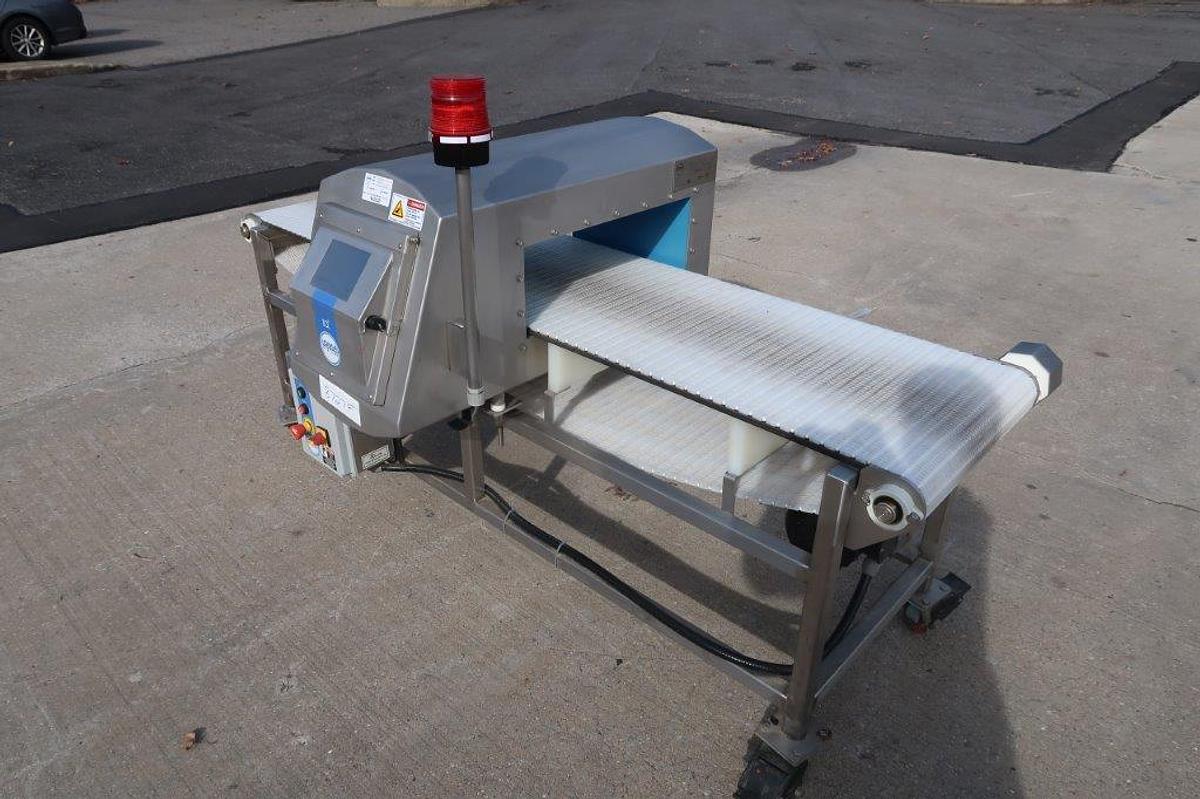
Conveyorized Loma metal detectors are designed for products that move through the detection aperture on a belt or conveyor system. The product, whether packaged or unpackaged, passes through a rectangular or square opening in the detector head. These units are the most common configuration seen in food manufacturing and are used across a wide range of applications including packaged meats, baked goods, frozen foods, and bulk ingredients. Aperture size is the key specification: the opening must be large enough to accommodate the tallest and widest cross-section of the product or its packaging. Used conveyorized models are available with apertures ranging from relatively small openings suited to narrow products up to wide, low-profile openings for flat trays or large bags.
Pipeline metal detectors, like the Loma IQ2 series with 2-inch or 3-inch Tri-Clamp ports, are built for products that are pumped or flow through pipes rather than traveling on a belt. Typical applications include liquid sauces, slurries, minced meat, dairy products, and pharmaceutical liquids. The product passes through a cylindrical detection zone inside the pipeline unit, and a reject valve diverts contaminated product out of the flow stream automatically. Pipeline detectors are a completely different installation compared to conveyorized units, requiring integration with the facility's piping and CIP (clean-in-place) systems. Buyers considering a used pipeline detector should verify that the port size and connection style match their existing piping infrastructure before purchasing.
How does aperture size affect which used Loma metal detector is right for an application?
Aperture size is one of the most important specifications to match when selecting a used conveyorized metal detector. The aperture is the opening through which product passes, and it must be large enough to accommodate the full cross-section of the product or packaging without contact. If a package is too large for the aperture, it simply cannot run through the detector. Beyond fit, aperture size directly affects detection sensitivity: a smaller aperture concentrates the electromagnetic field more tightly, which improves the ability to detect smaller metal particles. A larger aperture spreads the field over a wider area, which reduces sensitivity relative to a smaller opening.
This means that buying the largest available used unit is not always the right decision. A facility running small pouches or narrow products on a line would benefit from a detector with a smaller aperture that delivers higher sensitivity, rather than a wide-format unit that offers more physical space than needed at the cost of detection performance. Used Loma units are available across a range of aperture dimensions. For example, a unit with a 6-inch wide by 10.5-inch high aperture suits tall, narrow packages, while a 21-inch wide by 7-inch high aperture is designed for wide, flat products like trays or large bags. Measuring the maximum product cross-section, including any headspace in the packaging, is the starting point for narrowing down which used unit dimensions will work for a given application.
What should buyers understand about shipping and payment when purchasing a used Loma metal detector?
Used metal detectors are industrial machines that require careful packaging and handling to arrive in the same condition they left the seller's facility. Shipping costs for used Loma equipment depend on the size and weight of the unit, the destination, and the level of packaging required. Smaller pipeline detectors may ship on a standard pallet, while larger conveyorized units with conveyor frames often require custom crating to protect the aperture head, belt system, and control panel during transit. Buyers should ask the seller for a detailed breakdown of packaging, rigging, and freight costs before finalizing a purchase so the full landed cost is understood upfront. Larger or heavier units may also require a forklift or crane for loading and unloading, which adds to the total cost if the buyer's facility does not have that equipment on site.
On payment, most used equipment dealers require full payment before a machine ships. Some dealers extend payment terms to repeat customers with an established relationship, but first-time buyers should generally expect to pay in full prior to shipment. This is standard practice in the used industrial equipment market and reflects the fact that dealers are transferring ownership of a physical asset. Buyers who want to inspect a unit before committing should ask the dealer about in-person or video inspection options, which reputable dealers routinely accommodate. Getting a clear look at the machine's condition before payment is the most practical way to reduce purchasing risk on a used piece of inspection equipment.