Category
Manufacturer
Model
Lightnin
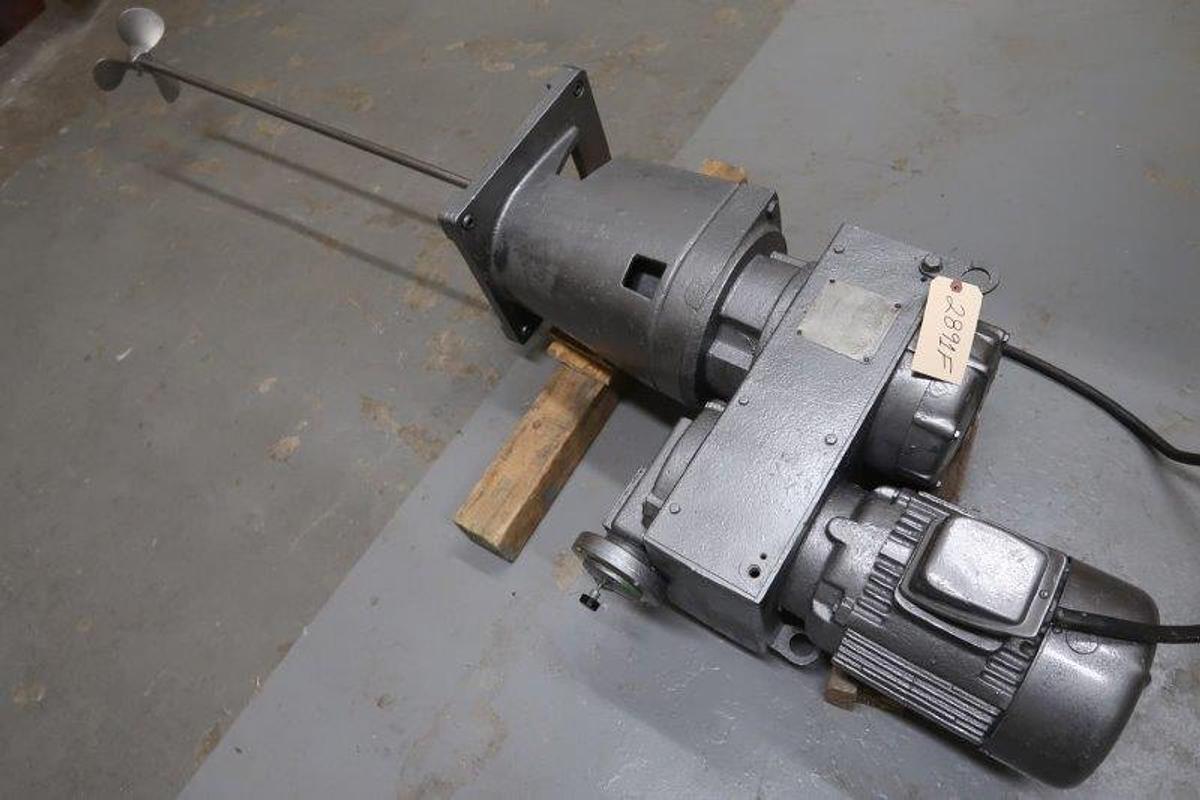
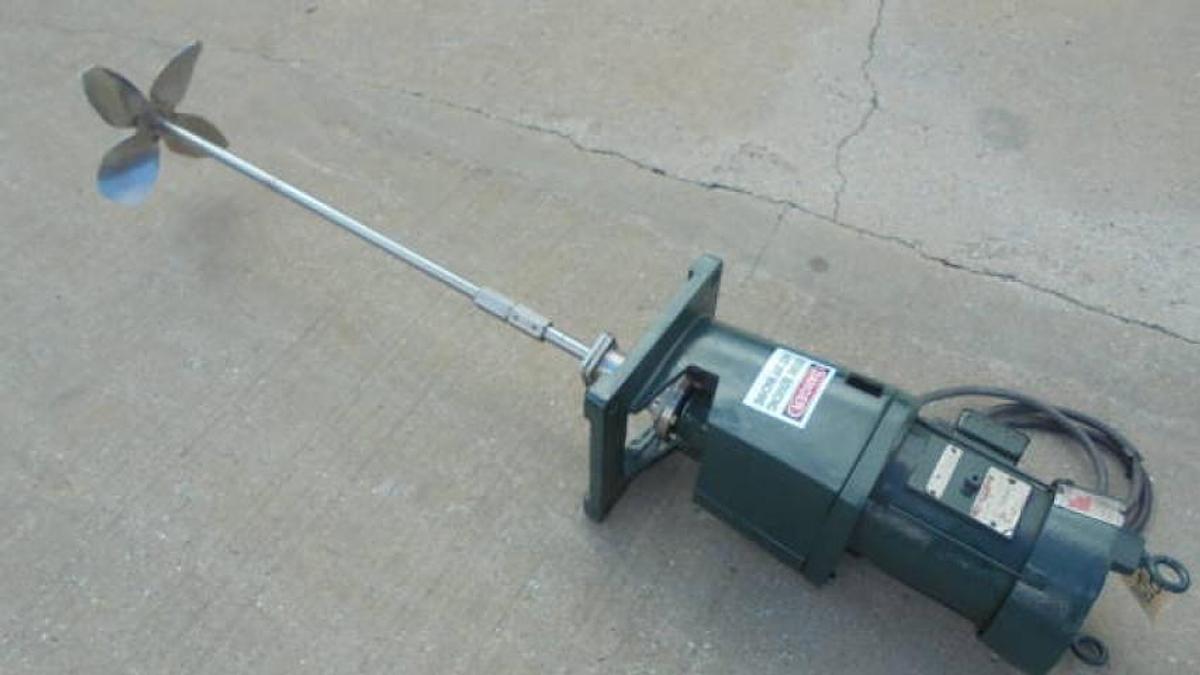
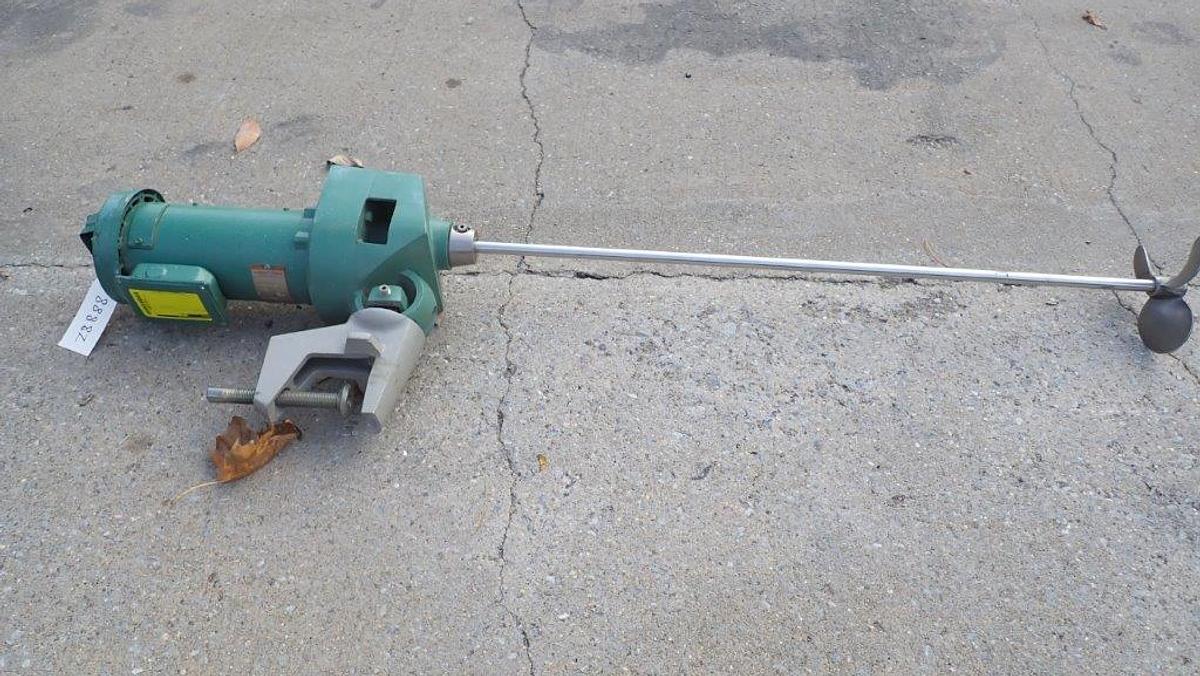
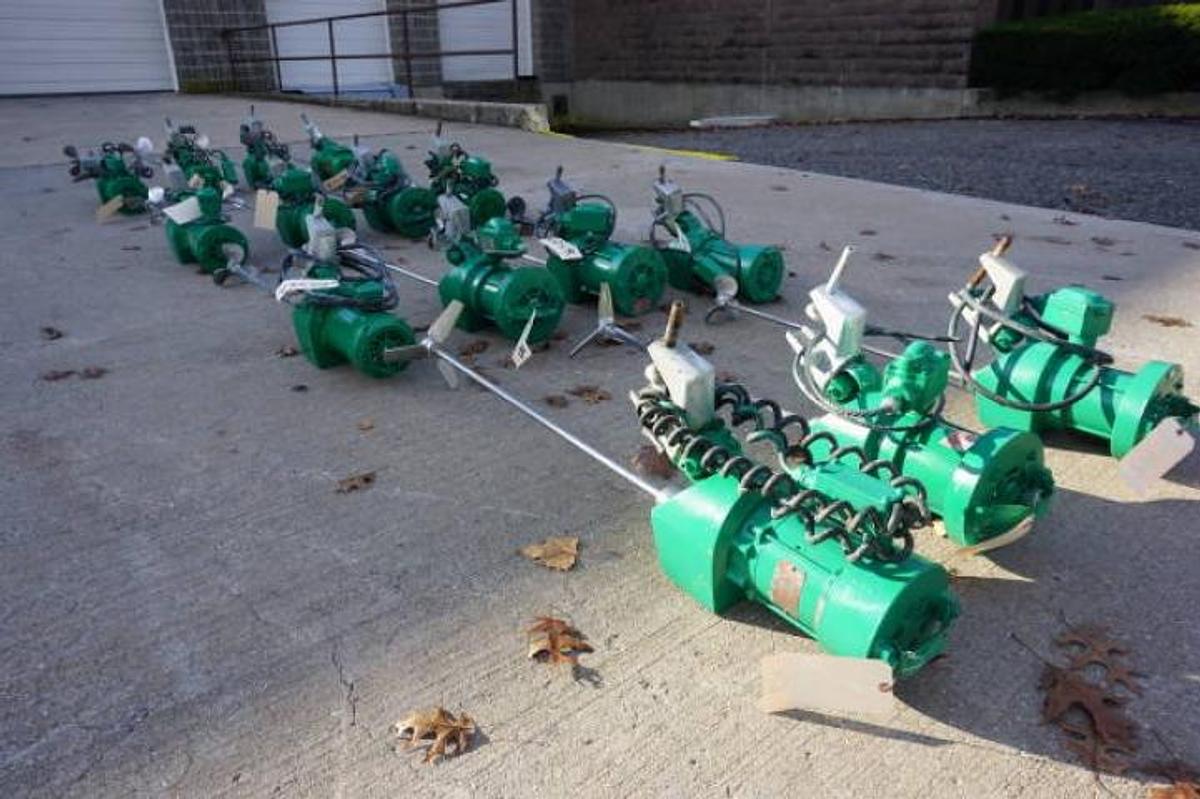
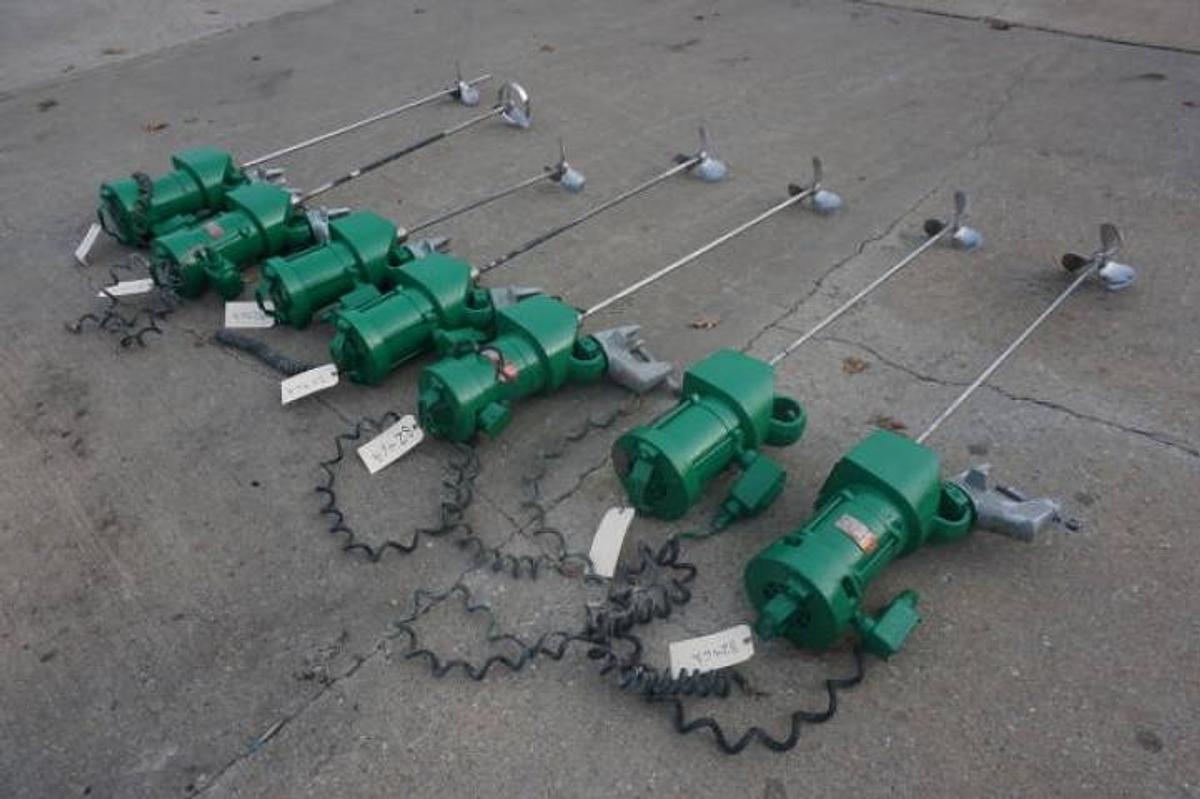
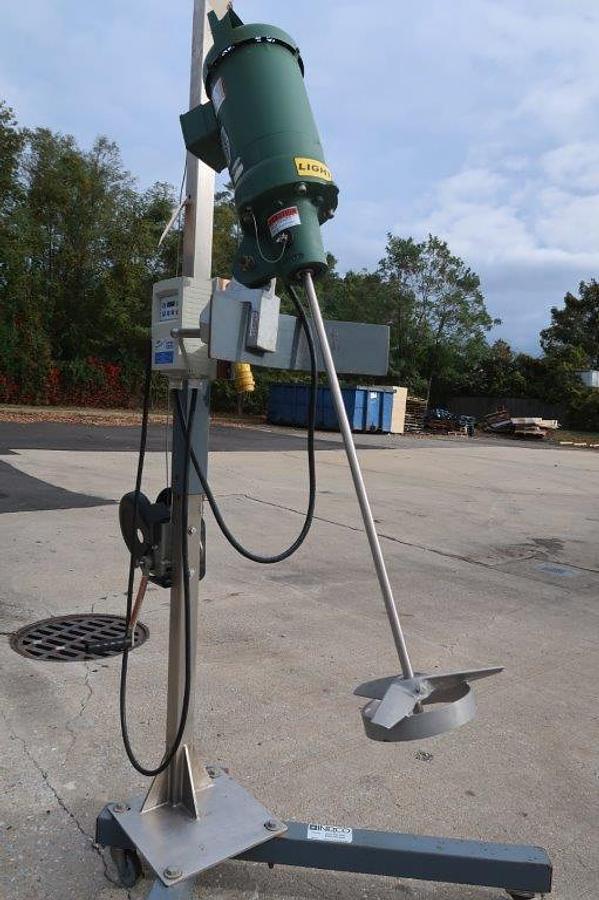
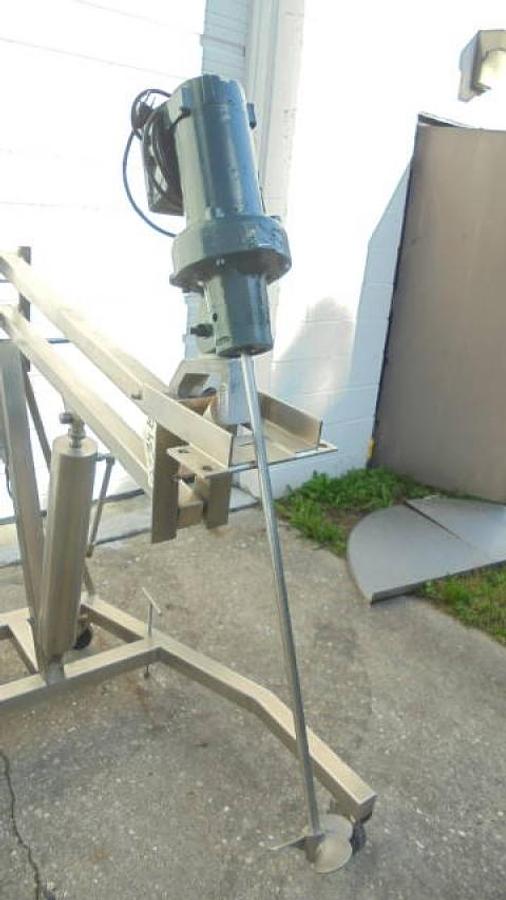
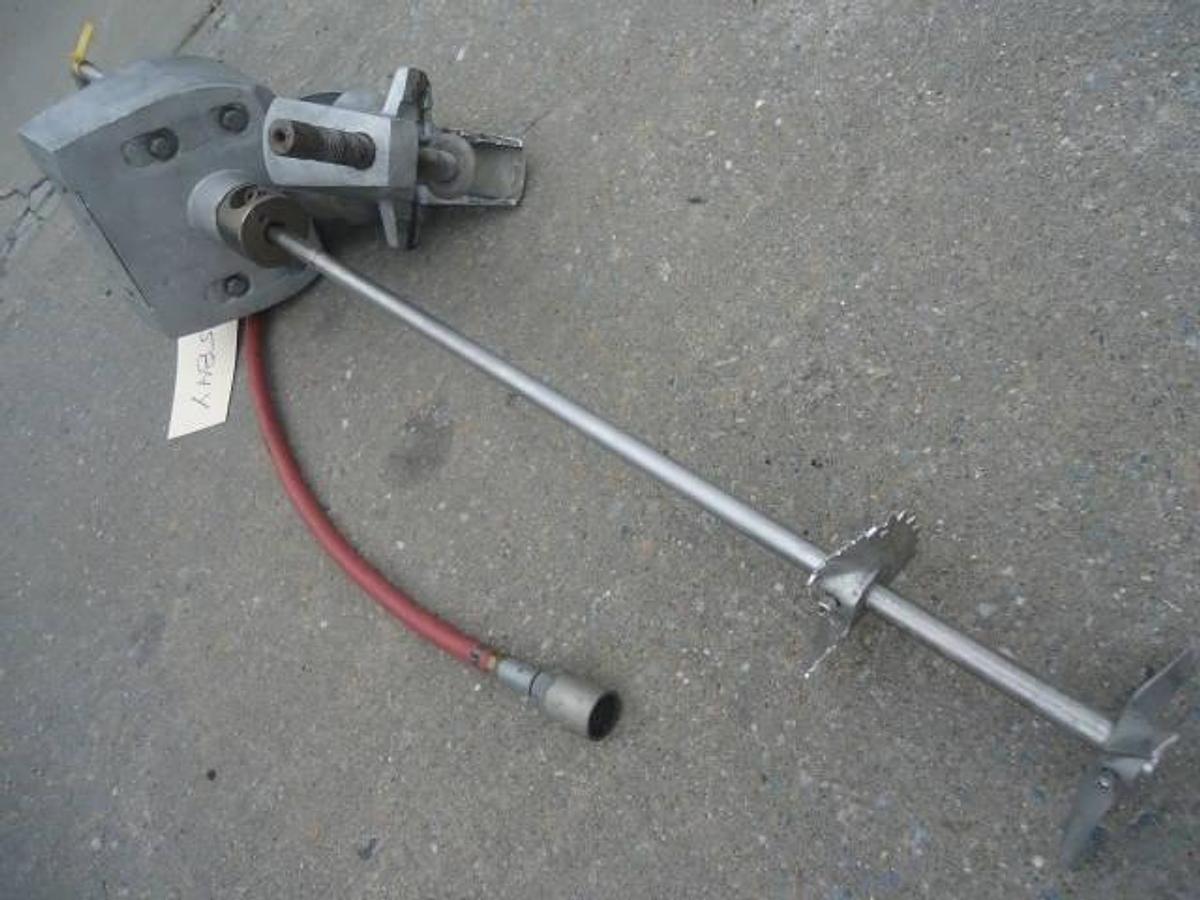
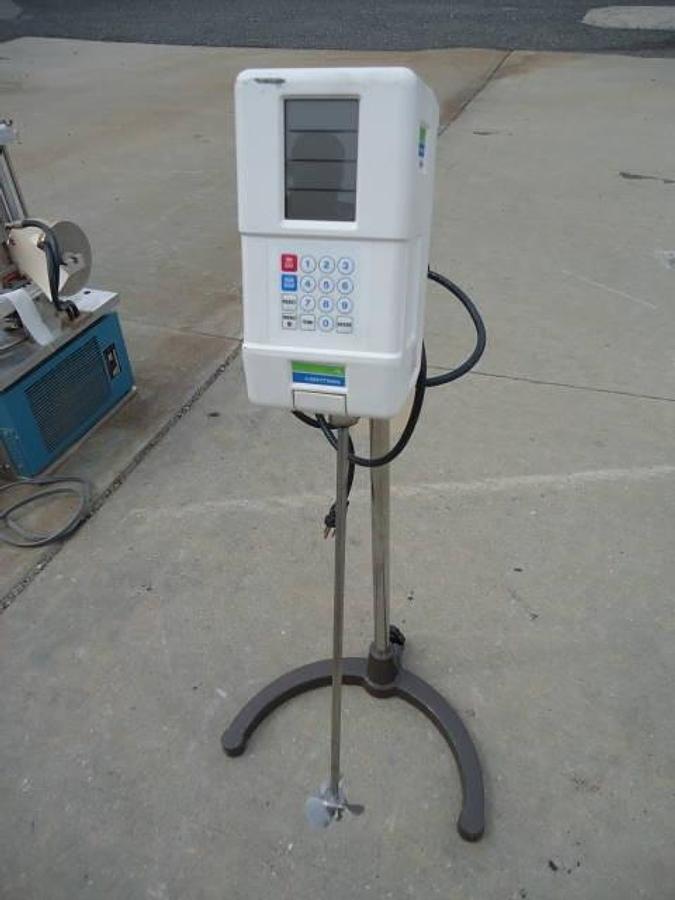
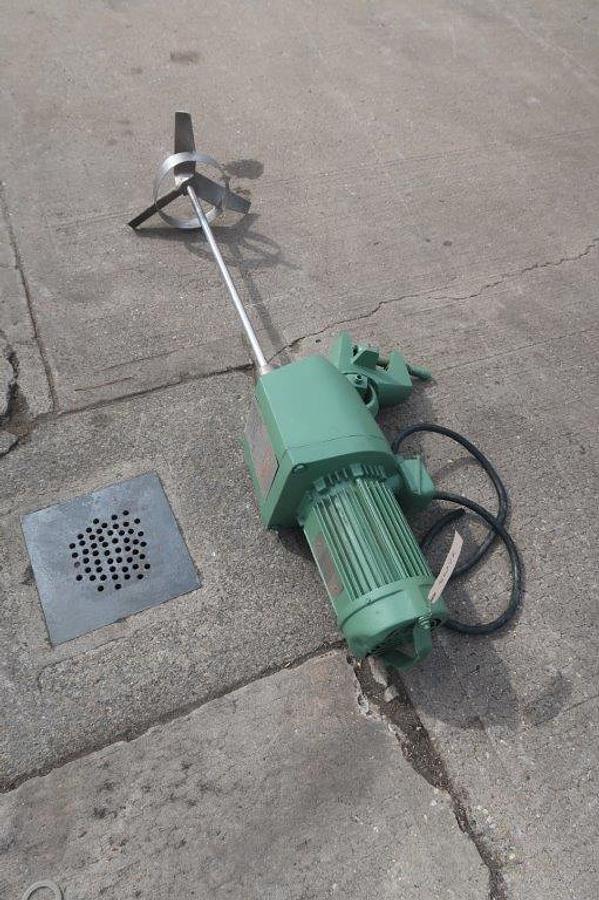
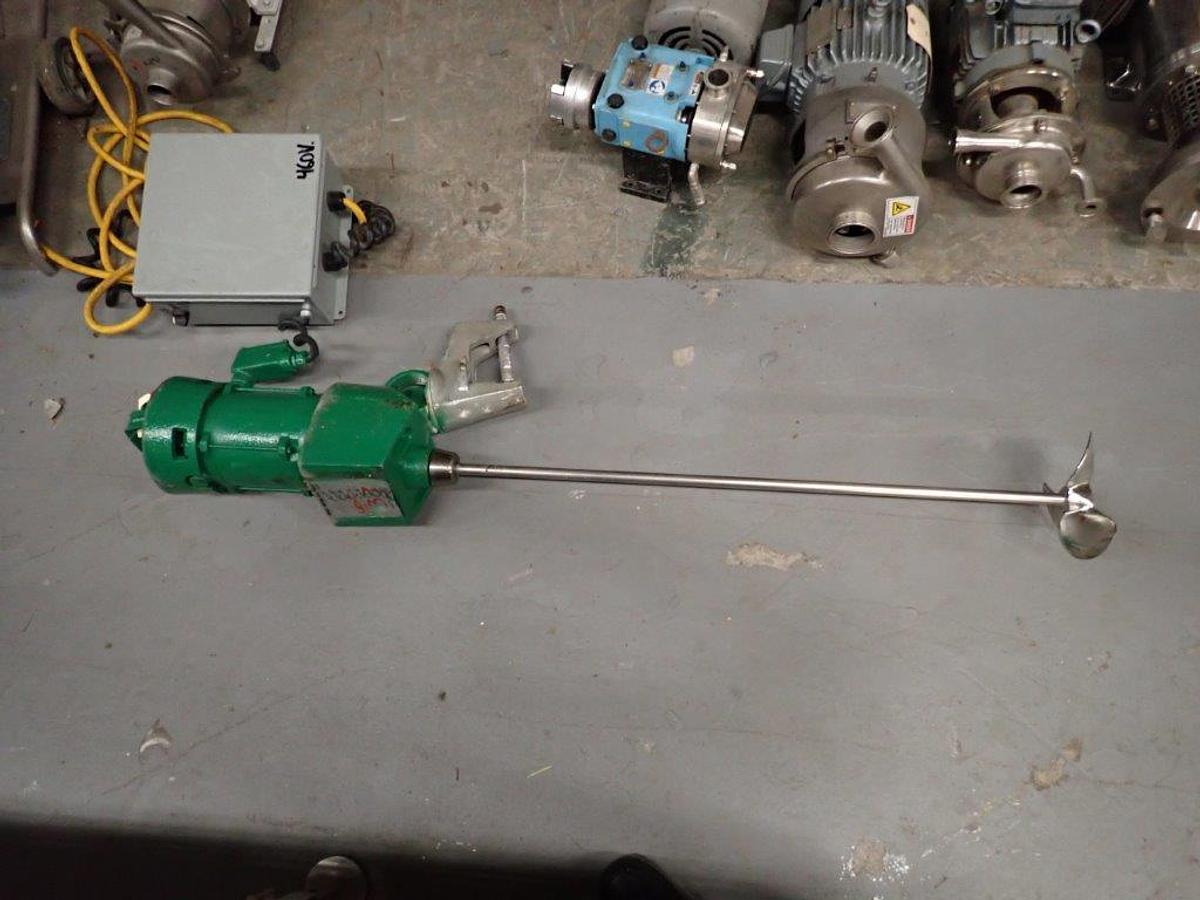
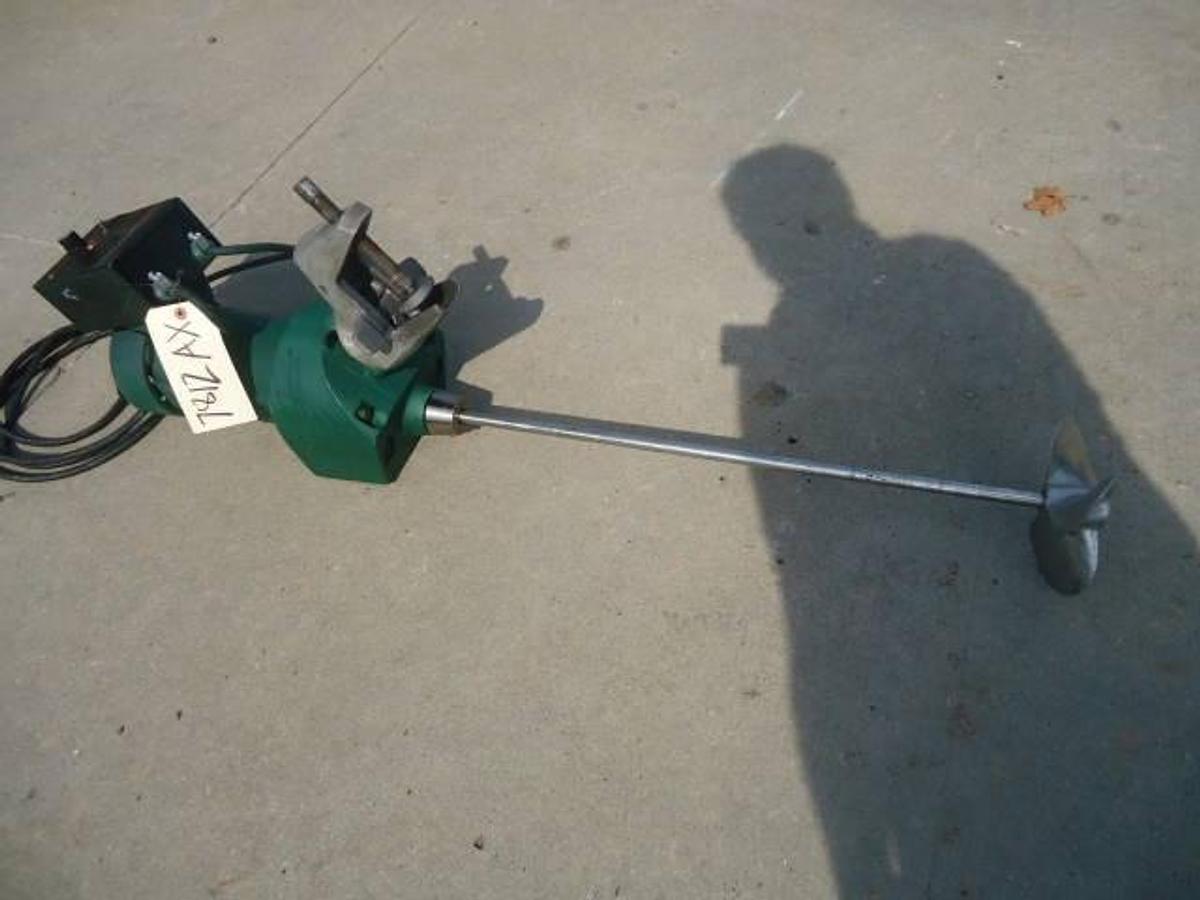
Lightnin specializes in mixing and agitation equipment, serving industries such as food and beverage, pharmaceuticals, and chemicals. Their product line includes high-shear mixers and agitators, which are designed to improve process efficiency and product quality.
FAQ:
What industries commonly use Lightnin mixers and agitators?
Lightnin mixers and agitators have earned a strong reputation across a wide range of process industries. Chemical processing, food and beverage production, pharmaceuticals, oil and gas, water and wastewater treatment, and mining operations all rely on Lightnin equipment for blending, suspension, dispersion, and reaction applications. The brand's longevity, which spans over a century of engineering development, has made it a go-to choice for plant engineers who need mixing equipment they can count on in demanding production environments.
The variety within the Lightnin product line is one reason for its broad industrial adoption. Portable clamp-on mixers handle smaller batch work and lab-scale applications, while fixed-mount and top-entry agitators are built for continuous, high-volume processing. High-shear mixer configurations serve emulsification and dispersion tasks in pharmaceutical and specialty chemical plants, while lower-speed agitators handle gentle blending in food-grade applications. Because the equipment was designed from the ground up for process industries, it tends to integrate well into existing tank and vessel setups across all of these sectors.
What is the difference between a Lightnin portable clamp-on mixer and a fixed-mount agitator?
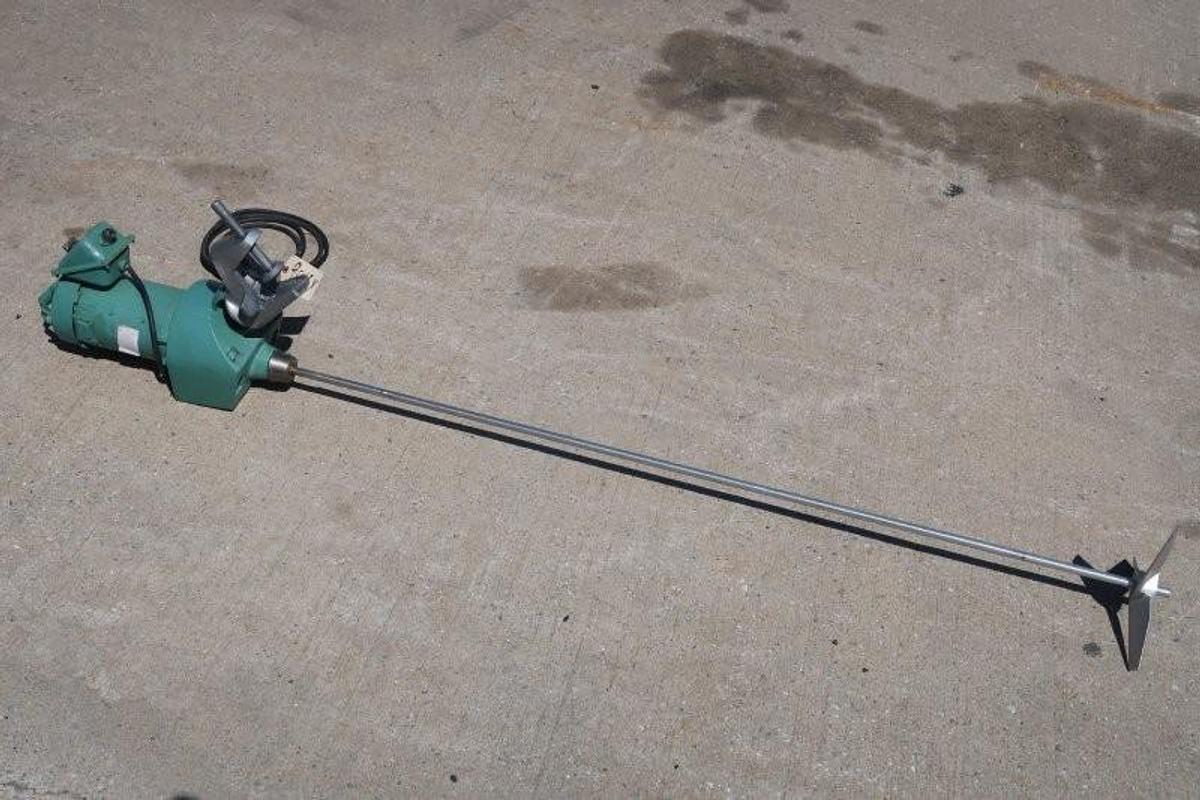
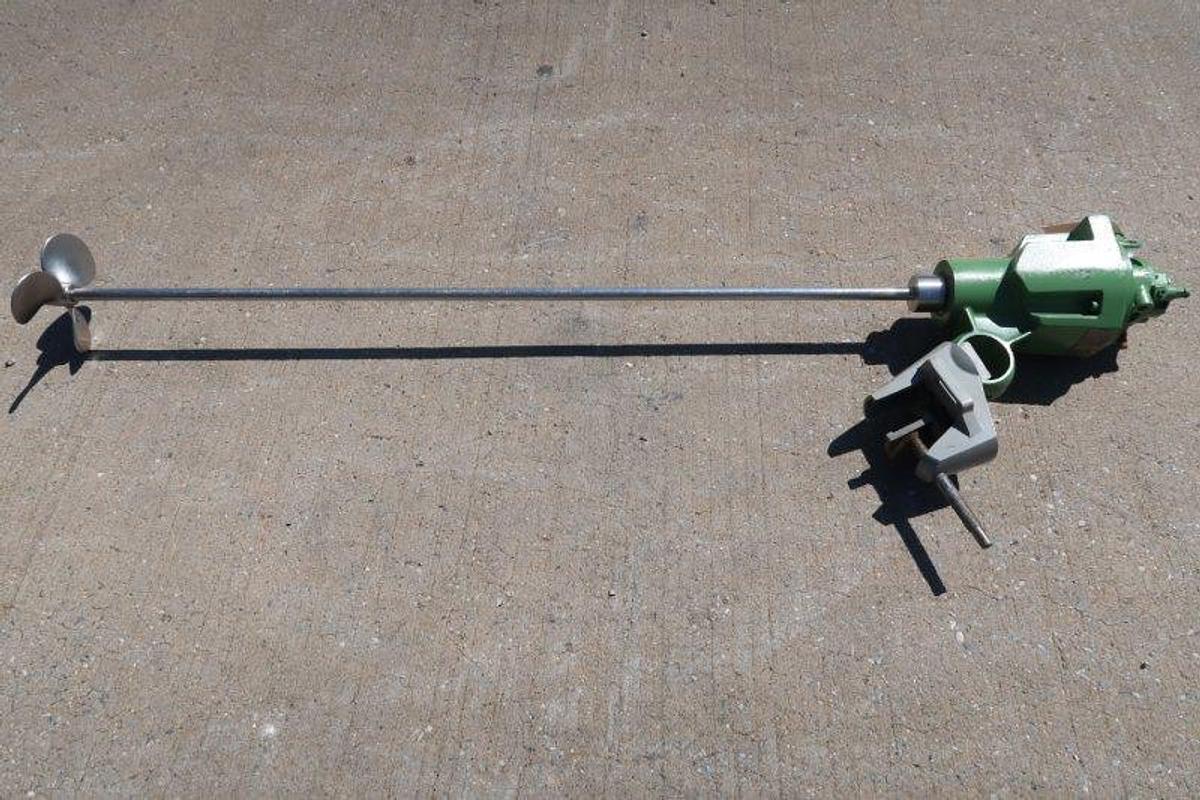
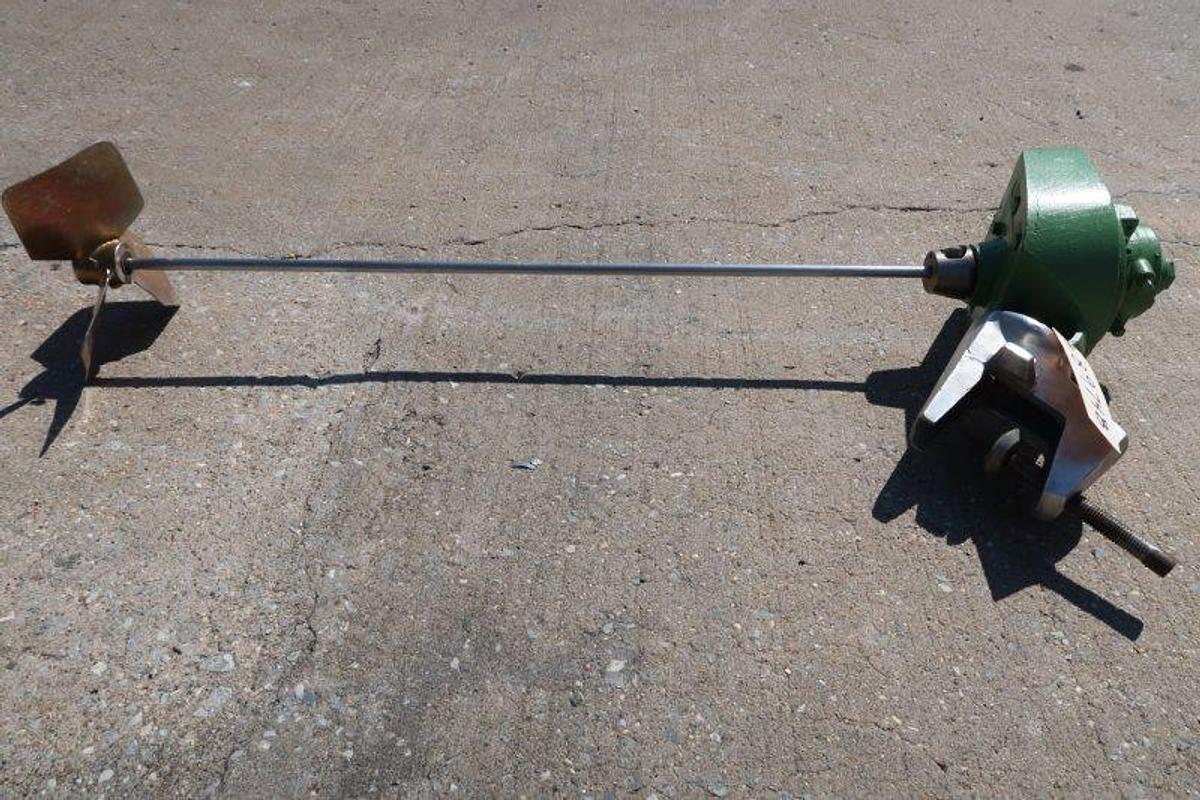
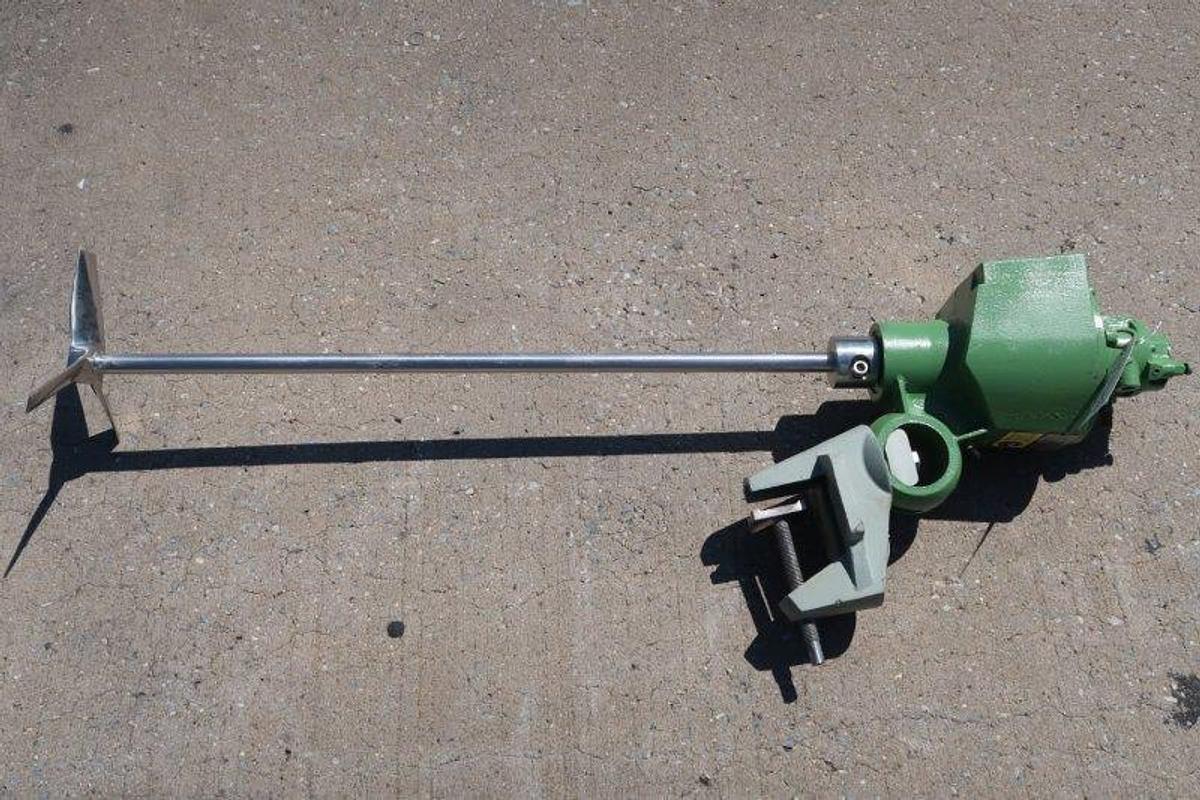
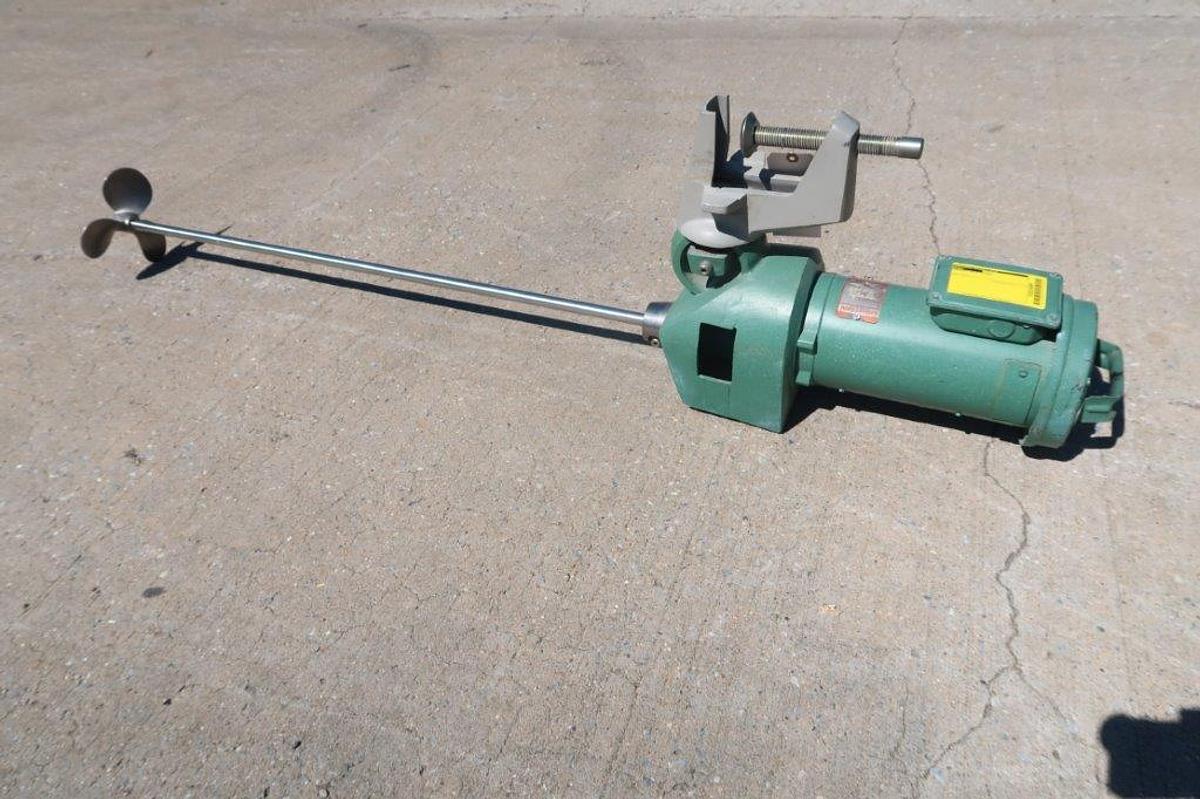
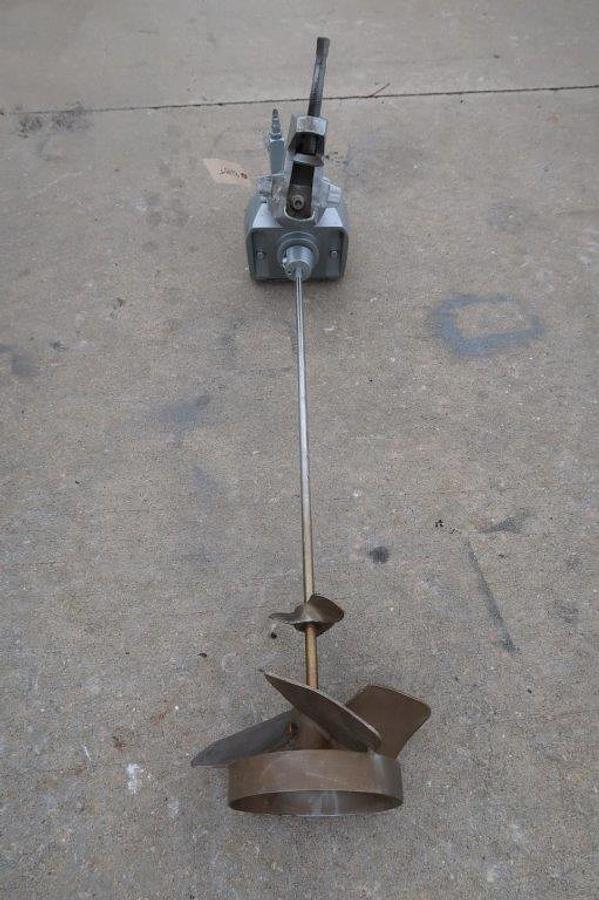
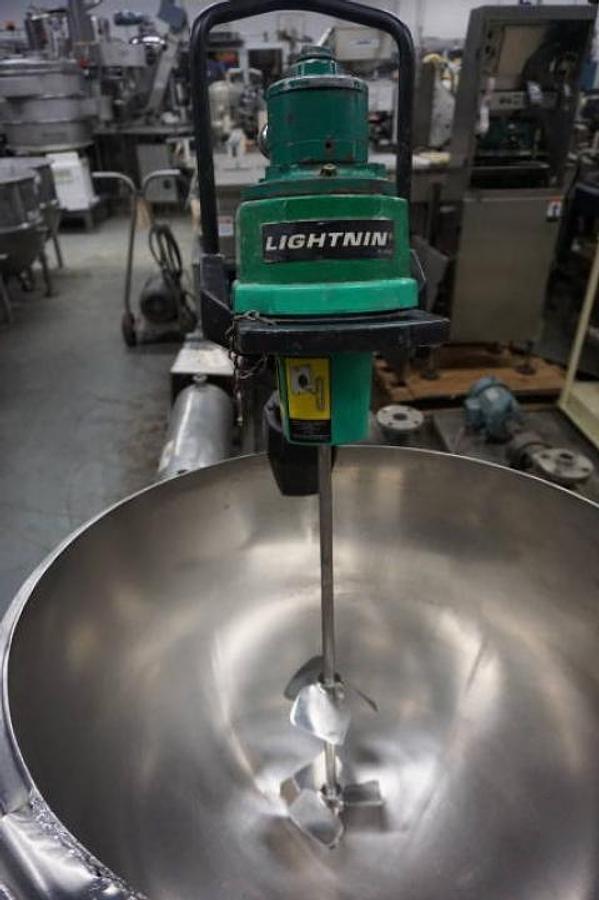
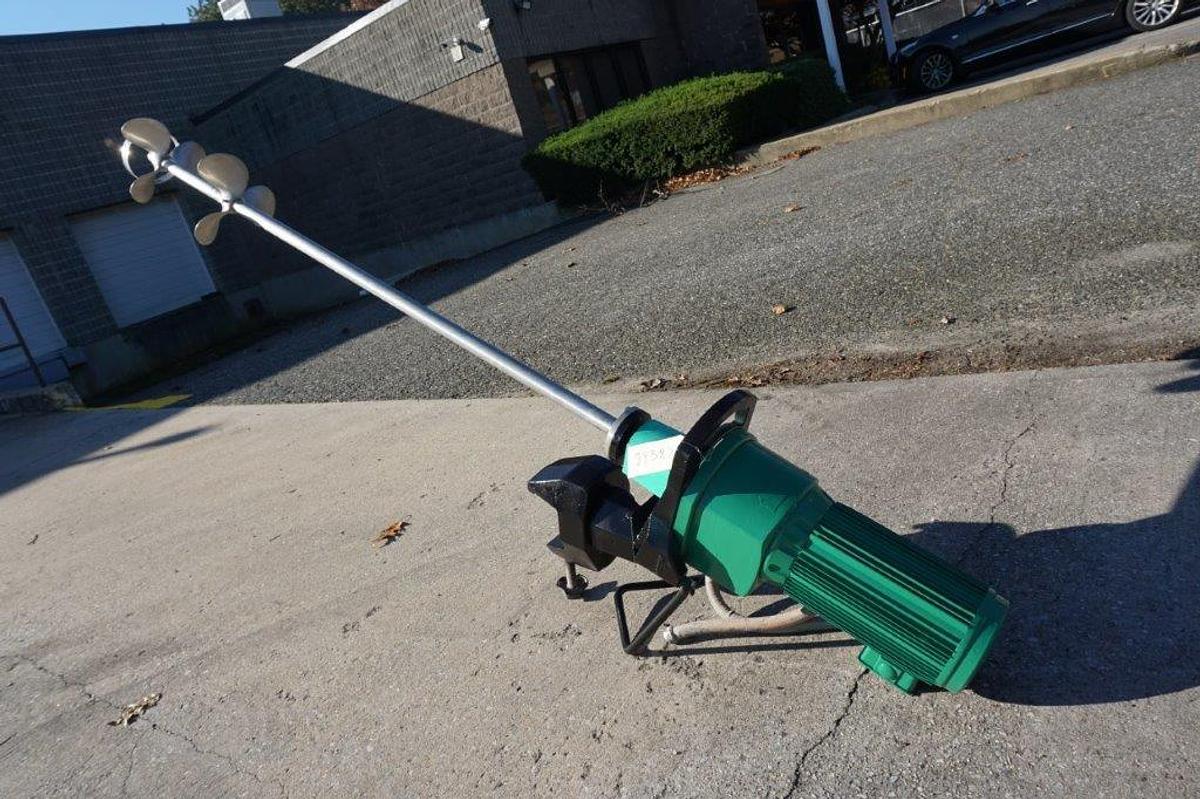
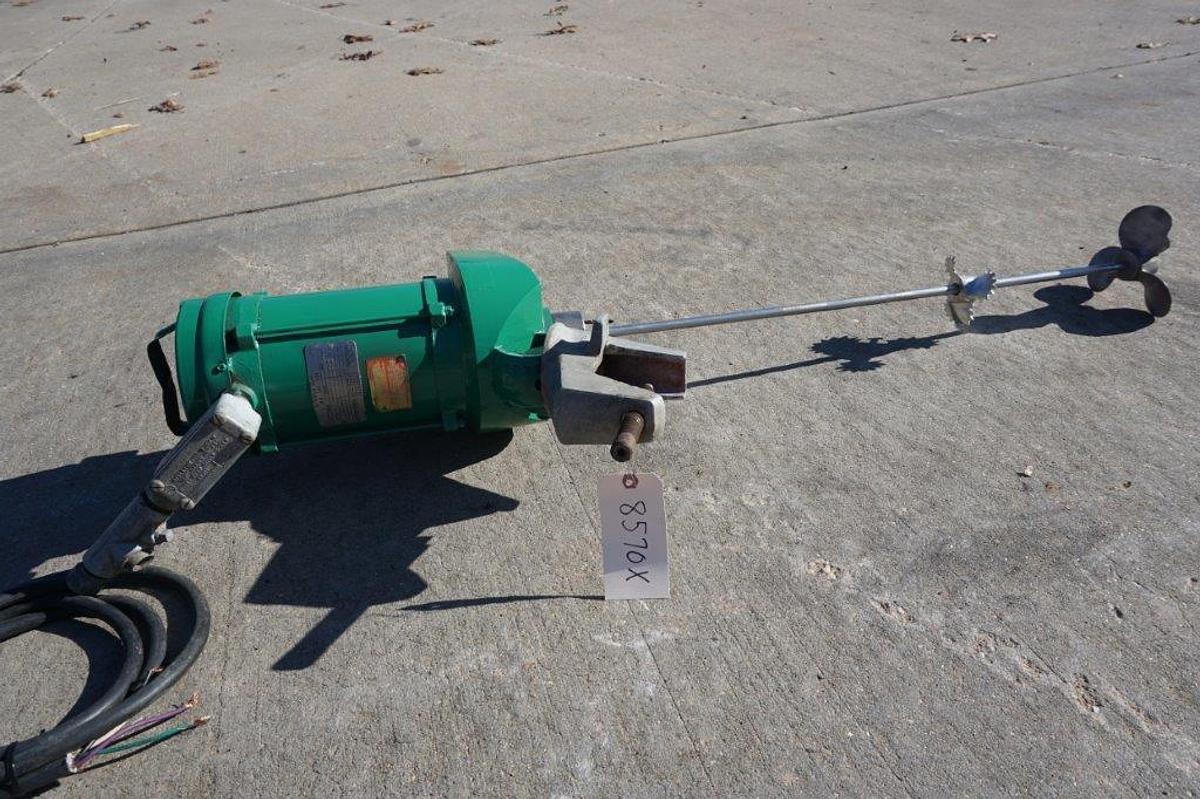
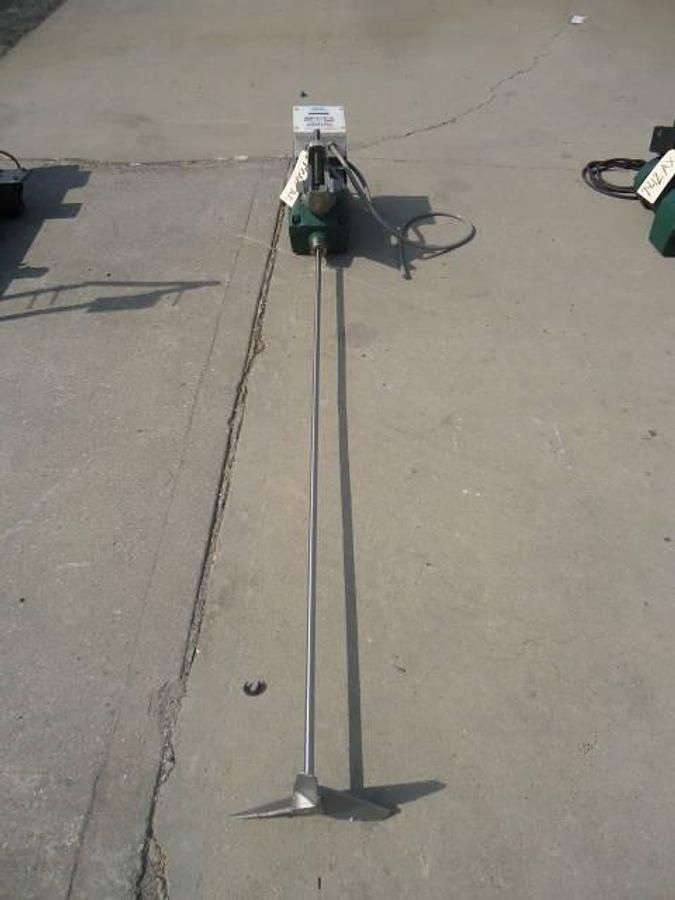
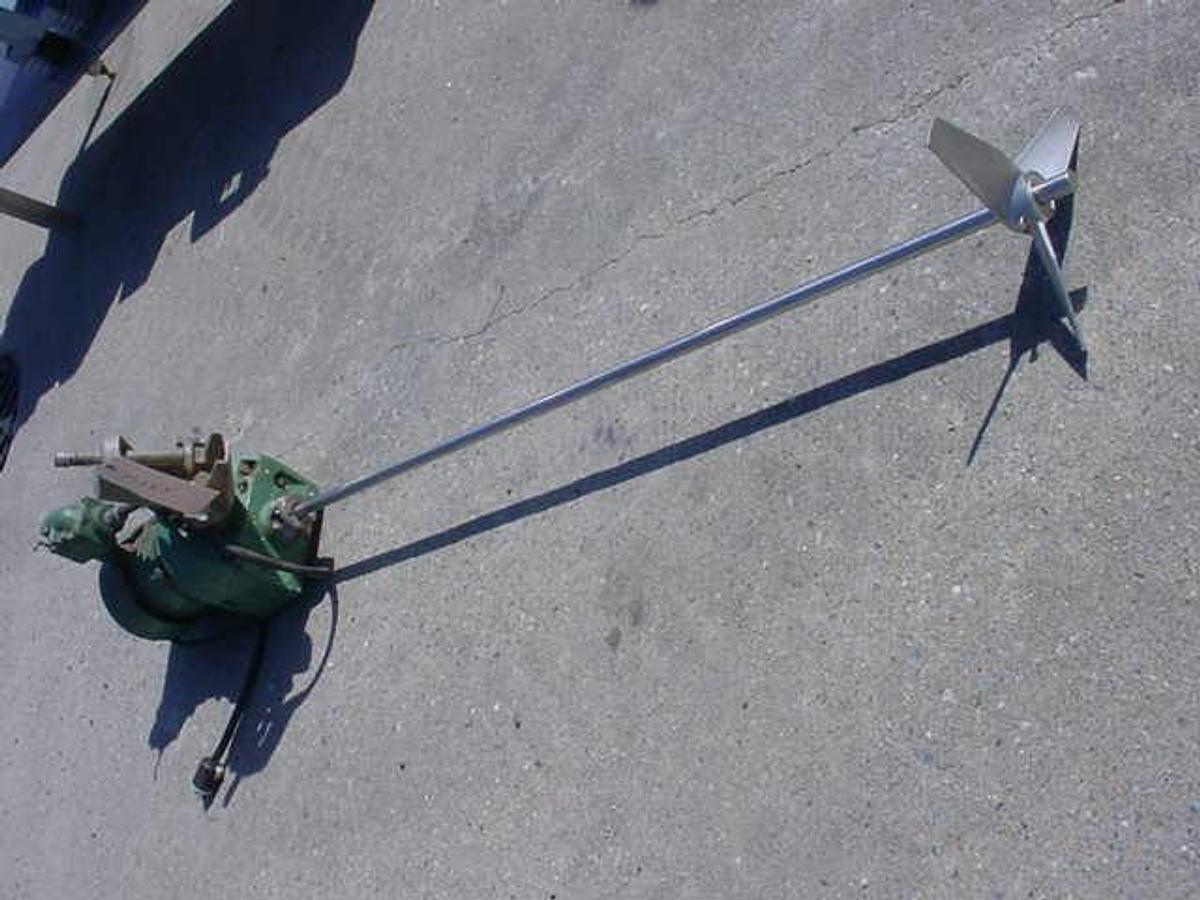
Portable clamp-on mixers are designed for flexibility. They attach directly to the rim or side of a tank or drum using a clamp mechanism, which means they can be moved between vessels quickly without any permanent installation. These units are popular in batch operations, pilot plants, and facilities that process multiple different products in the same tanks. Lightnin's clamp-on line covers a wide power range, from fractional horsepower units suited to small drums all the way up to multi-horsepower models with shafts exceeding 60 inches in length for deeper tanks.
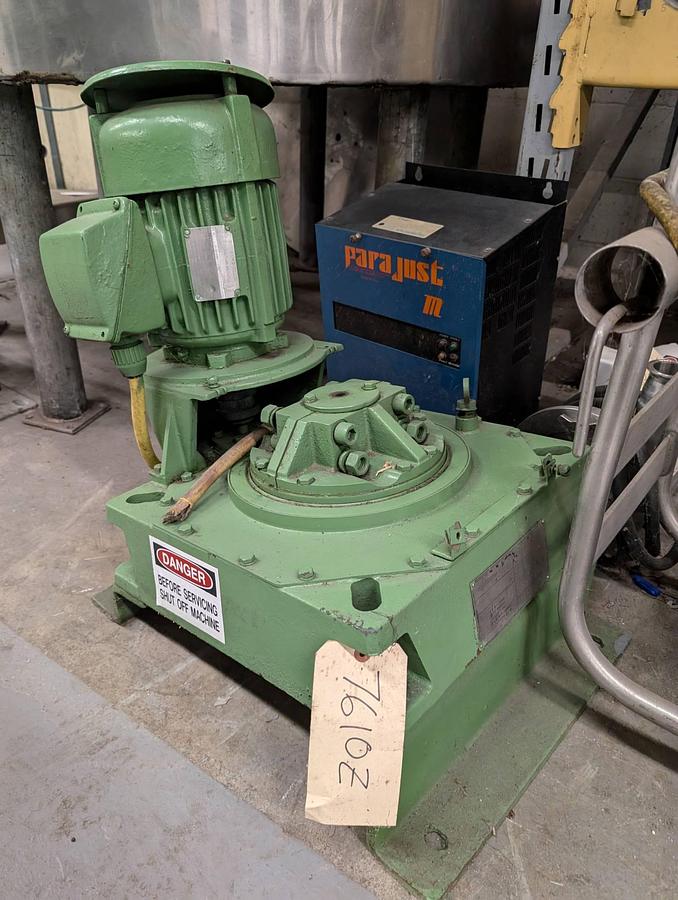
Fixed-mount agitators, by contrast, are bolted or flanged directly to the top or side of a vessel and are intended to stay in place as part of a permanent processing system. They generally handle higher torque loads and longer continuous run times than portable units. Fixed-mount drives from Lightnin are commonly specified for large-scale chemical reactors, storage tanks, and continuous-process vessels where consistent agitation is required around the clock. The choice between portable and fixed-mount comes down to whether the application demands flexibility and mobility or sustained, high-duty-cycle performance in a dedicated vessel.
What power options are available for Lightnin mixers?
Lightnin mixers are manufactured in both electric and pneumatic (air-operated) configurations, giving buyers options based on their facility's available utilities and safety requirements. Electric models typically run on single-phase or three-phase power and are available in a broad range of horsepower ratings, from small fractional-HP portable units to multi-horsepower fixed drives. Variable-speed electric models allow operators to dial in the exact agitation intensity needed for a given product or process, which is especially useful in applications where mixing speed affects product quality.
Air-operated models are a common choice in environments where electrical sparks pose an explosion or fire hazard, such as solvent-handling areas or certain chemical plants. Pneumatic clamp-on agitators draw on a facility's compressed air supply and eliminate the need for electrical connections near flammable materials. Explosion-proof electric motors are another option for hazardous locations, offering the torque characteristics of an electric drive while meeting safety classifications for use around flammable vapors or dust. Used Lightnin equipment is available in all of these configurations, so buyers sourcing machines on the secondary market can generally find a unit that matches their power infrastructure and safety requirements.
Are used Lightnin mixers reliable, and what should buyers look for when purchasing one?
Used Lightnin mixers have a well-established reputation for durability, largely because the equipment was engineered with heavy-duty gear drives and high-quality impeller systems that hold up well over long service lives. Many units that come onto the secondary market were decommissioned due to plant upgrades or process changes rather than mechanical failure, which means they can have significant useful life remaining. That said, the condition of any used machine varies, and buyers should take steps to verify the actual working state of a unit before committing to a purchase.
Reputable used equipment dealers will typically offer in-person inspections, video walkthroughs, or photo documentation of the machine's current condition. Buyers should pay close attention to the condition of the gear drive housing, shaft, impeller blades, and any seals or bearings that are visible. It is also worth contacting the manufacturer directly to confirm parts availability for the specific model and age of the unit, since older or discontinued models may have limited support. Used equipment is sold as-is on the secondary market, so a thorough pre-purchase inspection is the buyer's primary protection. Selecting a dealer with a long track record in industrial process equipment, rather than a general-purpose reseller, meaningfully reduces the risk of purchasing a machine with undisclosed problems.
What shaft lengths and horsepower ratings are typically available for used Lightnin agitators?
The Lightnin product line covers a very wide range of shaft lengths and motor sizes, which is part of why the brand is so prevalent in process industries. On the secondary market, shaft lengths commonly seen on clamp-on portable units range from around 36 inches up to 72 inches or more, accommodating everything from standard 55-gallon drums to deeper open-top tanks. Horsepower ratings on portable clamp-on models typically run from 0.25 HP on the low end up to roughly 5 HP for larger portable units like the Vektor series, which is designed for heavier-duty portable agitation tasks.
Fixed-mount agitator drives available on the used market span a broader power range, with units from under 1 HP up to several horsepower depending on the application they were built for. Variable-speed drives are also available in both portable and fixed configurations, offering added flexibility for processes where mixing intensity needs to be adjusted. Stainless steel shaft options, which are important for food, pharmaceutical, and corrosive chemical applications, appear regularly in used Lightnin inventory. Buyers should review the specific model number and specifications carefully, as shaft diameter, impeller type, and gear ratio all affect whether a given unit is appropriate for a particular tank size and fluid viscosity.
How do Lightnin impeller designs affect mixing performance?
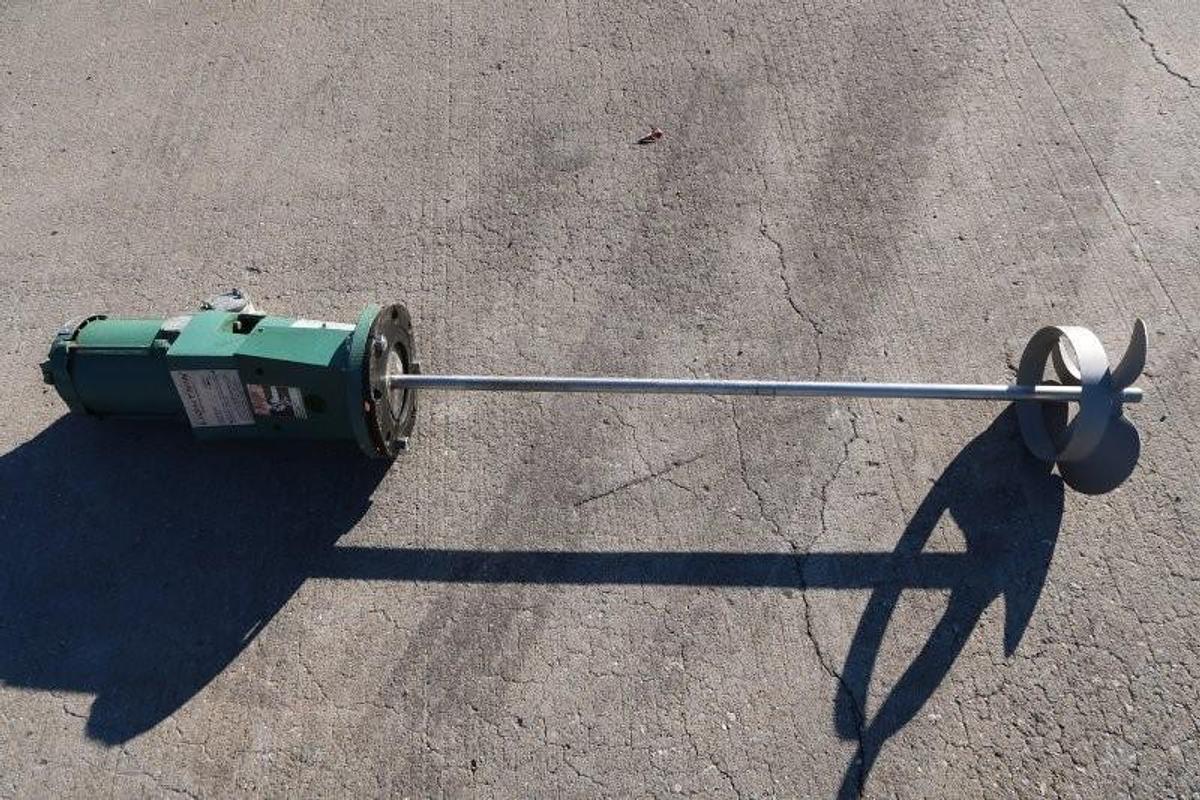
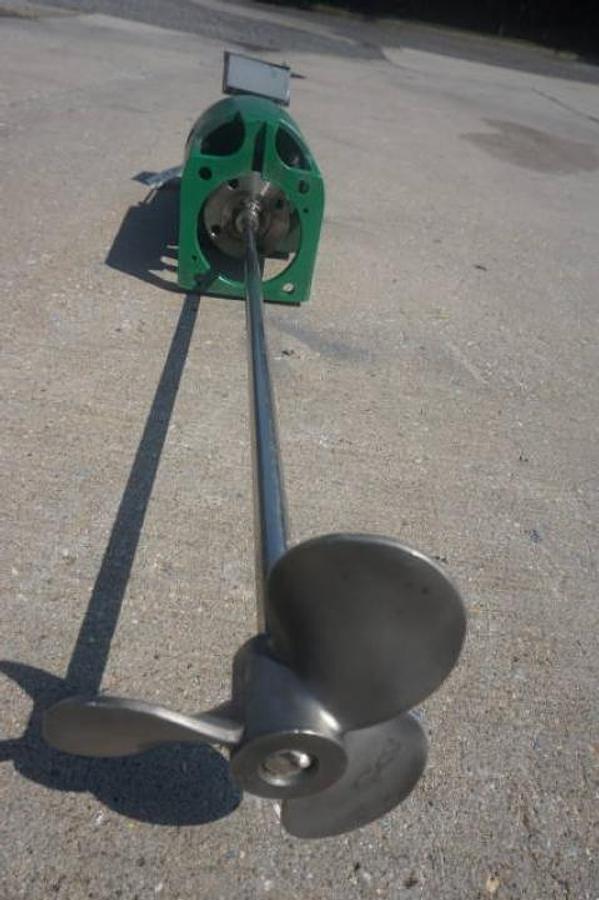
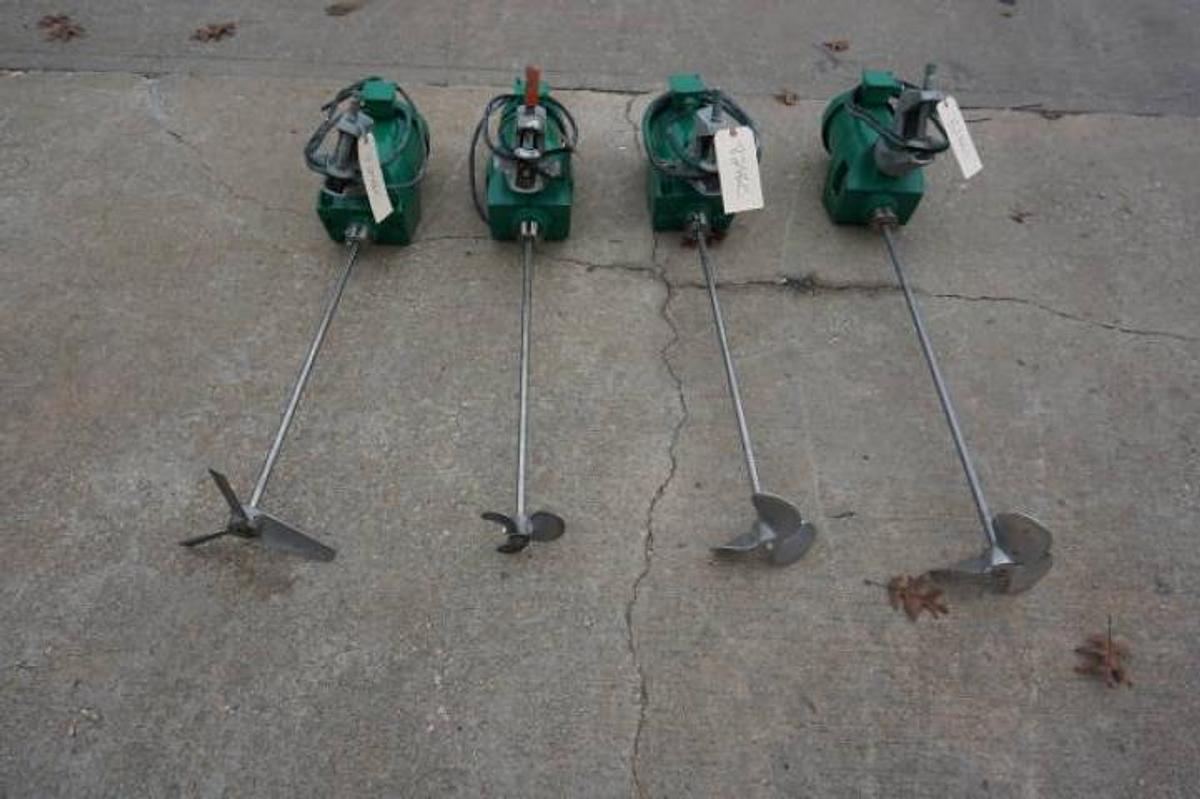
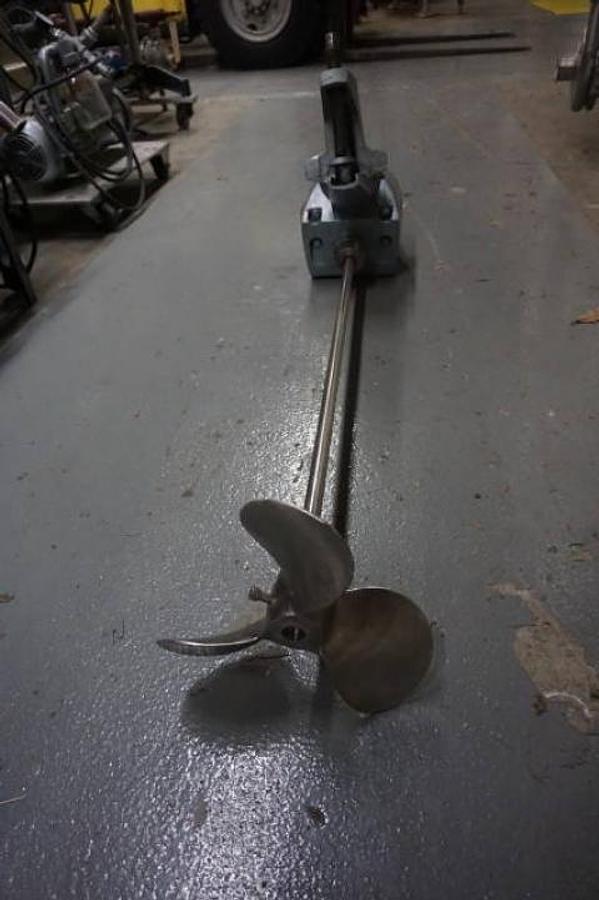
Lightnin has invested heavily in impeller engineering over the decades, and the results are measurable in actual process performance. The A310, A320, and A340 hydrofoil impeller series are among the most recognized designs in industrial mixing, engineered to produce high axial flow with relatively low power draw. Compared to older flat-blade turbine designs, hydrofoil impellers can achieve the same blend times and solids suspension at significantly lower energy consumption, which translates to lower operating costs over the life of the equipment.
The specific impeller fitted to a used Lightnin unit matters because it directly affects what the mixer can do in a given application. A high-shear impeller suited for emulsification behaves very differently from a hydrofoil designed for bulk blending or solids suspension. Buyers sourcing used equipment should confirm which impeller is included with the unit and whether it is appropriate for their process. In some cases, impellers can be swapped out or upgraded, but this depends on shaft diameter, hub configuration, and the gear drive's torque rating. Consulting with a mixing specialist or the manufacturer before finalizing a purchase is a practical step for buyers who are matching used equipment to a specific process requirement.
What should buyers know about shipping and logistics when purchasing a used Lightnin mixer?
Shipping costs and logistics for used industrial mixing equipment vary considerably based on the size and weight of the unit. Smaller portable clamp-on mixers can often be palletized and shipped via standard freight carriers at relatively modest cost. Larger fixed-mount agitator drives, particularly those with long shafts or heavy gear housings, may require custom crating and heavier-duty rigging for both loading at the seller's facility and unloading at the destination. Buyers should request a clear breakdown of packaging, rigging, and freight costs from the dealer before finalizing a purchase, since the landed cost can differ meaningfully from the listed equipment price.
For very large or heavy units, a rigging crew and appropriate lifting equipment may be needed at both ends of the shipment. Some buyers arrange their own freight and rigging through third-party logistics providers, while others prefer to have the dealer coordinate the full shipment. Either way, proper packaging is critical to preventing damage in transit, and buyers should confirm with the dealer exactly how the equipment will be prepared for shipping. Getting this information upfront avoids surprises and ensures the machine arrives in the same condition it was in at the time of inspection.
What is the typical payment process when buying used Lightnin equipment from a dealer?
Most used industrial equipment dealers require full payment before a machine ships. This is standard practice in the secondary equipment market and applies to Lightnin mixers and agitators as it does to most other categories of used machinery. Some dealers extend payment terms to established repeat customers, but first-time buyers should generally expect to pay in full prior to shipment. Accepted payment methods vary by dealer but commonly include wire transfer, ACH, and in some cases credit card for smaller purchases.
Because payment is typically required upfront, buyers have a strong incentive to conduct a thorough inspection before committing. Taking advantage of in-person or video inspection options offered by the dealer is the most practical way to verify the condition of a machine before funds change hands. Buyers should also confirm the total landed cost, including shipping and any rigging charges, so there are no unexpected expenses after payment is made. Working with a dealer who has a verifiable track record in process equipment sales adds an important layer of confidence when making a purchase of this type.
How does the inspection process work for used Lightnin mixers before purchase?
Reputable used equipment dealers generally offer several inspection options to help buyers assess the condition of a machine before purchasing. In-person inspections allow a buyer or their representative to physically examine the unit, check for wear on the gear housing, inspect the shaft and impeller, and evaluate the overall mechanical condition. Video inspections and detailed photo documentation are common alternatives for buyers who cannot travel to the dealer's location, and they can provide a thorough view of the machine's current state when conducted properly.
In some cases, equipment being sold is still installed and operating at a production facility, in which case the dealer may be able to arrange an inspection at the plant. The machine might be actively running or decommissioned, but either way, an on-site visit can give a buyer a much clearer picture of the unit's condition than photos alone. It is worth noting that most used equipment dealers do not have the production permits or infrastructure to run mixing equipment with actual process materials, so functional testing under real operating conditions is generally not possible outside of the original production environment. Buyers should factor this into their evaluation and rely on a combination of visual inspection, model specifications, and the dealer's knowledge of the equipment's history.
Are replacement parts available for used Lightnin mixers and agitators?
Parts availability for used Lightnin equipment depends primarily on the age and model of the specific unit. Lightnin, now operating under SPX Flow, has produced mixing equipment for well over a century, and the brand's widespread industrial adoption means that many components, including impellers, shafts, seals, and gear drive parts, have historically been well-supported. For relatively recent models, the manufacturer is often still a viable source for replacement parts and technical support. Older or discontinued models may have more limited factory support, which is an important factor to investigate before purchasing a used unit.
Before finalizing a purchase, buyers are advised to contact the manufacturer directly with the model number and serial number of the unit they are considering. This allows them to get a realistic picture of what parts are available, what the lead times look like, and whether the unit is old enough that certain components may need to be sourced from third-party suppliers or fabricated. Third-party parts suppliers and machine shops that specialize in industrial mixing equipment can often fill gaps where factory support is limited. Understanding the parts situation ahead of time helps buyers avoid the scenario of acquiring a machine that cannot be maintained cost-effectively over its remaining service life.