Category
Manufacturer
Model
Lakso
Lakso specializes in packaging machinery for the dairy and food industries. Their machines are recognized for their efficiency in filling, sealing, and labeling products, ensuring quality and hygiene. Lakso’s commitment to innovation makes them a reliable partner for food manufacturers.
FAQ:
What types of products can Lakso packaging machinery handle?
Lakso packaging machinery is primarily designed for solid dosage forms, making it a go-to choice for pharmaceutical, nutraceutical, veterinary supplement, and contract packaging operations. The machines are built to count and handle tablets, capsules, softgels, and similar products with a high degree of accuracy. Beyond solid dosage counting, Lakso has also produced equipment used in filling, sealing, and labeling applications within the dairy and food industries, giving the brand a relatively broad footprint across multiple regulated manufacturing sectors.
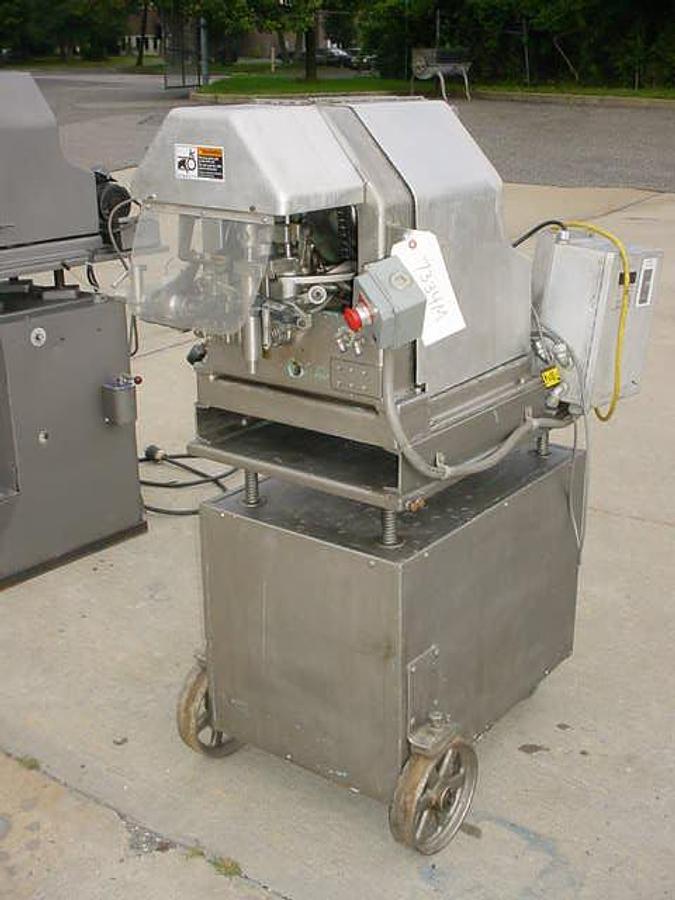
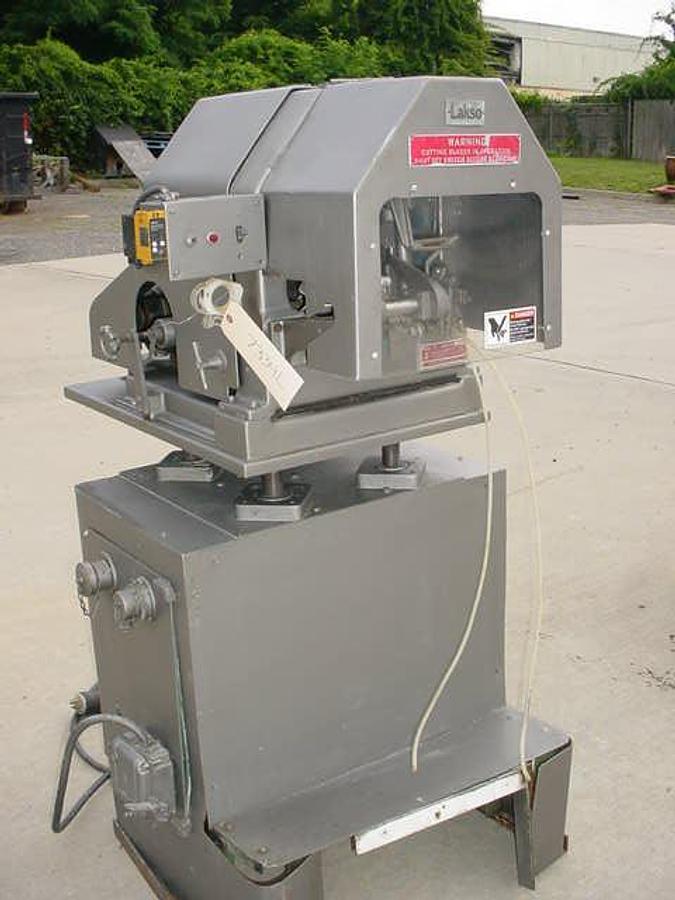
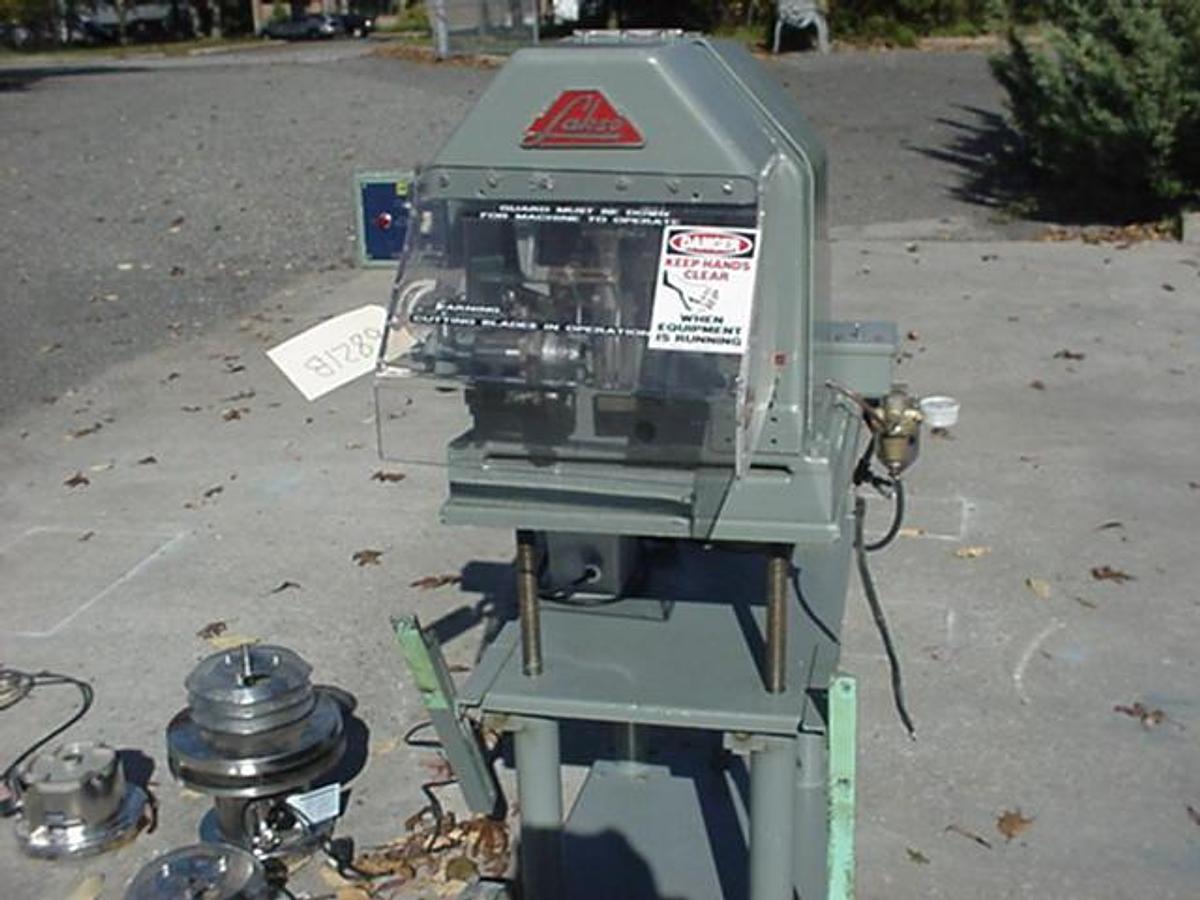
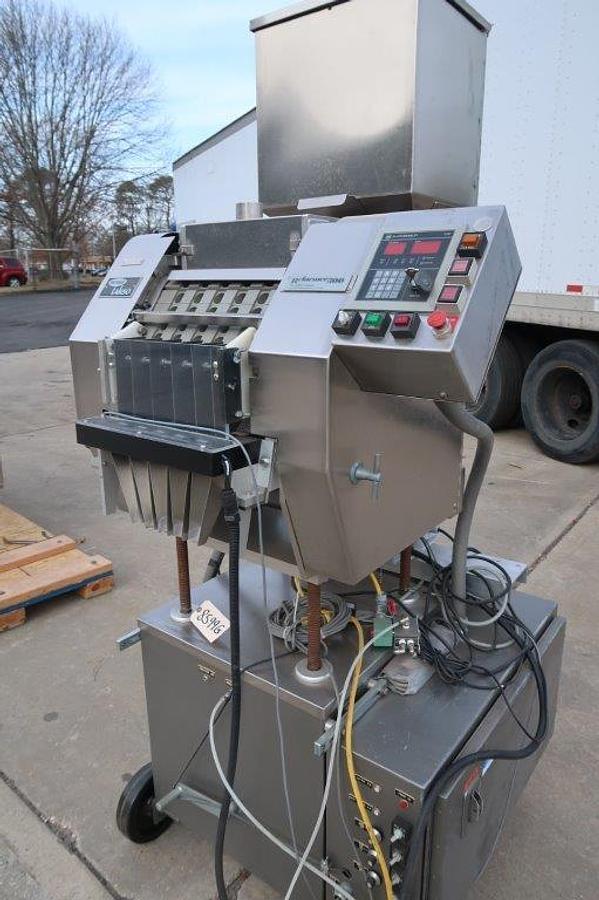
The cottoning machines in the Lakso lineup, such as the widely recognized Model 52 Bottle Cottoner, are specifically designed to insert cotton or coil material into bottles after filling, a process common in pharmaceutical and nutraceutical packaging. The Reformer 300 series, on the other hand, handles tablet and capsule counting with air indexing cylinders for consistent, repeatable performance. Buyers sourcing used Lakso equipment should confirm that the specific model they are considering matches the product type, container size, and output requirements of their operation before purchasing.
What is the difference between a Lakso tablet counting machine and a cottoning machine?
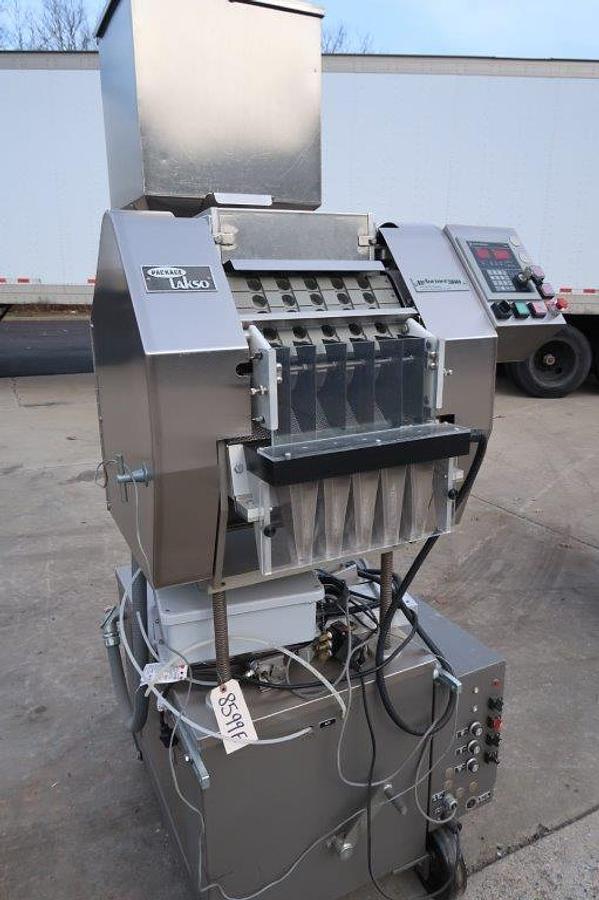
Lakso tablet counters, such as the Reformer 300 series, are designed to count a precise number of tablets or capsules and deposit them into bottles or containers. These machines typically use counting discs, sensors, or channel-based counting mechanisms to achieve accurate counts at production speeds suited for small to mid-size pharmaceutical and nutraceutical lines. The Reformer 300 with air indexing cylinders adds a pneumatic indexing function that improves consistency and reduces product handling errors during the counting cycle.
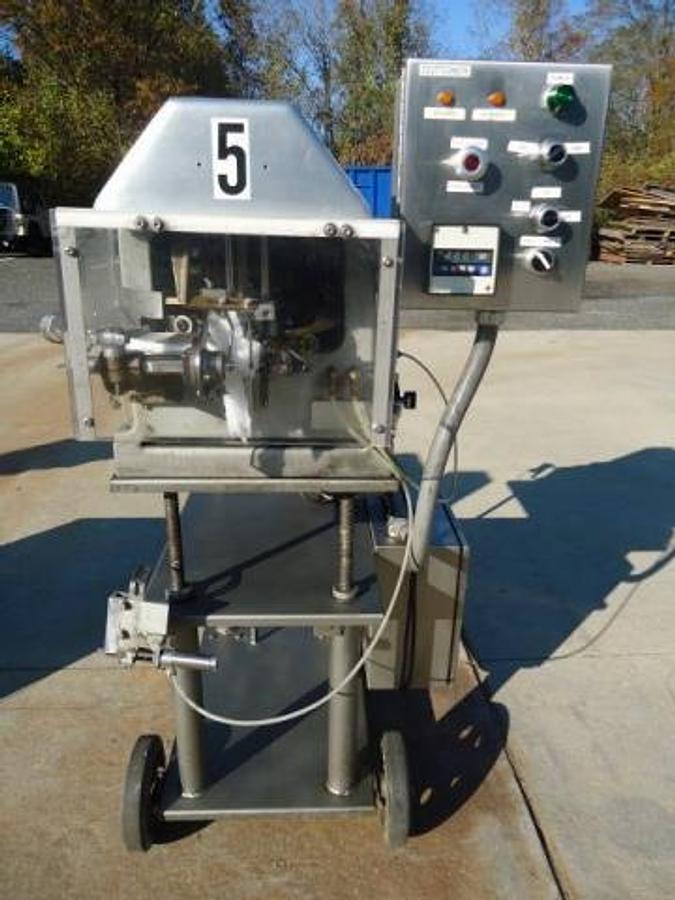
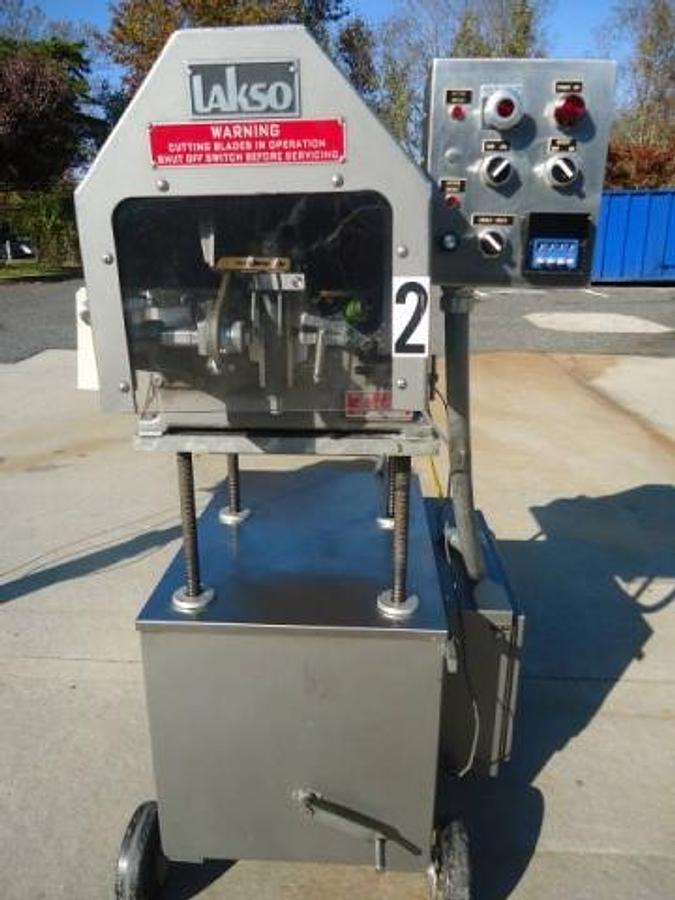
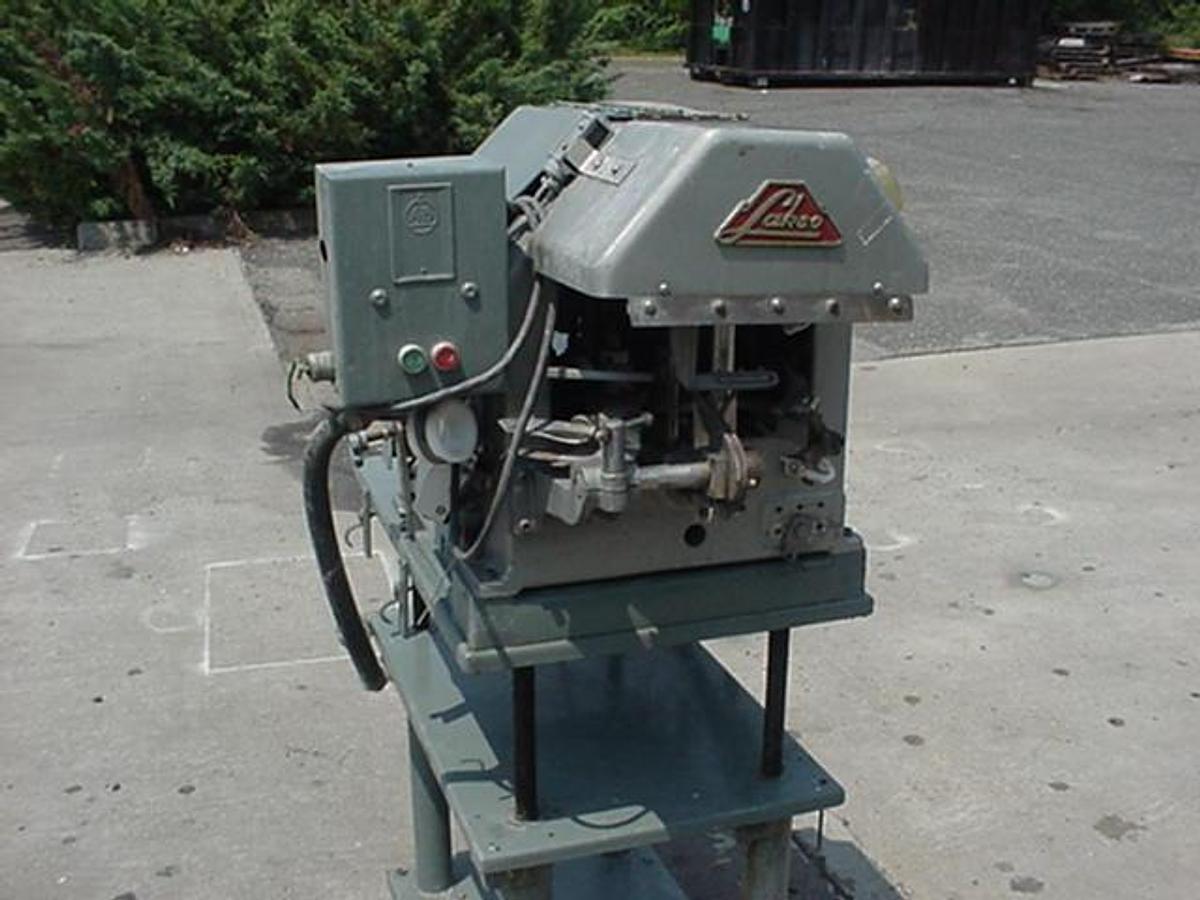
Cottoning machines serve an entirely different function in the packaging line. The Lakso Model 52 Bottle Cottoner, for example, inserts a cotton or coil plug into the neck of a filled bottle to protect tablets or capsules from movement and moisture during shipping and storage. This step typically follows the filling and counting stage and precedes capping. Both machine types are commonly found in pharmaceutical and nutraceutical packaging lines, and used versions of each are regularly available through specialty equipment dealers. Buyers should verify that the machine configuration, bottle size range, and speed rating match their specific production requirements.
What should buyers know about purchasing used Lakso packaging equipment?
Buying used Lakso machinery requires a more thorough due diligence process than purchasing equipment directly from a manufacturer. Because used machines are sold as-is, the responsibility for evaluating condition falls on the buyer. Requesting a mechanical inspection report, photos, and ideally a video of the machine running are reasonable starting points. For pharmaceutical and nutraceutical buyers, it is also worth asking whether any validation documentation, such as installation qualification or operational qualification records, is available from the previous owner, since this can reduce the time and cost of requalification at the new facility.
Buyers should also contact Lakso's manufacturer directly to understand what level of technical support and parts availability they can expect for the specific model and age of the machine they are considering. Older models may have limited factory support, which makes it especially important to work with a dealer who specializes in pharmaceutical packaging equipment and has experience sourcing components for Lakso machines. Inspections can often be arranged in person or via video call, and some machines may still be in active production at the selling facility, allowing for a live demonstration of the equipment under real operating conditions.
What is the typical price range for used Lakso packaging machines?
Pricing for used Lakso packaging machinery varies considerably depending on the model, age, condition, configuration, and current market demand. Simpler machines such as portable cottoners or basic tablet counters tend to fall at the lower end of the price spectrum, while more complex counting systems with additional automation features, air indexing, or variable speed controls command higher prices. Generally speaking, used pharmaceutical packaging equipment in this category can range from a few thousand dollars for basic models in fair condition to significantly more for well-maintained, production-ready machines with documentation.
Buyers should keep in mind that the purchase price is only one component of the total cost. Shipping, rigging, crating, and any refurbishment or spare parts needed after acquisition can add meaningfully to the overall investment. Getting a clear picture of the machine's current mechanical condition before committing to a price helps avoid unexpected costs after delivery. Consulting with a dealer who specializes in pharmaceutical packaging equipment is a practical way to understand fair market pricing for specific Lakso models at any given time.
Are replacement parts still available for older Lakso machines?
Parts availability for older Lakso models can vary, and it is one of the more important factors to investigate before purchasing a used machine. Common wear components such as counting discs, sensors, conveyor belts, and drive parts are often stocked or sourceable through dealers who specialize in pharmaceutical packaging equipment. For more model-specific components, availability depends heavily on the age of the machine and whether the manufacturer still supports that particular line.
The most reliable way to gauge parts support is to contact the manufacturer directly and ask about availability for the specific model and serial number in question. Dealers with deep experience in this equipment category often have their own inventory of spare parts or established sourcing relationships that can fill gaps where factory support is limited. Buyers who are purchasing a machine for a critical production line should factor parts lead times and availability into their decision, and may want to purchase key spare components at the time of the machine acquisition to minimize potential downtime later.
Does used Lakso machinery meet FDA and GMP compliance standards?
Lakso machines were designed and built for use in pharmaceutical and nutraceutical manufacturing environments, and the equipment was engineered to support compliance with FDA 21 CFR Part 211 and equivalent Good Manufacturing Practice standards. However, compliance is not simply a function of the machine itself. It also depends on how the equipment has been maintained, modified, and documented throughout its service life. A used machine may have been well-maintained and properly validated at its previous facility, or it may require significant work to bring it into compliance at a new location.
Buyers operating in regulated environments should ask for any available validation documentation from the selling party, including installation qualification, operational qualification, or performance qualification records. Even if those documents are available, requalification at the new facility is typically required by regulatory standards. Working with a dealer who understands pharmaceutical equipment compliance and can provide accurate information about the machine's history is an important step in managing this process. Consulting with a quality assurance professional before finalizing a purchase is advisable for buyers in FDA-regulated manufacturing.
What production speeds can Lakso counting and cottoning machines achieve?
Production output for Lakso machines depends on the specific model and configuration. The Lakso Model 52 Bottle Cottoner, one of the more commonly available used models, is capable of processing approximately 60 bottles per minute in standard configurations, though variable speed versions allow operators to adjust throughput to match the rest of the packaging line. Portable versions of the same model offer flexibility for facilities that need to move equipment between lines or locations.
For the Reformer 300 tablet and capsule counters, output capacity is influenced by factors such as tablet size, count per bottle, and the specific counting mechanism in use. Air indexing cylinder configurations are designed to improve cycle consistency and can support higher sustained throughput compared to non-indexed versions. Buyers should evaluate the rated speed of any used machine against their actual production requirements, keeping in mind that real-world output on a used machine may differ from original specifications depending on the machine's age and current mechanical condition.
Can Lakso machines be integrated with existing packaging lines?
Lakso packaging machines are generally designed to function as standalone units or as part of a broader packaging line, and many models include features that support line integration. The Model 52 Bottle Cottoner, for example, is available on casters in some configurations, making it easier to position within an existing line layout. Variable speed models allow operators to synchronize the cottoner's output with upstream filling equipment and downstream capping or labeling machines.
That said, integrating any used machine into an existing automated line requires careful evaluation of conveyor heights, timing, electrical compatibility, and control system interfaces. Older Lakso machines may use control architectures that require adaptation to connect with modern programmable logic controllers or line management systems. Buyers planning to integrate a used Lakso machine into a partially or fully automated line should involve a qualified packaging line integrator or mechanical engineer in the evaluation process before purchasing, to identify any modifications that may be needed and factor those costs into the overall project budget.
What inspections should buyers request before purchasing used Lakso equipment?
Before committing to a purchase, buyers should request as thorough an inspection as the dealer and current machine location allow. At minimum, this should include detailed photos of the machine from multiple angles, close-up images of wear surfaces, counting mechanisms, seals, and any visible damage or repair history. Video of the machine running, even without product, gives a meaningful sense of mechanical condition, noise levels, and overall function. Many dealers can facilitate live video calls where a buyer can ask to see specific components in real time.
For buyers who require a higher level of confidence, in-person inspections are often the best option. Some machines are still installed and running at the facility where they are being sold, which can allow for an inspection under actual production conditions. Keep in mind that most equipment dealers do not have the permitting required to run actual product through machinery at their own facilities, so functional testing with product is generally only possible at the seller's plant. Buyers in regulated industries should also ask about any available maintenance logs, calibration records, or prior validation documents, as these can inform both the purchase decision and the requalification process after installation.
What are the typical shipping and logistics considerations for used Lakso packaging machinery?
Shipping used packaging machinery requires more planning than standard freight. Smaller, portable Lakso units such as the Model 52 Cottoner on casters can often be moved with standard pallet jack equipment and shipped on a standard pallet, though proper blocking, bracing, and wrapping are still necessary to prevent damage in transit. Larger or heavier machines may require custom crating and specialized rigging for both loading at the origin and unloading at the destination. Buyers should ask the dealer specifically what packaging method will be used and whether rigging services are included in the quoted price or billed separately.
Shipping costs for industrial machinery are calculated based on weight, dimensions, freight class, origin, destination, and the level of packaging required. The total landed cost of a machine, meaning the purchase price plus all shipping, rigging, and handling charges, can differ substantially from the listed sale price. Buyers should request a fully itemized freight quote before finalizing a purchase to avoid surprises. For international shipments, customs duties, import fees, and compliance with destination country equipment regulations add further complexity and cost that should be accounted for in advance.