Category
Manufacturer
Model
Labelette
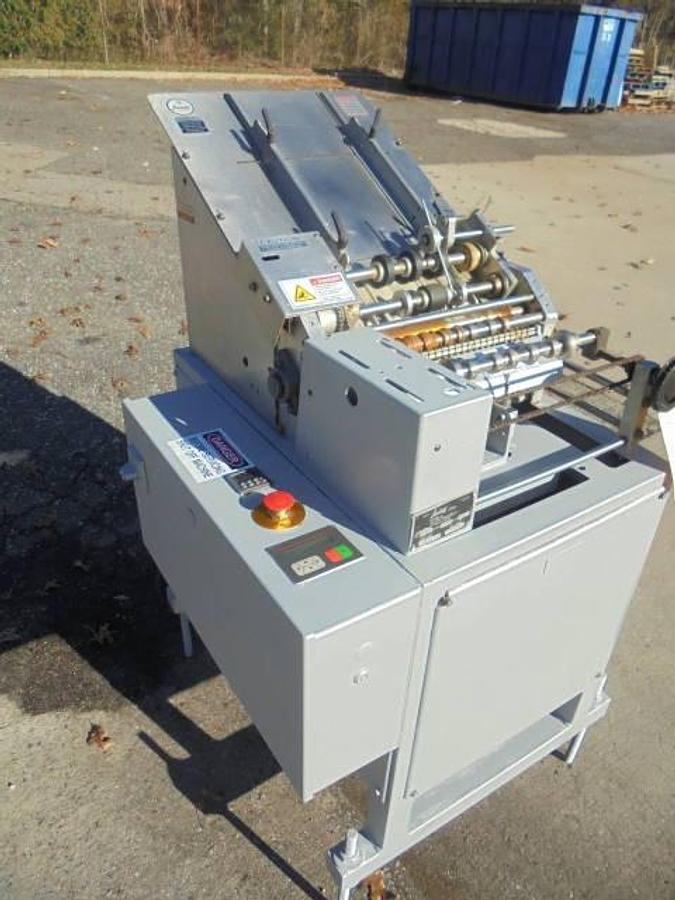
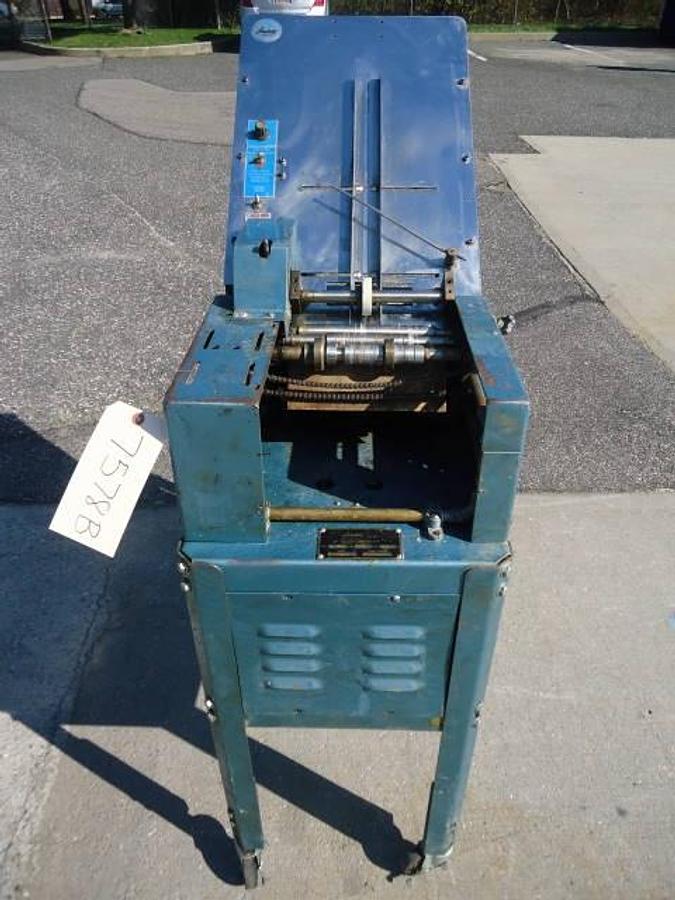
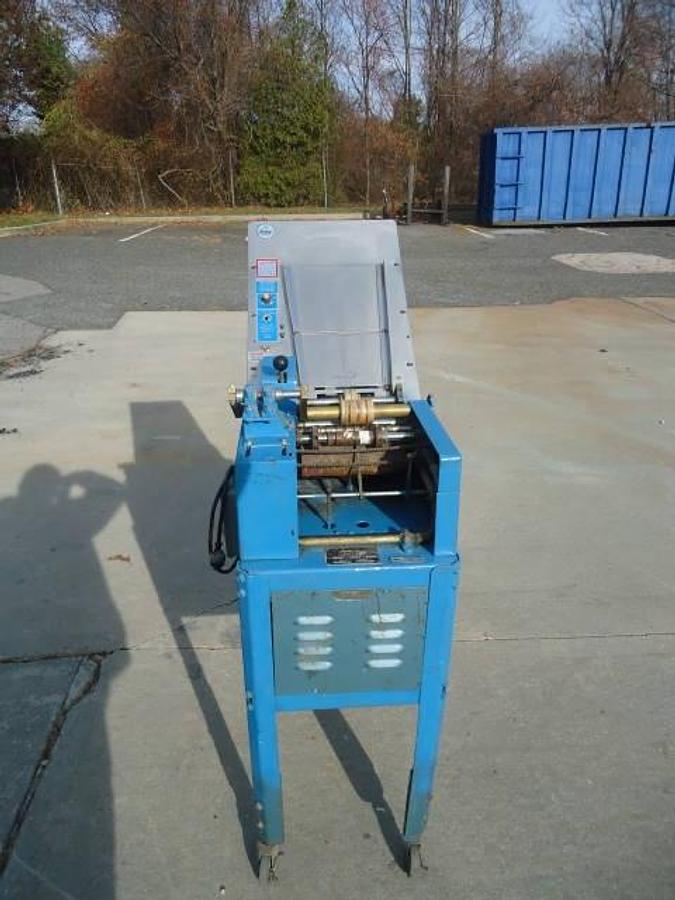
Labelette is a manufacturer of labeling and filling machines, primarily serving the cosmetic and pharmaceutical sectors. Their equipment is designed for high-speed applications, ensuring precision in product labeling and filling. Labelette’s commitment to quality and innovation makes them a preferred choice for manufacturers.
FAQ:
What is a Labelette labeling machine and what industries use them?
Labelette is a manufacturer of labeling and filling machines with a long history serving industrial production environments. The brand is particularly well known in the cosmetic and pharmaceutical sectors, where precision labeling is critical to regulatory compliance and product presentation. Labelette machines have also been widely used in food and beverage manufacturing and general consumer goods production, making them a versatile option across a broad range of industries.
The machines are built around pressure-sensitive labeling technology, which applies self-adhesive labels without requiring heat or moisture activation. This makes them mechanically straightforward and well suited to operations that need consistent, repeatable label placement at production speeds. Their reputation for durability and ease of operation has made them a popular choice for small and mid-sized manufacturers who need reliable equipment without the complexity of fully automated systems.
What types of Labelette labeling machines are available on the used market?
The used market for Labelette equipment most commonly features semi-automatic glue labelers, which apply labels using a hot melt or cold glue adhesive system. Specific models that appear regularly include the Labelette 11C, the 11CH (a hot melt variant), and the SGPW semi-automatic glue labeler. Some models are portable, which adds flexibility for operations that need to move equipment between production areas or facilities. Each model has slightly different specifications in terms of label size range, throughput, and adhesive type, so buyers should review the details of each individual machine carefully.
Beyond glue labelers, Labelette also produced filling machines, and both types occasionally surface through industrial surplus dealers and equipment auctions. Because Labelette machines have been in use for decades, the used inventory at any given time reflects a mix of ages and conditions. Buyers looking for a specific model or configuration should check with reputable used equipment dealers who specialize in packaging and labeling machinery, as inventory turns over frequently and availability changes.
Why do buyers often seek used Labelette machines rather than purchasing from a current manufacturer?
Labelette is a historically established brand, and much of the current market activity for their equipment happens through used and surplus channels rather than direct manufacturer sales. For many buyers, this is actually a practical advantage: used Labelette machines are available at a fraction of the cost of comparable current production equipment, and their mechanical simplicity means that a well-maintained unit can continue performing reliably for years after its initial production run. The brand's durability is a significant reason why these machines remain in circulation and in demand.
For smaller manufacturers, contract packagers, and startups in the cosmetic or pharmaceutical space, buying a used Labelette machine through a reputable dealer is often the most cost-effective way to add semi-automatic labeling capability to a production line. The key is working with a dealer who has experience in packaging and labeling equipment specifically, as they will have a better understanding of the machine's condition, available replacement parts, and realistic performance expectations. Buyers should also contact the manufacturer directly to understand what level of parts and technical support is available for the specific model and age of machine they are considering.
What should I inspect before buying a used Labelette labeling machine?
Inspecting a used Labelette machine thoroughly before purchase is essential, since used equipment is typically sold as-is without manufacturer warranties. The most important areas to evaluate are the mechanical drive components, the label feed and peel mechanisms, the adhesive system (particularly for hot melt models, where the glue head and nozzles can wear or clog over time), and the overall condition of the frame and conveyor. Any signs of corrosion, missing parts, or improvised repairs should be noted and discussed with the seller before committing to a purchase.
Most reputable used equipment dealers will accommodate in-person inspections, video walkthroughs, or recorded video captures of the machine so buyers can assess its current condition. Some machines may still be installed at the facility where they were last used, which can allow for a live demonstration in a production setting. Keep in mind that dealers typically do not have the permits or production infrastructure to run actual product through the machine during an inspection, so the demonstration will usually focus on mechanical function rather than a full production trial. Buyers who are not familiar with labeling equipment may want to bring a qualified technician or consult with a packaging engineer before finalizing a purchase.
How fast do Labelette semi-automatic labeling machines apply labels?
Labelette machines were designed with high-speed applications in mind, particularly for the cosmetic and pharmaceutical industries where production throughput is a priority. Semi-automatic models like the 11C and SGPW are operator-assisted, meaning a person feeds or positions containers while the machine applies the label, which naturally limits the cycle rate compared to fully automatic inline systems. Actual output depends on the operator's pace, the container type, and the label configuration, but semi-automatic glue labelers in this class typically handle anywhere from several hundred to a few thousand containers per hour under normal production conditions.
For buyers evaluating whether a particular Labelette model meets their throughput requirements, the best approach is to request the original machine specifications from the dealer if available, or consult technical documentation for the specific model. Because these are used machines and individual units may have been modified or may show wear, actual performance in a given application can vary from published specifications. Running a realistic throughput estimate based on your container size, label dimensions, and shift hours will help determine whether a semi-automatic machine is the right fit or whether a fully automatic system would better serve your production volume.
Are Labelette labeling machines suitable for small businesses or low-volume production?
Semi-automatic Labelette models are a reasonable fit for small businesses, craft producers, and low-to-mid volume manufacturing operations. Because the operator controls the feed rate, these machines can be run at whatever pace the production situation demands, making them practical for short runs, multiple SKUs, or batch production schedules where a fully automatic system would be underutilized. The portable versions, such as the 11C portable model, add further flexibility for operations with limited floor space or multiple production locations.
That said, buyers should be realistic about the learning curve involved with any used industrial labeling machine. Semi-automatic glue labelers require proper setup, adhesive temperature management (on hot melt models), and regular cleaning and maintenance to perform consistently. For very small operations producing only a few hundred units per week, a pressure-sensitive desktop label applicator might be a more practical starting point. But for businesses that have outgrown hand-application and need a step up in speed and label consistency without the cost of a fully automatic system, a used Labelette semi-automatic machine can be a cost-effective solution.
What label sizes and container types are compatible with Labelette glue labelers?
Labelette glue labelers are designed to handle a range of label sizes and container formats, though the specific compatibility depends on the model. Semi-automatic glue labelers in this class are commonly used to apply paper labels to round containers such as jars, bottles, and tubes, which are typical in the cosmetic and pharmaceutical industries. The glue application system coats the back of a pre-cut paper label with adhesive before pressing it onto the container surface, which means the machine is optimized for cut-and-stack paper labels rather than pressure-sensitive roll stock.
Buyers should confirm the label size range and container diameter specifications for the specific machine they are considering, as these parameters vary between models like the 11C, 11CH, and SGPW. If the production application involves unusual container shapes, very large or very small labels, or materials other than standard paper stock, it is worth discussing those details with the seller or a packaging equipment specialist before purchasing. Used machines may also have existing tooling or format parts configured for a previous user's containers, and understanding what changeover parts are included with the machine is an important part of evaluating the total cost and readiness of the equipment.
What is the typical price range for used Labelette labeling machines?
Pricing for used Labelette labeling machines varies based on the specific model, its age, mechanical condition, and whether it includes all original components and format parts. Semi-automatic glue labelers from established brands like Labelette generally fall into a mid-range price bracket for used packaging equipment, typically more affordable than comparable fully automatic inline systems but priced above entry-level manual or desktop applicators. Machines that have been recently serviced, include complete documentation, or come from a verifiable production environment may command higher prices than units sold without service history.
Because used equipment pricing is market-driven and inventory-dependent, the best way to get an accurate price is to contact dealers who specialize in used labeling and packaging machinery directly. Buyers should also factor in costs beyond the machine price itself, including freight and crating, any rigging required for loading and unloading, installation, and any replacement parts or tooling needed to configure the machine for a specific application. Getting a clear picture of the total landed cost before committing to a purchase helps avoid surprises and allows for a more accurate comparison between available options.
What should buyers understand about shipping a used Labelette labeling machine?
Shipping used industrial labeling equipment requires more planning than typical freight because the machines contain precision mechanical components that can be damaged by vibration, impact, or improper securing during transit. Dealers typically offer palletization or custom crating depending on the size and fragility of the machine, and the level of packaging directly affects shipping costs. Buyers should ask the dealer specifically what packaging is included in the quoted price and whether additional crating is recommended for longer-distance shipments or less-than-truckload freight.
Larger or heavier Labelette models may also require professional rigging for loading at the origin and unloading at the destination, which adds to the total cost. Rigging involves specialized equipment and labor to safely move heavy machinery, and it is not something that can typically be handled with standard dock equipment. Buyers should request a detailed breakdown of all shipping-related costs from the dealer before finalizing the purchase, including freight, crating, and any rigging fees, so the full landed cost of the machine is understood upfront. Freight costs will also vary based on origin and destination locations, carrier selection, and current market rates.
What payment terms do used equipment dealers typically require for Labelette machines?
Most used industrial equipment dealers require full payment prior to shipping the machine. This is standard practice in the used machinery industry and reflects the fact that once equipment leaves a dealer's facility, verifying its condition becomes difficult. Payment in full before shipment protects both parties by ensuring the transaction is complete before the machine changes hands. Buyers should be prepared for this requirement and factor it into their purchasing timeline, particularly if internal purchase approvals or financing arrangements are involved.
Some dealers may offer payment terms or deferred arrangements to established repeat customers with whom they have a prior business relationship, but this is not a standard offering for first-time buyers. Buyers who need financing for equipment purchases may want to explore third-party equipment financing options, which can sometimes be arranged independently of the dealer. Regardless of payment method, buyers should ensure they receive clear documentation of the sale, including a detailed description of the machine, its condition as represented, and any components or accessories included, before funds are transferred.