Category
Subcategory
Manufacturer
Model
Kohstar
Kohstar specializes in manufacturing equipment for the food processing sector, particularly known for their cooking and sterilization machines. Their products are designed to enhance food safety and production efficiency.
FAQ:
What types of food processing equipment does Kohstar manufacture?
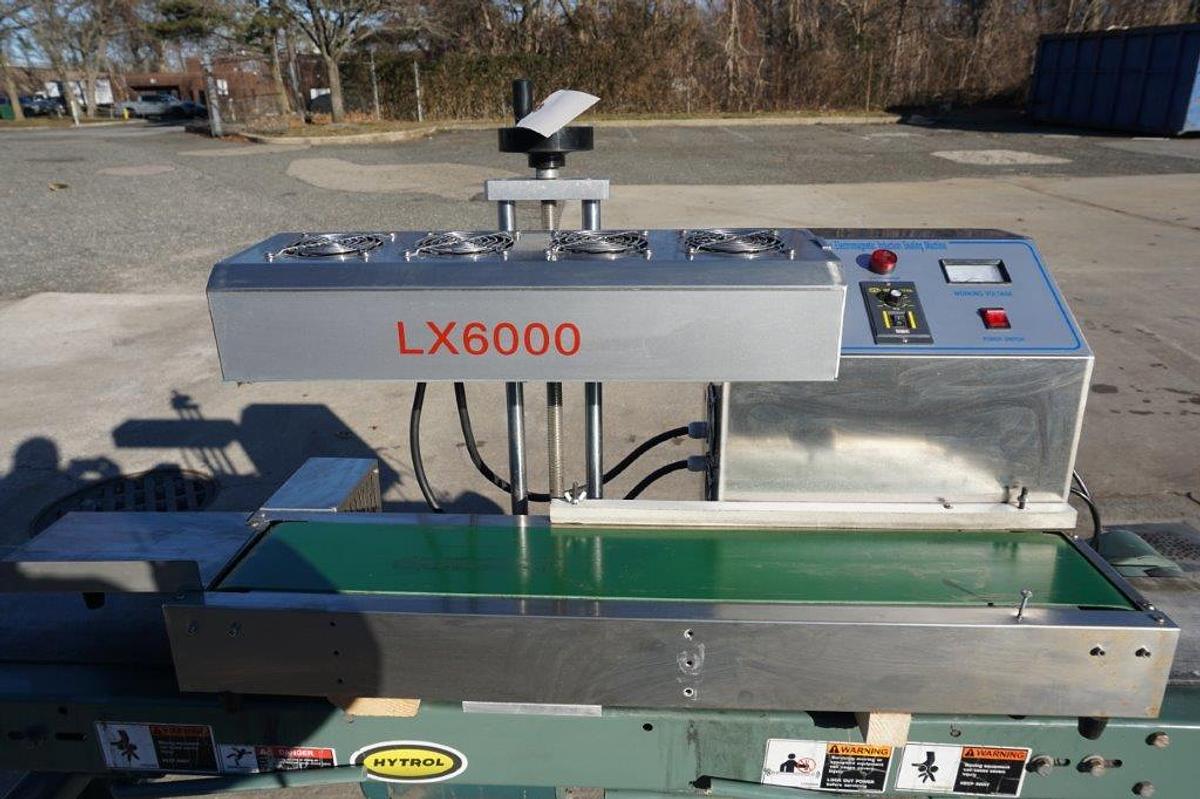
Kohstar specializes in equipment for the food processing sector, with a particular focus on cooking and sterilization machines. Their product line is designed to address two of the most critical needs in food production: food safety and production efficiency. The LX6000 Desktop Stainless Induction Sealer is one example of their equipment, reflecting the brand's emphasis on stainless steel construction and precision sealing for food packaging applications.
Beyond sealing equipment, Kohstar's core manufacturing focus on cooking and sterilization means their machines are typically found in facilities that require consistent thermal processing, whether for pasteurization, retort cooking, or other heat-based food safety procedures. Food processors evaluating Kohstar equipment should review individual machine specifications carefully, as each model is designed for specific production tasks and output volumes. When buying used Kohstar equipment, confirming the exact model and its intended application is an important first step before making a purchasing decision.
What should buyers know about purchasing used Kohstar food processing equipment?
Buying used Kohstar food processing equipment differs significantly from buying directly through a manufacturer's distribution channel. Used machines are sold as-is, which means the responsibility for verifying condition, functionality, and suitability falls squarely on the buyer. This makes the reputation and specialization of the dealer a critical factor. Buyers should prioritize dealers with a long track record in food processing equipment specifically, since industry-specific expertise helps ensure accurate machine descriptions and appropriate handling during storage and shipping.
Before committing to a purchase, buyers should request an inspection, either in person, via video call, or through recorded video footage of the machine. Some equipment may still be installed and operational at a production facility, which can allow for a more thorough assessment of working condition. Buyers should also contact Kohstar directly to understand what level of technical support, documentation, and parts availability they can expect for a specific model and age of machine, since older or discontinued models may have more limited manufacturer support than recent ones.
How should buyers inspect used food processing equipment before purchasing?
Inspecting used food processing equipment thoroughly is one of the most important steps in the buying process. Reputable dealers typically offer three formats: in-person visits to their facility, live video inspections conducted via phone or video conferencing, and pre-recorded video walkthroughs of the machine. Each method has its advantages. In-person inspections allow a buyer or their technician to physically examine welds, seals, moving parts, and electrical components. Video inspections are practical for buyers who are geographically distant and can still reveal visible wear, corrosion, or damage.
For machines that are still installed and running at a production plant, some dealers can arrange access so the buyer can see the equipment operating under real conditions. This is particularly valuable for cooking and sterilization equipment, where consistent temperature performance and pressure integrity are critical. Keep in mind that most used equipment dealers do not have the production permits or facility setup needed to run test batches with actual food product, so functional testing is generally limited to mechanical and electrical operation rather than full production simulation. Buyers with specific performance requirements should factor this limitation into their evaluation process and consider having a qualified technician present during any inspection.
Are replacement parts and technical support available for used Kohstar machines?
Parts availability for used Kohstar equipment depends largely on the age and model of the machine in question. For relatively recent models, Kohstar may still supply replacement components through their standard support channels, and buyers should contact the manufacturer directly to confirm what parts are stocked or can be ordered. For older or discontinued models, parts sourcing can become more challenging, and buyers may need to work with third-party fabricators or source components from other decommissioned machines.
Technical support is another area where buyers should do their homework before purchasing. Kohstar, like most equipment manufacturers, provides support primarily for machines within a certain age range or production cycle. Asking the manufacturer specific questions about documentation availability, firmware or control system support, and service network coverage in your region will give a clearer picture of the long-term support you can expect. Buyers who are less experienced with a particular machine type may also want to budget for a qualified food processing equipment technician to assist with installation, commissioning, and any initial troubleshooting after the machine arrives.
What certifications should buyers look for in food processing equipment like Kohstar machines?
Food processing equipment sold in commercial environments is typically expected to meet a range of safety and hygiene certifications depending on the region and application. CE marking is the standard for equipment sold in European markets, indicating conformity with EU safety, health, and environmental requirements. In the United States, FDA compliance is relevant for equipment that comes into direct contact with food, and NSF certification is a widely recognized standard for sanitary design in food handling equipment. ISO certifications, particularly ISO 9001 for quality management systems, are also common indicators of manufacturing consistency.
For used equipment specifically, buyers should request any available documentation that accompanied the machine at the time of its original sale, including CE declarations of conformity, test reports, or installation manuals. These documents help verify that the machine was built to a recognized standard, even if the equipment has since changed hands. It is worth noting that certifications apply to the machine as designed and manufactured. If a machine has been significantly modified after leaving the factory, its original certification status may no longer be valid. Buyers should inspect machines for any signs of non-standard modifications and consult with a food safety compliance specialist if operating in a regulated production environment.
What is the typical price range for used Kohstar food processing equipment?
Pricing for used Kohstar food processing equipment varies considerably based on the type of machine, its age, condition, and the complexity of the technology involved. Smaller benchtop or desktop units, such as induction sealers, tend to be priced at the lower end of the spectrum compared to large industrial cooking or sterilization systems, which involve more complex engineering, greater material costs, and higher replacement part values. Machines that are in working condition, recently serviced, or come with documentation generally command higher prices than those sold strictly for parts or in unknown condition.
Buyers evaluating price should also account for total landed cost, which includes the purchase price, any rigging or crating fees, freight charges, and the cost of installation or recommissioning at the destination facility. A machine priced attractively may carry significant additional costs if it requires heavy rigging for loading, specialized freight handling, or substantial reconditioning before it can return to production. Requesting a full cost breakdown from the dealer before agreeing to a purchase is the best way to avoid surprises and make a fair comparison between multiple machines on the market.
How is used food processing equipment typically shipped, and what should buyers expect to pay?
Shipping used food processing equipment involves more complexity than standard freight, particularly for large or heavy machines. Smaller units like desktop sealers may ship on standard pallets with appropriate foam or blocking to prevent movement in transit. Larger cooking or sterilization systems often require custom wooden crating to protect sensitive components, and the cost of that crating is typically passed on to the buyer. The level of packaging required depends on the machine's size, fragility, and the distance it needs to travel.
For heavy industrial equipment, professional rigging is usually required at both the origin and destination. Rigging involves the use of forklifts, cranes, or specialized lifting equipment to safely load and unload machines that cannot be moved by hand. These services add to the overall shipping cost and should be discussed with the dealer upfront. Buyers should ask for a detailed quote that separates the machine price from packaging, rigging, and freight so they can clearly understand what they are paying for. For international shipments, import duties, customs clearance fees, and compliance with destination-country regulations add another layer of cost and logistics planning.
What payment terms are standard when buying used food processing equipment?
Used equipment dealers most commonly require full payment before a machine is released for shipping. This is standard practice in the industry and reflects the fact that used machinery transactions involve unique items that cannot simply be restocked if a buyer backs out after shipping has begun. Payment is typically made by wire transfer, though some dealers may accept other forms of verified payment depending on the transaction size and their internal policies.
For buyers who have an established relationship with a dealer and a history of completed transactions, some dealers will consider extended payment arrangements, though this is the exception rather than the rule for first-time buyers. Buyers should clarify payment expectations early in the negotiation process and confirm exactly when title transfers and when the machine will be released for pickup or shipment after payment is received. Getting these terms in writing before sending any funds is a basic but important protection for both parties in a used equipment transaction.
Is used Kohstar food processing equipment suitable for small food businesses?
Whether used Kohstar equipment fits a small food business depends on the specific machine and the production requirements of that business. Kohstar's focus on cooking and sterilization equipment means some of their machines are engineered for mid-scale to large-scale continuous production, which may exceed the needs or available floor space of a small operation. However, smaller models, such as desktop induction sealers, can be well-suited to lower-volume production environments and are often a cost-effective option for businesses that need reliable sealing capability without investing in high-capacity industrial machinery.
Buying used is often how smaller food businesses access commercial-grade equipment at a manageable price point. The trade-off is that used machines require more due diligence from the buyer. A small business owner who is not technically experienced with food processing equipment may want to involve a consultant or equipment technician in the evaluation process to confirm that a particular machine is appropriate for their product type, production volume, and facility setup. Understanding the machine's power requirements, footprint, and maintenance needs before purchase helps avoid costly mismatches between the equipment and the operation.
How does the energy efficiency of used food processing equipment compare to current models?
Energy efficiency in food processing equipment has improved meaningfully over the past decade, driven by advances in insulation materials, heating element design, variable frequency drives, and programmable control systems. Older machines, even well-maintained ones, may consume more energy per unit of output than current production models. For equipment categories like cooking and sterilization, where heating cycles run continuously during production shifts, the difference in energy consumption between an older machine and a current design can add up to a meaningful operating cost over time.
Buyers considering used Kohstar equipment should request whatever technical documentation is available, including the machine's rated power consumption, and compare that figure against current models to estimate the potential efficiency gap. In some cases, the lower purchase price of used equipment more than offsets higher energy costs over the expected service life. In other cases, particularly for high-volume operations running equipment around the clock, the energy cost difference can erode the savings from buying used relatively quickly. Running a simple cost-of-ownership calculation that factors in purchase price, estimated energy costs, and anticipated maintenance expenses gives a more complete picture than comparing sticker prices alone.