Category
Manufacturer
Model
King
King manufactures a diverse range of machinery for the food processing industry, particularly known for their cooking and cooling systems. Their equipment is designed to optimize production processes and enhance food safety.
FAQ:
What types of machinery does King manufacture?
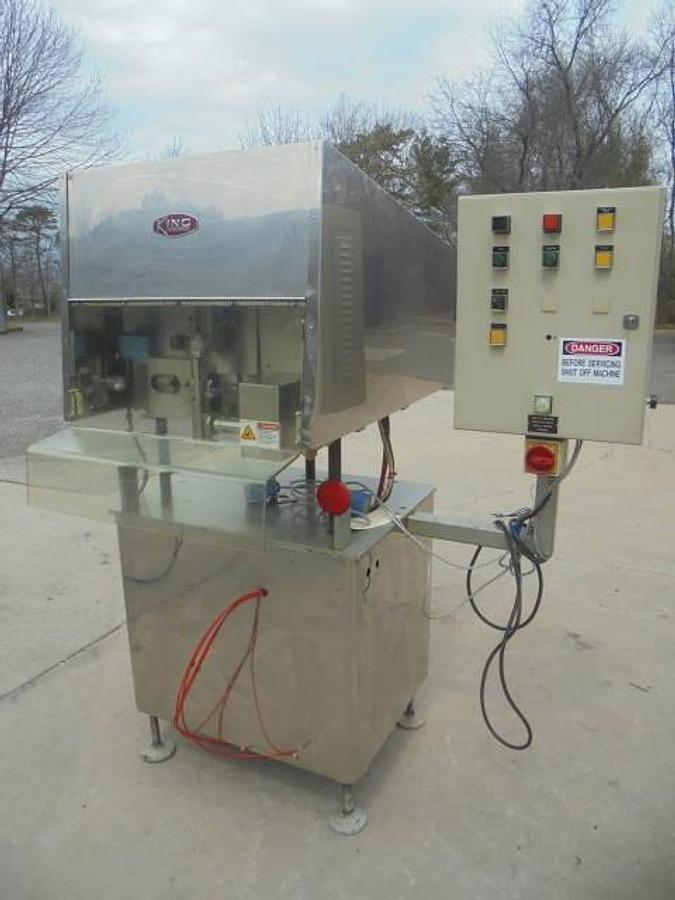
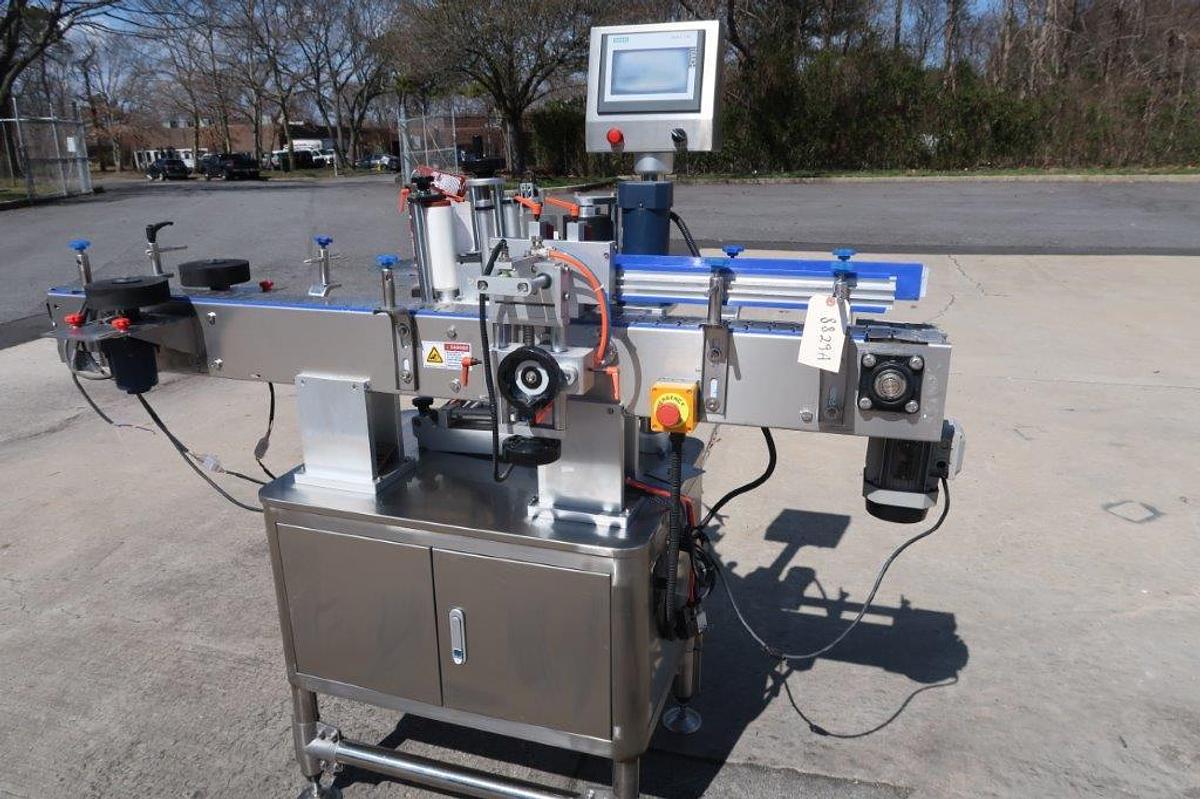
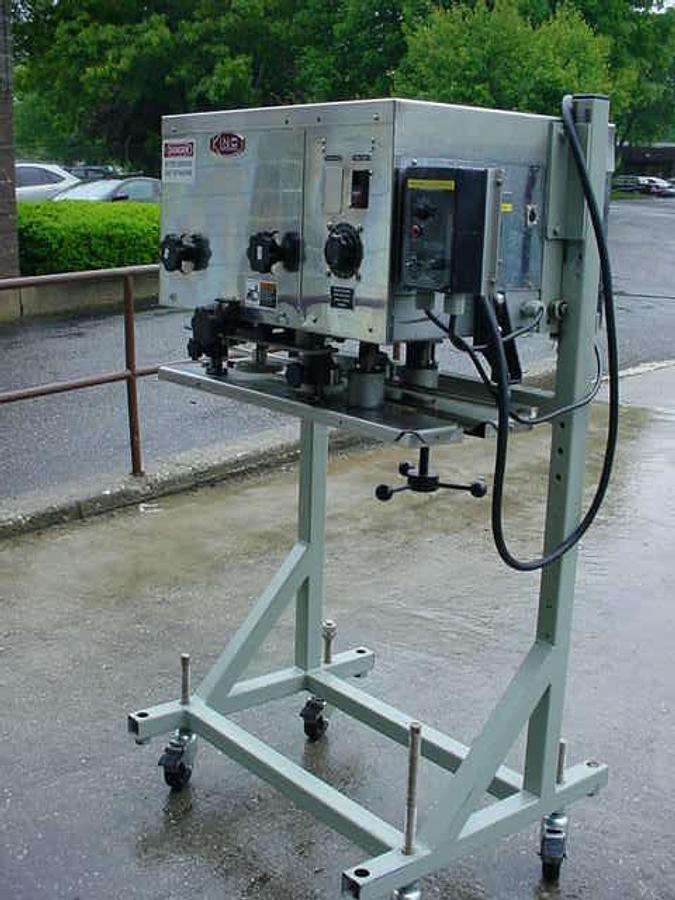
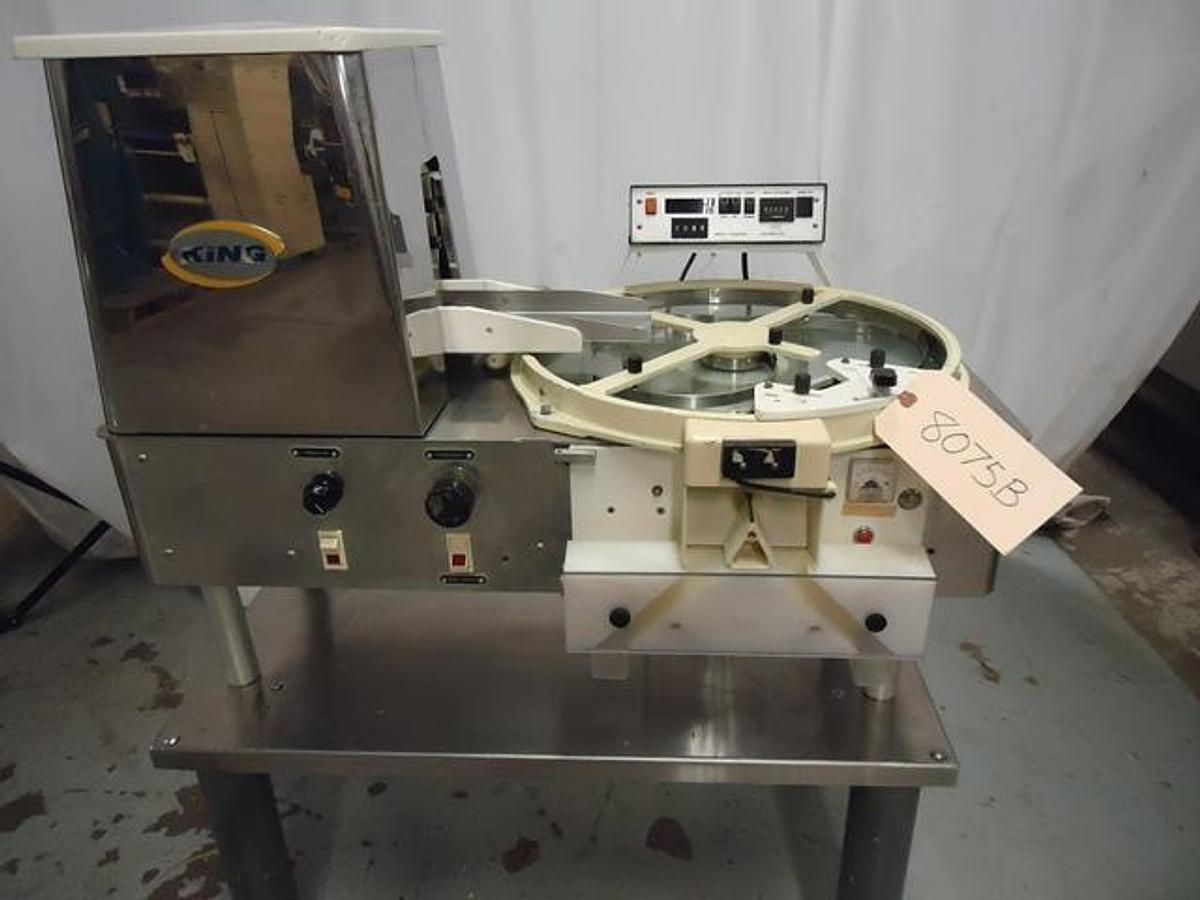
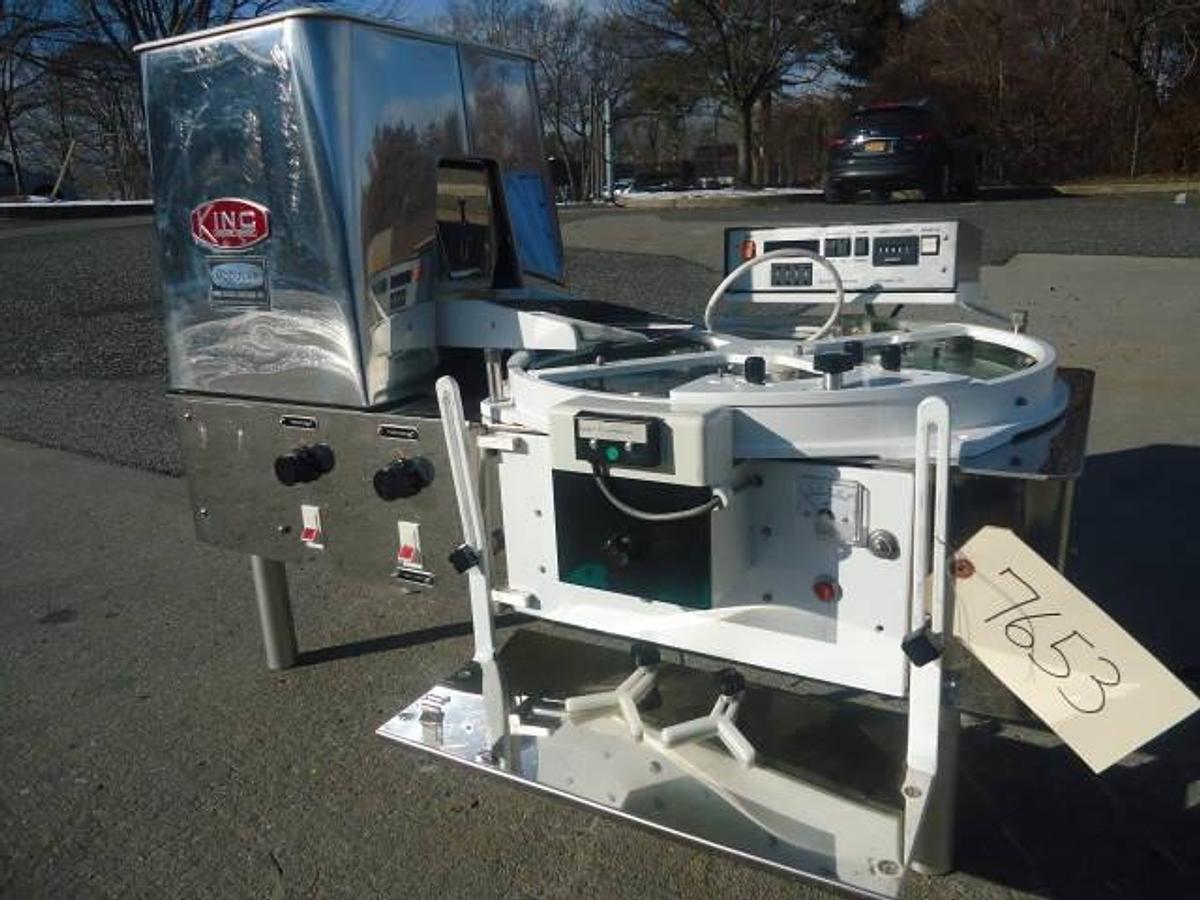
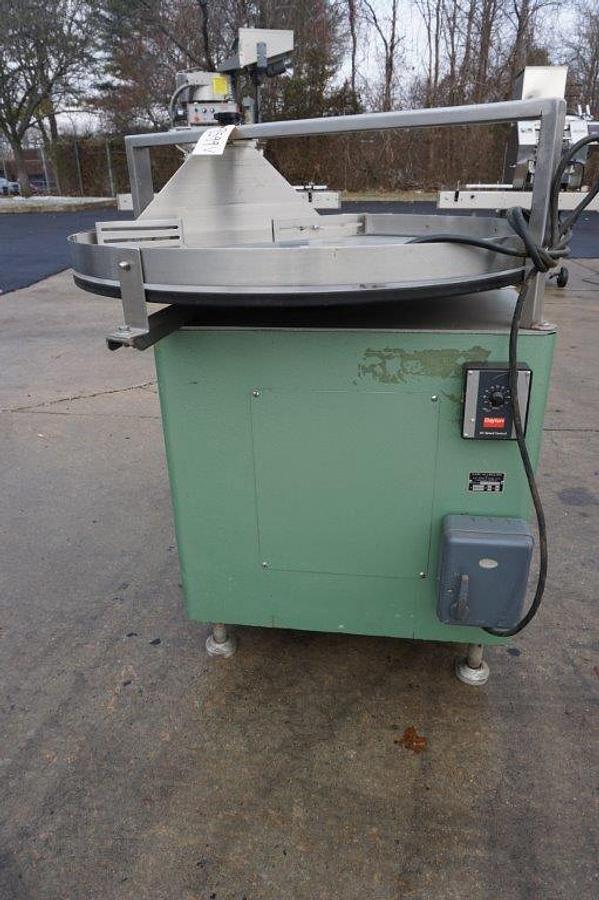
King produces a broad range of equipment used primarily in food processing, pharmaceutical, and packaging operations. Their lineup includes rotary unscrambling and accumulating tables, tablet and capsule counters, pressure sensitive labelers, bottle cottoners, cap tighteners, automatic fillers, and slat counters. The variety in their catalog makes King equipment relevant across multiple industries, from nutraceutical and pharmaceutical production to food and beverage packaging lines.
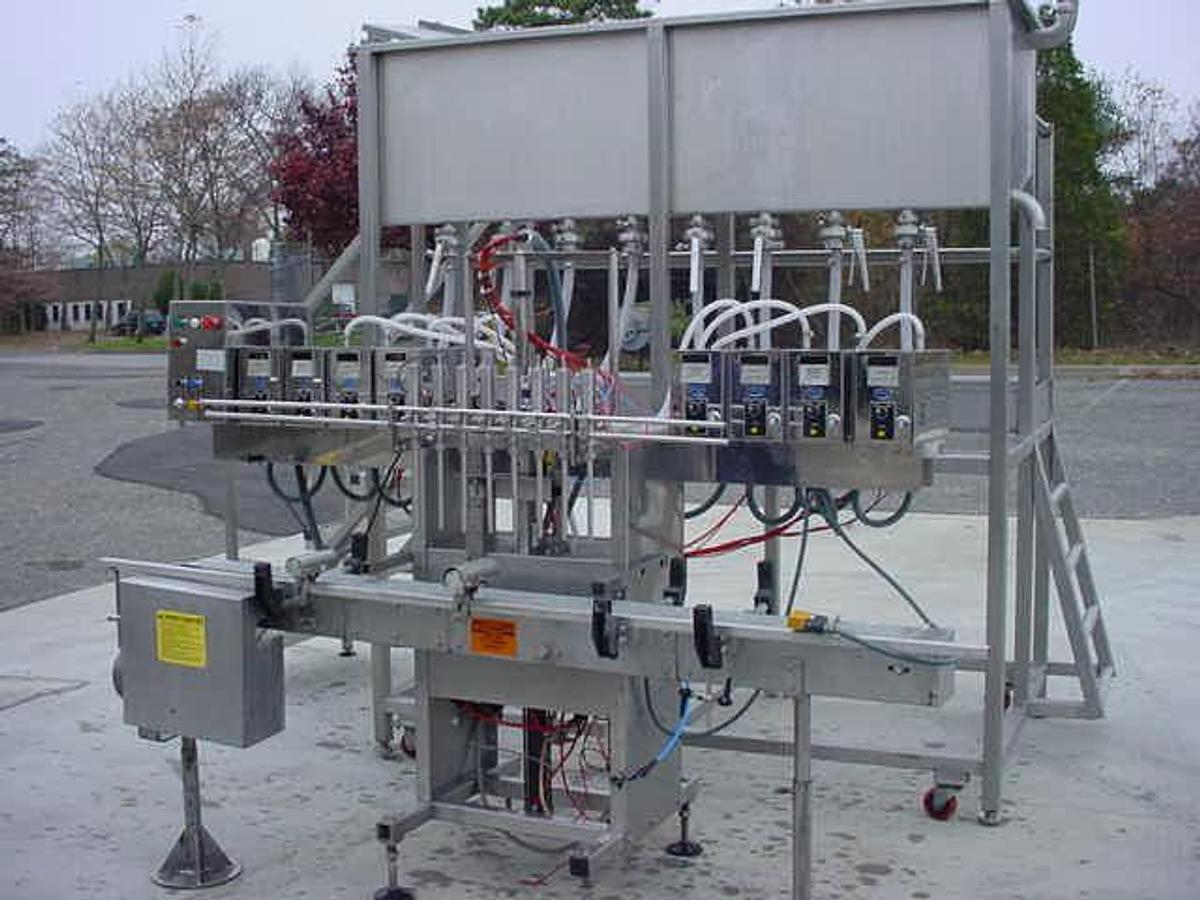
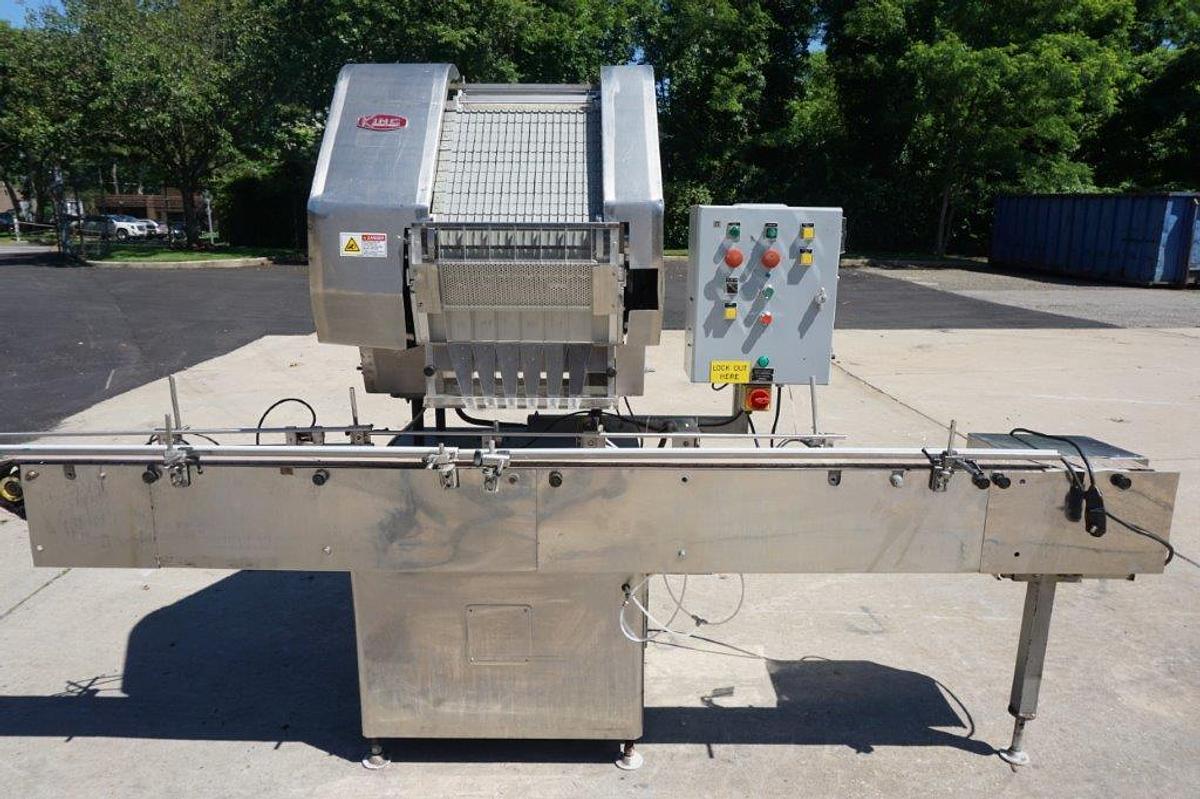
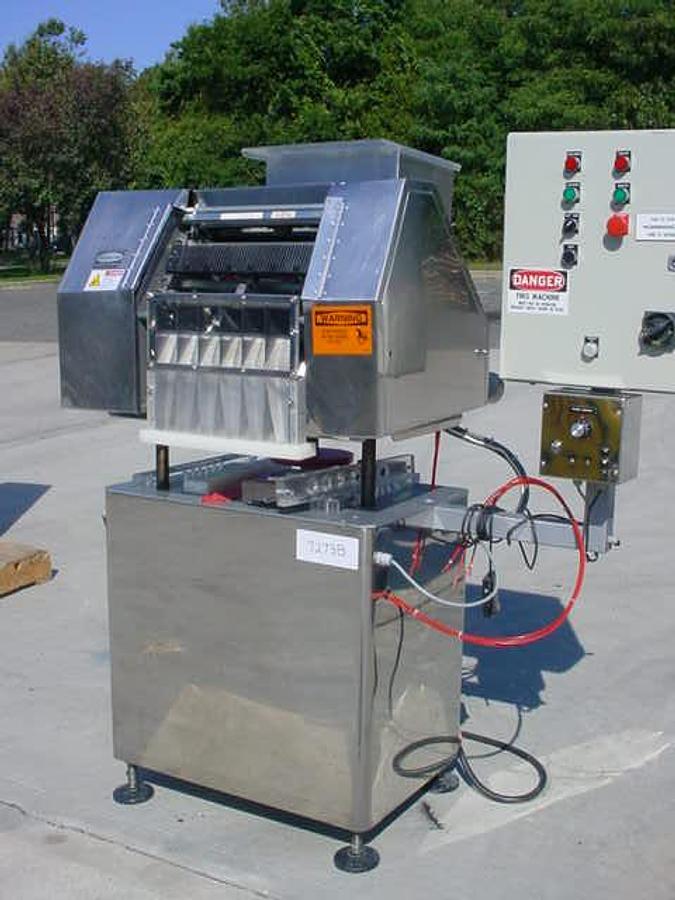
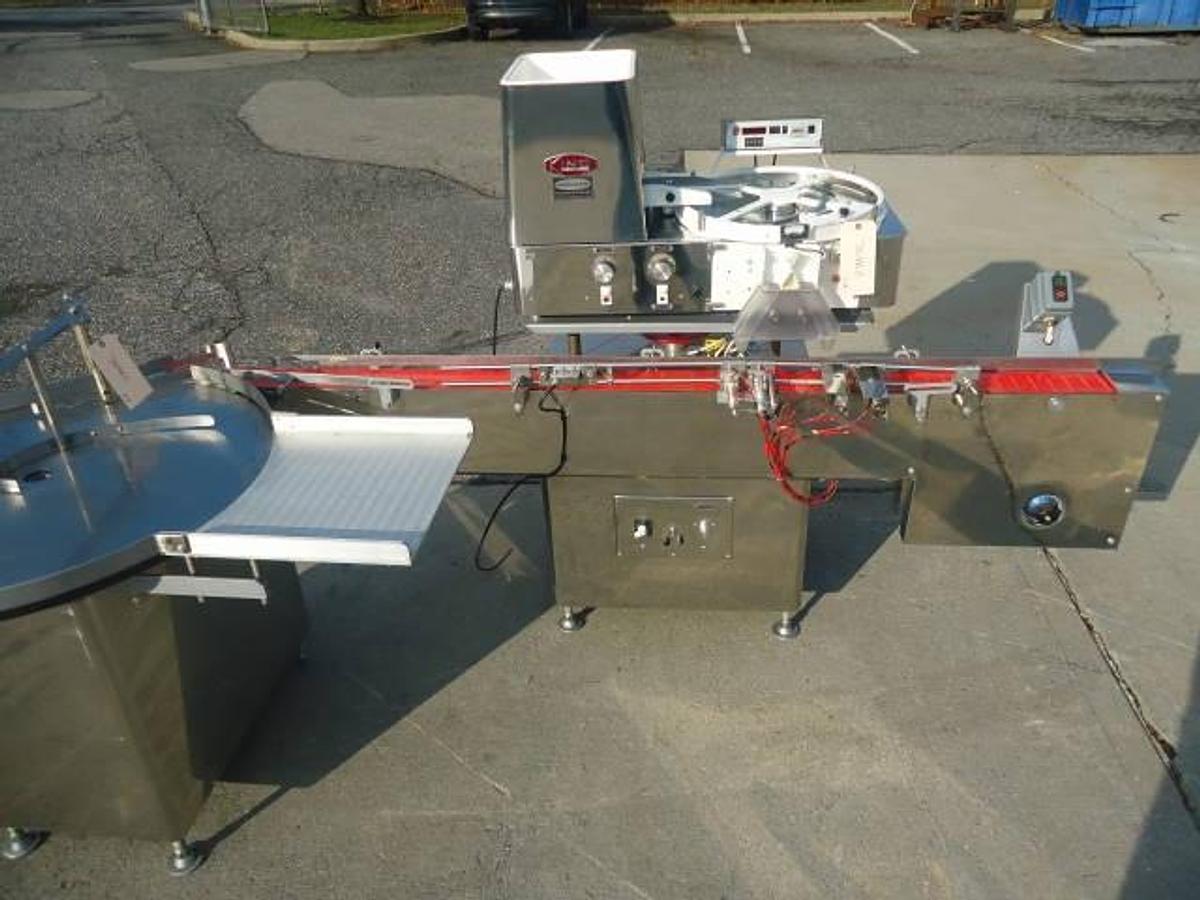
Used King machines that appear on the secondary market tend to reflect this diversity well. Buyers can find everything from tabletop tablet counters like the TB-4 to larger inline systems such as the SC6L slat counter with a 9-foot conveyor, or an 8-head automatic positive displacement filler. This range means King equipment can support both compact production setups and higher-volume automated lines, depending on the specific model.
What should I know before buying used King packaging machinery?
Purchasing used packaging machinery requires a different level of due diligence than buying equipment directly from a manufacturer. Since used machines are sold as-is, the condition, age, and maintenance history of the equipment all factor heavily into its value and reliability. Before committing to a purchase, buyers should request detailed photos, video inspections, or in-person walkthroughs to get an accurate picture of the machine's current working condition. Pay close attention to wear on mechanical components, the state of electrical systems, and whether the machine was decommissioned or still in active production at its previous facility.
It is also worth contacting King directly to ask about parts availability and manufacturer support for the specific model you are considering. Older models may have limited parts availability, which can affect long-term serviceability. Choosing a used equipment dealer with a strong track record in packaging and processing machinery will significantly reduce your risk, as experienced dealers are better positioned to accurately represent the condition of the equipment and facilitate meaningful inspections.
How do I inspect a used King machine before purchasing?
Most reputable used equipment dealers offer buyers at least one of three inspection options: an in-person visit to the dealer's facility or the machine's current location, a live video walkthrough conducted via video call, or pre-recorded video footage of the machine. Each approach has its merits. In-person inspections give you the most complete picture, allowing you to examine components up close, check for corrosion or wear, and ask questions in real time. Video inspections are a practical alternative when travel is not feasible, and a thorough dealer will show all angles of the machine, including internal mechanisms and any visible wear points.
One important caveat: most used equipment dealers are not permitted to run full production tests, as operating food-grade or pharmaceutical equipment for actual product output typically requires specific facility permits and compliance infrastructure that a resale operation does not maintain. What you can reasonably expect is a mechanical demonstration showing that the machine powers on, moves through its cycles, and operates as described. If the machine is still installed at a manufacturing facility and has not yet been decommissioned, the dealer may be able to arrange an inspection where the equipment is observed in active production, which is the most informative scenario possible.
What is the typical price range for used King packaging machines?
Pricing for used King machinery varies considerably depending on the model, complexity, age, and overall condition of the equipment. Smaller tabletop units like tablet and capsule counters tend to sit at the lower end of the pricing spectrum, while larger inline systems such as multi-head fillers, rotary accumulating tables, or high-speed labelers command higher prices due to their mechanical complexity and production capacity. As a general frame of reference, compact used pharmaceutical counters might be found in the low thousands, while automated filling and labeling systems can range from the mid-five figures upward depending on configuration.
Beyond the sticker price, buyers should factor in the full landed cost of the equipment. This includes freight charges, any crating or rigging required for loading and transport, installation costs, and any refurbishment or parts replacement needed to bring the machine to operating condition. Getting a complete cost picture before finalizing a purchase helps avoid surprises and allows for a more accurate comparison between available machines.
Are used King machines suitable for small or mid-sized production operations?
King's equipment catalog includes models that span a fairly wide range of production scales. Tabletop units like the TB-4 tablet and capsule counter are compact, straightforward to operate, and well-suited to smaller batch environments or facilities that are scaling up from manual processes. These machines do not require significant floor space or complex integration, making them accessible for smaller operations in the pharmaceutical or nutraceutical space.
At the same time, King also produces larger inline systems designed for higher-volume production, such as multi-head fillers and rotary accumulating tables with variable speed control. For a small or mid-sized business, buying used King equipment at a fraction of the cost of comparable new machinery can be a practical way to access industrial-grade capability without the capital outlay that new equipment demands. The key is matching the specific model's rated throughput and footprint to your actual production requirements before purchasing.
What warranty or support can buyers expect with used King packaging equipment?
Used packaging machinery is typically sold on an as-is basis, which is standard practice across the used equipment industry. Unlike purchasing directly from a manufacturer, buyers of used machinery should not expect a formal warranty to be included with the sale. This places the responsibility of evaluating the machine's condition squarely on the buyer, which is why thorough pre-purchase inspection is so critical. Selecting a dealer with a long history of selling machinery in your specific industry adds a meaningful layer of confidence, as established dealers have reputations to protect and are more likely to accurately represent what they are selling.
For ongoing support after the sale, buyers should reach out to King directly to understand what level of technical assistance, documentation, and parts support is available for the model they are purchasing. The manufacturer's willingness and ability to support a given machine often depends on how old it is and whether it falls within a product line that is still actively serviced. Older or discontinued models may have limited factory support, which makes it especially important to verify parts availability and whether independent service technicians familiar with King equipment are accessible in your region.
How does shipping work for used King packaging machinery?
Shipping used industrial machinery involves more logistics planning than standard freight. The size and weight of the machine determine what level of packaging and rigging is required. Smaller tabletop units may ship on a standard pallet with protective wrapping, while larger inline systems often require custom crating to prevent damage during transit. The cost of palletization or crating is typically a separate line item from the freight charge itself, so buyers should ask for a detailed breakdown of all shipping-related costs before finalizing a purchase.
For heavier equipment, loading at the origin and unloading at the destination may require specialized rigging, such as forklifts or cranes, which adds to the overall landed cost. Buyers should confirm with the dealer exactly what is included in the quoted shipping price and what will be billed separately. Understanding the full logistics picture, including who is responsible for each stage of the move, helps prevent unexpected costs and ensures the machine arrives safely and ready for installation.
What are the most common King machines found on the used equipment market?
On the used market, King equipment most frequently encountered includes tablet and capsule counting machines such as the TB-4 and SC-4 slat counter series, which are widely used in pharmaceutical and nutraceutical manufacturing. Rotary unscrambling and accumulating tables are another common listing, valued for their role in automated bottle-handling lines. Labeling equipment, including pressure sensitive wraparound and spot labelers, also appears regularly, as does bottle cottoning equipment like the CF100RL stainless steel cottoner rated at 100 bottles per minute.
Automatic filling equipment, such as the Technofill 8-head positive displacement filler, turns up less frequently but generates strong buyer interest when available due to its production capacity and versatility. Cap tightening equipment, including portable retorquer models, rounds out the more commonly traded King machinery. The availability of any specific model fluctuates based on what facilities are decommissioning or upgrading, so buyers looking for a particular machine often benefit from working with a dealer who actively sources equipment and can notify them when a matching unit becomes available.
Are replacement parts readily available for used King packaging equipment?
Parts availability for used King machinery depends heavily on the specific model and how long ago it was manufactured. For models that are still within King's active or recently discontinued product lines, sourcing replacement parts directly from the manufacturer is generally feasible. King has historically supported its equipment with parts and service documentation, though the level of support available for any given machine should be confirmed directly with the manufacturer before purchase. Asking about parts availability upfront is a smart part of the due diligence process.
For older or legacy models, buyers may need to rely on third-party parts suppliers, machined replacements, or salvage units. In some cases, wear components like belts, sensors, and seals are generic enough to source through industrial supply channels without going back to the manufacturer. Before purchasing a used King machine, it is worth identifying the critical wear parts for that model and checking whether they are available and at what cost. This information directly affects the long-term operating cost and reliability of the equipment.
How should buyers evaluate the condition of a used King tablet or capsule counter?
Tablet and capsule counters like the King TB-4 or SC-4 are precision machines with mechanical components that experience wear over time, particularly in the slat and channel mechanisms that handle product. When evaluating a used unit, buyers should look closely at the condition of the counting channels, slats, and any vibratory components for signs of excessive wear, cracking, or deformation. Electrical components, including sensors and control panels, should be checked for functionality. Ask the dealer to demonstrate that the machine powers on and cycles through its normal operating sequence.
It is also useful to ask about the machine's production history: how many shifts per day it ran, what products it handled, and whether it was maintained on a regular schedule. Pharmaceutical-grade machines often have stricter maintenance and cleaning requirements, and a unit that was properly maintained in a GMP environment is generally a better candidate than one with an unclear service history. Stainless steel construction, as found on the SC-4 and GMP-certified TB-4 variants, is preferable for sanitary applications and tends to hold up better over time than standard painted or coated alternatives.