Category
Manufacturer
Model
Key-Pak
Key-Pak specializes in packaging solutions for various industries, including food and pharmaceuticals. They are known for their automated packaging systems that streamline operations and improve product safety.
FAQ:
What is a Key-Pak packaging machine and what industries use them?
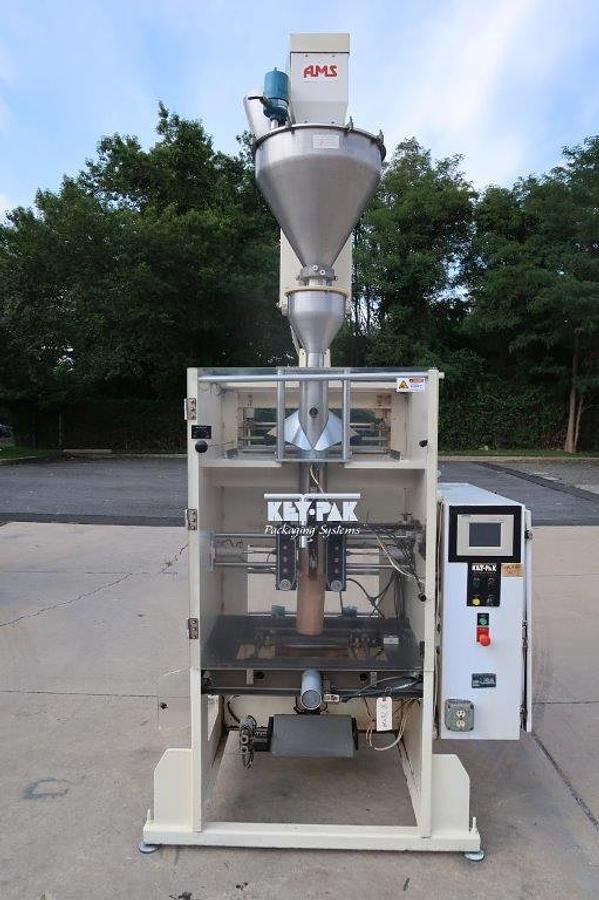
Key-Pak is a brand of automated packaging machinery known for vertical form-fill-seal (VFFS) systems and related filling equipment. Their machines are designed to streamline packaging operations by forming a bag from roll stock film, filling it with product, and sealing it in a single continuous process. The brand has built a reputation for reliability and durability, which makes their equipment a practical fit for small to mid-sized production environments where consistent output and minimal downtime matter most.
Key-Pak machines are used across several industries, with food processing and pharmaceuticals being the most common applications. In food production, they handle products like snacks, powders, granules, and other dry goods. In pharmaceutical and nutraceutical settings, the precision of the auger filling head is especially valued for accurate dosing of powders and capsules. Industrial and consumer goods manufacturers also use Key-Pak equipment for packaging hardware, chemicals, and similar products that benefit from automated bag-forming and sealing.
What types of Key-Pak packaging machines are typically available on the used market?
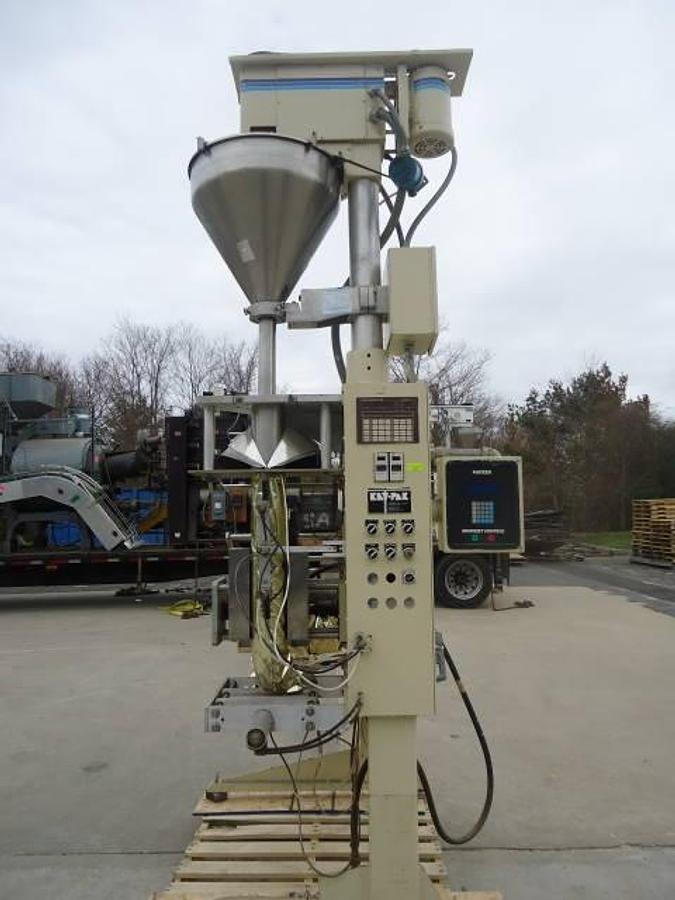
The most commonly available Key-Pak machines on the used equipment market are vertical form-fill-seal (VFFS) machines, often configured with an auger filling head. The VFFS design is the core of Key-Pak's product line, and it handles the full packaging cycle from film forming through filling and sealing in one integrated unit. Auger-equipped models are particularly sought after for dry powder and granule applications, since the auger mechanism provides controlled, repeatable fill weights.
Beyond the standard VFFS configuration, buyers occasionally find Key-Pak form-fill-seal units set up for different filling mechanisms depending on the product type the previous owner was running. When shopping for used Key-Pak equipment, it helps to identify the specific model and filling head configuration, since these details directly affect which products the machine can run and what changeover or retooling might be needed to adapt it to a new application. Reviewing available machine specifications and asking the dealer for photos or video of the actual unit is the best way to confirm what is included.
What should buyers know about purchasing a used Key-Pak packaging machine versus buying new equipment?
Buying a used Key-Pak machine offers a meaningful cost advantage compared to purchasing equivalent equipment through a manufacturer's distribution channel. For businesses that need to add or expand packaging capacity without the capital outlay of new machinery, the used market provides access to proven, industrial-grade equipment at a fraction of the original price. Key-Pak machines have a reputation for durability, which means well-maintained used units can still deliver reliable production performance for many years.
The trade-off with used equipment is that buyers take on more responsibility for due diligence. Used machines are typically sold as-is, so there are no manufacturer-backed assurances about condition. Buyers should request a thorough inspection, whether in person, by video, or through detailed photo documentation, to assess the machine's current working order before committing. It also pays to contact Key-Pak directly to understand what level of technical support, parts availability, and documentation exists for the specific model being considered, since older machines may have more limited manufacturer support than recent production runs.
How should a buyer inspect a used Key-Pak machine before purchasing?
Inspecting a used packaging machine thoroughly before purchase is one of the most important steps a buyer can take to avoid costly surprises. Reputable used equipment dealers will typically offer in-person inspections, live video walkthroughs, or detailed video captures of the machine. If the unit is still installed at a production facility, it may even be possible to observe it running product, which gives the clearest picture of its actual operating condition. Buyers should look at the condition of sealing jaws, film drive components, the auger and filling system, electrical panels, and any pneumatic or mechanical assemblies that show signs of wear.
For buyers who cannot visit in person, a video inspection should cover the machine cycling through its full sequence, including filling and sealing, so that any irregularities in motion, timing, or seal quality are visible. It is also worth asking about the machine's service history, what product it was last running, and how long it sat idle before being listed for sale, since extended downtime can affect seals, belts, and other wear components. Consulting with a qualified packaging machinery technician to review inspection footage before finalizing a purchase is a practical step that many experienced buyers take.
What packaging formats and film types are compatible with Key-Pak VFFS machines?
Key-Pak vertical form-fill-seal machines are designed to produce a range of flexible packaging formats, with pillow pouches and fin-seal bags being the most common output. Depending on the specific model and tooling configuration, the machine may also be capable of producing gusseted bags or other bag styles. The format is largely determined by the forming tube, collar, and sealing jaw geometry, so buyers should confirm which tooling is included with a used unit and whether additional tooling would be needed for their target bag size or style.
In terms of film compatibility, VFFS machines like those made by Key-Pak are generally designed to run heat-sealable flexible films, including polyethylene, polypropylene, laminated structures, and foil laminates commonly used in food and pharmaceutical packaging. The specific film thickness range and seal temperature settings the machine supports should be confirmed with the dealer or through the machine's technical documentation. Running the correct film type for the product being packaged is critical to achieving a consistent, airtight seal, so buyers should match the machine's sealing system specifications to their intended packaging material before purchase.
What production speeds can buyers expect from a Key-Pak packaging machine?
Production speed on a vertical form-fill-seal machine is typically measured in packages per minute (PPM), and the actual throughput depends on several variables including bag size, fill weight, product flow characteristics, and seal dwell time. Key-Pak machines, like most mid-range VFFS equipment, are built for small to mid-sized production environments. Buyers should ask the dealer for the rated speed of the specific unit and, where possible, ask about the speeds the machine was actually running in its previous application, since real-world output often differs from theoretical maximums.
It is worth noting that auger-equipped machines have a filling cycle that can be a limiting factor in overall speed, particularly for denser powders or larger fill weights that require longer auger run times. Changeover time between bag sizes or products is another practical speed consideration, especially for operations that run multiple SKUs. When evaluating used Key-Pak equipment for a specific production requirement, buyers should build in a realistic buffer between the machine's rated capacity and their actual production target to account for film splices, adjustments, and routine maintenance stops.
Are replacement parts and technical support available for used Key-Pak packaging machines?
Parts availability and technical support are two of the most important factors to evaluate before buying any used packaging machine, and Key-Pak equipment is no exception. The best starting point is to contact Key-Pak directly and provide the model number and approximate age of the machine in question. The manufacturer can confirm whether spare parts are still stocked or available through their service network, and whether technical documentation like manuals and wiring diagrams can be supplied. Older models may have more limited parts availability, which is a meaningful factor in estimating long-term operating costs.
Beyond the manufacturer, the broader market for used packaging machine parts often includes third-party suppliers who stock or manufacture replacement components for common VFFS machinery. Wear items like sealing jaw inserts, belts, and auger flights are frequently available from aftermarket sources even when a model is no longer actively supported by the manufacturer. Buyers should also ask the selling dealer whether any spare parts or tooling are included with the machine, as sellers sometimes include extra components that were kept on hand during the machine's previous production life, which can be a meaningful addition to the purchase.
Does a used Key-Pak machine require professional installation?
Whether professional installation is needed depends on the buyer's in-house technical capabilities and the complexity of the specific machine configuration. VFFS machines like those made by Key-Pak require proper electrical hookup, compressed air supply, and mechanical leveling before they can be run. For facilities with experienced maintenance staff who are familiar with packaging machinery, setting up the equipment in-house is often manageable, provided the machine arrives with its documentation and any necessary tooling.
For buyers without dedicated machinery technicians on staff, bringing in a qualified packaging equipment installer or the machine manufacturer's service team is a worthwhile investment. Improper setup can lead to film tracking issues, seal failures, or fill weight inconsistencies that are frustrating to diagnose after the fact. It is also worth factoring in commissioning time when planning a production schedule around a used machine purchase, since even a straightforward installation typically requires some adjustment and test runs before the machine is producing at target output and seal quality.
What are the typical shipping and logistics considerations when buying a used Key-Pak machine?
Shipping a used packaging machine involves more planning than standard freight because of the weight, dimensions, and sensitivity of the equipment. Key-Pak VFFS machines are industrial units that typically require proper palletization or crating to prevent damage during transit. The level of packaging required, and its associated cost, varies depending on the machine's size and the shipping distance involved. Buyers should ask the dealer specifically how the machine will be prepared for shipment and what that preparation is estimated to cost, since this is part of the true landed cost of the purchase.
For larger or heavier machines, rigging services may be required at both the origin and destination to safely load and unload the equipment. Rigging involves specialized lifting equipment and trained personnel, and it adds to the overall logistics cost. Buyers should request a fully itemized breakdown of packaging, rigging, freight, and any applicable insurance before finalizing the purchase, so there are no surprises when the machine arrives. Confirming that the receiving facility has adequate dock access and lifting capability before the machine ships is a practical step that prevents delays on delivery day.
What payment terms should buyers expect when purchasing a used Key-Pak machine from a dealer?
Most used equipment dealers require full payment before a machine is released for shipment. This is standard practice in the industry and reflects the fact that used machinery transactions typically do not involve the credit terms or financing structures that come with purchasing through a manufacturer's sales channel. Buyers should plan accordingly and confirm the dealer's accepted payment methods, whether that is wire transfer, ACH, or another form, before beginning the purchase process.
Some dealers do extend payment terms to repeat customers with an established purchasing history, but this is the exception rather than the rule for first-time buyers. For buyers who need financing assistance, third-party equipment financing companies specialize in used machinery loans and leases, and they can sometimes move quickly enough to fit within a dealer's timeline. Regardless of payment structure, buyers should ensure they receive clear documentation of what is included in the sale, including any tooling, spare parts, or documentation that the dealer has agreed to include with the machine.