Category
Manufacturer
Model
Key International
Key International focuses on providing high-quality packaging solutions for the pharmaceutical and food industries. They are particularly known for their advanced tablet and capsule filling machines that ensure precision and compliance.
FAQ:
What types of packaging machines does Key International manufacture?
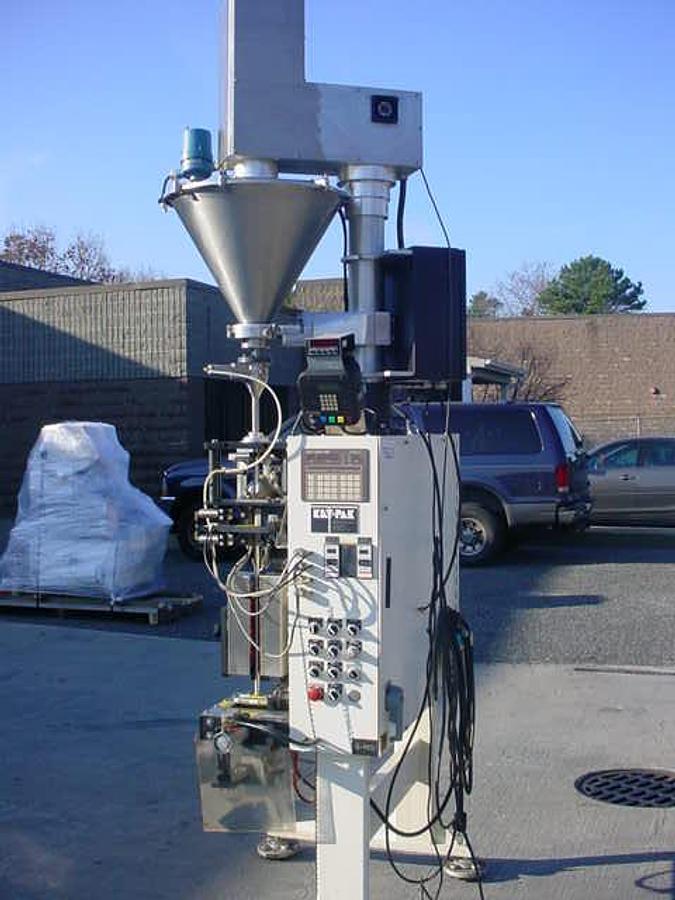
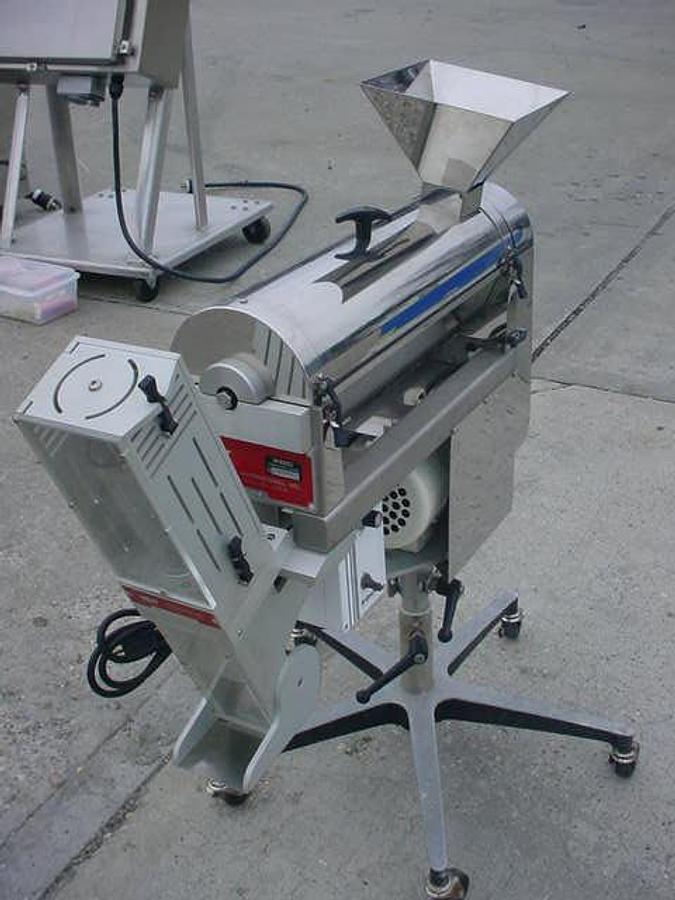
Key International specializes in packaging equipment for the pharmaceutical and food industries, with a particular focus on solid oral dosage forms. Their product line includes tablet dedusters, capsule polishers, blister packaging machines, bottle filling equipment, capping machines, and form/fill/seal systems. The Key CP-350 Tablet Deduster/Capsule Polisher and the Key-Pak V-200-BSP Form/Fill/Seal with Auger Head are two well-known examples of the types of machines the brand produces. These machines are built to handle tablets, capsules, and softgels with the kind of precision that regulated production environments require.
Key International has built its reputation around GMP-compliant designs, meaning the machines are engineered to meet Good Manufacturing Practice standards that pharmaceutical and nutraceutical producers must follow. That compliance focus is a big part of why the brand remains in demand on the used equipment market. Buyers looking for production-ready machinery with a track record in regulated industries tend to seek out Key International equipment specifically because of the brand's long-standing reputation for durability and precision.
What industries use Key International packaging equipment?
Key International machines are used most heavily in the pharmaceutical and nutraceutical industries, where precision dosing and regulatory compliance are non-negotiable. Tablet and capsule filling lines, blister packaging systems, and form/fill/seal machines from Key International are found in facilities producing prescription drugs, over-the-counter medications, dietary supplements, and vitamins. The equipment is also used in confectionery and food manufacturing, particularly for products that share a similar form factor with solid dosage pharmaceuticals, such as hard candies or coated tablets.
Medical device packaging is another application area where Key International equipment shows up. The brand's emphasis on GMP-compliant design makes its machines adaptable to any environment where cleanliness, traceability, and consistent output are required. Buyers from contract packaging organizations (CPOs) also frequently seek out Key International equipment because it allows them to serve multiple regulated-industry clients from a single machine platform. The versatility and compliance heritage of the brand make it a practical choice across a range of production settings.
Why do buyers seek out used Key International packaging machines specifically?
Key International machines have a well-established reputation for durability and longevity, which is one of the primary reasons used units hold their value and stay in demand on the secondary market. A well-maintained Key International blister packager or form/fill/seal machine can continue producing at a high level for many years beyond its initial installation, making used examples genuinely attractive options rather than a compromise. Buyers who are familiar with the brand often prefer a used Key International machine over a lesser-known piece of equipment purchased at a similar price point.
Cost is the other major factor. Pharmaceutical and food-grade packaging equipment carries significant capital costs when purchased through a manufacturer's distribution channel. Sourcing a used Key International machine through a reputable dealer can reduce that capital outlay substantially while still delivering the GMP-compliant performance the brand is known for. For smaller manufacturers, contract packagers, or companies scaling up production capacity, the used market offers a practical path to acquiring proven equipment without the lead times and pricing associated with buying through standard channels.
What should buyers know about inspecting a used Key International machine before purchasing?
Inspecting used packaging equipment before committing to a purchase is one of the most important steps a buyer can take. Reputable used equipment dealers will typically offer in-person inspections, virtual walkthroughs, or video documentation of a machine's current condition. For Key International equipment still located at an active production facility, it may be possible to arrange an inspection where the machine is running in its actual operating environment, which gives the clearest picture of mechanical condition and output consistency. If the machine has been decommissioned, a thorough visual and mechanical inspection is still possible and should be requested.
Buyers should keep in mind that most used equipment dealers are not set up to run full production trials with actual product, since that level of operation requires different permitting and production infrastructure than a dealer facility typically holds. The inspection goal is to accurately assess the machine's current working order, identify any visible wear, confirm that major components are present and functional, and understand what, if any, refurbishment may be needed before the machine goes into production. Consulting directly with Key International or authorized service technicians about a specific model's age and condition can also help buyers understand what parts or support they can realistically expect going forward.
Are replacement parts and technical support available for used Key International machines?
Parts availability and technical support for used packaging equipment depends heavily on the specific model and how long ago it was manufactured. Key International has been producing pharmaceutical and food packaging equipment for a considerable period, and some older models may have limited manufacturer support compared to more recent production runs. Before purchasing a used Key International machine, buyers are strongly encouraged to contact Key International directly to ask about parts availability, service support, and whether the specific model in question is still supported. The manufacturer is the most reliable source for that information, and the answer can vary significantly from one model to the next.
Third-party service technicians who specialize in pharmaceutical packaging equipment are another resource for buyers of used Key International machines. Many components used in tablet dedusters, capsule polishers, and form/fill/seal systems are available through aftermarket suppliers, which can extend the serviceable life of a machine even when direct manufacturer support is limited. Buyers should factor the cost and availability of spare parts into their overall purchasing decision, particularly for older units, and ask the selling dealer what they know about the machine's service history and any recent maintenance that has been performed.
What does GMP compliance mean for packaging equipment, and why does it matter?
GMP stands for Good Manufacturing Practice, a set of regulations enforced by agencies like the FDA in the United States and equivalent bodies in other countries. For packaging equipment, GMP compliance means the machine is designed and constructed in a way that supports clean, controlled, and traceable production. This typically involves features like smooth, easy-to-clean surfaces, minimal dead zones where product can accumulate, materials that are safe for contact with pharmaceutical or food products, and designs that support accurate documentation and process validation. Key International has built GMP considerations into its equipment designs specifically to serve pharmaceutical and nutraceutical customers who operate under these regulatory requirements.
For buyers sourcing used packaging equipment, GMP compliance history is a meaningful factor. A machine that was designed for GMP environments and operated in one is generally better suited for regulated production than equipment that was built to less stringent standards. That said, buyers should conduct their own validation processes after installing any used machine, since the equipment's history, condition, and any modifications made by previous owners can all affect its compliance status in a new production environment. Working with a qualified validation specialist is advisable for any used pharmaceutical packaging equipment being introduced into a regulated facility.
What is the typical price range for used Key International packaging machines?
Pricing for used Key International packaging equipment varies considerably depending on machine type, model, age, condition, and included accessories. Smaller standalone units like tablet dedusters or capsule polishers tend to be priced in a lower range than fully configured form/fill/seal systems or complete blister packaging lines. A used Key International form/fill/seal machine with an auger filling head, for example, represents a more complex and capital-intensive piece of equipment than a single-function deduster, and pricing reflects that difference. Condition plays a major role as well, with recently serviced machines in good mechanical order commanding higher prices than units sold strictly as-is with visible wear.
Buyers should also account for costs beyond the machine's listed price. Rigging, crating or palletizing for shipment, freight, and any refurbishment or spare parts needed after delivery all contribute to the true landed cost of the equipment. Getting a clear picture of those additional costs from the selling dealer before committing to a purchase is important, particularly for larger machines that require specialized rigging for loading and unloading. Comparing a few similar units across reputable dealers who specialize in pharmaceutical packaging equipment is the most reliable way to gauge fair market value for a specific Key International model.
What are the shipping and logistics considerations when buying a used packaging machine?
Shipping used packaging equipment involves more complexity than standard freight, and buyers should get detailed information from the selling dealer before finalizing a purchase. Machines need to be properly packaged to prevent damage in transit, and the level of palletization or crating required depends on the size, weight, and fragility of the specific unit. Dealers typically offer different levels of packaging, and the associated costs vary accordingly. Larger machines like form/fill/seal systems may require custom crating and specialized rigging equipment for loading at the origin and unloading at the destination, both of which are typically charged separately from the freight cost itself.
Buyers should ask the dealer to provide a full breakdown of packaging, rigging, and freight costs so they understand the total landed cost before the machine arrives at their facility. For international shipments, customs duties, import fees, and compliance documentation add another layer of cost and logistical coordination. It is also worth confirming in advance what equipment will be needed at the receiving end to unload and move the machine into position, since a large packaging line may require a forklift with a specific capacity or other specialized handling equipment that the buyer needs to arrange independently.
What payment terms should buyers expect when purchasing used packaging equipment?
Most used equipment dealers require full payment before a machine is released for shipment. This is standard practice in the industry and reflects the nature of the used equipment market, where machines are often one-of-a-kind inventory that cannot simply be restocked if a sale falls through. Wire transfer is the most common payment method for transactions of this size, though dealers may accept other forms of payment depending on the transaction. Buyers who have an established purchasing history with a specific dealer may sometimes be able to negotiate different terms, but for first-time buyers, full payment prior to shipping is the norm.
Buyers who need financing to acquire used packaging equipment have options outside of dealer-provided terms. Third-party equipment financing companies and leasing firms that specialize in industrial machinery can often structure loans or lease agreements around used equipment purchases. This can make a capital-intensive acquisition more manageable from a cash flow standpoint. It is worth exploring financing options before beginning the search process so that budget parameters are clear and the purchasing timeline can move efficiently once the right machine is identified.
How does the Key-Pak V-200-BSP Form/Fill/Seal machine work, and what is it used for?
The Key-Pak V-200-BSP is a vertical form/fill/seal machine equipped with an auger filling head. Vertical form/fill/seal systems work by taking a continuous roll of flexible packaging film, forming it into a tube around a vertical fill tube, filling the formed pouch with product dispensed from the filling head, and then sealing and cutting the filled pouch. The auger filling head on the V-200-BSP is designed for powdered or granular products, using a rotating auger screw to dispense measured quantities of product into each pouch. This type of system is commonly used for products like powdered supplements, pharmaceutical powders, spice blends, and other free-flowing granular materials.
Form/fill/seal machines like the V-200-BSP are valued for their production efficiency, since they integrate three packaging steps into a single continuous process. In the used equipment market, machines of this type in good condition are sought after by contract packagers and manufacturers who need flexible packaging capability without the capital investment of purchasing through standard channels. Buyers evaluating a used V-200-BSP should pay particular attention to the condition of the sealing jaws, the auger mechanism, and the film drive system, as these are the components that see the most wear in regular production and have the greatest impact on package quality and fill accuracy.