Category
Manufacturer
Model
FAQ:
What types of equipment does Kemwall Engineering manufacture?
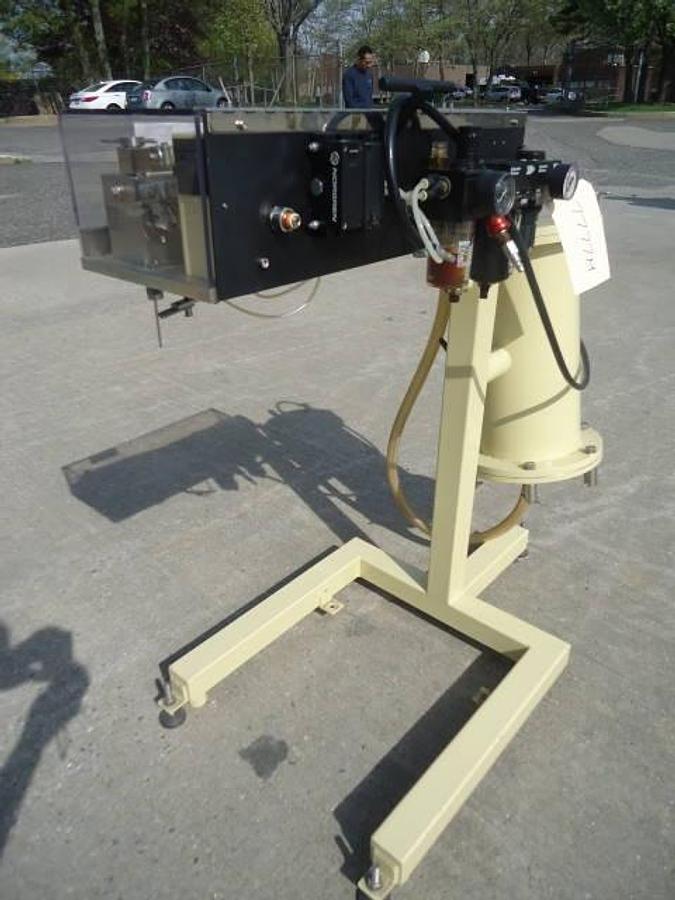
Kemwall Engineering is known for producing specialized filling and packaging machinery used in cosmetic and personal care manufacturing. One of their well-known machine types is the single piston mascara filler, an air-operated unit designed for precise, repeatable filling of mascara and similar viscous cosmetic products. These machines are built for production environments where consistency and hygiene are critical, making them a staple in cosmetic contract manufacturing and brand-name production facilities alike.
Beyond mascara fillers, Kemwall Engineering has produced a range of filling and processing equipment suited to the cosmetics, pharmaceutical, and personal care industries. Buyers looking for used Kemwall machinery should expect to find equipment designed around piston-based filling technology, which is well-regarded for handling thick, paste-like formulations that would challenge simpler pump or gravity-fed systems. Because these are specialized machines, availability on the used market tends to be limited, so buyers are advised to act when a unit becomes available.
What industries use Kemwall Engineering equipment?
Kemwall Engineering equipment is primarily used in the cosmetics and personal care manufacturing industry. Their piston-based filling machines are particularly well-suited for products like mascara, lip gloss, foundation, and other viscous formulas that require controlled, accurate fill volumes. Cosmetic contract manufacturers, private label producers, and established beauty brands all rely on this type of equipment to maintain throughput and product consistency on the production line.
There is also crossover into adjacent industries such as pharmaceutical manufacturing and specialty chemical filling, where similar piston-filling technology is applied to creams, ointments, and gel-based products. The air-operated design of many Kemwall fillers makes them compatible with clean-room adjacent environments and facilities that require non-electric actuation for safety or regulatory reasons. Buyers from any of these sectors will find Kemwall equipment relevant to their production needs, particularly when sourcing used machinery to expand capacity or replace aging equipment.
Where can I find used Kemwall Engineering equipment for sale?
Used Kemwall Engineering equipment is available through specialized used machinery dealers who focus on cosmetic, pharmaceutical, and packaging equipment. These dealers source machines from facility closures, production line upgrades, and equipment auctions, then list them for resale. Because Kemwall is a niche manufacturer, their machines appear on the used market less frequently than commodity brands, so buyers are encouraged to work with dealers who actively monitor the cosmetic equipment secondary market and can notify them when relevant inventory becomes available.
Reputable used equipment dealers will typically have detailed specifications, photos, and condition notes for each machine they list. Some dealers also offer video inspections or in-person viewing, which is especially valuable for a specialized piece of equipment like a mascara filler where mechanical condition and cleanliness are important factors. Buyers should avoid relying solely on aggregator listing sites and instead engage directly with dealers who have hands-on knowledge of the machines they are selling and can answer technical questions about the equipment's history and current condition.
What should I look for when buying a used Kemwall single piston mascara filler?
When evaluating a used Kemwall single piston mascara filler, the most important factors are the condition of the piston and cylinder assembly, the integrity of seals and gaskets, and the overall cleanliness of product-contact surfaces. Mascara fillers handle pigmented, wax-based formulas that can leave residue in hard-to-clean areas if the machine was not properly maintained between production runs. Ask the dealer for the machine's service history if available, and pay close attention to any signs of wear on the filling nozzle and adjustment mechanisms.
Air-operated machines like the Kemwall single piston filler also require inspection of pneumatic components including valves, tubing, and the air cylinder itself. Worn pneumatic parts can affect fill accuracy and cycle speed, and replacement parts for older or less common machines can sometimes be difficult to source. Before purchasing, it is worth contacting the manufacturer or a qualified technician to confirm parts availability for the specific model you are considering. Arranging an in-person or video inspection with the dealer is strongly recommended before committing to a purchase, as this gives you the most accurate picture of the machine's actual working condition.
How does piston-based filling technology work, and why is it used for mascara?
Piston filling technology works by drawing a measured volume of product into a cylinder as the piston retracts, then pushing that exact volume out through a nozzle as the piston advances. The fill volume is controlled by adjusting the stroke length of the piston, which makes it straightforward to change fill weights between production runs. Because the volume is mechanically defined rather than time-dependent, piston fillers deliver consistent fills even when product viscosity changes slightly due to temperature or batch variation.
Mascara is particularly well-suited to piston filling because of its thick, paste-like consistency and the presence of wax and pigment particles that would clog or damage pump-based systems. Piston fillers can handle these heavy formulations without the shear stress that some other filling methods introduce, which helps preserve the product's texture and performance. Air-operated piston fillers, like those produced by Kemwall Engineering, add another layer of control by using pneumatic pressure to drive the piston, allowing for adjustable fill speed and a clean, repeatable cycle that is well-matched to the demands of cosmetic production.
What does buying used industrial equipment "as is" mean, and how should buyers protect themselves?
Purchasing used industrial equipment on an as-is basis means the buyer accepts the machine in its current condition, with no representations made by the seller about future performance or hidden defects. This is the standard practice in the used equipment industry, and it places the responsibility of due diligence squarely on the buyer. Unlike purchasing from a manufacturer, there is no coverage for defects that surface after the sale, which makes pre-purchase inspection the single most important step in the buying process.
To protect themselves, buyers should request as much documentation as possible, including photos, video walkthroughs, and any available maintenance records. Arranging a live or video inspection with the dealer before purchasing is strongly advisable, as it allows the buyer to assess the machine's condition firsthand rather than relying solely on listing descriptions. Buyers should also consult with the equipment manufacturer or an independent technician to understand what parts and service support are available for the specific model, since older machines or discontinued models may have limited support. Choosing a dealer with a long track record of selling machinery in the relevant industry adds another layer of confidence, as established dealers have reputational incentives to represent their equipment accurately.
What should I expect when arranging an inspection of used Kemwall equipment?
Most reputable used equipment dealers will accommodate inspections either in person at their facility or remotely through video calls and recorded walkthroughs. The goal of any inspection is to get an accurate, honest picture of the machine's current condition, including the state of mechanical components, cleanliness of product-contact surfaces, and the functionality of controls and pneumatic systems. For a machine like a Kemwall mascara filler, a good inspection should include a demonstration of the piston and air cylinder cycling, a close look at seals and nozzle components, and a review of any visible wear or damage.
In some cases, the equipment may still be installed at a production facility rather than at the dealer's warehouse. When this is the situation, the dealer typically coordinates access between the buyer and the facility owner, and the machine may be either in active production or decommissioned. It is worth noting that most used equipment dealers are not set up to run full production trials, as that would require product, permitting, and facility resources beyond the scope of a typical equipment sale. The inspection is therefore focused on mechanical condition and operational readiness rather than a live production run. Buyers should come prepared with a checklist of specific components they want to see and questions they want answered.
How is used industrial equipment typically shipped, and what costs should buyers anticipate?
Shipping used industrial equipment involves several cost components that buyers should account for before finalizing a purchase. At minimum, the machine will need to be properly packaged, which may mean palletizing, crating, or wrapping depending on the size, weight, and fragility of the equipment. The level of packaging required directly affects cost, and buyers should ask dealers specifically what packaging is included in the quoted price and what additional preparation might be necessary to protect the machine in transit.
For larger or heavier machines, rigging is often required to safely load the equipment onto a truck or freight container, and this is typically an added cost on top of standard freight charges. International shipments add further complexity, including customs documentation, export compliance, and potentially higher freight rates depending on the destination. Buyers should request a full breakdown of all shipping-related costs, including packaging, rigging, freight, and any destination handling fees, to understand the true landed cost of the equipment before making a purchasing decision. Getting this information upfront prevents surprises and allows for accurate budgeting.
What are typical payment terms for purchasing used industrial equipment?
The standard practice in the used equipment industry is to require full payment before the machine is shipped. This protects the seller from the risk of shipping expensive equipment without confirmed funds, and it is the norm across the industry regardless of the dealer's size or reputation. Buyers should be prepared to wire funds or arrange another form of cleared payment prior to the equipment leaving the seller's facility.
Some dealers will extend payment terms to buyers they have an established relationship with, but this is the exception rather than the rule and is typically reserved for repeat customers with a demonstrated history of reliable transactions. For first-time buyers, full payment upfront should be expected. It is reasonable to ask a dealer about their payment process and to confirm the timeline between payment and shipping, so buyers can plan accordingly. As with any significant capital purchase, buyers should ensure they are transacting with a dealer whose legitimacy and track record they have verified before transferring funds.
How can buyers assess the reliability and reputation of a used equipment dealer selling Kemwall machinery?
Evaluating a used equipment dealer before committing to a purchase starts with looking at how long they have been in business and whether they specialize in the relevant equipment category. Dealers who have operated for many years and focus specifically on cosmetic, pharmaceutical, or packaging machinery are more likely to have genuine expertise in Kemwall equipment and similar machinery than general industrial resellers. A long track record in a niche industry is one of the strongest indicators of reliability, because dealers in specialized markets depend heavily on repeat business and referrals.
Buyers should also look for dealers who are transparent about their inspection process, willing to provide detailed photos and video of the equipment, and responsive to technical questions. A dealer who can speak knowledgeably about the machine's operating history, condition, and any known issues is demonstrating the kind of transparency that protects buyers. Checking for online reviews, industry references, or memberships in professional associations like PMMI or similar trade organizations can also help establish credibility. Ultimately, a dealer who welcomes scrutiny and makes it easy for buyers to verify what they are purchasing is a far safer choice than one who discourages questions or pushes for a fast sale.