Category
Manufacturer
Model
Kalix
Kalix produces equipment for the food processing industry, particularly focusing on mixing and blending solutions. They are known for their high-quality mixers that improve operational efficiency.
FAQ:
What types of tubes can Kalix tube filling machines handle?
Kalix tube filling machines are engineered to handle a broad range of tube materials, including aluminum, plastic (polyethylene and polypropylene), and laminate tubes. This flexibility makes them a practical choice across multiple industries, since different products and markets often require different tube substrates. Aluminum tubes are common in pharmaceuticals and certain cosmetic applications, while plastic tubes dominate personal care and food packaging lines. Laminate tubes, which combine layers of plastic and foil, are frequently used for products requiring a barrier against oxygen or moisture.
The specific tube compatibility depends on the model. For example, the Kalix KX-80 is designed for plastic tube filling and sealing, while the Kalix KX-1100 is built for high-speed metal tube filling and sealing. The KX-400 accommodates both hot air sealing and aluminum tubes, giving it broader application flexibility. When evaluating a used Kalix machine, buyers should confirm the tube diameter and length ranges supported by that particular model, and verify that the tooling included with the machine matches their production tube specifications.
What production speeds do Kalix tube filling machines typically achieve?
Kalix produces machines across a wide speed range, making them suitable for both moderate-volume and high-volume production environments. Entry-level and mid-range models typically process tubes in the range of 60 to 80 tubes per minute. The KX-60, for instance, handles plastic and metal tube sealing at approximately 60 tubes per minute, while the KX-70 and KX-80 step up to 70 and 80 tubes per minute respectively. At the upper end, the KX-1100 is classified as a high-speed metal tube filling and sealing machine, capable of significantly higher throughput for demanding production lines.
For buyers sourcing used equipment, understanding the rated speed of a specific model is only part of the picture. Actual throughput on a used machine can be influenced by its mechanical condition, the viscosity of the product being filled, and whether the machine has been upgraded or modified since manufacture. The KX-700, for example, is available with an upgraded PLC, which can improve control precision and overall line reliability. Prospective buyers should ask dealers about the machine's operational history and, where possible, arrange an inspection to assess its current working condition.
What industries use Kalix tube filling machines?
Kalix tube filling machines are used across several industries where products are packaged in collapsible tubes. Pharmaceuticals and nutraceuticals represent a major segment, particularly because Kalix machines are well-suited to GMP-regulated manufacturing environments. Common pharmaceutical applications include ointments, topical creams, gels, and medicated pastes. Cosmetic manufacturers also rely heavily on Kalix equipment for filling products like moisturizers, sunscreens, toothpaste, and hair care formulations. The food processing sector uses tube filling equipment for condiments, spreads, and pastes, and Kalix has a noted presence in mixing and blending solutions for food applications as well.
The cross-industry applicability of Kalix machines is one reason the used market for these units remains active. A machine previously used in a cosmetics facility may be entirely appropriate for a pharmaceutical company after proper cleaning validation, or vice versa. Buyers should evaluate not only the machine model but also its history of use, since prior exposure to certain chemicals or products may affect suitability for a new application. Consulting with the manufacturer or a qualified engineer can help determine whether a specific used unit meets the regulatory and sanitary requirements of a new production environment.
Are Kalix tube filling machines suitable for GMP-regulated pharmaceutical environments?
Kalix tube filling machines have a strong track record in GMP-regulated pharmaceutical manufacturing. The brand is recognized within the pharmaceutical and cosmetic industries for engineering precision and build quality that aligns with the documentation, cleanability, and process control requirements typical of regulated facilities. Many Kalix models feature stainless steel product contact surfaces, enclosed filling heads, and control systems that support repeatable, auditable production processes.
For companies purchasing used Kalix machines for a regulated environment, additional due diligence is required beyond what would apply in a non-regulated setting. Buyers should request available documentation such as manuals, calibration records, or prior validation reports if the seller has them. It is also advisable to consult directly with Kalix or an authorized service provider to understand what level of technical support and spare parts availability exists for the specific model and age of machine being considered. Older models may have limited manufacturer support, which can affect the feasibility of requalification or IQ/OQ/PQ validation in a GMP facility.
Can Kalix tube filling machines handle viscous products like creams, gels, and ointments?
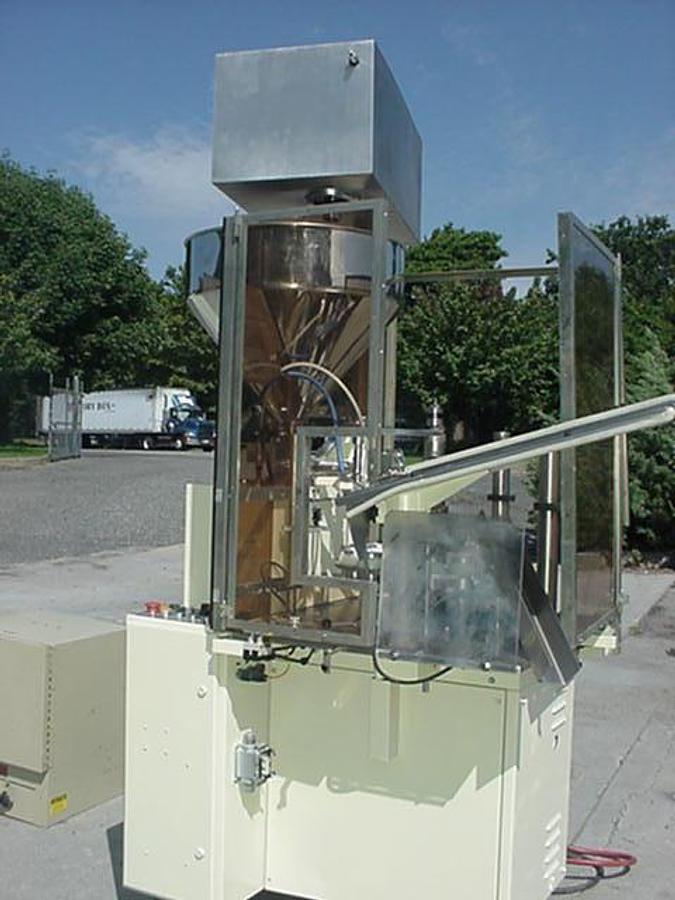
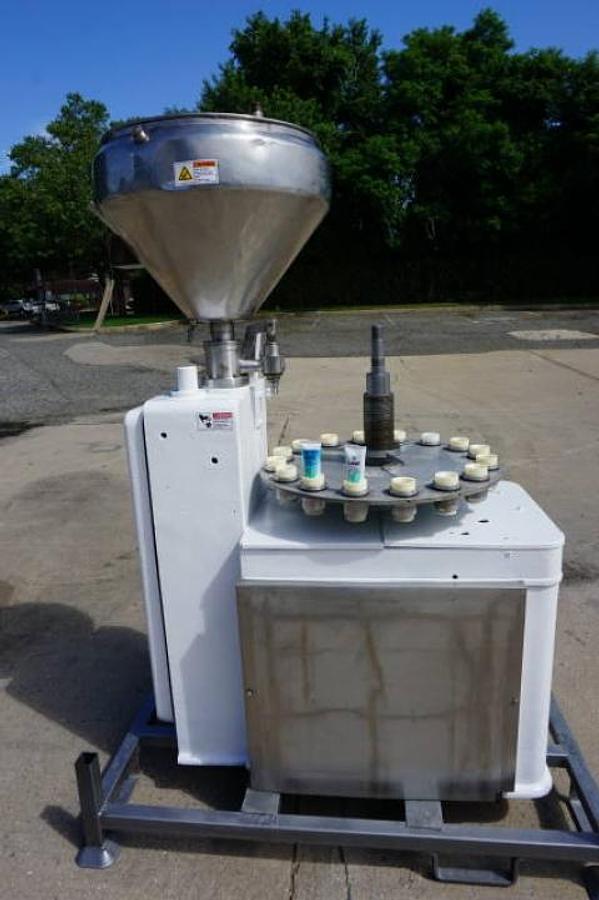
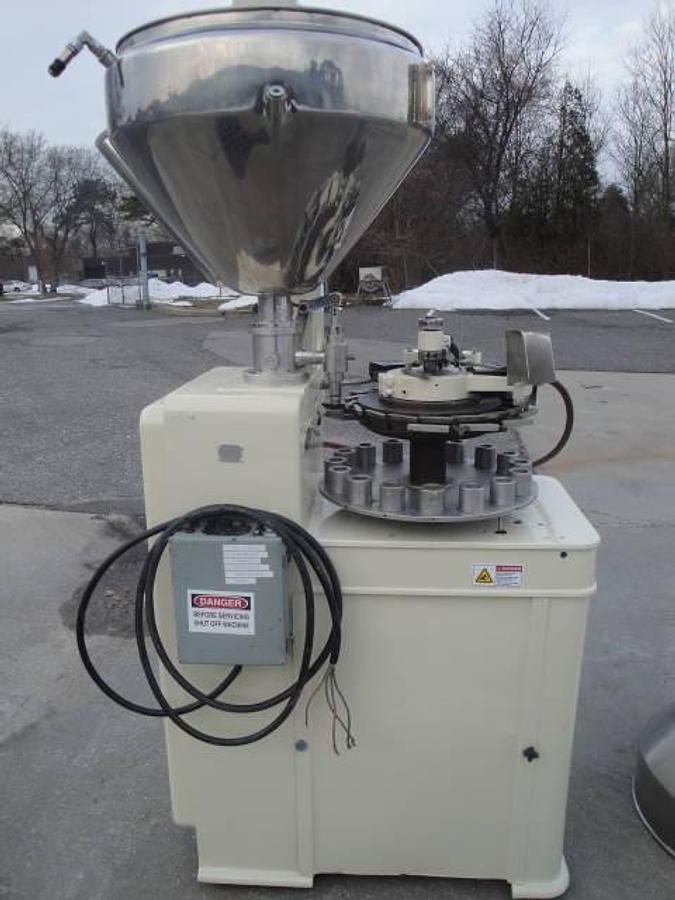
Handling viscous products is one of the core capabilities that makes tube filling machines like those from Kalix valuable in pharmaceutical and cosmetic production. Creams, gels, ointments, and thick pastes require filling equipment with sufficient pumping force, appropriate nozzle design, and in some cases, temperature-controlled hoppers to maintain product consistency during filling. The Kalix KX-10, for example, features a jacketed hopper, which allows the product to be maintained at a controlled temperature throughout the filling process. This is particularly important for products that change viscosity with temperature, such as petroleum-based ointments or wax-containing formulations.
When evaluating a used Kalix machine for viscous product applications, buyers should pay close attention to the filling mechanism and hopper configuration included with the unit. Some machines are set up specifically for thin, free-flowing products and may require modifications or additional tooling to handle thicker materials effectively. Inspecting the pump type (piston, peristaltic, or gear pump) and checking for wear on seals and product-contact components is especially important for viscous applications, since these parts experience higher stress during operation. Arranging a detailed inspection before purchase is the best way to assess suitability.
What should buyers look for when purchasing a used Kalix tube filling machine?
Buying used tube filling equipment requires more careful evaluation than purchasing new machinery, since the condition, history, and remaining service life of the machine are unknown without direct investigation. For Kalix machines specifically, buyers should start by identifying the exact model and understanding its rated speed, tube material compatibility, and filling mechanism. From there, the focus should shift to physical condition: wear on the tube transport system, condition of the sealing jaws or hot air sealing components, state of the filling pump and nozzles, and the functionality of the control system. Machines with upgraded PLCs, like the Kalix KX-700, may offer improved reliability and easier troubleshooting compared to older control architectures.
Reputable used equipment dealers will typically offer inspection options, either in person at their facility, virtually via video call, or through detailed video documentation of the machine in its current state. Some machines may still be installed and running at a production facility, which can allow for a live operational inspection. Buyers should also contact Kalix directly to ask about parts availability and technical support for the specific model under consideration, since the level of manufacturer support can vary significantly based on the age of the machine. Understanding all of these factors before committing to a purchase helps avoid costly surprises after delivery.
How does the inspection process work when buying a used Kalix tube filling machine?
Used equipment dealers handling machines like Kalix tube fillers typically offer several inspection options to help buyers assess the condition of a machine before purchase. The most thorough option is an in-person inspection at the dealer's facility or, in some cases, at the plant where the machine is currently installed. When a machine is still in active production at a facility, a buyer may be able to observe it running under real production conditions, which provides a clearer picture of its mechanical health than a static inspection alone. Machines that have been decommissioned can still be inspected physically, though they may not be running at the time of the visit.
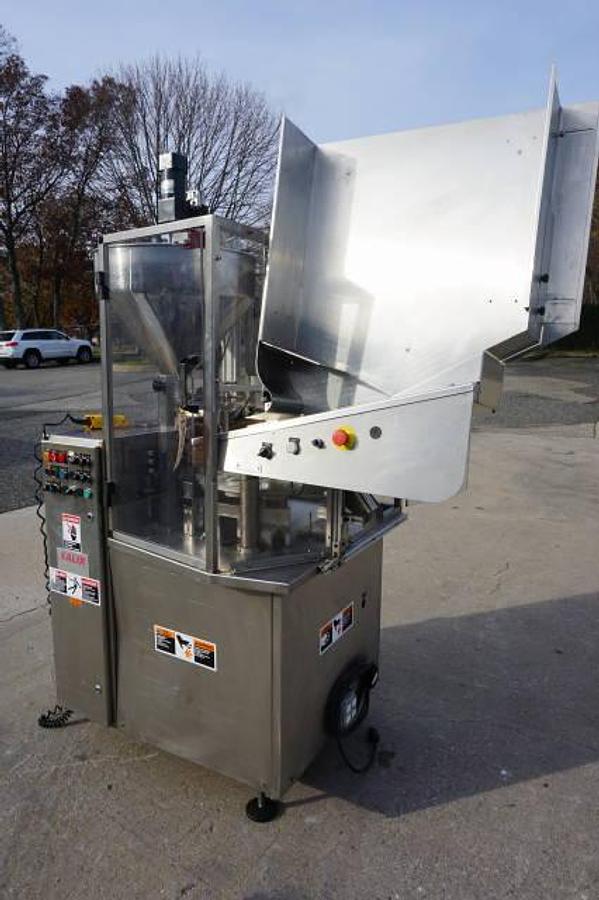
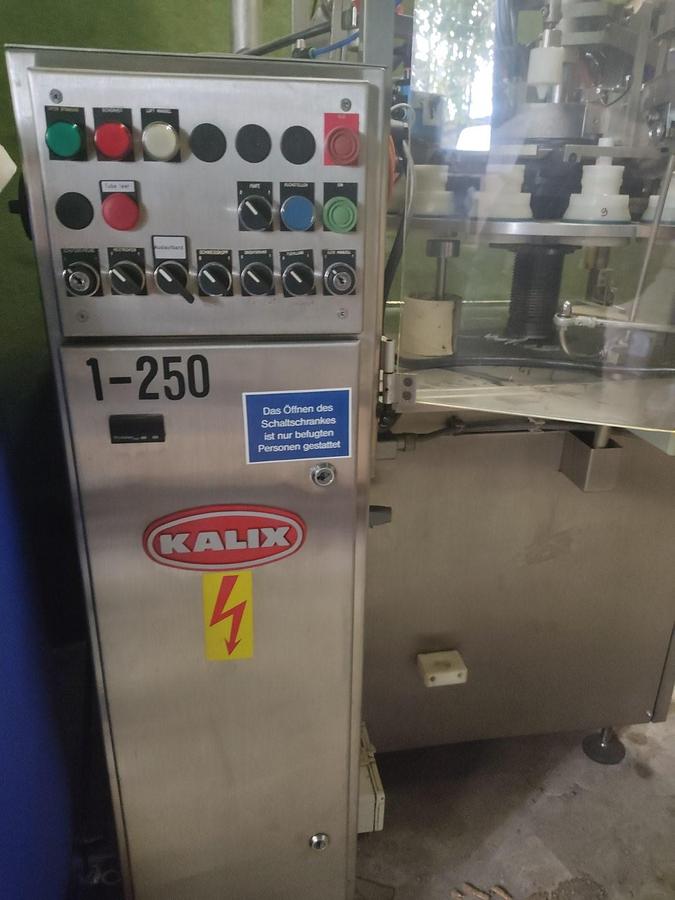
For buyers who cannot travel, virtual inspections via video call or pre-recorded video documentation are commonly available. These can cover key areas like the filling head, sealing station, tube transport system, control panel, and overall frame condition. It is worth noting that most equipment dealers are not set up to run actual product through a machine during inspection, since operating a production line requires different permitting and facilities than a machinery dealership maintains. Buyers should come prepared with a list of specific components they want to see and questions about the machine's service history, any known repairs, and whether original manuals or documentation are included with the sale.
What are the shipping and logistics considerations for a used Kalix tube filling machine?
Tube filling machines vary considerably in size and weight depending on the model, and shipping costs can represent a meaningful portion of the total acquisition cost. Smaller semi-automatic Kalix models may be palletized and shipped via standard freight, while larger fully automatic machines like the KX-1100 or KX-700 typically require custom crating and heavier rigging for safe loading and unloading. The level of packaging required directly affects shipping costs, and buyers should ask the dealer for a detailed breakdown of palletization, crating, rigging, and freight charges before finalizing a purchase.
For international shipments, additional considerations include customs duties, import taxes, and compliance with destination country regulations for used industrial equipment. Buyers should also plan for the unloading process at their facility, since larger machines may require a forklift or crane with adequate capacity. Confirming the machine's dimensions and weight with the dealer in advance allows buyers to arrange appropriate receiving equipment. Getting a clear picture of the full landed cost, including all freight and handling charges, is an important step in accurately comparing the total investment across different machines or sellers.
What are typical payment terms when purchasing used tube filling equipment?
Payment practices in the used industrial equipment market differ from those in retail or consumer purchases. Most used equipment dealers require payment in full before a machine is released for shipping. This is standard practice across the industry and reflects the dealer's need to confirm funds before incurring the costs of preparing, crating, and arranging logistics for a large piece of equipment. Wire transfer is the most common payment method for transactions of this size, though dealers may accept other forms depending on the buyer's location and the transaction amount.
Some dealers extend payment terms to established customers with a history of prior purchases, but this is the exception rather than the rule for first-time buyers. Buyers who require financing should explore third-party equipment financing options, as many lenders specialize in used industrial machinery and can structure loans or leases around the purchase of equipment like Kalix tube fillers. Before finalizing any transaction, buyers should confirm the exact payment terms, accepted methods, and any conditions related to deposit or escrow arrangements, particularly for higher-value machines.
Are replacement parts and technical support available for used Kalix tube filling machines?
Parts availability and manufacturer support are practical concerns that every buyer of used tube filling equipment should investigate before committing to a purchase. Kalix is a well-established French manufacturer with a long history in the tube filling industry, which generally works in the buyer's favor when it comes to parts. However, the level of support available for any specific machine depends heavily on its model and age. Older or discontinued models may have limited parts availability from the manufacturer, and some components may need to be sourced from third-party suppliers or fabricated to specification.
Buyers are strongly encouraged to contact Kalix directly before purchasing a used machine to ask specifically about spare parts availability, recommended service intervals, and whether the manufacturer offers any technical support for the model in question. This conversation can reveal whether the machine is still within a supported product generation or whether it has aged out of the manufacturer's active support program. A used equipment dealer with deep experience in packaging and filling machinery can also be a valuable resource, since they may have access to spare parts inventory or relationships with service technicians familiar with Kalix equipment. Factoring in the long-term serviceability of a machine is just as important as evaluating its purchase price.