Category
Manufacturer
Model
Jones
Jones produces a range of industrial machinery, focusing on equipment for the food processing and packaging industries. They are particularly known for their innovative solutions in food handling and processing.
FAQ:
What types of industrial food processing equipment does Jones manufacture?
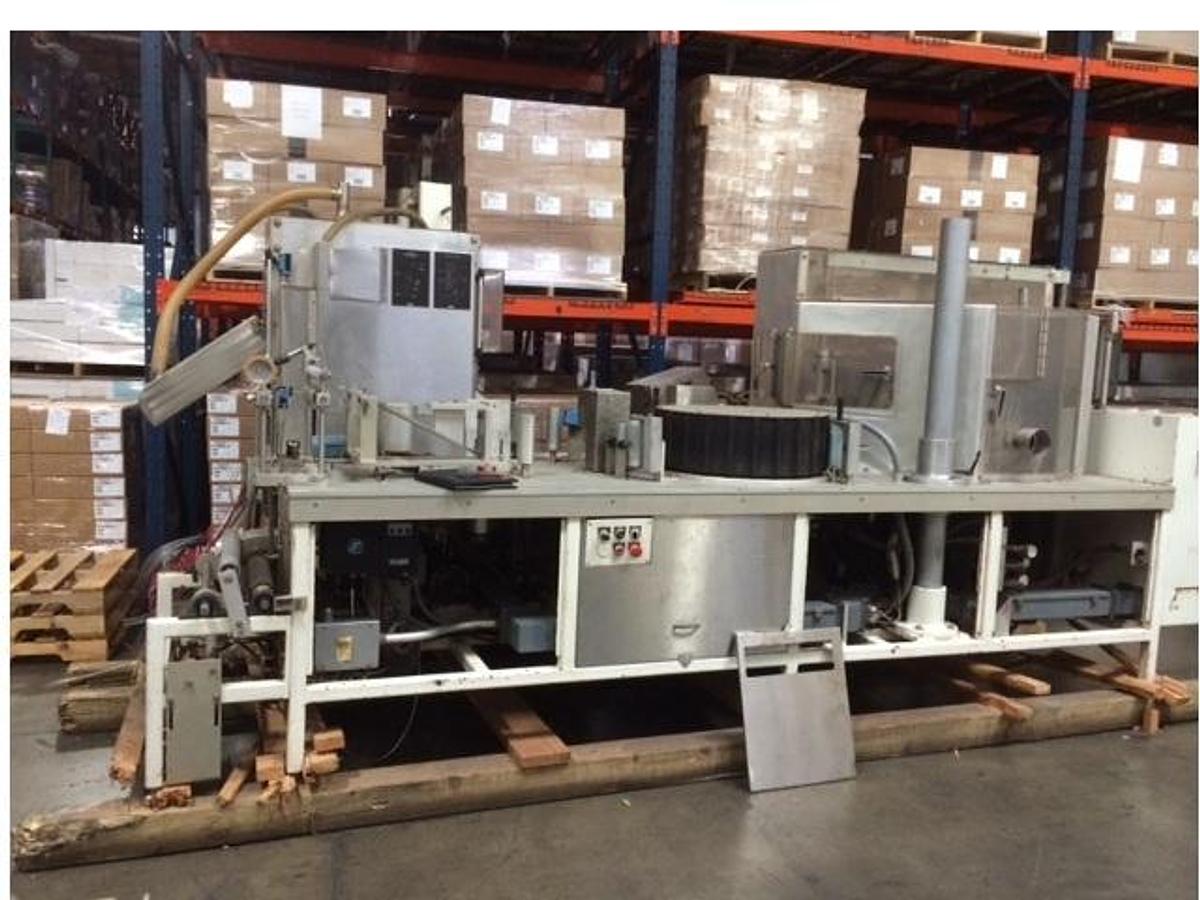
Jones produces a range of industrial machinery focused on the food processing and packaging industries. Their equipment lineup includes form/fill/seal machines such as the Pouch King, heavy-duty ribbon blenders, and intermittent motion cartoners. These machines are designed for high-volume commercial and industrial food production environments where throughput, reliability, and sanitary construction are non-negotiable.
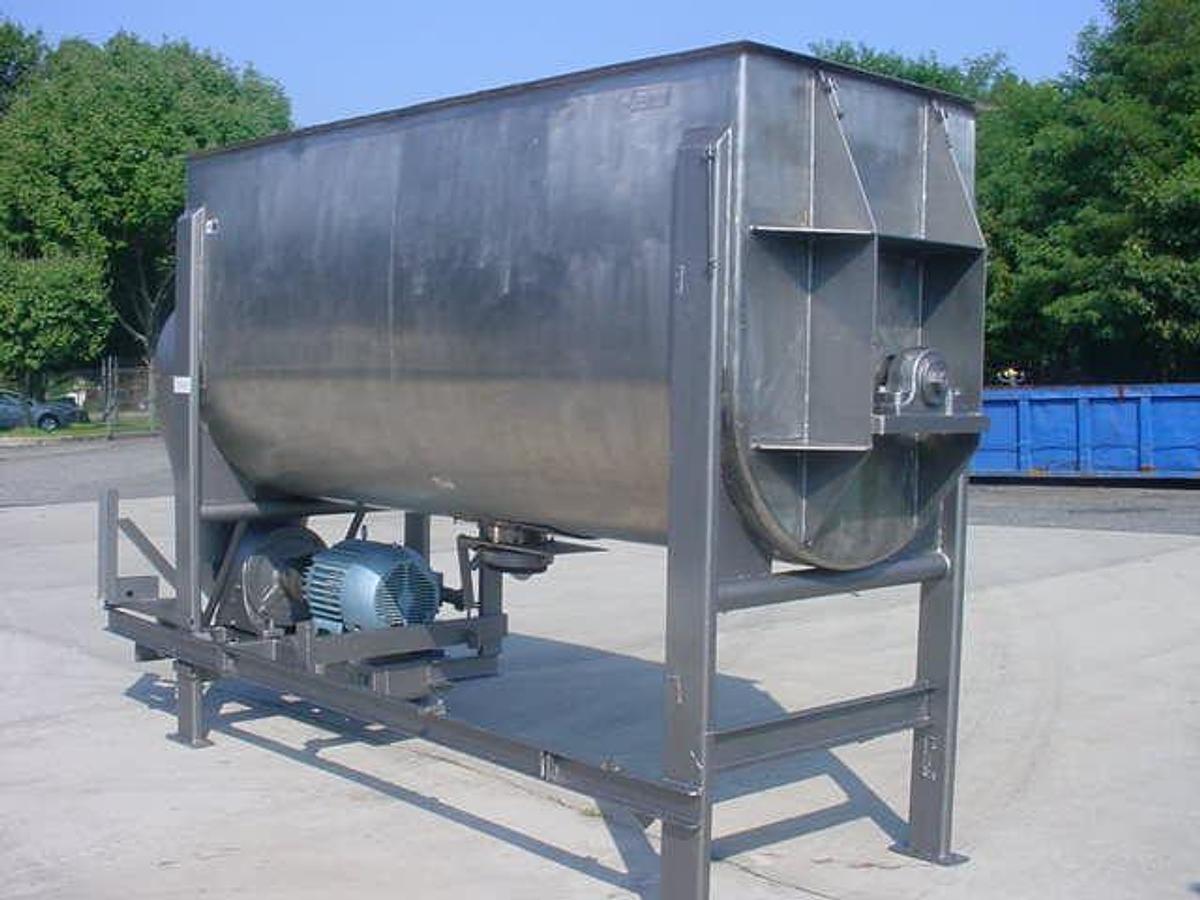
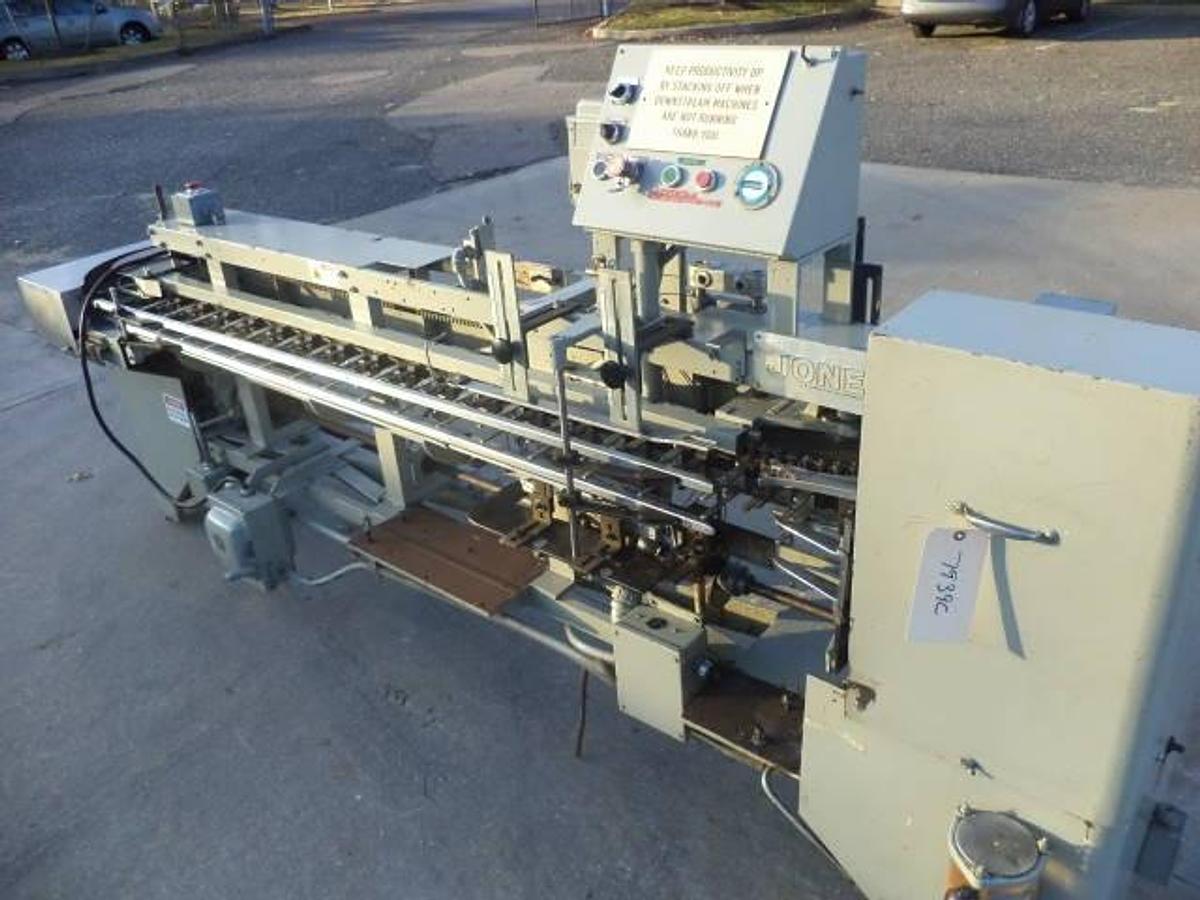
Within the cartoning category alone, Jones offers multiple configurations, including the CMV 4-inch cartoner and the IMV5 intermittent motion cartoner rated at 60 cartons per minute. Their ribbon blenders, like the 112 cubic foot Superior Stainless Steel Double Ribbon model, are built for large-batch mixing applications. The breadth of their lineup makes Jones equipment relevant across a wide range of food processing operations, from dry blending and filling to secondary packaging.
What should buyers know about purchasing used Jones food processing equipment?
Buying used industrial food processing machinery is a common practice in the industry, and Jones equipment holds up well in the secondary market due to its heavy-duty construction. That said, used machines are sold as-is, which places the responsibility of due diligence squarely on the buyer. This means carefully evaluating the mechanical condition, age, and operational history of any specific unit before committing to a purchase. Selecting a reputable dealer who specializes in food processing equipment is one of the most important steps a buyer can take.
Before finalizing a purchase, buyers should request detailed photos, video walkthroughs, or in-person inspections to assess the current condition of the machine. It's also worth contacting Jones directly to understand what level of technical support, parts availability, and documentation can be expected for the specific model and age of the machine in question. Older models may have limited parts availability, which can affect long-term serviceability and total cost of ownership.
How can buyers inspect used industrial food processing equipment before buying?
Reputable used equipment dealers typically offer several inspection options: in-person visits to their facility, virtual walkthroughs via video call, or pre-recorded video documentation of the machine. The goal is to give the buyer an accurate picture of the equipment's current working condition, including visible wear, structural integrity, and any obvious mechanical issues. In some cases, a machine may still be installed and running at a production facility, in which case the dealer can arrange an on-site inspection between the buyer and the current owner.
One important limitation to understand is that most used equipment dealers are not set up to run actual food production tests. Operating a food production line requires facility permitting that a typical equipment dealer won't have. This means buyers should focus their inspection on mechanical function, cleanliness, completeness of components, and the availability of operator manuals or technical documentation. For high-value purchases, hiring an independent equipment appraiser or a qualified technician to perform the inspection is a reasonable precaution.
What are the key sanitation and cleanability features to look for in used food processing equipment?
Sanitation is one of the most critical factors in food processing equipment selection. Stainless steel construction is the standard for food-contact surfaces because it resists corrosion, tolerates harsh cleaning chemicals, and doesn't harbor bacteria the way porous materials can. Jones equipment like their heavy-duty double ribbon blenders uses stainless steel construction, which is a strong indicator of food-grade design intent. Buyers should also look for features like smooth welds, minimal crevices, and tool-free disassembly that simplify cleaning and reduce the risk of contamination.
For used equipment specifically, buyers should pay close attention to the condition of seals, gaskets, and any food-contact surfaces during inspection. These components degrade over time and may need replacement before the machine is returned to service. CIP (clean-in-place) compatibility is another valuable feature, as it reduces manual cleaning labor and improves consistency. Asking the dealer whether the machine has been cleaned and inspected prior to sale, and reviewing any available maintenance records, can help buyers assess what reconditioning work may be needed.
What is the typical price range for used Jones industrial food processing equipment?
Pricing for used Jones food processing equipment varies considerably depending on the machine type, size, age, and overall condition. Smaller or simpler units may be priced in the low-to-mid five figures, while large-capacity machines like heavy-duty ribbon blenders or high-speed cartoners can command significantly higher prices. A 112 cubic foot double ribbon blender, for example, represents a substantial capital investment even in the used market given its size and the cost of comparable equipment.
Beyond the sticker price, buyers should factor in the full landed cost of the equipment. This includes freight, rigging, crating or palletization, and any reconditioning or parts replacement needed to bring the machine to operating condition. These costs can add meaningfully to the total investment, particularly for large or heavy machines that require specialized rigging for loading and unloading. Getting a detailed breakdown of all associated costs from the dealer before committing is the standard practice for experienced industrial buyers.
What certifications and compliance standards matter most for industrial food processing equipment?
Industrial food processors typically look for equipment that meets recognized safety and sanitation standards before making a purchase decision. The most commonly referenced certifications include NSF International certification (which verifies food equipment meets public health standards), FDA compliance for food-contact materials, CE marking for equipment sold or used in European markets, and USDA acceptance for certain meat and poultry processing applications. These certifications matter because they signal that the equipment was designed with food safety in mind and may be required by facility auditors or regulatory inspectors.
For used equipment, it's important to understand that a machine's original certification status applies to its design and construction, not necessarily to its current condition after years of use. Buyers should verify whether the specific unit still meets the relevant standards, particularly if components have been modified or replaced over the years. Consulting with a food safety engineer or your facility's compliance team before purchasing is advisable, especially for equipment that will be used in USDA-regulated or FDA-inspected environments.
How does a form/fill/seal machine like the Jones Pouch King work?
A form/fill/seal (FFS) machine automates three packaging steps in a single continuous process. The machine takes flat roll stock film, forms it into a pouch or bag shape, fills it with the product, and then seals it closed, all in sequence. This type of equipment is widely used in food packaging for products like snacks, frozen foods, coffee, and other dry or wet goods that need to be packaged in flexible pouches. The efficiency advantage over manual or semi-automated packaging is significant, as a properly maintained FFS machine can produce hundreds of filled and sealed pouches per minute.
The Jones Pouch King is a vertical or horizontal form/fill/seal machine designed for industrial food packaging applications. When evaluating a used unit, buyers should pay attention to the condition of the sealing jaws and heating elements, the film feed and tracking system, and the fill mechanism, as these are the components most subject to wear in high-cycle operation. Technical documentation, including electrical schematics and operator manuals, is particularly valuable for FFS machines given the complexity of their control systems.
What maintenance does industrial food processing equipment like ribbon blenders and cartoners typically require?
Industrial food processing machines require a structured preventive maintenance program to sustain reliable operation. For ribbon blenders, routine maintenance typically includes inspecting and lubricating bearings, checking the condition of the ribbon agitator and shaft seals, inspecting the drive system (gearbox, belts, or chain), and verifying that all food-contact seals are intact and free of wear. Cleaning after each production run is standard practice to prevent cross-contamination and product buildup that can affect blending consistency.
Cartoners and form/fill/seal machines have additional maintenance considerations tied to their mechanical complexity. Sealing elements, cam followers, drive chains, and timing systems all require periodic inspection and adjustment. Electrical components and sensors should be checked regularly as well, since a misread sensor can cause jams or misfills that interrupt production. For used equipment, establishing a maintenance baseline by performing a thorough inspection and servicing the machine before putting it into production is a sound practice. Sourcing an operator manual from the manufacturer or dealer is an important first step, as it will outline the specific service intervals and procedures recommended for that model.
How available are replacement parts for used Jones food processing equipment?
Parts availability for used industrial equipment depends largely on the age of the machine and whether the manufacturer still supports that model. For Jones equipment, contacting the manufacturer directly is the most reliable way to determine what spare parts, wear components, and technical support are available for a specific model. Older machines or discontinued models may have limited factory support, which shifts the sourcing strategy toward third-party parts suppliers, machine shops capable of fabricating custom components, or the used parts market.
Before purchasing a used Jones machine, it's worth building a list of the most likely wear items (seals, bearings, belts, sealing elements, etc.) and checking availability and pricing for those parts. This exercise also helps estimate the ongoing maintenance cost of the machine, which is a key input to total cost of ownership calculations. Experienced buyers often request a recommended spare parts list from the dealer or manufacturer as part of their pre-purchase due diligence.
What are the shipping and rigging considerations for buying used industrial food processing equipment?
Shipping industrial food processing equipment is more involved than standard freight. Machines need to be properly prepared for transit, which typically means palletizing smaller units or building custom crates for larger or more fragile equipment. The level of packaging required directly affects shipping costs, and buyers should ask dealers for a clear breakdown of what preparation is included in the quoted price versus what will be charged additionally. Inadequate packaging is one of the most common causes of transit damage on used machinery purchases, so this is not an area to cut corners.
Larger machines like heavy-duty ribbon blenders or industrial cartoners may require specialized rigging for both loading at the dealer's facility and unloading at the buyer's location. This can involve forklifts, cranes, or rigging crews with experience handling heavy industrial equipment. Rigging costs can be substantial and should be factored into the total landed cost before comparing equipment prices. Buyers should also confirm whether their facility has the infrastructure (dock height, floor load capacity, ceiling clearance) to receive and position the equipment before it ships.