Category
Manufacturer
Model
Jeff Eastey
Jeff Eastey is known for his expertise in the design and manufacturing of custom machinery for various industries. His focus is on creating tailored solutions that meet specific production needs, particularly in the food and beverage sector.
FAQ:
What is a shrink tunnel and what is it used for in packaging?
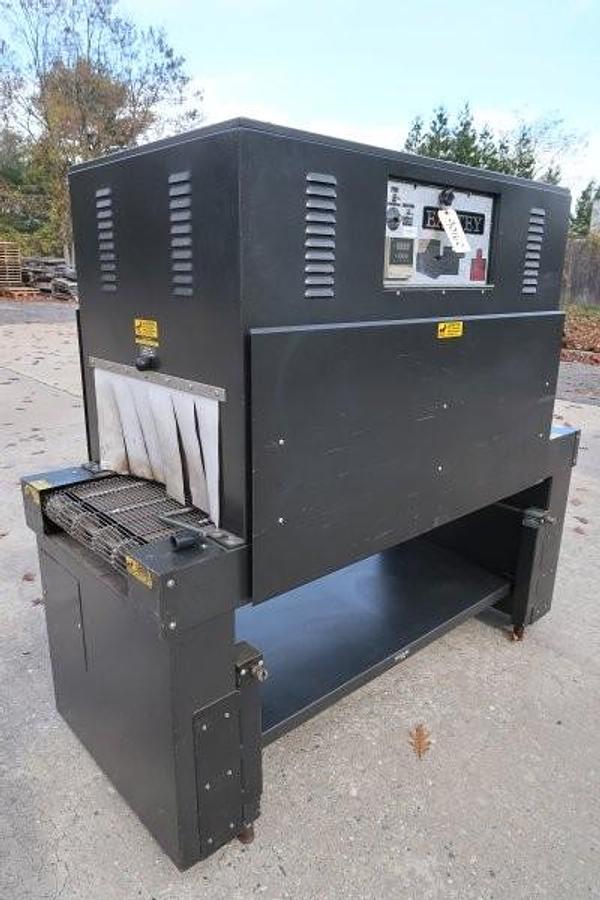
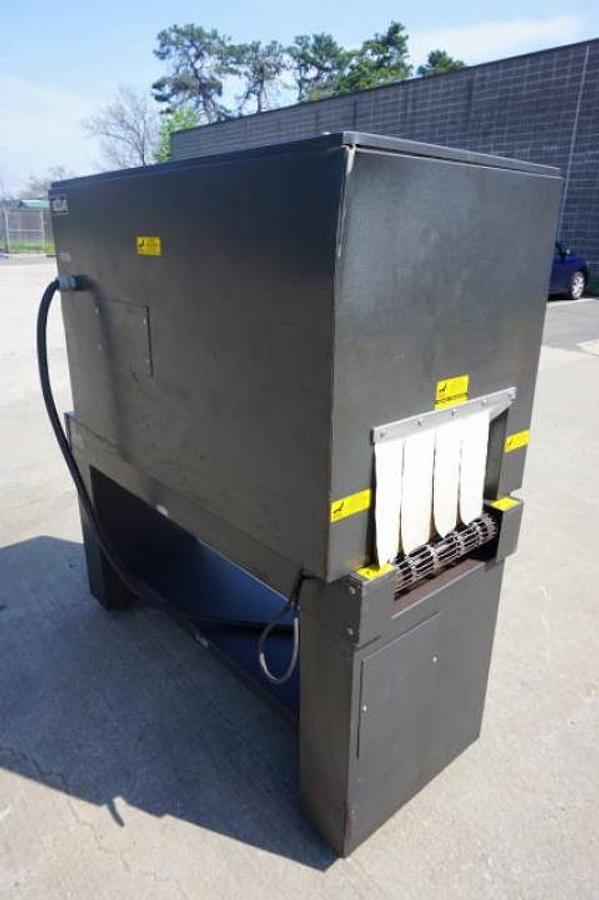
A shrink tunnel is a piece of packaging equipment that uses controlled heat to shrink a plastic film tightly around a product, creating a secure, professional-looking package. Products are placed inside a pre-sealed film sleeve or bag and then passed through the tunnel on a conveyor belt. The heated air inside the tunnel causes the film to contract uniformly around the product's contours. The result is a tamper-evident, moisture-resistant package that protects the product and improves shelf appeal.
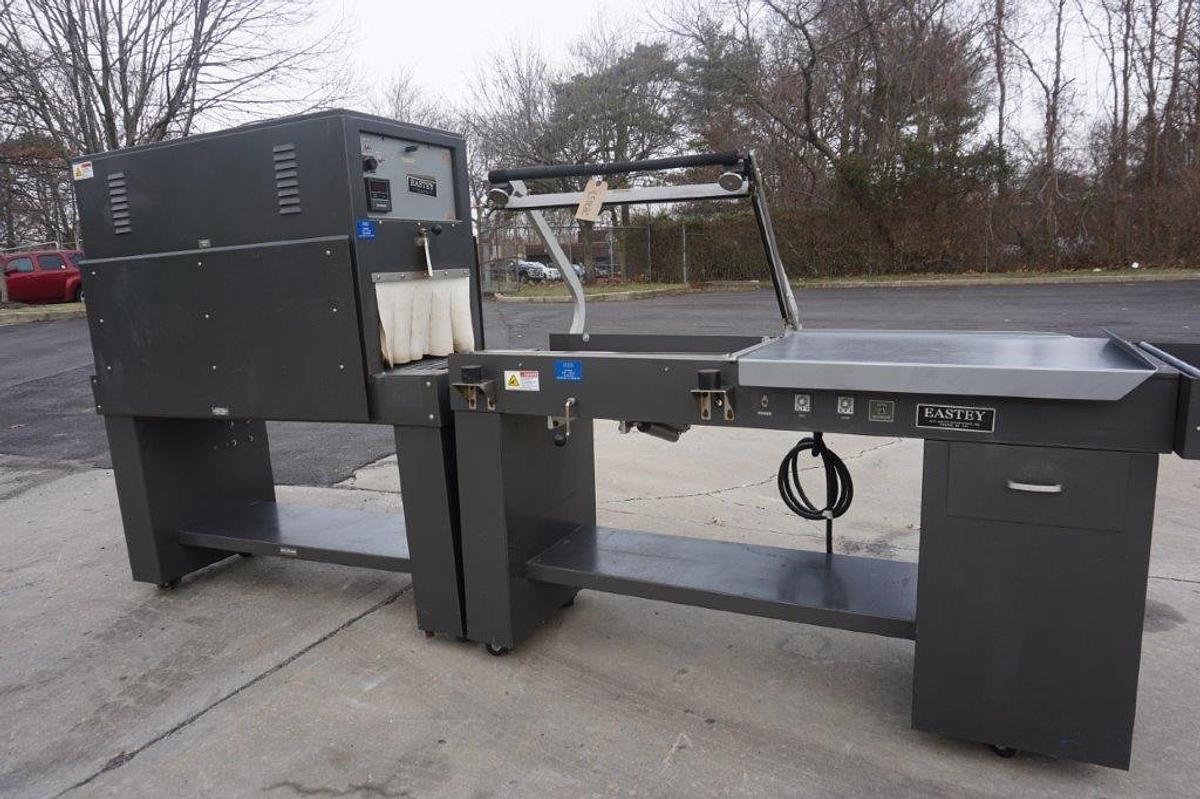
Shrink tunnels are used across a wide range of industries, including food and beverage, cosmetics, pharmaceuticals, and general retail. Common applications include wrapping bottled beverages, boxed goods, candles, toys, and multipacks. The equipment pairs with an L-bar sealer or sleeve sealer that first wraps the film around the product before the tunnel applies the heat. Depending on the model, shrink tunnels can handle everything from small artisan production runs to high-volume industrial output.
What types of products are Jeff Eastey shrink tunnels designed to handle?
Jeff Eastey shrink tunnels are designed with flexibility in mind, making them suitable for a broad range of product types and industries. The equipment has a strong track record in food and beverage packaging, where consistent, hygienic wrapping is critical, but it is equally applicable to cosmetics, pharmaceutical products, hardware, and general retail goods. The focus on custom machinery solutions means the equipment can be configured to meet specific production requirements rather than forcing operators to adapt their products to a one-size-fits-all machine.
The available models reflect this range of applications. For example, a 16-inch wide by 10-inch high tunnel opening accommodates moderately sized products, while a 20-inch by 12-inch motorized tunnel handles larger or bulkier items. Portable semi-automatic L-sealer and shrink tunnel combinations are particularly useful for businesses that need flexibility on the production floor or across multiple packing stations. This variety of specifications makes Jeff Eastey equipment a practical choice for both small-scale specialty producers and larger manufacturing operations.
What shrink film types are compatible with shrink tunnel equipment?
Most shrink tunnels are compatible with two primary film types: PVC (polyvinyl chloride) and polyolefin (POF). PVC film has been used in packaging for decades and is valued for its clarity and relatively low cost. However, it produces fumes when heated, which makes it less suitable for food contact applications and environments without adequate ventilation. POF film has become the preferred choice for food-safe packaging because it is FDA-compliant, produces minimal odor during shrinking, and delivers a tighter, cleaner finish around irregular product shapes.
Polyolefin film also tends to be more puncture-resistant than PVC, which matters when packaging products with sharp edges or corners. When selecting film for a shrink tunnel, the key variables to match are film thickness (typically measured in gauge or microns), shrink ratio, and the tunnel's temperature range. A tunnel with adjustable temperature controls gives operators the flexibility to dial in the right heat for different film types and product sizes without damaging the product or producing uneven shrink results. Always confirm the specific film compatibility of a machine with the equipment dealer before purchasing.
What sizes and models of Jeff Eastey shrink tunnel equipment are available on the used market?
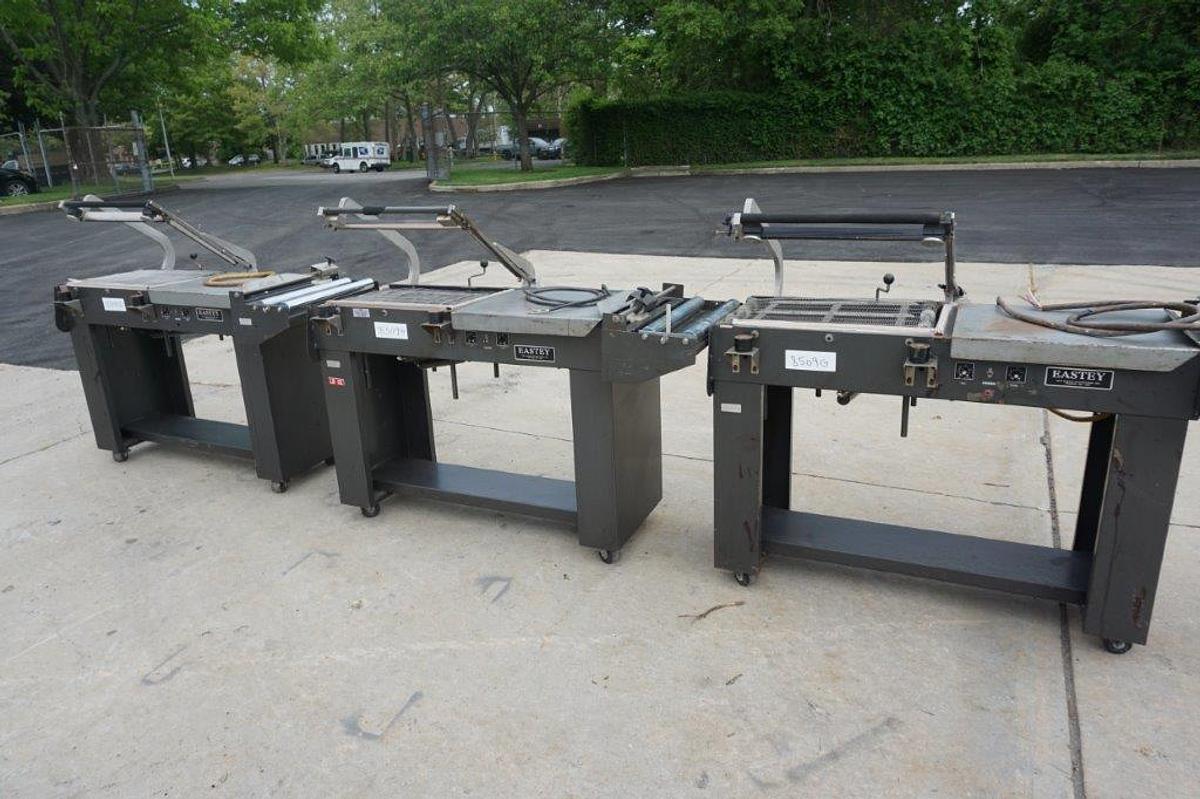
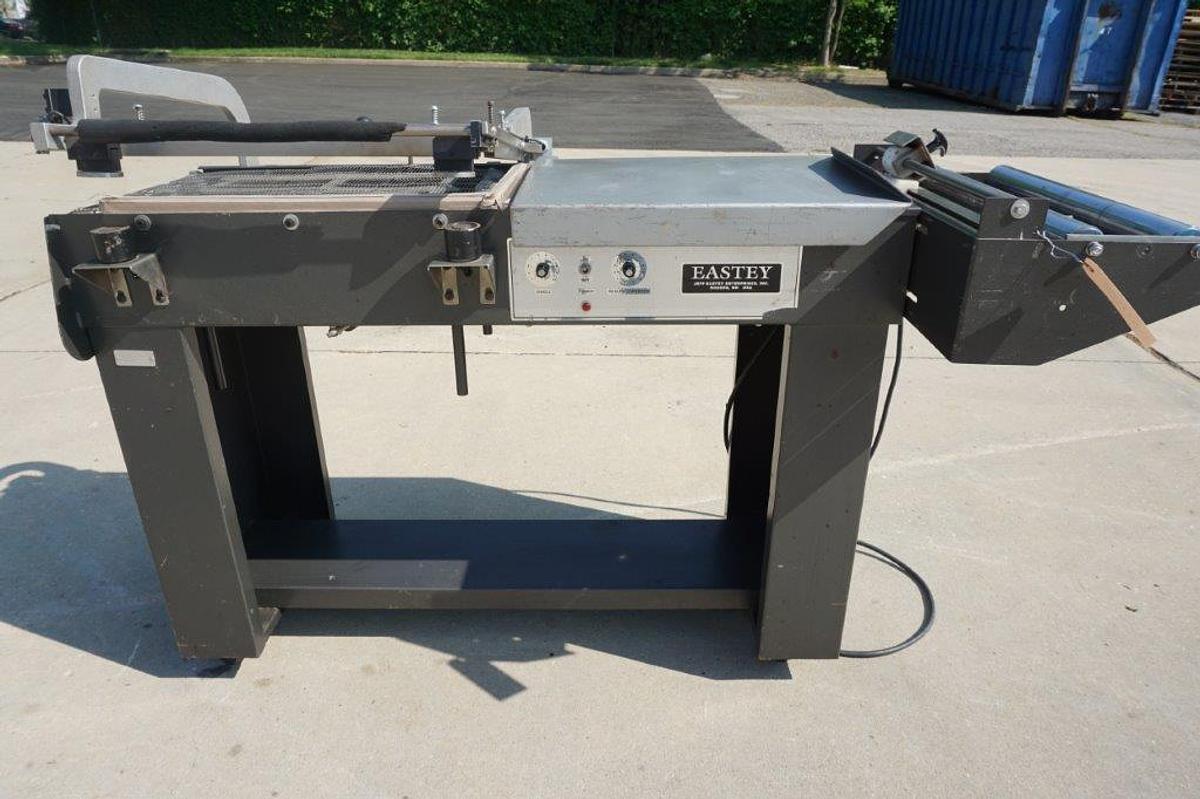
Several Jeff Eastey shrink tunnel models and related sealing equipment appear regularly on the used packaging machinery market. Known models include the EM1622T L-bar sealer (available in both single-unit and portable configurations), a 16-inch wide by 10-inch high opening shrink tunnel, and a 20-inch by 12-inch motorized shrink tunnel. Portable semi-automatic L-sealer and shrink tunnel combinations are also available, which bundle the sealing and shrinking steps into a single, moveable unit. These dimensions refer to the tunnel aperture, which determines the maximum product height and width the machine can accommodate.
Buyers shopping for used Jeff Eastey equipment should pay close attention to the tunnel opening dimensions relative to the largest product they plan to run. A 16-inch wide tunnel is well-suited for standard retail and food packaging, while a 20-inch wide tunnel opens up options for larger multipacks or bulkier consumer goods. Because these are used machines, availability at any given time depends on what has come off production lines and entered the secondary market, so it is worth checking with specialized used packaging equipment dealers regularly if a specific model is needed.
What should buyers look for when inspecting used shrink tunnel equipment?
Inspecting used shrink tunnel equipment requires attention to several mechanical and electrical components that directly affect performance. The conveyor belt is one of the first things to examine, as heat exposure over time can cause warping, cracking, or uneven tension. The heating elements and blower fans inside the tunnel should be checked for signs of burnout or corrosion. Temperature control systems, including the thermostat and any digital controllers, should respond accurately and hold a consistent set point. Uneven heat distribution inside the tunnel is a common issue on older machines and will result in inconsistent shrink quality.
Buyers should also inspect the sealing components if the unit includes an integrated L-bar sealer. The sealing wire or blade, the Teflon coating on the sealing bar, and the timing mechanisms are all wear items that may need replacement. Reputable used equipment dealers will typically accommodate in-person inspections or provide detailed video walkthroughs of the machine in its current condition. Some equipment may still be installed at the selling facility and can be observed running during an arranged visit. Keep in mind that most dealers do not have the permits or production infrastructure to run actual product through the machine during a demonstration, so visual and mechanical inspection is the standard approach.
Is used shrink tunnel equipment suitable for small businesses?
Used shrink tunnel equipment can be an excellent fit for small businesses, particularly because the lower acquisition cost compared to purchasing a machine directly from a manufacturer makes the technology accessible at a much earlier stage of growth. A small food producer, craft beverage brand, or specialty retailer can often find a compact or semi-automatic used shrink tunnel that handles their current production volume without overcommitting capital to equipment that exceeds their needs.
Portable semi-automatic L-sealer and shrink tunnel combinations are especially practical for smaller operations because they combine two steps of the packaging process into one compact unit that can be repositioned on the production floor as needed. The key for small business buyers is to accurately estimate their throughput requirements, measure their largest product dimensions, and match those figures to the tunnel aperture and conveyor speed of the machine they are considering. Buying used also means the equipment has a proven track record, which can actually reduce the uncertainty that sometimes comes with adopting a machine that has never been run in a real production environment.
What power requirements should buyers expect for shrink tunnel equipment?
Shrink tunnels are heat-intensive machines, and their power requirements reflect that. Most commercial shrink tunnels operate on either standard single-phase 110/120V power or three-phase 208/240V power, depending on the size and heating capacity of the unit. Smaller, compact tunnels designed for light-duty or semi-automatic use often run on single-phase power, making them easier to install in smaller facilities without electrical upgrades. Larger industrial tunnels with higher conveyor speeds and greater heating demands typically require three-phase power.
Before purchasing any used shrink tunnel, buyers should confirm the machine's voltage, amperage draw, and phase requirements and compare those against the available electrical service at their facility. Running a machine on incorrect voltage is one of the most common and costly mistakes in used equipment purchases. If the facility does not have three-phase power and the desired machine requires it, the cost of an electrical upgrade or a phase converter should be factored into the total acquisition budget. A qualified electrician should review the machine's nameplate data and the facility's electrical panel before installation.
What is the typical price range for used shrink tunnel equipment?
Pricing for used shrink tunnel equipment varies considerably based on the size of the tunnel aperture, the level of automation, the age of the machine, and its overall condition. At the lower end, compact semi-automatic or portable shrink tunnel units can be found in the range of a few hundred to a couple of thousand dollars. Mid-range commercial tunnels with motorized conveyors, digital temperature controls, and larger openings typically fall in the range of two thousand to ten thousand dollars on the used market. Larger, higher-throughput industrial tunnels can exceed that range depending on specifications and condition.
Buyers should factor in more than just the purchase price when calculating the true cost of acquisition. Shipping and rigging costs for heavier machines can be significant, particularly if the machine requires specialized loading equipment or crating. Any replacement parts needed after inspection, electrical upgrades, and installation labor should also be estimated before committing to a purchase. Used equipment is sold as-is in most cases, so a thorough pre-purchase inspection is the buyer's primary protection against unexpected costs after the machine arrives.
How does the buying process for used packaging machinery typically work?
Purchasing used packaging machinery generally begins with identifying a machine that matches the buyer's production requirements in terms of tunnel size, conveyor speed, film compatibility, and power supply. Once a candidate machine is found, the next step is requesting an inspection. Reputable dealers offer in-person inspections at their facility, video walkthroughs, or detailed photo documentation of the machine's current condition. In some cases, the equipment may still be installed at the facility where it was last used, and the dealer can arrange an inspection at that location.
Most used equipment dealers require full payment before the machine is shipped. Some dealers extend payment terms to repeat customers, but first-time buyers should expect to pay in full upfront. After payment is confirmed, the dealer arranges packaging, crating, and freight. Buyers should ask specifically about palletization or crating standards, rigging requirements for loading and unloading, and whether the shipping quote covers delivery to the door or only to a loading dock. Getting a clear picture of all landed costs, including freight, rigging, and any applicable taxes, before finalizing the purchase helps avoid surprises.
What level of manufacturer support can buyers expect for used Jeff Eastey equipment?
Support availability for used packaging machinery depends heavily on the age of the machine and the manufacturer's current parts and service infrastructure. For Jeff Eastey equipment, buyers are encouraged to contact the manufacturer directly to understand what level of technical support, spare parts, and documentation is available for the specific model they are considering. Older or discontinued models may have limited parts availability, while more recent models may still have full manufacturer support. Getting clarity on this before purchasing can significantly affect the long-term operating cost of the machine.
Because used equipment is sold as-is without the protections that come with a manufacturer's purchase, buyers carry the responsibility of due diligence. Selecting a dealer with a long track record of selling packaging machinery specifically, rather than a general industrial equipment reseller, provides an additional layer of confidence. Experienced specialty dealers are more likely to accurately represent the condition of the machine, have knowledge of common issues with specific models, and be able to assist with sourcing parts or connecting buyers with qualified service technicians. Consulting the manufacturer about service support and consulting the dealer about machine history are both steps worth taking before any purchase is finalized.