Category
Manufacturer
Model
Ishida
Ishida is a global leader in packaging and weighing solutions, particularly for the food industry. They are renowned for their multihead weighers and packaging machines that ensure accuracy and efficiency in production.
FAQ:
What types of Ishida equipment are commonly available on the used market?
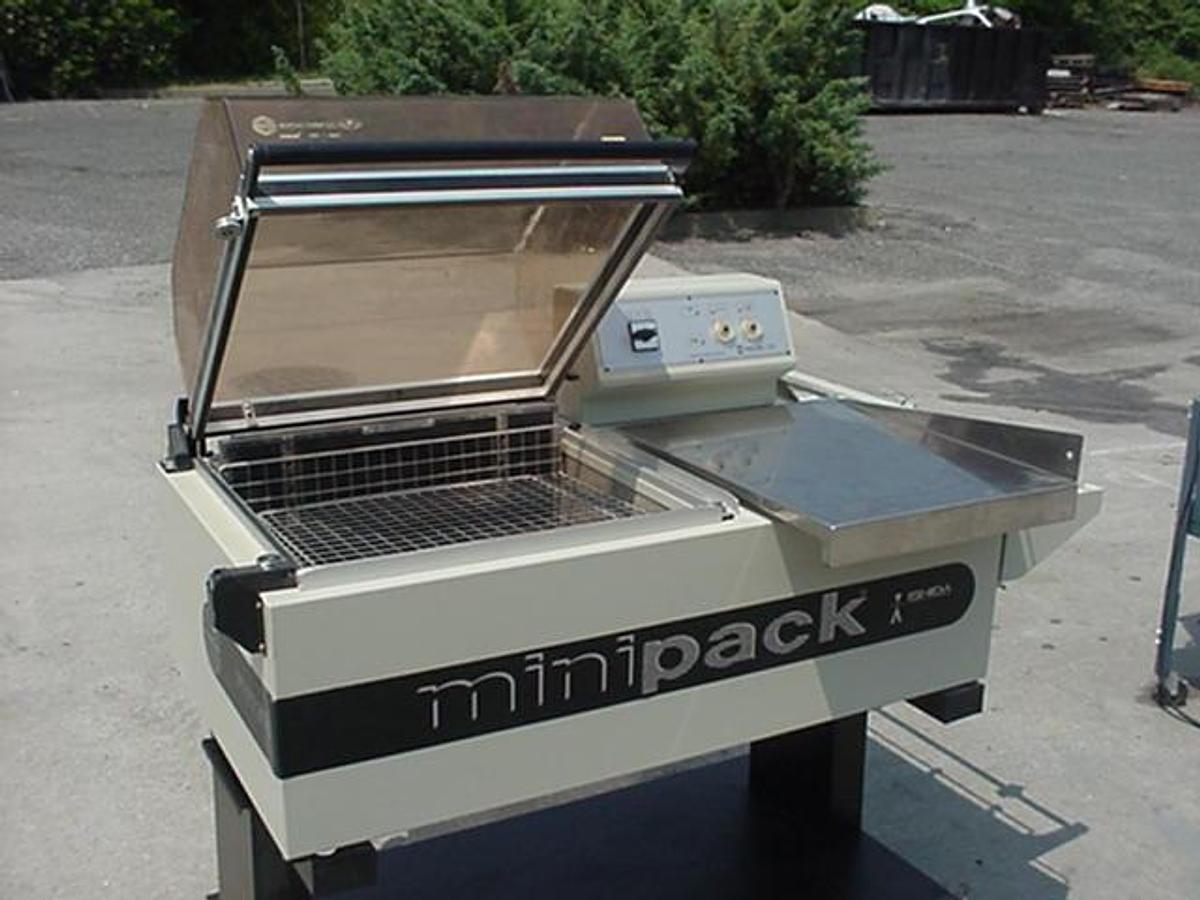
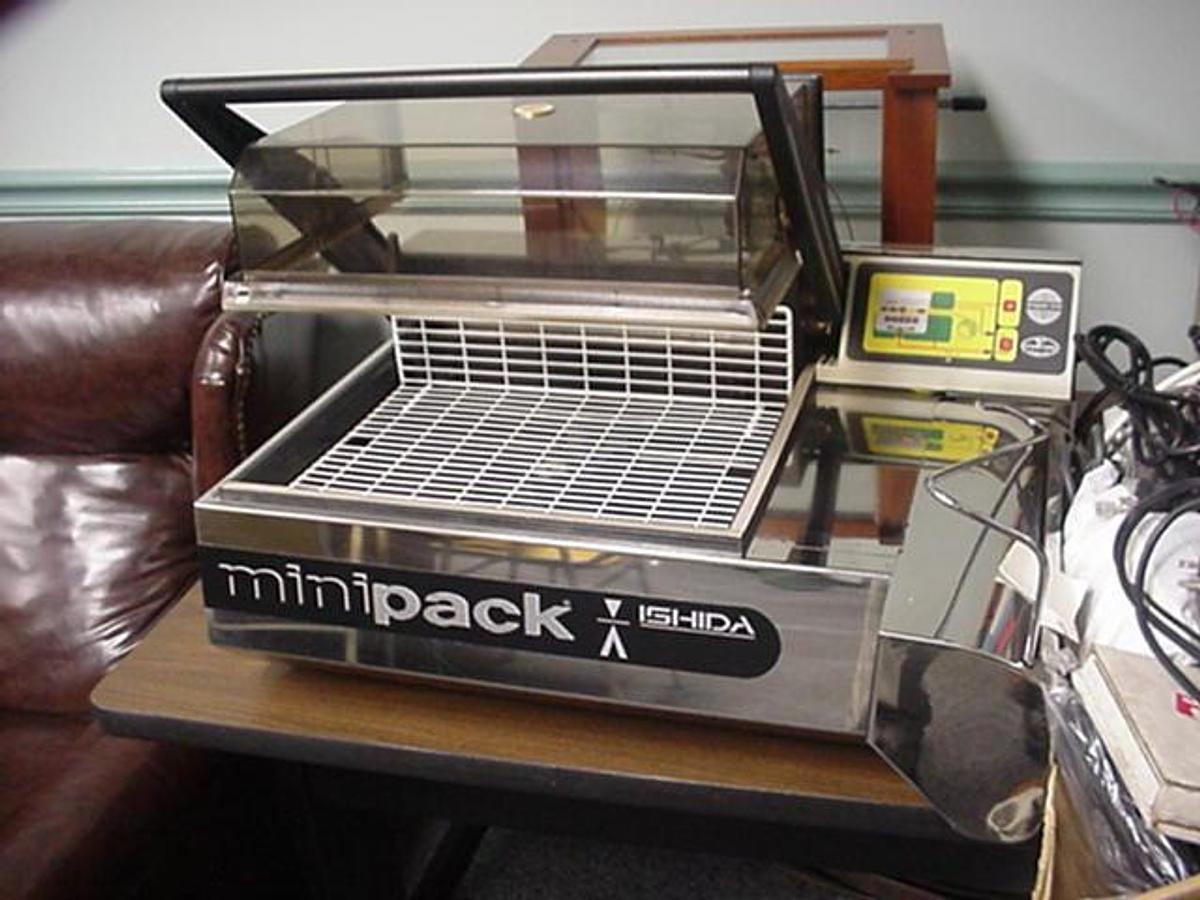
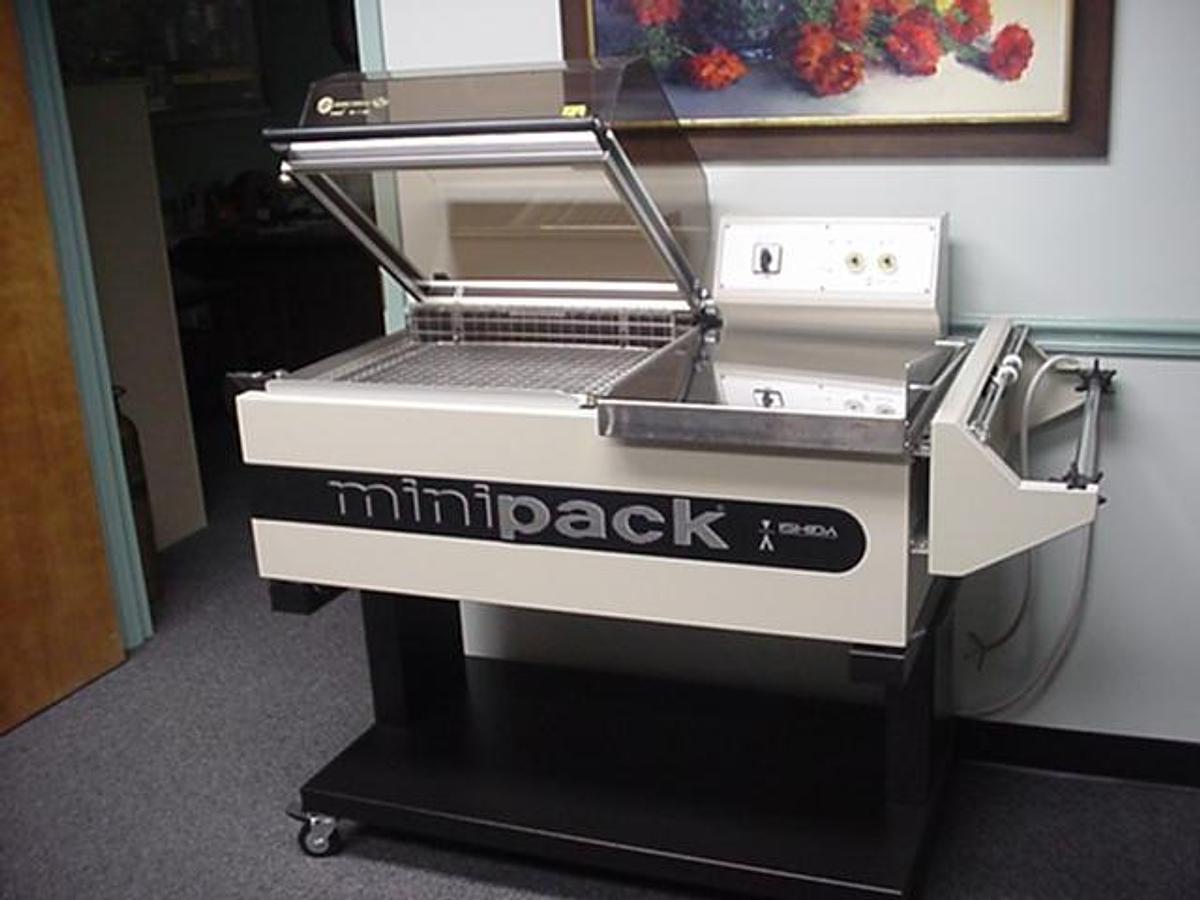
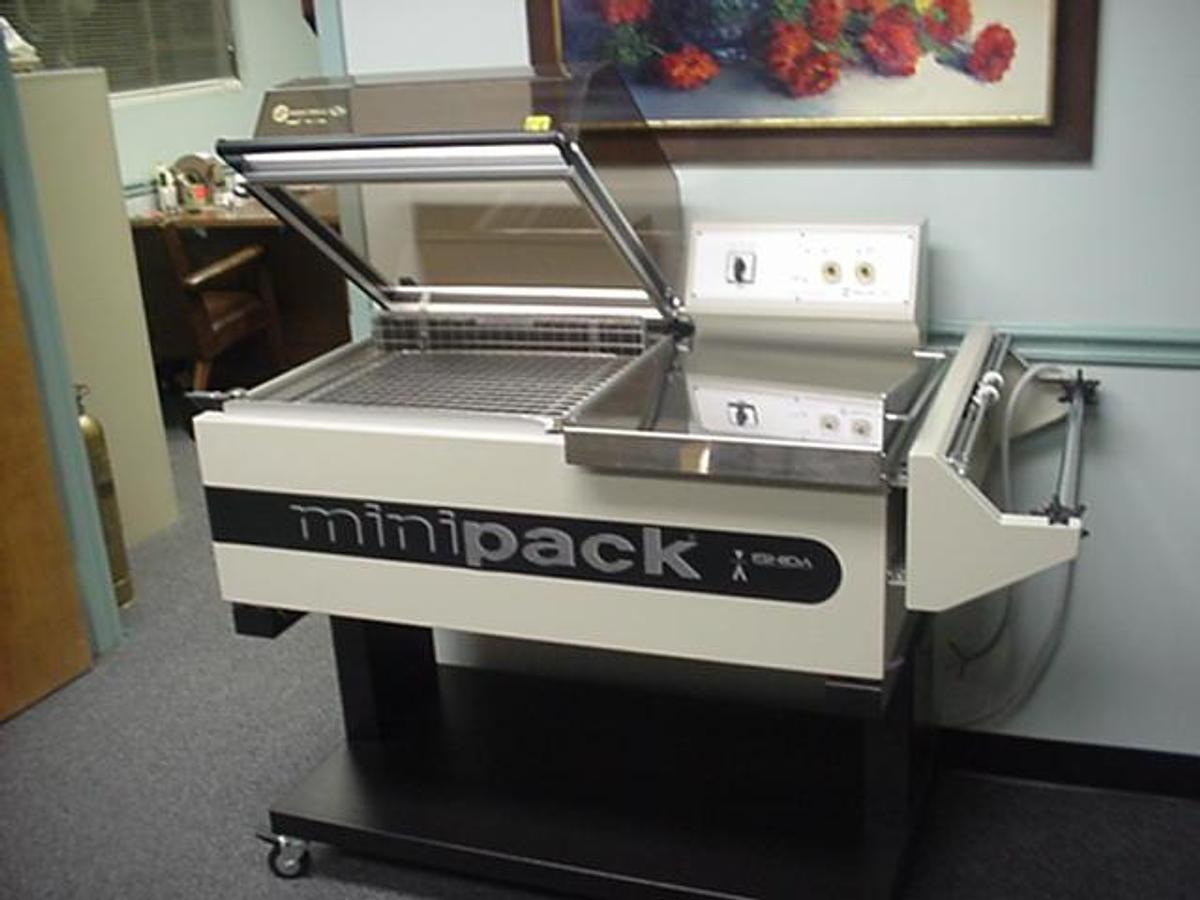
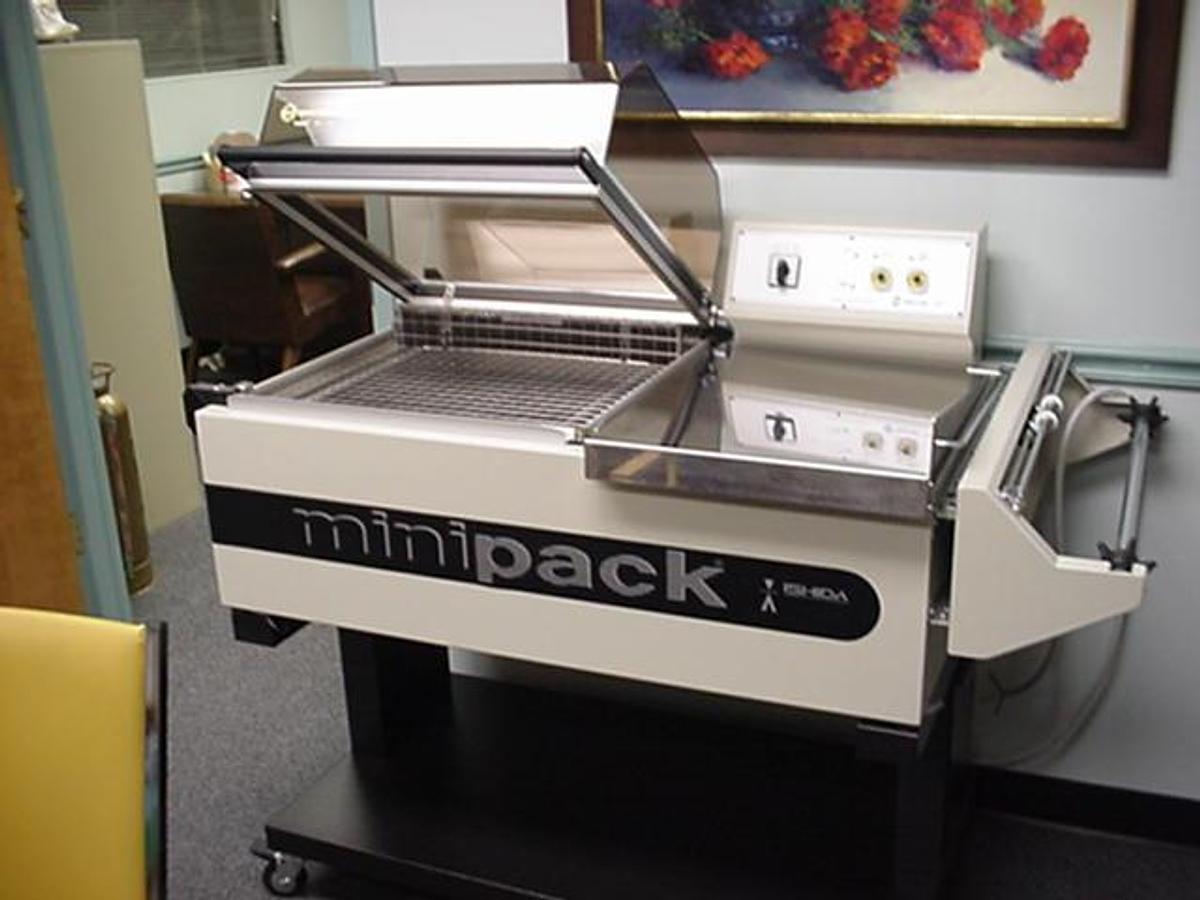
Ishida produces a wide range of packaging and weighing machinery, and several product lines appear regularly on the used equipment market. The most sought-after are multihead weighers from the RV and CCW series, which are widely used in food processing for high-speed, accurate portioning. Also commonly available are DACS series checkweighers, IX series X-ray inspection systems, QX series tray sealers, and shrink packaging machines such as the FM-76 and FM76 models. Tabletop units like the 'Mini Mini' 7200-SS shrink packager also surface periodically, making Ishida accessible to smaller operations that don't need full-scale production equipment.
Because Ishida machines are built to last and hold their value well, used examples tend to stay in circulation for many years. A facility upgrading to a newer model will often resell a perfectly functional older unit, which is how much of the used Ishida inventory originates. Buyers should pay attention to the specific model and configuration, since multihead weighers, for example, vary significantly by head count, bucket size, and product compatibility. A 14-head rotary scale system handles very different applications than a compact tabletop unit, so matching the machine to the intended product and throughput requirement is the most important first step.
What industries use Ishida packaging and weighing equipment?
Ishida is primarily associated with the food processing and packaging industry, where precision weighing and speed are critical to profitability. Their multihead weighers are extensively used for snack foods, frozen foods, fresh produce, confectionery, meat, poultry, seafood, and pet food. The ability to weigh at high speeds with minimal product giveaway makes them especially valuable in high-volume production environments where even a fraction of a gram per pack adds up to significant cost over time. Checkweighers and X-ray inspection systems are also widely used in food manufacturing for quality control and regulatory compliance.
Beyond food, Ishida equipment finds application in non-food sectors including hardware, pharmaceuticals, and industrial components where accurate portion weighing or inspection is required. That said, the vast majority of used Ishida machines on the market come from food production environments, so buyers in other industries should verify that the specific machine configuration suits their product type. Stainless steel construction on many Ishida models makes them adaptable across industries where sanitation and washdown capability matter, but it's worth confirming the exact spec before purchasing a used unit for a non-food application.
How reliable are used Ishida machines, and what should buyers know before purchasing?
Ishida equipment has a strong reputation for durability, which is a primary reason the used market for these machines is active and well-regarded. Many Ishida multihead weighers and checkweighers remain in productive service for 10 to 20 years with proper maintenance, which means a used machine can still have substantial working life remaining. That said, reliability on the used market varies based on how the machine was maintained, how intensively it was run, and whether it has been refurbished before resale. Buyers should ask the seller directly about the machine's production history, the age of wear parts, and whether any refurbishment work has been completed.
Used equipment is typically sold as-is, which places the responsibility of due diligence squarely on the buyer. Selecting a dealer with a long track record in food processing or packaging machinery is one of the most important steps a buyer can take. Reputable dealers will offer in-person inspections, virtual walkthroughs, or detailed video documentation of the machine's current condition. Buyers should also contact Ishida directly to confirm parts availability and support options for the specific model they're considering, since older or discontinued models may have limited manufacturer support. Age, model generation, and regional parts availability are all factors worth investigating before committing to a purchase.
What is the typical price range for used Ishida weighing and packaging equipment?
Pricing for used Ishida equipment varies considerably depending on the machine type, model, age, condition, and configuration. Compact tabletop shrink packagers like the Mini Mini 7200-SS tend to be among the more affordable options, often appealing to smaller operations or those looking to add a secondary packaging station. Mid-range multihead weighers in good working condition can range from tens of thousands of dollars into six figures for larger, more complex systems like 14-head or higher-count rotary scale systems. X-ray inspection systems and tray sealers also carry significant price tags relative to their condition and throughput capability.
Buyers should factor in more than just the purchase price when evaluating total cost. Shipping, rigging, installation, and any parts replacement needed to bring the machine to full working order all contribute to the landed cost. A lower-priced machine that requires significant reconditioning may end up costing more than a slightly higher-priced unit in better condition. Getting a clear picture of the machine's current state through inspection before purchase, and budgeting for installation and any necessary service work, gives buyers a more accurate sense of the real investment involved.
Do used Ishida machines come with a warranty?
Warranties on used equipment are handled differently than on manufacturer-direct purchases. Manufacturers like Ishida typically only extend warranty coverage on equipment sold through their authorized channels. Used equipment dealers generally sell machinery as-is, meaning there is no manufacturer warranty transferred with the sale. This is standard practice across the used industrial equipment industry, and buyers should go in with that expectation clearly in mind.
Because there is no warranty backstop, the buyer's own due diligence becomes the primary protection. This means working with dealers who have a verifiable history of selling food processing and packaging equipment, requesting thorough inspections before purchase, and consulting with Ishida to understand what parts and technical support are available for the specific model. Some dealers may offer limited representations about the machine's condition based on their own inspection, but this is not the same as a manufacturer warranty. The more thoroughly a buyer vets the machine and the seller before completing the transaction, the better positioned they are to make a sound purchasing decision.
How does Ishida multihead weighing technology work, and why is it valued in production?
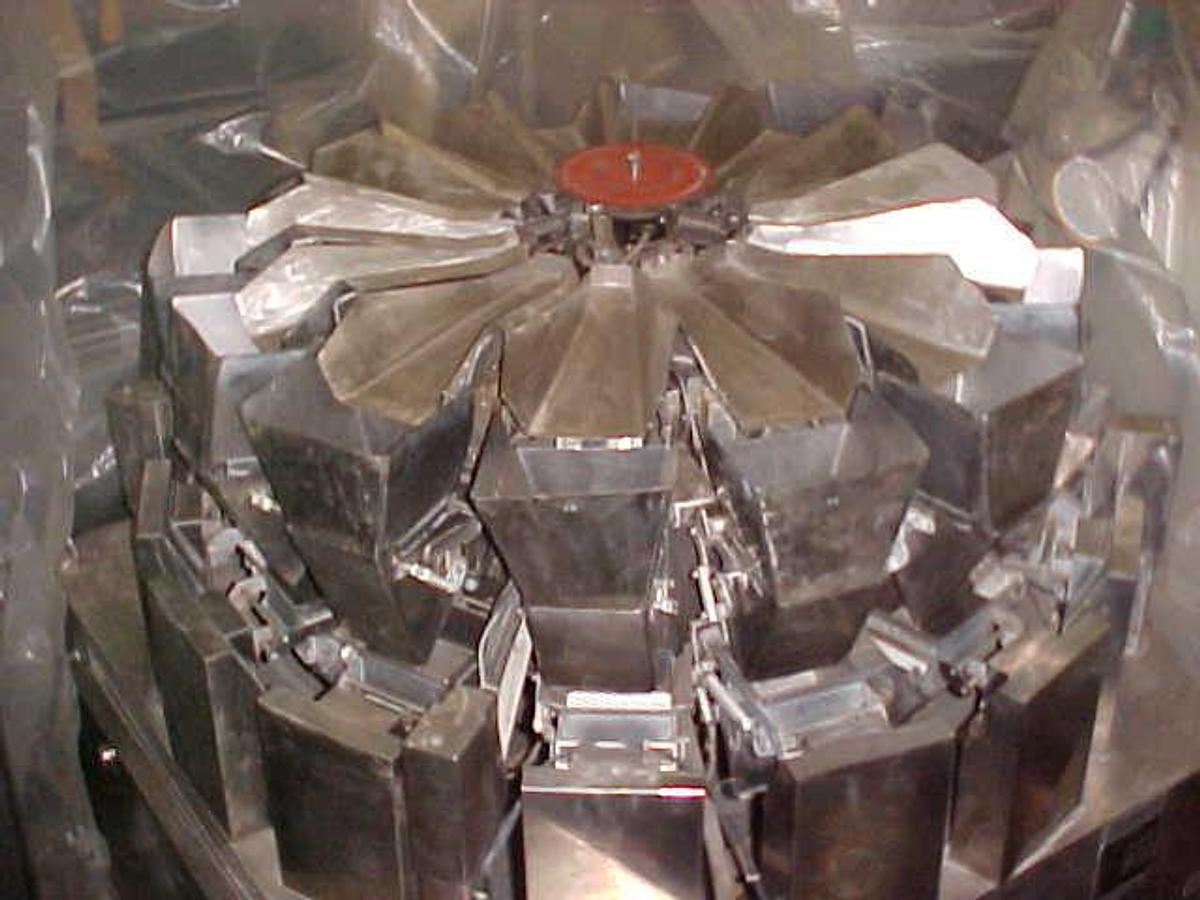
Ishida is widely credited with pioneering the multihead weigher, and the technology remains an industry benchmark for speed and accuracy in portion weighing. The system works by distributing product across multiple radial hoppers arranged in a circle around a central dispersion cone. Each head independently weighs a small portion of product, and the machine's computer calculates which combination of heads will produce a total weight closest to the target without going under. This combinational weighing approach allows the machine to achieve extremely tight weight tolerances at speeds that manual weighing or simpler mechanical systems cannot match.
The practical impact on production economics is significant. Reducing product giveaway, even by a fraction of a gram per pack, translates to measurable cost savings at high production volumes. A machine weighing thousands of packs per hour at consistently accurate weights pays for itself over time through reduced raw material waste. Used Ishida multihead weighers retain this core advantage even as they age, provided the load cells and mechanical components are in good condition. Head count matters too: a 14-head system can evaluate more weight combinations per cycle than a 10-head unit, generally resulting in better accuracy, which is why higher-head-count machines are preferred for products where tight tolerances are critical.
What maintenance does Ishida packaging and weighing equipment require?
Regular maintenance is essential to keeping Ishida equipment performing accurately and reliably. For multihead weighers, the most critical maintenance tasks involve cleaning the product contact surfaces thoroughly after each production run, inspecting and calibrating load cells on a scheduled basis, and checking the condition of timing gates, buckets, and the central dispersion cone for wear or damage. Load cell calibration in particular directly affects weighing accuracy, so it should be part of any routine maintenance protocol. Lubrication of drive components and inspection of seals and gaskets also fall into standard upkeep.
For shrink packagers and tray sealers, sealing elements, heating components, and film drive mechanisms require periodic inspection and replacement as wear parts. Checkweighers need regular calibration checks using certified test weights to ensure they remain within specification for regulatory compliance. X-ray inspection systems require periodic sensitivity testing and detector maintenance. When purchasing used Ishida equipment, it's worth asking the seller for any maintenance records that may be available, since a machine with documented regular servicing is generally a lower-risk purchase than one with an unknown maintenance history. Consulting Ishida's technical support team about the maintenance schedule for a specific model is also a practical step, particularly for buyers who are new to operating that type of equipment.
Can used Ishida equipment be integrated with an existing production line?
Ishida machines are designed with production line integration in mind, and many models include standard interfacing options for connecting to upstream and downstream equipment such as bagmakers, conveyors, checkweighers, and labelers. Multihead weighers, for example, are routinely paired with vertical form-fill-seal bagmakers in snack food and frozen food lines. The physical footprint, discharge height, and timing outputs of the weigher need to be compatible with the bagmaker or downstream equipment, so verifying these specifications against the existing line is an important pre-purchase step.
With used equipment, integration can sometimes require additional work compared to a purpose-configured setup. Control systems on older machines may use communication protocols that differ from newer line equipment, and some retrofitting or interface work may be necessary. Buyers should document the specifications of their existing production line, including conveyor heights, belt speeds, and control system types, and cross-reference these against the used machine's documented specs before purchase. Consulting with a qualified equipment integrator or the manufacturer's technical team can help identify any compatibility gaps early, avoiding surprises during installation.
What should buyers expect during the inspection process for used Ishida equipment?
Inspecting a used machine before purchase is one of the most important steps in the buying process, and reputable dealers will accommodate this in several ways. In-person inspections allow the buyer or their technician to examine the machine directly, check the condition of wear parts, review the control system, and assess the overall mechanical state. Virtual inspections conducted via video call are a practical alternative for buyers who cannot travel, and many dealers will also provide detailed video documentation of the machine showing key components, any visible wear, and the control panel. The goal in all cases is to get an accurate picture of the machine's current working condition.
One important limitation to understand is that most used equipment dealers are not set up for full production testing. Running a machine through an actual production cycle requires product, permitting, and a production-ready facility, which a typical equipment dealer will not have. What an inspection can reveal is the mechanical condition, the state of electrical components, whether the machine powers on and cycles correctly, and any visible damage or wear. For Ishida multihead weighers, checking the load cells and hoppers closely is particularly important. Buyers should ask the dealer specifically what the inspection will cover and what it will not, so expectations are clear before committing to a purchase.
What are the shipping and logistics considerations for purchasing used Ishida equipment?
Shipping used Ishida machinery involves more planning than standard freight because of the size, weight, and precision nature of the equipment. Multihead weighers and shrink packagers are substantial pieces of equipment that require proper crating or palletization to prevent damage in transit. The level of packaging required depends on the machine's dimensions and fragility, and costs will vary accordingly. Buyers should ask the dealer specifically how the machine will be prepared for shipping, what crating or palletization is included, and whether any components need to be removed and packed separately to prevent transit damage.
Larger or heavier machines may require specialized rigging for loading at the dealer's facility and unloading at the destination. Forklift access, crane requirements, and dock height are all factors that need to be assessed at both ends of the shipment. These rigging costs are typically additional to the base freight charge and should be factored into the total landed cost calculation before finalizing a purchase. Buyers should request a full breakdown of shipping, crating, and rigging costs from the dealer upfront so there are no surprises. For international shipments, customs documentation, import duties, and compliance with local electrical standards are additional considerations that add complexity and cost to the transaction.