Category
Manufacturer
Model
Inline Filling Systems
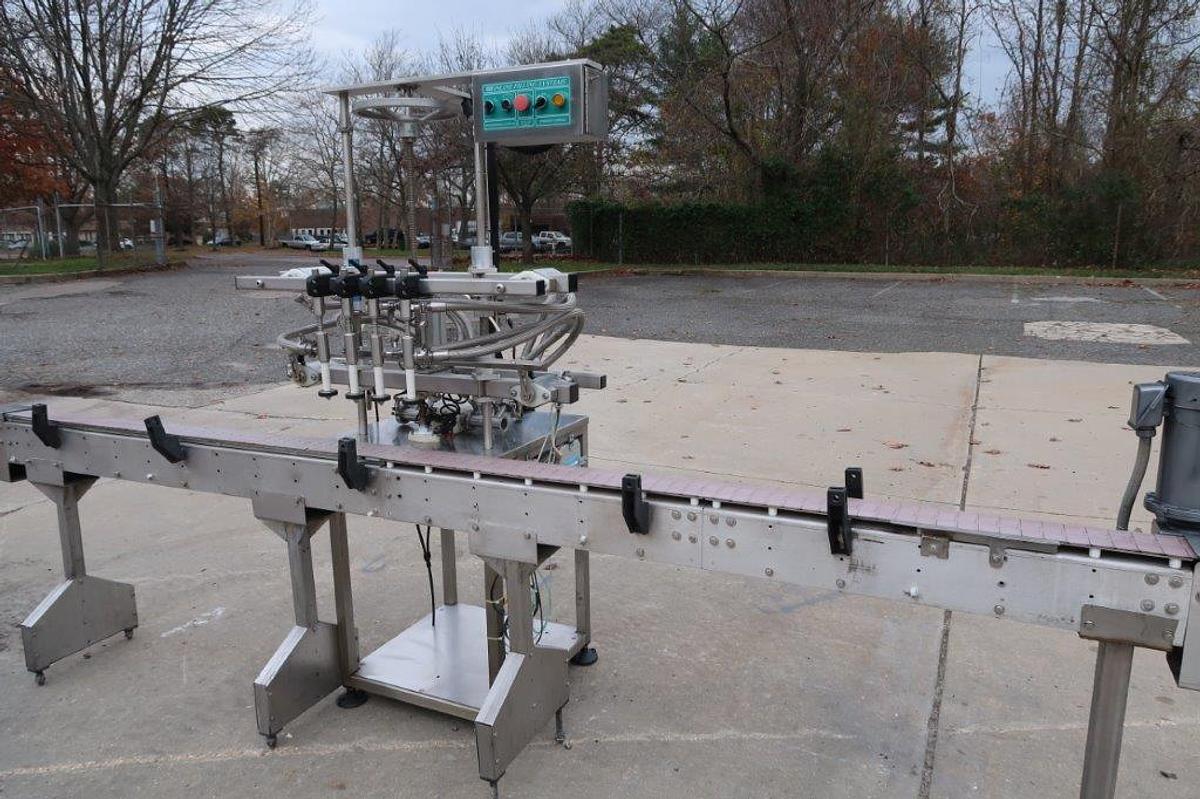
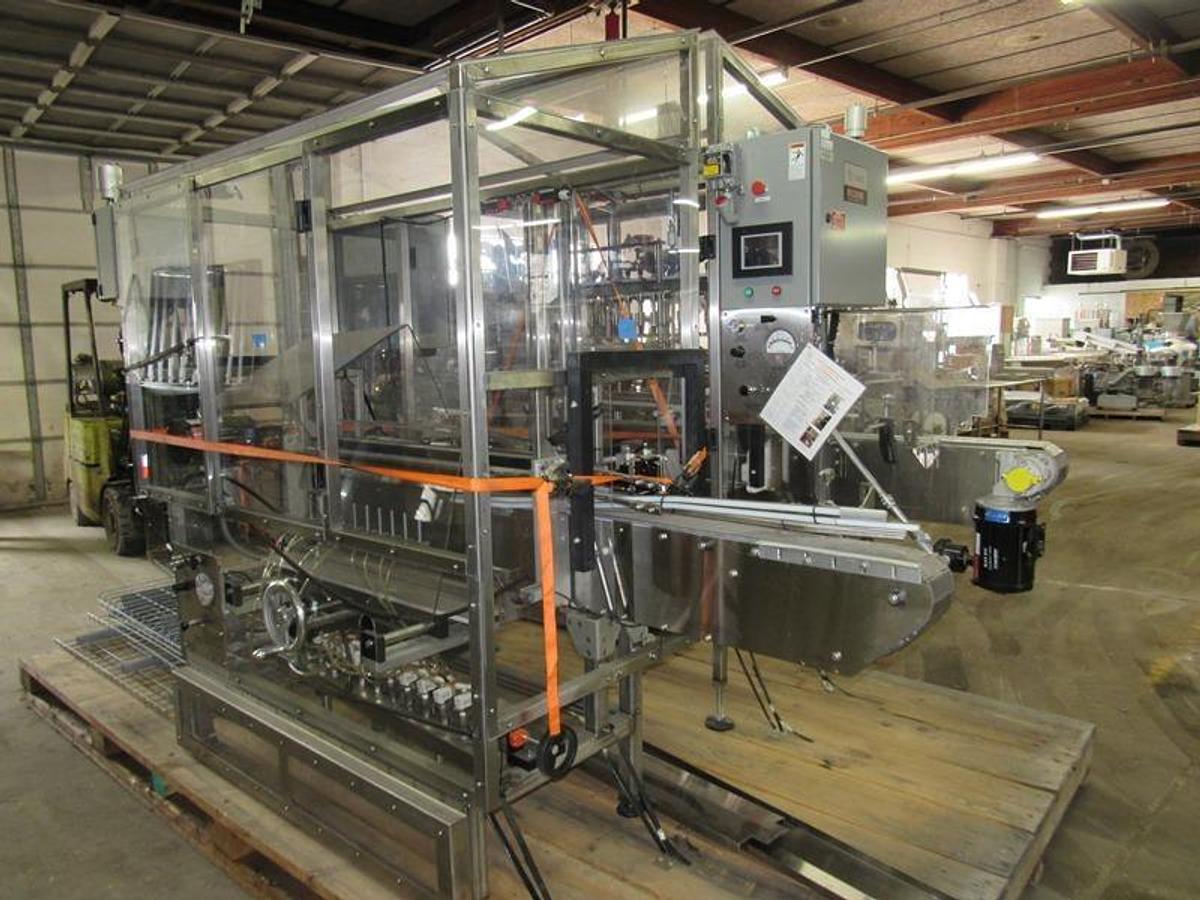
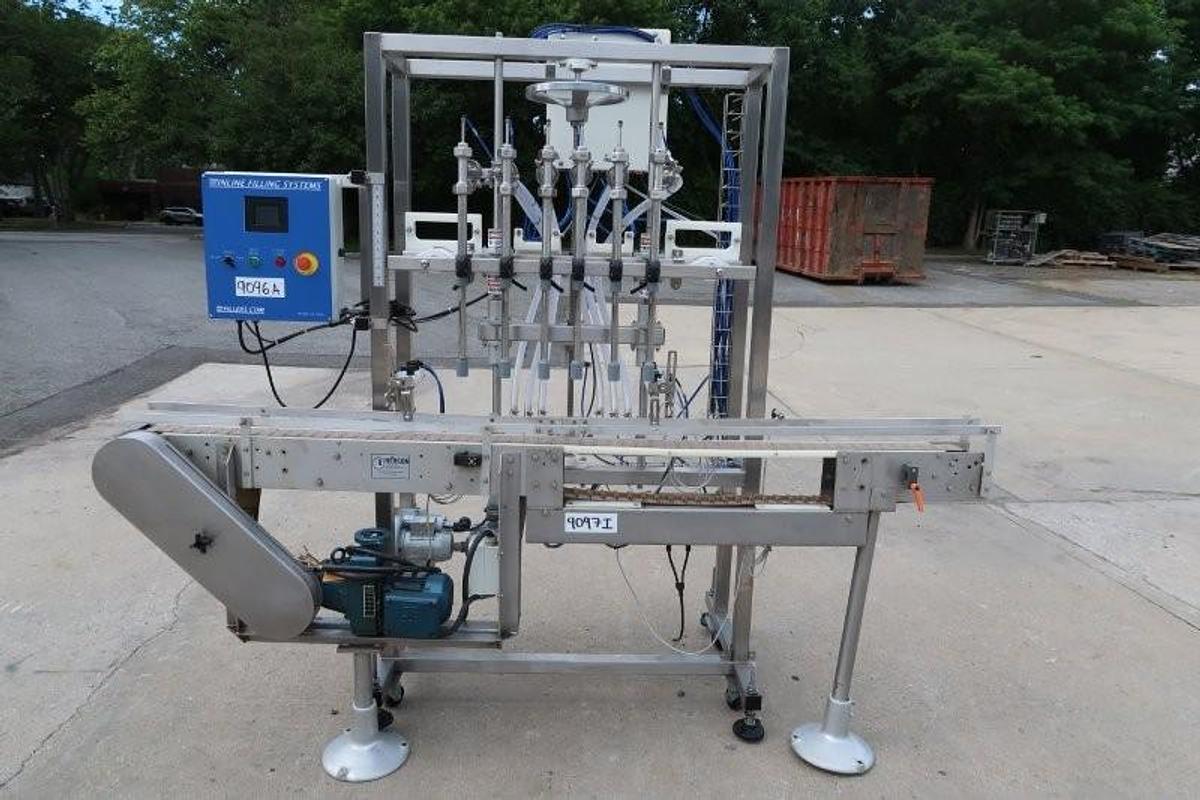
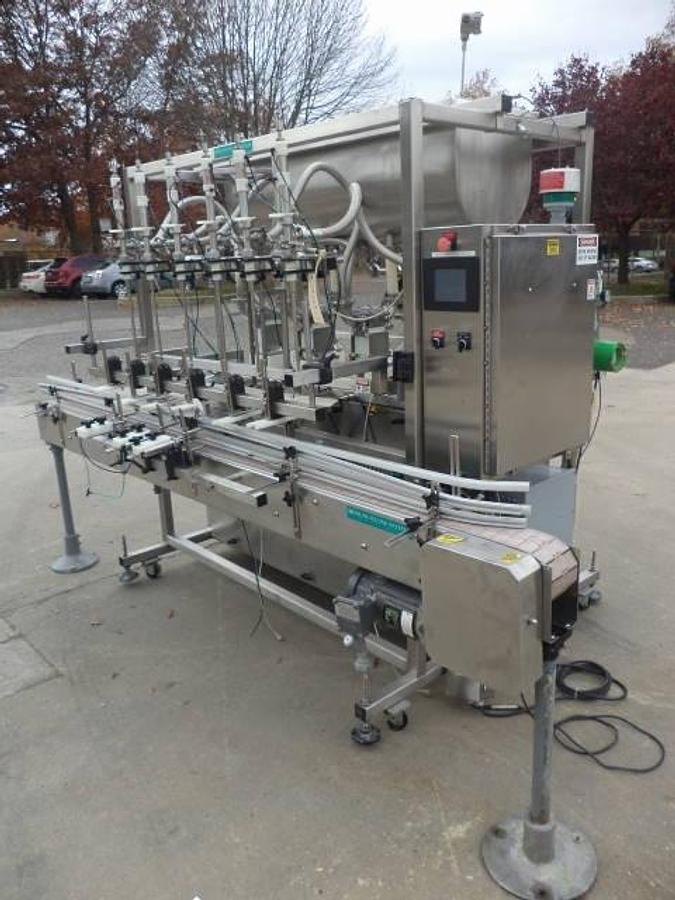
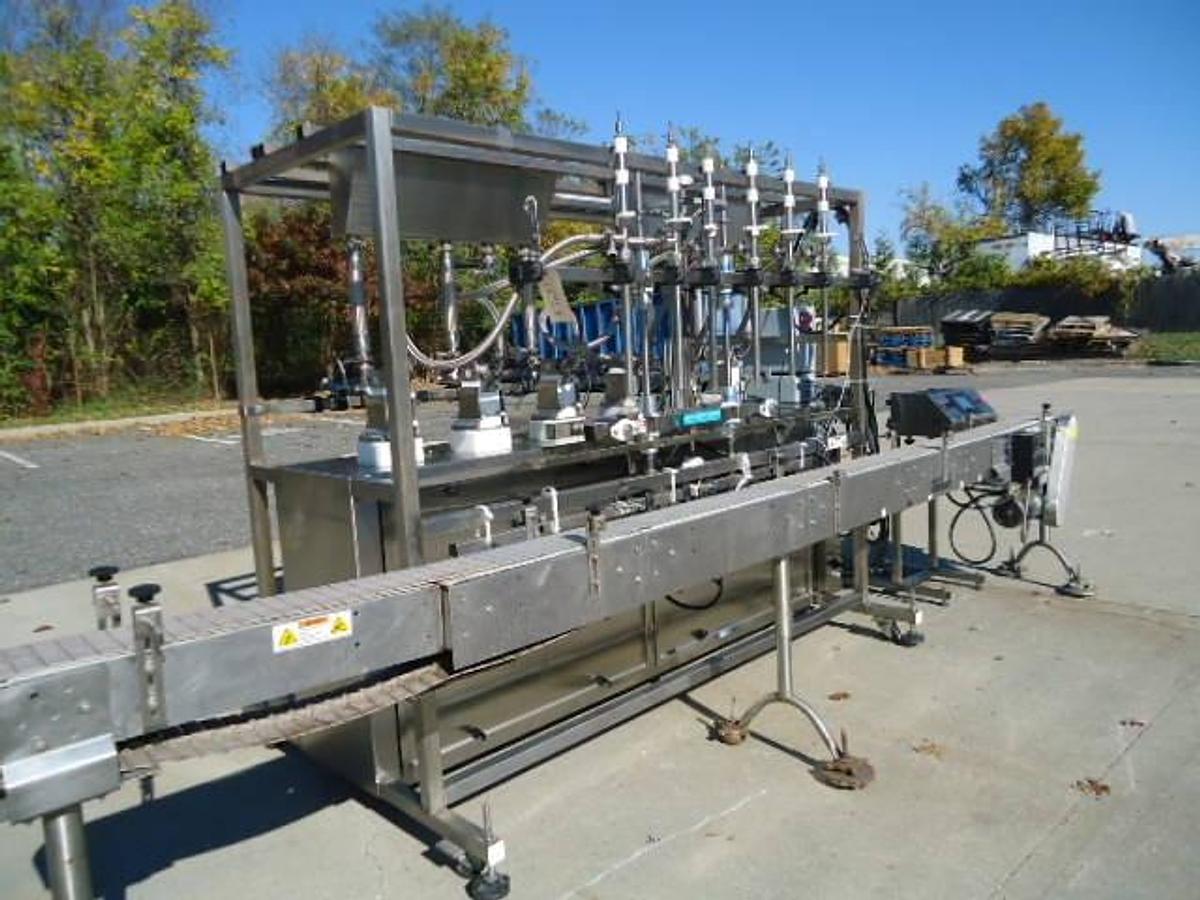
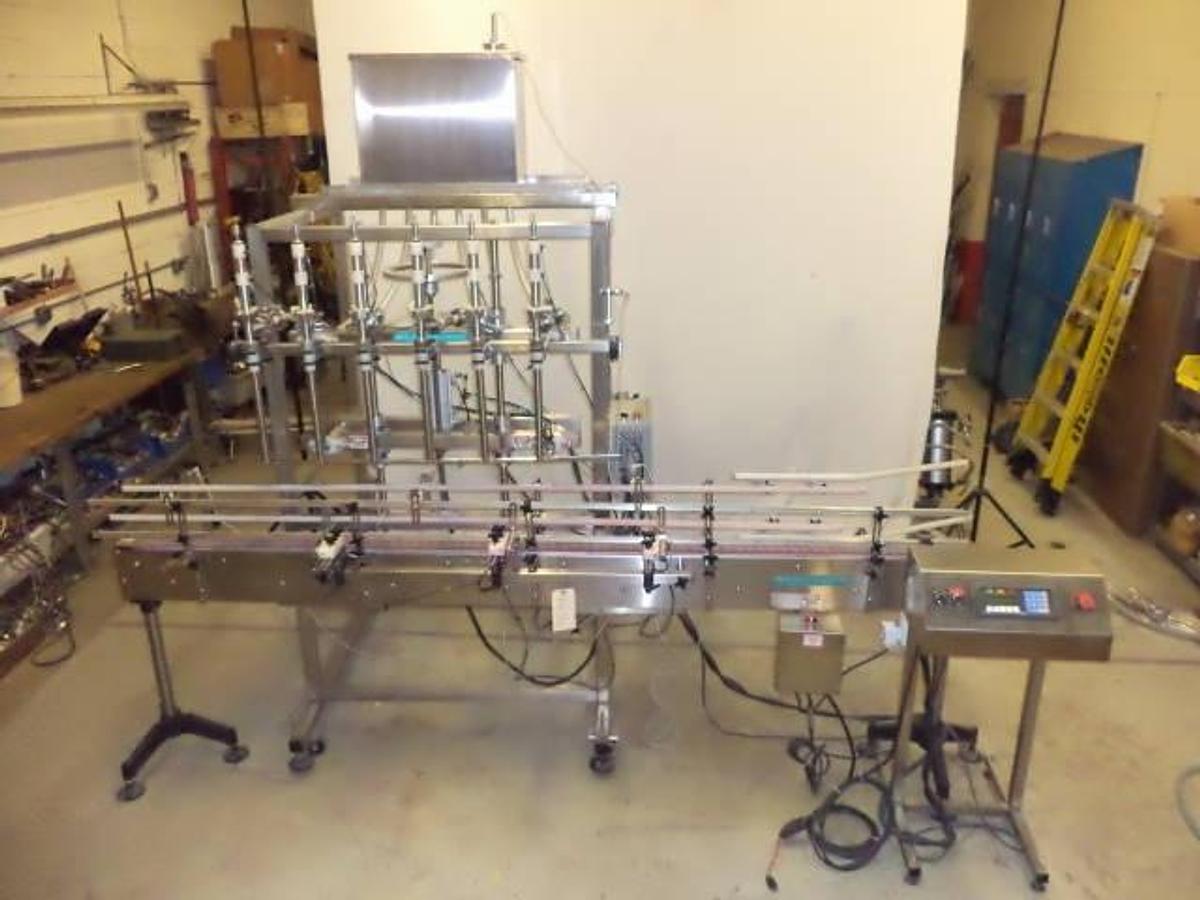
Inline Filling Systems offers a variety of filling machines tailored for different industries, including food, beverage, and personal care. Their equipment is known for its flexibility and efficiency, accommodating various container shapes and sizes.
FAQ:
What types of products can Inline Filling Systems machines handle?
Inline Filling Systems machines are built to handle a wide range of liquid products across multiple viscosity levels. Depending on the machine model, they can process thin, free-flowing liquids like water, juice, and cleaning solutions, as well as thicker products such as sauces, lotions, gels, and pastes. The lineup includes overflow fillers, piston fillers, gravity fillers, positive displacement pump fillers, and time/gravity fillers, each suited to different product characteristics. For example, overflow fillers work well with thin, foamy, or non-viscous liquids where a consistent fill level is more important than fill volume, while piston and positive displacement fillers are better suited to thick or chunky products that require precise volumetric control.
The equipment is also designed to accommodate various container shapes and sizes, from small bottles in the 375mL range up to containers holding several gallons. This flexibility makes IFS machines a practical choice for producers who run multiple SKUs or who need to switch between product types without major retooling. Stainless steel construction is common across the product line, which supports use in food-grade, pharmaceutical, and personal care environments where sanitation standards are strict.
What industries commonly use Inline Filling Systems equipment?
Inline Filling Systems equipment has a strong presence across several industries that require reliable, repeatable liquid filling. The food and beverage sector is one of the most common applications, covering everything from hot-fill sauces and condiments to beverages and cooking oils. Personal care and cosmetics manufacturers use IFS machines for filling shampoos, lotions, creams, and other liquid or semi-liquid products. Chemical and industrial product companies rely on them for filling cleaning agents, lubricants, and similar fluids, and pharmaceutical and nutraceutical producers use them where precise fill volumes and sanitary construction are required.
The breadth of industries served comes down to the range of machine types available. An explosion-proof filling line, for instance, is specifically designed for flammable or volatile products, making it appropriate for certain chemical or solvent applications. A hot filler with an air rinser is built for food-grade environments where containers need to be cleaned before filling and products are filled at elevated temperatures. Buyers from nearly any liquid product sector can typically find an IFS machine configuration that fits their production requirements, which is one reason the brand has remained a recognized name in the filling equipment market.
What is the difference between overflow fillers and piston fillers in the Inline Filling Systems lineup?
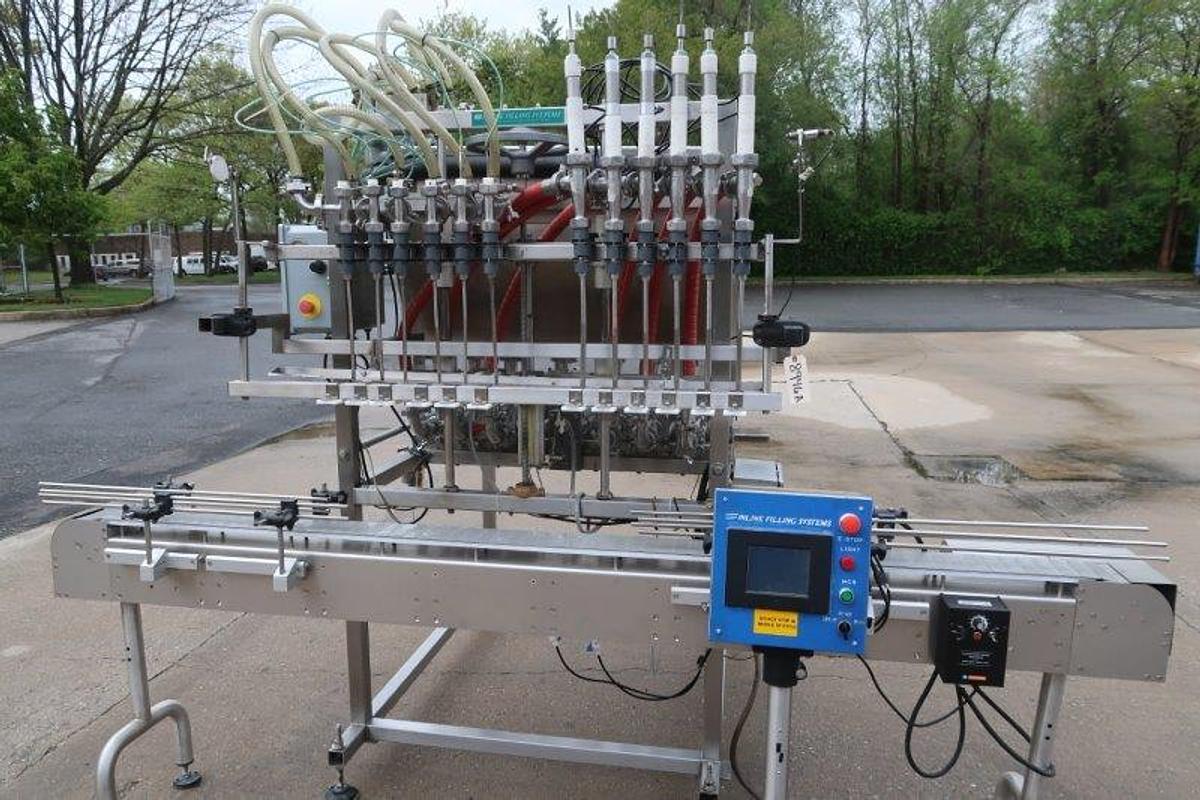
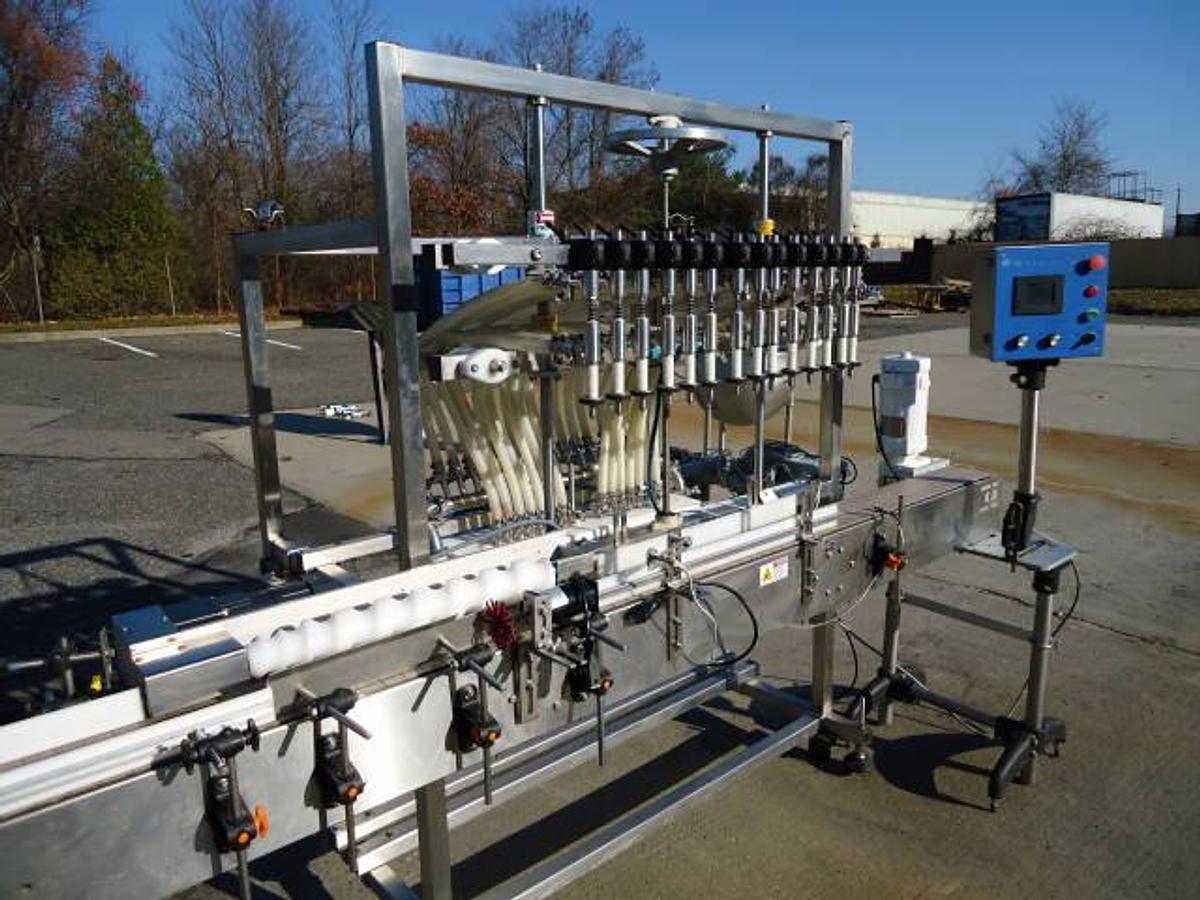
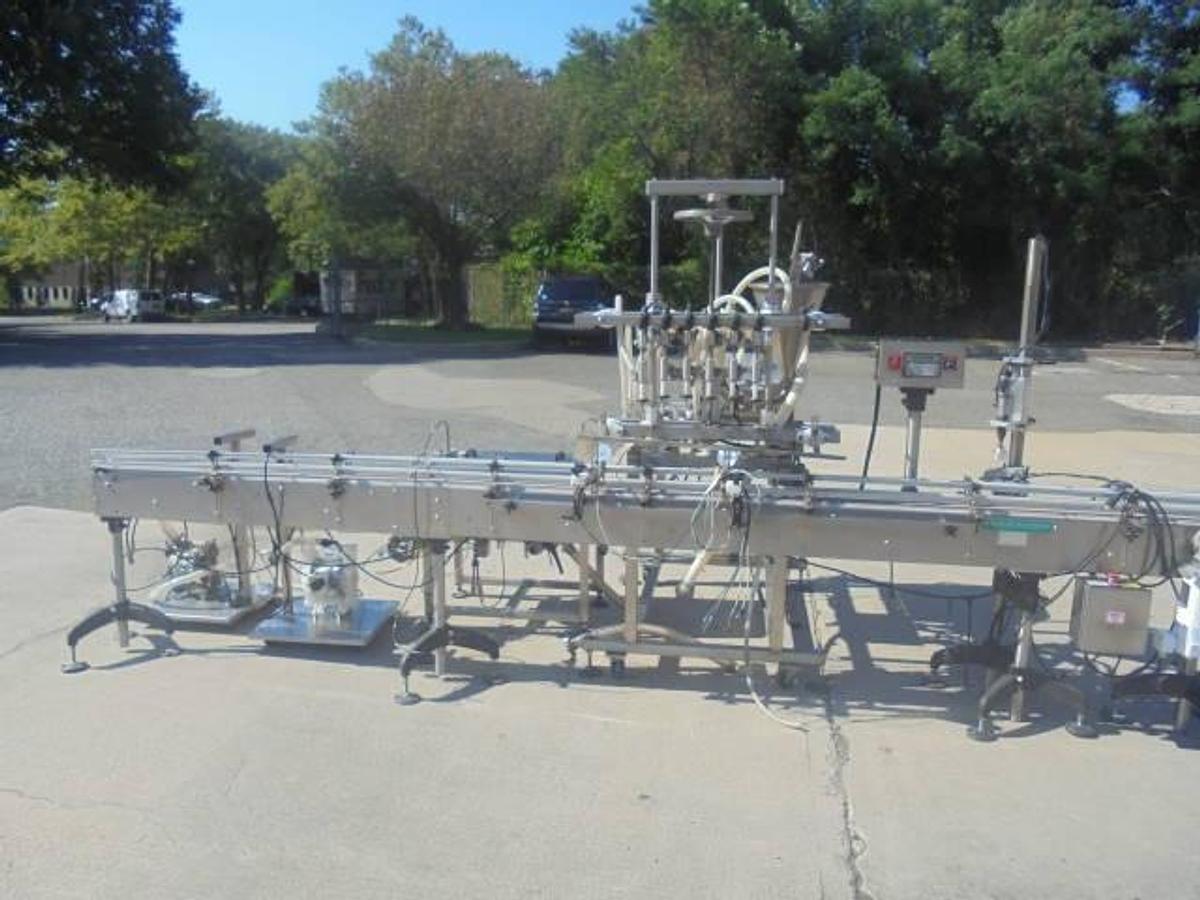
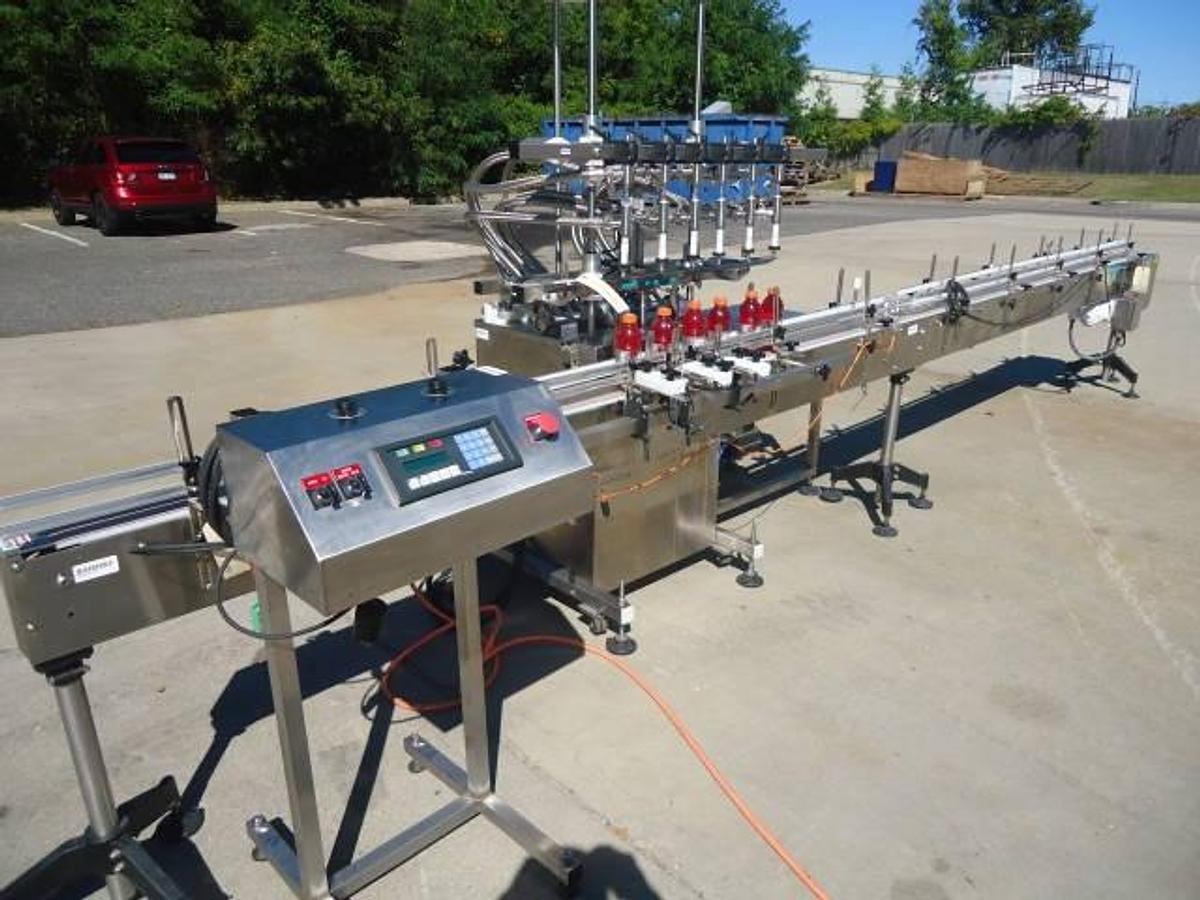
Overflow fillers and piston fillers serve different purposes and are suited to different product types. An overflow filler works by filling each container to a set level, with excess liquid flowing back into a recirculating tank. This method produces a visually consistent fill level across all containers, which is important for clear or translucent bottles where a uniform appearance on the shelf matters. Overflow fillers are best used with thin, non-viscous, and non-carbonated liquids. IFS offers several overflow filling machines, including multi-spout straight-line models and complete overflow filling lines with integrated cappers.
Piston fillers, by contrast, use a cylinder-and-piston mechanism to draw in a precise volume of product and then dispense it into the container. This makes them well-suited for thicker products, products with particulates, or any application where volumetric accuracy is the priority rather than fill level consistency. IFS produces both pneumatic piston fillers and servo-driven piston fillers. Servo-driven models offer finer control over fill speed and volume, which is useful for sensitive or high-value products. When evaluating a used IFS machine, understanding which filling principle it uses is one of the first steps in determining whether it fits the intended application.
What fill volume ranges do Inline Filling Systems machines typically support?
IFS machines cover a broad fill volume range, which is part of what makes them attractive to producers running diverse product lines. At the lower end, many piston and positive displacement models can be configured to fill containers starting at just a few milliliters, which suits sample sizes, travel containers, or concentrated products. At the upper end, larger models can handle containers up to several gallons, making them viable for bulk liquid products, industrial fluids, or foodservice-sized packaging. Some machines in the used market are specifically noted for bottle size ranges, such as equipment rated for 375mL to one-liter bottles.
Fill volume capability is typically adjusted through mechanical or electronic settings on the machine, depending on the model. Older pneumatic models may use mechanical stops or adjustable cylinders to set fill volumes, while servo-driven models allow operators to dial in precise volumes through a control interface. When purchasing a used IFS machine, buyers should verify the fill range specifications against their actual container sizes and confirm that any necessary change parts for different bottle formats are included with the machine or available separately.
Are Inline Filling Systems machines suitable for small businesses or startups?
IFS produces both semi-automatic and fully automatic machines, which means the equipment can be appropriate for operations at different scales. A semi-automatic piston or gravity filler requires an operator to place and remove containers manually, but automates the fill cycle itself. This type of machine has a lower throughput than a fully automatic line but also has a lower price point and a smaller footprint, making it a reasonable starting point for a small producer who is scaling up from hand-filling. A used semi-automatic IFS machine can represent significant savings compared to buying comparable equipment from a manufacturer at list price.
Fully automatic IFS filling lines, which include features like integrated conveyors, automatic container indexing, and multi-head filling, are better suited to higher-volume production environments. For a startup, the decision often comes down to current production volume versus projected growth. Buying a used automatic line at a reduced price can make sense if the business expects to grow into that capacity quickly. Prospective buyers should also factor in the space requirements, electrical supply, and compressed air needs of the specific machine before committing, as fully automatic lines can have significant infrastructure requirements.
How difficult is it to set up and operate an Inline Filling Systems machine?
IFS machines are generally regarded as operator-friendly within the filling equipment category, partly because the brand has focused on designs that allow for relatively straightforward changeovers between container sizes and product types. On a typical IFS overflow or piston filler, changing from one bottle size to another involves adjusting fill heads, conveyor rails, and container guides, which can often be done with basic hand tools. Servo-driven models simplify this further by allowing fill parameters to be adjusted through the machine's control panel rather than through physical adjustments alone.
That said, setting up any used filling machine requires some technical familiarity with the equipment. Buyers without prior experience running filling lines may benefit from consulting with a technician or working with a dealer who can provide guidance on initial setup. It is also worth noting that used machines may have wear on components that affects calibration, so verifying fill accuracy after installation is an important step. IFS being a U.S.-based manufacturer is a practical advantage here, since sourcing replacement parts or reaching out to the manufacturer for technical documentation tends to be more straightforward than with overseas brands.
What should buyers inspect when evaluating a used Inline Filling Systems machine?
A thorough inspection of a used IFS machine should cover both the mechanical condition and the completeness of the machine. On the mechanical side, key areas to check include the condition of seals, O-rings, and gaskets in the fill heads and product pathways, since these wear over time and affect fill accuracy and sanitation. Pneumatic components such as cylinders and valves should be checked for leaks or sluggish operation. On servo-driven models, the servo motors and controllers should be verified as functional. Conveyor belts, drives, and guide rails on automatic lines should be inspected for wear, and the overall frame and stainless steel surfaces should be examined for corrosion, dents, or repairs that might indicate prior damage.
Buyers should also confirm that all change parts for their specific container sizes are included, since missing change parts can add unexpected cost after purchase. Reputable used equipment dealers will typically accommodate in-person inspections at their facility or, in cases where the machine is still at the original production site, can arrange access through the selling facility. Virtual inspections via video are also commonly offered. Requesting video of the machine in operation, even if it cannot be run with actual product, can help verify that motors, conveyors, and fill mechanisms are functional before committing to a purchase.
Do used Inline Filling Systems machines come with a warranty?
Used filling equipment, including IFS machines, is typically sold on an as-is basis by used equipment dealers. Unlike purchasing directly from a manufacturer, buyers of used machinery should not expect a formal warranty covering parts or labor. This is standard practice across the used industrial equipment market and reflects the reality that the machines have prior production history that a dealer cannot fully account for. The responsibility for assessing the condition of the equipment falls primarily on the buyer, which is why thorough pre-purchase inspections are so important.
To manage this risk, buyers should prioritize dealers with a long track record in the packaging machinery sector and a verifiable history of selling filling equipment specifically. Industry-specialized dealers are more likely to accurately represent a machine's condition and can often provide more detailed information about its production history. It is also worth contacting Inline Filling Systems directly to understand what level of technical support, parts availability, and documentation they can provide for a specific model, since older or discontinued models may have limited manufacturer support. Understanding parts availability before purchasing is a practical way to assess the long-term viability of a used machine.
Can a used Inline Filling Systems machine be integrated into an existing production line?
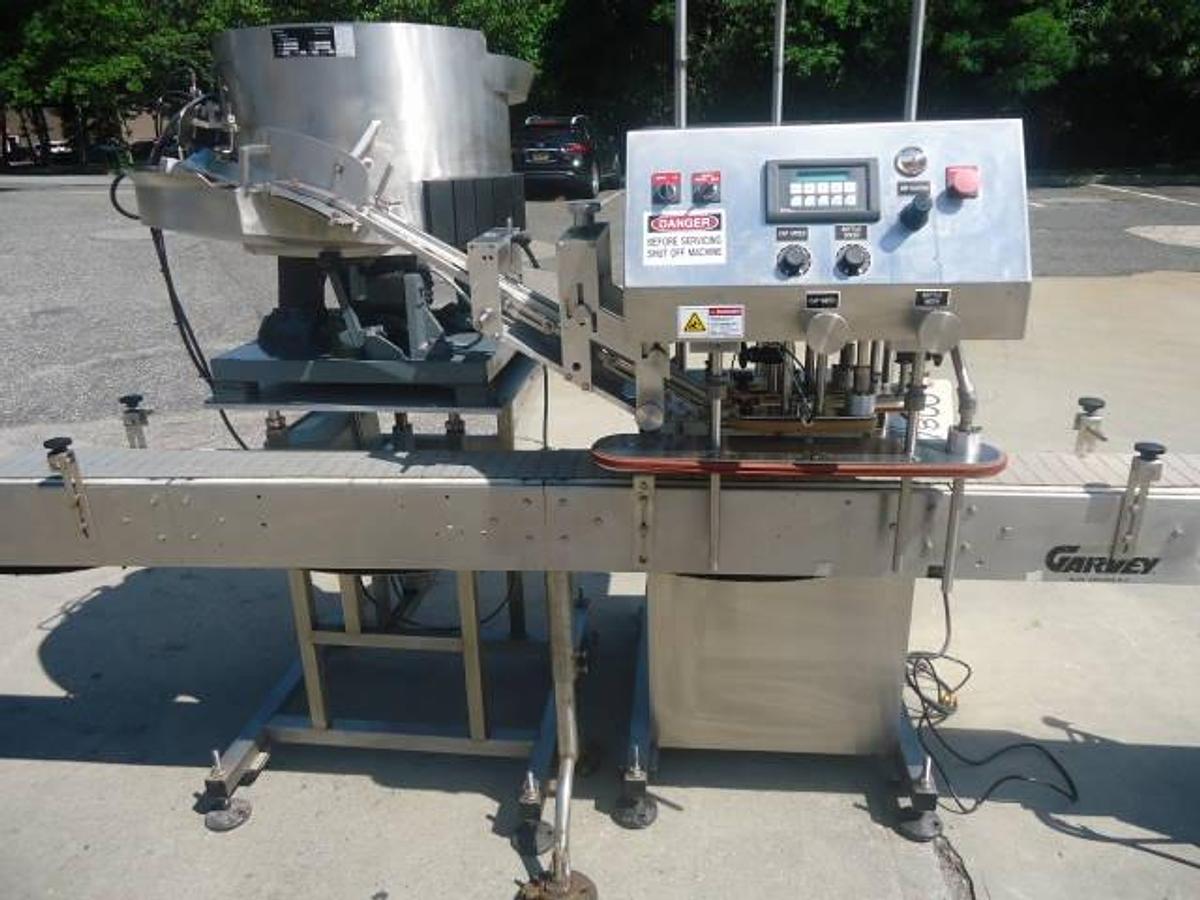
IFS machines are designed with production line integration in mind. Many models in the lineup include built-in conveyor systems or are designed to interface with standard conveyor configurations, which simplifies the process of connecting a filler to upstream and downstream equipment like cappers, labelers, or case packers. The brand offers complete filling lines that combine filling and capping in a single integrated system, which can reduce the complexity of integration for buyers who are building out or expanding a line. Individual machines can also be added as standalone units in a partially manual or semi-automatic workflow.
When integrating a used IFS machine into an existing line, buyers should verify that the conveyor height, speed, and container handling specifications of the used machine are compatible with the surrounding equipment. Electrical requirements, compressed air supply, and physical footprint are also important practical considerations. If the machine uses a servo control system, confirming that the controls are compatible with any plant-level automation or SCADA systems is worth addressing early in the planning process. A qualified packaging machinery technician can be a valuable resource for assessing integration feasibility before the machine arrives on-site.
What should buyers know about shipping and payment when purchasing a used Inline Filling Systems machine?
Shipping costs for used filling equipment vary considerably based on the size and weight of the machine, the destination, and the level of packaging required to protect the equipment in transit. Smaller semi-automatic fillers may ship on a standard pallet, while larger automatic filling lines with conveyors will typically require custom crating and heavy-duty rigging for loading and unloading. Rigging services, which involve the use of forklifts or cranes to move heavy machinery, are usually an additional cost beyond standard freight. Buyers should request a detailed breakdown of all shipping-related costs from the dealer before finalizing a purchase, so there are no surprises in the total landed cost of the equipment.
On the payment side, used equipment dealers typically require full payment before a machine is released for shipping. This is standard practice in the industry and applies to most transactions with buyers who do not have an established purchasing history with the dealer. Some dealers may offer payment terms to repeat customers, but first-time buyers should plan for full upfront payment. Wire transfer is the most common payment method for transactions of this size. Buyers should also factor in any applicable taxes, import duties if shipping internationally, and installation costs when calculating the total cost of acquiring a used IFS machine.