Category
Manufacturer
Model
Ima
Ima is a prominent player in the packaging machinery sector, primarily serving the pharmaceutical, cosmetic, and food industries. They are known for their sophisticated cartoning and packaging systems that integrate advanced technology to ensure precision and reliability.
FAQ:
What types of IMA packaging machines are commonly available on the used equipment market?
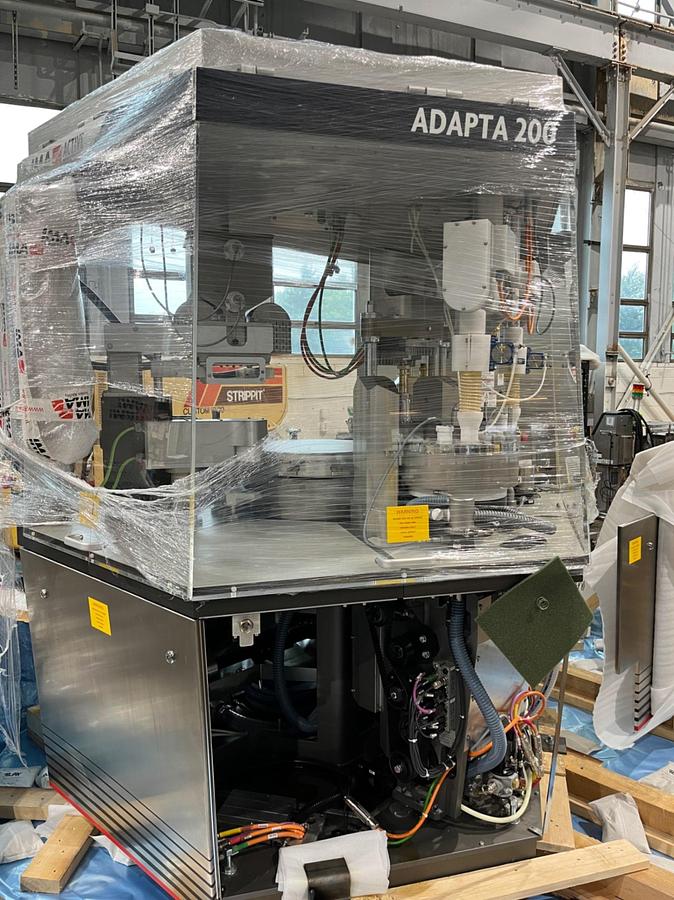
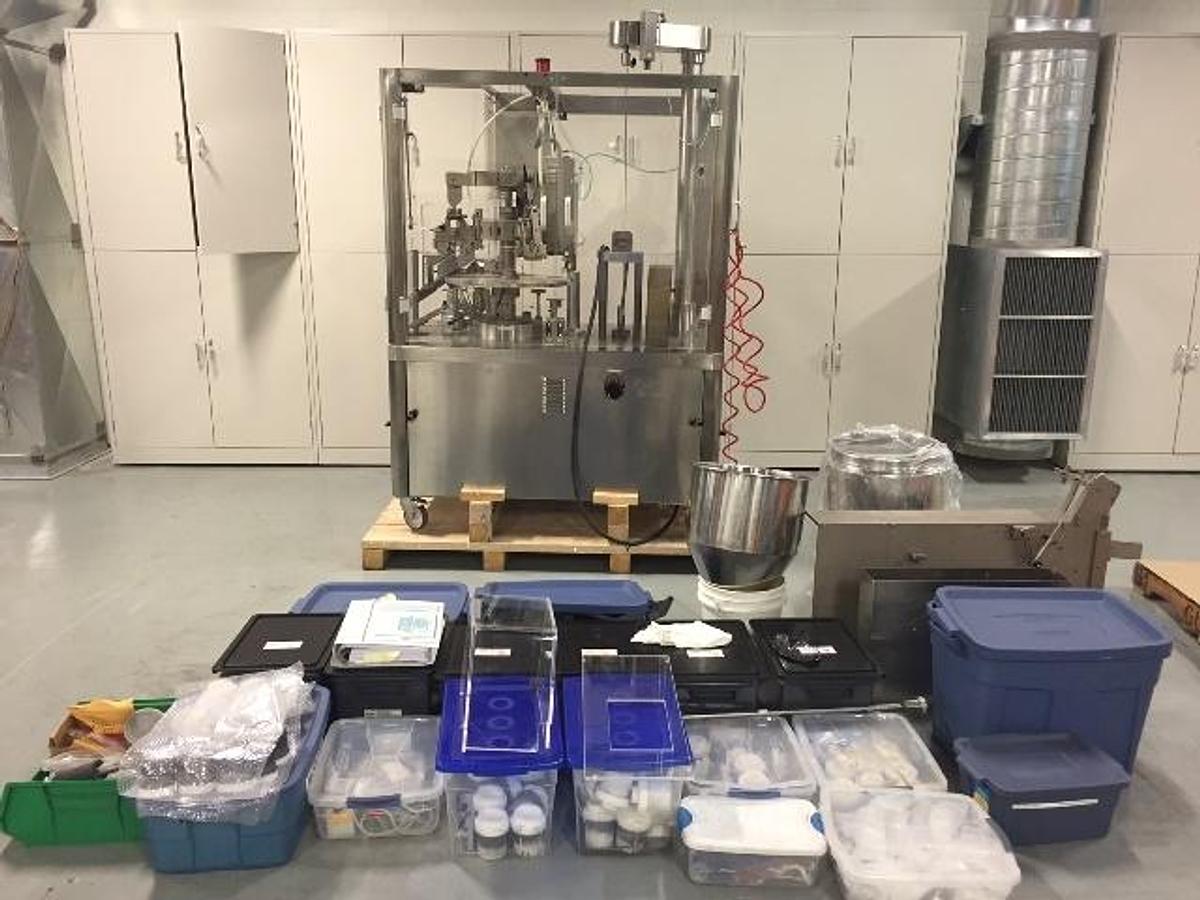
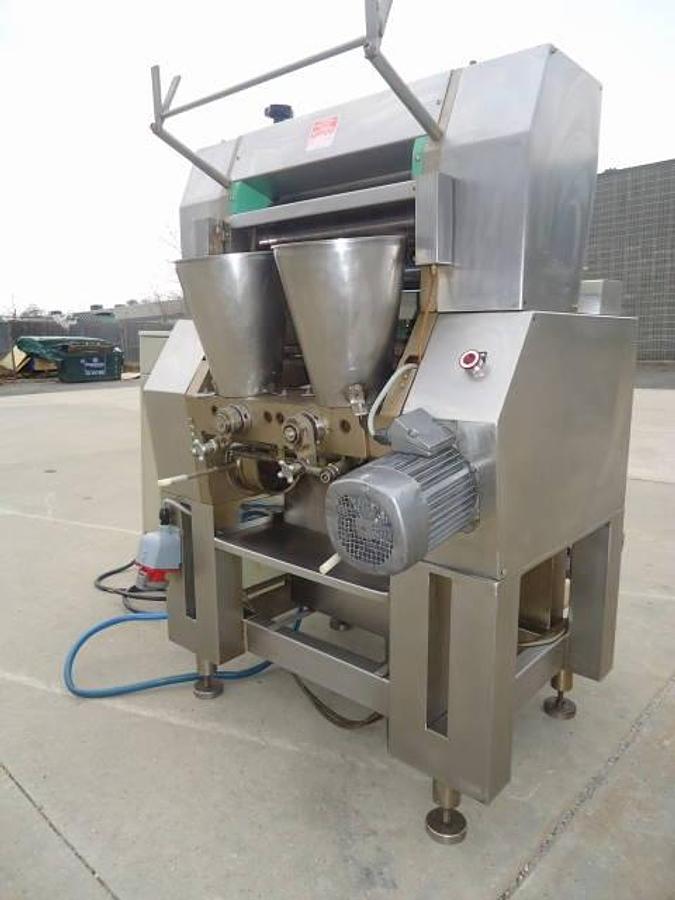
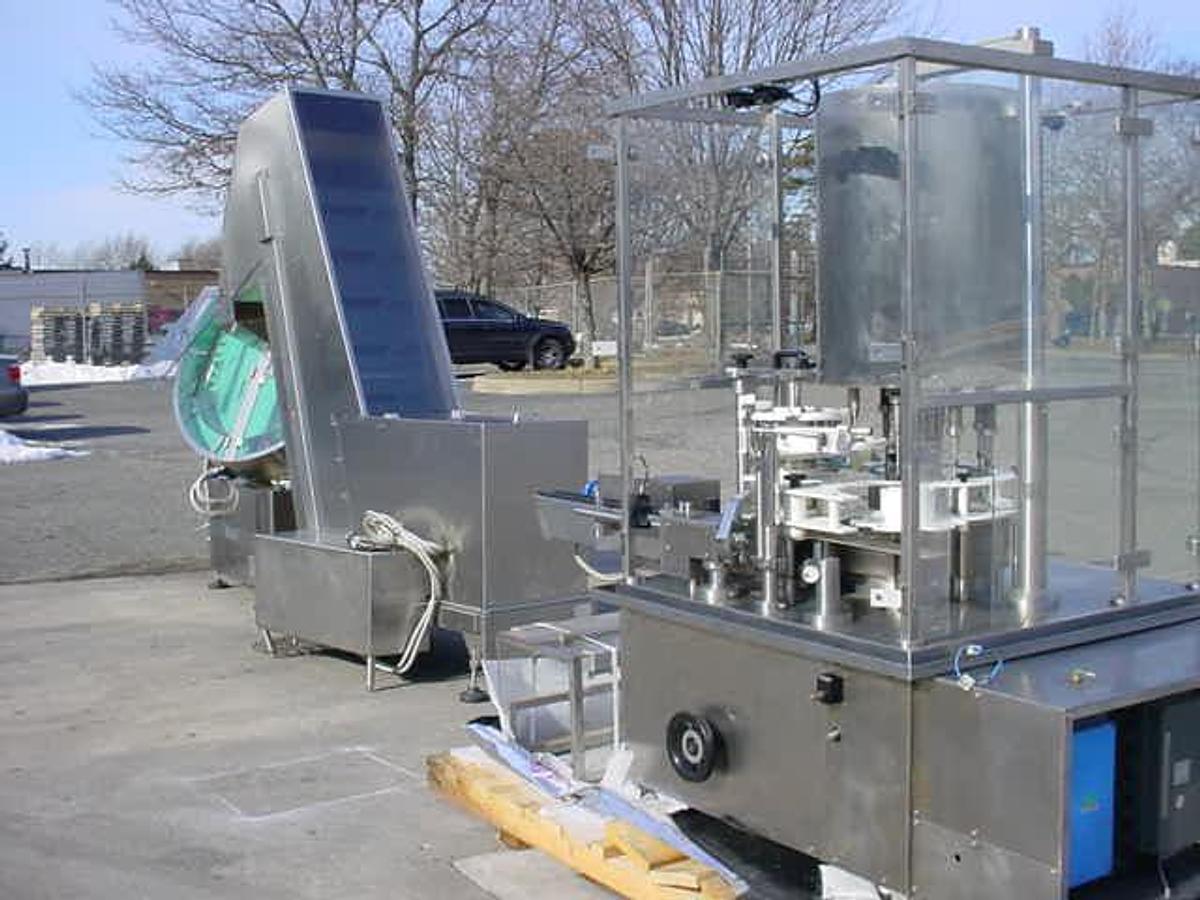
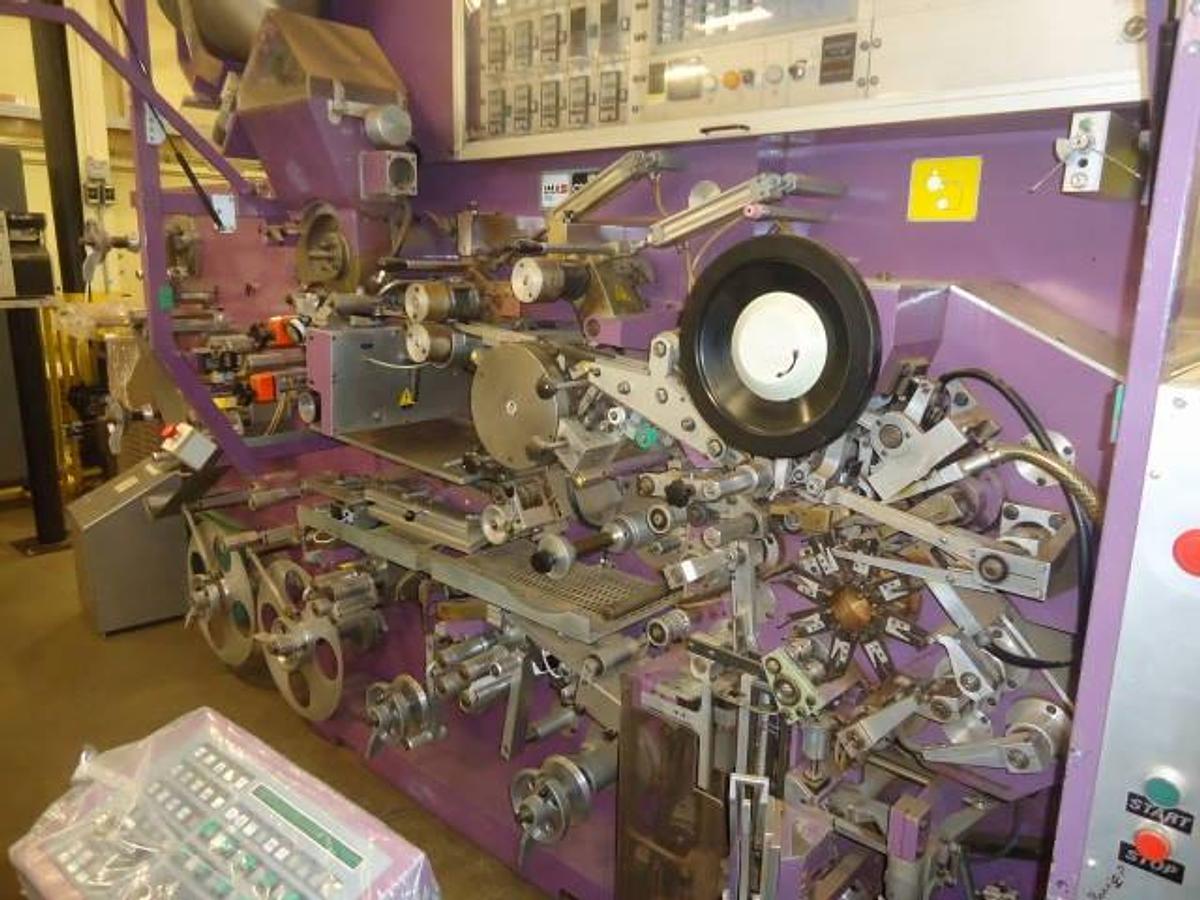
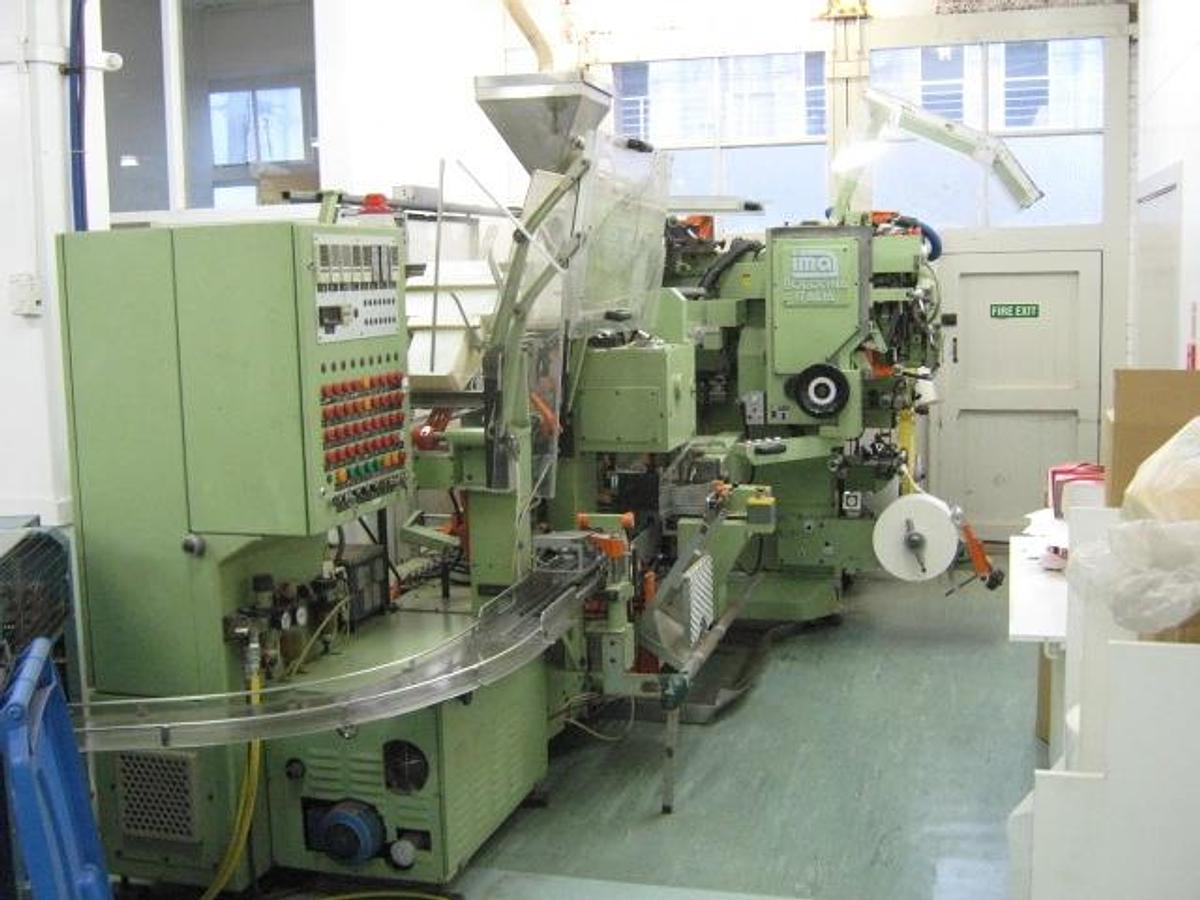
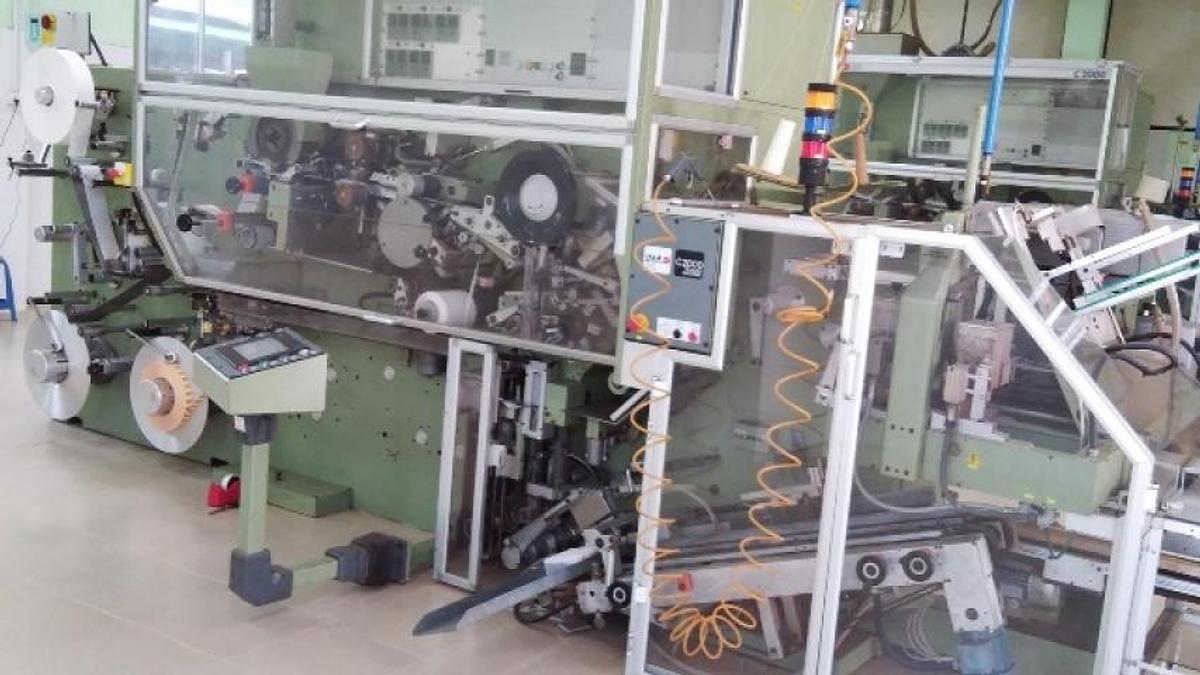
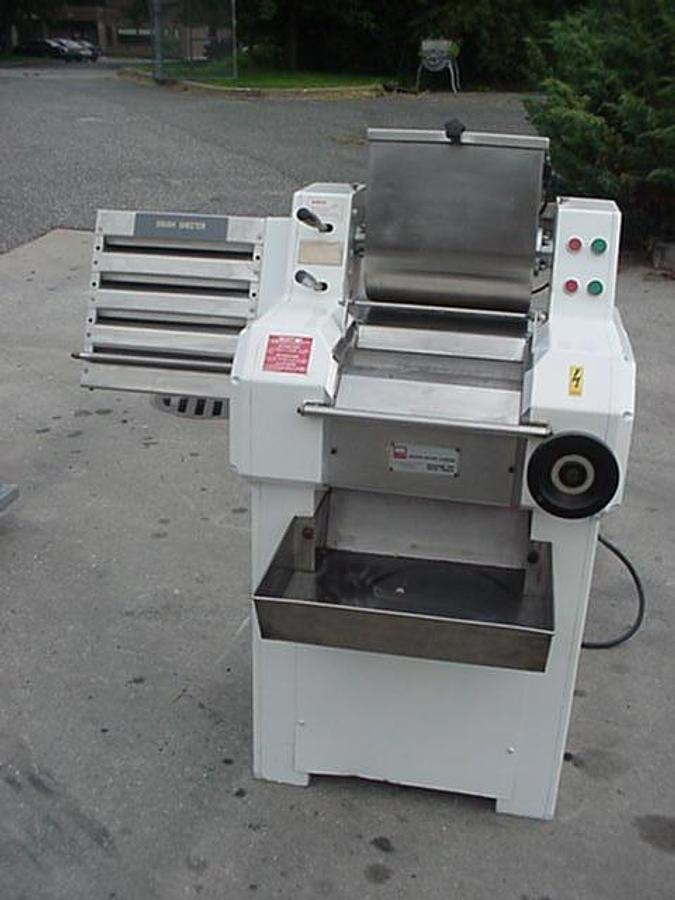
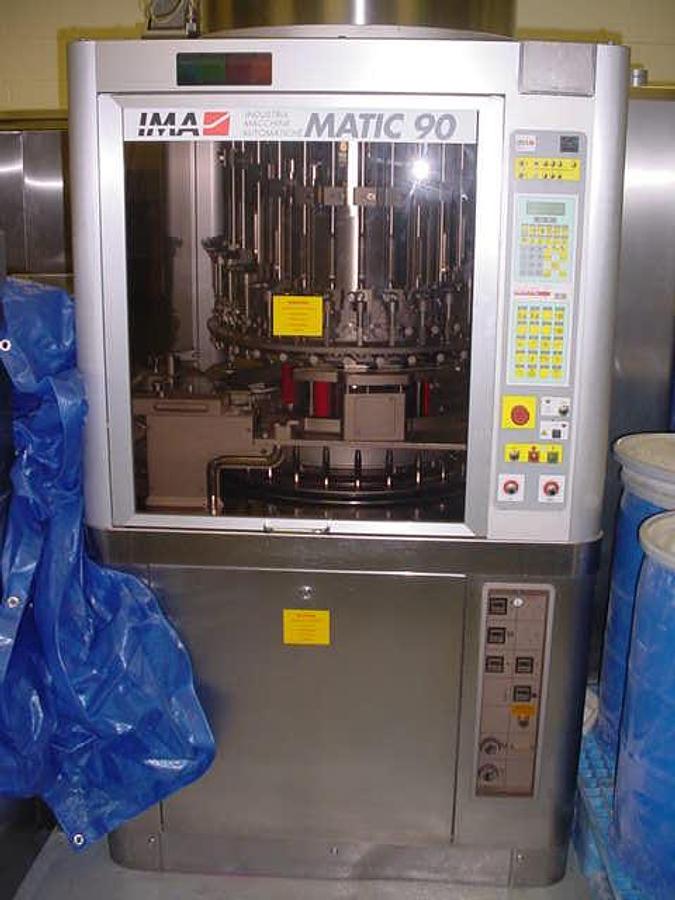
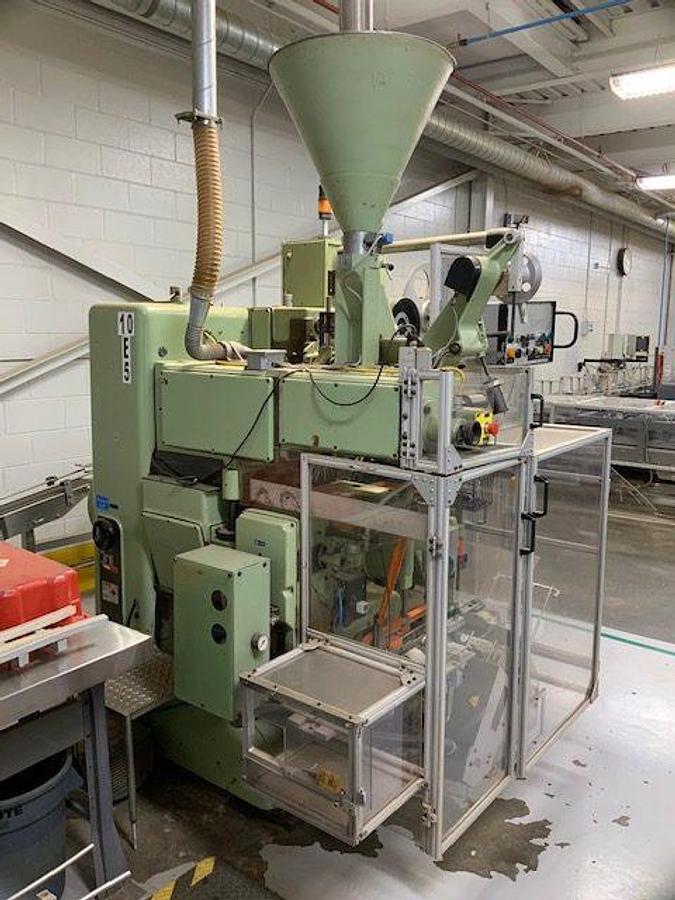
IMA produces a wide range of packaging machinery across several product categories, and most of these machine types appear regularly in the used equipment market. Common offerings include tea bagging machines (such as the IMA C55 and C-2000 series), capsule filling machines like the IMA 90 E, cartoning systems, hot air tube filling machines, monoblock bottling lines, and pasta-making equipment. IMA also manufactures blister packaging lines, sachet machines, and complete end-of-line packaging systems, many of which surface as used units when production facilities upgrade or consolidate operations.
Because IMA machines are built to last, with operational lifespans frequently cited in the 15 to 30 year range, used units retain significant functional value long after their initial installation. Buyers searching the secondary market can often find machines that were originally installed in pharmaceutical, cosmetic, or food manufacturing environments and have years of productive life remaining. Listings frequently include detailed model information and available change parts, which is worth paying close attention to since part availability can vary significantly depending on the age and model of the machine.
What industries are IMA packaging machines designed for?
IMA Group, founded in Italy in 1961, built its reputation primarily by serving the pharmaceutical, cosmetic, and food industries. Its machines are engineered to handle the strict hygiene, precision, and regulatory requirements that those sectors demand. In pharmaceuticals, IMA equipment is widely used for capsule filling, blister packaging, and cartoning of finished drug products. In food and beverage, the company is particularly well known for tea bagging and packaging systems, as well as pasta-making equipment. Cosmetic applications include tube filling and monoblock bottling lines designed to handle a variety of viscosities and container formats.
The nutraceutical sector has also become a significant market for IMA machinery, given the overlap in processing and packaging requirements with pharmaceuticals. Because IMA machines are frequently built to comply with GMP standards, FDA 21 CFR Part 11 requirements, and European CE directives, they are especially attractive to regulated industries where documentation, traceability, and cleanability are non-negotiable. Buyers from outside these core industries should confirm that a specific machine's design is appropriate for their application before purchasing, since some IMA models are purpose-built for particular product types.
Why are used IMA packaging machines considered a strong value in the secondary market?
IMA machines carry a strong reputation for precision engineering and build quality, which translates directly into sustained demand in the used equipment market. Unlike lighter-duty packaging equipment that may wear out quickly under production conditions, IMA machinery is generally constructed to handle continuous industrial use, and well-maintained units frequently remain operational for 15 to 30 years. This longevity means a used IMA machine purchased from a reputable dealer can deliver years of productive output at a fraction of the cost of a comparable current-production unit.
Buyers also benefit from the fact that IMA is a large, established manufacturer with a broad installed base globally. That scale matters when sourcing spare parts and technical support, though buyers should consult directly with IMA or authorized service providers to understand what level of support is available for a specific model and production year, since older or discontinued models may have more limited parts availability. The combination of durability, brand recognition, and regulatory compliance history makes used IMA equipment particularly attractive to pharmaceutical and food manufacturers who need proven, validated machinery without the lead times and capital outlay associated with purchasing current-production equipment.
What should buyers inspect when evaluating a used IMA packaging machine?
A thorough inspection is one of the most important steps in purchasing any used packaging machinery. For IMA equipment specifically, buyers should pay close attention to the condition of mechanical drive components, sealing systems, tooling, and any electronic controls or touchscreen interfaces. Wear on product-contact parts is particularly relevant for pharmaceutical and food applications where contamination risks must be managed. Asking the seller for a full accounting of available change parts is also worthwhile, since IMA machines are often configured for specific product formats and missing tooling can significantly limit the machine's usefulness.
Reputable used equipment dealers will typically accommodate in-person inspections at their facility, or arrange virtual inspections via video call or recorded video walkthrough. In some cases, the machine may still be installed and running at a production facility, which offers an opportunity to observe it operating under real conditions. Keep in mind that most dealers are not set up to run actual product through a machine during inspection, as that would require production permitting they generally do not hold. Buyers should use the inspection to assess overall mechanical condition, cleanliness, and the presence of any visible damage or missing components, and consider engaging a qualified IMA technician or independent engineer to assist with the evaluation.
Are used IMA packaging machines suitable for small or medium-sized businesses?
Used IMA machines can be a practical option for small and mid-sized manufacturers, but the fit depends heavily on the specific machine's throughput capacity and complexity. IMA builds equipment across a wide performance range. A machine like the IMA C55 tea bagging system, rated at 450 bags per minute, is a high-output unit designed for large-scale production environments. A smaller operation running lower volumes might find that level of capacity excessive for its needs, both in terms of footprint and operational overhead. On the other hand, some IMA models are sized more appropriately for mid-tier production volumes, so matching the machine's specifications to actual production requirements is essential.
Beyond capacity, smaller businesses should realistically assess their in-house technical capabilities. IMA machines are sophisticated, and keeping them running well requires either skilled maintenance staff or a reliable relationship with a service provider familiar with the equipment. Buyers should also factor in the cost of installation, commissioning, and any format changeover tooling they may need. That said, for a growing business that has outgrown manual or semi-automatic processes and needs to step up to industrial-grade packaging, a used IMA machine can offer access to technology that would otherwise be out of reach financially.
What compliance standards do IMA packaging machines typically meet?
IMA machines manufactured for pharmaceutical and food applications are generally designed to meet the regulatory standards relevant to those industries. European-market machines typically carry CE certification, indicating conformance with applicable EU machinery directives. Pharmaceutical-grade IMA equipment is commonly built to GMP (Good Manufacturing Practice) standards, which govern facility design, equipment construction, and cleanability requirements for drug manufacturing. Many IMA systems also incorporate features supporting compliance with FDA 21 CFR Part 11, which covers electronic records and signatures in regulated U.S. pharmaceutical environments.
When purchasing a used IMA machine, buyers should verify which specific standards the unit was built to comply with, as this can vary by model, production year, and the market the machine was originally sold into. A machine originally installed in a GMP-certified pharmaceutical facility may have documentation supporting its compliance history, which can be valuable during revalidation at a new site. Buyers should also confirm with their own regulatory or quality teams what validation activities will be required before putting a used machine into production, since moving equipment between facilities typically triggers requalification requirements regardless of the machine's original compliance status.
What is a realistic timeline for purchasing and receiving a used IMA packaging machine?
The timeline from initial inquiry to machine delivery varies depending on several factors, including the machine's current location, the complexity of rigging and crating required, and the shipping distance involved. For machines that are already decommissioned and available at a dealer's facility, the process from purchase agreement to shipment can sometimes move within a few weeks, assuming payment is received and packaging logistics are arranged. Machines that are still installed at a production facility may require coordination between the dealer and the equipment owner to schedule decommissioning and removal, which can add time to the process.
Shipping transit time adds another variable. Domestic shipments within the same country are generally faster, while international moves involving customs clearance, export documentation, and ocean freight can extend the timeline to several weeks or longer. Buyers should ask dealers upfront about the machine's current status, what rigging and crating will be required, and estimated freight timelines to their facility. Larger IMA systems may require specialized heavy rigging equipment for loading and unloading, which needs to be arranged in advance and will factor into the overall landed cost of the machine.
How does shipping and freight work for used IMA packaging machinery?
Shipping used packaging machinery is more involved than standard freight, and buyers should plan accordingly. IMA machines range from compact standalone units to large integrated systems, and the packaging requirements differ significantly across that range. Smaller machines may ship on standard pallets with appropriate bracing and shrink wrap, while larger or more complex systems typically require custom wooden crating to protect sensitive components during transit. The level of packaging directly affects freight costs, so buyers should ask sellers for a detailed breakdown of palletization or crating charges before finalizing a purchase.
For heavy or oversized machines, specialized rigging is required for both loading at the origin and unloading at the destination. This involves equipment like forklifts, cranes, or machinery skates operated by experienced riggers, and those services carry additional costs that are separate from the freight rate itself. Buyers should confirm with the dealer exactly what is included in the quoted shipping price and what will be billed separately. International shipments add further complexity, including export documentation, customs duties, and import compliance requirements that vary by destination country. Getting a full landed cost estimate before committing to a purchase helps avoid surprises.
What payment terms are typical when buying used IMA packaging equipment?
Payment practices in the used equipment industry are fairly consistent across reputable dealers. In most cases, full payment is required before a machine is released for shipping. This protects the seller from non-payment after the machine has been prepared and loaded, and it is standard practice whether the buyer is a domestic company or purchasing from overseas. Some dealers extend credit terms or other payment arrangements to established customers with a track record of prior purchases, but first-time buyers should generally expect to pay in full upfront.
Buyers should confirm accepted payment methods with the dealer early in the process, as wire transfer is the most common form of payment for machinery transactions of this size. It is also worth clarifying at what point in the process payment is due relative to inspection. Most buyers prefer to complete their inspection and be satisfied with the machine's condition before releasing funds, and reputable dealers will typically accommodate that sequence. Understanding the full payment timeline, including any deposits required to hold a machine while inspection is arranged, helps both parties move through the transaction efficiently.
Can spare parts and technical support be sourced for used IMA packaging machines?
IMA Group is an active, ongoing manufacturer with a global service network, which is a meaningful advantage for buyers of used IMA equipment compared to purchasing from a defunct or discontinued brand. For many IMA models, spare parts can be sourced directly through IMA's service organization or through third-party parts suppliers that specialize in packaging machinery components. However, parts availability is not uniform across all models and production years. Older or discontinued models may have limited factory support, and some components may need to be fabricated or sourced from aftermarket suppliers.
Buyers should contact IMA directly before purchasing a used machine to ask specifically about parts and service support for that model and serial number range. This conversation can reveal whether the machine is still within IMA's supported product range, what parts are stocked or available to order, and whether IMA-trained technicians are available in the buyer's region. Independent service technicians with IMA experience are also available in many markets and can be a practical resource for routine maintenance and troubleshooting. Building a clear picture of the support landscape before purchase is a smart step, particularly for machines that will be central to a production line.