Category
Manufacturer
Model
Hytrol
Hytrol is a leader in conveyor systems and material handling solutions, serving a variety of industries including food and beverage. Their equipment is designed to enhance efficiency in production lines and warehouse operations. Hytrol’s dedication to innovation and customer service has made them a preferred choice for manufacturers.
FAQ:
What types of Hytrol conveyor equipment are commonly available on the used market?
Hytrol produces one of the broadest conveyor product lines in North America, which means buyers searching the used market have a wide range of equipment to choose from. Common types include motorized belt conveyors, motorized roller conveyors, inclined cleat belt conveyors, zero-pressure accumulation conveyors (such as the popular E24 line), sortation systems, and portable conveyor units. Each type is designed for a specific material handling task, so availability on the used market tends to reflect which industries are upgrading or decommissioning equipment at any given time.
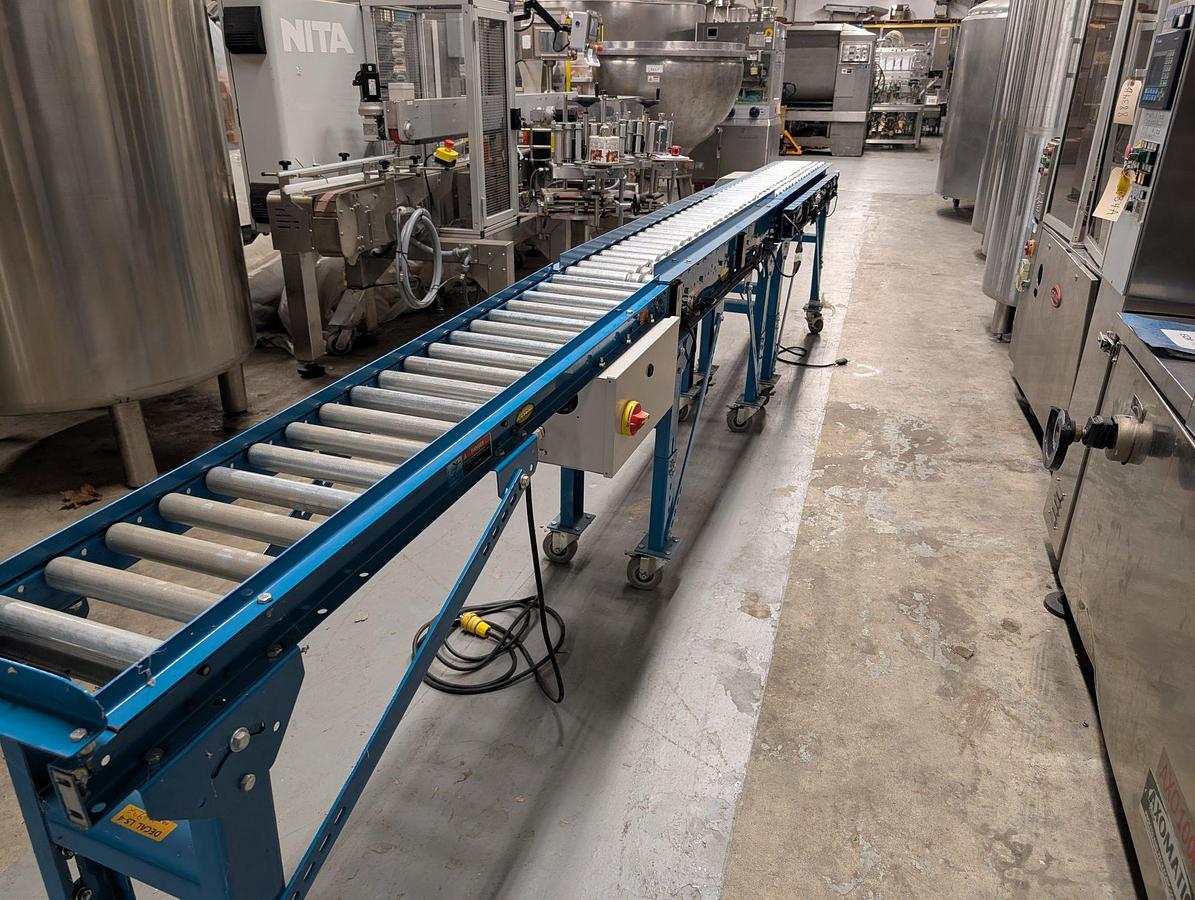
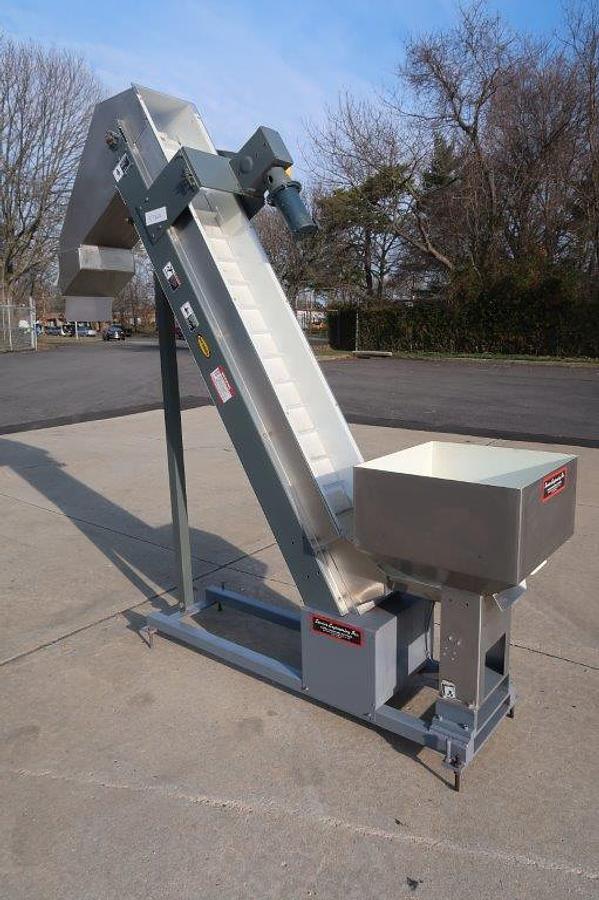
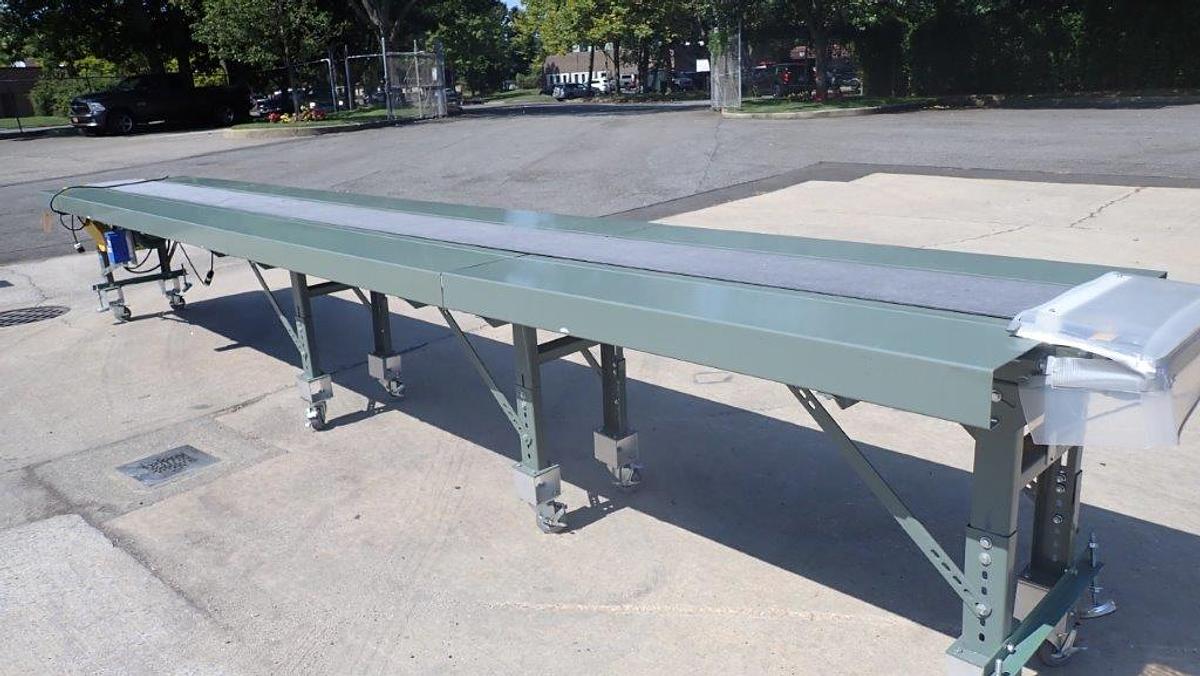
Specific configurations that appear regularly in used equipment listings include portable motorized roller conveyors in lengths around 15 feet, inclined cleat belt conveyors designed for feeding product to elevated discharge heights (often 80 inches or more), and belt conveyors in the 12-inch-wide range running 20 feet or longer. These are workhorses in warehouse and production environments, which is exactly why they turn up frequently when facilities reorganize or close. Buyers should pay close attention to belt width, conveyor length, discharge height, and drive configuration when evaluating any used Hytrol unit to confirm it fits their specific application.
Is used Hytrol conveyor equipment reliable enough for production use?
Hytrol has been manufacturing conveyor systems since 1947, and the brand is widely regarded as one of the most dependable in North American material handling. That long track record translates directly into confidence for used equipment buyers. Hytrol conveyors are built with industrial-grade components, and many units that were originally installed in high-volume distribution or manufacturing environments have logged years of continuous operation before being decommissioned. The durability of the mechanical and electrical components means a well-maintained used Hytrol conveyor can still deliver solid performance in a production setting.
That said, reliability on the used market depends heavily on the condition of the specific machine, not just the brand. Buyers should request detailed photos, video walkthroughs, or in-person inspections to assess the condition of belting, rollers, drive motors, and controls before committing to a purchase. Used equipment is sold as-is, so the inspection process is the buyer's primary tool for managing risk. Selecting a reputable dealer who specializes in conveyor and material handling equipment, and who can accurately describe the machine's history and current condition, goes a long way toward ensuring the equipment performs as expected after installation.
What should I inspect before buying a used Hytrol conveyor?
A thorough inspection before purchasing any used conveyor is essential, since used equipment is typically sold as-is without manufacturer support or coverage. For Hytrol conveyors specifically, buyers should focus on the condition of the belt or roller surface, the drive motor and gearbox, the frame for any bends or corrosion, and the electrical controls. On belt conveyors, check for belt wear, cracking, or tracking damage. On roller conveyors, spin individual rollers by hand to feel for bearing roughness or seized rollers. Any signs of heavy product buildup, chemical exposure, or impact damage to the frame are worth flagging before negotiating price.
Reputable used equipment dealers will typically offer in-person inspections, virtual walkthroughs, or video captures of the machine so buyers can get an accurate picture of its current condition. Some equipment may still be in active production at the original facility, which actually allows for a live operational inspection. Keep in mind that most dealers do not run test products through the conveyor themselves, as that requires production permitting they generally do not hold. Buyers should also contact Hytrol or an authorized Hytrol distributor to verify parts availability for the specific model and production year, since older or discontinued models may have limited support. Understanding what parts might need replacement shortly after purchase helps buyers calculate the true total cost of acquisition.
What industries are Hytrol conveyors best suited for?
Hytrol conveyor systems are used across a broad range of industries, which is one reason the brand appears so frequently on the used equipment market. The primary sectors include e-commerce fulfillment, retail distribution, manufacturing, food and beverage processing, automotive parts handling, and third-party logistics (3PL). In food and beverage applications specifically, Hytrol equipment is designed to handle the demands of production lines where sanitation, speed, and product integrity all matter. In distribution and fulfillment environments, Hytrol's zero-pressure accumulation conveyors are particularly valued because they allow products to queue without colliding, reducing damage rates significantly.
Beyond those core sectors, Hytrol equipment also appears in pharmaceutical, printing, and general warehouse operations. The variety of conveyor types Hytrol manufactures, from simple flat belt units to complex sortation systems, means the brand's equipment can be adapted to nearly any facility that moves product through a process or from one location to another. Buyers sourcing used Hytrol equipment should identify which product type was originally designed for an application similar to their own, since a conveyor built for light parcel handling in a fulfillment center will have different specifications than one designed for heavy parts in an automotive plant. Matching the equipment's design intent to your actual application is the most important factor in a successful purchase.
What is the typical price range for used Hytrol conveyor systems?
Pricing for used Hytrol conveyor equipment varies considerably based on conveyor type, length, age, condition, and configuration. Shorter, simpler units like a 12-inch-wide belt conveyor in the 20-foot range might be priced anywhere from a few hundred to a few thousand dollars depending on condition and how recently the model was produced. Longer runs, inclined conveyors with specialized cleating, or more complex accumulation and sortation systems will command higher prices, sometimes reaching tens of thousands of dollars for complete system sections in good working order. Portable units tend to be priced at a premium relative to fixed installations of the same length because of their added flexibility.
Buyers should factor in more than just the purchase price when budgeting for used conveyor equipment. Shipping costs, rigging fees for loading and unloading, and any palletization or crating required to protect the equipment in transit can add meaningfully to the total landed cost. Larger or heavier conveyor sections may require specialized freight and rigging equipment, which carries additional charges. It is worth asking the dealer for a full breakdown of packaging, freight, and rigging costs upfront so there are no surprises. Depending on the condition of the unit, buyers should also budget for potential replacement parts or reconditioning work before the conveyor goes back into production.
Are replacement parts readily available for used Hytrol conveyors?
Parts availability is one of the practical advantages of buying used Hytrol equipment compared to lesser-known brands. Because Hytrol has been in continuous operation since 1947 and maintains an authorized distributor network across North America, many standard components such as belting, rollers, bearings, drive motors, and controls are relatively accessible. Hytrol's distributor network is set up to support installed equipment in the field, which means buyers of used Hytrol conveyors often have a clearer path to replacement parts than they would with older equipment from brands that have since exited the market or consolidated.
That said, parts availability is not uniform across all Hytrol models and production years. Older or discontinued models may have limited support, and in some cases components may need to be sourced from third-party suppliers or fabricated. Before finalizing a purchase, it is worth contacting Hytrol or an authorized distributor directly to ask about parts support for the specific model and approximate year of manufacture. A dealer who specializes in conveyor equipment can also be a useful resource here, since they often have institutional knowledge about which models have strong aftermarket support and which ones present more challenges. Getting clarity on parts availability before buying is a smart step that can prevent costly downtime later.
How does buying used Hytrol conveyor equipment compare to buying new?
The most immediate difference is cost. Used Hytrol conveyors are typically available at a fraction of the price of purchasing equivalent equipment through a manufacturer's distributor, which makes them attractive for operations that need to expand capacity quickly without a large capital outlay. Lead times are another factor. Buying used means the equipment already exists and can often ship within days or weeks of purchase, whereas ordering through a manufacturer's channel can involve production queues that stretch months out, especially for custom configurations. For facilities dealing with urgent capacity needs, the used market can be a practical solution.
The trade-off is that used equipment comes as-is, without the coverage or support structure that typically accompanies a purchase from a manufacturer's channel. Buyers take on more responsibility for assessing condition and anticipating any reconditioning costs. The inspection process becomes critical, and choosing a dealer with a long track record in the conveyor and material handling space reduces risk considerably. For many buyers, particularly those with in-house maintenance capabilities or access to a local Hytrol distributor for parts support, used Hytrol equipment represents a strong value proposition. The brand's reputation for durability means well-maintained units can deliver years of additional service life even after being decommissioned from their first installation.
What does the shipping and delivery process look like for used Hytrol conveyors?
Shipping used conveyor equipment involves more planning than a typical freight shipment, and buyers should expect to work through several logistics details before the equipment leaves the seller's facility. Conveyor sections need to be properly packaged to prevent damage in transit, and the level of packaging required, whether basic palletization or full crating, will affect the shipping cost. Dealers will generally describe their standard packaging approach and quote accordingly, but buyers should ask specifically about how the equipment will be secured and protected, particularly for longer conveyor runs or units with exposed belting and drive components.
Larger or heavier Hytrol conveyor sections may require specialized rigging for loading at the origin and unloading at the destination. This can include forklifts, cranes, or other heavy equipment, and those rigging costs are typically separate from the base freight charge. Buyers should request a full breakdown of all costs, including packaging, loading rigging, freight, and any unloading requirements, before finalizing a purchase so they understand the complete landed cost. Most used equipment dealers require full payment prior to shipping, though some may offer terms to established repeat customers. Confirming payment terms and logistics details upfront avoids delays once the transaction is agreed upon.
Can used Hytrol conveyor equipment be reconfigured or modified to fit a different facility layout?
Hytrol conveyors are designed with modular construction principles that make reconfiguration more feasible than with some other brands. Many Hytrol conveyor lines use standardized frame sections, leg supports, and drive components, which means sections can often be shortened, extended with additional modules, or repositioned within a layout with the right mechanical expertise. Portable Hytrol conveyor units, such as the motorized roller and belt models built on wheeled frames, offer even more flexibility since they can be repositioned without any structural modification at all.
That said, reconfiguring used conveyor equipment requires a clear understanding of the original specifications and the demands of the intended application. Changes to conveyor length, incline angle, or drive placement can affect belt tension, motor load, and overall performance, so any significant modification should be reviewed by someone with conveyor engineering experience. Buyers planning to reconfigure a used Hytrol unit should document the equipment's current specifications thoroughly during the inspection phase and consult with a Hytrol authorized distributor or a qualified conveyor integrator before making changes. Getting that technical input early in the process helps avoid costly mistakes and ensures the modified conveyor performs reliably in its new configuration.
How do I choose a reputable dealer when buying used Hytrol conveyor equipment?
The used equipment market for industrial conveyors includes dealers with very different levels of expertise and accountability, so the choice of dealer matters as much as the choice of equipment. A reputable dealer should have a demonstrable track record in the conveyor and material handling category specifically, not just general industrial machinery. Dealers who specialize in this space are more likely to accurately describe equipment condition, identify model-specific considerations, and provide useful context about a machine's history and expected performance. Look for dealers who have been in business for a significant number of years and who can point to a history of transactions in this equipment category.
Transparency around the inspection process is another strong indicator of a trustworthy dealer. A dealer who readily offers in-person visits, video walkthroughs, or detailed photo documentation is giving buyers the tools to make an informed decision, which is exactly the right approach for as-is equipment sales. Dealers who are vague about condition, reluctant to provide photos, or unable to answer basic questions about a machine's specifications and history are worth approaching with caution. It is also reasonable to ask a dealer about their familiarity with Hytrol equipment specifically, since brand-specific knowledge can surface important details about a particular model's maintenance history, known wear points, and parts availability that a generalist dealer might miss.