Category
Manufacturer
Model
Hoppmann
Hoppmann is a manufacturer of automation equipment, primarily serving the beverage and food industries. They specialize in designing and producing assembly line systems that increase productivity and reduce labor costs. Hoppmann’s expertise in automation ensures their clients can achieve higher efficiency in their production processes.
FAQ:
What types of Hoppmann equipment are commonly available on the used market?
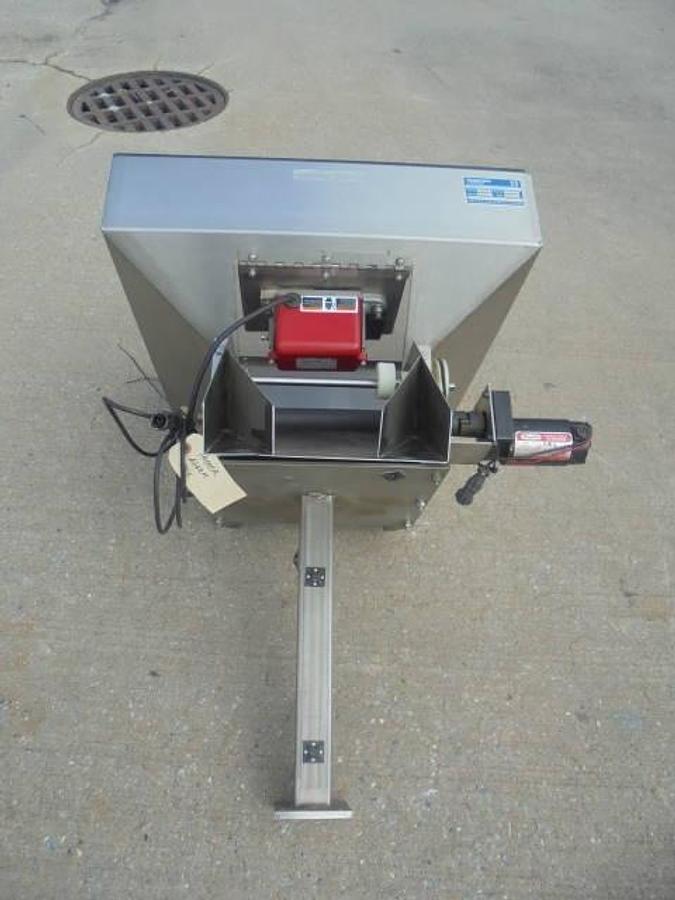
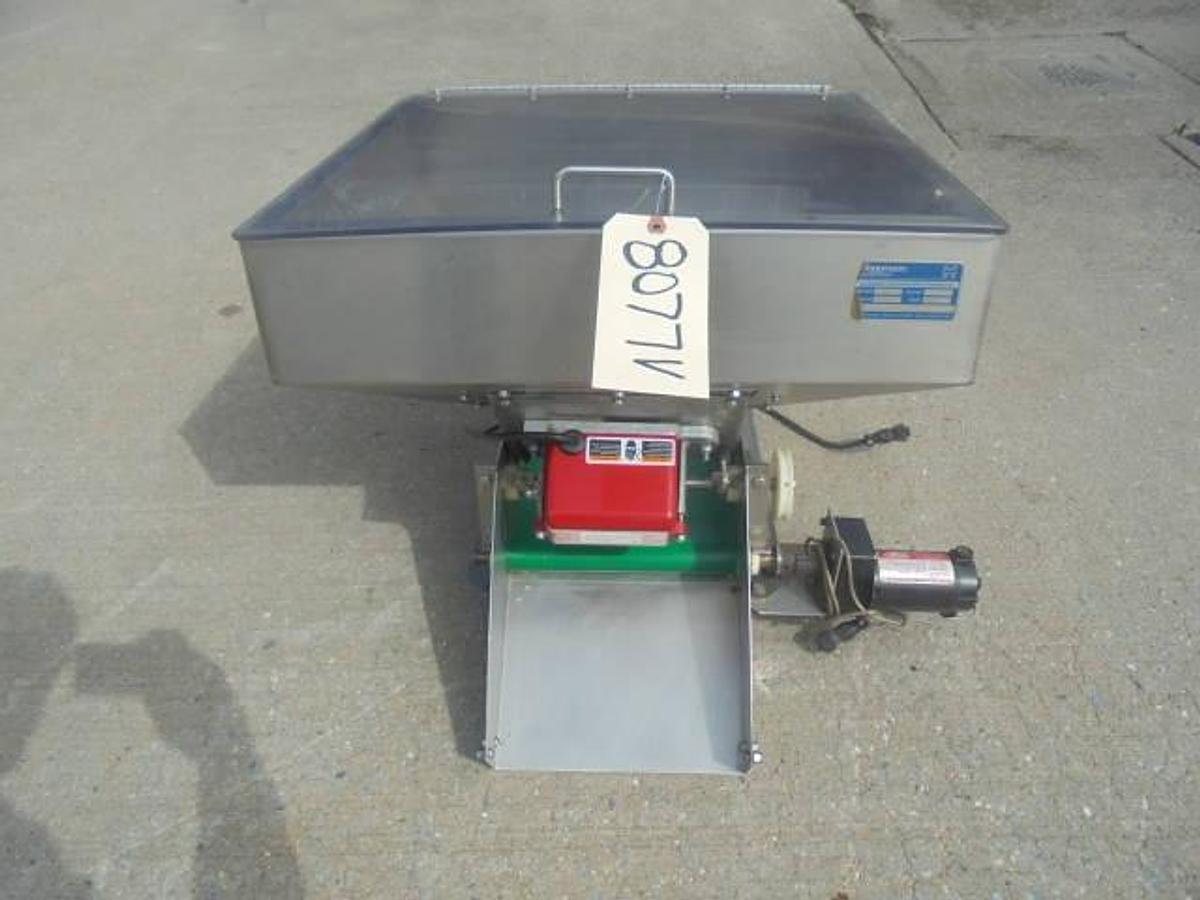
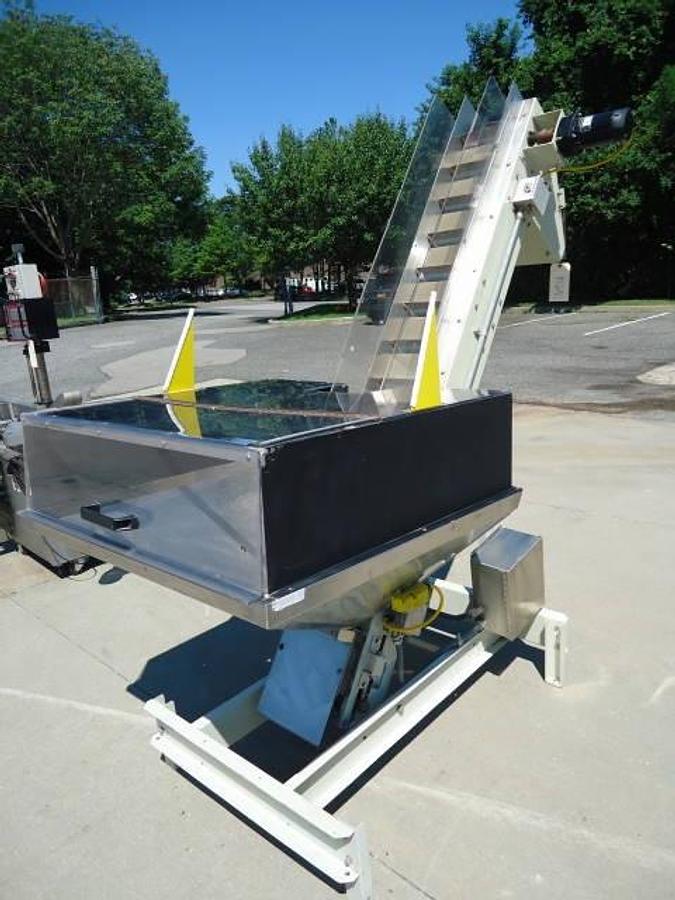
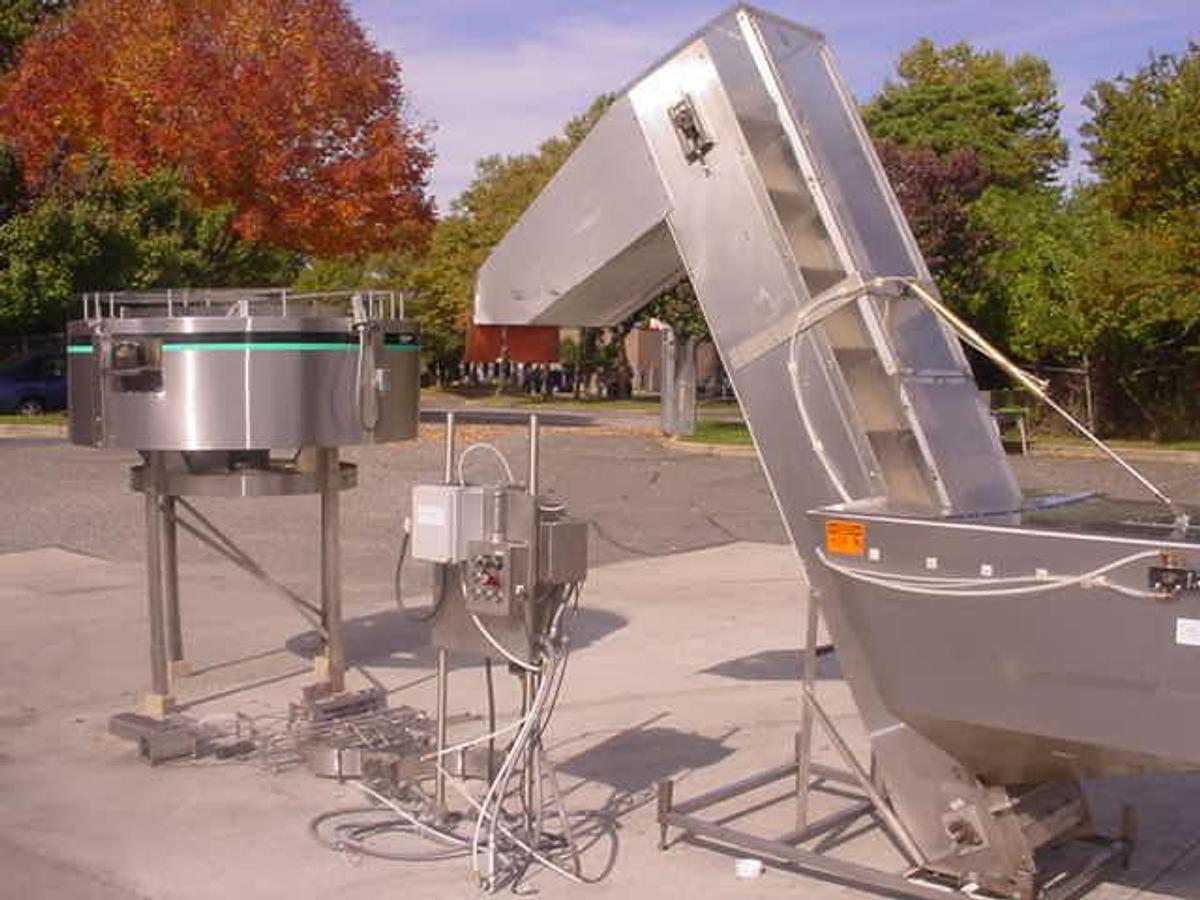
Hoppmann produces a focused line of parts handling and feeding automation equipment, and the models that appear most frequently on the used market reflect the company's core strengths. The FT Series centrifugal feeders are among the most sought-after pieces, with the FT-50 being a particularly common listing. Vibratory feeders, including stainless steel models in sizes such as 23" x 24", also appear regularly, as do inclined cleated belt feeders with integrated hoppers and elevator sections. These machines were designed for high-cycle production environments, which means they tend to have long service lives and remain functional well after their initial deployment.
Beyond the individual feeder units, buyers sometimes find complete integrated feeding systems that combine a centrifugal or vibratory feeder with an inclined elevator and discharge conveyor. These turnkey configurations are especially useful for facilities looking to add a fully functional feeding station without sourcing and aligning multiple separate components. The stainless steel construction found on many Hoppmann models is a significant selling point in food, beverage, and pharmaceutical applications, where sanitary design is a regulatory and operational requirement.
What industries use Hoppmann centrifugal feeders and vibratory feeders?
Hoppmann feeding equipment was engineered with high-speed, high-volume production in mind, and the industries that rely on it most heavily reflect that design philosophy. Food and beverage manufacturers use Hoppmann feeders to orient and singulate caps, closures, lids, and small components on bottling and packaging lines. The pharmaceutical and nutraceutical sectors rely on them for gentle, consistent handling of tablets, capsules, and small plastic parts where product damage or contamination is a serious concern. Cosmetics and personal care product manufacturers similarly value the gentle centrifugal action that reduces scuffing or marking on finished parts.
Beyond consumables packaging, Hoppmann equipment appears in general industrial assembly environments where small fasteners, clips, or molded plastic components need to be fed reliably into automated assembly stations. The medical device industry also uses this class of equipment for orienting precision-molded components at high speeds. Because the machines are built in stainless steel configurations and designed for cleanroom-compatible or washdown environments, they translate well across regulated industries. This cross-industry utility is part of why used Hoppmann equipment retains strong demand in the secondary market even after years of service.
How do centrifugal feeders differ from vibratory bowl feeders?
The core mechanical difference is how each type of feeder moves parts toward the discharge point. A vibratory bowl feeder uses an electromagnetically driven vibration to advance parts along a spiral track inside a bowl, gradually orienting them through a series of tooled rails and cutouts until only correctly oriented parts exit. Centrifugal feeders, like the Hoppmann FT Series, use a rotating disc to generate centrifugal force, which moves parts outward along the disc's surface and onto a track. The rotating action is generally gentler and faster than vibration, which matters a great deal for fragile or finished-surface parts.
From a practical standpoint, centrifugal feeders tend to handle higher feed rates and are less likely to cause surface damage on parts like coated caps, soft-shell capsules, or polished components. Vibratory feeders, on the other hand, are often better suited to parts that need complex orientation tooling, since the spiral track geometry allows for intricate sorting. Many production lines use both types at different stages, or select between them based on part geometry, material, required feed rate, and sensitivity to handling. Both types appear in the used Hoppmann equipment market, and the right choice depends heavily on the specific part being handled and the throughput requirements of the line.
What should buyers inspect when evaluating used Hoppmann feeding equipment?
A thorough inspection of used feeding equipment starts with the wear surfaces that contact parts during production. On a centrifugal feeder, the rotating disc, the outer bowl wall, and any tooled exit tracks should be examined for wear, scoring, or deformation. On vibratory feeders, the bowl surface, the spiral track, and the tooling rails are the critical areas. Stainless steel construction holds up well over time, but high-cycle machines can show wear at contact points, and replacement tooling or bowl sections can add to the total cost of ownership. Drive components, including motors, gearboxes, and vibration generators, should also be checked for unusual noise, heat, or play.
Reputable used equipment dealers will typically accommodate in-person inspections or, where an in-person visit is not practical, provide detailed video walkthroughs of the machine in its current state. Some machines may still be installed and running at a production facility, which offers the best possible view of actual operating condition. Buyers should ask specifically whether the machine can be powered on during inspection, and should note that most dealers are not set up to run actual production trials since that requires permitting and operational infrastructure beyond what a resale facility maintains. Consulting with the manufacturer about parts availability and support for a specific model and serial number is also a smart step before committing to a purchase.
How do I determine the correct Hoppmann feeder model for my production line?
Matching a feeder to a production line comes down to four primary variables: part geometry, part material and surface sensitivity, required feed rate (parts per minute), and the physical space available for the equipment. The FT-50, for example, is a mid-range centrifugal feeder sized for a broad range of common closure and component sizes, but it may not be appropriate for very large parts or extremely high-speed applications. The model number and physical dimensions of a used machine should be cross-referenced against the manufacturer's published specifications to confirm the disc diameter, drive motor capacity, and feed rate range before purchase.
Beyond the feeder itself, the configuration of any integrated elevator or discharge conveyor matters significantly. An inclined cleated belt elevator, for instance, determines how bulk parts are introduced to the feeder bowl, and the belt width, cleat spacing, and incline angle all affect compatibility with specific part sizes and weights. Buyers who are uncertain about model selection should document their part dimensions, weight, and target feed rate, then consult with the equipment dealer or reach out directly to the manufacturer for guidance. Hoppmann's engineering team has historically been accessible for technical inquiries, though the level of support available for older or discontinued models may vary depending on the machine's age.
What is the typical price range for used Hoppmann feeding equipment?
Pricing for used Hoppmann feeders varies considerably based on model, size, configuration, and condition. Smaller or older vibratory feeder units in basic configurations can be found at the lower end of the market, sometimes in the range of a few thousand dollars, while larger centrifugal feeder systems with integrated elevators, stainless steel construction, and complete tooling packages can command prices well into the tens of thousands of dollars. The FT-50 centrifugal feeder, one of the more commonly listed models, typically falls somewhere in the middle of that range depending on condition and included accessories.
Hoppmann equipment tends to hold its resale value better than many comparable brands because of the machines' build quality and the durability of the stainless steel components. A machine that has been well-maintained in a food or pharmaceutical environment and includes its original tooling for a specific part will generally command a premium over a bare unit with no documentation. Buyers should factor in shipping, rigging, and any reconditioning costs when evaluating total acquisition cost, since these expenses can be significant for heavier machines. Getting a clear picture of the machine's current condition through inspection before finalizing a price is always worthwhile.
What maintenance does Hoppmann centrifugal feeding equipment typically require?
Centrifugal feeders are mechanically straightforward relative to many other types of automation equipment, but they do require consistent attention to stay in reliable operating condition. The rotating disc drive system, which typically uses a direct-drive or belt-driven motor arrangement, should be checked regularly for belt tension and wear if applicable, and motor bearings should be inspected and lubricated on a schedule consistent with the manufacturer's recommendations. The disc surface and bowl liner are wear items that will eventually need replacement depending on the abrasiveness of the parts being handled and the total cycle count the machine has accumulated.
For used machines with an unknown maintenance history, a thorough inspection of all drive components, electrical connections, and wear surfaces before putting the machine into service is a practical starting point. Operators should also verify that any sensors, guides, or exit track tooling are properly aligned, since these components directly affect feed rate consistency and part orientation accuracy. Keeping the bowl and disc clean is especially important in food and pharmaceutical applications where residue buildup can affect both machine performance and regulatory compliance. Contacting the manufacturer to obtain any available service documentation for a specific model is a good practice, particularly for older machines where institutional knowledge of the equipment may not transfer with the sale.
Can used Hoppmann equipment be integrated with existing automated assembly lines?
Hoppmann feeders were designed from the ground up for integration into automated production environments, and this remains one of their strongest attributes on the used market. The machines typically feature standard electrical configurations and discharge track geometries that can be adapted to feed parts directly into assembly machines, filling lines, capping stations, or inspection systems. The inclined elevator configurations that often accompany centrifugal feeders make it straightforward to position the discharge point at the height required by the downstream equipment, and the feed rate is generally adjustable through drive speed controls.
That said, integration always requires some engineering work, particularly when the used machine is being introduced into a line it was not originally configured for. The exit tooling, which controls part orientation at the discharge point, is specific to the part geometry it was built for, and if the new application involves a different part, the tooling will need to be modified or replaced. Electrical compatibility with existing control systems, physical footprint constraints, and the discharge height and orientation relative to downstream equipment are all factors that should be evaluated before purchase. Many facilities involve a controls engineer or automation integrator in the evaluation process to assess compatibility and estimate any adaptation costs before committing to the acquisition.
How does buying used Hoppmann equipment compare to purchasing equivalent automation equipment from other sources?
Hoppmann has a long-standing reputation for building feeding and handling equipment that lasts. The stainless steel construction, precision-machined components, and robust drive systems that characterize their product line mean that a well-maintained used Hoppmann feeder can deliver years of additional service life after resale. For buyers who need a proven, production-ready feeding solution without the lead time and cost of specifying a machine from scratch, the used market offers a practical path to acquiring equipment that was engineered specifically for demanding production environments.
The key consideration when comparing sources is the reliability of the seller and the accuracy of the machine's condition representation. Buying from a specialized industrial equipment dealer with experience in packaging and automation machinery generally provides a more informed purchasing experience than buying through a general auction platform, where condition details may be limited and technical expertise is not always available. Buyers should look for dealers who can provide detailed inspection access, have a verifiable track record in the industry, and can speak knowledgeably about the specific model being sold. The age of the machine, availability of replacement parts, and the level of manufacturer support for that model are all factors worth investigating before finalizing any purchase decision.
What should buyers understand about shipping and payment for used industrial feeding equipment?
Shipping costs for used feeding equipment are not a fixed figure and depend on several variables that buyers should clarify before finalizing a purchase. The physical dimensions and weight of the machine determine freight class and carrier requirements. Larger or heavier units, particularly complete feeder and elevator assemblies, may require flatbed freight, specialized rigging for loading and unloading, and custom crating to prevent damage in transit. These costs can add meaningfully to the total landed price of the equipment, and buyers should request a detailed breakdown of packaging, rigging, and freight charges from the dealer before committing.
On the payment side, used equipment dealers typically require full payment before a machine ships. Some dealers extend terms to established repeat customers, but first-time buyers should expect to pay in full upfront. Wire transfer is the most common payment method for transactions of this size. Buyers should also factor in any costs associated with receiving the equipment at their facility, including unloading labor, forklift requirements, and any permits needed for moving heavy machinery within the building. Getting a complete picture of all costs from purchase price through installation is the most reliable way to evaluate whether a specific used machine represents good value for a given application.