Category
Manufacturer
Model
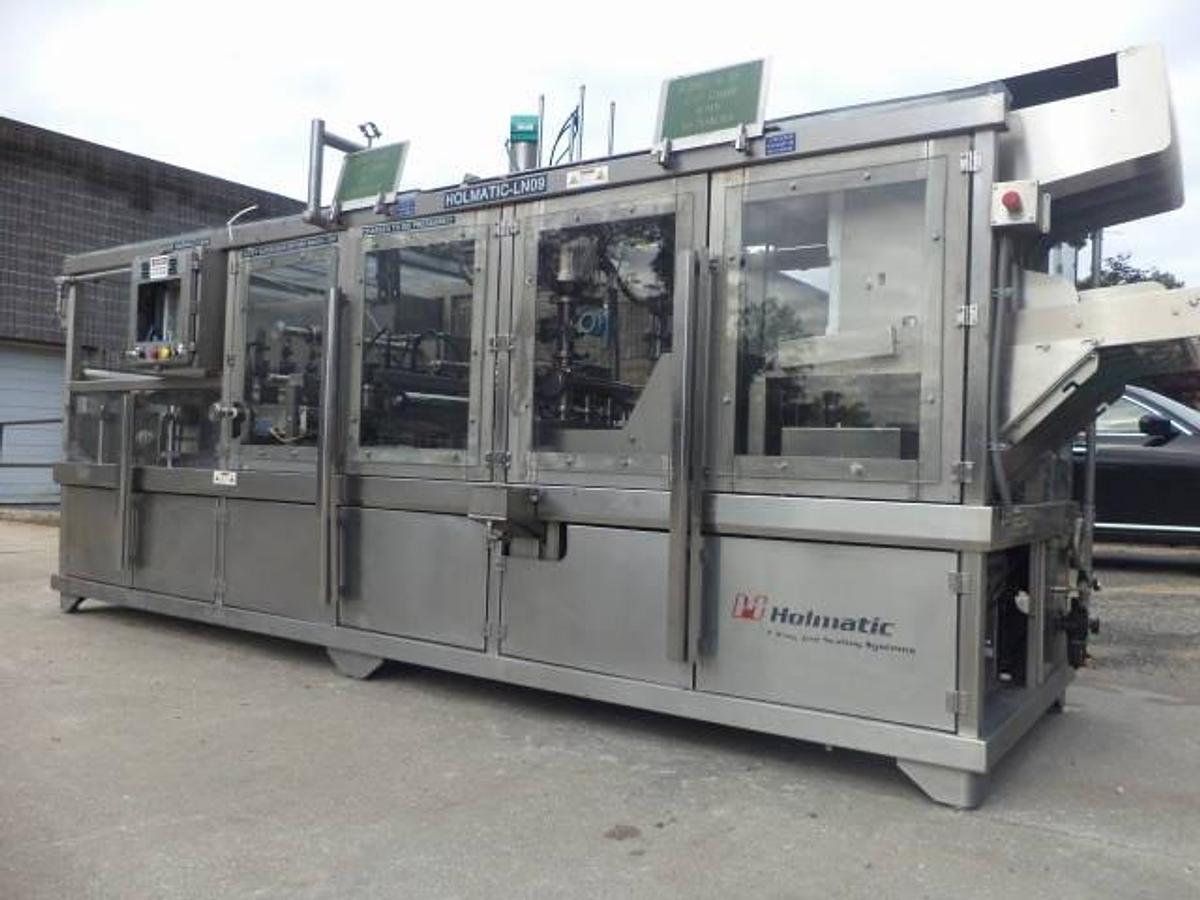
Holmatic
Holmatic offers specialized machinery for the food processing industry, focusing on the production of frozen and refrigerated foods. They are known for their advanced freezing and packaging solutions that help maintain product quality. Holmatic’s dedication to innovation ensures they meet the evolving needs of food manufacturers.
FAQ:
What is Holmatic machinery and what industries does it serve?
Holmatic is a legacy brand with a long history in food processing equipment, particularly known for filling, sealing, and packaging machinery. The company built a strong reputation in the dairy, frozen food, and refrigerated food sectors, producing machines designed to handle high-volume production of cup-filled products. Holmatic's equipment became a staple in facilities producing items like ice cream, yogurt, cottage cheese, and similar portioned food products that require precise filling and hermetic sealing.
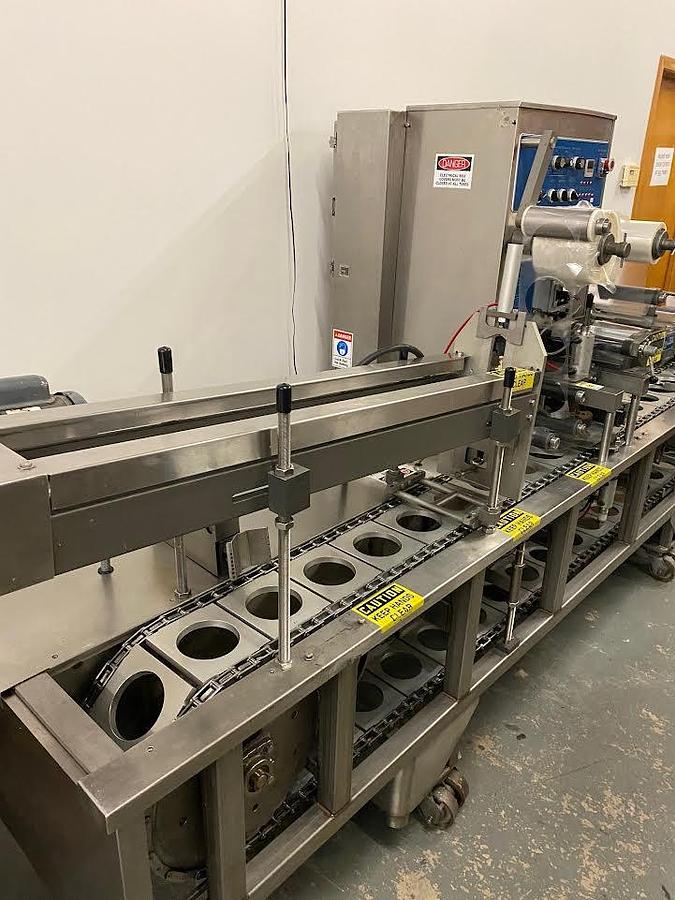
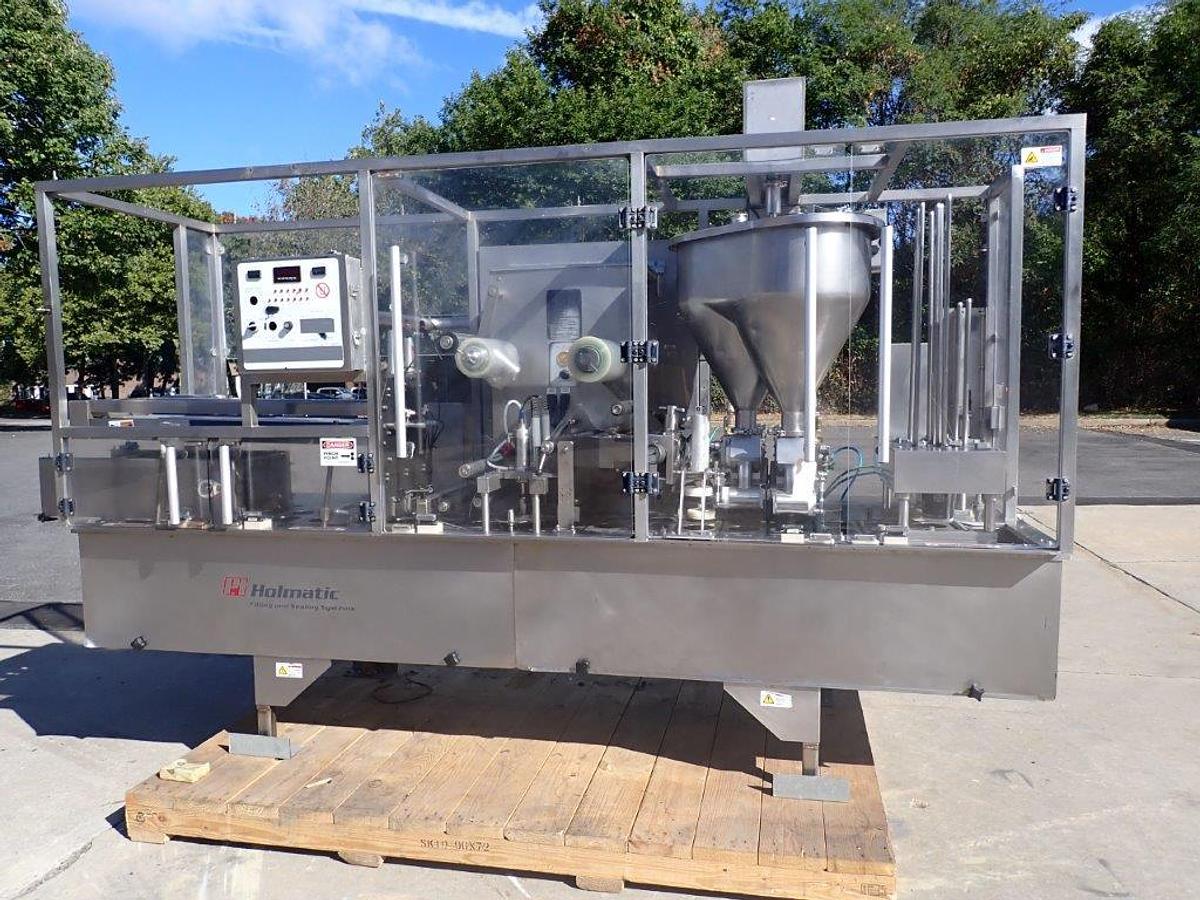
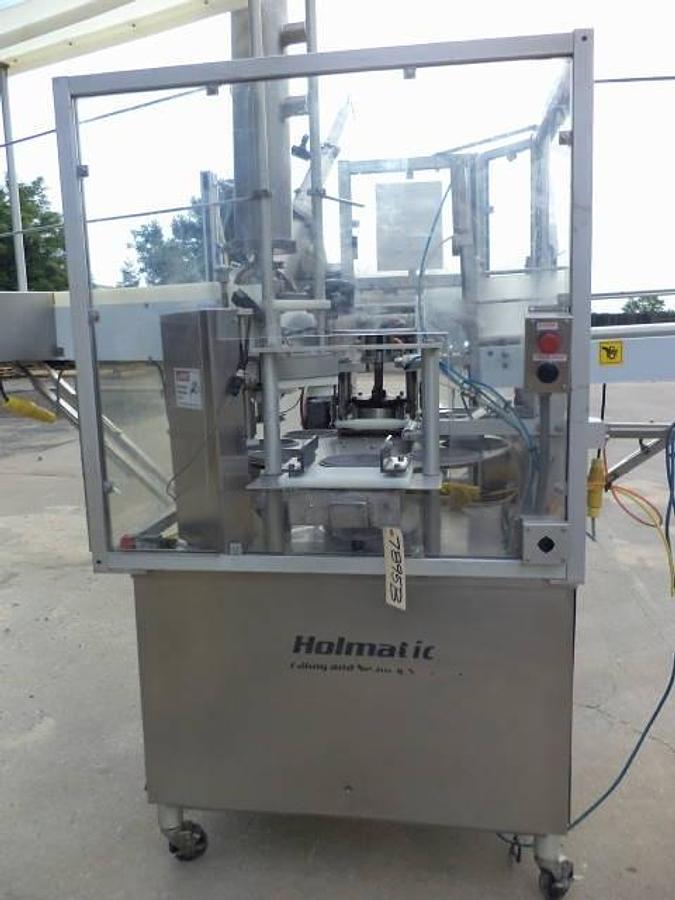
The brand is especially recognized for its cup filler, sealer, and overcapper systems, which handle multiple stages of the packaging process in a single integrated line. Models like the PR-1, PR-2, QC-80, and OF-2340 represent the range of configurations Holmatic produced, from single-lane to multi-lane systems capable of handling different cup diameters and throughput requirements. Today, Holmatic is considered legacy equipment, meaning the machines available on the market are used units rather than newly manufactured product, but they remain sought after by food processors looking for proven, durable filling and sealing solutions.
What types of filling and packaging machines does Holmatic manufacture?
Holmatic's product lineup centers on cup filling, sealing, and overcapping equipment for the food processing industry. Their machines are designed to automate the process of filling portioned food products into cups, applying a foil or film seal, and then placing a lid or overcap on top. This three-step process is critical for products like dairy desserts, frozen treats, and refrigerated single-serve foods where tamper evidence and shelf life are priorities.
Specific machine types include rotary cup fillers and sealers like the QC-80, dual-lane systems like the PR-2, fully automated filling and lidding lines like the PR-1, and multi-lane systems like the OF-2340 "OPTI-FIL" four-lane configuration. These machines vary in terms of lane count, tooling diameter, production speed, and automation level. The tooling on Holmatic machines is cup-size specific, so buyers should confirm that the tooling included with any used unit matches their production requirements, or factor in the cost and availability of alternative tooling before purchasing.
What should buyers know about purchasing used Holmatic machinery?
Buying used Holmatic equipment requires more due diligence than purchasing from an active manufacturer, primarily because Holmatic is a legacy brand and factory support is limited. Buyers should start by verifying the specific model and confirming the included tooling dimensions, since cup filler and sealer machines are tooled for specific cup diameters and changing tooling can be a significant added expense. The condition of sealing components, drive systems, and filling mechanisms should be a top priority during any inspection, as these are the highest-wear areas on this type of equipment.
Used equipment is typically sold on an "as-is" basis, which places the responsibility of evaluation squarely on the buyer. Reputable dealers will accommodate in-person inspections or provide detailed video walkthroughs of the machine in its current state. Some machines may still be installed in active production facilities, allowing a prospective buyer to observe the equipment running. Buyers should also research parts availability before committing to a purchase, since sourcing replacement components for legacy Holmatic machines can be challenging and may require third-party fabrication or aftermarket suppliers.
How much does used Holmatic machinery typically cost?
Pricing for used Holmatic equipment varies considerably depending on the model, configuration, condition, and what tooling or ancillary components are included. Simpler single-lane or older model units can be found at the lower end of the range, while multi-lane systems like the OF-2340 four-lane cup filler or fully automated line configurations like the PR-1 will command significantly higher prices due to their complexity and throughput capacity. Generally speaking, used food packaging machinery of this type ranges from a few thousand dollars for basic units to tens of thousands for complete, well-maintained systems.
Beyond the purchase price, buyers should account for the full landed cost of the equipment. This includes freight, any rigging required for loading and unloading, crating or palletization charges, and any refurbishment or parts replacement needed to bring the machine to production-ready condition. Machines that come with verified working condition documentation or that have been recently serviced may carry a premium, but that premium is often justified by the reduced risk and lower startup costs on the buyer's end.
What is the availability of spare parts for Holmatic machines?
Parts availability is one of the most important factors to evaluate before purchasing any legacy food processing equipment, and Holmatic is no exception. Because Holmatic is no longer in active primary production, buyers cannot rely on a manufacturer's parts program the way they could with current-production equipment. This means sourcing replacement components often requires working with aftermarket parts suppliers, specialty food equipment rebuilders, or in some cases having worn components reverse-engineered and fabricated by a machine shop.
Before finalizing any purchase, buyers are strongly advised to consult with the equipment dealer about known parts challenges for the specific model in question, and to reach out to food equipment service companies who specialize in legacy dairy and filling machinery. Some components like seals, gaskets, and wear parts may be available through generic food-grade parts suppliers, while more specialized components like filling pistons, sealing dies, or proprietary drive assemblies may be harder to source. Building a small inventory of critical wear parts at the time of purchase is a common and practical approach for buyers who plan to put the machine into regular production.
Can used Holmatic machinery be refurbished or rebuilt?
Refurbishment is a common and practical path for buyers of legacy food processing equipment like Holmatic machines. Many of these units were built to industrial standards that make them mechanically sound even after years of use, and a thorough rebuild can extend the operational life of the equipment significantly. Typical refurbishment work includes replacing worn seals and gaskets, reconditioning or replacing filling pistons, servicing drive components, updating electrical controls, and deep-cleaning all food-contact surfaces to meet current sanitation standards.
The feasibility and cost of a rebuild depends heavily on the specific model and the condition of the machine's core mechanical components. Machines with intact frames, functional sealing heads, and complete tooling sets are generally good candidates for refurbishment. Buyers who purchase used Holmatic equipment with the intention of rebuilding it should work with technicians who have hands-on experience with this type of cup filling and sealing machinery, since generic food equipment mechanics may not be familiar with Holmatic's specific design. Getting a condition assessment from a qualified technician before purchase is the most reliable way to estimate what a full refurbishment will cost.
What production speeds and output capacities can Holmatic cup fillers achieve?
Production capacity on Holmatic filling and sealing equipment depends on the specific model and its lane configuration. Single-lane machines are suited for lower-volume operations or specialty runs, while multi-lane systems like the OF-2340 four-lane configuration are designed for high-throughput production environments where speed and consistency are critical. Output is typically measured in cups per minute, and multi-lane machines multiply that figure by the number of lanes running simultaneously.
For buyers evaluating whether a specific used Holmatic unit can meet their production targets, it is important to consider not just the machine's rated capacity but also its current mechanical condition. A machine running at less than peak efficiency due to worn components may not achieve its rated throughput until serviced. Additionally, the viscosity and fill weight of the product being run, as well as the cup size and sealing film type, can all affect actual line speed. Buyers should discuss realistic throughput expectations with the equipment dealer and, if possible, review any available documentation on the machine's production history.
How does the inspection process work when buying used Holmatic equipment?
Inspection is a critical step in any used machinery purchase, and reputable dealers will typically offer multiple options to accommodate buyers who cannot travel to the machine's location. In-person inspections allow the buyer or their designated technician to examine the equipment directly, check for wear, assess the condition of tooling and sealing components, and review any available maintenance records. Virtual inspections conducted via live video call are also widely available and can be an effective alternative when travel is not practical.
Some used Holmatic machines may still be installed at the facility where they were last operated, which creates the opportunity to observe the equipment in a production setting. Keep in mind that equipment dealers generally do not have the permits or production infrastructure to run actual product through the machine during an inspection, so testing is typically limited to mechanical operation rather than full production runs. Buyers should prepare a list of specific items to check during any inspection, including the condition of fill heads, sealing dies, cup transport systems, and drive components, and should not hesitate to request additional photos or video of areas that are difficult to assess remotely.
What are the shipping and logistics considerations for Holmatic machinery?
Holmatic cup filling and sealing systems range from compact single-lane machines to large multi-lane production lines, and shipping logistics vary accordingly. Smaller units may be palletized and shipped via freight carrier with standard packaging, while larger systems like the four-lane OF-2340 or a complete PR-1 filling and lidding line will require professional rigging for loading and unloading, as well as heavy-duty crating to prevent damage in transit. The cost of rigging, crating, and freight should be factored into the total acquisition cost before comparing prices across different listings.
Buyers should ask the selling dealer for a detailed breakdown of packaging and shipping costs, including whether the machine will be crated, what type of rigging equipment is available at the origin location, and whether the buyer's facility is equipped to receive and unload heavy machinery. Forklift access, dock height, and floor load capacity at the destination are all practical considerations that should be confirmed in advance. International shipments add additional complexity around customs documentation and import duties, so buyers outside the seller's country should work with a freight forwarder experienced in industrial machinery.
What payment terms are typically offered when purchasing used food processing equipment?
Used equipment transactions in the food processing machinery market generally follow straightforward payment terms. Most dealers require full payment prior to releasing the equipment for shipment, which is standard practice in the industry given the nature of used machinery sales. This protects both parties and ensures that ownership is clearly transferred before logistics are arranged. Some dealers may offer payment terms to established customers with a prior transaction history, but first-time buyers should expect to pay in full upfront.
Accepted payment methods typically include wire transfer, which is the most common method for larger transactions, as well as other forms of verifiable funds transfer. Buyers should confirm payment requirements directly with the dealer before proceeding and should ensure they have a clear understanding of what happens after payment is received, including the timeline for machine preparation, rigging, and shipping. Getting all terms documented in writing before sending any funds is a basic but important step in any used equipment transaction.