Category
Manufacturer
Model
Hobart
Hobart is a well-established name in the foodservice equipment industry, providing a range of machines for commercial kitchens. They are particularly known for their dishwashing and food preparation equipment, which are designed to enhance efficiency and cleanliness. Hobart’s innovative solutions cater to restaurants, catering services, and institutional food providers.
FAQ:
What types of used Hobart commercial food equipment are typically available for sale?
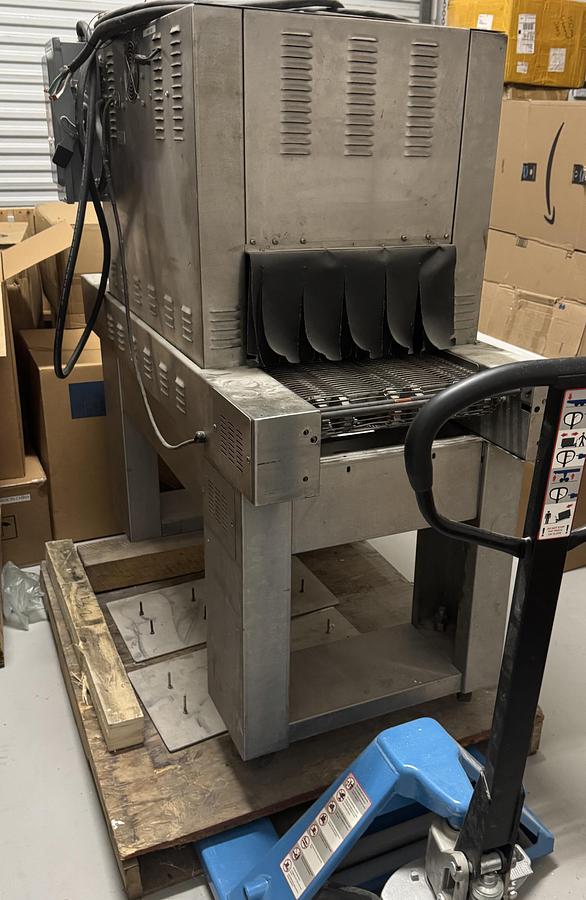
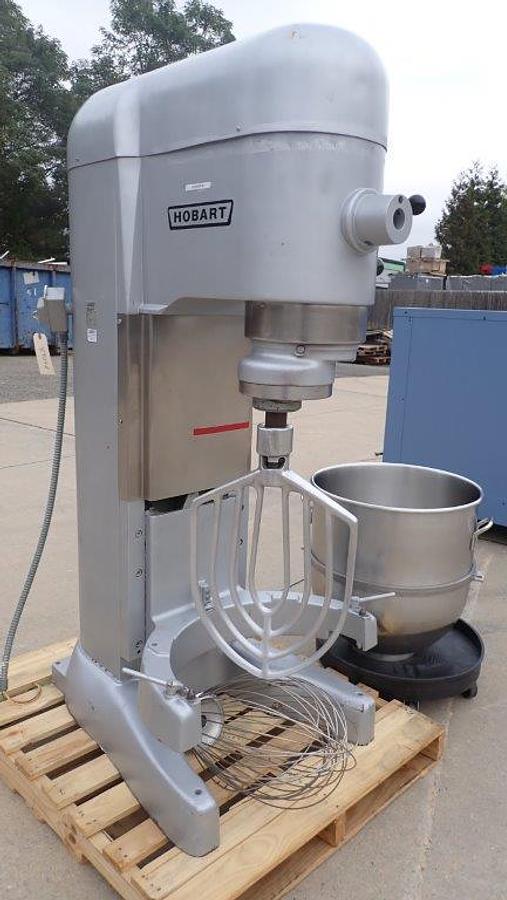
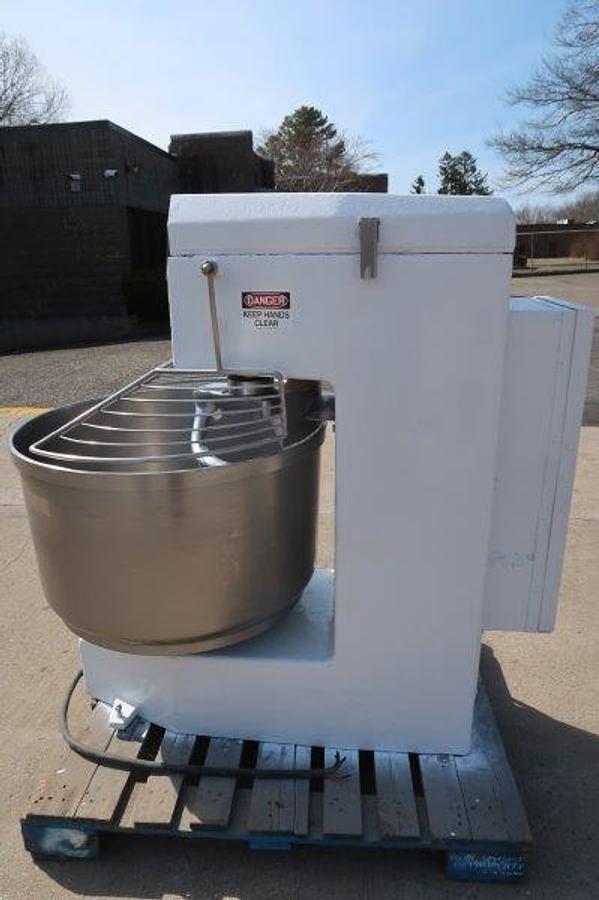
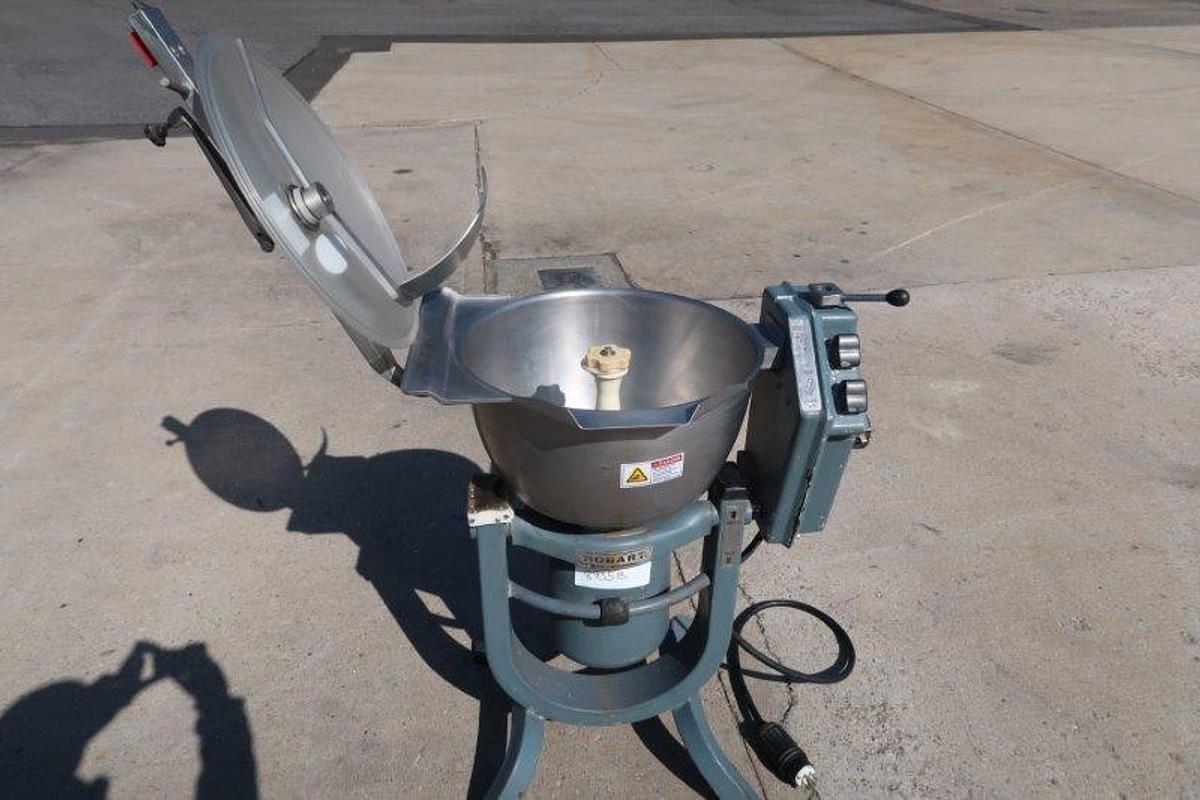
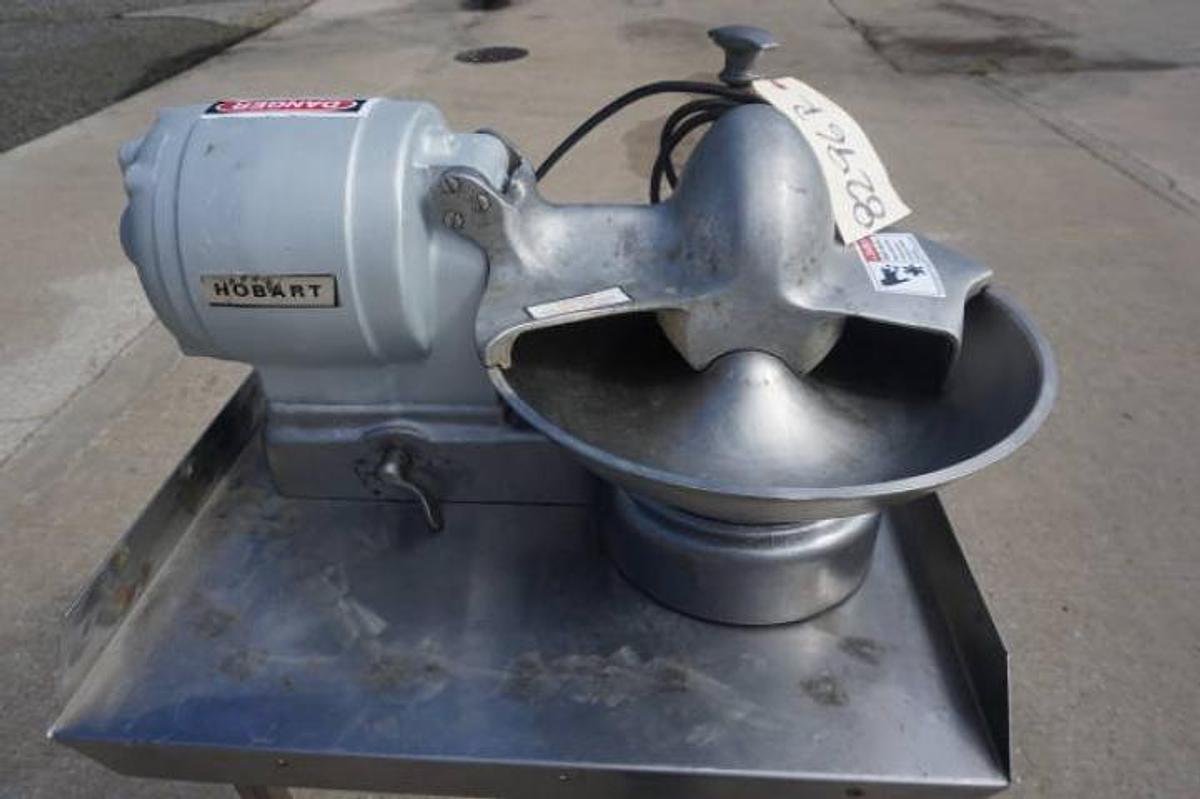
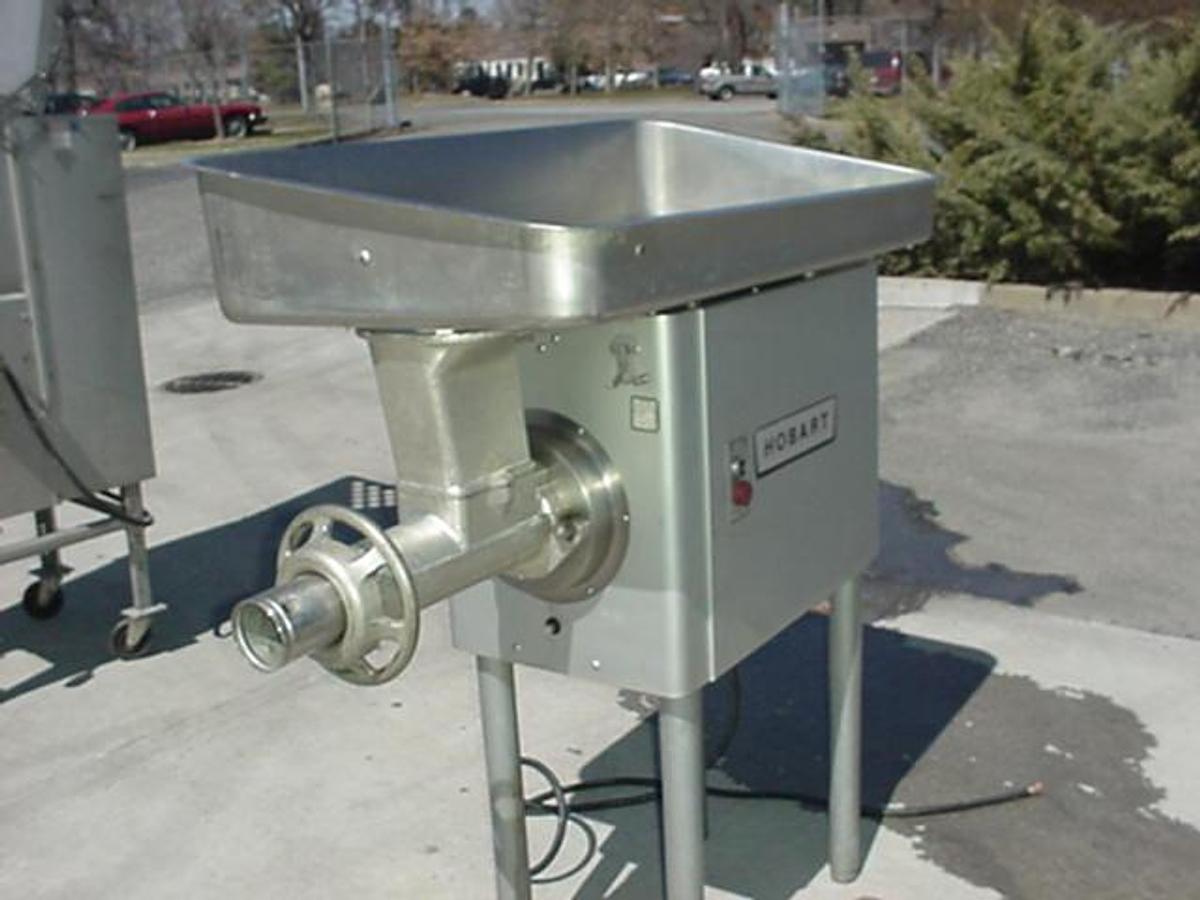
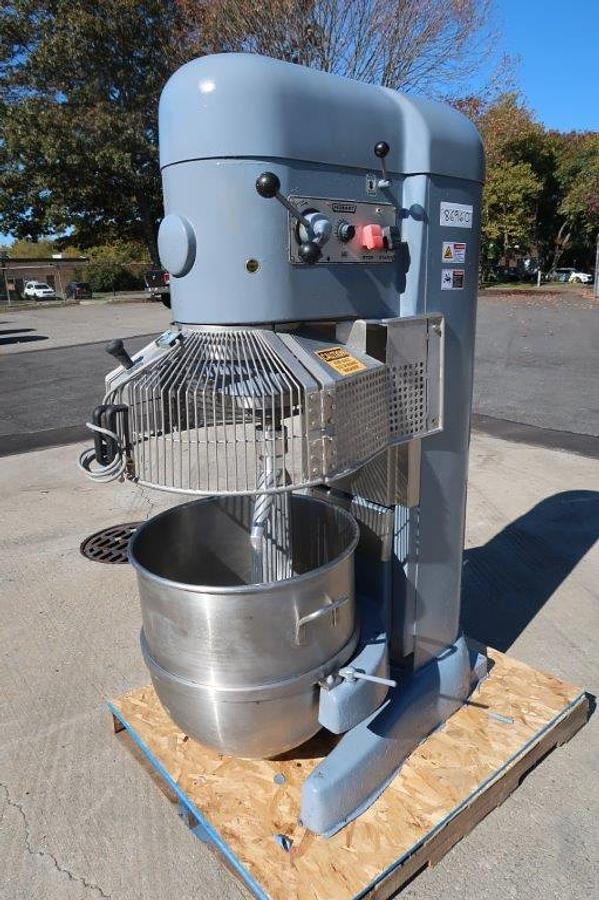
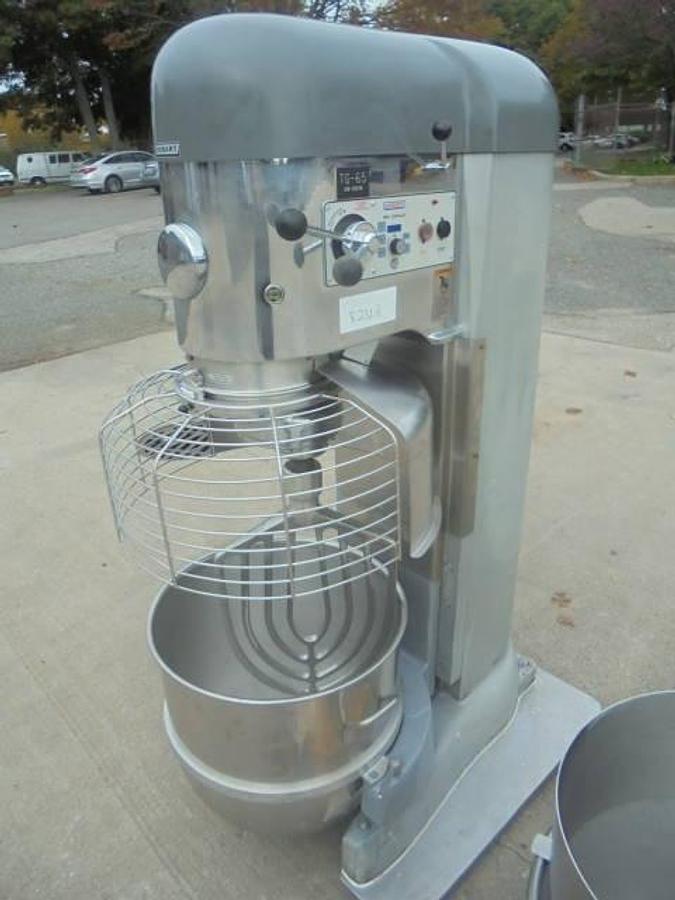
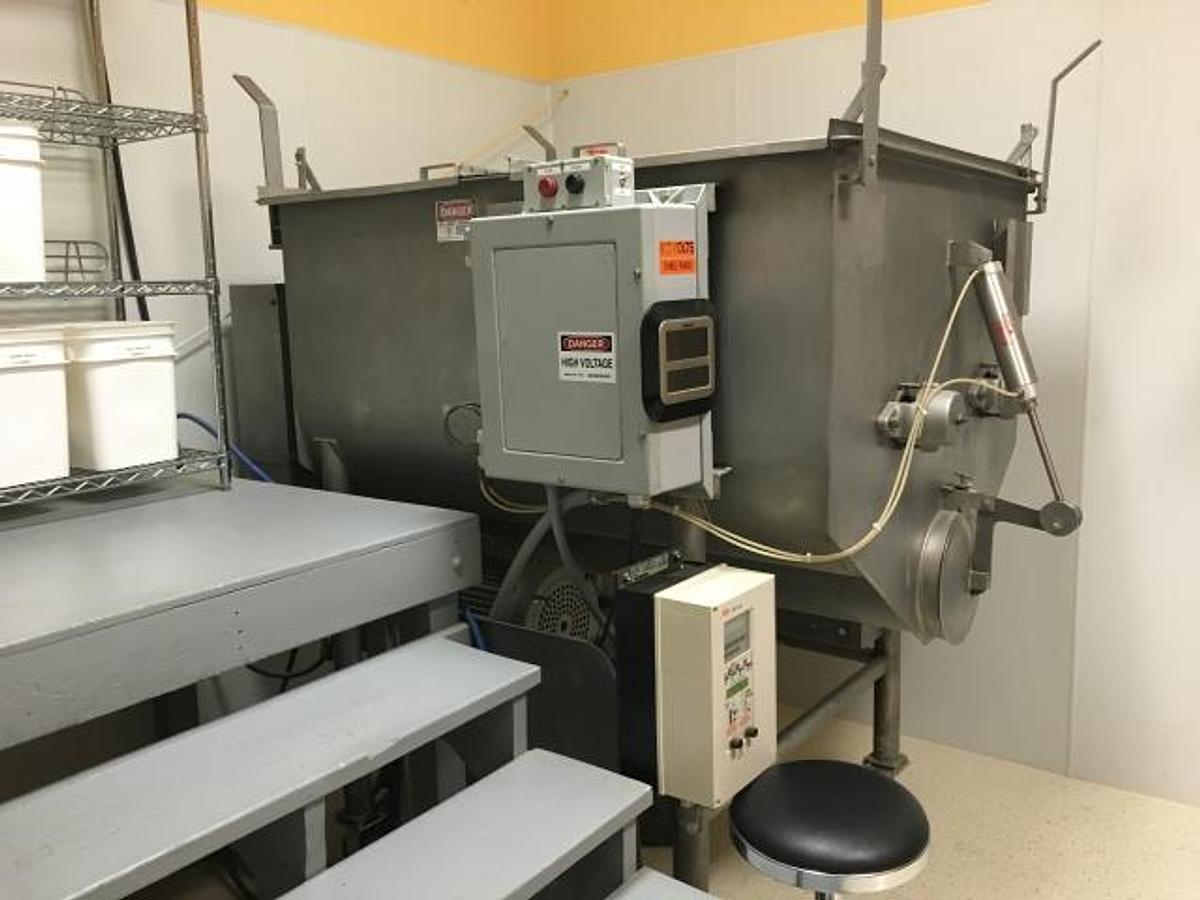
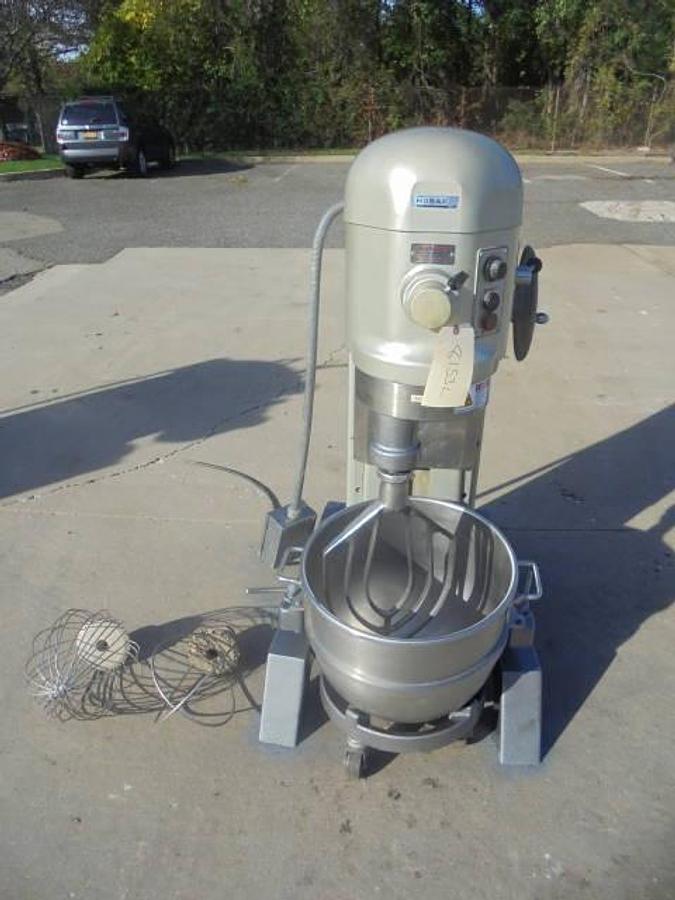
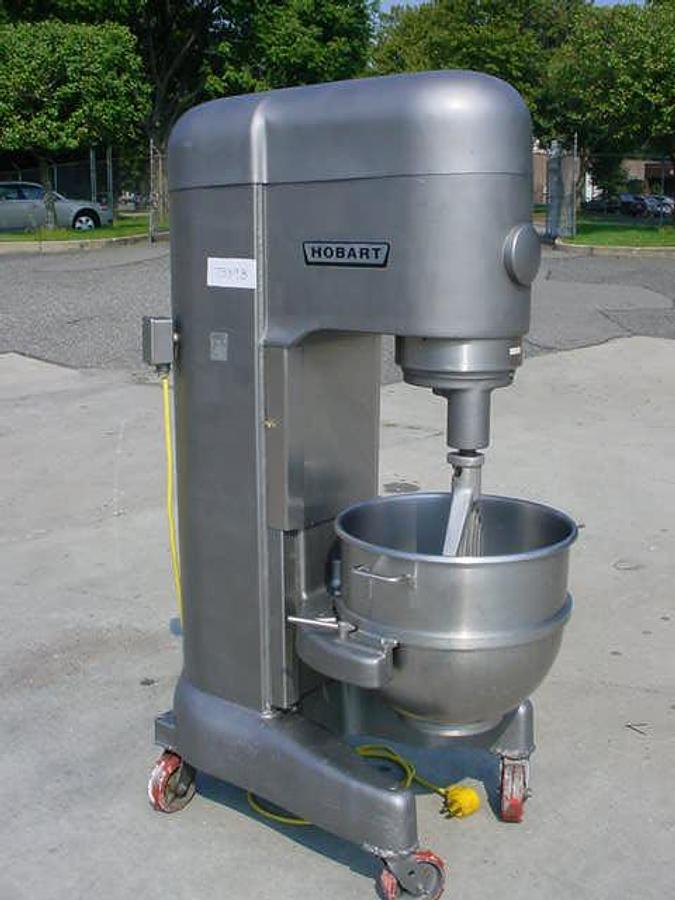
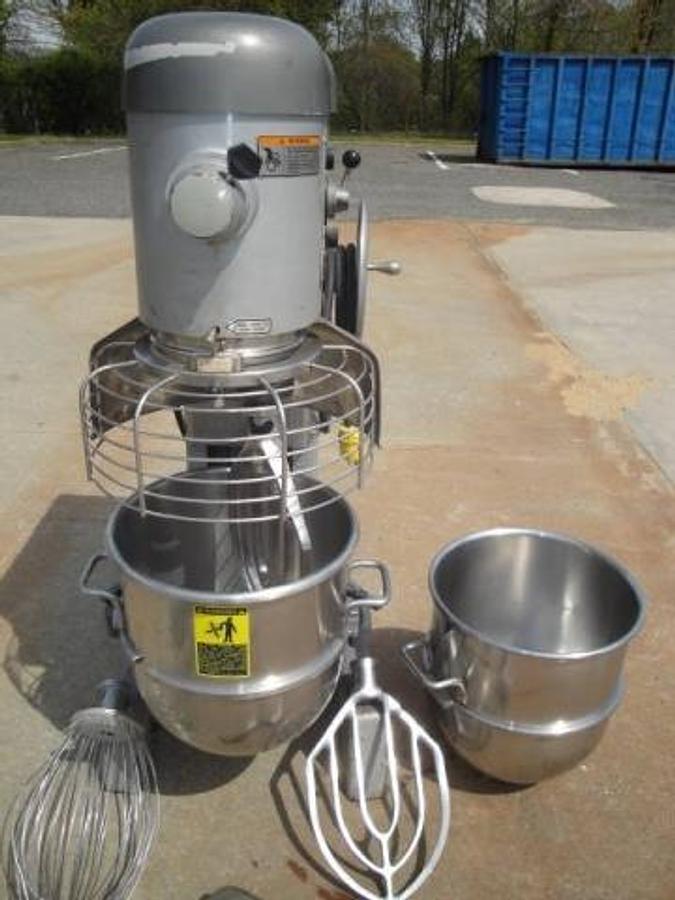
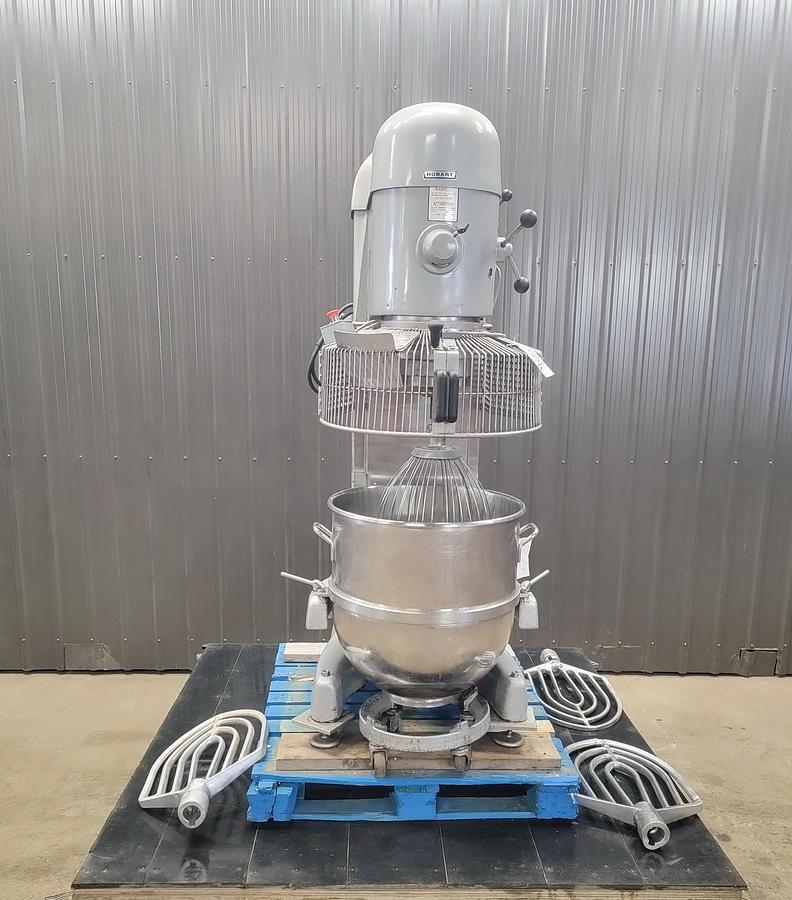
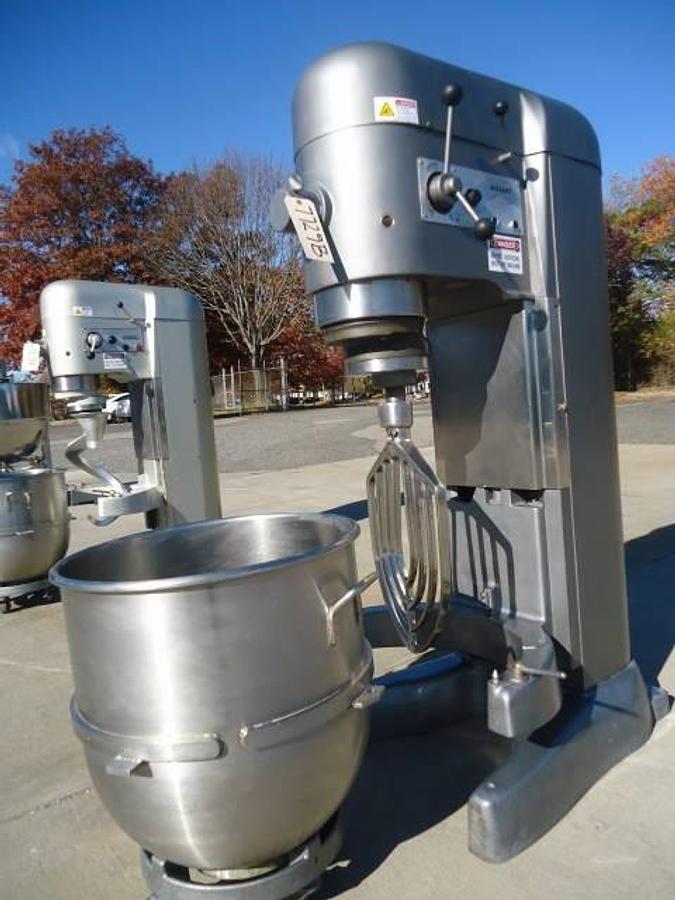
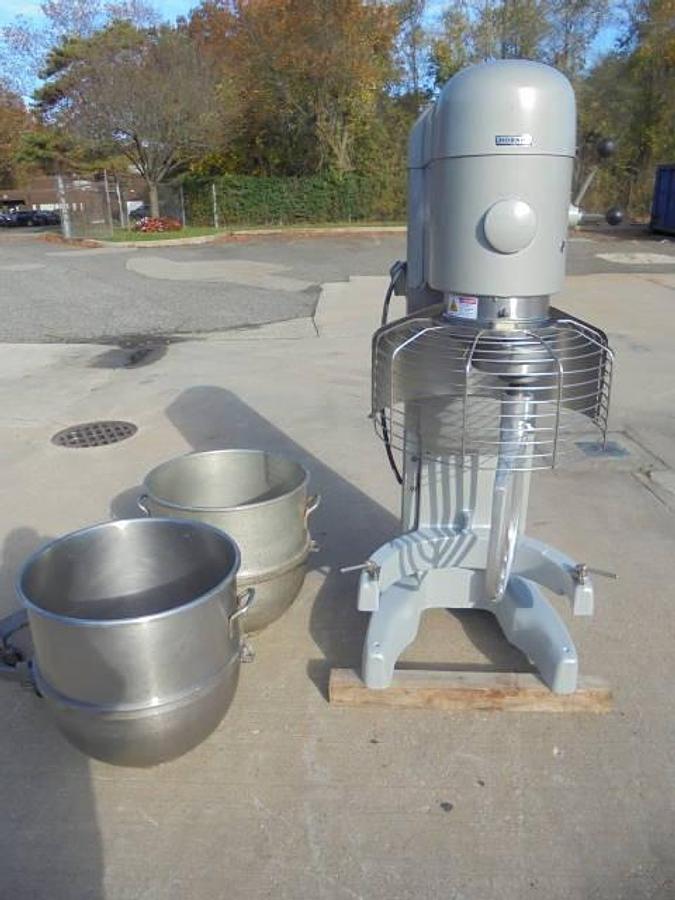
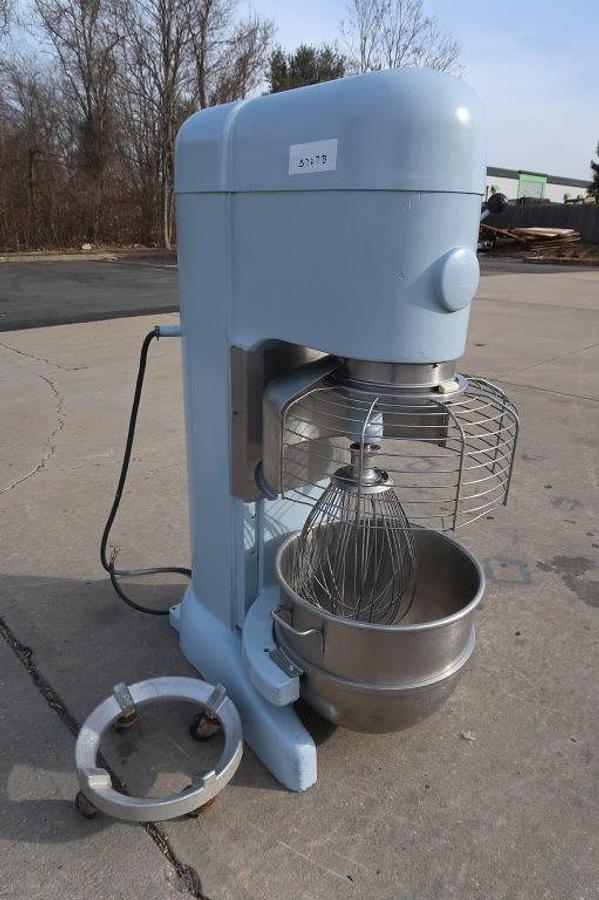
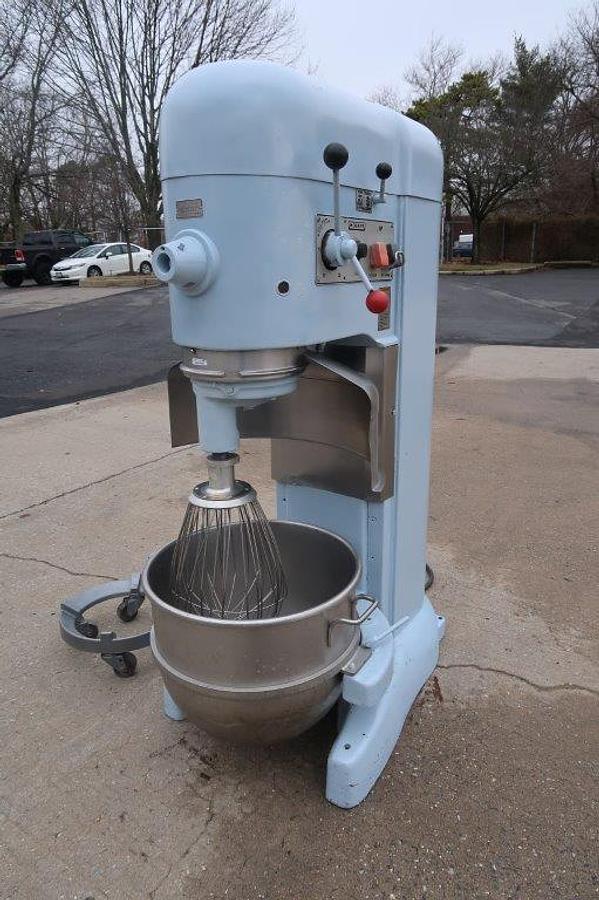
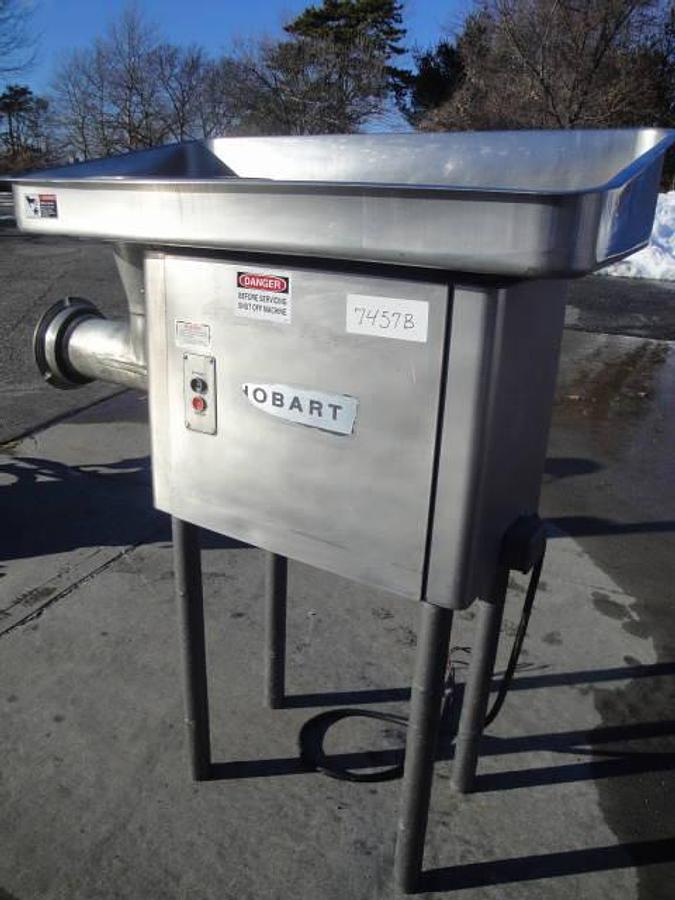
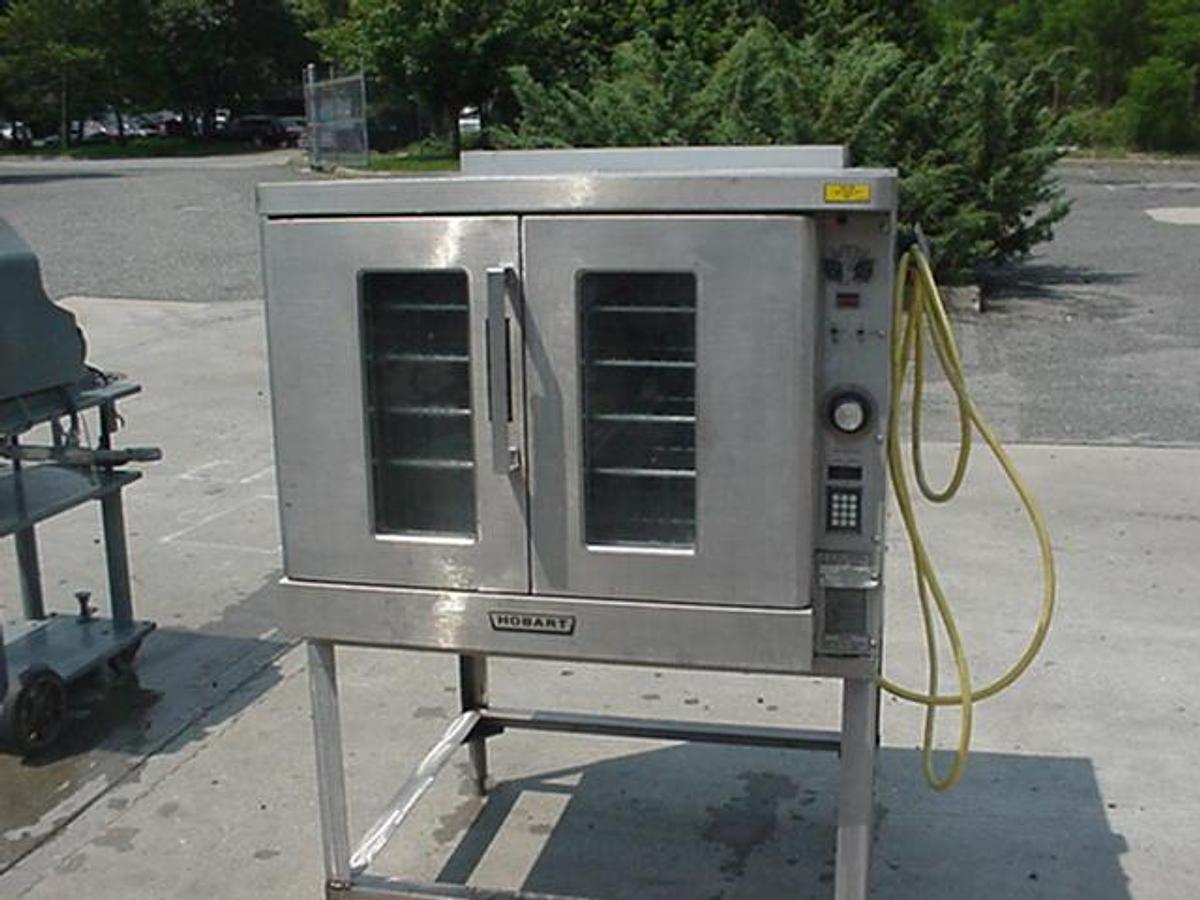
Used Hobart commercial food equipment spans a wide range of machine categories, reflecting the brand's broad presence across professional kitchens. The most commonly available machines include planetary bowl mixers in various capacities (40 qt, 60 qt, 80 qt, and 140 qt), vertical cutter-mixers, spiral dough mixers, mixer-grinders, meat grinders, bowl choppers, and commercial ovens. Specific models that appear frequently on the used market include the Hobart V-1401 140-quart bowl mixer, the M-802 80-quart mixer, the VCM-40 and VCM-40E vertical cutter-mixers, the HCM-300 and HCM-450 cutter-mixers, and the HF250 spiral dough mixer. Many listings also include accessories such as mixing attachments, dollies, and stainless steel bowls.
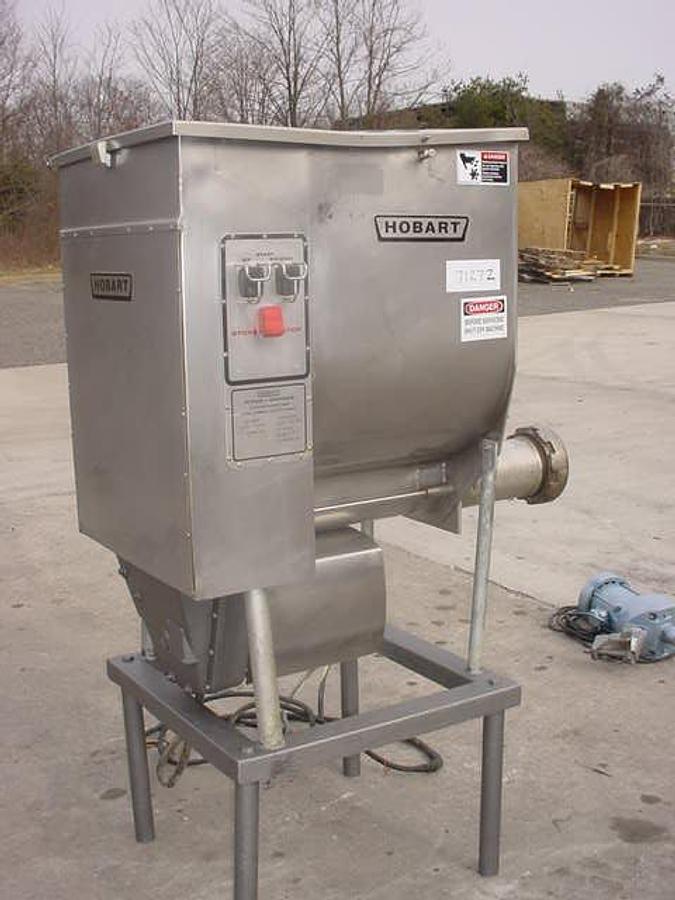
Beyond mixers and cutters, used Hobart equipment for sale can include commercial dishwashers, food processors, slicers, scales, and wrapping systems. The variety reflects how extensively the brand is used across foodservice segments, from independent restaurants and pizzerias to large-scale institutional kitchens and catering operations. Buyers looking for a specific machine type or capacity will often find multiple Hobart models to compare, since the brand's long production history means a healthy supply of used units enters the market as commercial kitchens upgrade or close.
Is used Hobart commercial equipment a reliable purchase compared to buying other brands?
Hobart has built a reputation over more than a century as one of the most durable and dependable names in commercial foodservice equipment. The machines are engineered for continuous daily use in demanding kitchen environments, and many units remain fully operational after 20 or more years of service. That longevity is one of the primary reasons used Hobart equipment holds its value and continues to circulate on the secondary market long after initial purchase. A used Hobart mixer or cutter-mixer that has been properly maintained can still deliver the same performance it did when it was first put into service.
Compared to lesser-known brands, Hobart's advantage on the used market comes down to parts availability and service support. Because Hobart has maintained such a large installed base across North America, replacement parts are generally easier to source and certified technicians familiar with the machines are easier to find. This matters a great deal for used equipment buyers, since the ability to service and maintain a machine over time directly affects total cost of ownership. Buyers should still conduct a thorough inspection of any used unit before purchasing, but the underlying build quality of Hobart machines gives them a meaningful edge over comparable used equipment from brands with shorter histories or smaller service networks.
What should I inspect before buying used Hobart commercial food equipment?
Before committing to a used Hobart machine, buyers should request as much visual and operational information as possible. Reputable used equipment dealers will typically accommodate in-person inspections, video walkthroughs, or photo documentation of the machine's current condition. Key things to examine include the condition of the motor housing, any visible wear on gears or drive components, the state of seals and gaskets, and whether all speed settings or operational modes function correctly. For mixers, check that the bowl lift mechanism operates smoothly and that attachments fit and engage properly. For cutter-mixers, inspect the cutting head and blade assembly for wear.
It is worth noting that most used equipment dealers are not set up to run full production tests, since operating a commercial food machine at production capacity requires different permitting than a standard equipment resale facility. What a dealer can typically demonstrate is that the machine powers on, runs through its cycles or speeds, and shows no obvious mechanical faults. Buyers should also consult directly with Hobart's service network to understand what parts and support are available for the specific model and age of machine they are considering, since older or discontinued models may have more limited parts availability. Getting clarity on these points before purchase is the most effective way to protect yourself when buying used.
What are the power and electrical requirements for used Hobart commercial mixers and cutter-mixers?
Hobart commercial mixers and cutter-mixers are built for commercial electrical infrastructure, which means most models require three-phase power rather than standard single-phase household current. Smaller planetary mixers, such as 40-quart models, may operate on single-phase 208-240V power, but larger units like the V-1401 140-quart mixer and the VCM-40E vertical cutter-mixer (which runs at 9 HP or 12 HP) typically require three-phase 208V or 460V service. Buyers should verify the exact voltage, phase, and amperage requirements for any specific machine before purchase and confirm that their facility's electrical panel can support it.
This is a practical consideration that can add cost if a facility needs electrical upgrades to accommodate a used machine. It is a good idea to have an electrician review the machine's nameplate specifications before finalizing a purchase. Dealers can usually provide the electrical data plate information from the machine so buyers can share it with their electrician in advance. Failing to account for electrical compatibility is one of the more common and avoidable complications in used commercial equipment purchases, so addressing it early in the buying process saves time and prevents surprises after delivery.
How long does Hobart commercial food equipment typically last?
Hobart commercial food equipment is widely regarded as some of the most durable machinery in the foodservice industry. With proper maintenance, many Hobart machines, particularly their planetary mixers and vertical cutter-mixers, remain in active service for 20 years or more. It is not uncommon to find Hobart mixers from the 1980s and 1990s still running in commercial kitchens today, which speaks directly to the quality of materials and engineering built into these machines. The heavy-duty cast iron and steel construction used in models like the M-802 and V-1401 mixers is designed to handle continuous high-volume use without the kind of wear that would sideline a lighter-duty machine.
The actual lifespan of any individual machine depends on how heavily it was used, how consistently it was maintained, and whether it was operated within its rated capacity. A mixer that spent years in a high-volume bakery running multiple shifts will show more wear than the same model used in a lower-volume restaurant kitchen. When evaluating a used Hobart machine, asking for any available service history is worthwhile, since machines that have had regular maintenance, including gear oil changes, seal replacements, and periodic inspections, tend to have significantly more useful life remaining than machines that were run without upkeep.
What is the difference between a Hobart planetary mixer and a Hobart spiral dough mixer?
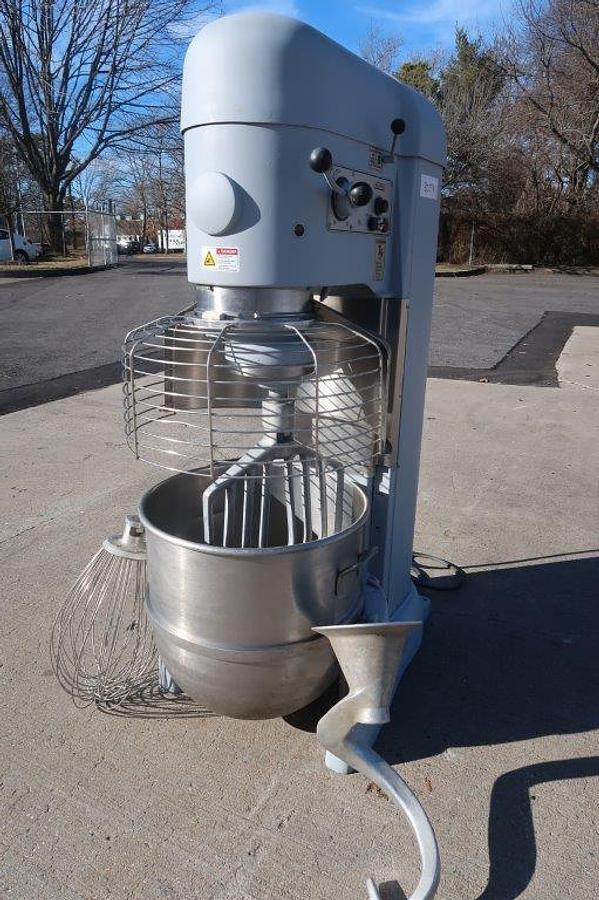
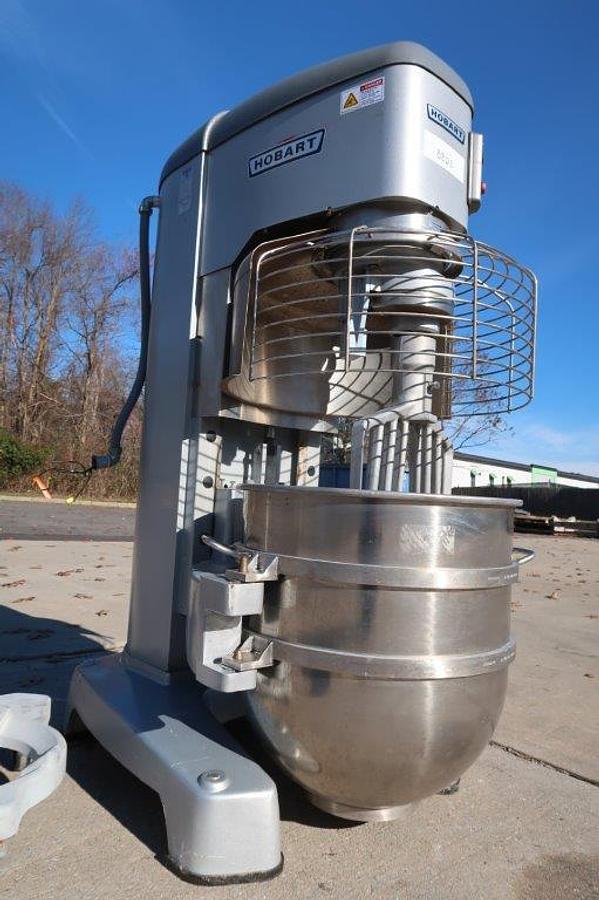
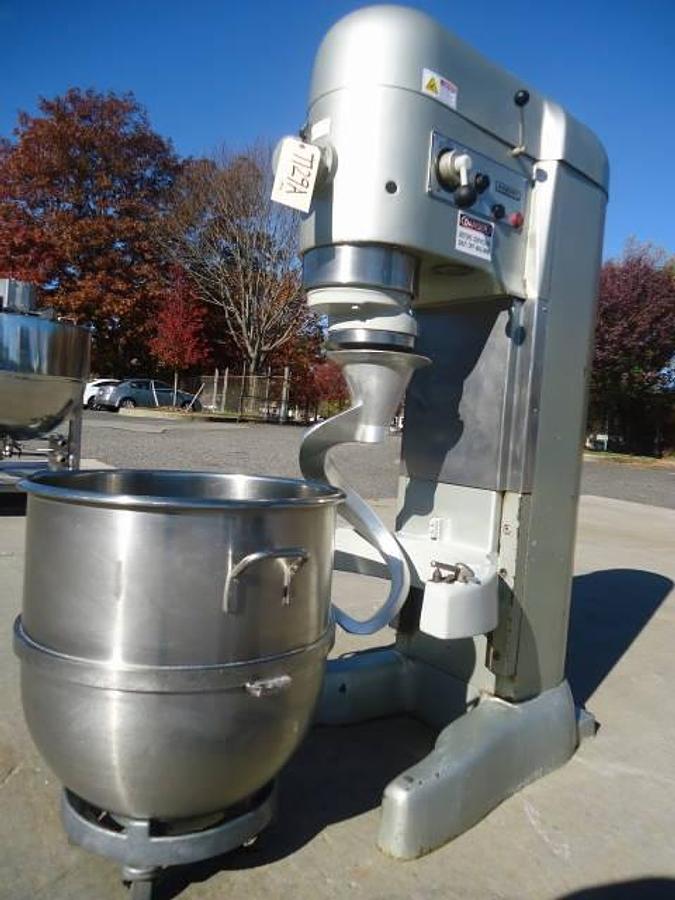
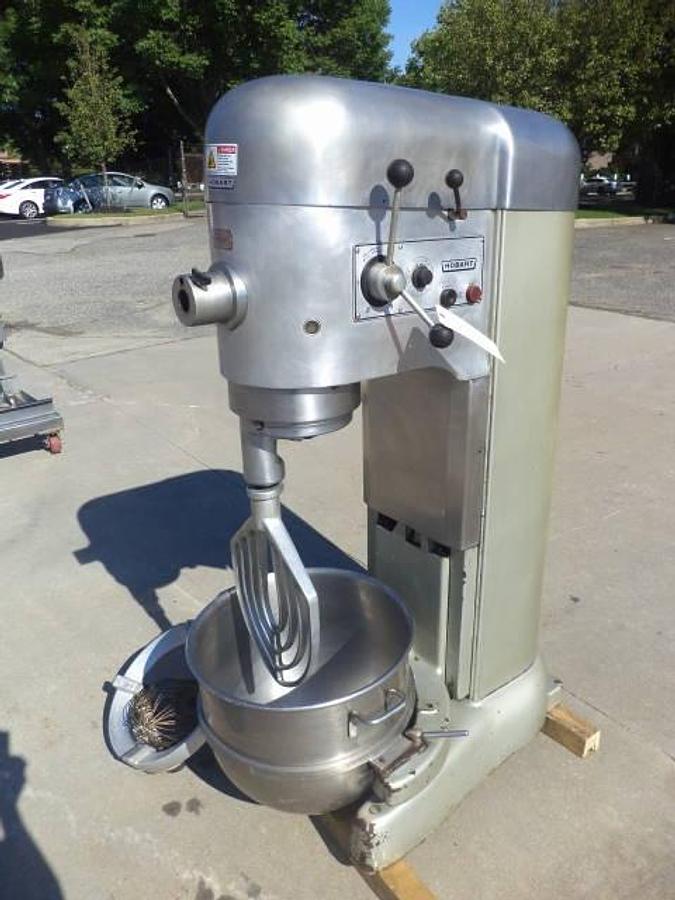
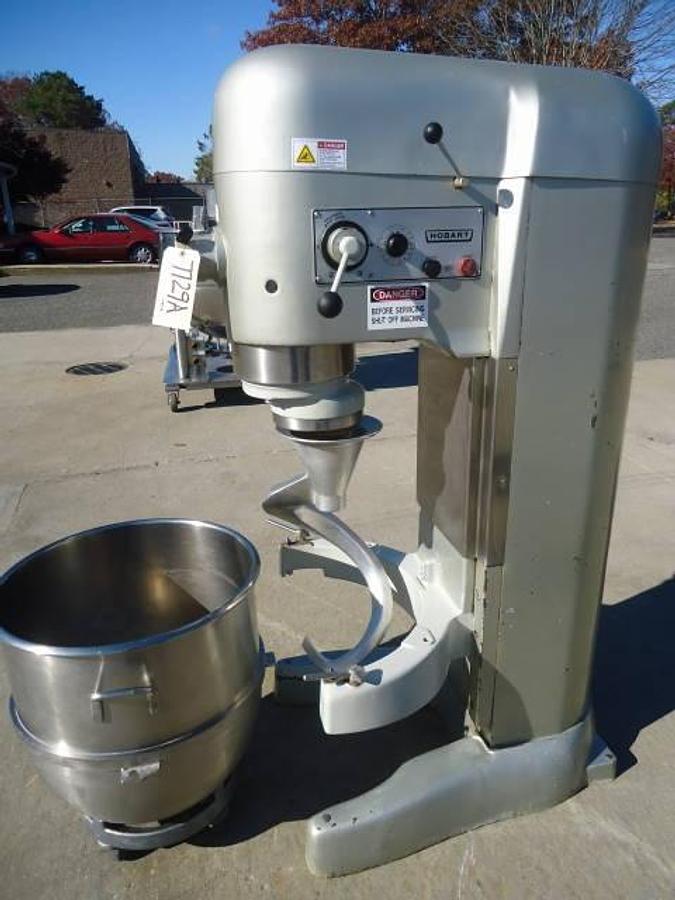
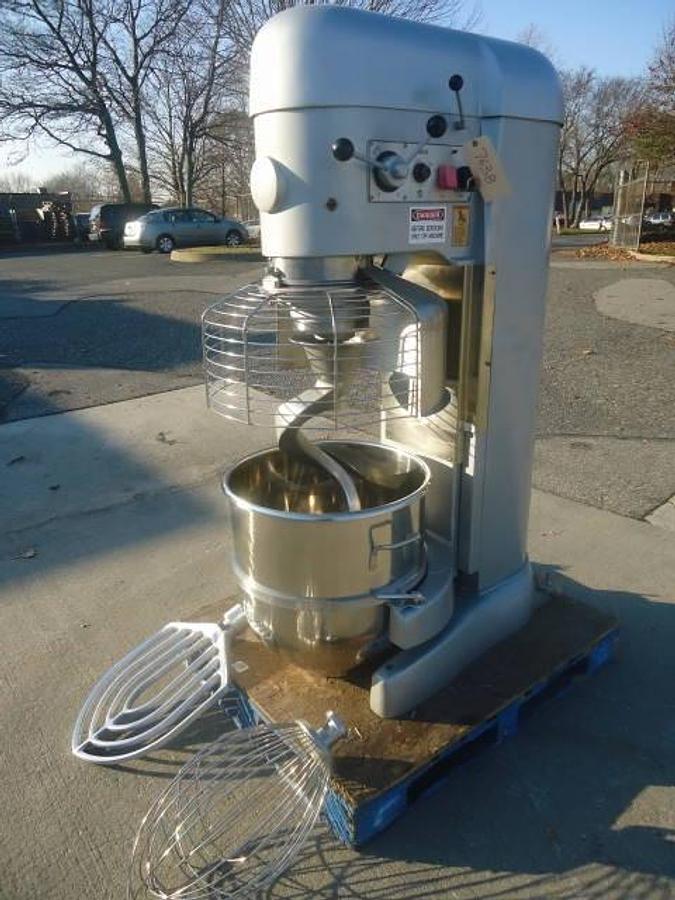
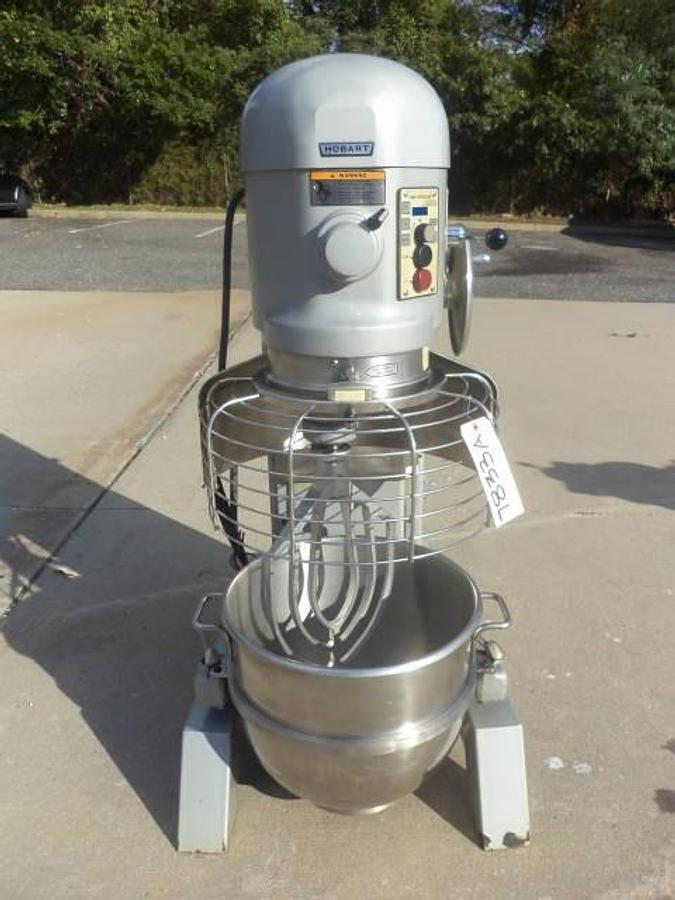
Hobart planetary mixers, such as the V-1401 and M-802 series, use a mixing attachment that rotates on its own axis while simultaneously orbiting around the bowl, similar to the way planets orbit the sun. This motion makes planetary mixers extremely versatile. They can handle a wide range of tasks depending on the attachment used, including whipping, beating, and mixing batters, as well as kneading dough. The same machine can be used for making cake batter, whipping cream, mixing meatloaf, or kneading bread dough simply by swapping attachments. This flexibility is why planetary mixers are found in such a broad range of commercial kitchen environments, from bakeries to restaurants to institutional kitchens.
Spiral dough mixers, like the Hobart HF250, are purpose-built for dough production. In a spiral mixer, the bowl itself rotates while a fixed spiral hook works the dough. This design generates less heat during mixing, which is important for dough development, and it handles high-hydration or high-volume dough batches more efficiently than a planetary mixer can. Spiral mixers are the preferred choice for high-volume bread and pizza dough production. The tradeoff is that they are not versatile in the way planetary mixers are. Buyers choosing between the two on the used market should consider their primary application: if dough is the main focus and volume is high, a spiral mixer is the better tool; if the kitchen needs a machine that handles multiple tasks, a planetary mixer is the more practical choice.
What is a Hobart vertical cutter-mixer, and what is it used for?
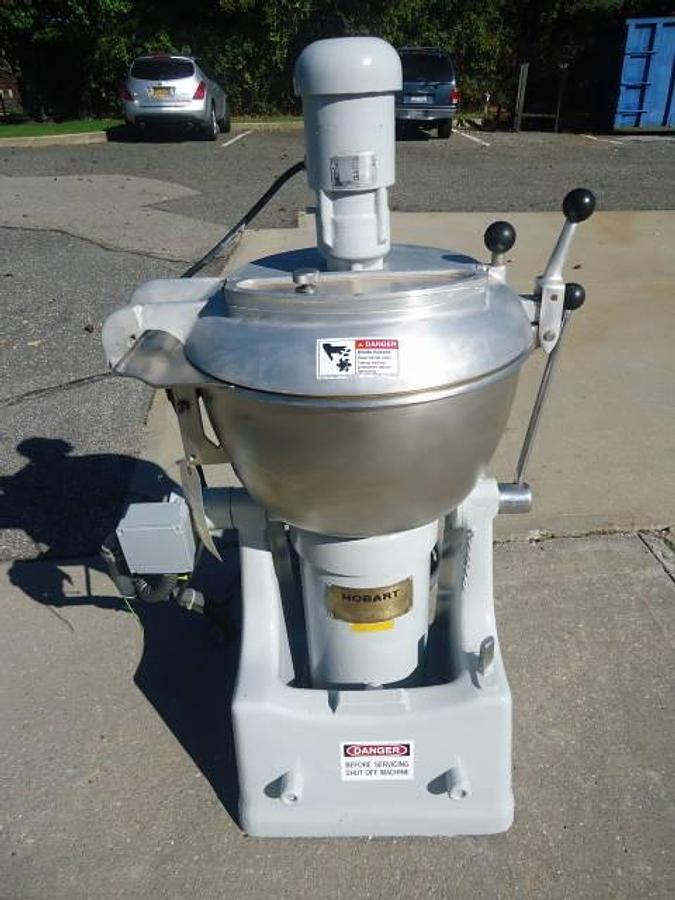
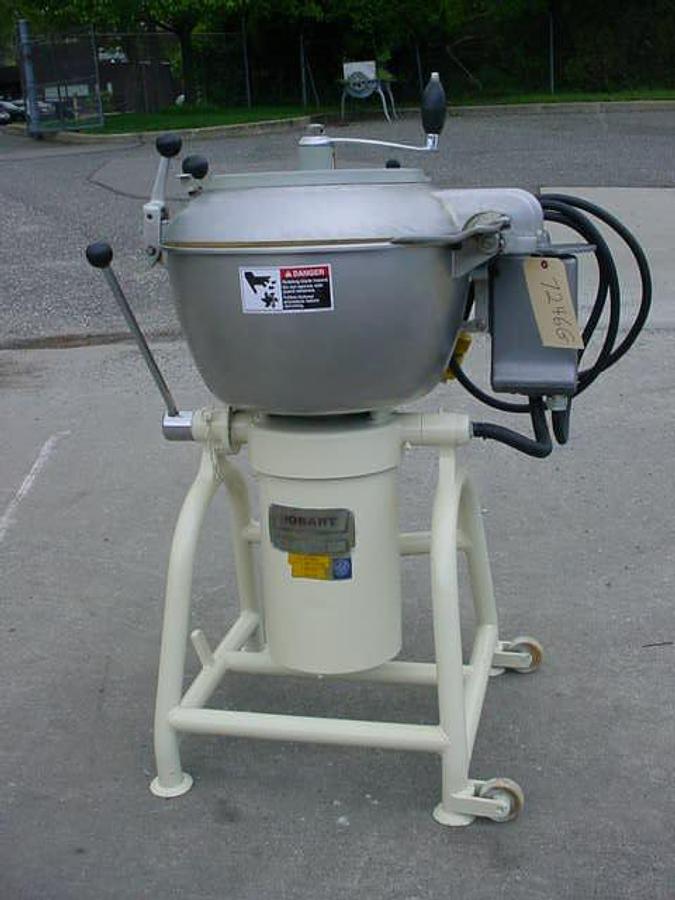
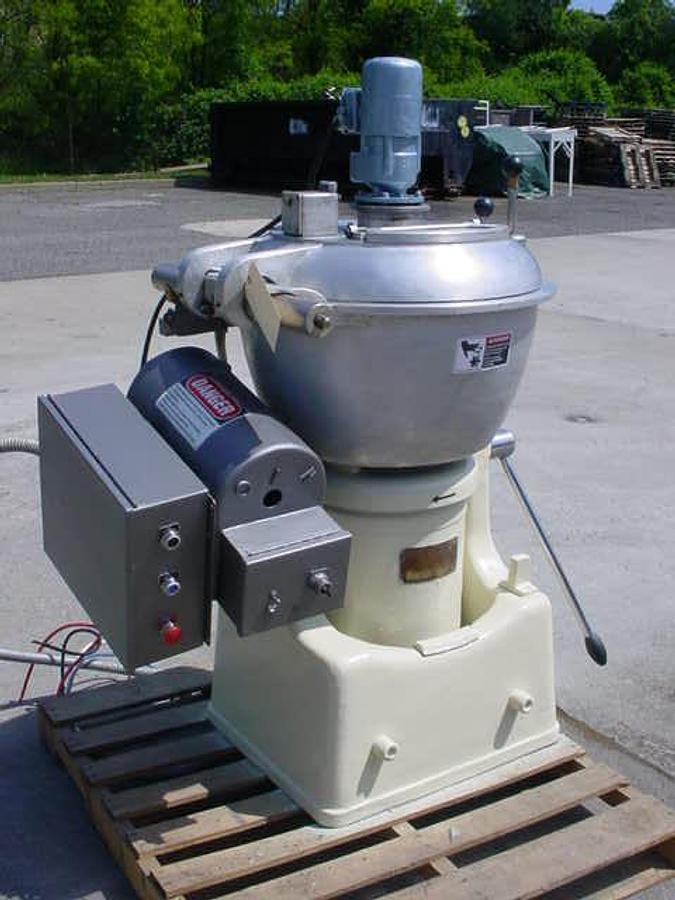
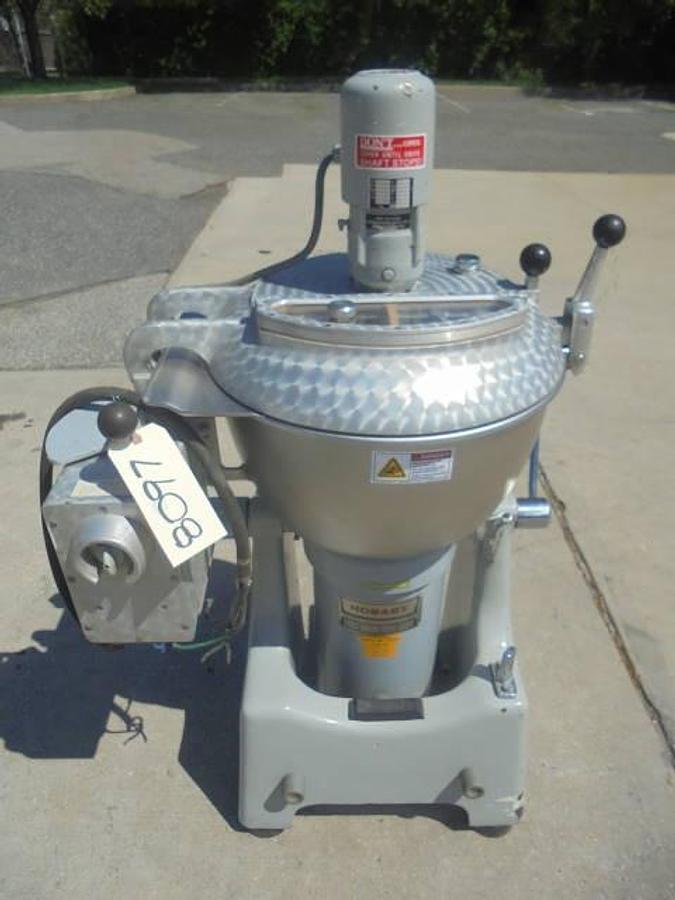
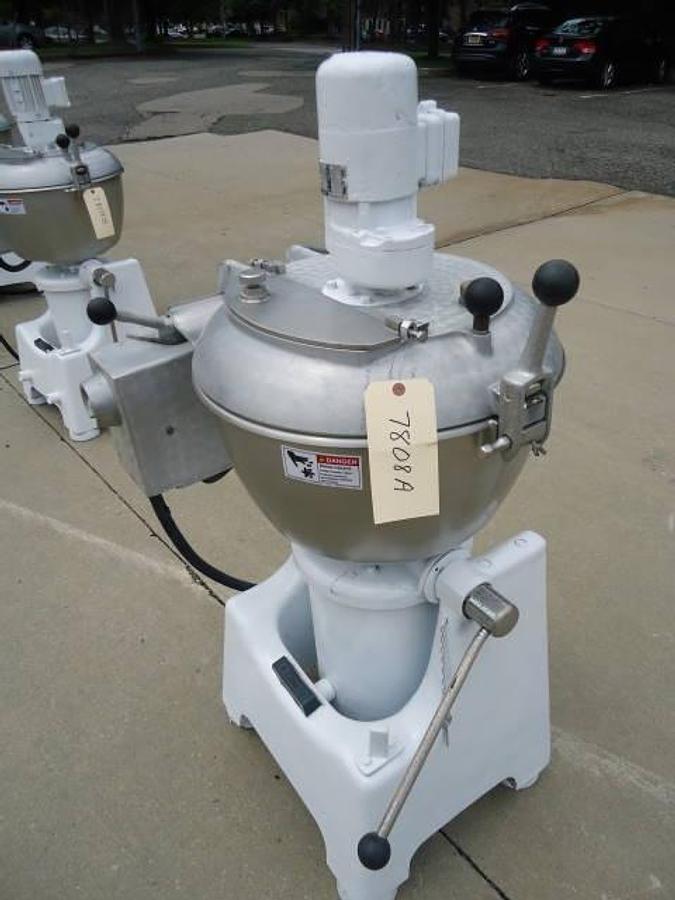
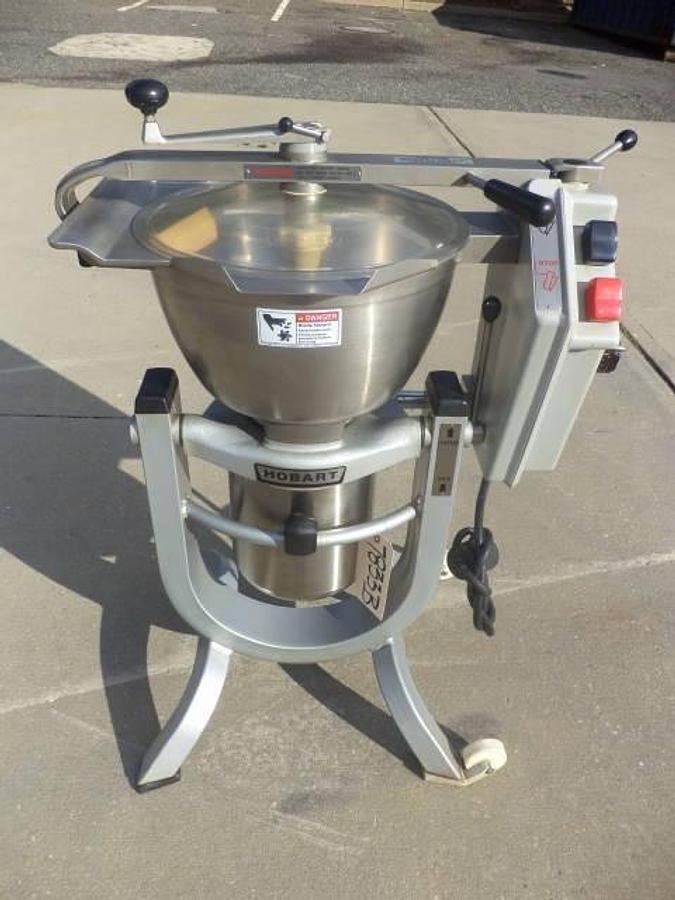
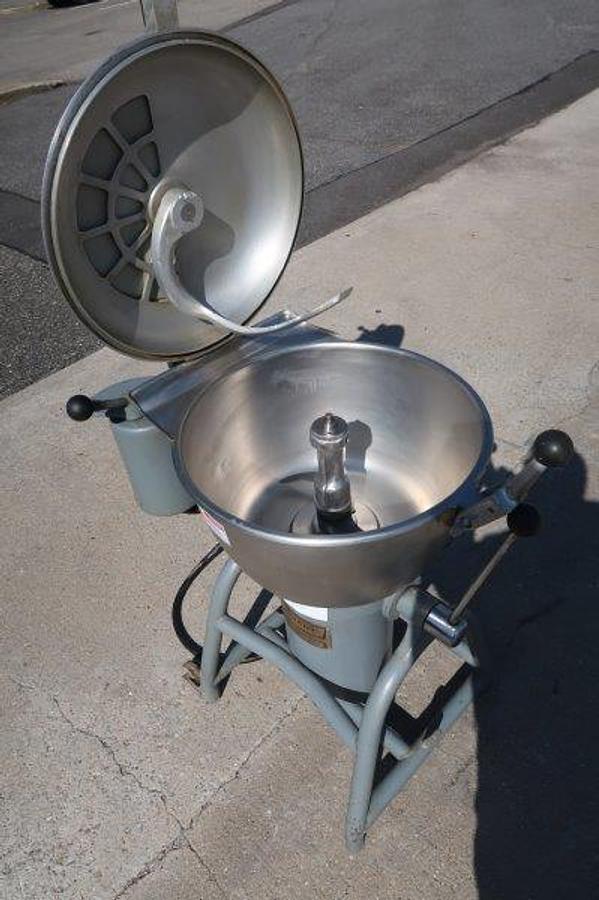
A Hobart vertical cutter-mixer (VCM) is a high-speed batch processing machine designed for rapid cutting, chopping, blending, and mixing of large quantities of food. Models like the VCM-40 and VCM-40E feature a vertical bowl with a high-speed rotating blade assembly that can process vegetables, meats, cheeses, sauces, and other ingredients in a fraction of the time it would take with conventional food preparation methods. The VCM-40E, for example, runs at either 9 HP or 12 HP depending on configuration, which gives it the power to handle dense or fibrous ingredients at commercial scale. These machines are workhorses in high-volume production environments such as hospital foodservice, large catering operations, school cafeterias, and food manufacturing facilities.
The key distinction between a VCM and a standard food processor or bowl mixer is throughput. A vertical cutter-mixer can process a 40-quart batch in a matter of seconds or minutes, depending on the application, making it suited for operations that need to prep large volumes of food quickly and consistently. Used Hobart VCMs are popular on the secondary market because of their durability and the relatively high cost of comparable new machines. Buyers considering a used VCM should pay particular attention to the condition of the blade assembly and the bowl seal, as these are the components most subject to wear in high-use environments.
How does shipping and delivery work for used Hobart commercial food equipment?
Shipping used commercial food equipment like Hobart mixers and cutter-mixers requires more planning than standard freight because of the machines' size and weight. Hobart planetary mixers in the 80-quart and 140-quart range, for example, can weigh several hundred pounds, and vertical cutter-mixers with their heavy motors add further complexity. Reputable dealers will package machines on pallets or in crates appropriate to the machine's size and fragility, and the level of packaging directly affects shipping costs. Buyers should ask dealers specifically about how the machine will be prepared for transit and what the total landed cost will be, including palletization or crating fees.
For larger or heavier machines, loading and unloading may require rigging equipment such as forklifts or pallet jacks, which can add to the overall cost. Buyers should confirm whether their receiving location has the equipment needed to unload a heavy pallet safely, or whether they need to arrange for a liftgate delivery or dock-level unloading. Freight carriers vary in their handling of heavy equipment, so it is worth discussing carrier options with the dealer before finalizing the purchase. Getting a clear picture of all shipping-related costs upfront prevents surprises and helps buyers accurately compare the total cost of acquiring a used machine.
What payment terms should I expect when buying used Hobart commercial food equipment?
Most used commercial food equipment dealers require payment in full before a machine is shipped. This is standard practice in the industry and applies to the majority of transactions, particularly for buyers who are purchasing from a dealer for the first time. The requirement exists because used equipment dealers are typically selling machines that have already been acquired and are sitting in inventory, and full payment protects the dealer against the risk of non-payment after a machine has been packaged and staged for shipment. Buyers should factor this into their purchasing timeline and ensure funds are available before initiating the transaction.
Some dealers may offer extended payment terms or other arrangements to established customers with a track record of repeat purchases, but this is not something buyers should assume will be available. It is worth asking a dealer directly about payment options if upfront payment presents a challenge, but buyers should be prepared for the standard requirement. Accepted payment methods vary by dealer and may include wire transfer, credit card, or other forms of business payment. Clarifying payment terms, accepted methods, and any associated fees early in the conversation with a dealer helps avoid delays once both parties are ready to move forward.
How do I find a reputable dealer for used Hobart commercial food equipment?
Finding a trustworthy source for used Hobart equipment takes some due diligence, but there are clear indicators that separate reputable dealers from less reliable ones. A dealer's track record matters more than almost anything else. Look for dealers who have been in the used commercial food equipment business for a significant number of years and who specialize in foodservice machinery rather than general industrial equipment. Specialization matters because dealers who focus on food equipment are more likely to understand the specific wear patterns, maintenance histories, and operational nuances of machines like Hobart mixers and cutter-mixers. They are also more likely to have established relationships with service technicians who can assess a machine's condition accurately.
Transparency around inspections is another strong signal of a reputable dealer. Dealers who are willing to provide detailed photos, video walkthroughs, or in-person inspection access are demonstrating confidence in the condition of what they are selling. Be cautious of sellers who are reluctant to provide documentation or who cannot answer specific questions about a machine's operating history or current condition. It is also worth consulting Hobart's own service network when evaluating a specific model, since Hobart's authorized technicians can advise on the parts availability and support level you can expect for a particular machine's age and configuration. Combining a careful dealer evaluation with direct manufacturer consultation gives buyers the most complete picture before committing to a purchase.