Category
Manufacturer
Model
Hill
Hill is a prominent manufacturer specializing in equipment for the food and beverage industry. They are particularly known for their advanced packaging solutions, including filling and sealing machines that enhance production efficiency. Their machinery is designed to accommodate various products, ensuring versatility in production lines.
FAQ:
What is a Hill homogenizing mixer and what is it used for?
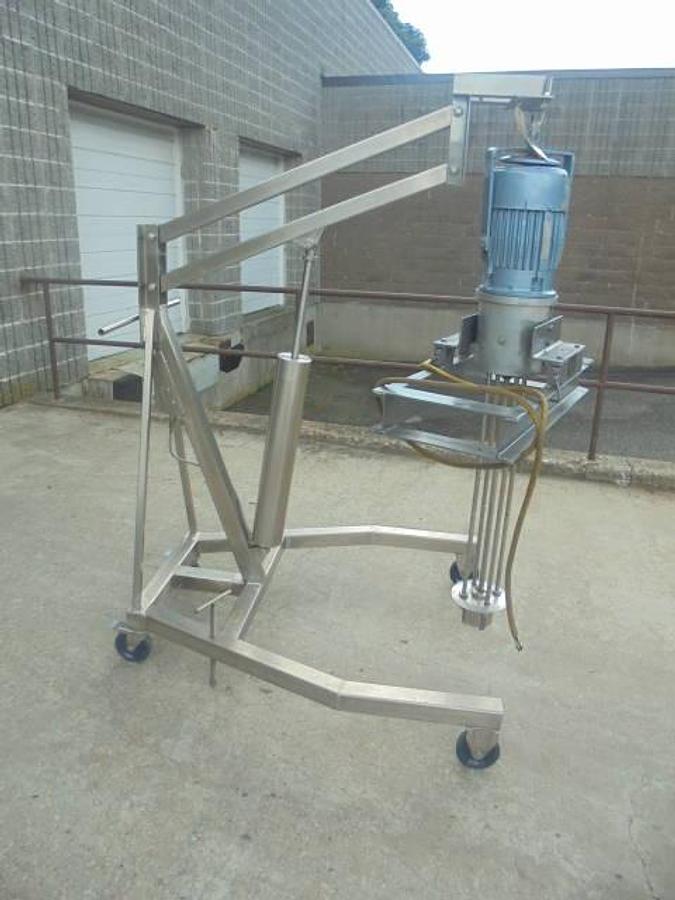
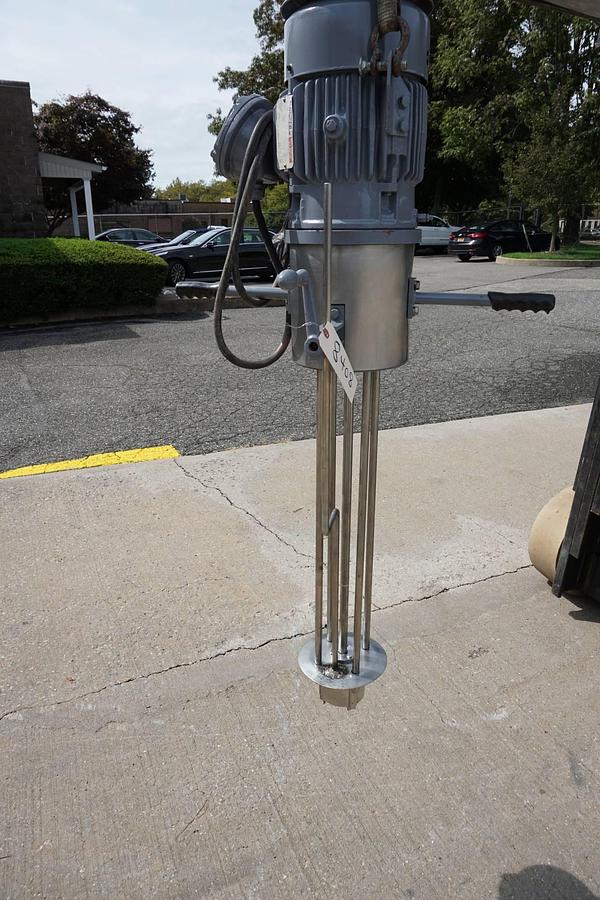
A Hill homogenizing mixer is an industrial-grade piece of processing equipment designed to perform high-shear mixing, emulsification, dispersion, and particle size reduction. The core mechanism is a rotor-stator assembly, where a rapidly spinning rotor forces material through a stationary stator at high velocity. This generates intense mechanical and hydraulic shear forces that break down particle agglomerates, reduce droplet size, and create stable, uniform emulsions or dispersions in a single pass through the mixing head.
These machines are widely used across food and beverage, pharmaceutical, cosmetic, and chemical processing industries. In food production, they are commonly applied to sauces, dressings, dairy products, and beverages where consistent texture and stable emulsification are critical. In pharmaceutical and cosmetic manufacturing, they are used to produce creams, lotions, and suspensions that require precise particle size control and homogeneous blending. Hill has built a strong reputation in the food and beverage sector specifically, where their equipment is valued for its ability to handle a wide range of viscosities and product types while maintaining sanitary processing standards.
What sizes and horsepower options are available for used Hill homogenizing mixers?
Used Hill homogenizing mixers appear on the market in a range of motor horsepower ratings, reflecting the variety of production scales they were originally built to serve. Common units available include 3 HP drop-in models, which are suited to smaller batch operations or pilot-scale production, as well as larger 15 HP units designed for higher-volume continuous processing lines. The horsepower rating directly influences throughput capacity, the viscosity range the machine can handle, and the shear intensity achievable at the rotor-stator head.
Beyond motor size, buyers should pay close attention to the specific configuration of each unit. Some Hill homogenizing mixers are built as explosion-proof (XP) models, which are designed for environments where flammable vapors or dusts may be present. These units carry electrical certifications that make them appropriate for chemical processing or certain food manufacturing environments with strict safety requirements. When evaluating used equipment, it is worth confirming the exact model designation, motor specification, and any special certifications that came with the machine, as these details significantly affect both the machine's suitability for a given application and its market value.
What does explosion-proof mean on a Hill homogenizing mixer, and when is it required?
An explosion-proof (XP) designation on a Hill homogenizing mixer means the electrical components, including the motor, conduit fittings, and enclosures, are constructed and certified to contain any internal ignition without allowing it to ignite flammable gases, vapors, or dust in the surrounding environment. This is not simply a heavy-duty rating; it is a formal engineering and certification standard that governs how the electrical system is built and sealed. In the United States, explosion-proof equipment is typically rated according to National Electrical Code (NEC) hazardous location classifications, such as Class I (flammable gases or vapors) or Class II (combustible dusts).
This type of equipment is required in facilities where the processing environment presents a realistic ignition risk. Common examples include operations handling alcohol-based products, certain chemical solvents, flammable oils, or fine combustible powders. Food processing plants working with grain dusts or certain flavoring compounds may also require explosion-proof rated equipment in specific zones of the facility. Buyers considering a used explosion-proof Hill mixer should verify that the XP certification markings are still intact on the unit and consult with a qualified electrician or safety professional to confirm the machine's ratings align with their facility's hazardous location classification before installation.
What materials can a Hill homogenizing mixer process effectively?
Hill homogenizing mixers are capable of processing a broad range of liquid and semi-liquid materials, particularly those requiring emulsification, dispersion, or particle size reduction. In the food industry, typical applications include salad dressings, mayonnaise, sauces, fruit purees, dairy products such as flavored milks and cream-based products, and beverages requiring stable suspension of solids or oils. The rotor-stator mechanism is especially effective at creating oil-in-water or water-in-oil emulsions that remain stable over time without separation.
Beyond food applications, these machines process pharmaceutical suspensions and emulsions, cosmetic creams and lotions, paint and pigment dispersions, adhesives, and various chemical intermediates. The key processing variables that determine suitability are the material's viscosity, the required final particle or droplet size, and whether the product contains abrasive particles that could accelerate wear on the rotor-stator components. Wetted parts on sanitary-grade Hill mixers are typically constructed from 316 stainless steel, which provides corrosion resistance across a wide range of food-grade and pharmaceutical-grade materials and makes cleaning and compliance with sanitary standards more manageable.
How does a rotor-stator homogenizing mixer achieve emulsification and particle size reduction?
The rotor-stator mechanism works by drawing material into the mixing head through the center of a high-speed rotor, then accelerating it outward through the narrow gap between the rotor and a stationary outer ring called the stator. As the material passes through this gap at high velocity, it is subjected to intense hydraulic shear, turbulence, and cavitation forces. These combined effects break apart liquid droplets, disperse solid particles into the liquid phase, and force immiscible liquids such as oil and water into a stable emulsion. The fineness of the final particle or droplet size is influenced by rotor speed, the geometry of the rotor-stator gap, and the number of passes the material makes through the head.
One of the practical advantages of this design is efficiency. A well-configured rotor-stator homogenizer can achieve results in a single pass that would require multiple stages with conventional agitator-style mixers. This makes them well suited for continuous inline processing as well as recirculating batch configurations. For buyers evaluating used equipment, understanding the rotor-stator configuration of a specific unit, including the number of stages and the gap clearance, is important because worn or damaged components in this area directly affect processing performance. Inspecting the condition of the rotor and stator during any pre-purchase evaluation is therefore a high priority.
What industries are Hill homogenizing mixers best suited for?
Hill homogenizing mixers were built with the food and beverage industry as a primary focus, and that remains the most common application for these machines in the used equipment market. They are particularly well suited to any food process requiring stable emulsions, uniform particle distribution, or consistent texture across large production volumes. Salad dressings, sauces, dairy beverages, infant formula, and condiments are among the most frequently cited applications. The sanitary construction of food-grade models, typically featuring 316 stainless steel wetted parts and designs that facilitate cleaning, aligns well with the hygiene requirements of food production environments.
Beyond food and beverage, these mixers find regular use in pharmaceutical manufacturing for suspensions and topical preparations, in cosmetics for creams and serums, and in specialty chemical processing for paints, coatings, and adhesives. The availability of explosion-proof models also makes them applicable in environments handling flammable materials. Because used Hill mixers come in a range of horsepower ratings and configurations, buyers from a variety of industries can often find a unit that matches their specific processing requirements, provided they evaluate the machine's specifications carefully against their application's viscosity range, required throughput, and any regulatory compliance needs.
What should buyers inspect when evaluating a used Hill homogenizing mixer?
The most critical area to inspect on a used Hill homogenizing mixer is the rotor-stator assembly itself. This is the component that does the actual work of homogenization, and it is also the part most subject to wear over time. Buyers should look for signs of erosion, pitting, or damage on both the rotor and stator surfaces, as even minor wear in the gap clearance can meaningfully reduce processing efficiency and the quality of the final emulsion or dispersion. If possible, asking for measurements of the current rotor-stator clearance and comparing them to manufacturer specifications is a useful step.
Beyond the mixing head, a thorough inspection should cover the motor condition and amperage draw, the integrity of seals and bearings, the condition of any wetted stainless steel surfaces for pitting or corrosion, and the status of electrical components, particularly on explosion-proof models where the integrity of the certified enclosures is a safety requirement. Reputable used equipment dealers will typically accommodate in-person or video-based inspections, and some machines may still be installed at a production facility where they can be observed under operating conditions. Keep in mind that most dealers cannot run actual product through the machine during an inspection, as production testing requires different facility permitting. Consulting the manufacturer about parts availability for the specific model and serial number is also a worthwhile step before committing to a purchase.
Are replacement parts and service support available for used Hill homogenizing mixers?
Parts availability for used Hill homogenizing mixers depends on the age and specific model of the unit in question. Older machines may have limited manufacturer support, while more recent models are more likely to have rotor-stator components, seals, bearings, and other wear parts still available through the manufacturer or authorized distributors. Before purchasing a used unit, it is advisable to contact the manufacturer directly with the machine's model number and serial number to get a clear picture of what parts and technical support are currently available for that specific configuration.
This step is particularly important for rotor-stator components, which are precision-machined parts that are not easily fabricated by third parties. If the manufacturer no longer supports a particular model, buyers should factor the potential difficulty of sourcing wear parts into their total cost of ownership calculation. Some third-party machining shops specialize in reproducing rotor-stator components for older homogenizer models, but this adds complexity and lead time to maintenance. Selecting a used equipment dealer who specializes in food processing or mixing equipment, and who has experience with Hill machinery specifically, can also be helpful in navigating parts sourcing questions before and after the sale.
What is the typical price range for a used Hill homogenizing mixer?
Pricing for used Hill homogenizing mixers varies considerably based on horsepower, model configuration, age, condition, and whether the unit carries special certifications such as explosion-proof ratings. Smaller 3 HP units in good working condition generally fall in a lower price tier suited to smaller operations or pilot-scale applications, while larger 15 HP explosion-proof models command significantly higher prices reflecting both their production capacity and the cost associated with their certified electrical construction. Condition is a major pricing factor: a well-maintained unit with documented service history and intact components will typically be priced higher than one sold strictly as-is with visible wear.
Buyers should also account for costs beyond the listed equipment price when calculating total acquisition cost. Rigging and loading at the seller's location, freight packaging (which may involve palletization or custom crating depending on the machine's size and the seller's requirements), and shipping or freight charges can add meaningfully to the final landed cost. If the machine requires installation work, electrical connections for an explosion-proof unit, or reconditioning of wear components upon arrival, those costs should be factored in as well. Getting a clear breakdown of all these costs from the seller before committing to a purchase is the best way to avoid surprises.
What should buyers understand about purchasing used processing equipment without a warranty?
Used industrial equipment is almost universally sold on an as-is basis, meaning the seller does not provide the kind of warranty coverage that a manufacturer would offer on a brand-new machine. This places the responsibility for assessing the machine's condition squarely on the buyer. The practical implication is that thorough pre-purchase inspection is not optional; it is the primary tool a buyer has to protect themselves from acquiring equipment with hidden defects or significant wear that will require costly repairs shortly after delivery.
To reduce risk in this environment, buyers should prioritize working with used equipment dealers who have a long track record in the industry and who specialize in the relevant equipment category, such as food processing or mixing equipment. Dealers with genuine expertise in their category are better positioned to accurately represent the condition of what they are selling and to facilitate meaningful inspections, whether in person, via video walkthrough, or through detailed photographic documentation. Asking specific questions about the machine's service history, the reason for decommissioning, and how long it has been out of service can also provide useful context. Combining a careful inspection with a conversation with the manufacturer about parts and support availability for the specific model gives buyers the most complete picture before committing to a purchase.