Category
Manufacturer
Model
Heat &Amp; Control
Heat & Control specializes in food processing and packaging equipment, particularly known for their frying and seasoning systems. They serve the food industry, providing innovative solutions that improve product quality and production efficiency.
FAQ:
What types of Heat & Control fryers are available on the used equipment market?
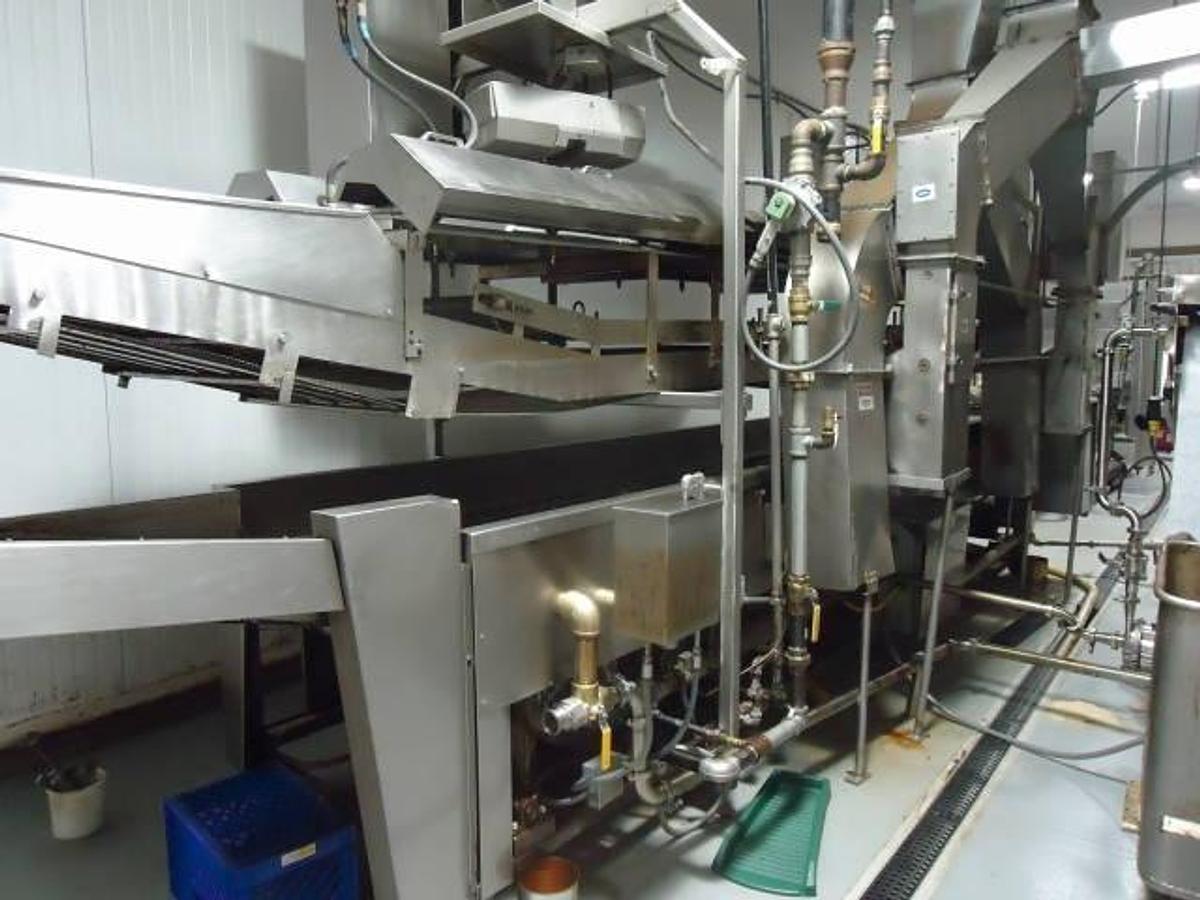
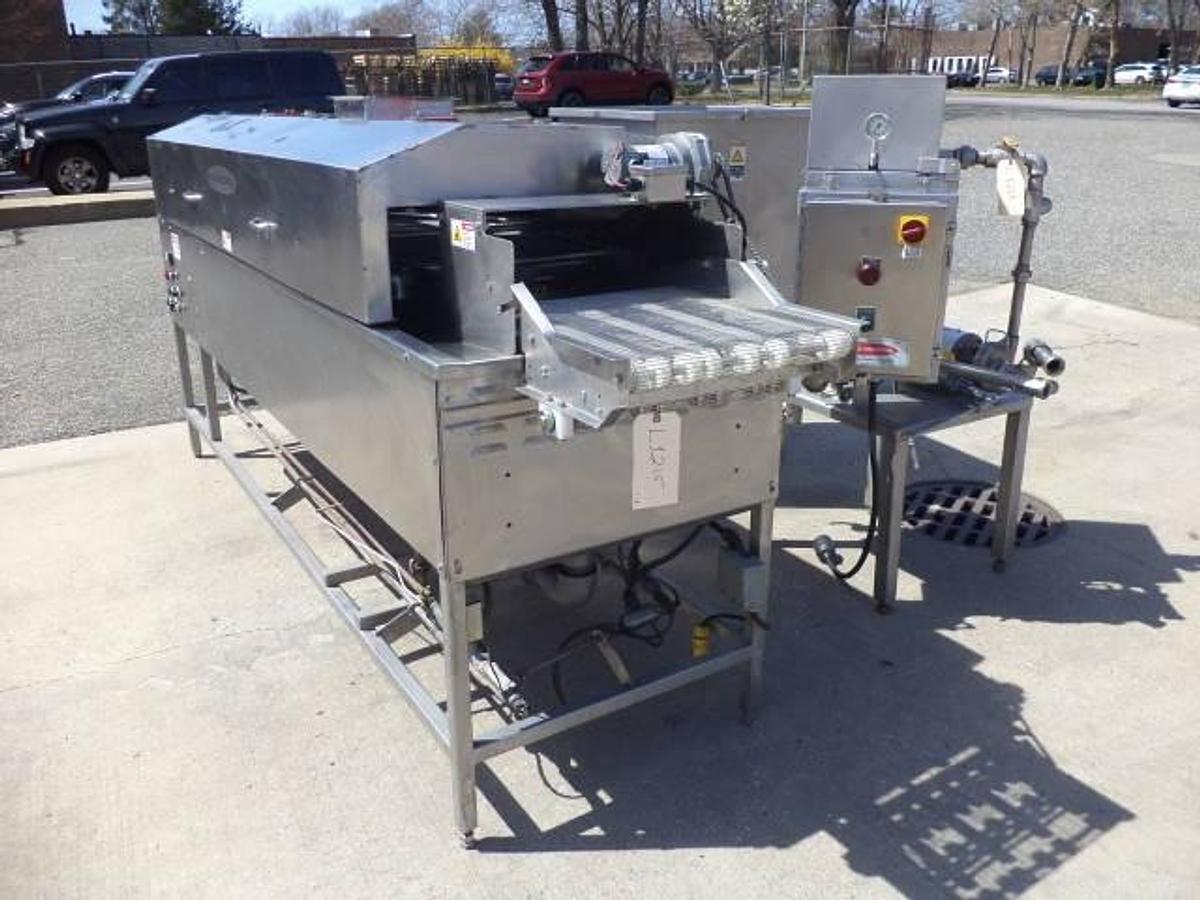
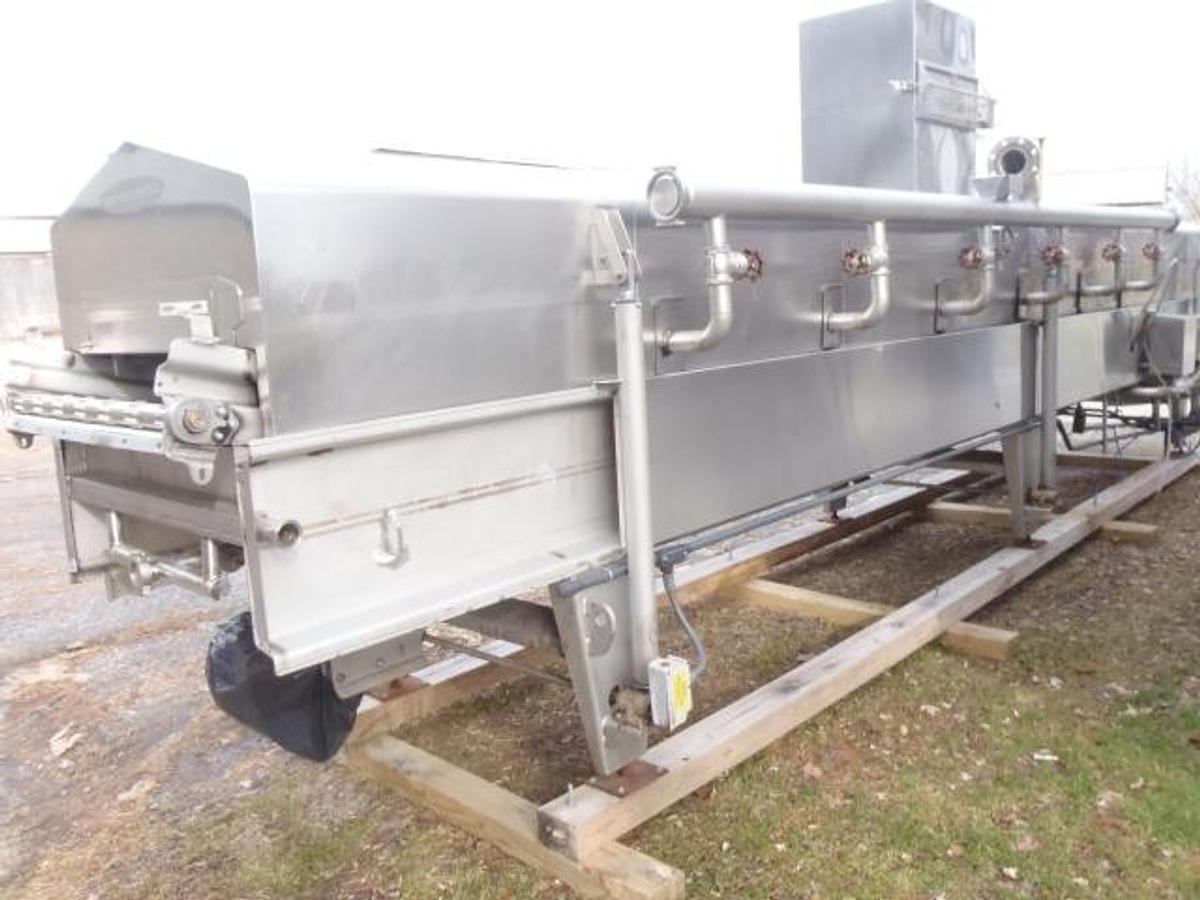
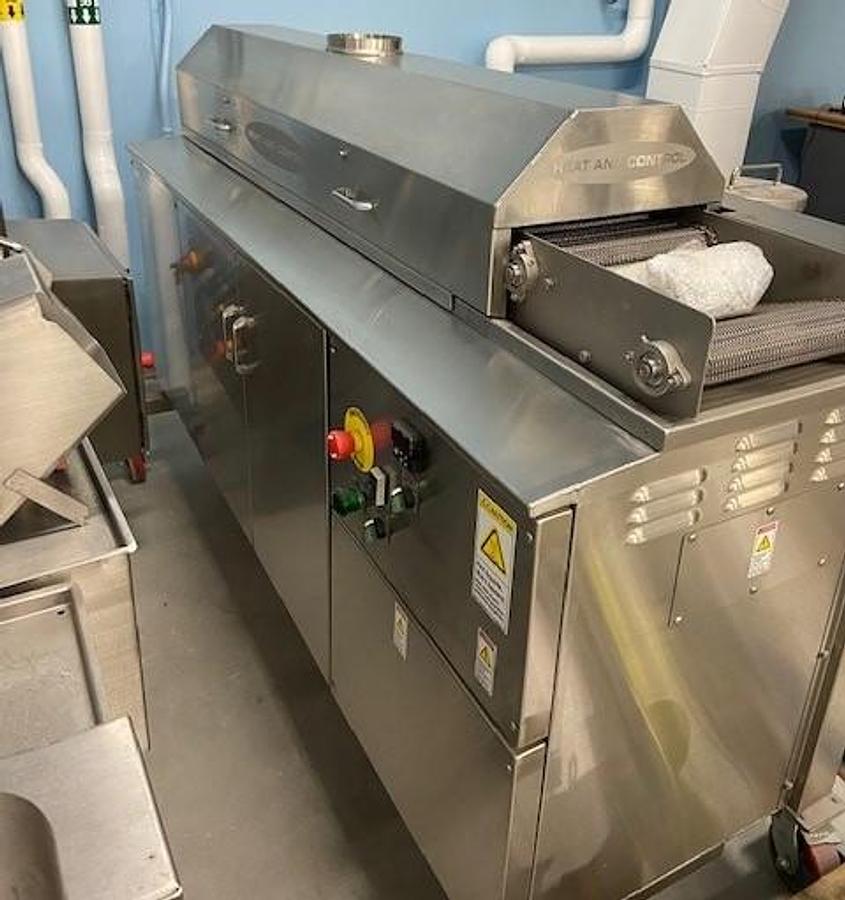
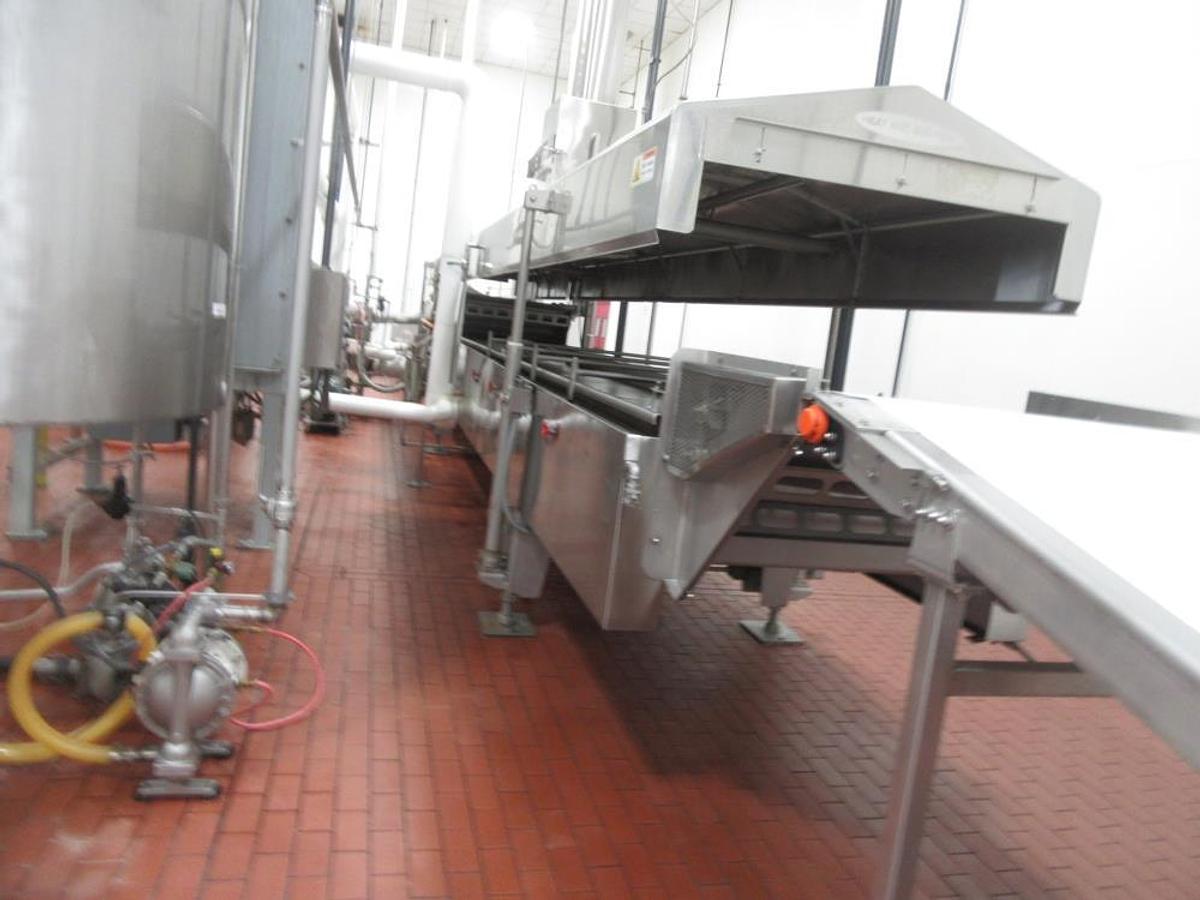
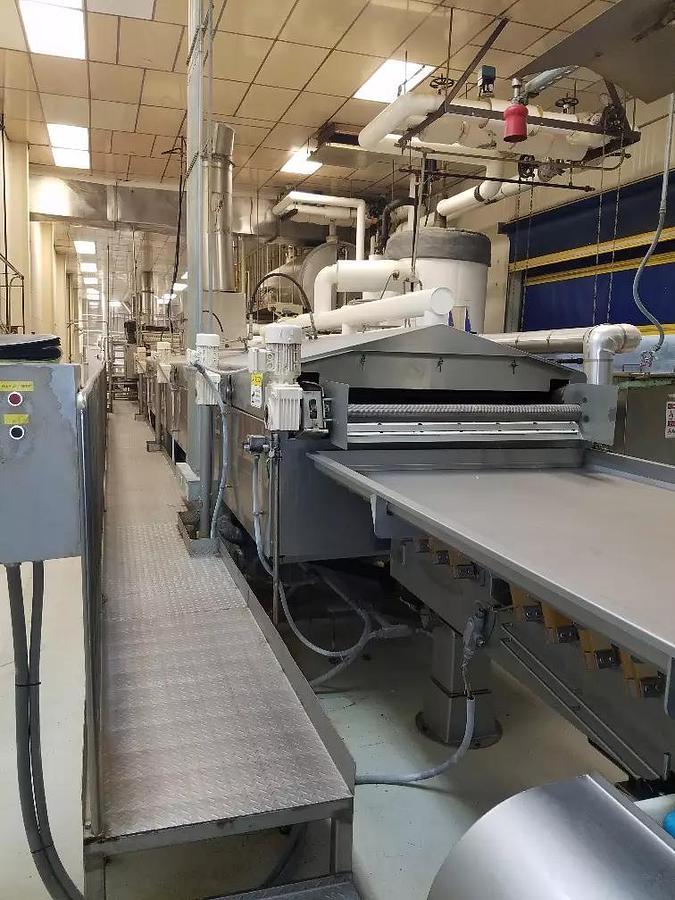
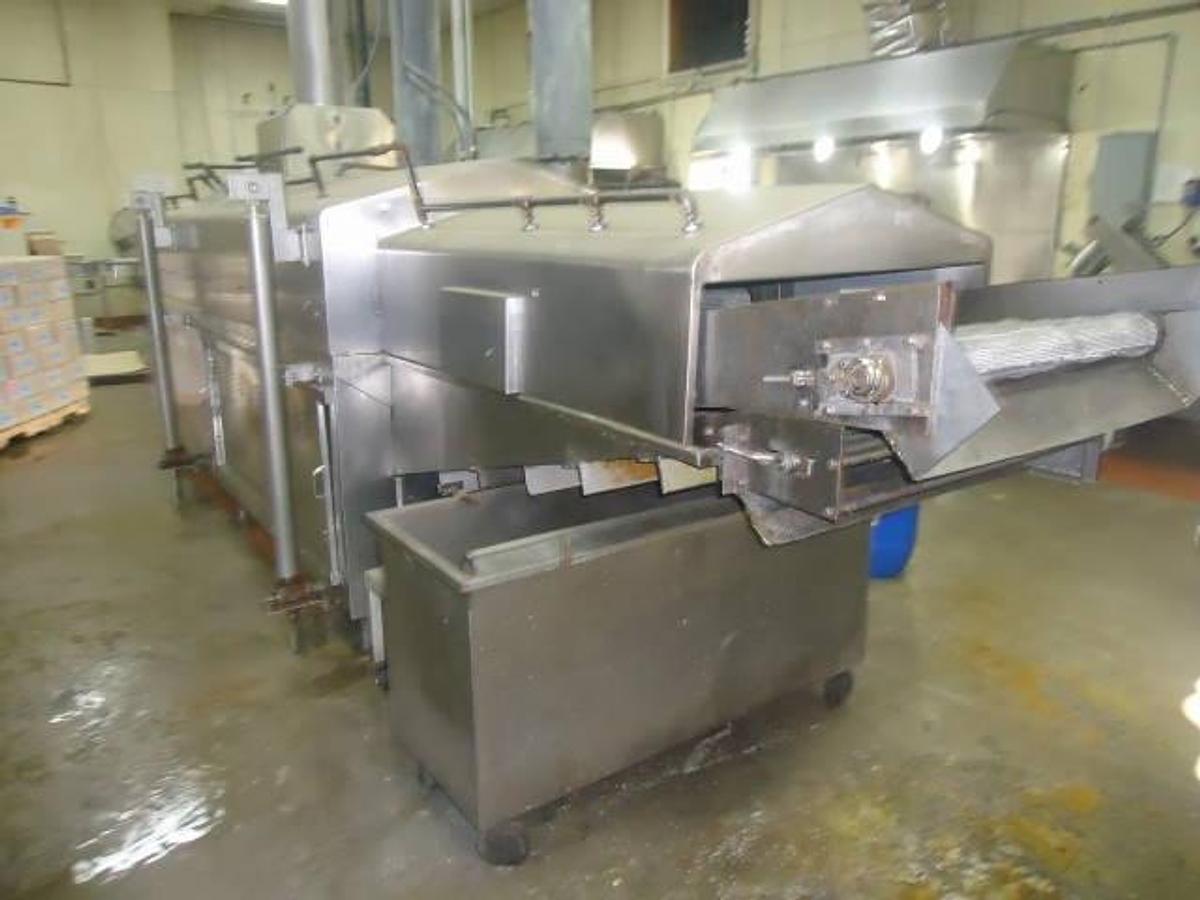
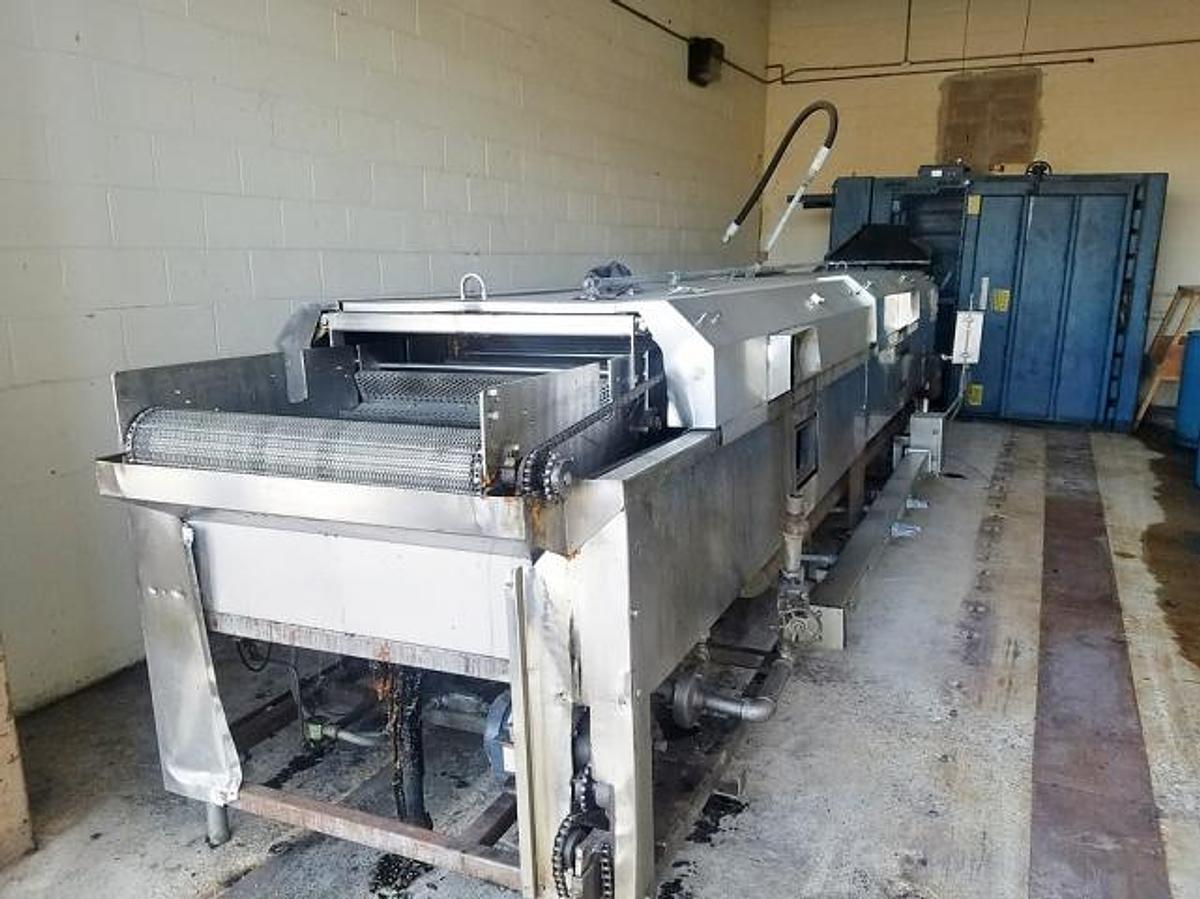
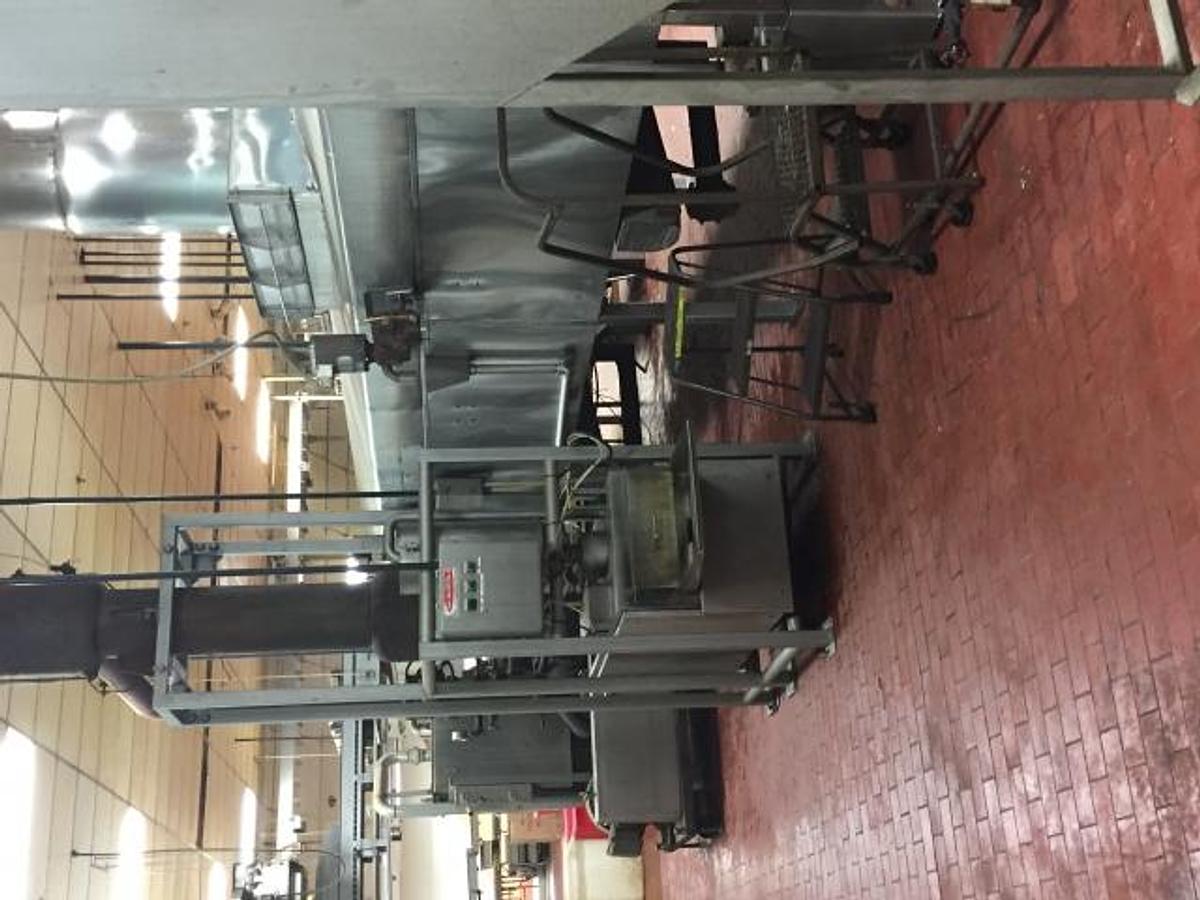
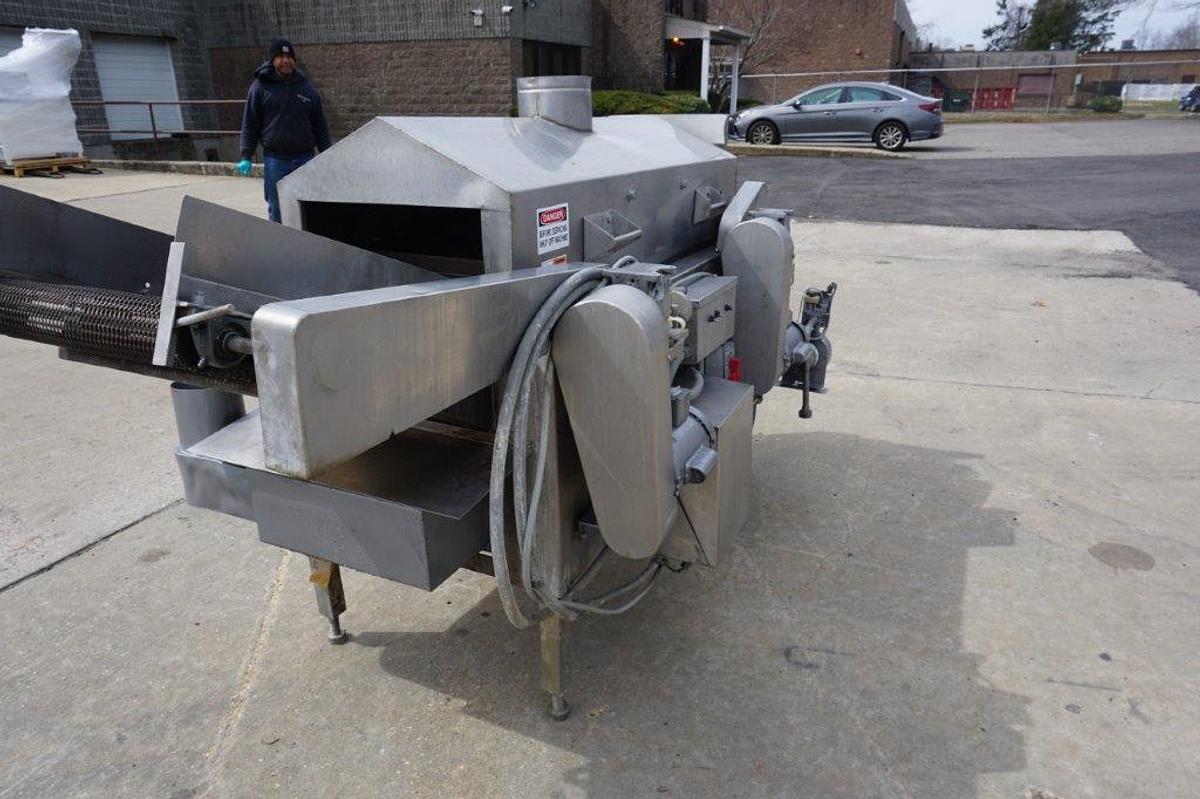
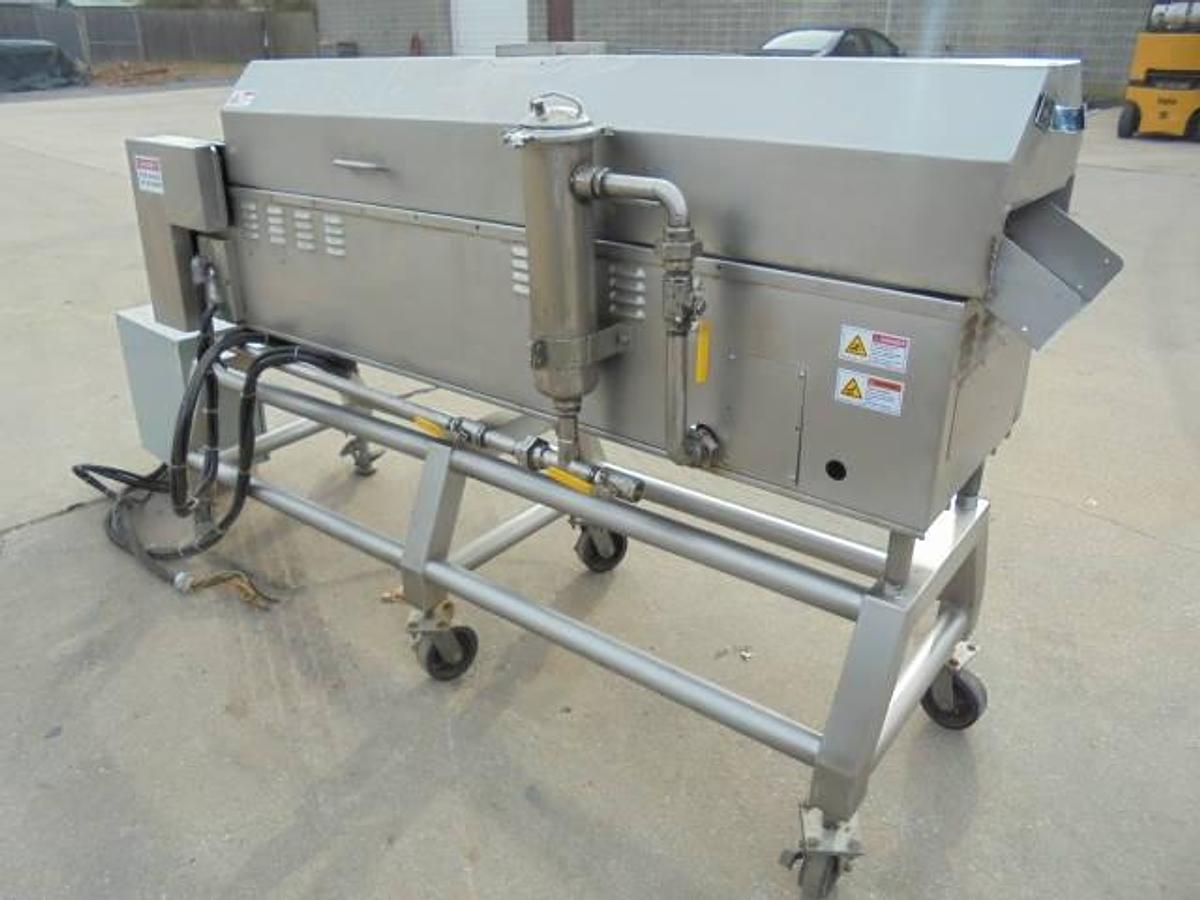
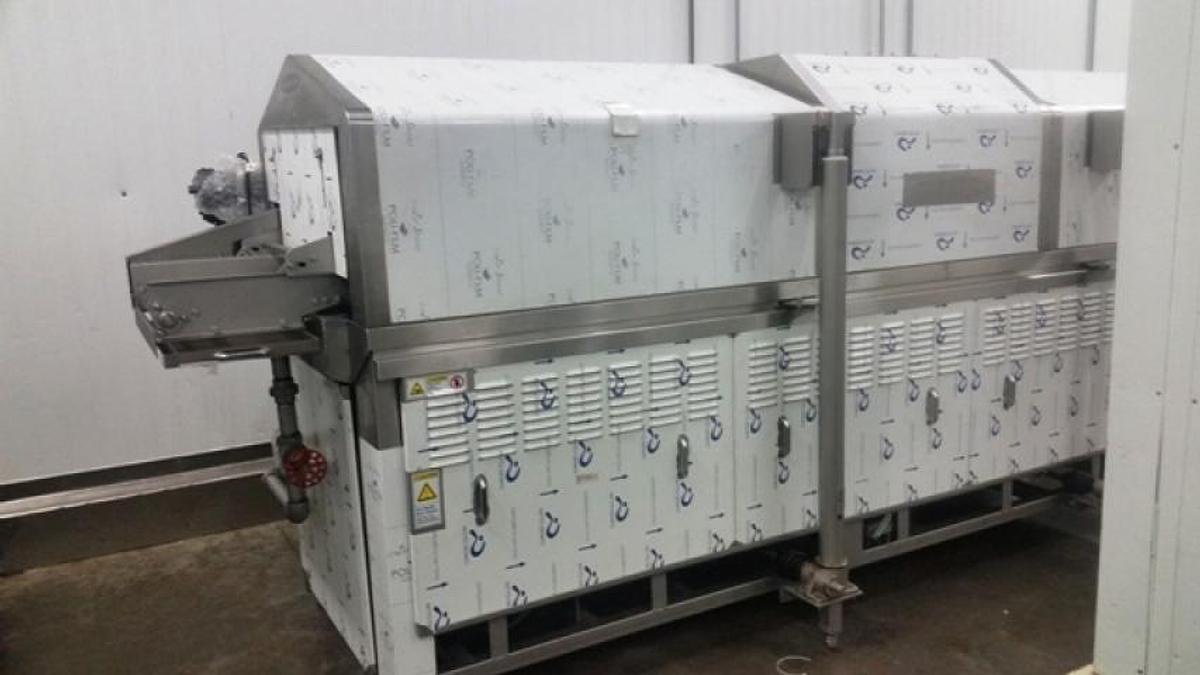
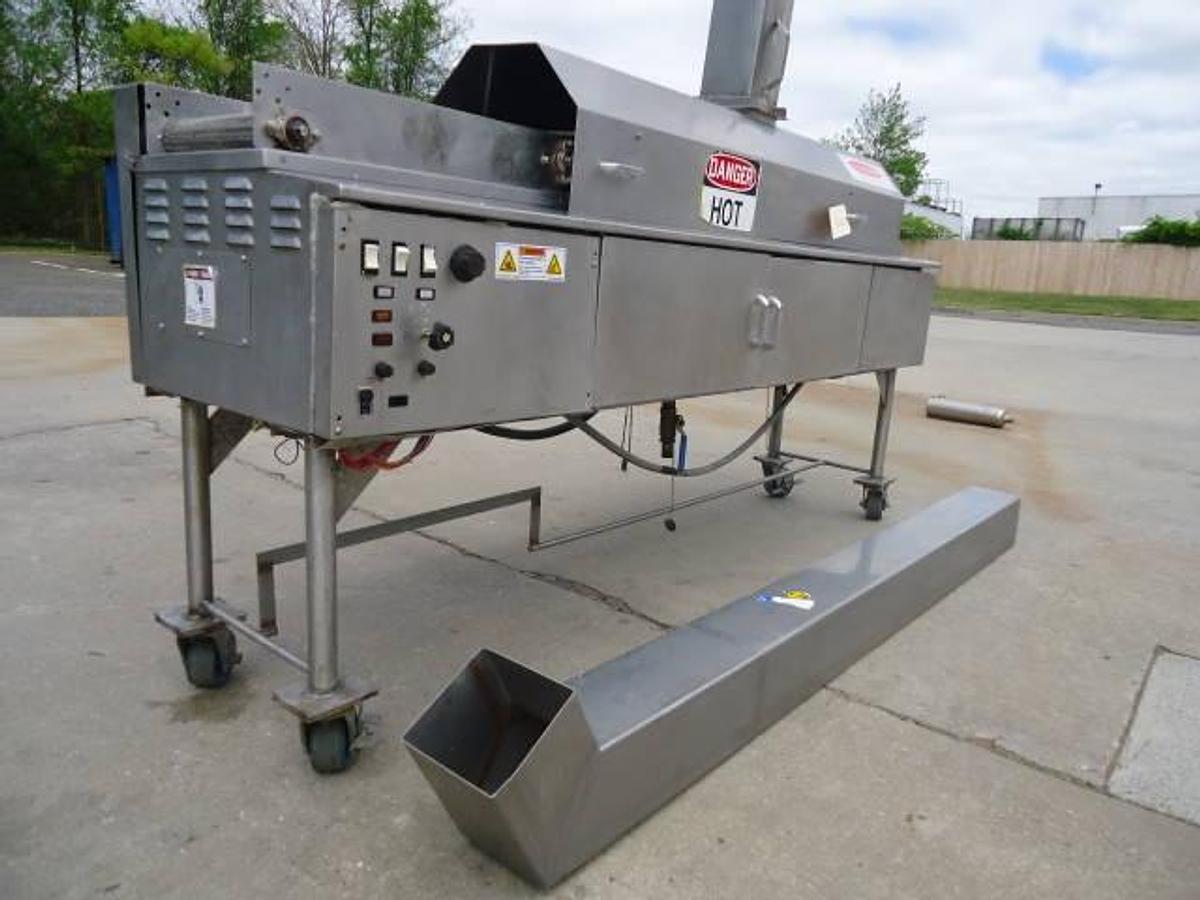
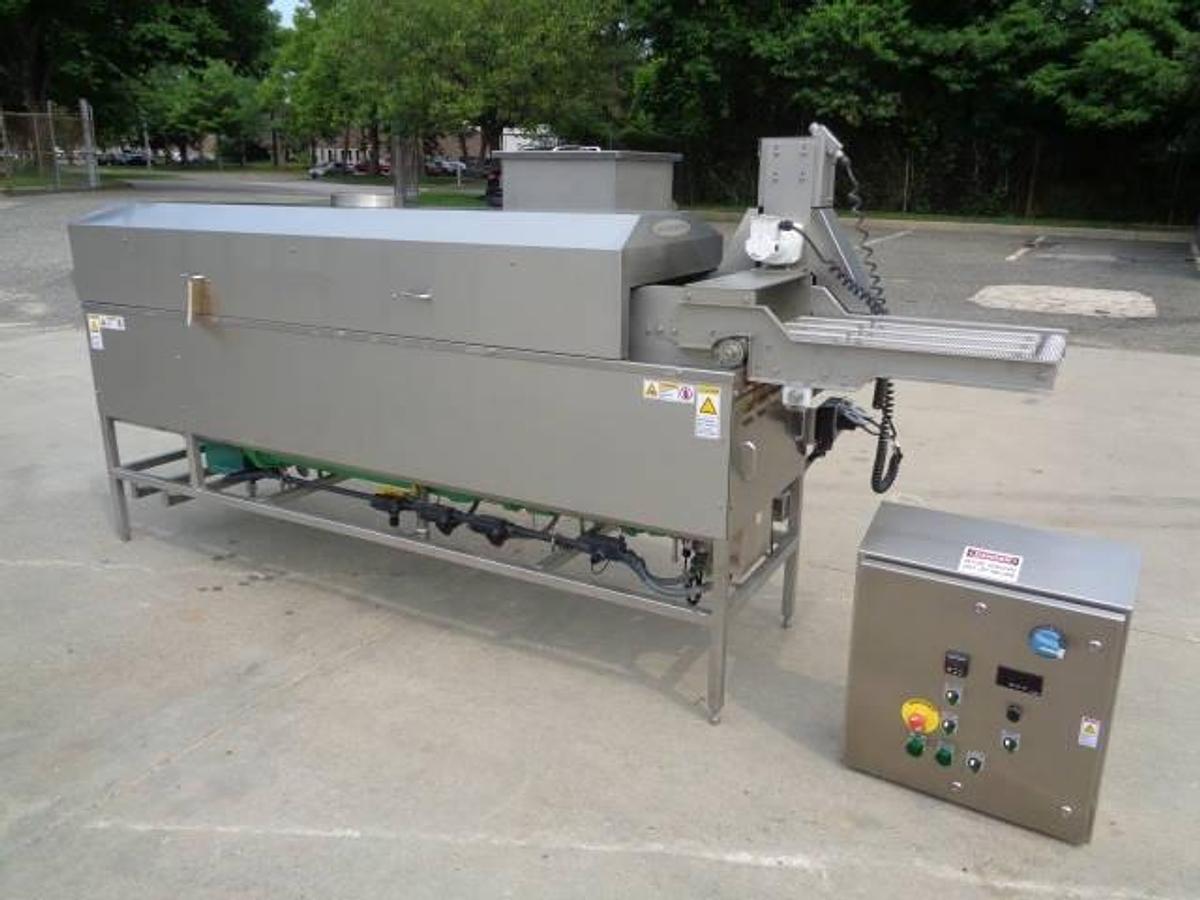
Heat & Control produces several lines of industrial frying equipment, and used versions of these machines appear regularly on the secondary market. The most commonly available models include continuous gas-fired fryers under the Mastermatic brand name, continuous electric fryers, and complete fry lines that may include batter and breading equipment. Belt widths on available units typically range from around 16 inches on the narrower end up to 50 inches for high-capacity production lines, with lengths stretching from roughly 20 feet to 40 feet or more depending on the model and configuration.
Specific models that show up in used equipment inventories include the Mastermatic GS-700 continuous gas fryer, the CF300E and CF350E electric continuous fryers, and the 8-24 sanitary direct-heated fryer. Some listings are sold as standalone fryers while others come as complete fry lines with auxiliary equipment included. Buyers looking for a particular configuration, such as a specific belt width or fuel type, should work with a dealer that carries multiple Heat & Control units to compare options side by side.
What food products can be processed using Heat & Control continuous fryers?
Heat & Control continuous fryers are built for industrial snack food and food processing applications. The equipment handles a wide range of products including potato chips, tortilla chips, pork rinds, nuts, pellet snacks, poultry pieces, and various breaded or battered items. The continuous immersion design keeps product moving through a controlled oil bath at a consistent rate, which is why these fryers are favored for high-volume snack production where uniformity across every piece matters.
Beyond snack foods, certain models are configured for proteins and convenience foods, including breaded chicken, fish, and other ready-to-eat items that require precise fry times and temperatures. The Mastermatic line in particular has a long history in the potato chip and tortilla chip industry. Buyers repurposing a used Heat & Control fryer for a product category different from its previous use should consult with equipment technicians and the manufacturer to confirm that the belt speed, oil circulation, and temperature control settings can be properly adjusted for the intended application.
How do Heat & Control fryers manage oil to improve efficiency and product quality?
Oil management is one of the more technically sophisticated aspects of Heat & Control fryer design. These machines typically incorporate systems that circulate and filter oil continuously during production, removing food particles that would otherwise degrade oil quality over time. Keeping the oil clean extends its usable life, reduces the frequency of oil changes, and prevents off-flavors from developing in the finished product. Precise temperature control across the fry zone also plays a role here, as overheating accelerates oil breakdown and leads to inconsistent frying results.
Some models include features designed to minimize the surface area of oil exposed to air, which slows oxidation. Others use heat exchanger systems to recover thermal energy and maintain stable oil temperatures without excessive energy input. When evaluating a used Heat & Control fryer, buyers should pay close attention to the condition of the oil filtration components, heat exchanger, and temperature sensors, as these systems directly affect both operating costs and product quality after the machine goes back into production.
What is the typical price range for used Heat & Control fryers?
Pricing for used Heat & Control fryers varies considerably depending on the model, belt width, overall length, fuel type, age, and condition of the machine. Smaller or older units may be priced in the range of tens of thousands of dollars, while larger, more complex continuous fry lines with wider belts, longer cooking zones, and integrated auxiliary equipment can reach into the hundreds of thousands. Complete fry lines that include batter or breading equipment alongside the fryer itself will generally carry a higher price than a standalone unit.
Because these are used machines, condition plays a significant role in price. A unit that has been well-maintained, recently decommissioned from an active production line, and is in clean working order will typically command more than one that has been sitting idle for years or shows significant wear on the belt, chain, or heating components. Buyers should request detailed photos and, where possible, arrange an inspection before finalizing a purchase to make sure the asking price reflects the actual condition of the equipment.
Are Heat & Control fryers suitable for small-scale food production operations?
Heat & Control fryers are designed primarily for commercial and industrial-scale food processing. Even the smaller models in their lineup, such as units with 16-inch belt widths, are built for continuous production environments rather than small batch or artisan-scale operations. The infrastructure requirements alone, including natural gas supply, three-phase electrical service, ventilation, and oil handling systems, make these machines better suited to established food manufacturing facilities than to small kitchens or startup operations with limited floor space and utility capacity.
That said, a smaller used Heat & Control unit can be a cost-effective entry point for a growing food manufacturer that needs reliable continuous frying capacity but cannot justify the cost of purchasing comparable equipment at full retail price. Buyers in this position should carefully evaluate the minimum production throughput the machine is designed to handle, since running a continuous industrial fryer well below its intended capacity can affect oil quality, product consistency, and energy efficiency. Consulting with a food processing equipment specialist before purchase is a practical step for any operation that is scaling up into industrial frying for the first time.
What should buyers inspect when evaluating a used Heat & Control fryer?
A thorough inspection of a used Heat & Control fryer should cover several key systems. The fry belt or conveyor chain is one of the first things to examine, as wear or damage here directly affects product handling and can be expensive to replace. The heating system, whether gas burners or electric heating elements, should be checked for corrosion, cracks, or signs of uneven heat distribution. The oil circulation and filtration components, including pumps, filters, and the heat exchanger if present, deserve close attention since these parts see constant thermal and mechanical stress during production.
Used equipment dealers will typically accommodate in-person inspections or provide detailed video walkthroughs of machines for buyers who cannot travel to the location. Some units may still be installed in an active production facility, where an inspection can be arranged through the dealer. Keep in mind that most dealers are not set up to run actual product through the fryer during an inspection, as full production testing requires permits and operational infrastructure beyond what a typical equipment dealer maintains. Buyers should also contact Heat & Control directly to discuss parts availability and technical support for the specific model and serial number they are considering, since the age of a unit can affect what service resources are available.
How does buying a used Heat & Control fryer compare to purchasing new industrial frying equipment?
The most immediate advantage of buying used is cost. Industrial continuous fryers from established manufacturers like Heat & Control represent a significant capital investment at full retail price. A used unit in good condition can deliver the same production capability at a fraction of that cost, which matters considerably for food manufacturers managing tight capital budgets or looking to add capacity without a major equipment spend. The used market also offers access to proven, well-documented models that have demonstrated reliability over years of production use, which can actually reduce some of the uncertainty that comes with adopting equipment that is brand new to market.
The tradeoffs are real, though. Used equipment is sold as-is, meaning the buyer takes on responsibility for understanding the machine's condition before purchase. There is no manufacturer coverage on a used unit, so buyers need to budget for potential repairs, replacement parts, and any refurbishment work needed to bring the machine up to their production standards. Inspecting the equipment carefully, working with a dealer who specializes in food processing machinery, and verifying parts availability with Heat & Control before committing to a purchase are all steps that help manage those risks effectively.
What are the gas and electrical requirements for Heat & Control continuous fryers?
Heat & Control continuous fryers are available in both gas-fired and electric configurations, and the utility requirements differ significantly between the two. Gas-fired models, including the Mastermatic GS-700 and similar units, require a natural gas supply with sufficient pressure and volume to support continuous high-temperature frying. Buyers need to confirm that their facility's gas infrastructure can meet the BTU demand of the specific model they are purchasing, as larger fryers with wider belts and longer cooking zones have proportionally higher fuel requirements.
Electric models such as the CF300E and CF350E require three-phase electrical service, typically at industrial voltages. Before installing a used electric fryer, buyers should have an electrician review the machine's nameplate specifications and confirm that the facility's electrical panel and wiring can handle the load. Beyond fuel and power, both gas and electric fryers require adequate ventilation and exhaust systems to manage heat, steam, and cooking odors. Facilities that are setting up a fry line for the first time should plan for these infrastructure requirements well in advance of the equipment arriving on site.
Are replacement parts available for used Heat & Control fryers?
Parts availability for Heat & Control fryers depends largely on the age and specific model of the unit. Heat & Control is an active manufacturer with a global service network, and they generally support their equipment with replacement parts and technical documentation. However, the level of support available for older or discontinued models can vary, and buyers should contact the manufacturer directly with the model number and serial number of any unit they are considering to get a realistic picture of what parts are stocked or can be fabricated.
For common wear components like belts, chains, bearings, and filtration media, third-party suppliers often carry compatible parts for well-known industrial fryer brands. Buyers who are concerned about long-term parts access should ask the seller whether any spare parts are included with the machine, as decommissioned production lines sometimes come with a stock of maintenance parts that the previous operator accumulated. Working with a used equipment dealer who specializes in food processing machinery can also be helpful here, since experienced dealers often have insight into which models have strong aftermarket parts support and which ones may present sourcing challenges down the road.
What are the typical shipping and logistics considerations for buying a used Heat & Control fryer?
Heat & Control continuous fryers are large, heavy pieces of industrial equipment, and moving them requires careful planning. Depending on the size of the unit, shipping may involve flatbed trucking, specialized freight carriers, and rigging equipment for loading and unloading. A 40-foot fry line with a 46-inch or 50-inch belt, for example, will likely need to be disassembled into sections before transport and reassembled at the destination facility. Smaller, standalone fryer units may ship more simply, but even those require proper palletization or crating to prevent damage to belts, controls, and structural components during transit.
Buyers should ask the dealer for a detailed breakdown of packaging, rigging, and freight costs before finalizing a purchase, since these expenses can add meaningfully to the total landed cost of the equipment. Rigging costs at both the origin and destination locations are typically the buyer's responsibility and should be factored into the budget from the start. If the machine is being shipped internationally, additional considerations around customs documentation, import duties, and compliance with local electrical or gas standards apply. Getting a full picture of logistics costs upfront avoids surprises and helps buyers make an accurate comparison between different equipment options.