Category
Manufacturer
Model
Hayssen
Hayssen manufactures packaging equipment, particularly known for their horizontal form-fill-seal machines. They cater to the food and consumer goods sectors, providing solutions that enhance packaging efficiency and product quality.
FAQ:
What types of Hayssen packaging equipment are commonly available on the used market?
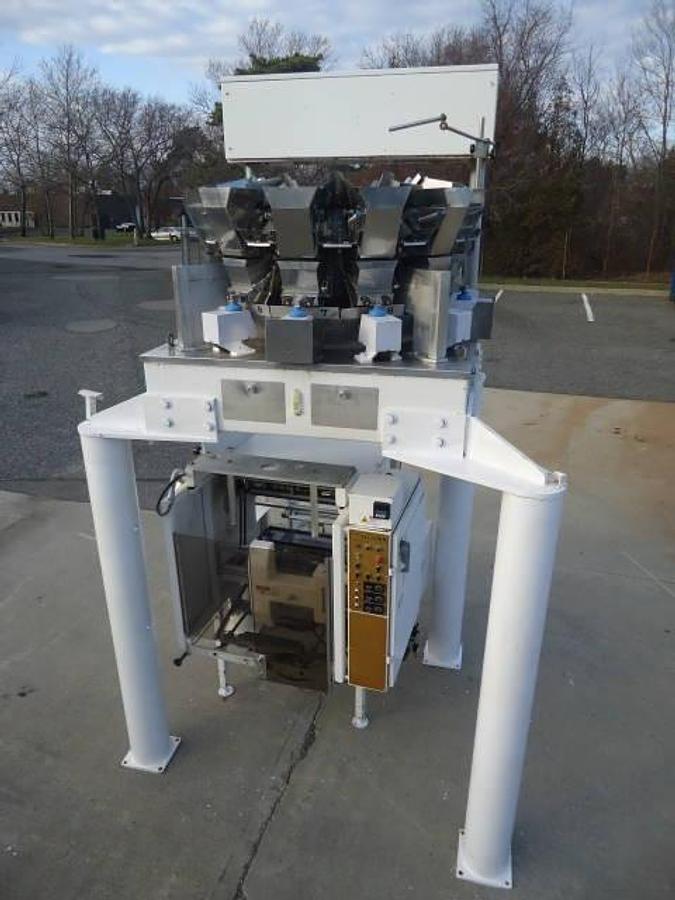
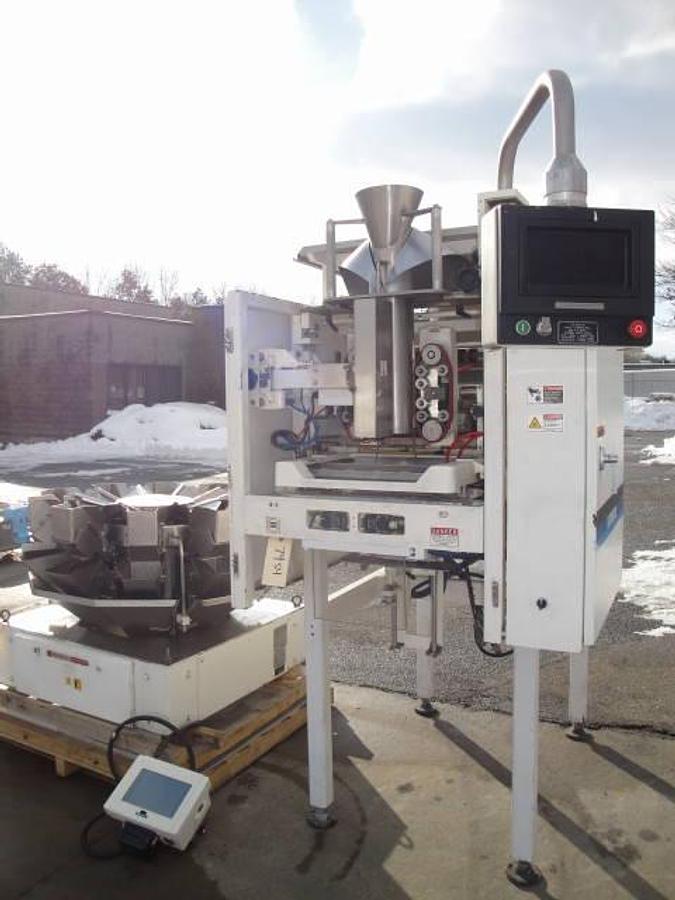
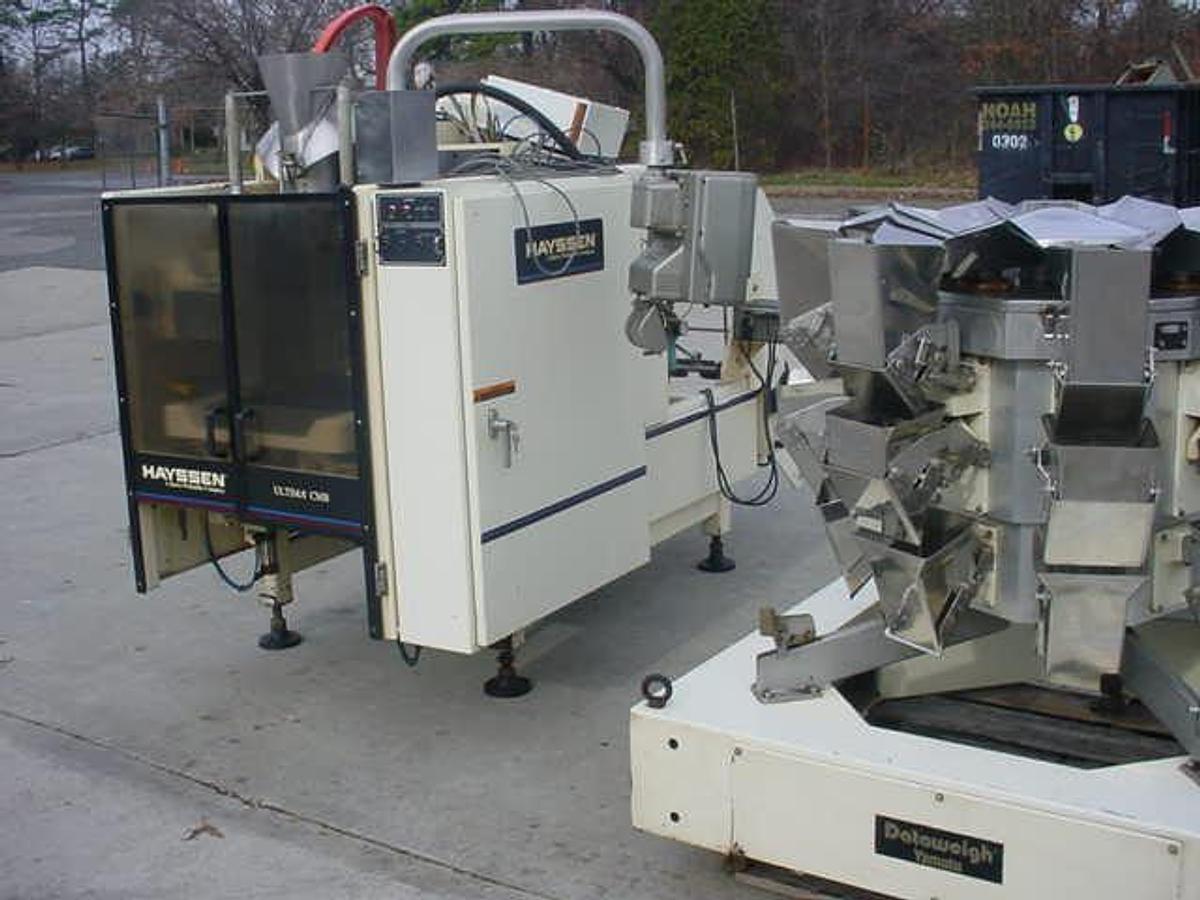
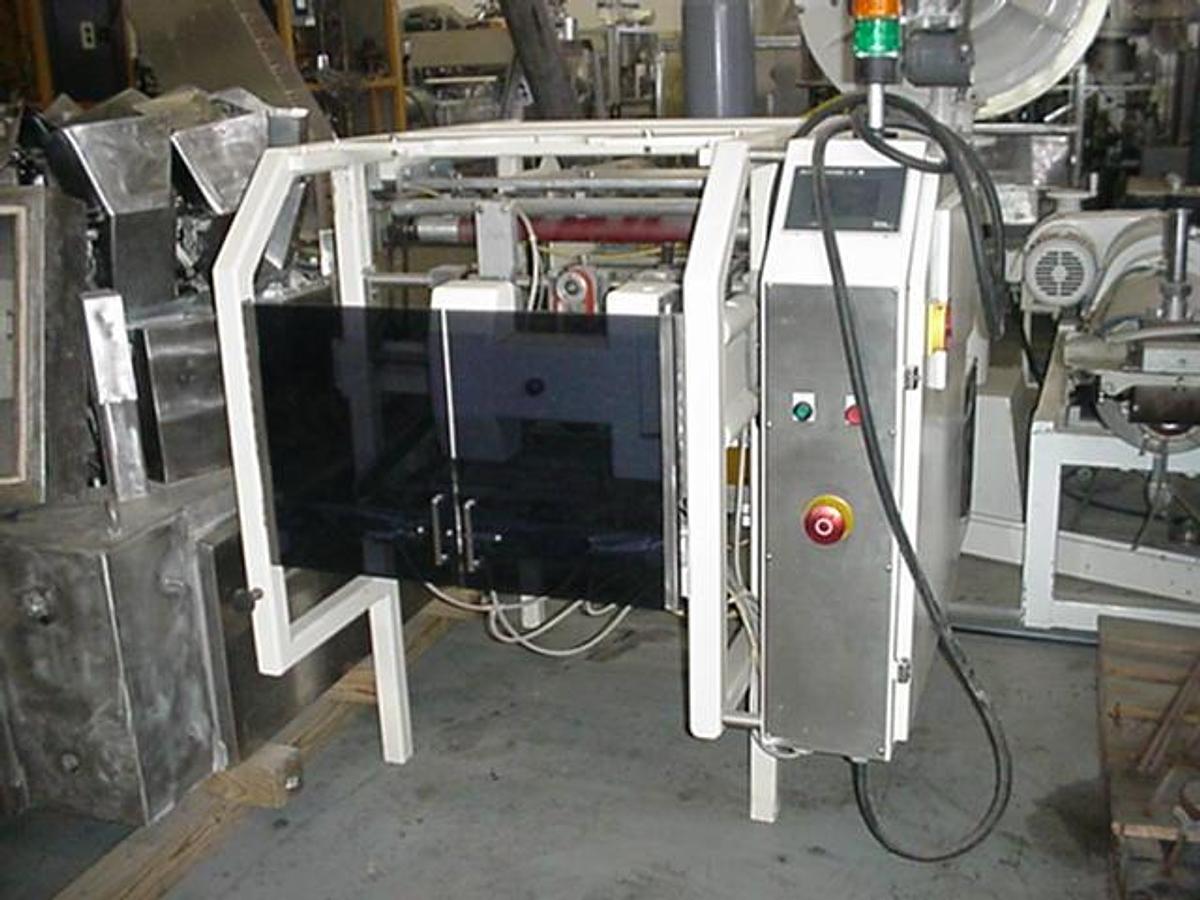
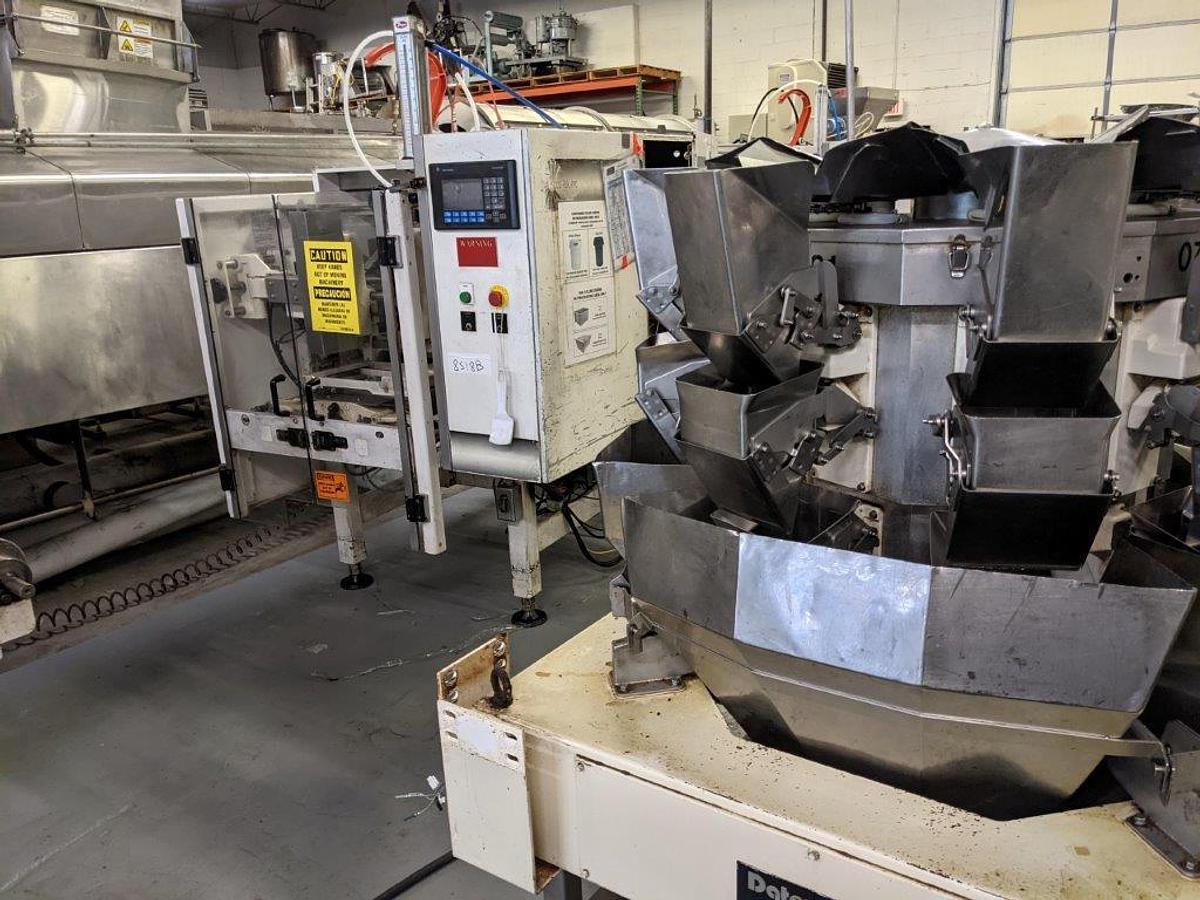
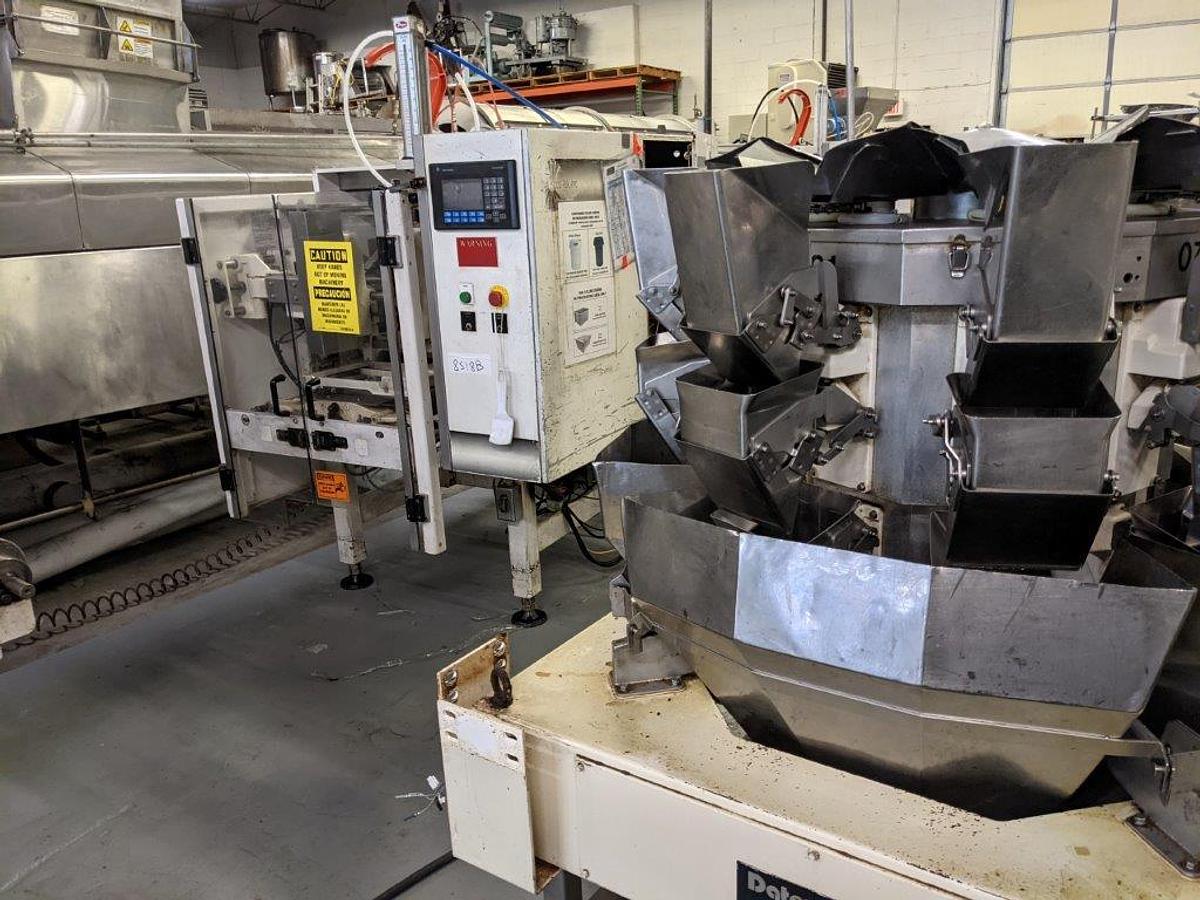
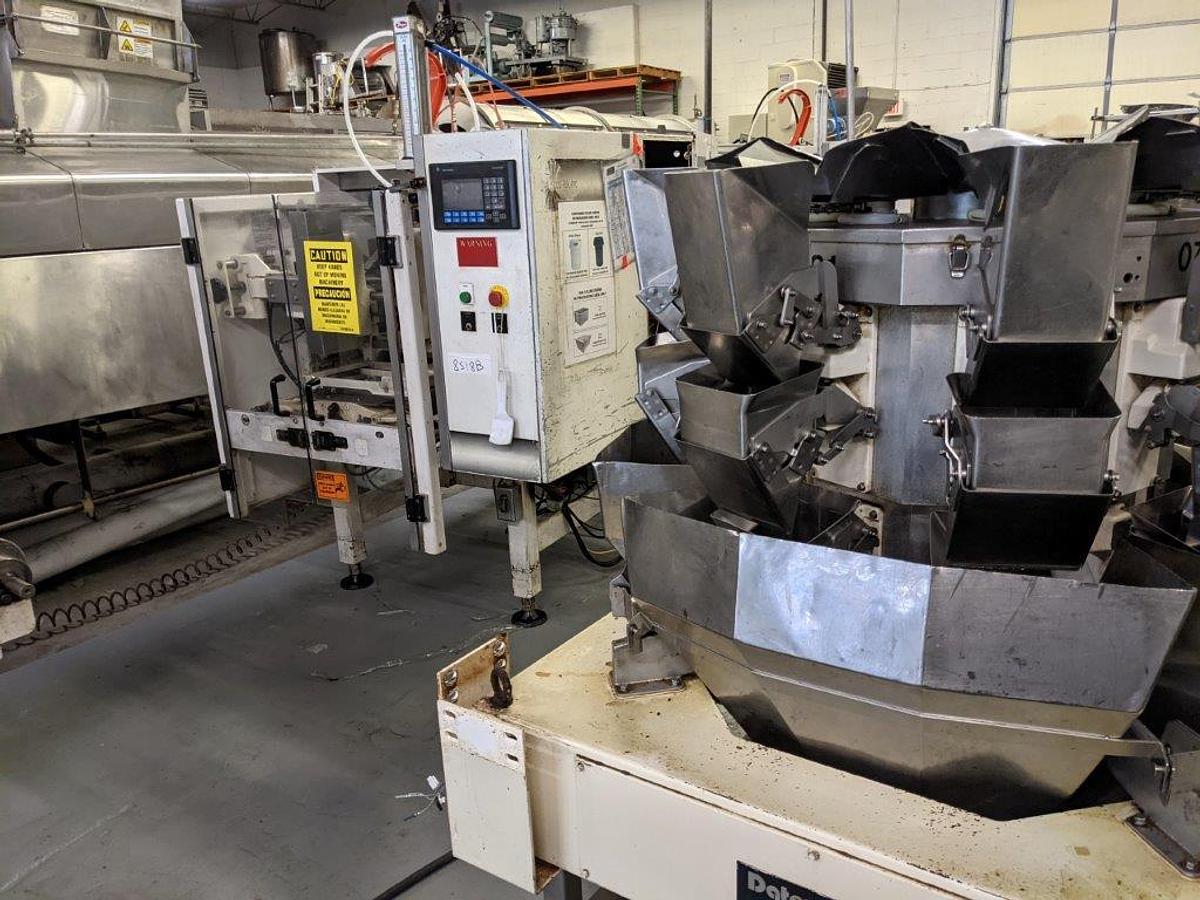
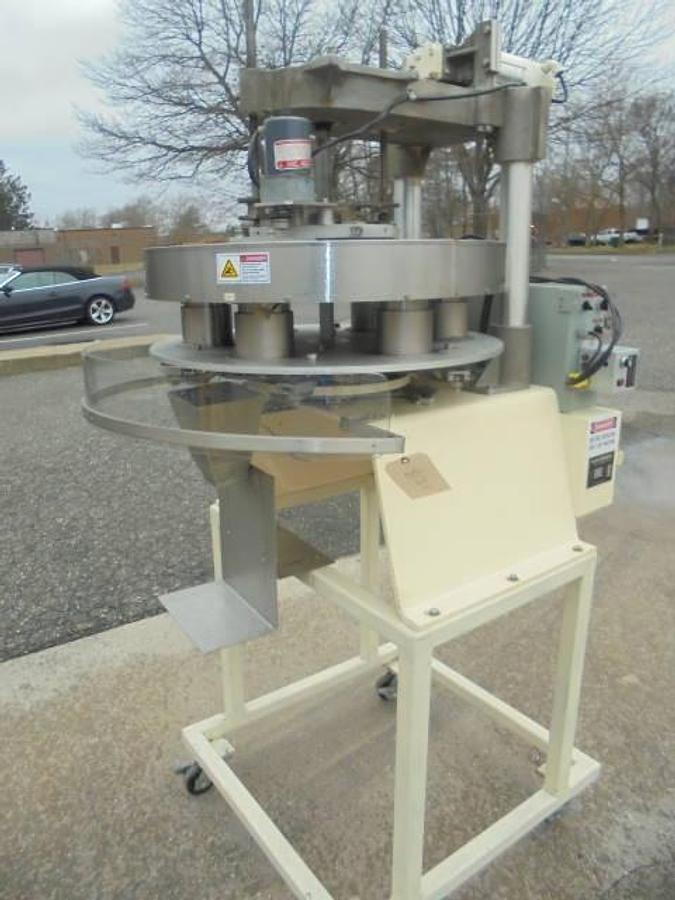
Hayssen built a broad range of packaging machinery over the decades, but the machines that show up most frequently on the secondary market are vertical form-fill-seal (VFFS) and horizontal form-fill-seal (HFFS) units. The VFFS line includes well-known models like the Hayssen Ultima series, the 12-16HR, and the 12-16SF, many of which were paired with multihead weighers from Yamato or Ishida for high-speed snack and produce applications. Volumetric cup fillers also surface occasionally, making Hayssen a versatile option for buyers packaging both free-flowing and portioned products.
Beyond the machine itself, used listings will sometimes include ancillary equipment such as rotary scales, touch-screen control upgrades, or change parts for different bag sizes and film types. The Ultima CMB variant, for example, was designed for combination weighing and shows up paired with rigidized Ishida scales. Buyers looking for a complete bagging system rather than just a base machine should pay close attention to what ancillary components are included in a given listing, since sourcing those separately on the used market can add significant cost and lead time.
What is the typical price range for used Hayssen packaging machines?
Pricing on used Hayssen equipment varies considerably depending on model, age, overall condition, and what tooling or change parts come with the machine. At the lower end, older or incomplete units can sell in the $5,000 to $15,000 range, particularly if they require refurbishment or are missing key components. Mid-range machines in good working order, especially Ultima-series VFFS baggers with scales included, typically fall between $20,000 and $50,000. High-specification machines that have been recently serviced, include a full set of change parts, and are paired with quality multihead weighers can exceed $80,000.
It is worth factoring in costs beyond the purchase price. Shipping, rigging, and any required crating can add several thousand dollars depending on the machine's size and the distance involved. Buyers should also budget for installation, any replacement wear parts, and the time a qualified technician may need to bring the machine up to their production standards. Getting a clear picture of the total landed cost before committing to a purchase helps avoid surprises and makes it easier to compare options across different listings.
What industries is Hayssen packaging equipment best suited for?
Hayssen machines earned a strong reputation in the food industry, particularly in segments that require high-speed, high-volume bagging of dry or semi-dry products. Snack foods, coffee, pet food, frozen vegetables, confectionery, and nuts are among the most common applications. The machines were engineered with reliable film-handling systems and precise sealing controls, which made them a practical choice for facilities running multiple shifts on demanding production schedules. Their compatibility with multihead combination weighers from manufacturers like Yamato and Ishida further cemented their role in snack and produce packing lines.
Outside of food, Hayssen equipment has also been used in pharmaceutical packaging and consumer goods applications where consistent bag formation and seal integrity are priorities. The horizontal form-fill-seal models in particular found use in packaging products that require a pillow-pack or flow-wrap format, which extends their applicability to items like hardware components, medical supplies, and personal care products. Buyers from a range of industries have found that Hayssen's build quality translates well even when a machine is repurposed for a product category different from its original application, though any such changeover should be evaluated carefully against the machine's specifications.
What are the most popular Hayssen packaging machine models found on the secondary market?
The Hayssen Ultima series is consistently among the most sought-after models on the used equipment market. It was produced in several configurations, including the Ultima CMB (combination weigher integration), the Ultima 12-16HP, and the 12-16SF, each targeting slightly different throughput and bag-size requirements. The Ultima Bagger with touch-screen controls is particularly appealing to buyers who want a machine that has already been updated with more modern operator interface technology, reducing the need for immediate upgrades after purchase. These machines are frequently listed alongside Yamato or Ishida multihead scales, which adds to their value as turnkey systems.
The 12-16HR VFFS machine is another model that appears regularly, valued for its ability to handle a range of bag widths and its compatibility with rotary combination scales. The Six Head Volumetric Cup Filler is a less common but useful find for buyers packaging products that are measured by volume rather than weight, such as coffee pods, seeds, or small hardware. When evaluating any of these models, buyers should verify the control system generation, the condition of the forming tubes and sealing jaws, and whether the machine has been maintained with documented service records, as these factors significantly affect how quickly the equipment can be put back into production.
How do I verify the condition and history of a used Hayssen packaging machine before buying?
The inspection process is one of the most important steps in purchasing any used packaging equipment. Reputable dealers will typically offer in-person inspections, virtual walkthroughs, or detailed video captures of the machine so buyers can assess its current condition before committing. For machines that are still installed at an active production facility, it may be possible to arrange an inspection where the equipment is actually running product, which gives the clearest picture of mechanical health. Machines that have been decommissioned can still be evaluated visually and mechanically, but buyers should understand that live production testing is generally not possible at a dealer's warehouse due to permitting and operational constraints.
Beyond the physical inspection, buyers should ask about the machine's service history, the age of major wear components like sealing jaws and drive belts, and the status of the control system. Consulting directly with the manufacturer's successor organization (Hayssen Flexible Systems, now part of the Barry-Wehmiller/ProMach group) can also be informative, as they can advise on what level of technical support and parts availability to expect for a specific model and serial number range. Choosing a dealer who specializes in packaging machinery and has a verifiable track record in the industry provides an added layer of confidence that the machine has been accurately represented.
Are replacement parts still available for older Hayssen packaging equipment?
Parts availability for Hayssen machines depends largely on the model and the age of the equipment. Hayssen Flexible Systems, the successor entity that carried forward many of Hayssen's product lines, is now part of the Barry-Wehmiller Companies portfolio under the ProMach umbrella. This corporate continuity means that support and parts for certain model lines may still be accessible through official channels, though availability naturally diminishes for older or discontinued models. Buyers should contact the manufacturer directly with the machine's model number and serial number before purchasing to get a realistic assessment of what support they can expect.
For machines where factory support is limited, the aftermarket parts ecosystem is often a practical alternative. Many wear components such as sealing jaws, forming tubes, belts, and film guides are produced by third-party suppliers or can be fabricated by qualified machine shops. Used parts sourced from other Hayssen machines of the same model are another option that buyers and dealers sometimes pursue. It is a good idea to identify the critical wear parts for any specific machine before finalizing a purchase and to factor the cost and lead time for those components into the overall buying decision.
What is the difference between Hayssen and Hayssen Flexible Systems?
Hayssen was the founding American packaging equipment manufacturer that originally developed the form-fill-seal technology and built a long-running line of VFFS and HFFS machines. Over time, the company evolved and reorganized, with Hayssen Flexible Systems emerging as a successor entity that continued developing and supporting many of the product lines Hayssen had established. The two names are often used interchangeably in used equipment listings, which can create some confusion for buyers trying to trace parts or technical documentation.
Hayssen Flexible Systems was eventually acquired and became part of the Barry-Wehmiller Companies, operating within the ProMach group of packaging brands. This matters practically because it determines where buyers should turn for technical support, spare parts, and service documentation. Machines built under the Hayssen name before the transition may have slightly different support pathways than those built under the Hayssen Flexible Systems brand. When evaluating a used machine, confirming which entity manufactured it and cross-referencing the serial number with the current support organization can save significant time when sourcing parts or troubleshooting after installation.
What should buyers expect regarding warranties when purchasing used Hayssen equipment?
Used packaging equipment is typically sold on an as-is basis, which is standard practice across the used industrial machinery market. Warranties in the traditional sense are generally offered only by equipment manufacturers on new machines, not by used equipment dealers. This places the responsibility for due diligence squarely on the buyer, which is why the inspection process matters so much. Understanding the machine's condition before purchase, rather than relying on post-sale protections, is the practical approach when buying used.
To manage risk effectively, buyers should prioritize dealers who have a long, verifiable history of selling packaging machinery and who specialize in the relevant industry segment. A dealer with deep experience in packaging equipment will be better positioned to accurately represent a machine's condition and to assist with questions that arise after the sale, even if no formal warranty is in place. Requesting thorough inspection access, asking detailed questions about service history, and consulting with the manufacturer about expected support levels for the specific model are all steps that help buyers make an informed decision and reduce the likelihood of costly surprises after the equipment arrives.
How does shipping and rigging work when buying used Hayssen packaging machinery?
Shipping costs and logistics for used packaging equipment are more involved than standard freight and should be planned carefully. Hayssen VFFS machines, particularly the Ultima series with integrated scales, are substantial pieces of equipment that require proper palletization or custom crating to prevent damage in transit. The level of packaging required will affect the shipping cost, and buyers should ask dealers specifically what preparation the machine will receive before it leaves the facility. Heavier or more complex machines may also require specialized rigging equipment for loading and unloading, which is typically an additional cost on top of the freight charge.
Buyers should request a detailed breakdown of all shipping-related costs before finalizing a purchase so they have a clear picture of the total landed cost. This includes crating or palletization fees, rigging at the point of origin, freight charges, and any rigging or unloading assistance needed at the destination. For international shipments, customs documentation and import duties add another layer of planning. Getting these figures in writing upfront avoids unexpected costs and makes it straightforward to compare the true cost of machines listed at different price points or located in different regions.
What payment terms are typical when purchasing used Hayssen equipment from a dealer?
The standard practice among used equipment dealers is to require full payment before a machine is released for shipping. This applies to most transactions, particularly for buyers who are purchasing from a dealer for the first time. The rationale is straightforward: used machinery is a significant asset, and dealers need payment confirmed before arranging logistics and transferring ownership. Buyers should plan their financing or budget accordingly and be prepared to complete payment in full prior to any shipping arrangements being made.
Some dealers do extend payment terms to established customers with a prior purchasing history, but this is the exception rather than the rule and is typically negotiated on a case-by-case basis. For buyers financing the purchase through a third-party lender or leasing company, it is important to have that financing confirmed and ready before entering into a purchase agreement, as delays in payment can affect shipping timelines and, in active markets, the availability of the specific machine. Asking the dealer directly about accepted payment methods and any available terms early in the conversation helps avoid misunderstandings later in the process.