Category
Manufacturer
Model
Hapman
Hapman specializes in bulk material handling equipment, focusing on industries such as food processing and chemicals. Their product offerings include conveyors and feeders that optimize the movement of materials throughout production lines.
FAQ:
What types of bulk material handling equipment does Hapman manufacture?
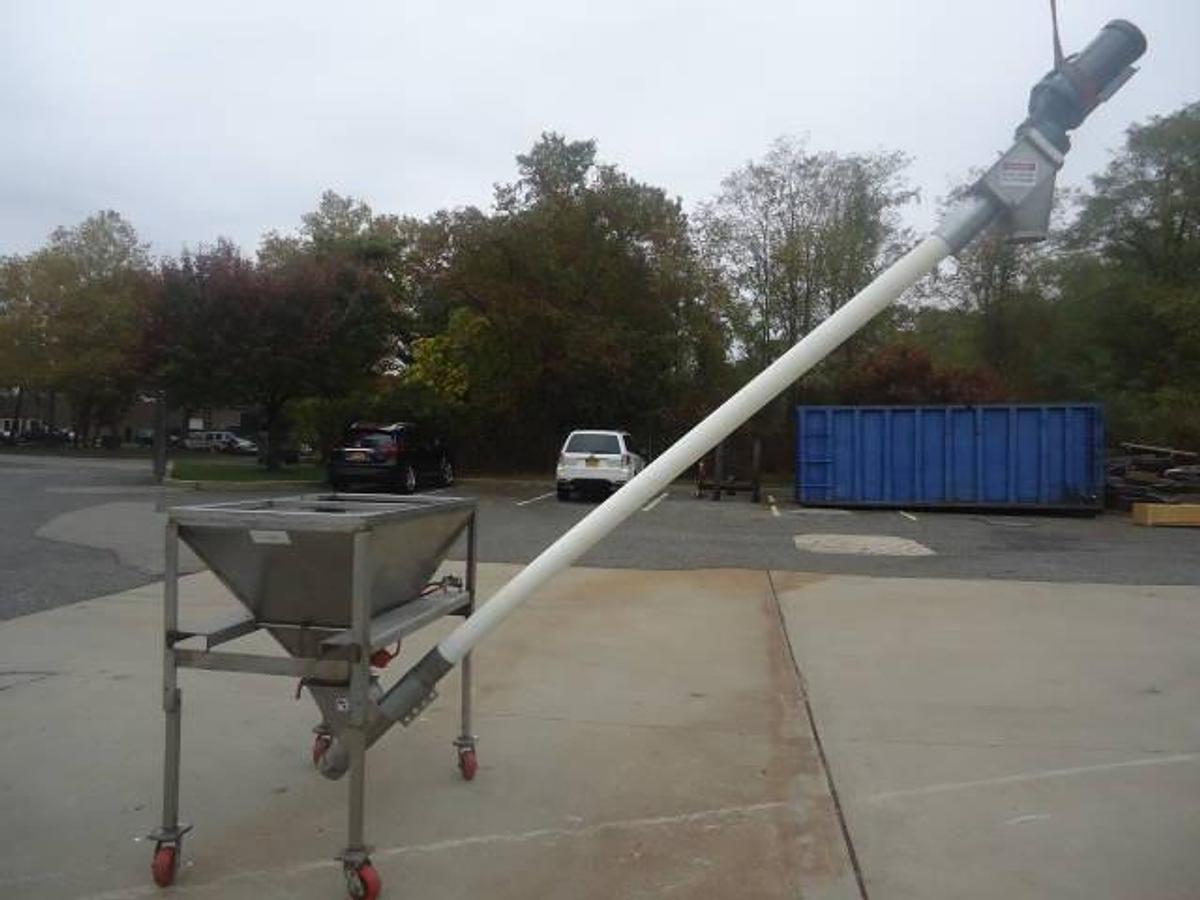
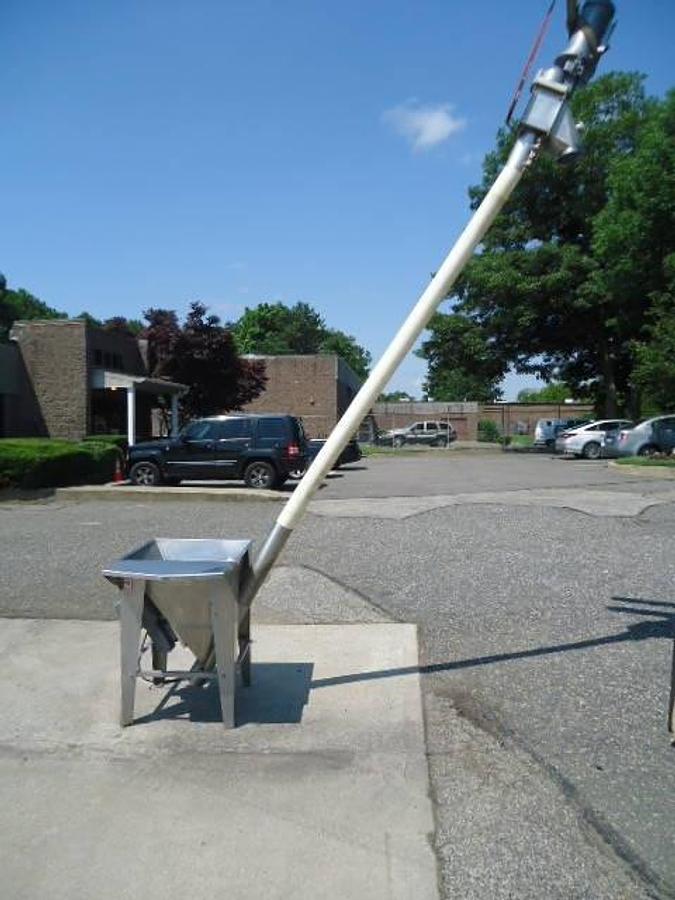
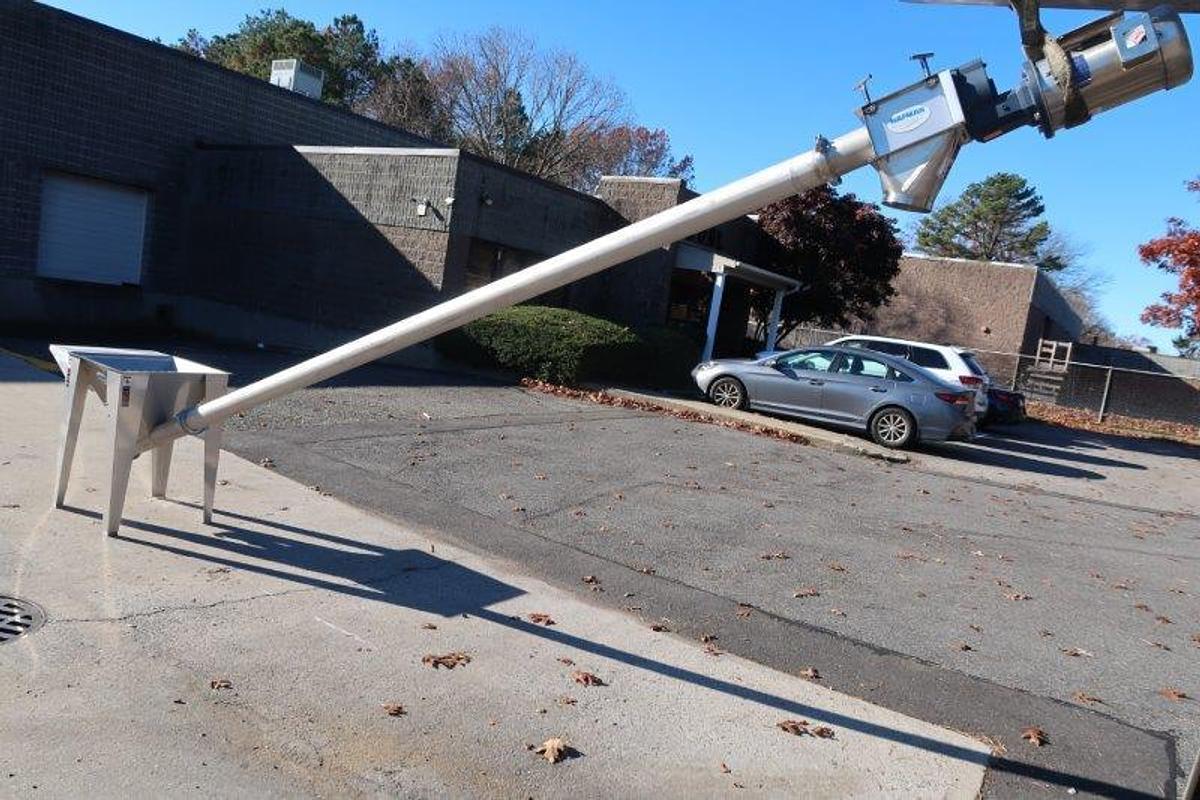
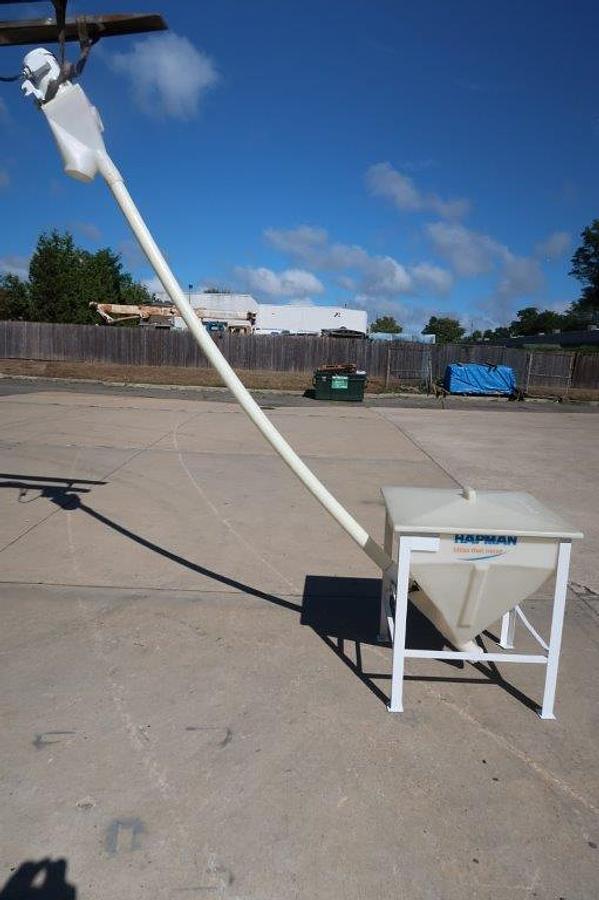
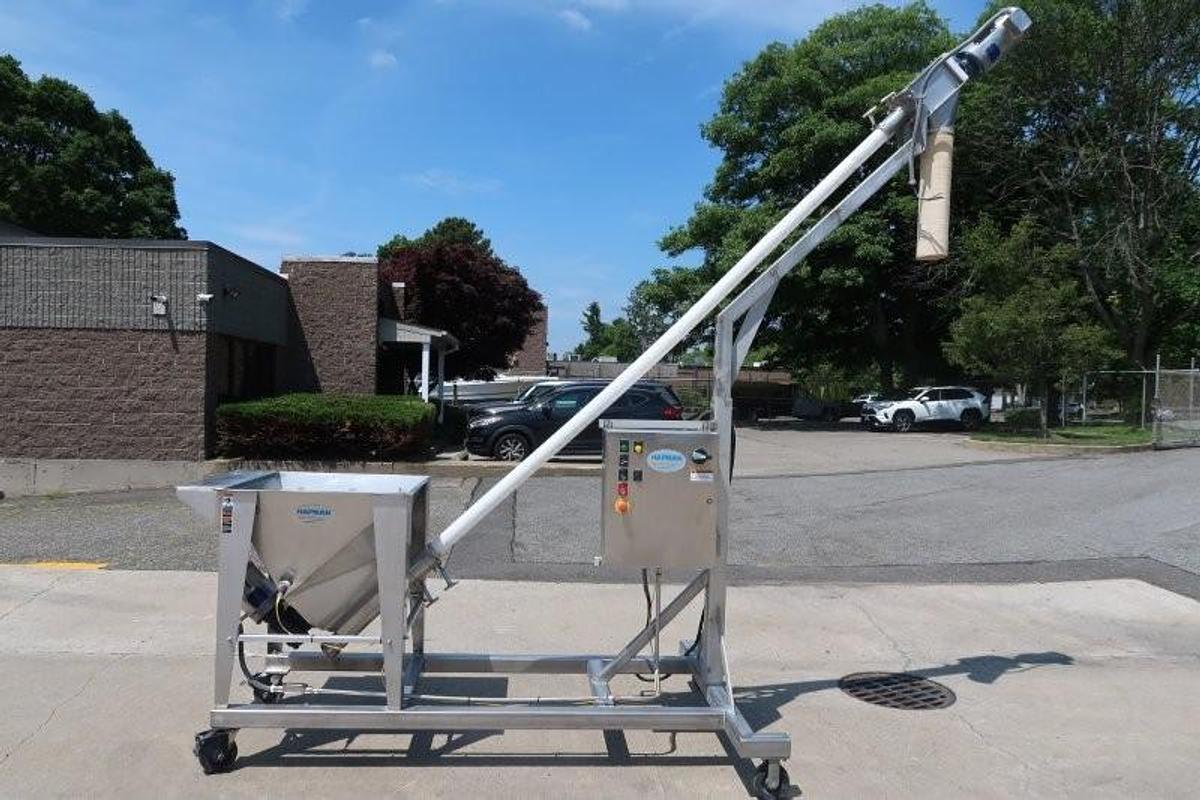
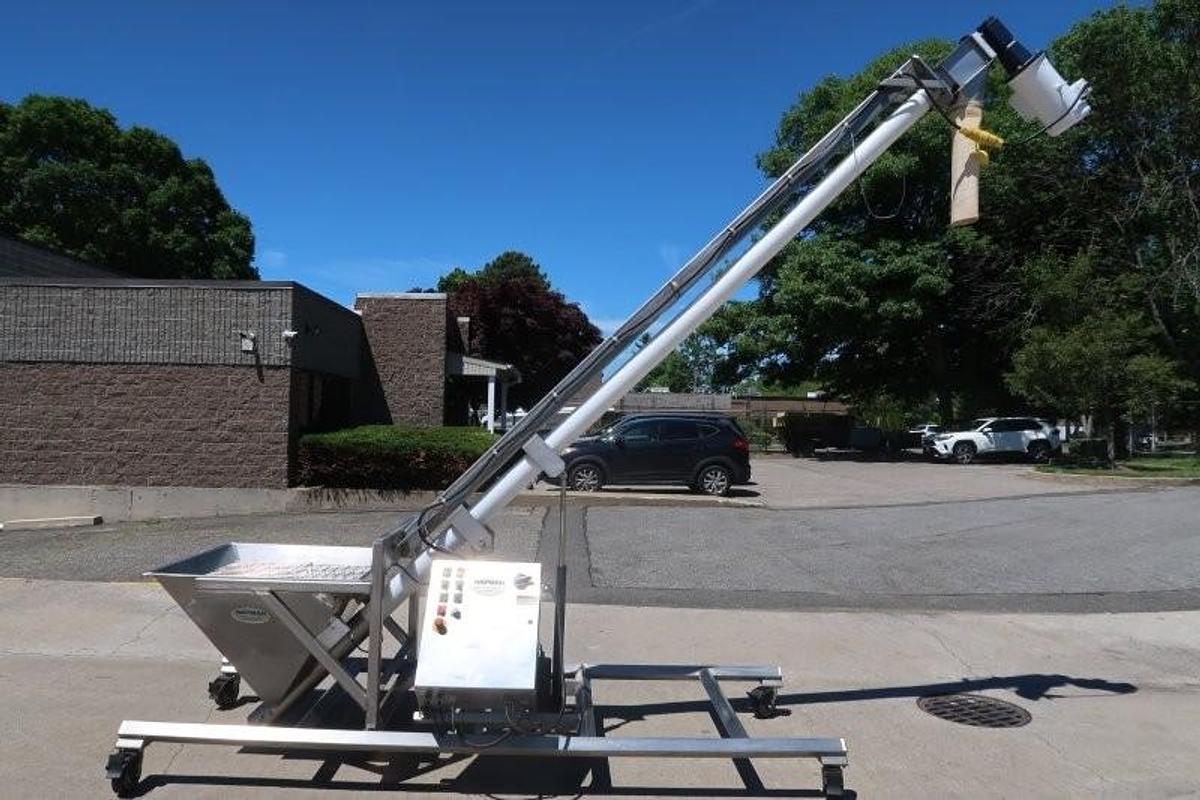
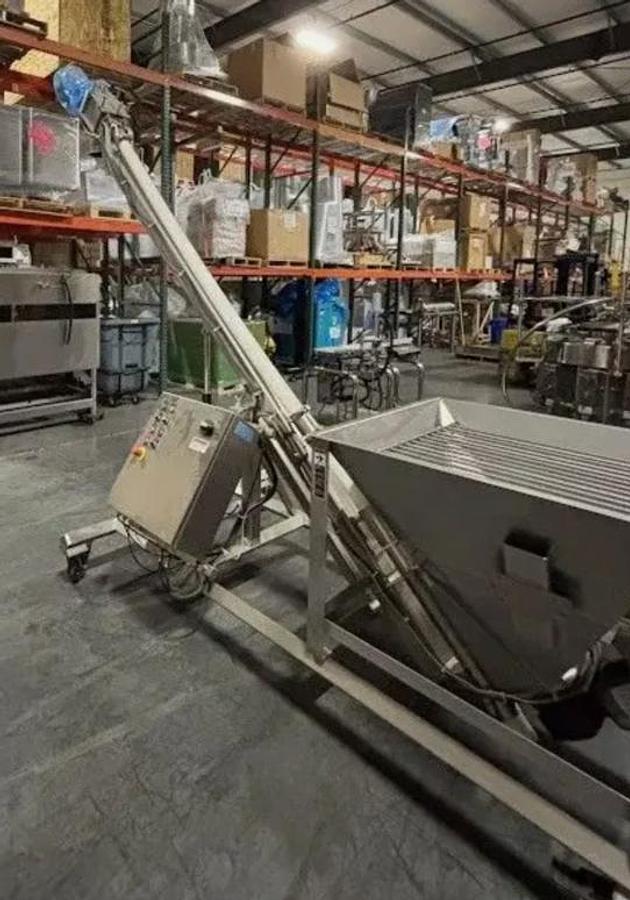
Hapman produces a broad range of bulk material handling equipment designed to move, feed, and control dry materials throughout industrial production lines. Their core product lines include flexible screw conveyors, tubular drag conveyors, pneumatic conveying systems, bulk bag fillers, bulk bag dischargers, and vibratory feeders. The flexible screw conveyor line, often referred to as the Helixx series, is one of their most recognized product families and is available in multiple configurations to handle materials ranging from fine powders to coarse granules and pellets. Inclined screw conveyors, portable conveyor units, and conveyor systems with integrated hoppers and pre-breakers are also part of the Hapman catalog.
Beyond conveyors, Hapman systems are often built with hygienic design features in mind, including stainless steel construction and sanitary fittings suited for regulated production environments. Many units are modular, meaning they can be integrated into larger automated handling lines or used as standalone pieces of equipment. The Series 300 and Series 500 helix conveyor lines represent two distinct tiers of capacity and configuration, giving buyers options across a range of throughput requirements and installation footprints. Used Hapman equipment for sale on the secondary market typically reflects this same variety, with listings that include portable units, fixed inclined conveyors, and complete conveying systems with hoppers.
What industries use Hapman bulk material handling equipment?
Hapman equipment is used across a wide range of industries that require reliable, repeatable movement of dry bulk materials. Food and beverage processing is one of the most common applications, where hygienic construction, sanitary fittings, and stainless steel contact surfaces are critical for meeting FDA and USDA guidelines. Pharmaceutical manufacturing is another major sector, as many Hapman conveyor designs minimize dust generation and product degradation, which matters when handling active ingredients or excipients. Chemical processing, plastics compounding, and agricultural feed operations also rely heavily on Hapman systems.
Beyond those core markets, Hapman equipment appears in mining, nutraceuticals, pet food manufacturing, and specialty materials processing. The versatility comes from the equipment's ability to handle materials with very different flow characteristics, including sticky, hygroscopic, cohesive, abrasive, and fragile materials. A flexible screw conveyor, for example, can move a fine pharmaceutical powder and a coarse plastic pellet using the same basic mechanical principle, with adjustments made to the screw geometry and tube diameter. This cross-industry applicability is one reason used Hapman equipment holds its value on the secondary market and remains in demand among buyers looking to retrofit or expand existing production lines.
Can Hapman conveyors handle fragile, abrasive, or hazardous bulk materials?
Hapman conveyor systems are engineered to handle a wide spectrum of material characteristics, and different product lines within the Hapman catalog are better suited to specific material challenges. Flexible screw conveyors are generally well-regarded for handling fragile materials like flakes, friable granules, or irregular-shaped particles because the gentle tumbling action of the rotating helix causes less mechanical stress than pneumatic or bucket-style conveyors. For abrasive materials such as silica, metal powders, or mineral compounds, the wear characteristics of the screw and tube materials become important selection factors, and Hapman offers configurations with more durable contact surfaces.
For hazardous or combustible materials, the enclosed tube design of both flexible screw and tubular drag conveyors provides containment that open conveyors cannot. This matters in environments where dust explosion risk, chemical exposure, or cross-contamination between product runs is a concern. Buyers evaluating used Hapman equipment for these applications should carefully inspect the condition of seals, tubes, and screw elements, as wear in these components directly affects containment performance. Consulting with Hapman directly about parts availability and compatibility for a specific used model is a practical step before committing to a purchase, since the manufacturer can confirm whether a given unit's configuration is appropriate for the intended material and whether replacement components are still available for that model.
What should I know about buying used Hapman equipment versus purchasing it directly from the manufacturer?
Buying used Hapman equipment through the secondary market offers a meaningful cost advantage compared to purchasing equivalent capacity through a manufacturer's current pricing. Used units are typically available at a fraction of the cost of a comparable machine built to current specifications, which makes the secondary market attractive for buyers with budget constraints, pilot projects, or applications where the production environment is not critical enough to justify full capital expenditure. The trade-off is that used equipment is sold as-is, meaning there is no manufacturer warranty attached to the transaction, and the buyer takes on the responsibility of assessing the machine's condition before committing to a purchase.
To manage that risk, buyers should work with reputable used equipment dealers who specialize in industrial processing machinery and have a verifiable track record. Requesting an in-person or video inspection before purchasing is standard practice and any credible dealer should accommodate this. During an inspection, focus on the condition of the screw or helix element, the tube or housing, drive components, and any seals or gaskets. It is also worth contacting Hapman directly to ask about parts availability and technical support for the specific model and serial number being considered, since older or discontinued models may have limited parts support. Age, configuration, and production history all affect how much life a used unit realistically has left.
How do I choose the right Hapman conveyor model for my application?
Selecting the right Hapman conveyor starts with understanding the physical and chemical properties of the material being handled. Key variables include bulk density, particle size and shape, moisture content, abrasiveness, cohesiveness, and whether the material is temperature-sensitive or prone to segregation. These properties determine whether a flexible screw conveyor, tubular drag conveyor, or pneumatic system is the appropriate technology. For example, flexible screw conveyors work well for powders and granules with moderate flow characteristics, while tubular drag conveyors are often preferred for fragile or blended materials where segregation must be minimized.
Beyond material properties, the application parameters matter just as much. Conveying distance, required throughput in pounds or kilograms per hour, discharge height, available floor space, and whether the system needs to integrate with existing equipment all influence which model and configuration fits the job. The Series 300 and Series 500 helix lines, for instance, differ in capacity and portability, so a production environment with fixed high-volume throughput needs will likely point toward a different selection than a facility that needs a portable unit for batch operations. For buyers evaluating used Hapman equipment, it helps to match the specifications listed for the available unit against these application requirements before purchasing, since retrofitting a used conveyor to a significantly different application than its original design intent can affect performance and component life.
What is the difference between the Hapman Series 300 and Series 500 helix conveyor lines?
The Hapman Series 300 and Series 500 helix conveyors represent two distinct configurations within the flexible screw conveyor family, each designed with different operational priorities. The Series 300 is a fixed, stationary helix conveyor built for consistent, high-volume material transfer in permanent or semi-permanent production installations. It is commonly paired with hoppers, pre-breakers, and inline processing equipment as part of a larger automated handling system. The Series 300 with a ribbon agitator is a specific variant designed for materials that tend to bridge or compact in the hopper, using an agitation element to promote consistent flow into the screw.
The Series 500 Hi/Lo flexible helix screw conveyor is a portable configuration, as the Hi/Lo designation refers to its adjustable discharge height capability. This makes it a practical choice for operations that need to move materials between containers, bins, or processing vessels at variable heights without a fixed installation. The portable design also suits facilities that handle multiple product lines and need to reposition conveying equipment between runs. When evaluating used versions of either series, buyers should confirm the discharge height, tube diameter, screw geometry, and motor specifications against their application requirements, since these details determine actual throughput and compatibility with existing equipment.
What does a pre-breaker hopper do on a Hapman flexible screw conveyor?
A pre-breaker hopper is an inlet device designed to condition material before it enters the screw conveyor tube. Many bulk materials, particularly those that are cohesive, hygroscopic, or prone to clumping during storage or transport, arrive at the conveyor inlet in an agglomerated or bridged state. Without some form of mechanical conditioning, these clumps can cause inconsistent feed rates, blockages in the screw tube, or uneven discharge at the outlet. The pre-breaker uses a rotating element inside the hopper to break apart these agglomerates and promote steady, uniform flow into the conveyor.
On used Hapman units listed with a pre-breaker hopper, such as the 4-inch diameter flexible screw conveying system with hopper pre-breaker, the presence of this feature signals that the machine was originally specified for a material with challenging flow characteristics. Buyers should inspect the pre-breaker's rotating element and drive mechanism for wear, since this component is in direct contact with the material and subject to mechanical stress. The hopper itself, particularly if constructed in stainless steel, should be checked for dents, weld integrity, and seal condition. Understanding the original application of a used unit with a pre-breaker can also provide useful context about what material types and throughput rates the machine was designed to handle.
What should buyers expect during the inspection process for used Hapman equipment?
Inspections are a standard part of purchasing used industrial equipment, and reputable dealers typically offer buyers the option to inspect machines in person, through a live video call, or via detailed video footage of the unit. The goal is to get an accurate picture of the machine's current condition, including visible wear on contact surfaces, the state of drive components, the integrity of tubes and housings, and any signs of prior damage or repair. For Hapman conveyors specifically, the screw or helix element is one of the most important things to examine, since wear on this component directly affects conveying efficiency and may require replacement.
Some used Hapman equipment is still installed and running at a production facility at the time of sale, which can allow for an inspection while the machine is in operation. Others may be decommissioned and in storage. Keep in mind that most used equipment dealers do not have the permits or production infrastructure to run actual product through a machine during an inspection, so functional testing with the buyer's specific material is generally not possible through the dealer. Buyers who need confidence about performance for a particular material type should factor in the cost of any post-purchase refurbishment or parts replacement when evaluating the overall value of a used unit. Contacting Hapman directly with the model and serial number can help determine what parts are available and what level of technical support to expect for that specific machine.
How does shipping and logistics work when purchasing used Hapman bulk handling equipment?
Shipping used industrial equipment like Hapman conveyors involves more planning than standard freight because of the size, weight, and mechanical sensitivity of the machines. Smaller units such as portable flexible screw conveyors may ship on standard pallets with appropriate blocking and bracing, while larger fixed conveyor systems or complete handling assemblies may require custom crating to prevent damage in transit. The level of packaging required directly affects shipping costs, so buyers should ask dealers for a clear breakdown of palletization, crating, and freight charges before finalizing a purchase to understand the full landed cost of the equipment.
Larger or heavier Hapman systems may also require specialized rigging for loading at the dealer's location and unloading at the buyer's facility. This can include forklift services, crane lifts, or flatbed transport depending on the machine's dimensions and weight. These rigging costs are typically separate from standard freight charges and should be confirmed in advance. Most used equipment dealers require full payment prior to shipping, though some may offer terms to established repeat customers. Buyers should also consider lead time for packaging and freight scheduling, particularly for larger machines that require custom crating, as this can add days or weeks to the delivery timeline.
Are replacement parts available for older Hapman conveyor models?
Parts availability for used Hapman equipment depends significantly on the age of the model and whether Hapman continues to support that product line. Hapman, as a manufacturer, maintains parts support for many of its product families, but older or discontinued models may have limited availability for certain components, particularly proprietary parts like custom screw elements, specialized tube sections, or model-specific drive assemblies. Before purchasing a used Hapman unit, it is worth contacting Hapman directly with the model number and serial number to ask specifically about parts availability and the level of technical support they can provide for that machine.
For common wear components such as screw helices, flexible tubes, seals, and bearings, the secondary market and third-party suppliers sometimes offer compatible replacements, particularly for widely used models like the Series 300 and Series 500 lines. However, relying on third-party parts for food-grade or pharmaceutical-grade equipment requires careful verification that the replacement components meet the same material and dimensional specifications as the originals. Buyers should factor potential parts costs into their total cost of ownership calculation when evaluating used equipment, since a low purchase price on a machine with hard-to-source wear parts may not represent the savings it appears to at first glance.