Category
Manufacturer
Model
Greerco
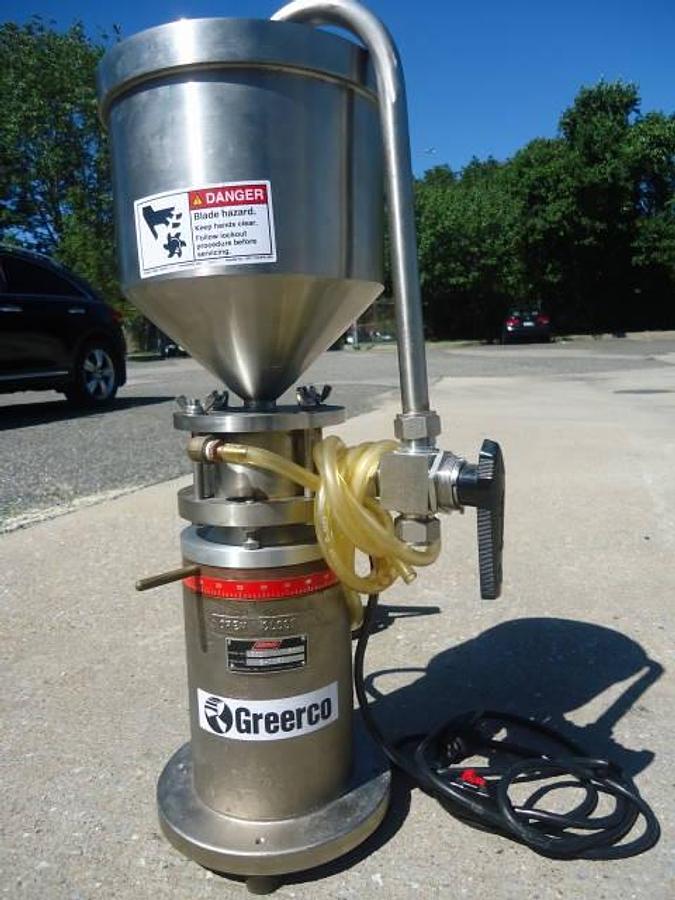
Greerco is recognized for its high-performance mixing and dispersing equipment, catering to industries such as chemicals, pharmaceuticals, and food. Their machines are designed for efficiency and versatility in various mixing applications.
FAQ:
What types of Greerco equipment are commonly available on the used market?
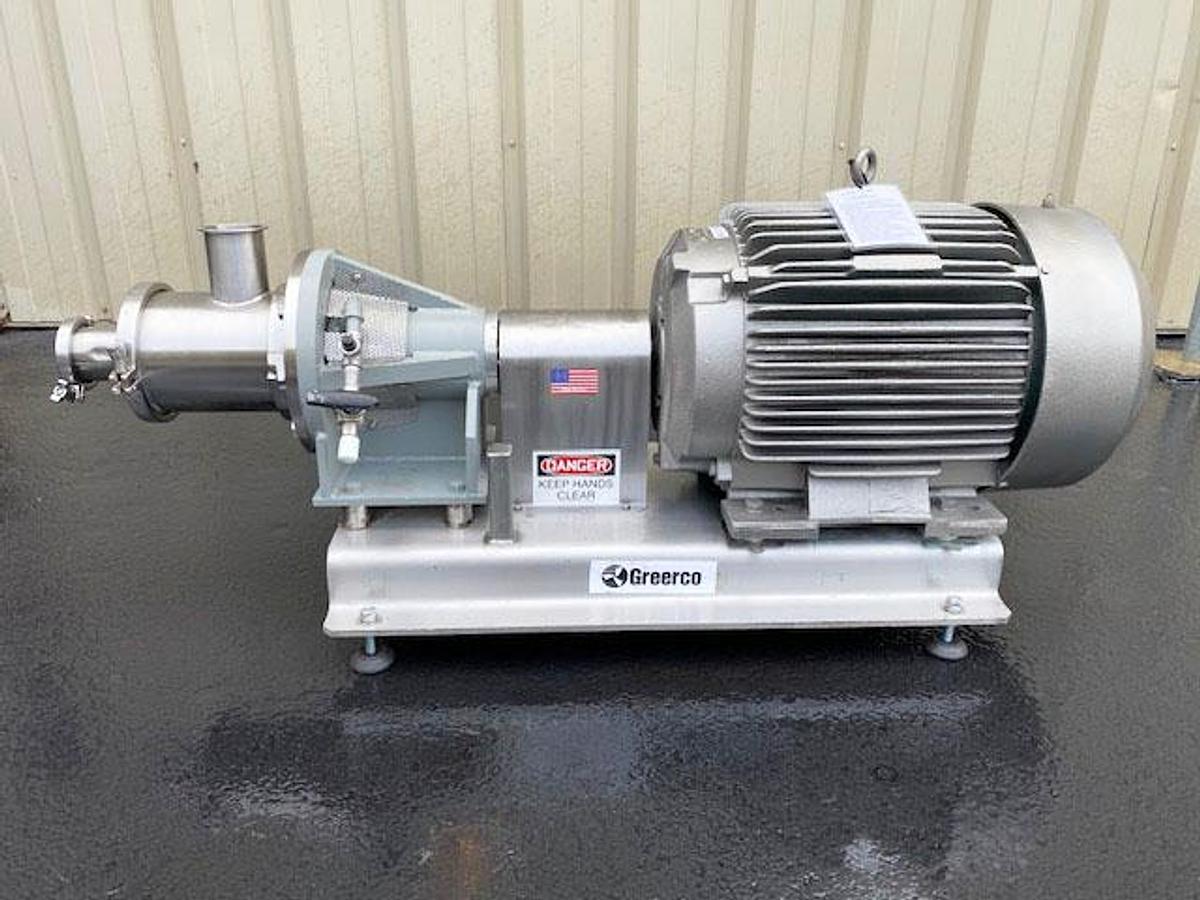
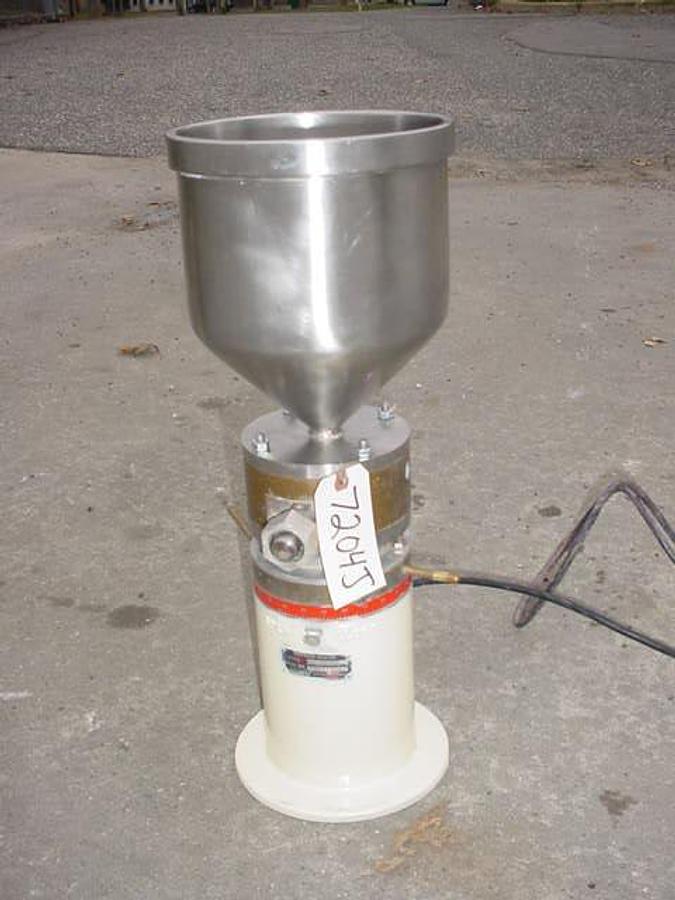
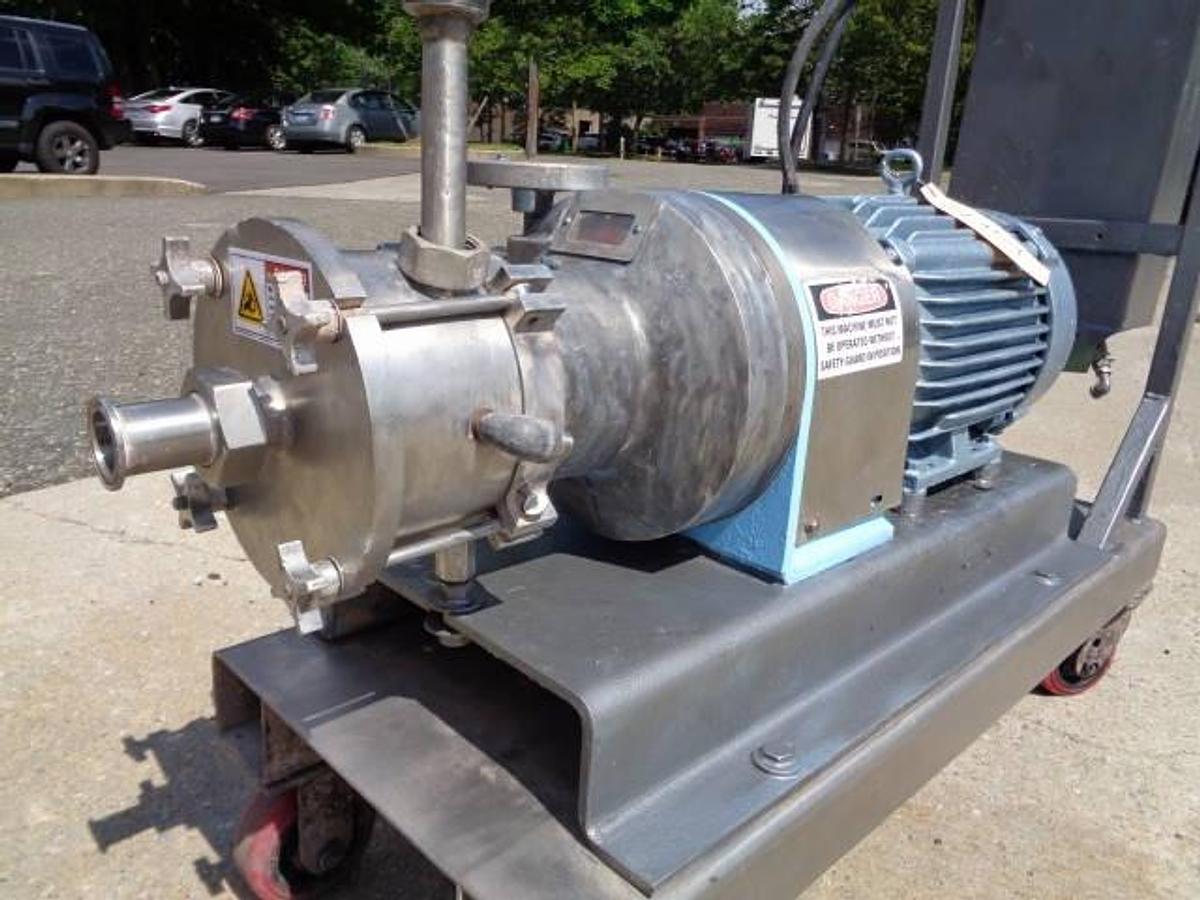
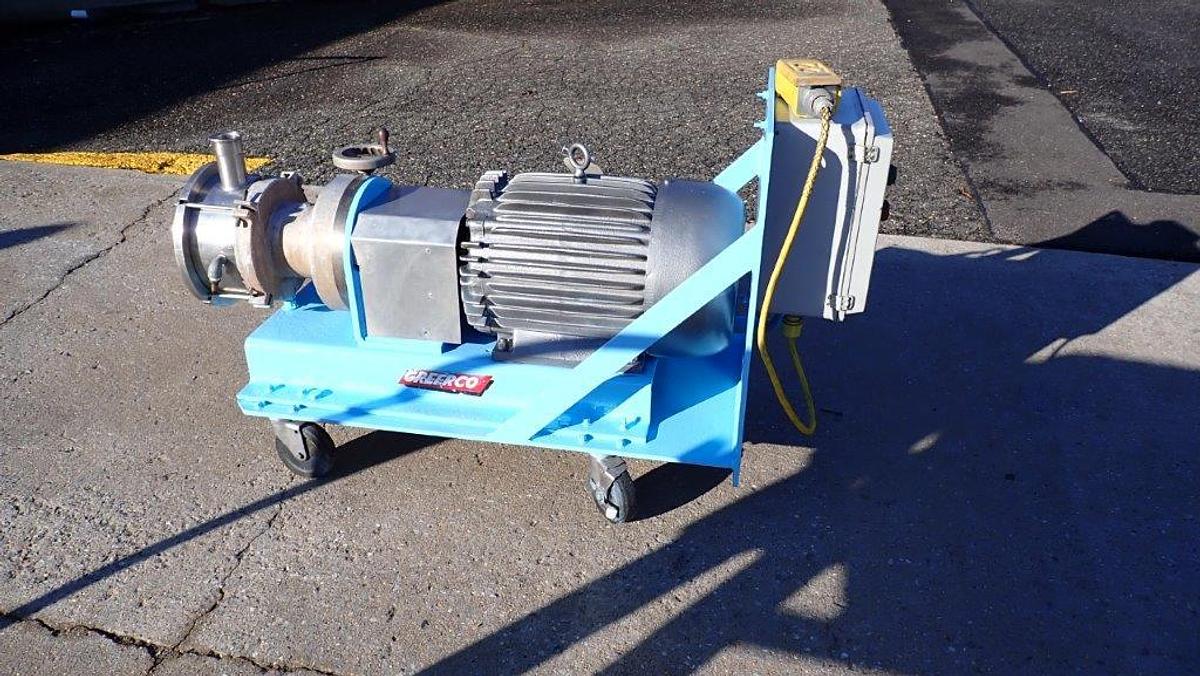
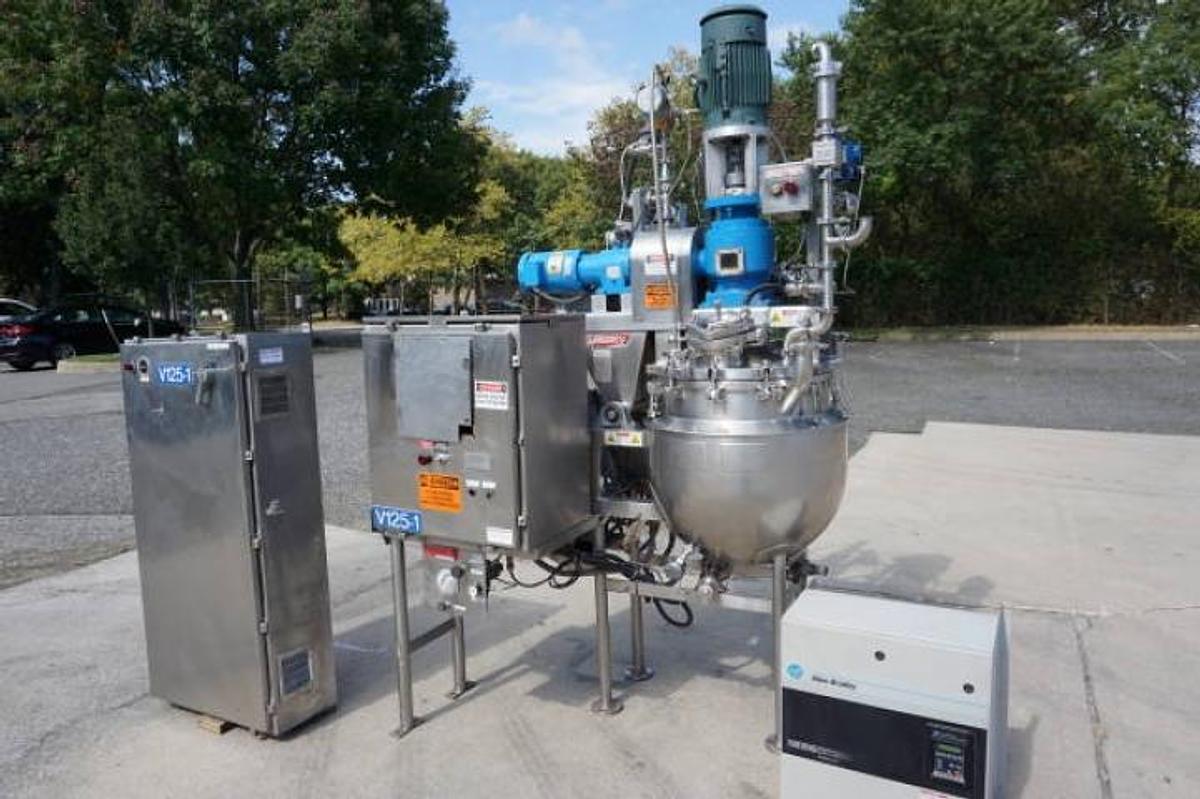
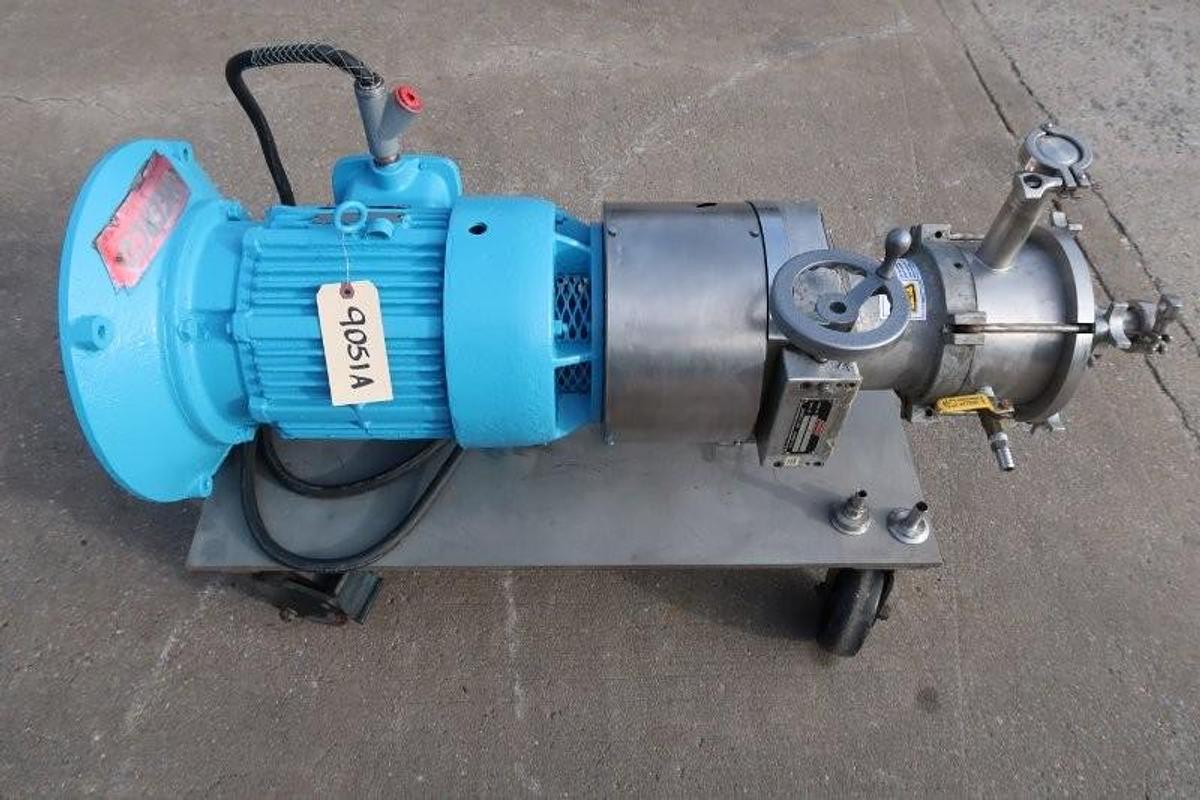
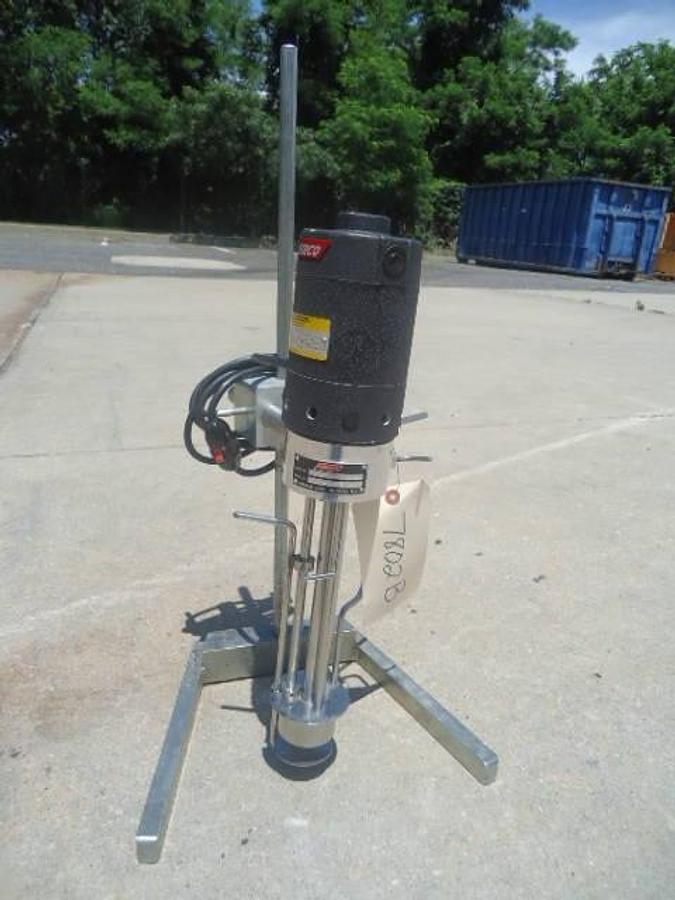
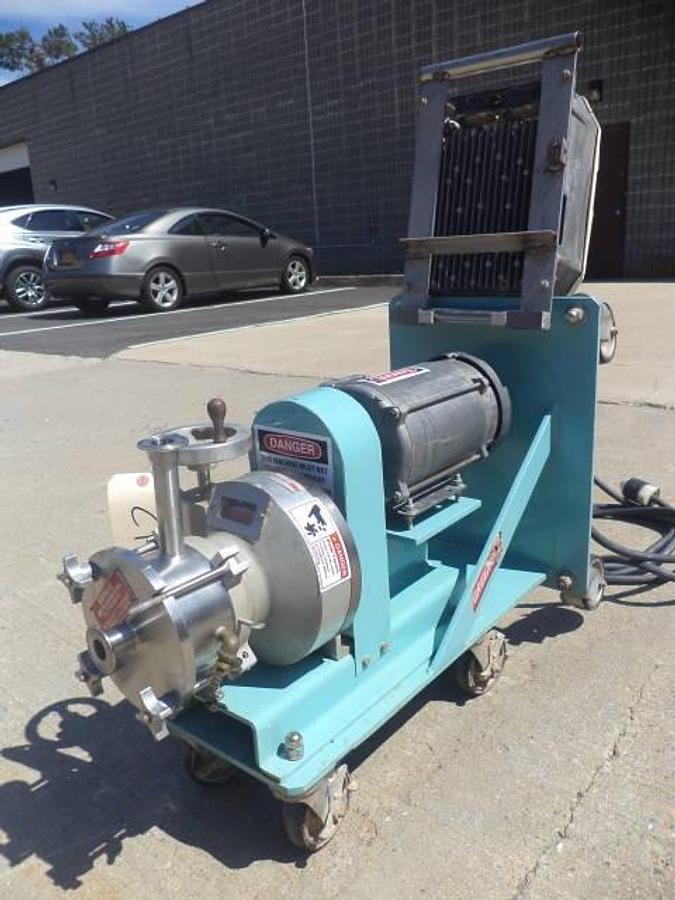
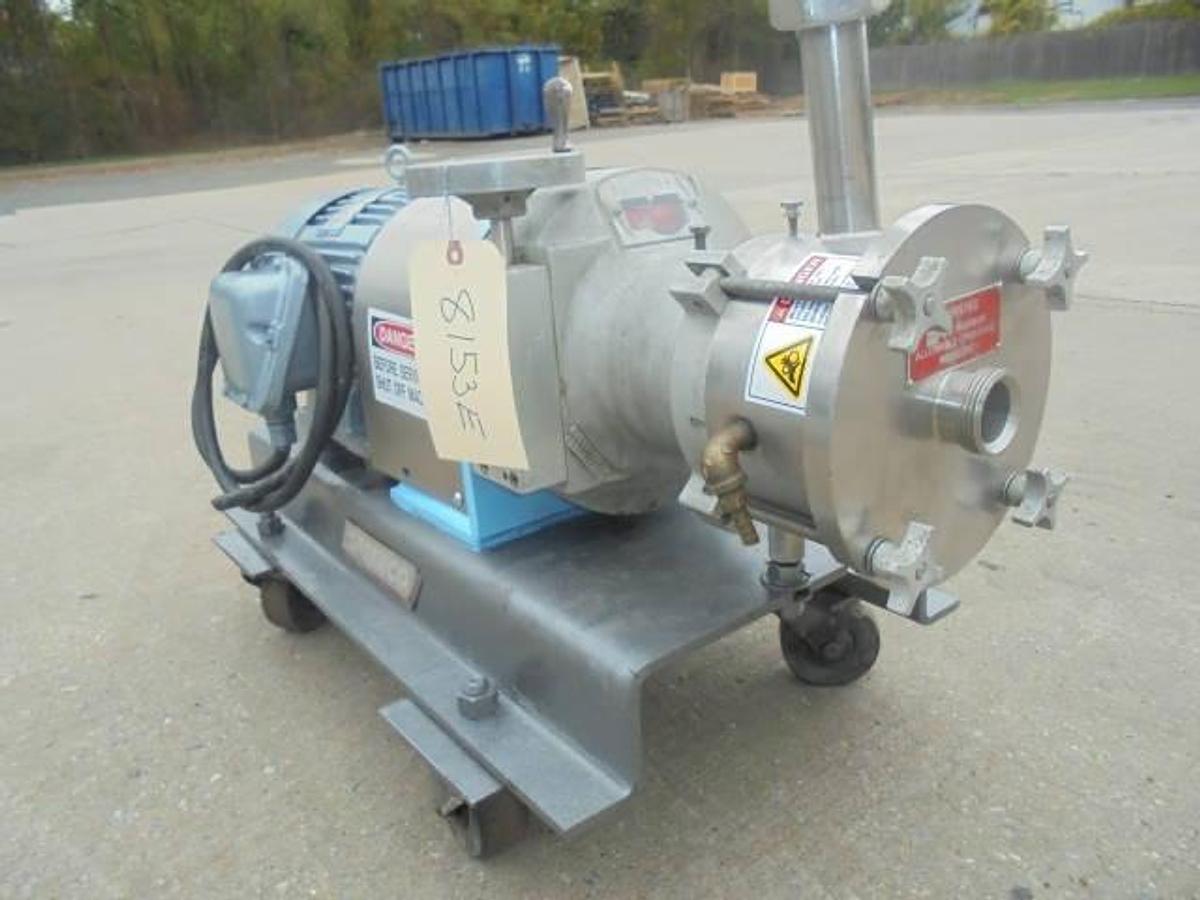
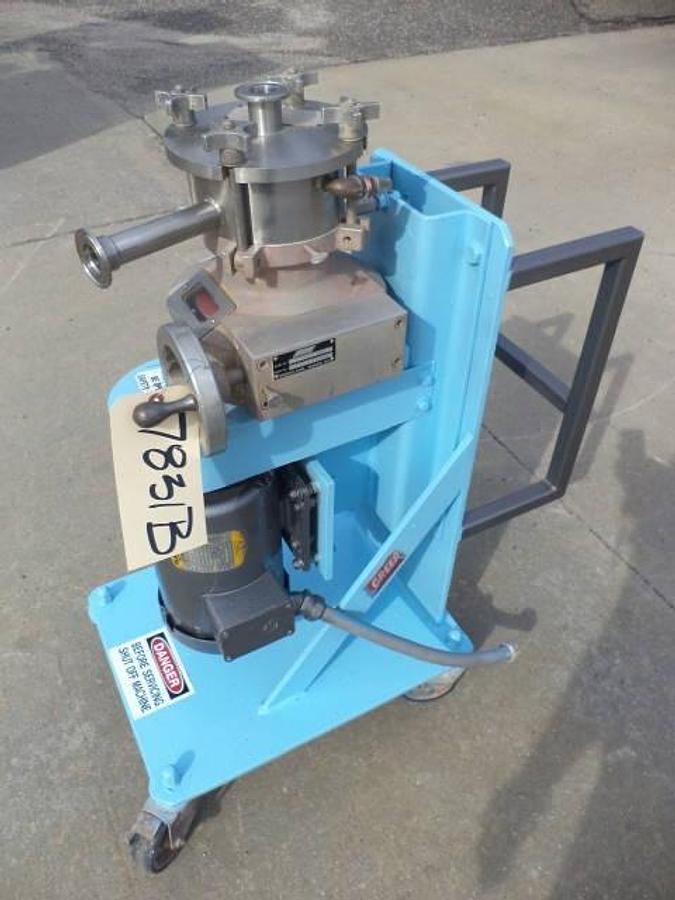
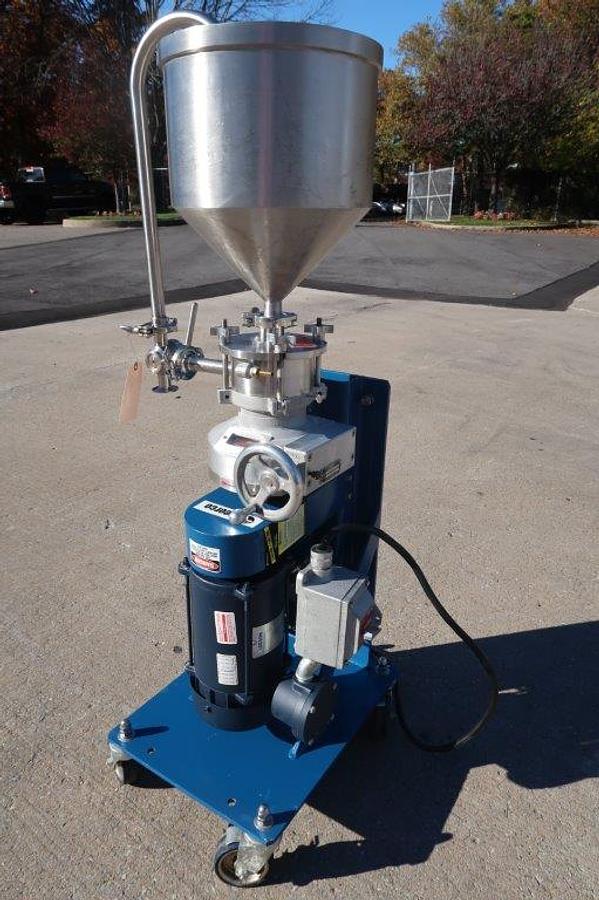
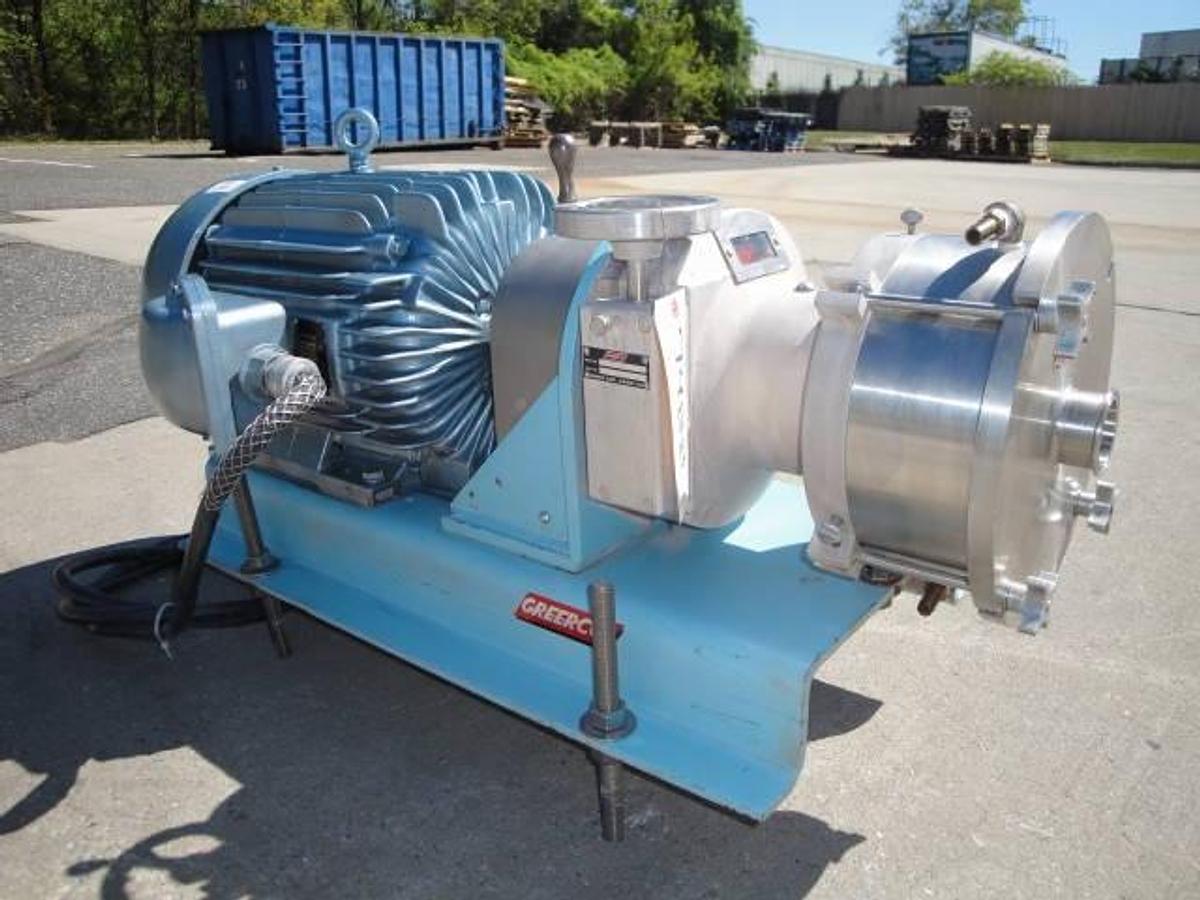
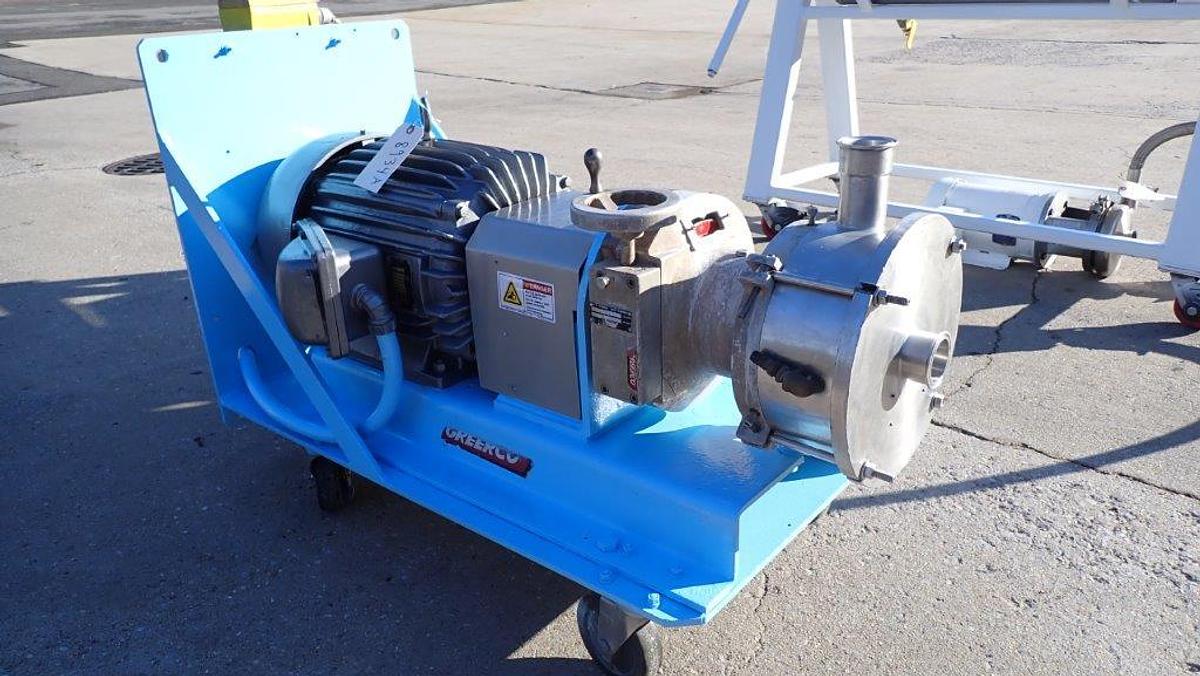
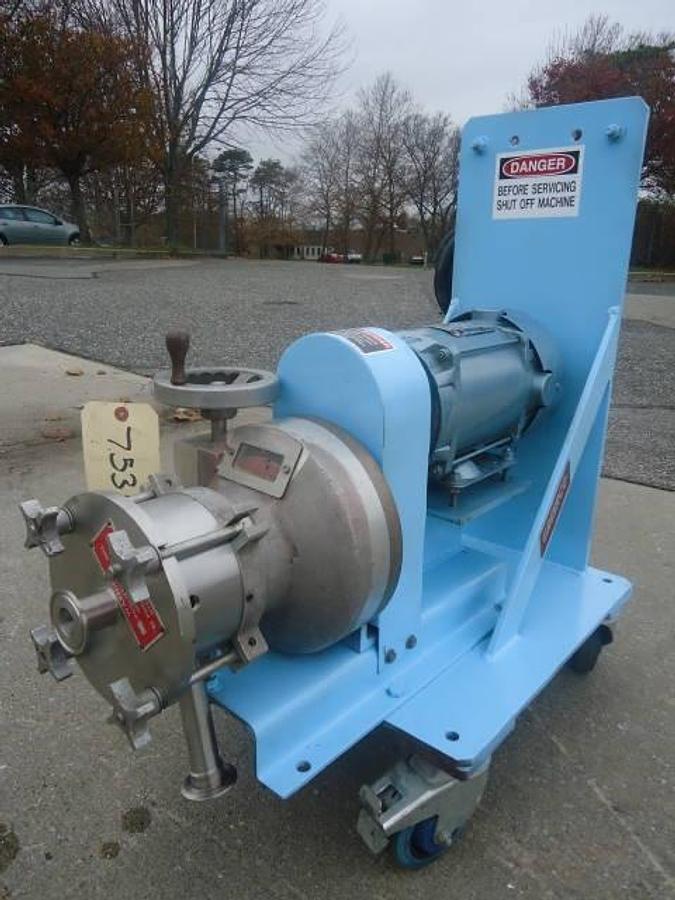
Used Greerco equipment available through industrial surplus dealers typically includes colloid mills, pipeline mixers, homogenizing mixers, and triple motion vacuum kettles and reactors. Colloid mills are the most frequently listed, appearing in several configurations including vertical, horizontal, portable, and inline models. Common models include the W200, W250, W500, and W750 series, which vary primarily by horsepower and orientation. Triple motion Agi-Mix kettle/reactors are also found in a range of capacities, from 15-gallon tabletop units up to 250-gallon production-scale vessels.
Beyond the model variety, Greerco equipment frequently turns up in stainless steel construction, often 316 SS, which makes it particularly appealing to buyers in food, pharmaceutical, and chemical processing. Many listed units also carry explosion-proof (XP) motor designations, which is important for facilities handling flammable solvents or operating in classified hazardous areas. Buyers searching the used market should pay close attention to these motor and material specifications since they significantly affect suitability for a given application.
What is the difference between a Greerco colloid mill and a pipeline mixer?
A Greerco colloid mill is a high-shear device that processes material by passing it through a precisely controlled gap between a rapidly spinning rotor and a stationary stator. The intense mechanical shear in that gap breaks down particles, disperses solids into liquids, and creates stable emulsions. Colloid mills are well suited for viscous materials and applications where a fine, uniform particle size is critical, such as nut butters, pharmaceutical suspensions, cosmetic creams, and certain chemical slurries. The gap between rotor and stator is typically adjustable, giving operators control over the degree of size reduction.
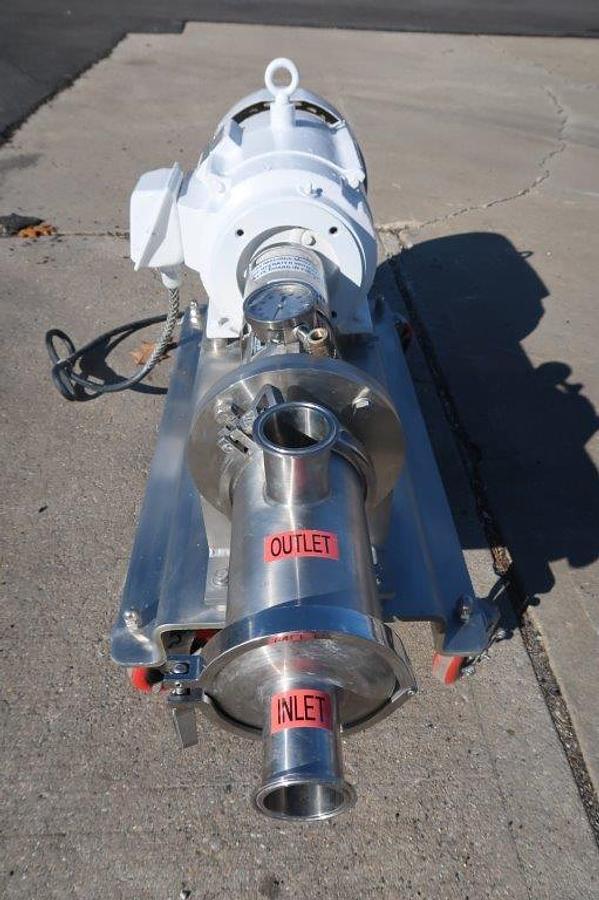
A pipeline mixer, by contrast, is designed primarily for blending and homogenizing fluids as they flow through a pipe or inline housing, without necessarily achieving the same degree of particle size reduction as a colloid mill. Pipeline mixers are often used for lower-viscosity applications or where continuous in-line blending is the main objective rather than fine grinding or emulsification. Greerco's sanitary pipeline homogenizing mixers, for example, are built for food and pharmaceutical lines where CIP (clean-in-place) compatibility and hygienic design are priorities. Choosing between the two depends on the viscosity of the material, the target particle size, and whether the process is batch or continuous.
What industries use Greerco colloid mills and mixers?
Greerco equipment has a long history of use across several demanding processing industries. Food manufacturing is one of the most common sectors, where colloid mills are used to produce smooth, stable products like peanut butter, salad dressings, sauces, and dairy-based emulsions. The pharmaceutical industry relies on Greerco mills for grinding and homogenizing active ingredients into suspensions, creams, and ointments where particle size uniformity is critical to product efficacy. Cosmetics and personal care manufacturers use the equipment to produce lotions, gels, and emulsified skin care formulations.
Beyond those sectors, chemical manufacturers use Greerco high-shear equipment for dispersing pigments, grinding resins, and producing stable chemical emulsions. Paint and coatings producers value the equipment for achieving fine, consistent dispersion of pigment particles. The combination of stainless steel wetted parts, explosion-proof motor options, and scalable horsepower across the W-series product line makes Greerco equipment adaptable to a wide range of production environments, from small-batch R&D labs to full-scale continuous processing lines.
What should buyers look for when inspecting used Greerco colloid mills before purchasing?
The rotor-stator gap and the condition of those two components are the most critical things to evaluate on a used Greerco colloid mill. Wear on the rotor or stator surfaces directly affects the machine's ability to achieve the target particle size and emulsion quality. Buyers should ask the seller for detailed photos or video of the rotor and stator, and if possible, arrange an in-person or video inspection to assess wear patterns, surface finish, and any signs of corrosion or pitting, particularly on the wetted stainless steel parts. Seals, gaskets, and bearings are also wear items that should be examined, as these affect both performance and the cost of getting the machine back into full service.
For explosion-proof (XP) designated units, it is worth verifying that the motor's XP rating and classification are intact and documented, since modifications or damage to the motor housing can compromise that rating. Buyers should also check the horsepower rating against their process requirements, as the W-series models range from 2 HP on the smaller W250V-B up to 40 HP on inline high-shear models. Reputable used equipment dealers will typically accommodate in-person inspections or provide video walkthroughs of the machine. Some equipment may still be installed and operational at a production facility, which can allow for a more thorough assessment of the machine's current working condition.
Are replacement parts available for older Greerco models?
Parts availability for Greerco equipment depends on the specific model and its age. Greerco became part of the Chemineer product family, which is now under NOV (National Oilwell Varco), and buyers should contact the manufacturer directly to determine what level of parts and technical support is available for a particular model. For well-established models like the W250, W500, and W750 series, wear parts such as rotors, stators, and mechanical seals have historically been available through the manufacturer or authorized service channels. However, parts availability can narrow for older or discontinued configurations, so it is a good idea to confirm this before committing to a purchase.
Buyers should also factor parts availability into their total cost-of-ownership calculation. If a critical wear component is difficult to source, the machine's long-term serviceability is limited regardless of its current condition. Some buyers address this by purchasing a second machine of the same model as a parts source, which is a common practice in the used equipment market. Consulting with the manufacturer about the expected service life and parts support for the specific model and serial number is a practical step that can prevent costly surprises after the equipment arrives on-site.
What is a triple motion vacuum kettle/reactor, and what is it used for?
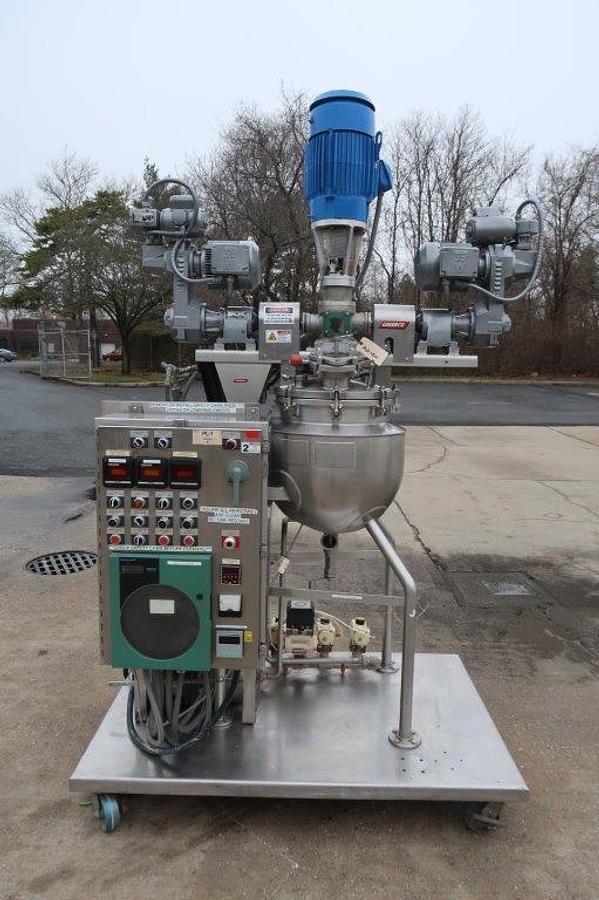
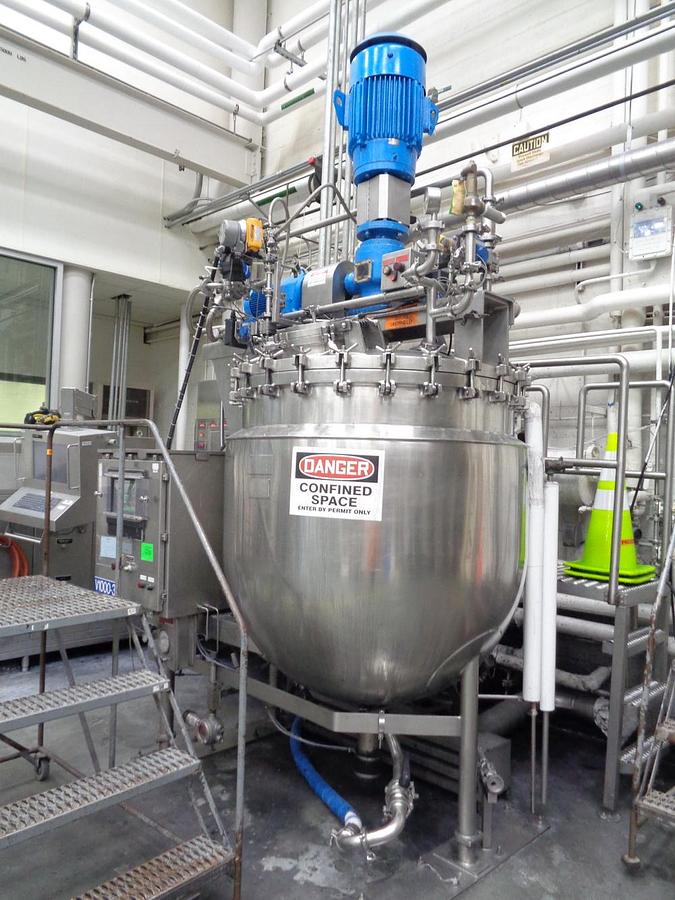
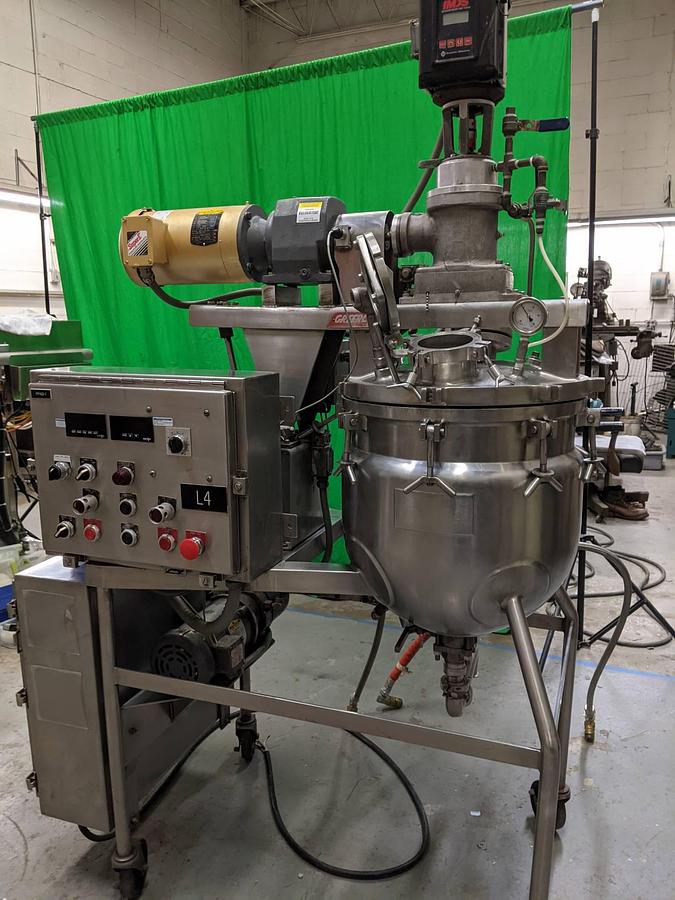
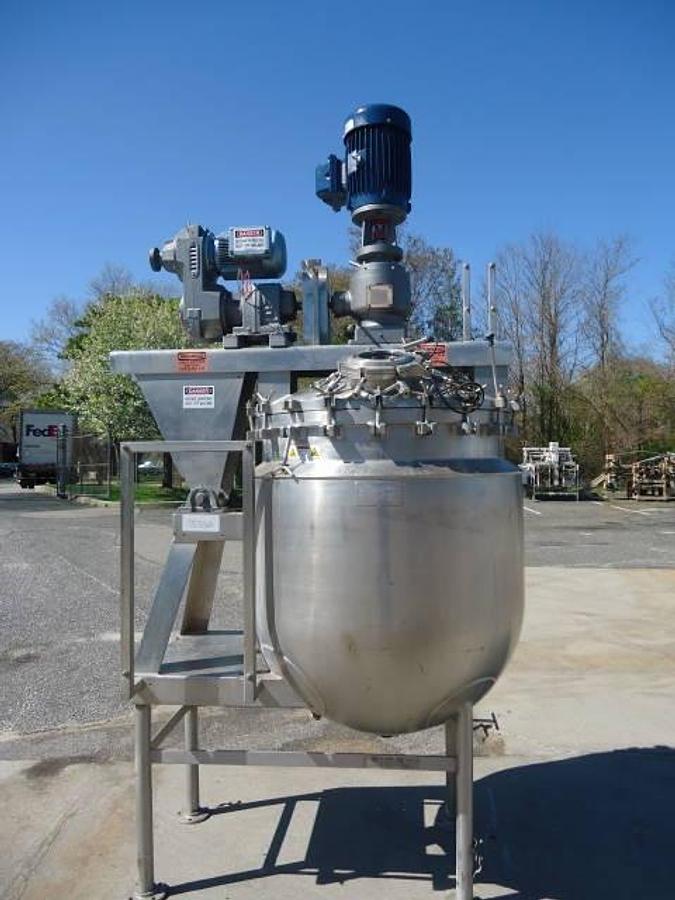
A triple motion vacuum kettle, sometimes called an Agi-Mix reactor, is a multi-function mixing vessel that combines three simultaneous agitation movements: a central high-speed disperser or homogenizer, a slow-speed anchor or sweep agitator that moves material along the vessel walls, and a scraper system that prevents product from building up on the heated or cooled jacket surface. The vacuum capability allows manufacturers to de-aerate products during mixing, which is essential for producing bubble-free creams, ointments, and food products with a smooth, consistent texture. The combination of these three motions in a single vessel makes it possible to heat, cool, mix, emulsify, and de-aerate in one contained process step.
These kettles are widely used in cosmetics manufacturing for products like lotions and creams, in pharmaceutical production for topical preparations, and in food processing for sauces, spreads, and confections. Used Greerco and Gifford Wood Agi-Mix kettles appear on the surplus market in a range of sizes, from 15-gallon pilot-scale units to 250-gallon production vessels, all typically constructed in stainless steel. The vessel size, jacket configuration, and agitator motor specifications should all be matched carefully to the intended process, and buyers should inspect the vessel interior, agitator seals, and vacuum integrity as part of any pre-purchase evaluation.
How do I choose the right Greerco colloid mill model for my application?
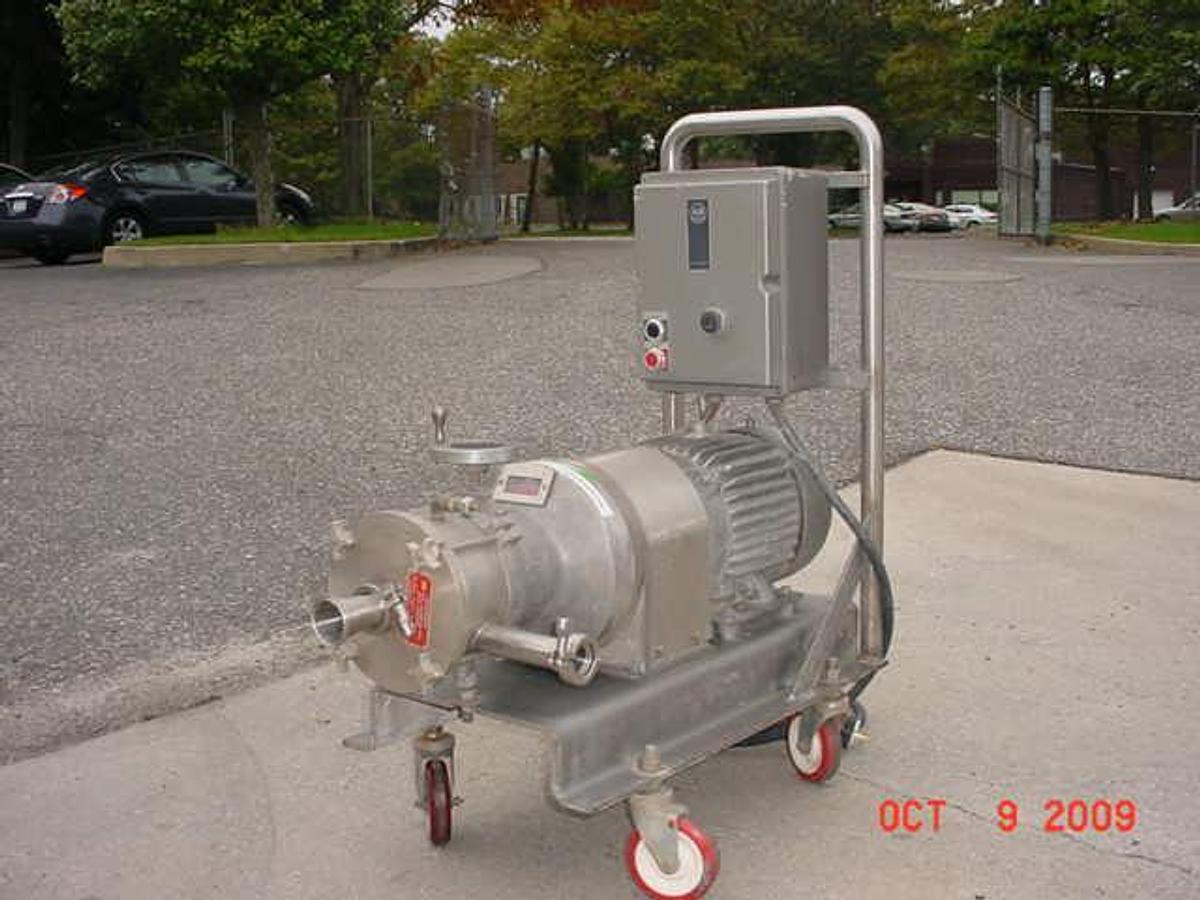
Selecting the right Greerco model starts with understanding the viscosity and flow characteristics of the material being processed. The W-series colloid mills are differentiated primarily by horsepower and throughput capacity. The W200 and W250 models are smaller, lower-horsepower units suited to pilot-scale or lower-volume production, while the W500 and W750 handle higher flow rates and more viscous or difficult-to-process materials. Portable models in the W250 series offer flexibility for facilities that need to move the mill between tanks or process points, whereas inline and horizontal configurations are better suited to fixed, continuous processing lines.
Beyond horsepower and configuration, the motor designation matters significantly. Explosion-proof motors are required in facilities handling flammable materials or operating in classified hazardous locations, and many used Greerco units are listed specifically with XP motors for this reason. Material of construction is another factor: most Greerco mills feature 316 stainless steel wetted parts, which suits sanitary and corrosive applications, but buyers should confirm the exact alloy and surface finish for pharmaceutical or food-grade requirements. Consulting with the manufacturer or an experienced used equipment dealer can help match a specific model's rotor-stator geometry and gap adjustment range to the particle size targets and throughput rates of a given process.
Is used Greerco equipment reliable enough for industrial production use?
Greerco has a well-established reputation for building durable, industrial-grade mixing and milling equipment, and used units that have been properly maintained can perform reliably in production environments. The stainless steel construction and robust mechanical design of the W-series colloid mills have made them a long-running standard in industries where consistent particle size and emulsion stability are non-negotiable. The key variable with any used machine is condition, not brand, which is why a thorough pre-purchase inspection is essential. Rotor and stator wear, seal condition, bearing health, and motor integrity are the primary factors that determine whether a used unit will deliver consistent results.
Buyers who are diligent about inspection and who purchase from dealers with a verifiable track record in process equipment tend to have positive outcomes with used Greerco machinery. It is worth noting that used equipment is sold as-is, so the responsibility for evaluating condition rests with the buyer. Arranging an in-person or video inspection, requesting operational history if available, and consulting with the manufacturer about parts and service support for the specific model are all steps that reduce risk. For facilities with existing Greerco equipment, adding a used unit of the same model can also simplify maintenance since operators and technicians are already familiar with the machine's characteristics.
What should buyers understand about shipping and logistics for used Greerco equipment?
Greerco colloid mills and mixing equipment vary considerably in size and weight, and shipping costs can be a significant part of the total acquisition cost. Smaller portable units like the W250 series are more straightforward to crate and ship, while larger inline mills, 40 HP high-shear mixers, and 250-gallon kettle/reactors require heavier-duty packaging and professional rigging for safe loading and unloading. Buyers should ask the dealer specifically about how the equipment will be packaged, whether a standard pallet, a custom crate, or a skidded configuration, since the level of protection directly affects the risk of transit damage and the associated cost.
For larger or heavier equipment, rigging services at both the origin and destination are typically required and will be quoted as separate line items. Buyers should request a full breakdown of packaging, rigging, and freight costs before finalizing a purchase so they have an accurate picture of the total landed cost. Freight carriers experienced with industrial machinery are generally preferable to standard LTL carriers for this type of equipment. It is also worth confirming lead times for packaging and pickup, as some equipment may still be at a third-party facility rather than at the dealer's warehouse, which can affect scheduling.
What are the typical payment terms for purchasing used Greerco equipment?
Most used industrial equipment dealers require payment in full before the equipment is released for shipping. This is standard practice across the surplus machinery market and applies to Greerco colloid mills, mixers, and kettles regardless of the purchase price. The reasoning is straightforward: once a machine leaves a dealer's facility, verifying its condition and recovering it in the event of a payment dispute becomes impractical. Buyers should plan accordingly and ensure that internal purchase approval processes are completed before committing to a transaction, since popular or recently listed machines can sell quickly.
Some dealers may offer extended payment terms to established customers with a history of prior purchases, but this is the exception rather than the rule for first-time buyers. Wire transfer is the most common payment method for used industrial equipment transactions of any significant size. Buyers should also confirm the exact payment process with the dealer before submitting funds, including verifying bank details through a direct phone call to prevent wire fraud. Understanding payment expectations upfront avoids delays in scheduling pickup or shipment after a purchase agreement is reached.