Category
Manufacturer
Model
Graco
Graco is a leading manufacturer of fluid handling equipment, primarily serving the construction and industrial sectors. Their product offerings include pumps, sprayers, and dispensing systems, known for their reliability and performance.
FAQ:
What types of Graco equipment are typically available on the used market?
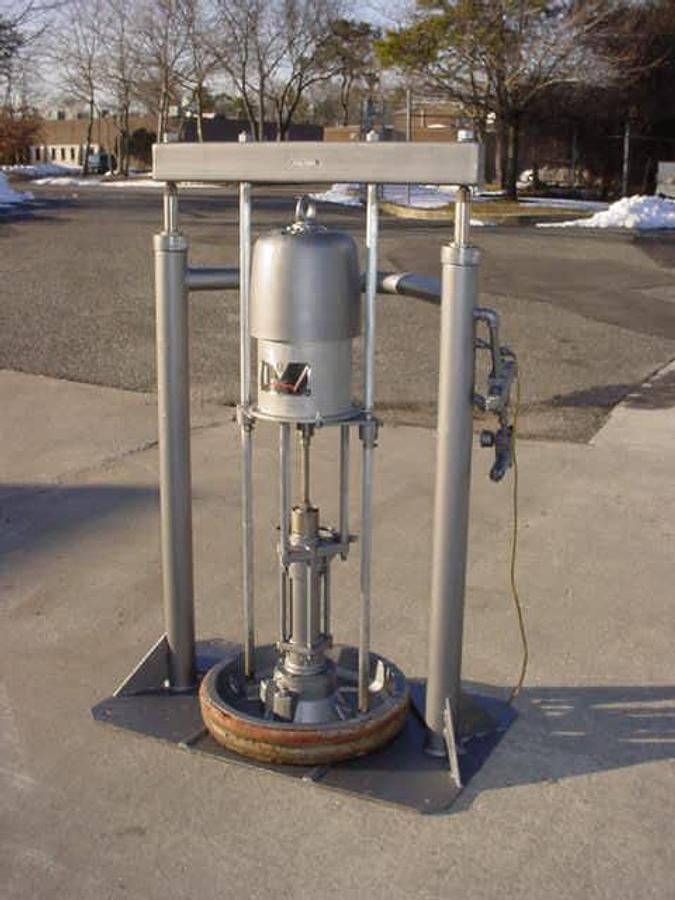
Graco produces a wide range of fluid handling and finishing equipment, and many of these product lines show up regularly on the used market. The most common categories include air-operated drum pumps, airless paint sprayers, plural component sprayers, fluid transfer pumps, and lubrication systems. Within drum pumps alone, buyers will often find models like the Graco Monark, Fast-Flo, Bulldog, and Power-Flo, each designed for specific viscosities and transfer applications. Some listings include portable units, stainless steel configurations for corrosive or food-grade materials, and double diaphragm pumps suited for thicker fluids.
On the sprayer side, used listings frequently include professional-grade models from lines like the Ultra Max and Mark V, which were originally built for high-volume commercial and industrial coating work. Entry-level models from the Magnum series also appear, making used Graco equipment accessible to smaller contractors or facilities with lighter-duty needs. Because Graco builds its equipment for long service life, used machines often retain strong functional value, provided they have been properly maintained. Buyers should review available inventory carefully and ask sellers about the specific model numbers and operating history of any unit they are considering.
What should I look for when buying used Graco fluid handling equipment?
Buying used Graco equipment requires a more hands-on evaluation than purchasing from a manufacturer. The most important factors are the machine's operating history, the condition of wear components like pump packings, seals, and diaphragms, and whether the unit has been flushed and stored properly. Graco pumps that have been left with dried material inside the fluid section can require significant reconditioning before they return to reliable service. Ask the seller specifically how the equipment was last used, what materials it handled, and how it was prepared for storage.
Visual inspection, whether in person or through a detailed video walkthrough provided by the dealer, is a critical step. Look for signs of corrosion, cracked housings, worn fittings, or evidence of improvised repairs. For air-operated pumps, check that the air motor cycles smoothly and that there are no audible air leaks during operation. Reputable used equipment dealers will typically accommodate inspection requests and can provide photos or video of the machine in its current condition. Since used equipment is sold as-is, the burden of due diligence falls on the buyer, so taking the time to ask detailed questions and request thorough documentation before committing to a purchase is well worth the effort.
Are parts and service support available for used Graco equipment?
Graco has a well-established parts and service network, and for many of its popular product lines, replacement components like pump repair kits, seals, diaphragms, and fluid sections are still available through authorized distributors. This is one of the reasons used Graco equipment holds its value and remains a practical choice for buyers. However, parts availability does vary by model age. Older or discontinued models may have limited support, and some components may need to be sourced from third-party suppliers or through specialty used parts dealers.
Before purchasing any used Graco machine, it is worth contacting Graco directly or reaching out to an authorized service center to confirm what level of support exists for that specific model. Graco's technical support teams can often tell you whether a unit is still serviceable, whether repair kits are in stock, and whether the model has any known wear points that should be inspected before purchase. This step is especially important for older pump models or sprayers that may have been out of production for several years. Understanding the service landscape ahead of time helps buyers avoid acquiring equipment that is difficult or expensive to maintain.
What is the difference between Graco air-operated drum pumps and double diaphragm pumps?
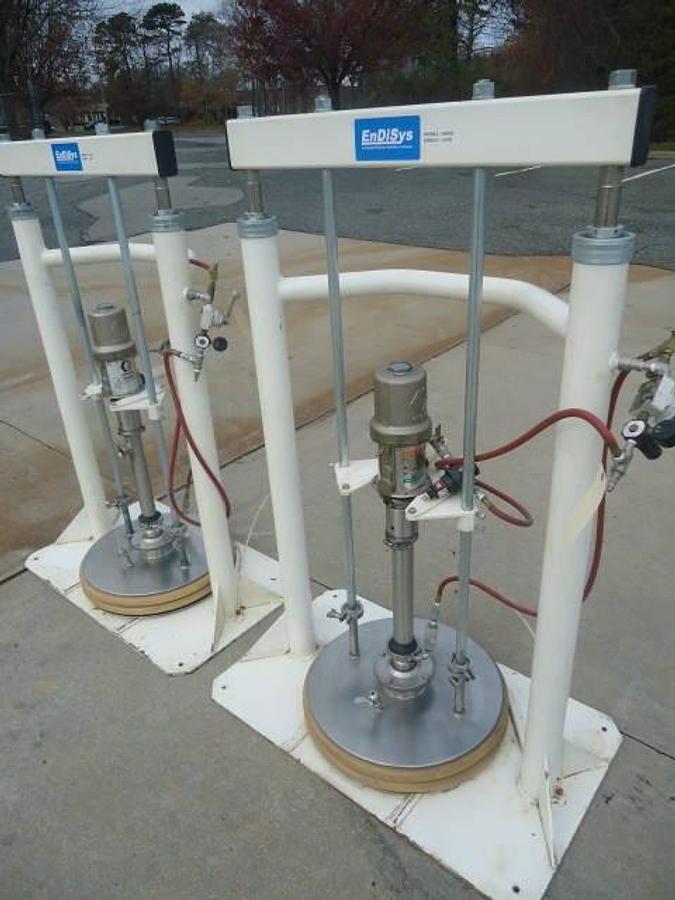
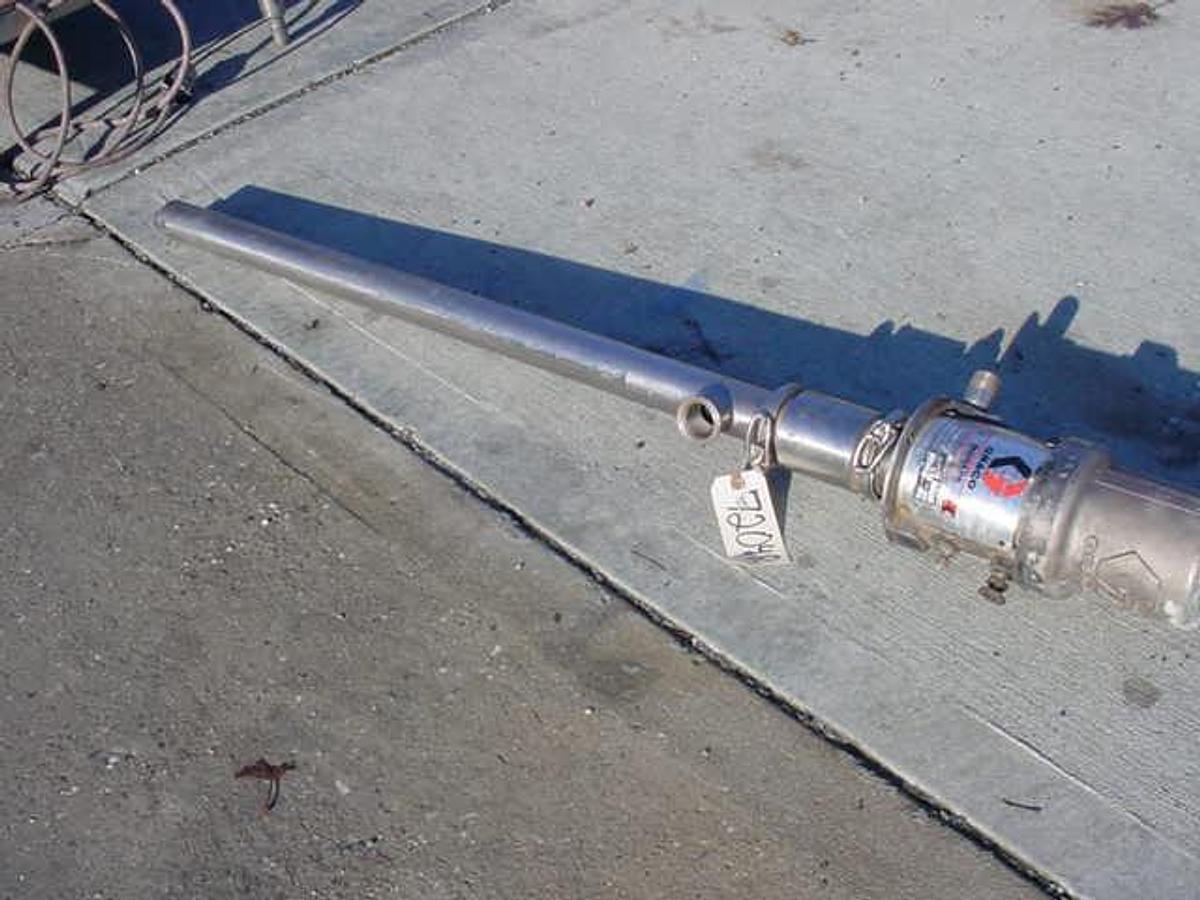
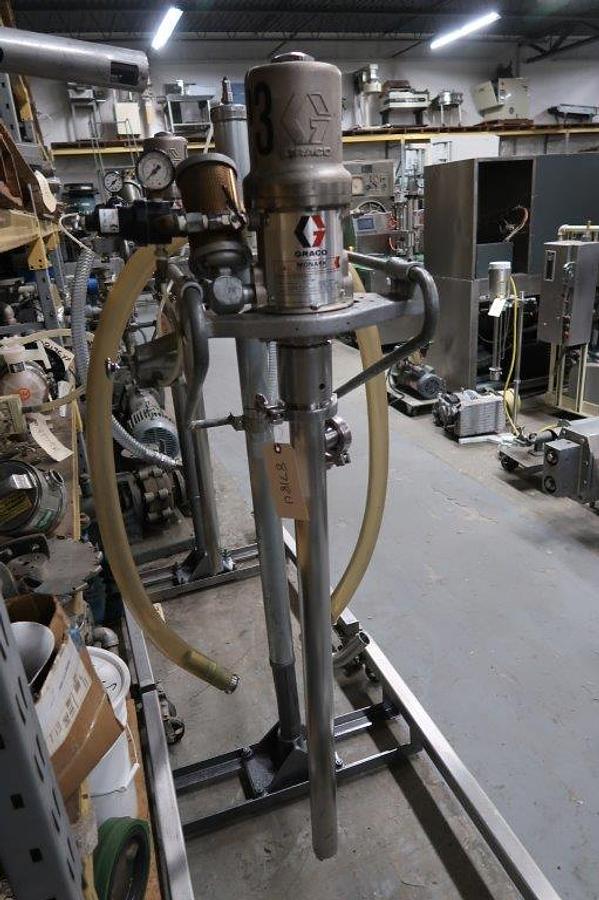
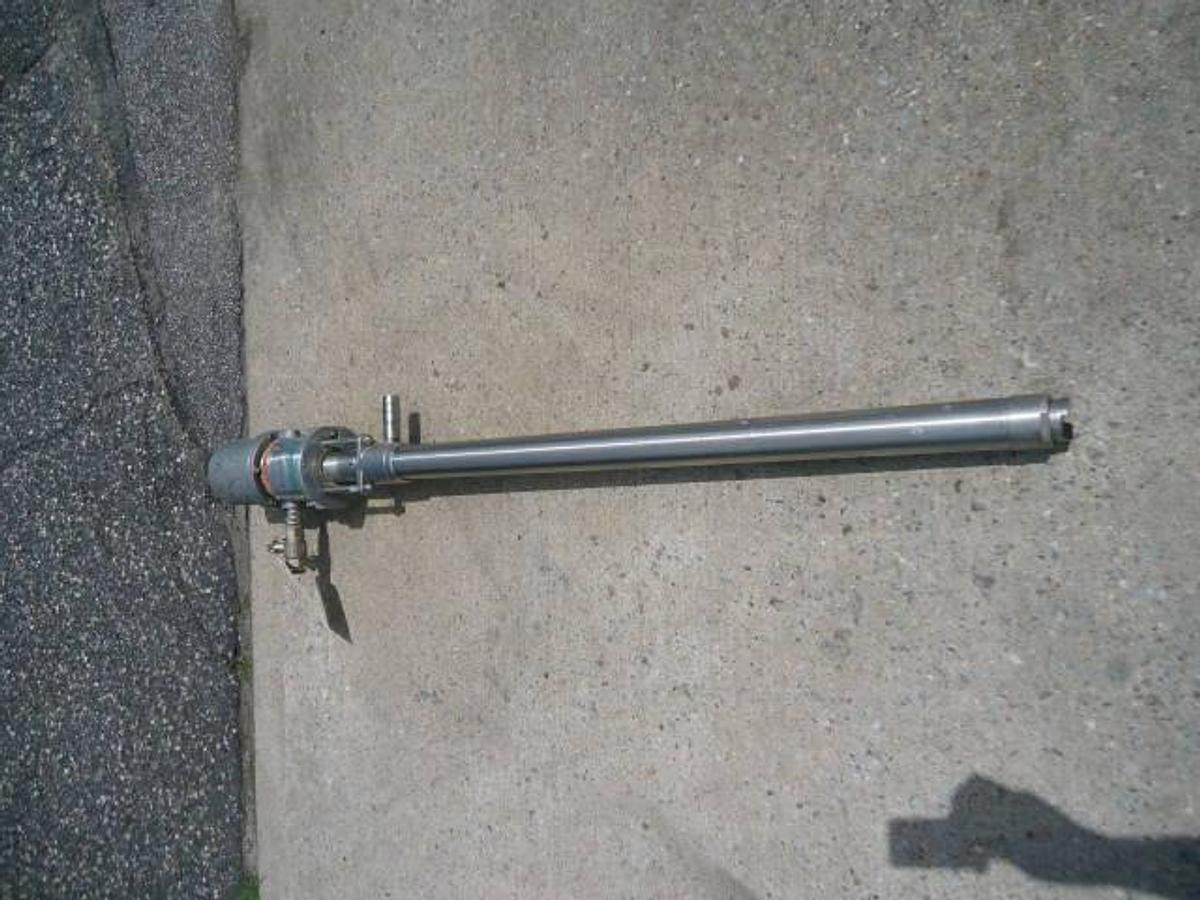
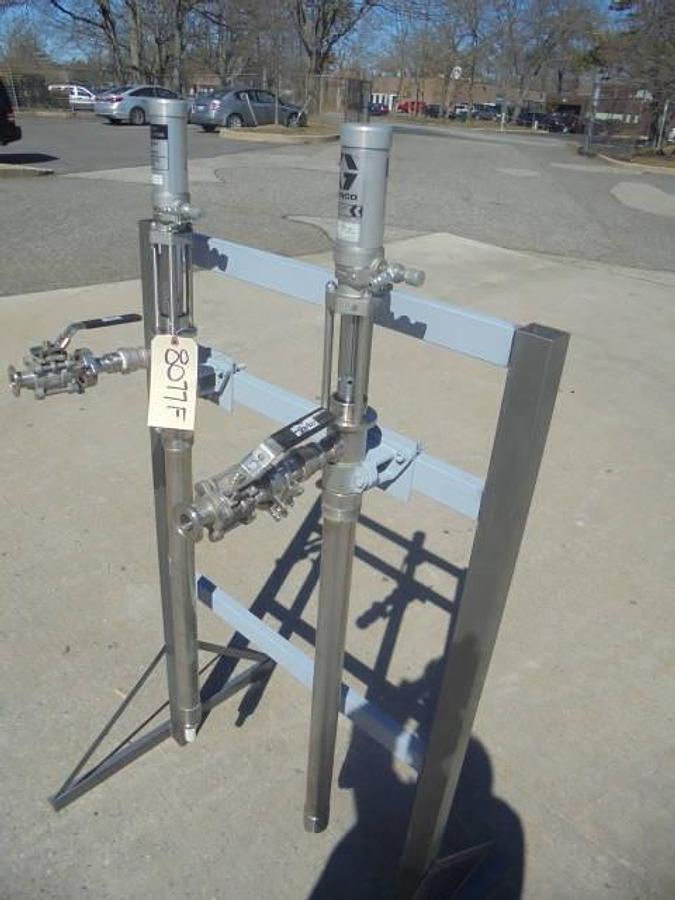
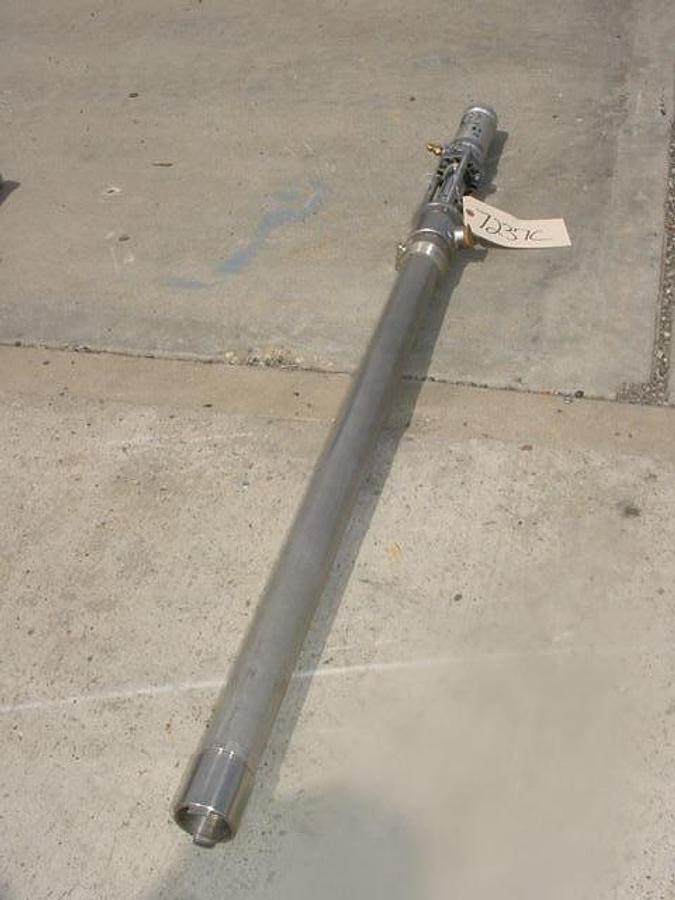
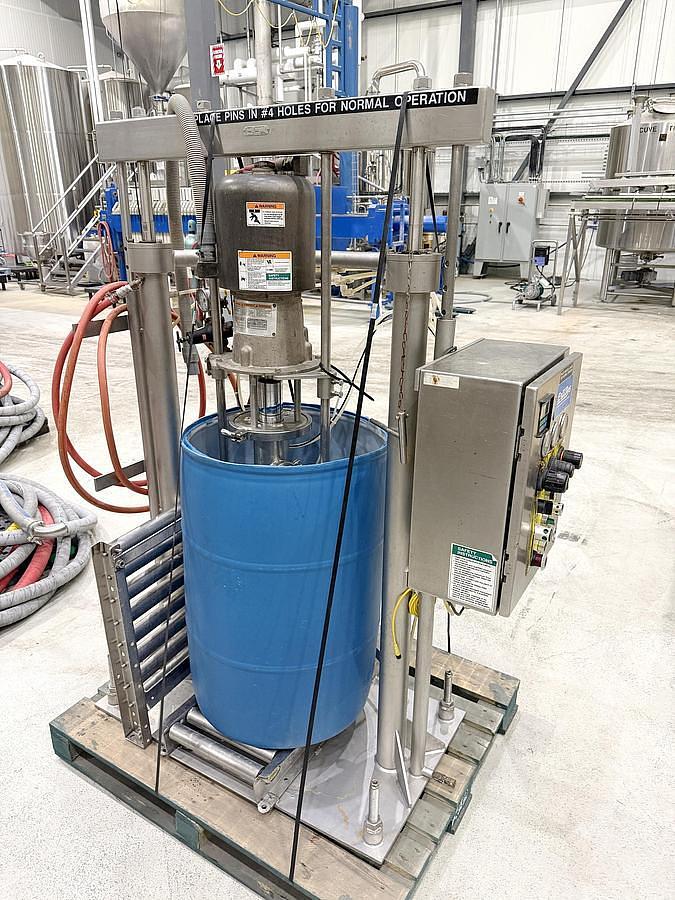
Graco air-operated drum pumps, such as the Monark and Fast-Flo series, are piston-style pumps designed to transfer fluids directly from drums or containers. They use compressed air to drive a reciprocating piston that draws fluid up through a dip tube and out through a discharge port. These pumps are well-suited for low to medium viscosity fluids and are commonly used in manufacturing, chemical processing, and lubrication applications. Stainless steel versions are available for use with aggressive chemicals or in sanitary environments where material compatibility is critical.
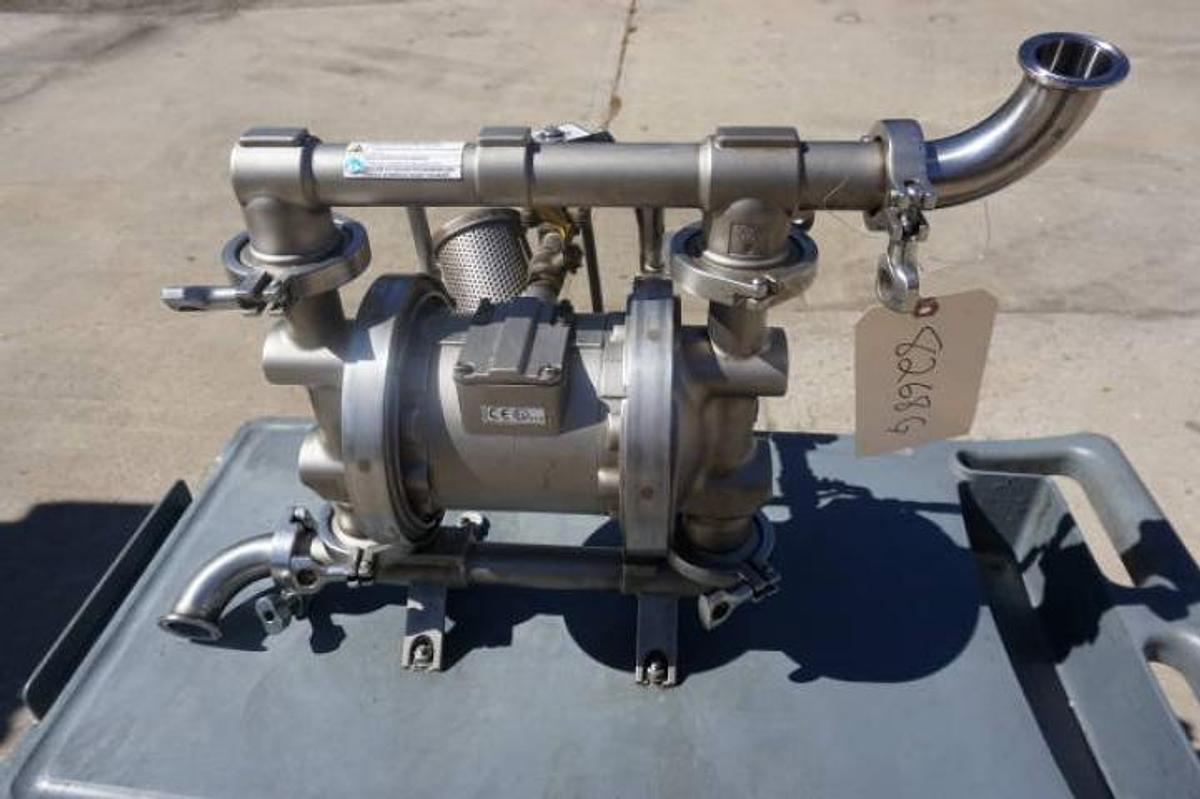
Double diaphragm pumps, like the Graco AODD models, operate on a different principle. Two flexible diaphragms are alternately pressurized and vented by an air valve, creating a pulsing flow that can handle thicker, more abrasive, or shear-sensitive materials. They are also self-priming and can run dry without damage, which makes them more forgiving in demanding production environments. The choice between a drum pump and a double diaphragm pump typically comes down to the fluid being transferred, the required flow rate, and the nature of the application. Used versions of both types appear regularly on the market, and buyers should match the pump style to their specific process requirements rather than selecting based on price alone.
How does the condition of a used Graco pump affect its value and usability?
The condition of a used Graco pump can vary significantly depending on how it was used, what materials it handled, and how it was maintained between uses. A pump that processed clean, low-viscosity fluids and was flushed after each use may be nearly as functional as a comparable unit that has never been used. On the other hand, a pump that handled abrasive coatings or was stored with material left inside the fluid section may have worn or damaged internal components that require reconditioning before the unit is ready for production use.
When evaluating a used Graco pump, the key components to assess are the lower fluid section (including ball checks, seats, and packings), the air motor or pneumatic drive section, and all external fittings and connections. Graco's pump repair kits are designed to restore the fluid section to working condition, and in many cases a reconditioned used pump can deliver reliable service at a fraction of the cost of a comparable unit purchased through a distributor. Buyers should factor potential reconditioning costs into their overall budget when comparing used equipment prices, and should ask sellers to be transparent about any known issues or recent service work performed on the unit.
What materials can Graco air-operated drum pumps handle?
Graco air-operated drum pumps are designed to handle a broad range of fluids, from thin solvents and water-based solutions to heavier oils, adhesives, and viscous coatings. The specific materials a pump can handle depend on the wetted components, which include the fluid section housing, ball checks, seals, and dip tube. Stainless steel models like the Graco Fast-Flo SS and Monark Stainless are suited for corrosive chemicals, food-grade applications, and materials that would degrade carbon steel or aluminum components. Pumps with PTFE or other chemically resistant seals expand compatibility even further.
Buyers should always cross-reference the pump's material specifications against the fluid they intend to transfer before putting a used unit into service. Chemical compatibility charts are available from Graco and can help identify whether a particular pump configuration is appropriate for a given application. For used equipment, it is also worth considering what materials the pump previously handled, since residual contamination from prior use can affect both the pump's performance and the quality of the fluid being transferred. Sellers should be asked directly about the pump's prior application history, and buyers may want to perform a thorough internal cleaning or rebuild before switching the pump to a different material.
What should buyers understand about shipping and logistics for used Graco equipment?
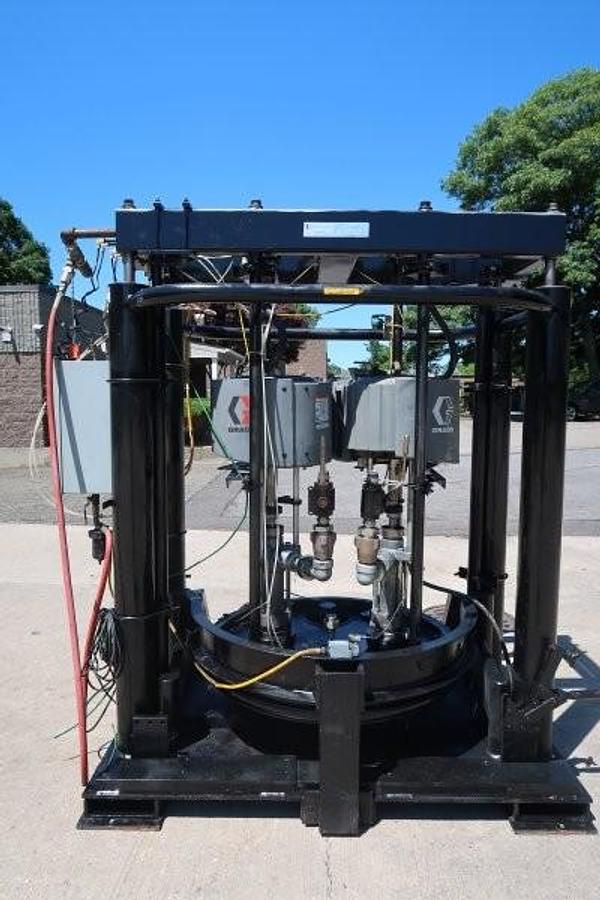
Shipping used Graco equipment involves more planning than a standard parcel shipment, particularly for larger pump assemblies, drum unloading systems with rams, or multi-unit purchases. Proper packaging is essential to prevent damage in transit. Depending on the size and weight of the equipment, this may involve palletization, custom crating, or foam blocking to secure moving parts. Buyers should ask the seller specifically how the equipment will be packaged and what the associated costs are, since packaging requirements vary considerably between a small portable drum pump and a larger stainless steel unloading system.
For heavier units, loading and unloading may require a forklift or other rigging equipment, which adds to the overall landed cost of the purchase. Freight carriers that handle industrial machinery will typically require the equipment to be on a pallet or skid, and liftgate service may be needed at the destination if a loading dock is not available. Buyers should request a detailed breakdown of all shipping-related costs, including packaging, freight, and any rigging or liftgate fees, before finalizing the purchase. Understanding the full landed cost upfront helps avoid surprises and allows for a more accurate comparison between different equipment options.
What are the most common applications for used Graco pump equipment in industrial settings?
Used Graco pumps are found across a wide range of industries because Graco's product lines were built to handle the demands of real production environments. Air-operated drum pumps like the Monark and Bulldog are commonly used in chemical processing, paint and coatings manufacturing, food and beverage production, and industrial lubrication systems. Their ability to transfer fluids directly from 5-gallon pails or 55-gallon drums makes them practical for facilities that work with bulk liquid materials on a regular basis. Stainless steel configurations are particularly common in pharmaceutical, cosmetic, and food-grade applications where material contamination is a concern.
Double diaphragm pumps and larger fluid transfer systems from Graco are frequently used in spray finishing operations, adhesive dispensing, and plural component coating applications. Contractors and industrial maintenance teams also rely on Graco equipment for applying protective coatings, epoxies, and sealants in demanding environments. Because these machines were designed for continuous-duty industrial use, a well-maintained used unit can serve effectively in a new application for many years. Buyers sourcing used Graco equipment for a specific application should confirm that the model's flow rate, pressure rating, and material compatibility align with their process requirements before making a purchase.
How should buyers approach inspecting used Graco equipment before purchasing?
Inspecting used Graco equipment before purchase is one of the most important steps a buyer can take to protect their investment. Reputable used equipment dealers will typically offer inspection options that include in-person visits, live video calls, or pre-recorded video walkthroughs of the machine. For buyers who cannot travel to the dealer's location, a detailed video inspection that shows the pump cycling, demonstrates air motor function, and documents the condition of all external components can provide a reliable picture of the equipment's current state. Buyers should request close-up footage of the fluid section, fittings, seals, and any areas that show signs of wear or repair.
It is worth noting that most used equipment dealers do not have the permitting or facility setup required to run full production tests with actual product. What they can typically demonstrate is whether the machine powers up, cycles correctly, and shows no obvious mechanical defects. For pumps that are still installed at a production facility awaiting decommissioning, it may be possible to arrange an inspection where the equipment is observed in active use, which provides the most complete picture of its condition. Buyers should treat the inspection as a negotiation tool as well as a due diligence step. Any deficiencies identified during the inspection can inform the final purchase price or help the buyer plan for any reconditioning work that may be needed after acquisition.
What payment terms are typical when purchasing used Graco equipment from a dealer?
Most used equipment dealers require payment in full before the equipment is released for shipment. This is standard practice in the industry and reflects the logistical and financial risks involved in holding and shipping heavy industrial machinery. Accepted payment methods typically include wire transfer, ACH, or other forms of verified payment. Credit card payments may be accepted in some cases, though dealers sometimes apply a processing fee for card transactions on higher-value equipment. Buyers should clarify accepted payment methods early in the negotiation process to avoid delays once a purchase agreement is reached.
Some dealers extend payment terms to repeat customers or established business accounts, but this is not the norm for first-time buyers. If payment terms are important to your acquisition process, it is worth asking the dealer directly whether any options exist and what conditions would need to be met. Buyers should also confirm that the purchase agreement clearly documents the equipment being sold, the agreed price, the payment method, and any specific conditions of the sale, including how the equipment will be packaged and shipped. Having a clear written record of the transaction protects both parties and helps avoid misunderstandings once payment has been made and logistics are underway.