Category
Manufacturer
Model
FAQ:
What is the Genmac Hydrauflaker and what does it do?
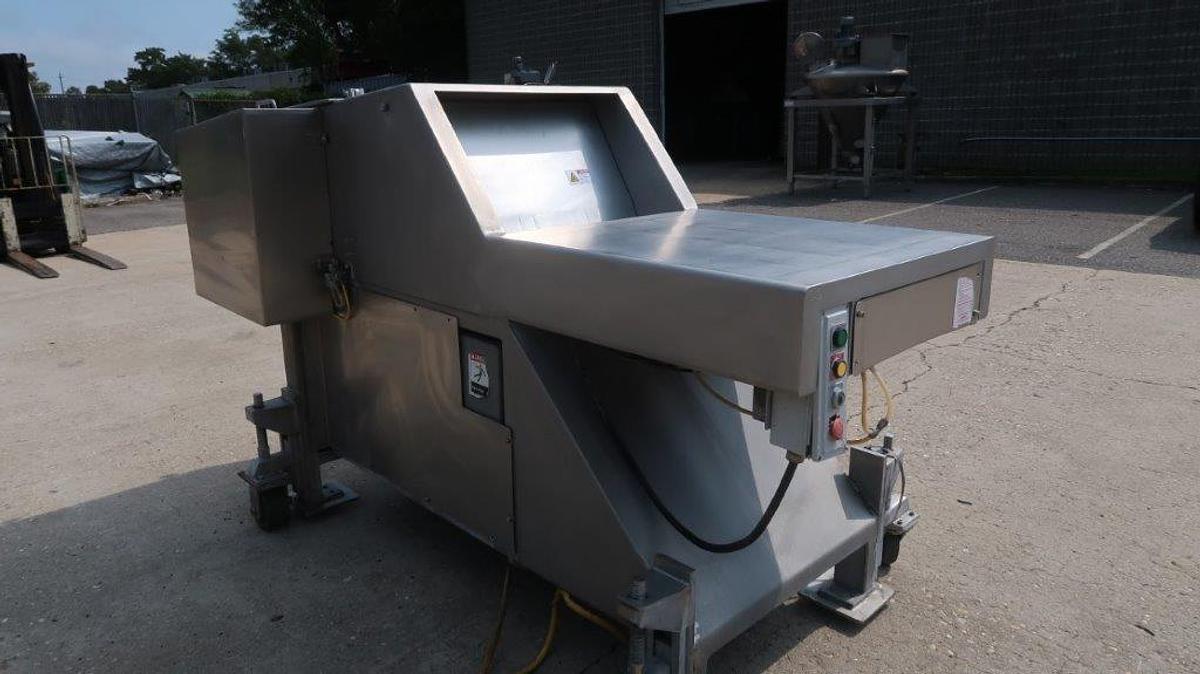
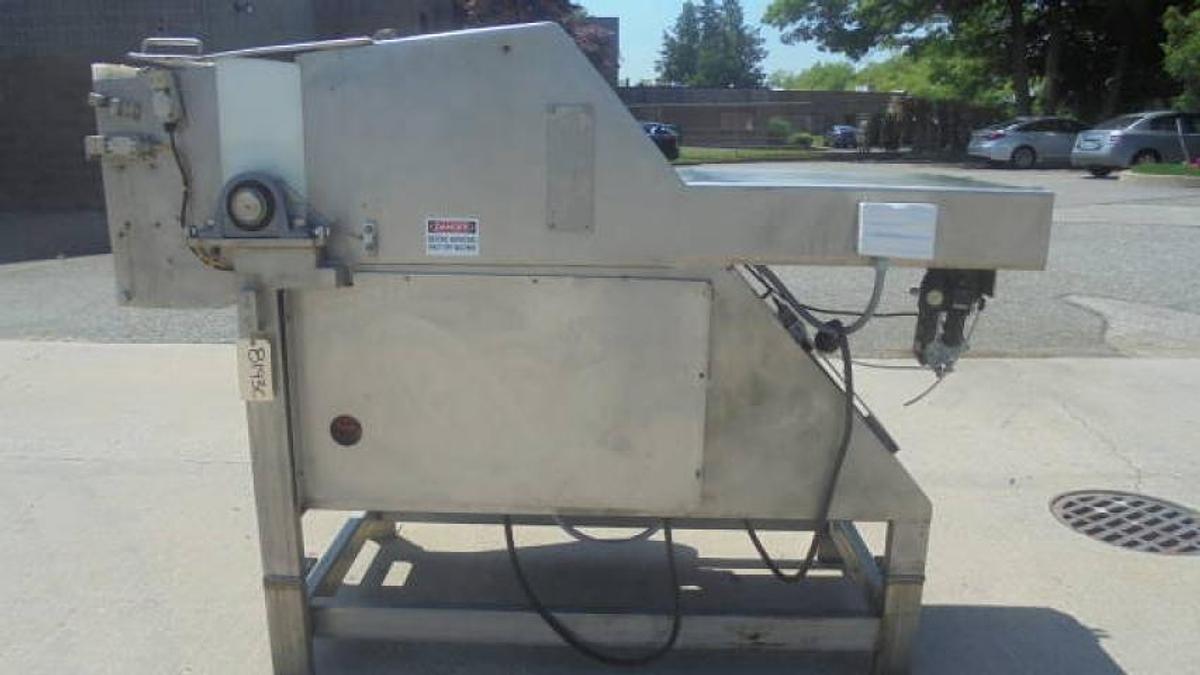
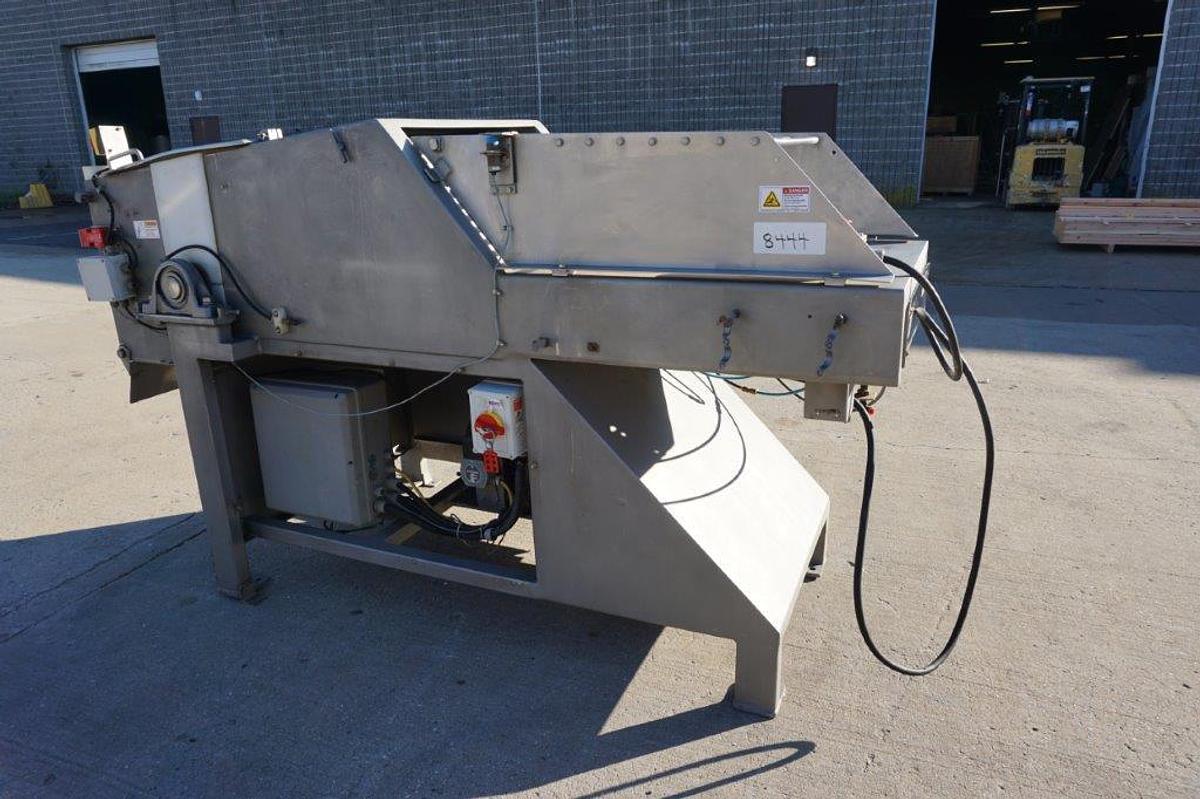
The Genmac Hydrauflaker is a hydraulic-powered combination flaker and slicer designed specifically for processing blocks of frozen meat. Rather than requiring operators to temper or partially thaw frozen product before processing, the machine uses hydraulic pressure to force solid frozen blocks directly through cutting blades or grids, producing uniform flakes or slices ready for the next stage of production. This eliminates a time-consuming and energy-intensive step that was once standard practice in meat processing facilities.
The combination design is a key feature of the Hydrauflaker line. Certain models, including the 14x29 inch configuration and the 2500 series, are built to handle both flaking and slicing functions within a single unit. This makes the machine particularly useful for operations that need flexibility in output form, whether feeding frozen meat directly into grinders, mixers, emulsifiers, or other downstream equipment. Industries that commonly rely on this type of machine include sausage manufacturers, burger patty producers, pet food processors, and ready-meal facilities where consistent frozen meat input is critical to product quality.
How does the hydraulic system in the Hydrauflaker work to process frozen meat?
The hydraulic system is the core of how the Hydrauflaker handles frozen product that would otherwise be too hard and dense for conventional slicing or grinding equipment. A hydraulic ram or press applies controlled, high-force pressure to a frozen meat block, pushing it steadily through a set of cutting blades or a blade grid. The force generated hydraulically is far greater and more consistent than what a mechanical feed system could produce, which is why the machine can process product straight from the freezer without pre-conditioning.
The result is a continuous, controlled output of flakes or slices at a relatively uniform size and thickness. Because the pressure and feed rate can be regulated, operators can adjust the output to match the requirements of downstream equipment. This level of control reduces waste and helps maintain consistency across large production runs. The hydraulic approach also tends to generate less frictional heat than high-speed mechanical alternatives, which is an advantage when keeping frozen product at a stable temperature throughout the processing cycle is important.
What types of frozen meat can the Genmac Hydrauflaker process?
The Hydrauflaker is designed to handle a wide range of frozen protein sources, making it a versatile piece of equipment for facilities that process multiple species or product types. Beef, pork, and poultry are the most common raw materials processed through this type of machine, typically in the form of standard frozen blocks that arrive from suppliers. The hydraulic feed mechanism is capable of handling the density variations between different species and cuts without requiring manual adjustment between runs.
Beyond traditional red meat and poultry, the machine is also used in facilities that process fish and seafood, as well as in pet food manufacturing where a broad mix of protein sources may be used. The consistent output format, whether flakes or slices, makes it straightforward to blend different meat types in subsequent mixing or grinding stages. Buyers sourcing a used Hydrauflaker for a specific protein application should verify that the blade configuration on the particular unit they are evaluating is suited to their product, since blade grids and cutting configurations can vary between models and prior setups.
What output capacity should buyers expect from a used Genmac Hydrauflaker?
Processing capacity on the Hydrauflaker is typically measured in kilograms or metric tons of frozen meat per hour, and the actual throughput of a given unit depends on the model, the blade configuration, the density of the frozen product being run, and the hydraulic pressure settings in use. Larger frame models and those in the 2500 series are generally capable of higher throughput than compact configurations, and buyers comparing units should look at the rated capacity alongside the physical feed opening dimensions, since a larger inlet, such as the 14x29 inch format, allows for bigger frozen blocks and faster cycling.
For a used machine, actual throughput may differ from the rated specification depending on the condition of the hydraulic system, the sharpness and condition of the cutting blades, and whether any components have been modified or replaced over the machine's service life. Buyers evaluating a used Hydrauflaker should ask the seller about the machine's production history and, where possible, arrange an inspection to assess the condition of the hydraulic components and cutting assembly. This gives a more realistic picture of what the machine will deliver in production rather than relying solely on the nameplate rating.
What flake or slice thickness does the Genmac Hydrauflaker produce, and can it be adjusted?
The Hydrauflaker produces flakes or slices whose dimensions are determined primarily by the blade grid or cutting assembly installed in the machine. Different grid configurations yield different output sizes, and some models are set up to produce a specific flake thickness suited to a particular downstream process, such as feeding a coarse grinder versus a fine emulsifier. The combination flaker/slicer design found in the Hydrauflaker line means the machine can be configured for either function, though switching between modes typically requires a blade or grid change rather than a simple dial adjustment.
For buyers purchasing a used unit, the cutting configuration present on the machine at the time of sale is an important detail to clarify. The existing blade grid may or may not match the buyer's production requirements, and sourcing replacement or alternative grids for a used machine requires consulting with the manufacturer or a qualified service provider to confirm compatibility. Blade condition is also worth assessing during any pre-purchase inspection, since worn or damaged cutting elements directly affect output consistency and may require replacement before the machine returns to full production capability.
What power and hydraulic pressure requirements does the Hydrauflaker have?
The Hydrauflaker is an electrically driven hydraulic machine, meaning it uses an electric motor to power the hydraulic pump that generates the pressure used for processing. Specific voltage, phase, and amperage requirements vary by model and the electrical standards of the country where the machine was built or sold. Buyers should confirm the electrical specifications of any used unit they are considering, particularly if the machine originated in a different market, since voltage and frequency differences between regions can require transformer or motor modifications before the machine can be operated.
Hydraulic system pressure requirements are equally important to understand before installation. The hydraulic pump, reservoir, valves, and ram must all be in sound working condition for the machine to operate at its rated capacity. On a used machine, the hydraulic system should be inspected for leaks, hose condition, fluid cleanliness, and pump output pressure. Buyers who are not equipped to perform this assessment themselves should consider arranging a professional mechanical inspection or requesting a video demonstration from the seller that shows the hydraulic system operating under load, which provides a reasonable indication of system health before committing to a purchase.
How is the Genmac Hydrauflaker designed for sanitation and food safety compliance?
Sanitation design is a central consideration for any equipment used in commercial meat processing, and the Hydrauflaker is built with this in mind. Stainless steel construction on product-contact surfaces is standard in this class of machine, as it resists corrosion, does not harbor bacteria in the same way that carbon steel or painted surfaces can, and withstands the aggressive cleaning chemicals and high-pressure washdown procedures used in food processing environments. Access panels and open-frame construction in the product zone are features buyers should look for, since they allow thorough cleaning of all surfaces that come into contact with raw meat.
For buyers sourcing a used Hydrauflaker, it is worth examining the condition of all stainless surfaces, seals, and gaskets during an inspection, as these components can degrade over time and may need attention before the machine meets current hygiene standards at a new facility. Compliance markings such as CE certification indicate that a machine met the applicable safety and construction standards at the time it was built and sold in a given market, though buyers should verify whether those certifications are still relevant for their intended use and location. Consulting with local food safety authorities or a plant hygiene specialist is advisable when integrating any used processing equipment into a regulated production environment.
What should buyers know about inspecting a used Genmac Hydrauflaker before purchasing?
Buying used processing equipment puts the responsibility of assessing machine condition squarely on the buyer, which makes a thorough pre-purchase inspection one of the most important steps in the process. Used equipment dealers will typically accommodate in-person inspections at their facility, and many can also arrange virtual or video inspections for buyers who are not able to travel. Some units may still be installed and operating at a production facility, in which case the dealer can coordinate access so the buyer can see the machine running under real production conditions, which provides a much clearer picture of its actual working state than a static inspection alone.
Key areas to evaluate on a used Hydrauflaker include the condition of the hydraulic system (pump, hoses, ram, and valves), the cutting blades or grid assembly, the stainless steel product-contact surfaces, the electrical panel and motor, and the overall structural integrity of the frame. It is worth noting that most used equipment dealers do not have the production permits or facilities to run actual food product through a machine during a demonstration, so functional testing is generally limited to running the machine under power without product. Buyers should also contact the manufacturer directly to understand what level of technical support, service documentation, and spare parts availability they can expect for the specific model and age of the unit they are considering.
What are the typical shipping and installation considerations for a Hydrauflaker?
The Hydrauflaker is an industrial machine with significant weight and size, which means shipping logistics require careful planning. Proper packaging is essential to prevent damage in transit, and costs will vary depending on the level of crating or palletization required to protect the machine. Heavier or larger configurations may require professional rigging for both loading at the seller's location and unloading at the destination, and buyers should factor these rigging costs into their total landed cost calculation before finalizing a purchase. Asking the seller for a detailed breakdown of packaging, freight, and rigging charges upfront avoids surprises.
Installation planning should begin before the machine arrives. The Hydrauflaker requires adequate floor space for the machine itself plus clearance for operator access, cleaning, and maintenance. Electrical supply must match the machine's specifications, and the hydraulic system may require a qualified technician to commission properly after installation. If the machine is being integrated into an existing production line, the output dimensions and feed rate need to be compatible with downstream equipment such as grinders or mixers. Engaging a qualified installation contractor or the manufacturer's technical support team early in the process helps avoid delays once the machine is on-site.
What payment terms should buyers expect when purchasing a used Hydrauflaker from a used equipment dealer?
Used equipment transactions are typically structured differently from purchasing through a manufacturer or distributor. Most used equipment dealers require full payment prior to shipping, which reflects the nature of the secondary market and the logistical realities of moving large industrial machinery. This is a standard practice across the industry rather than a policy unique to any single seller. Buyers who have an established relationship with a dealer may occasionally be offered payment terms, but first-time buyers should plan for full payment upfront as the default expectation.
Because payment is typically required before the machine ships, the pre-purchase inspection process takes on added importance. Buyers should use every available tool, including in-person visits, video inspections, and direct communication with the seller about the machine's history and condition, to feel confident in their decision before funds are transferred. Working with a used equipment dealer who has a long track record in the food processing machinery sector provides an additional layer of confidence, since established dealers have a reputation to protect and are generally more transparent about machine condition and history than anonymous private sellers.