Category
Manufacturer
Model
Gemco
Gemco is recognized for its expertise in manufacturing bulk material handling equipment. They provide solutions for industries such as food, chemical, and pharmaceutical, with a strong focus on mixers, blenders, and storage systems. Gemco’s equipment is designed to improve efficiency and ensure consistent product quality.
FAQ:
What types of Gemco blenders and mixers are available on the used equipment market?
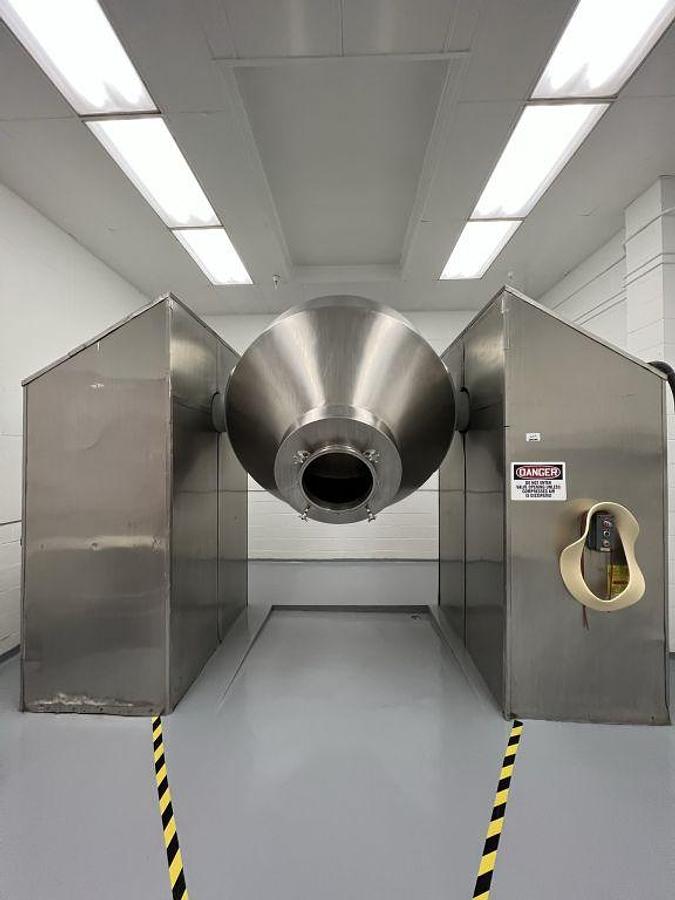
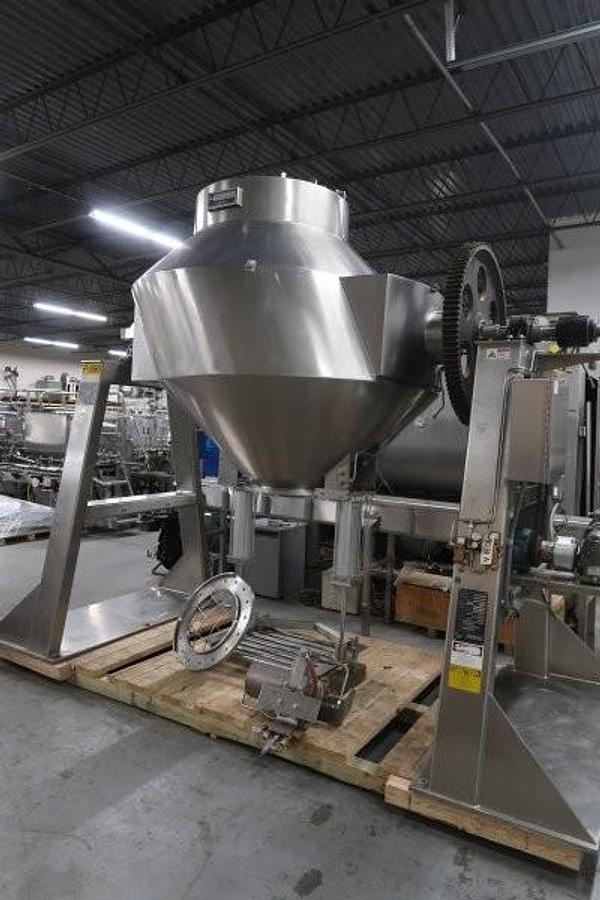
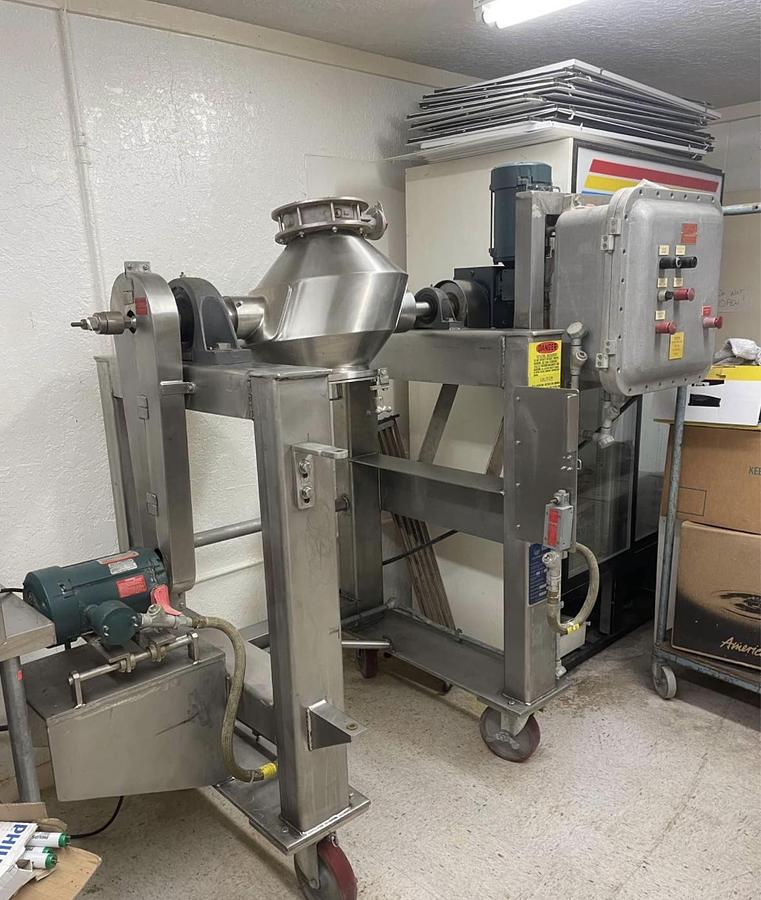
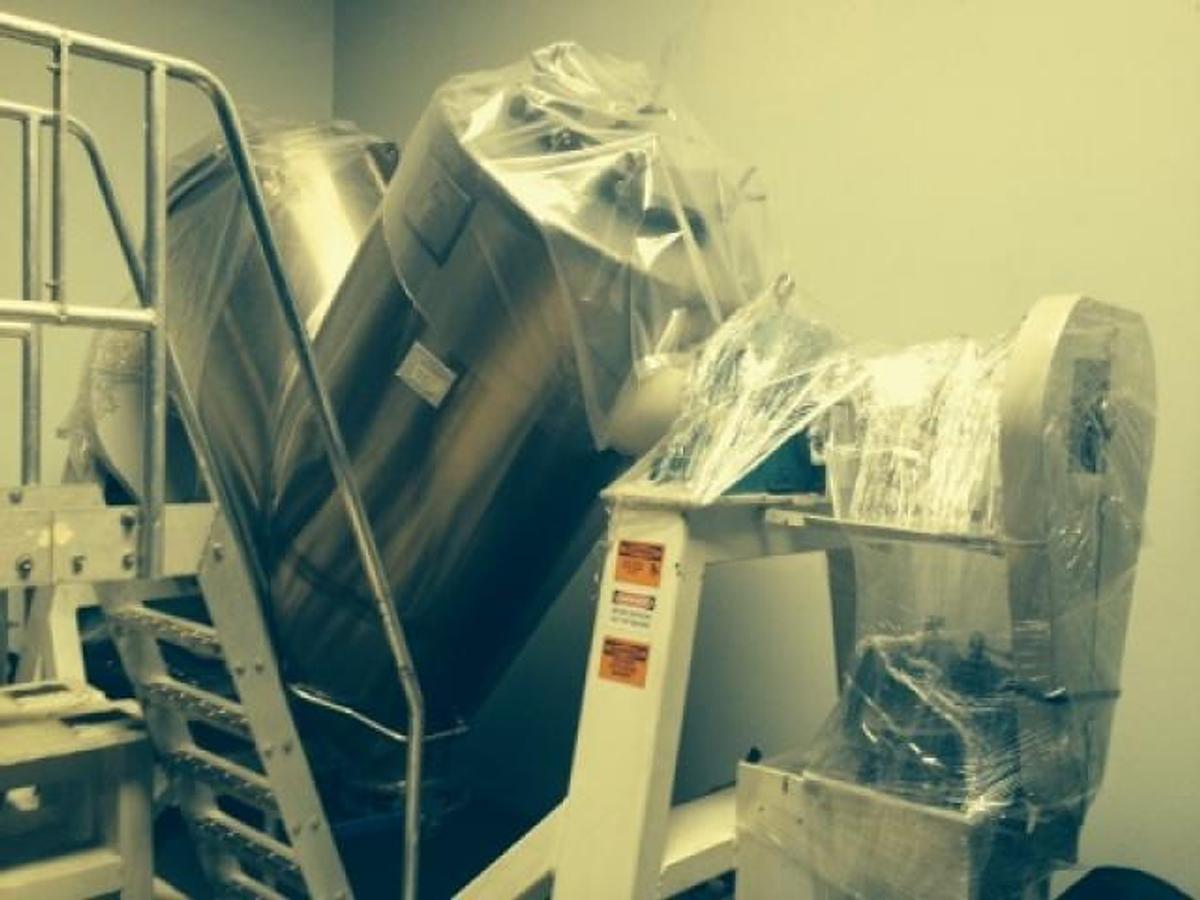
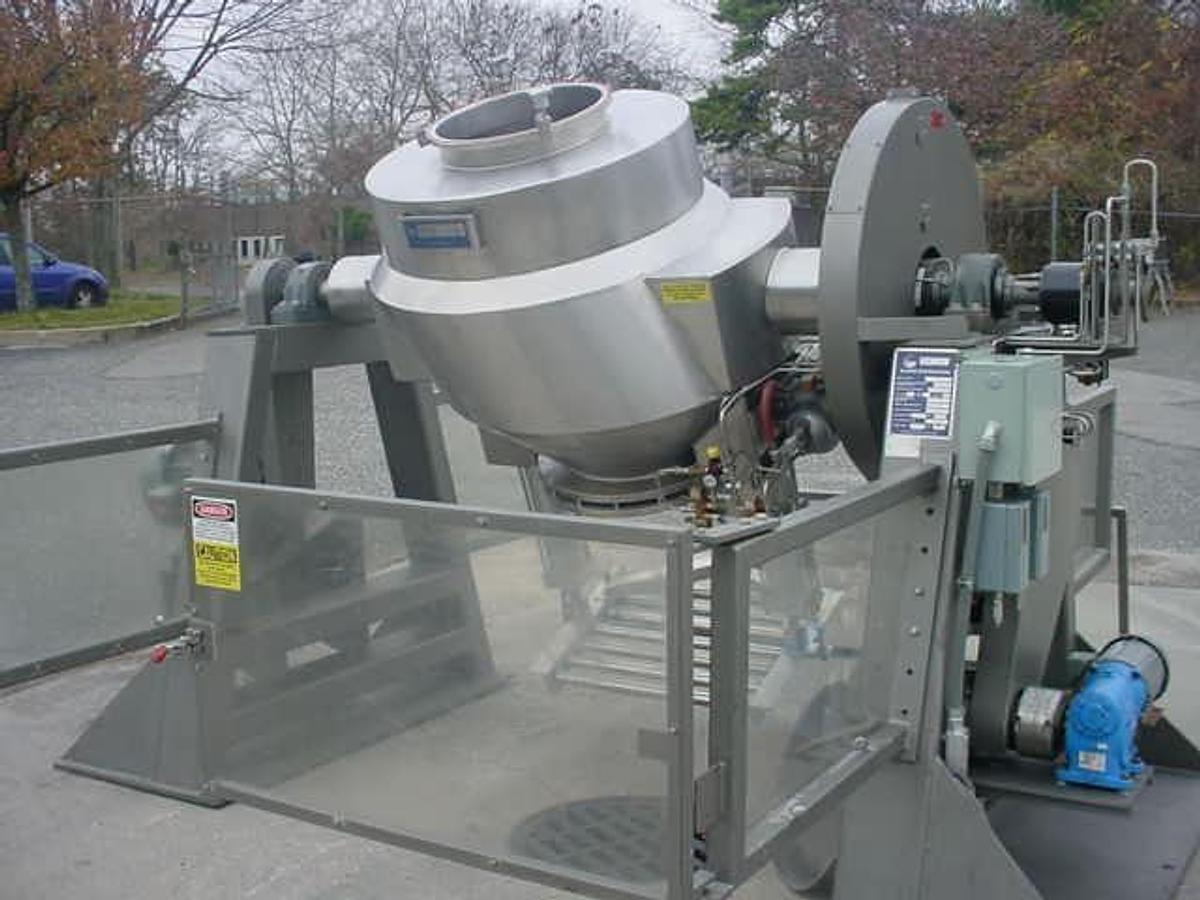
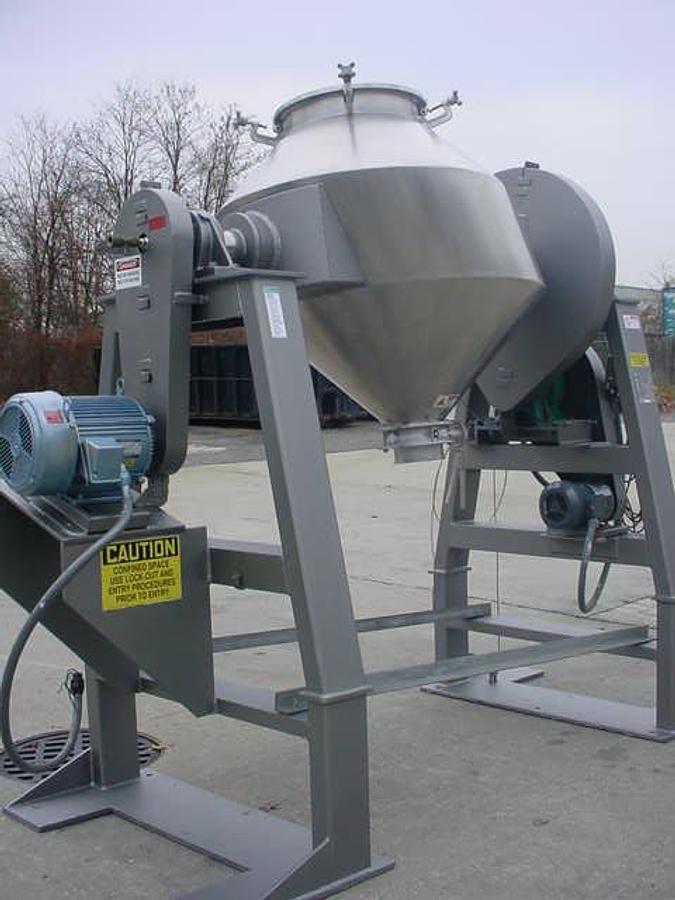
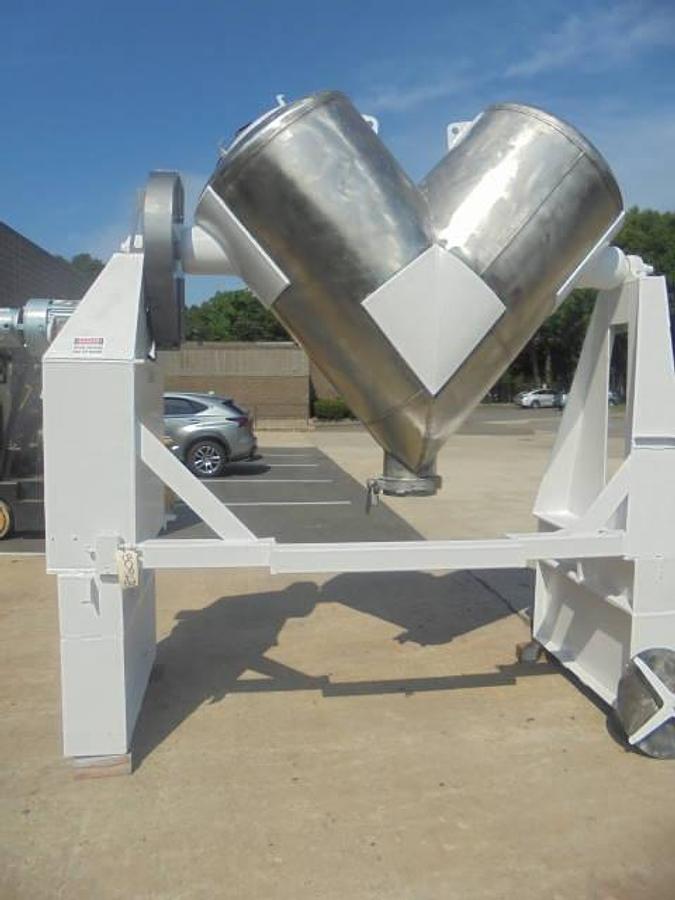
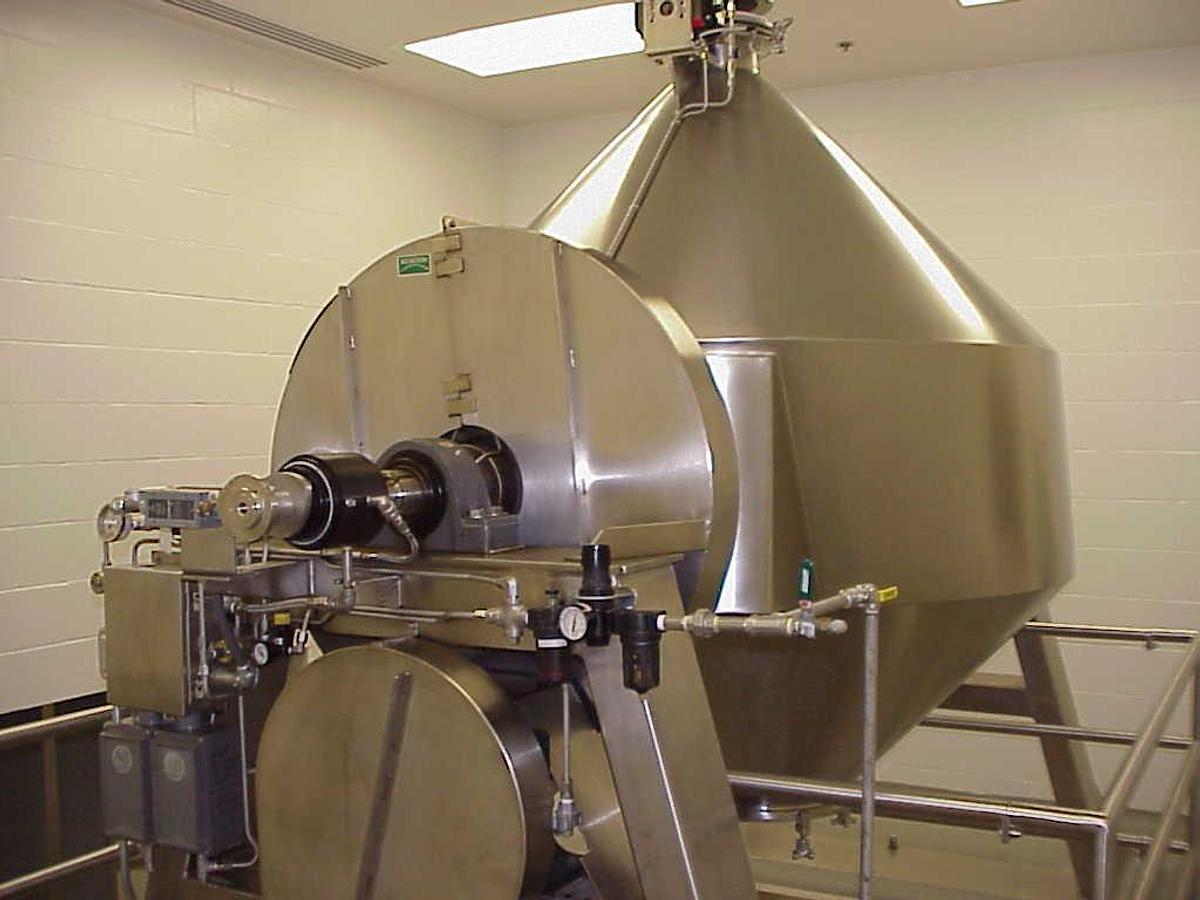
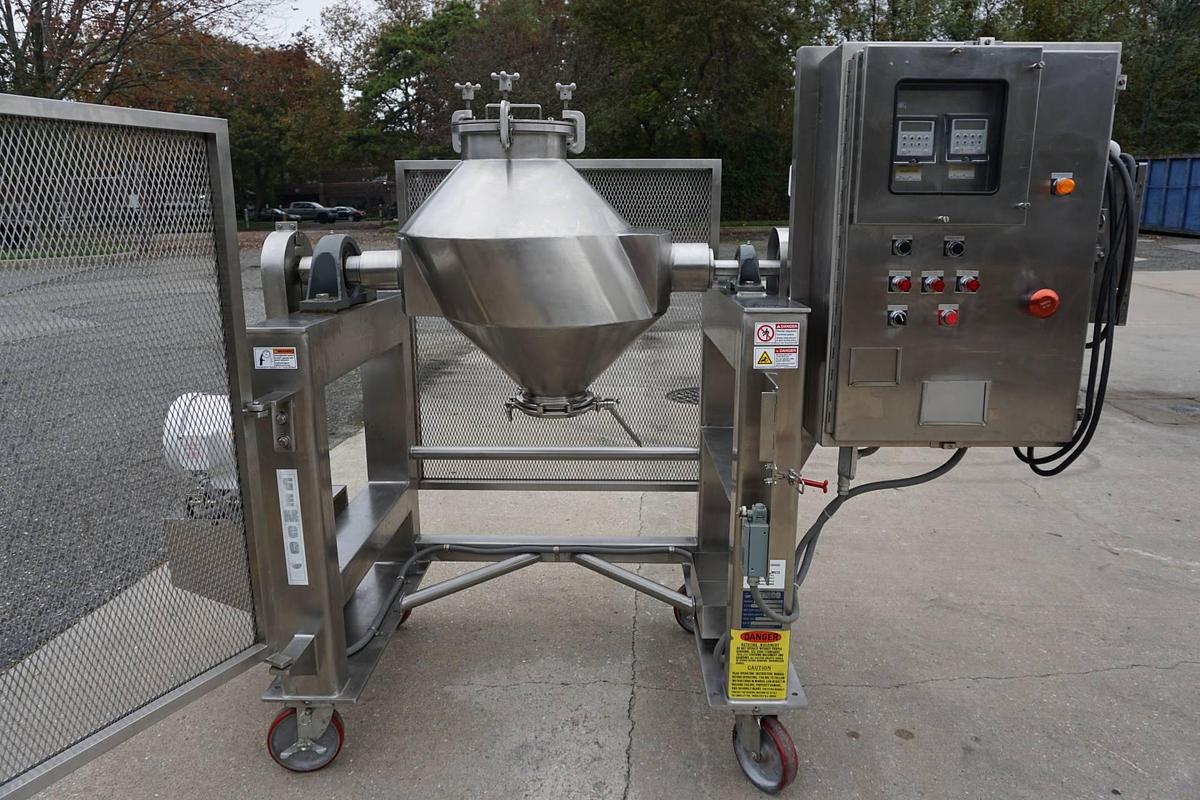
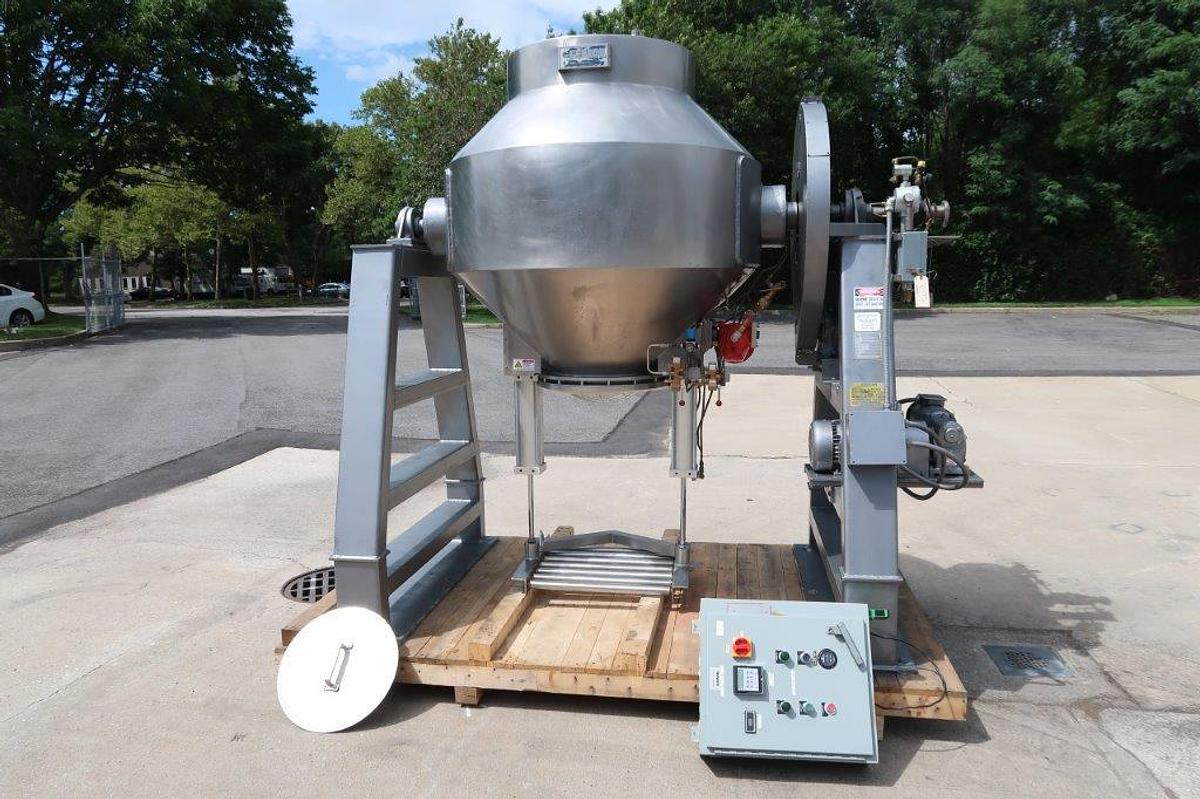
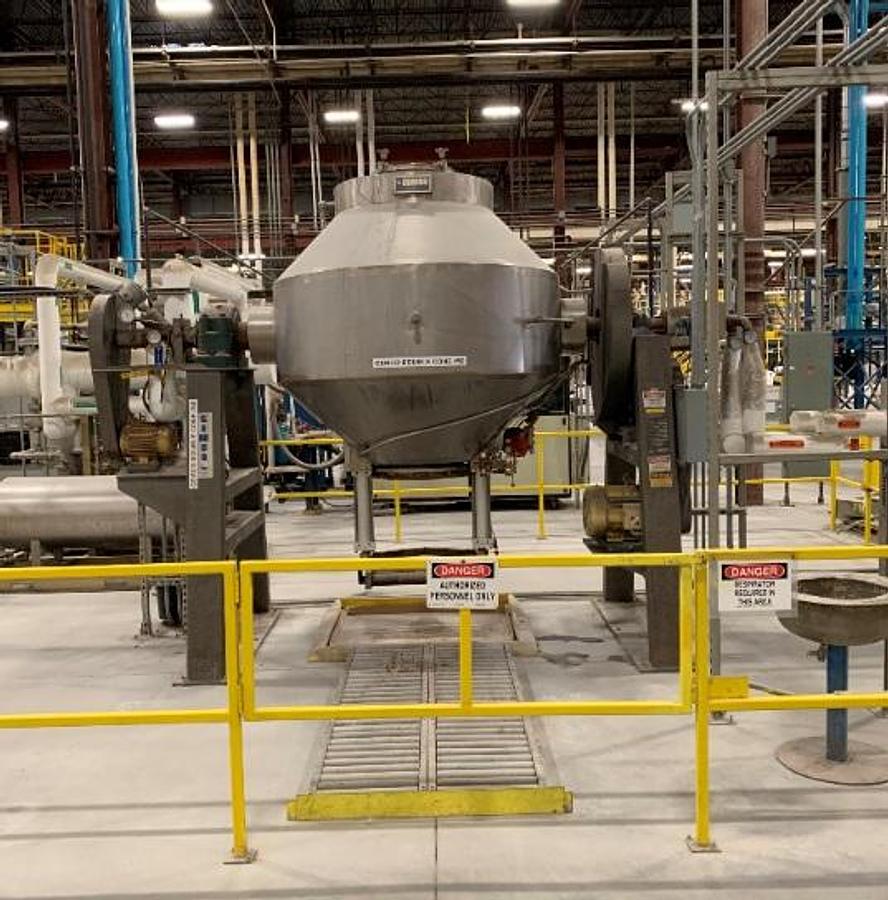
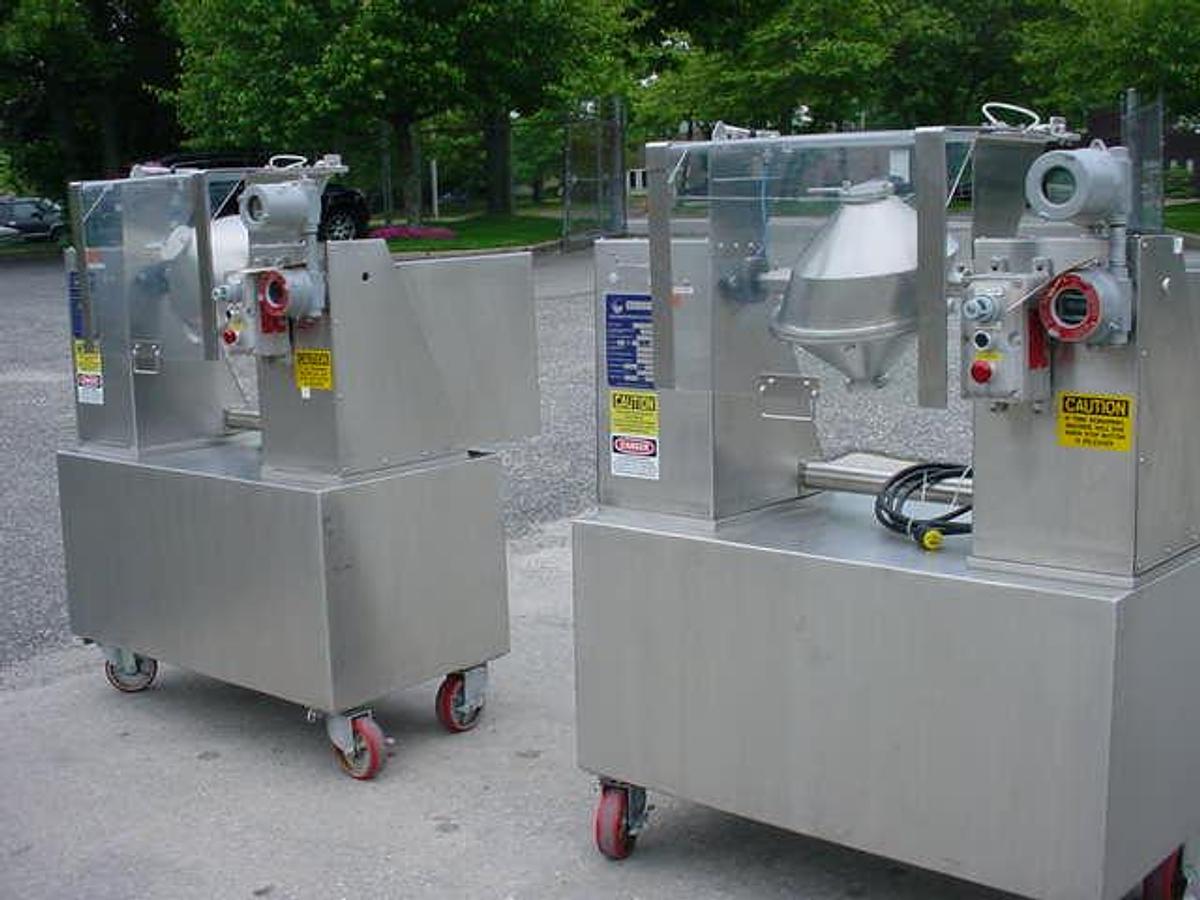
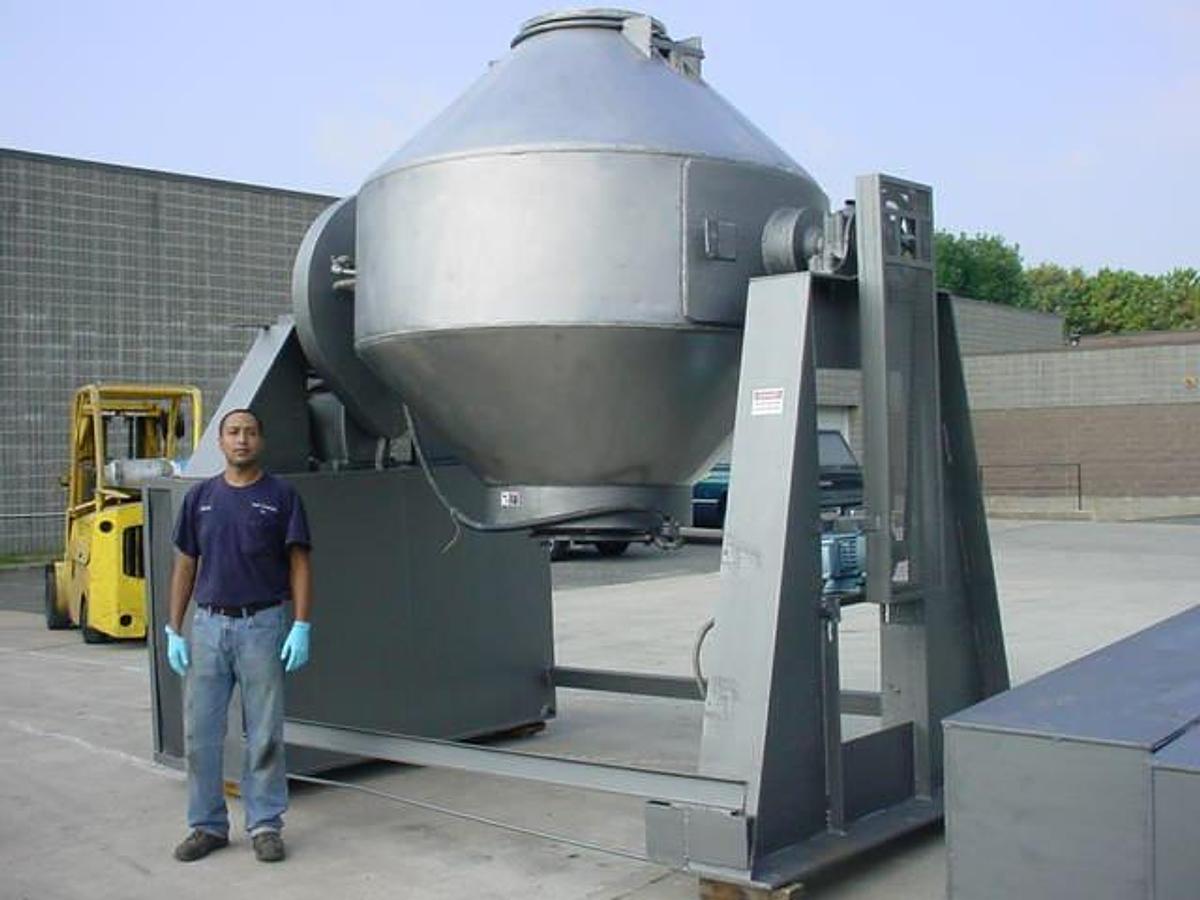
Gemco produced several distinct blender and mixer designs that remain widely available through used equipment dealers. The most common types include the double cone blender, the slant cone blender (sometimes sold under the "Gemco-Matic" name), and the twin shell V-blender. Each design uses a tumbling action rather than mechanical agitation, which makes them particularly well-suited for blending dry powders and granules without damaging fragile particles. Some units also come equipped with intensifier bars, vacuum capabilities, or liquid/solids addition bars that expand their functionality beyond basic dry blending.
Beyond those core designs, Gemco also manufactured jacketed versions of both the double cone and slant cone blenders, which allow for temperature-controlled processing through heating or cooling media circulated through the jacket. Sanitary twin shell and double cone configurations built to 304 or 316 stainless steel standards are frequently sought by pharmaceutical and food processors. Capacities on the used market range from bench-scale units as small as 1 cubic foot or 8 quarts all the way up to large production units of 100 cubic feet or more, so buyers at virtually any production scale can find a Gemco unit that fits their process.
What industries commonly use Gemco blenders and mixers?
Gemco built its reputation supplying blending and mixing equipment to three core industries: pharmaceutical, food processing, and chemical manufacturing. In pharmaceutical applications, Gemco double cone and V-blenders are particularly valued because their gentle tumbling action preserves the integrity of fragile granules and powders, which is critical when blending active pharmaceutical ingredients with excipients before tableting or encapsulation. The sanitary stainless steel construction and smooth internal surfaces also make cleaning and validation straightforward, which matters a great deal in regulated production environments.
Food and chemical processors use Gemco equipment for many of the same reasons. Dry spice blending, nutritional supplement mixing, cosmetic powder blending, and bulk chemical homogenization are all common applications. The availability of jacketed models makes Gemco blenders useful in processes that require temperature control, such as blending heat-sensitive ingredients or maintaining a specific viscosity during mixing. Because Gemco equipment was built to handle demanding production schedules over many years, used units often retain their structural integrity and can continue performing reliably in these applications long after leaving their first production facility.
What is the difference between a Gemco double cone blender and a Gemco V-blender?
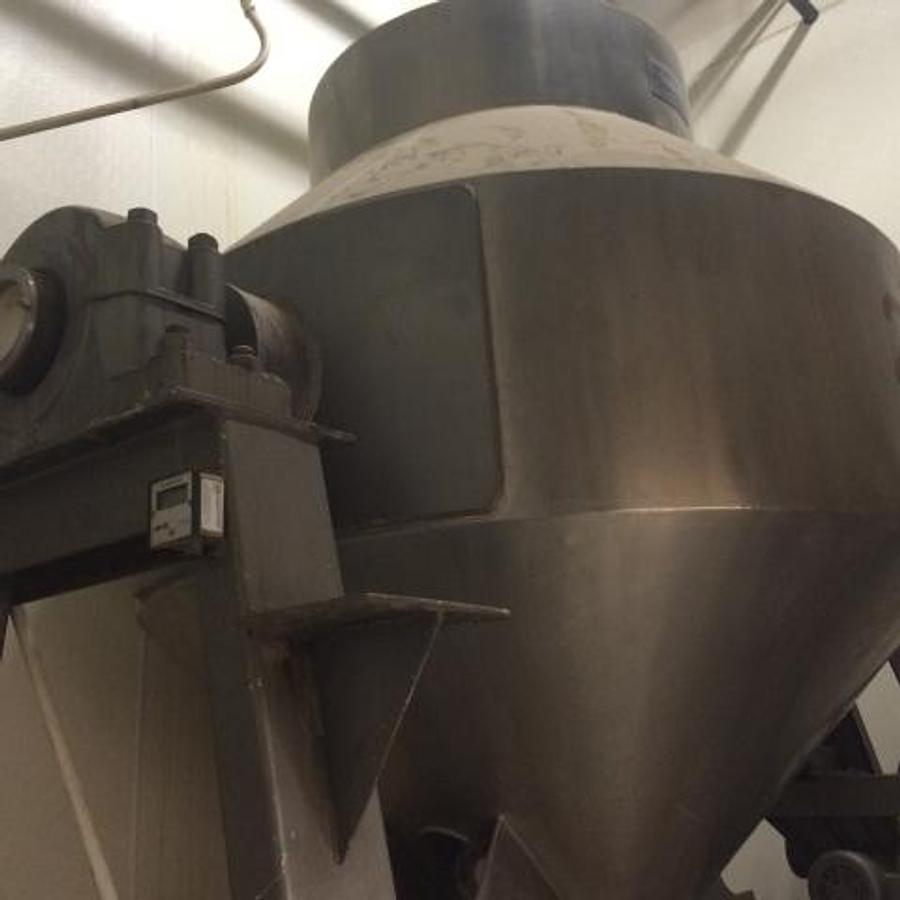
Both the double cone and the V-blender (also called a twin shell blender) rely on tumbling action to blend materials, but their geometry creates meaningfully different blending dynamics. A double cone blender has a symmetrical, barrel-shaped vessel that tapers to a cone on each end. As it rotates, materials flow from the cones toward the center and back, producing a relatively gentle, predictable blending pattern. This design is well-regarded for blending free-flowing powders and granules where minimal shear stress is important, and the smooth internal profile makes cleaning relatively straightforward.
A V-blender, by contrast, consists of two cylindrical shells joined at an angle to form a V shape. As the vessel rotates, materials split between the two legs of the V and then recombine at the base, creating a more aggressive mixing action than a double cone. This makes V-blenders particularly effective for materials that are harder to blend uniformly or that have significant differences in particle size and density. Some Gemco twin shell units are also available with intensifier bars, which are high-speed rotating bars mounted inside the vessel that break up agglomerates and further improve blend uniformity. The choice between the two designs typically comes down to the flow characteristics of the materials being processed and the degree of blend uniformity required.
What sizes and capacities do used Gemco blenders and mixers typically come in?
Gemco manufactured blending equipment across a very wide capacity range, and that range is reflected in what shows up on the used market. At the small end, lab-scale and pilot-scale units are available in capacities from 1 cubic foot down to 8 quarts, which are commonly used for formula development, small batch production, or quality control testing. Mid-range production units typically fall between 10 and 50 cubic feet, covering the needs of most contract manufacturers and mid-sized production facilities. Large-scale units at 75 cubic feet and 100 cubic feet are also available and are suited to high-volume production environments where throughput is a priority.
When evaluating capacity, buyers should keep in mind that blenders are typically loaded to 50 to 60 percent of their total vessel volume to allow proper tumbling and blending. A 100 cubic foot blender, for example, would typically handle a working batch of 50 to 60 cubic feet of material. The actual usable batch size will also depend on the bulk density of the material being processed. Sellers of used Gemco equipment generally list the total vessel capacity in cubic feet or quarts, so buyers should factor in their target batch weight and the bulk density of their product when selecting the right size unit.
What materials are Gemco blenders constructed from, and does material grade matter for pharmaceutical or food applications?
Gemco blenders were manufactured in several material grades depending on the intended application. Stainless steel was by far the most common construction material, and units are available in both 304 and 316 stainless steel. For pharmaceutical and food-grade applications, 316 stainless steel (and particularly 316L, the low-carbon variant) is the preferred choice because it offers better corrosion resistance, especially against chloride-based cleaning agents and sanitizers. Units explicitly described as "pharma grade" or "sanitary" on the used market are typically built to tighter surface finish standards, with internally polished or electropolished contact surfaces that minimize product adhesion and facilitate thorough cleaning.
For chemical processing applications where sanitary compliance is less critical, 304 stainless steel units are generally acceptable and are often available at a lower price point on the used market. Buyers in regulated industries should pay close attention to the material certificates and surface finish specifications when evaluating a used unit, as these details affect whether the equipment can be qualified and validated for GMP production. A reputable used equipment dealer should be able to provide available documentation on the machine's construction materials and, in many cases, facilitate an inspection so the buyer can assess the internal condition of the vessel, seals, and discharge valve before committing to a purchase.
Do used Gemco blenders and mixers come with a warranty?
Used industrial equipment, including Gemco blenders and mixers, is typically sold on an "as is" basis by equipment dealers. Unlike purchases directly from a manufacturer, used machinery transactions generally do not include a warranty covering parts or performance. This places the responsibility for assessing the equipment's condition squarely on the buyer, which makes the inspection process critically important before finalizing any purchase.
Buyers can protect themselves by working with dealers who have a long track record in the industrial equipment space and who specialize in process equipment for the pharmaceutical, food, or chemical industries. A reputable dealer will accommodate in-person inspections, video walkthroughs, or video captures of the machine to give buyers an accurate picture of its current condition. It is also worth contacting the manufacturer directly to understand what level of parts availability and technical support can be expected for a specific model and age of equipment, since older or discontinued models may have limited support resources. Taking these steps before purchase is the most practical way to manage risk when buying used equipment without a warranty.
What should buyers inspect when evaluating a used Gemco blender before purchase?
A thorough inspection of a used Gemco blender should cover both the mechanical components and the condition of all product-contact surfaces. On the mechanical side, buyers should look at the drive motor, gearbox, and drive belts or chains for signs of wear, unusual noise, or damage. The rotation speed and any variable speed controls should be confirmed to be functioning properly. For units equipped with intensifier bars, vacuum systems, or jacket connections, those subsystems should be checked individually since they add complexity and potential failure points beyond the basic blending function.
Product-contact surface condition is especially important for pharmaceutical and food-grade applications. The interior of the vessel should be inspected for pitting, corrosion, dents, or compromised welds that could harbor contamination or make cleaning difficult. The discharge valve and its seals are a common wear point and should be checked carefully. Buyers should also look at any spray bars, sample ports, or charging ports for condition and integrity. Most dealers will accommodate in-person visits or video inspections to allow this level of evaluation. Keep in mind that most used equipment dealers do not have production permits that would allow them to run actual product through a blender during an inspection, so functional testing is generally limited to running the machine empty to confirm mechanical operation.
Can Gemco blenders handle both dry and wet mixing applications?
Gemco tumbling blenders are primarily designed for dry powder and granule blending, and that is the application where they perform best. The double cone, slant cone, and V-blender designs rely on gravity-driven tumbling to achieve blend uniformity, which works extremely well for free-flowing dry materials. For applications that require adding small amounts of liquid binders, coatings, or solutions to a dry blend, many Gemco units were equipped with a liquids/solids addition bar, which is a spray bar or port that allows liquid to be introduced into the blending vessel while it is in motion.
True wet mixing, in the sense of blending high-viscosity pastes, slurries, or liquid-dominant formulations, is generally outside the design intent of a tumbling blender. Those applications are better handled by paddle mixers, ribbon blenders, or high-shear mixers. However, for applications that involve adding small percentages of liquid to a predominantly dry blend, a Gemco blender equipped with a liquids/solids bar can handle the task effectively. Buyers with mixed dry/wet processing needs should confirm whether a specific used unit includes the liquid addition hardware, as not all units were built with this feature, and retrofitting it after purchase may require additional fabrication work.
What are typical shipping and rigging considerations when buying a used Gemco blender?
Gemco blenders vary considerably in size and weight, and those factors have a direct impact on shipping costs and logistics. Smaller lab-scale units in the 1 to 10 cubic foot range can often be palletized and shipped via standard freight carriers, though proper blocking and bracing within the crate is important to prevent movement and damage in transit. Larger production-scale units in the 50 to 100 cubic foot range are substantially heavier and may require specialized rigging equipment for loading at the origin and unloading at the destination. Buyers should budget for both ends of the move, as rigging costs can be significant for large machines.
Packaging standards vary by dealer, and buyers should ask specifically about how the equipment will be prepared for shipment, whether that means basic palletization, custom crating, or full skidding with protective wrapping. The level of packaging directly affects the likelihood of the machine arriving undamaged. Buyers should also clarify whether the quoted price includes loading at the dealer's facility or whether that is an additional charge. Getting a clear picture of all costs, including rigging, crating, freight, and unloading, before finalizing a purchase is the best way to avoid surprises in the total landed cost of the equipment.
What are typical payment terms for purchasing used Gemco equipment from a dealer?
Used equipment dealers generally require payment in full before a machine is released for shipment. This is standard practice across the industry and applies to most buyers regardless of the size of the transaction. The reasoning is straightforward: once a machine leaves a dealer's facility, their ability to recover it in the event of a payment dispute is extremely limited. For first-time buyers working with a dealer, full payment upfront should be expected as the default arrangement.
Some dealers extend more flexible payment terms to repeat customers or buyers with established purchasing relationships, but this is at the dealer's discretion and is not something buyers should count on for a first purchase. Wire transfer is the most common payment method for larger transactions. Buyers should also factor in that payment is typically required before the dealer schedules rigging and shipping, so the timeline from payment to delivery will depend on how quickly logistics can be arranged after funds are confirmed. Asking the dealer about their typical lead time between payment and shipment is a reasonable step in planning a purchase.