Category
Manufacturer
Model
Garvey
Garvey is a leading provider of packaging solutions, known for their innovative conveyor systems and packaging equipment that serve the food and beverage sectors.
FAQ:
What types of Garvey conveyor equipment are commonly available on the used market?
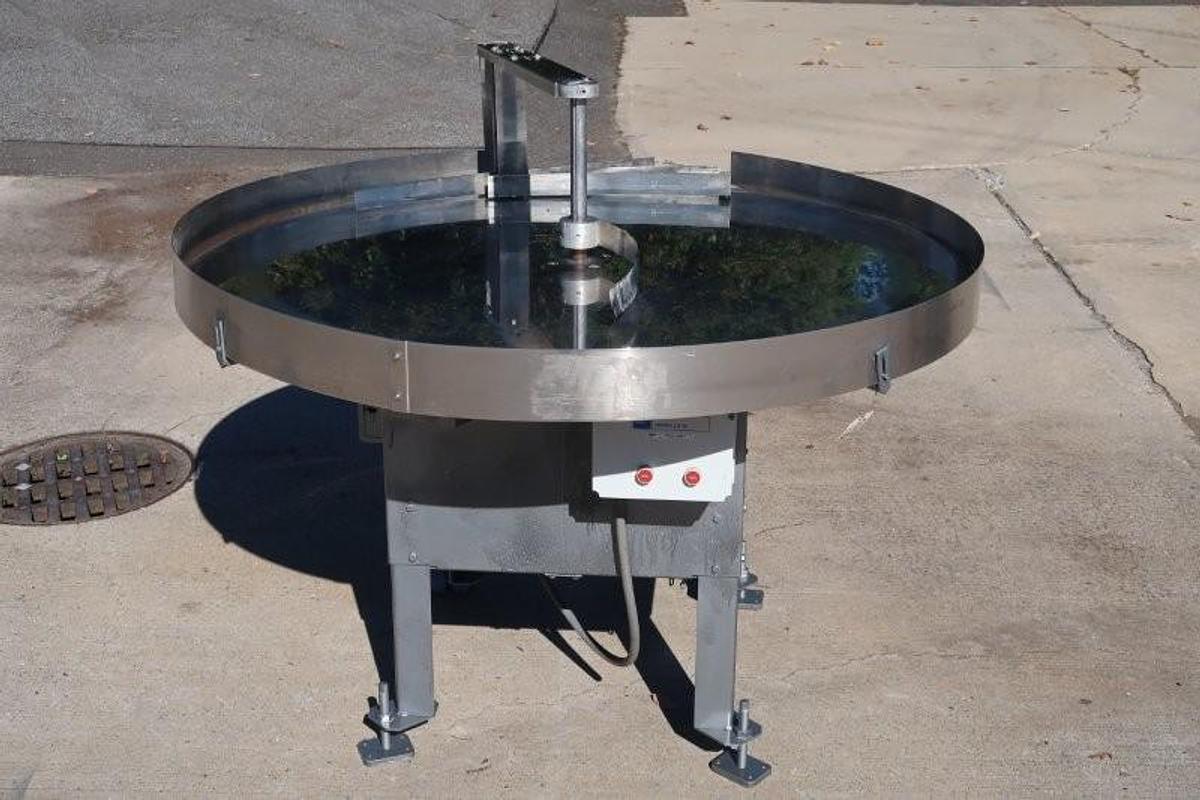
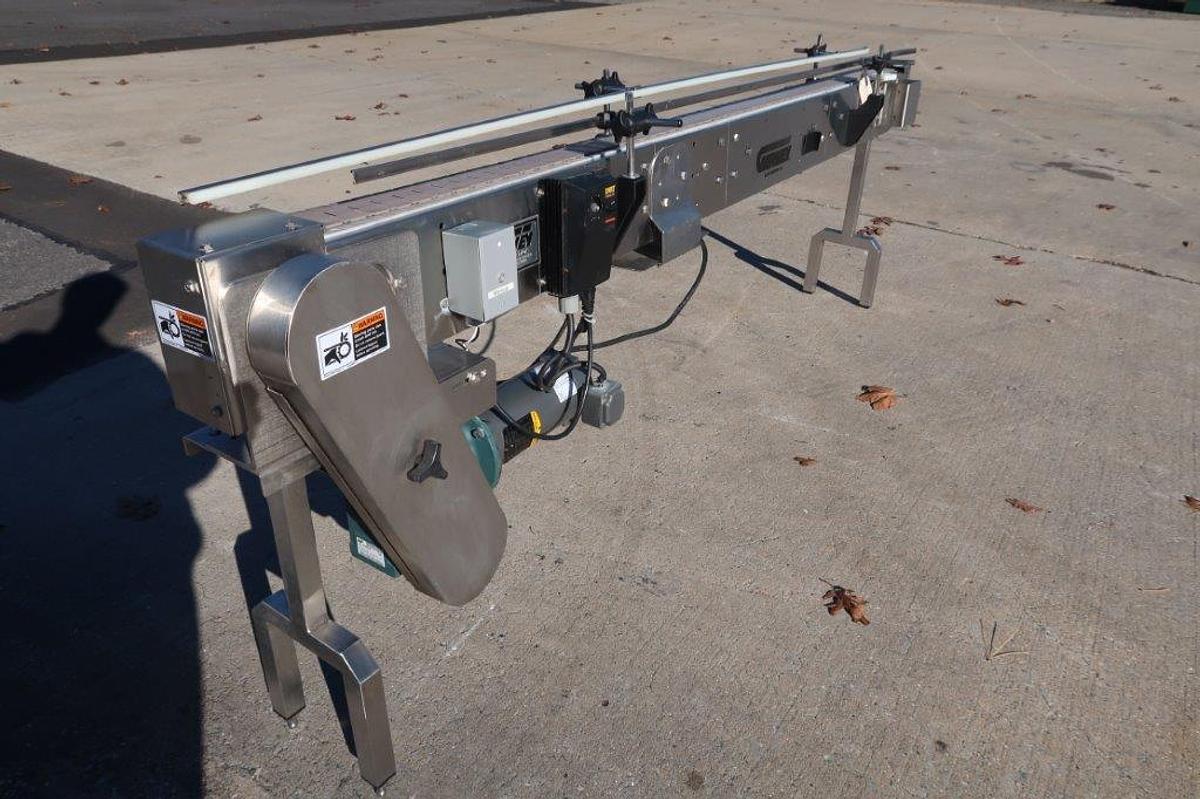
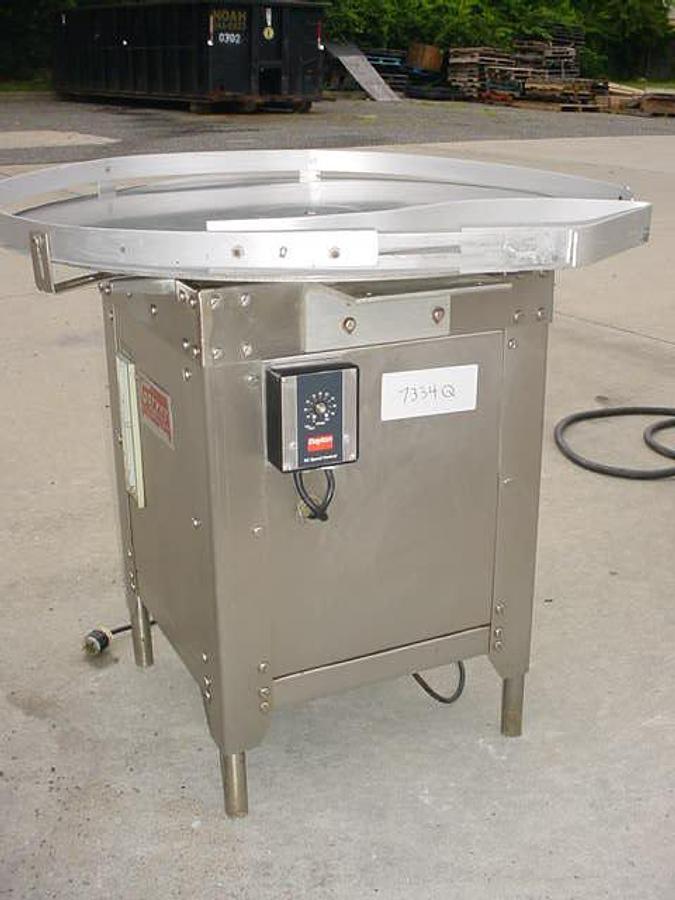
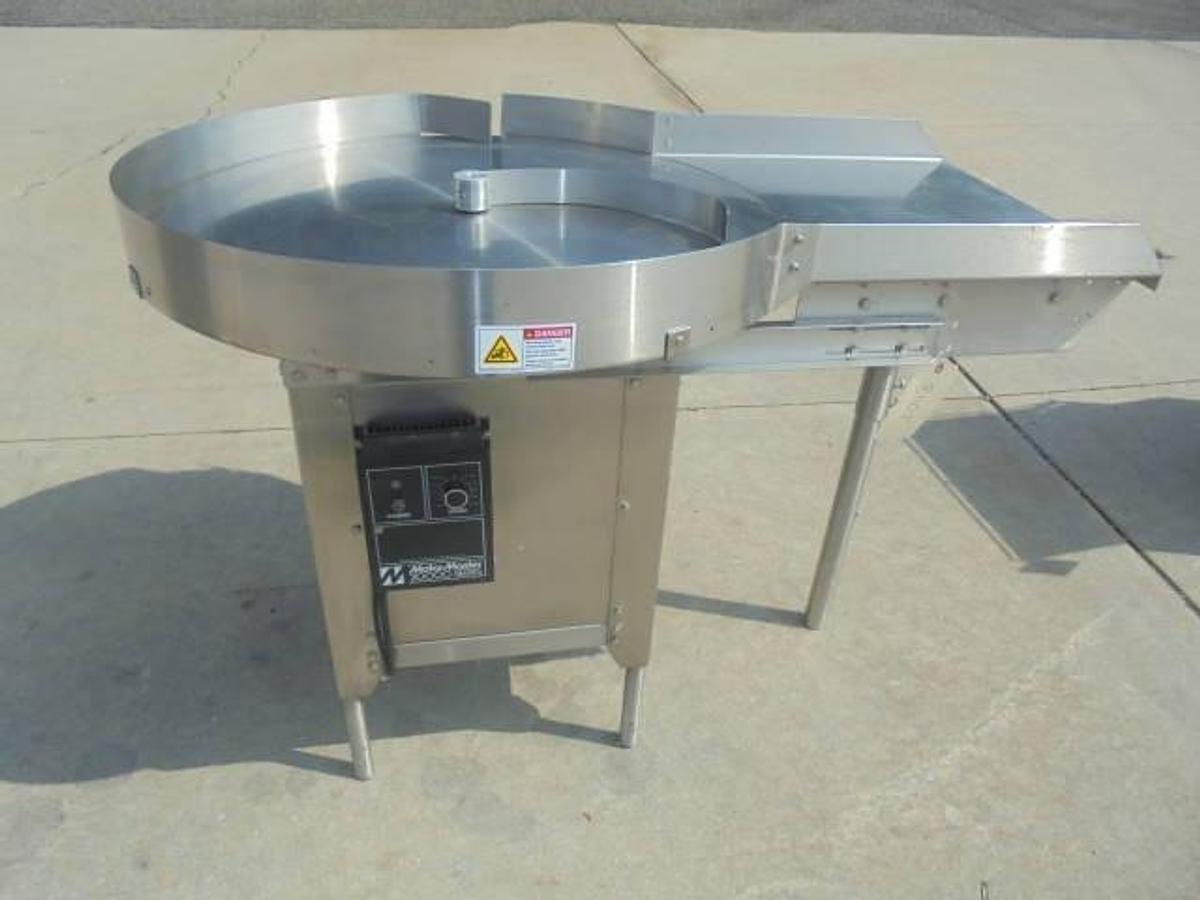
Used Garvey conveyor equipment covers a fairly wide range of product handling and packaging line solutions. The most frequently available machines include motorized bottle conveyors, rotary unscrambling and accumulating tables, mass flow conveyors, and single-file accumulation systems. Stainless steel construction is common across many Garvey models, which makes them particularly attractive to buyers in food, beverage, and pharmaceutical production environments where sanitation standards are strict. Variable speed drives are a standard feature on many units, giving production lines flexibility when handling different container sizes or throughput rates.
On the used market specifically, rotary accumulating tables in diameters around 36 inches and motorized bottle conveyors in the 8 to 9 foot range appear with some regularity. Garvey's Infinity Series accumulation conveyors also turn up through resellers, valued for their low-pressure product handling that reduces container damage during line stoppages. Buyers sourcing used Garvey equipment should pay close attention to the specific model and configuration, since belt width, conveyor length, speed range, and frame material can vary considerably between units and will determine compatibility with an existing packaging line.
What industries use Garvey accumulation conveyor systems?
Garvey accumulation conveyors have found a home in a broad range of industries, though food and beverage production is by far the most common application. Bottling lines, canning operations, and packaged food facilities rely on Garvey systems to create buffer zones between filling, capping, labeling, and case packing stations. The low-pressure accumulation technology that Garvey is known for is especially valuable in these settings because it moves containers gently, reducing scuffing, tipping, and product loss even at high line speeds.
Beyond food and beverage, Garvey conveyors are widely used in pharmaceutical packaging, cosmetics manufacturing, and general consumer goods production. Any operation that needs to manage the flow of bottles, jars, cans, or similar containers between production stages benefits from the buffering capability these systems provide. The stainless steel construction available on many Garvey models also makes them compliant with the hygiene requirements common in regulated industries like pharma and personal care, which is one reason used Garvey equipment tends to hold its appeal across multiple sectors when it comes up for resale.
How does Garvey's low-pressure accumulation technology work?
Garvey's low-pressure accumulation system is designed to prevent the buildup of pressure between containers as they queue on a conveyor line. In a conventional single-file conveyor, when a downstream machine stops or slows, containers continue arriving and press against one another, creating a pressure column that can tip, scratch, or damage products. Garvey's approach uses independent belt zones or a mass flow table surface that allows containers to accumulate without that pressure building up, because the conveyor surface continues moving even as the containers come to rest.
The practical result is fewer line stoppages caused by jams or fallen containers, less product damage, and reduced wear on both the containers and the conveyor itself. This is particularly important in high-speed bottling and packaging lines where even brief interruptions are costly. The technology also makes it easier to create buffer capacity between machines running at different speeds, which smooths out production flow across an entire line. These performance characteristics are a big part of why used Garvey accumulation equipment retains strong interest from buyers even years after the original installation.
What should a buyer inspect when evaluating used Garvey conveyor equipment?
Evaluating used conveyor equipment requires looking at several key areas before committing to a purchase. The conveyor belt or table surface is the first thing to examine closely. Look for wear, cracking, fraying at the edges, or any sections that have been patched or repaired. On stainless steel models, check the frame and side guides for dents, corrosion, or weld repairs that might indicate the machine was subjected to rough handling or harsh cleaning chemicals over its service life. The drive motor and gearbox should be inspected for leaks, unusual noise, and smooth operation across the full speed range if the unit is variable speed.
Reputable used equipment dealers will typically accommodate in-person inspections or arrange video walkthroughs so buyers can assess condition before purchase. Some machines may still be installed and running at a production facility, which gives buyers the opportunity to observe the conveyor under real operating conditions. Keep in mind that most dealers do not have the production permits required to run actual product through a machine during a demonstration, so functional testing is generally limited to running the conveyor empty. Buyers should also contact the manufacturer directly to understand parts availability and support for the specific model and age of the machine they are considering, since this can vary depending on how long ago a particular model was produced.
Does used Garvey conveyor equipment come with a warranty?
Warranties on used industrial equipment work very differently from what buyers might expect with a purchase direct from a manufacturer. Used equipment dealers typically sell machinery on an as-is basis, meaning there is no warranty coverage provided by the reseller. The responsibility for assessing condition and fitness for purpose falls on the buyer, which is why thorough inspection before purchase is so important. Manufacturer warranties, if any existed on the machine originally, will have long since expired by the time most used Garvey equipment reaches the secondary market.
To protect themselves, buyers should focus on selecting dealers with a solid track record in packaging and conveyor equipment specifically, since industry specialization matters when it comes to accurately representing a machine's condition. Asking for detailed photos, inspection videos, and any available service or maintenance history is a reasonable request. Buyers should also reach out to Garvey directly to understand what level of technical support, parts availability, and documentation can be expected for the specific model they are evaluating. Older or discontinued models may have more limited support, while more recent production runs may still have active parts programs through the manufacturer.
What is the typical price range for used Garvey conveyor equipment?
Pricing on used Garvey conveyor equipment varies considerably depending on the type of machine, its size, age, condition, and configuration. Smaller units like motorized bottle conveyors in the 8 to 9 foot range or 36-inch rotary accumulating tables can sell anywhere from a few thousand dollars up to $15,000 or more depending on condition and how recently they were last in service. Larger mass flow accumulation systems or complete Infinity Series conveyor lines can command significantly higher prices, sometimes reaching $30,000 to $60,000 or beyond for well-maintained units with desirable specifications.
Because all used equipment is priced based on condition and market demand at the time of sale, buyers should treat any price range as a general guideline rather than a firm benchmark. Machines that are still installed and running in a production facility will often be priced higher than decommissioned equipment that has been sitting in storage. It is also worth factoring in shipping, rigging, and any reconditioning costs when calculating the total landed cost of a used conveyor, since these expenses can add meaningfully to the purchase price depending on the size of the machine and how far it needs to travel.
What are typical belt widths and conveyor lengths available in used Garvey systems?
Garvey produced conveyor systems across a range of sizes to accommodate different container types and production line layouts. Belt widths on Garvey accumulation and transport conveyors commonly range from around 6 inches for narrow single-file systems up to 24 inches or wider on mass flow and bulk accumulation models. Conveyor lengths vary even more broadly, from compact units under 10 feet intended to bridge short gaps between machines, to longer systems stretching 20 feet or more used to create meaningful buffer capacity in high-speed lines.
On the used market, the specific dimensions available at any given time depend entirely on what has come off production lines and into resale inventory. Buyers with tight space constraints or very specific line integration requirements should be prepared to search across multiple dealers and be patient, since finding an exact size match can take time. Rotary accumulating tables, which are a different product form factor, are typically described by their diameter rather than belt width, with 36-inch diameter tables being a common size that appears with regularity in used equipment listings. Confirming exact dimensions directly with the seller before purchase is always advisable, as listed specifications do not always account for frame overhangs, motor housings, or other physical extensions that affect the actual footprint of the machine.
Are replacement parts readily available for used Garvey conveyors?
Parts availability for used Garvey conveyors depends largely on the age and model of the specific machine. Garvey Corporation has been producing conveyor and accumulation equipment for decades, and for many of their production-era models, belting, drives, motors, and wear components can still be sourced either directly through the manufacturer or through third-party industrial suppliers. Standard components like conveyor belts, bearings, and drive chains are often available from multiple sources regardless of the original manufacturer, which helps keep maintenance costs manageable on older equipment.
For older or discontinued Garvey models, parts sourcing can become more challenging. Buyers considering a used Garvey machine should contact Garvey directly before completing a purchase to ask about parts availability for that specific model and serial number. This conversation can reveal whether critical components are still stocked, whether the manufacturer offers any technical support for older machines, and whether the documentation needed for maintenance and troubleshooting is still available. A machine with limited parts support is not necessarily a bad buy, but buyers should factor potential fabrication or adaptation costs into their decision and make sure their maintenance team has the capability to work with older equipment.
What does the shipping process look like for used Garvey conveyor equipment?
Shipping used conveyor equipment involves more logistical complexity than standard freight, and buyers should get a clear picture of all associated costs before finalizing a purchase. Smaller conveyor units can often be palletized and shipped via standard LTL freight carriers, but proper packaging is critical to prevent damage in transit. Dealers will typically offer different levels of packaging, from basic palletization to full wood crating, and the cost will reflect the level of protection provided. Buyers should ask specifically what packaging is included in any quoted shipping price.
Larger Garvey systems, particularly long accumulation conveyors or multi-section line configurations, may require flatbed trucking and professional rigging for both loading at the origin and unloading at the destination. Rigging costs can add hundreds to thousands of dollars depending on machine weight and the facilities involved. Buyers should request a fully itemized breakdown of packaging, rigging, and freight charges to understand the true landed cost of the equipment. International shipping adds additional considerations around customs documentation, duties, and import compliance that should be addressed with the dealer early in the process.
Can Garvey conveyor equipment be modified or reconfigured after purchase?
Used Garvey conveyors can often be modified or reconfigured after purchase, though the extent of what is practical depends on the specific machine and the nature of the changes needed. Common modifications include adjusting side rail heights to accommodate different container sizes, changing belt surfaces to suit a new product type, or integrating new drive controls to match existing line automation. These kinds of changes are generally within the capabilities of a qualified conveyor technician or an in-house maintenance team with fabrication experience.
More significant modifications, such as extending conveyor length, changing the frame configuration, or integrating the machine into an automated line control system, typically require engineering review and may involve sourcing custom components. Buyers planning significant modifications should assess whether the cost and effort of adapting a used machine is competitive with purchasing a unit that is already closer to their required specification. It is also worth consulting with Garvey or a qualified integrator before purchasing a used machine specifically for modification, since some models lend themselves to adaptation more readily than others based on their original design and the availability of compatible components.