Category
Manufacturer
Model
Gai
Gai is a manufacturer of beverage processing equipment, particularly known for their bottling and filling systems that cater to the wine and spirits industries.
FAQ:
What types of GAI wine bottling machines are available on the used equipment market?
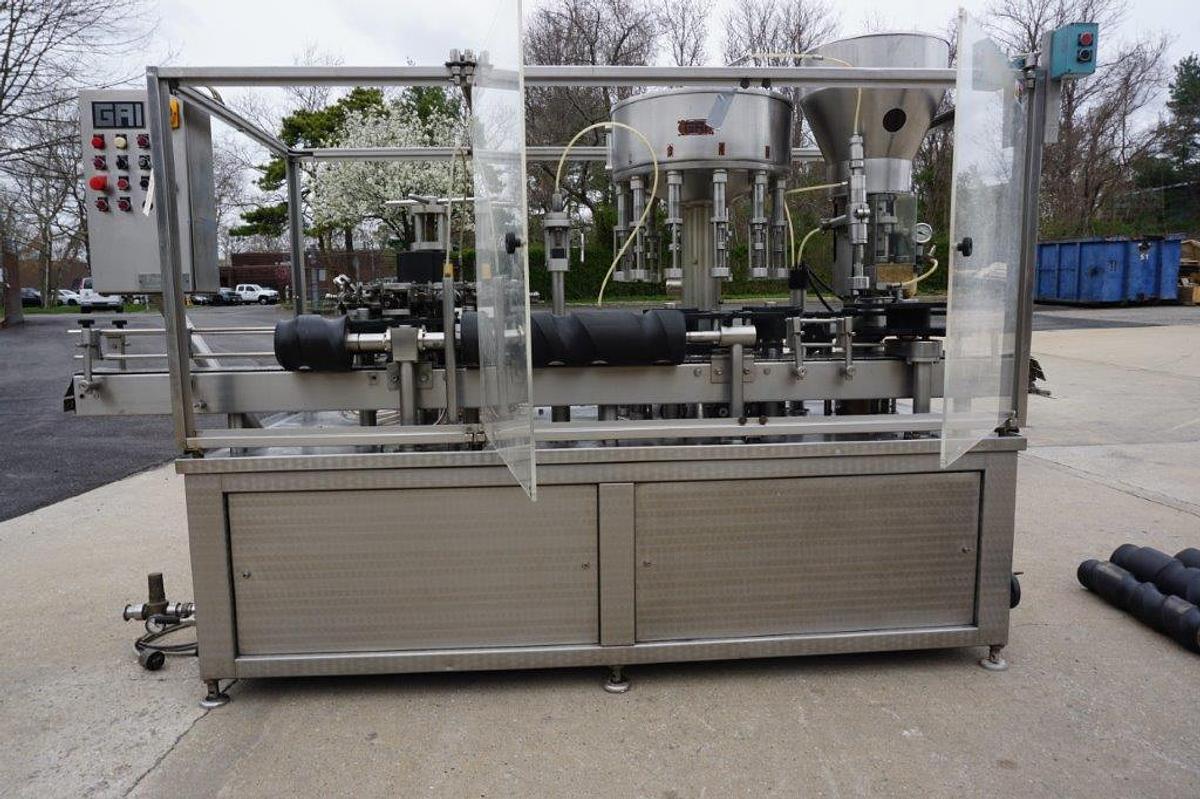
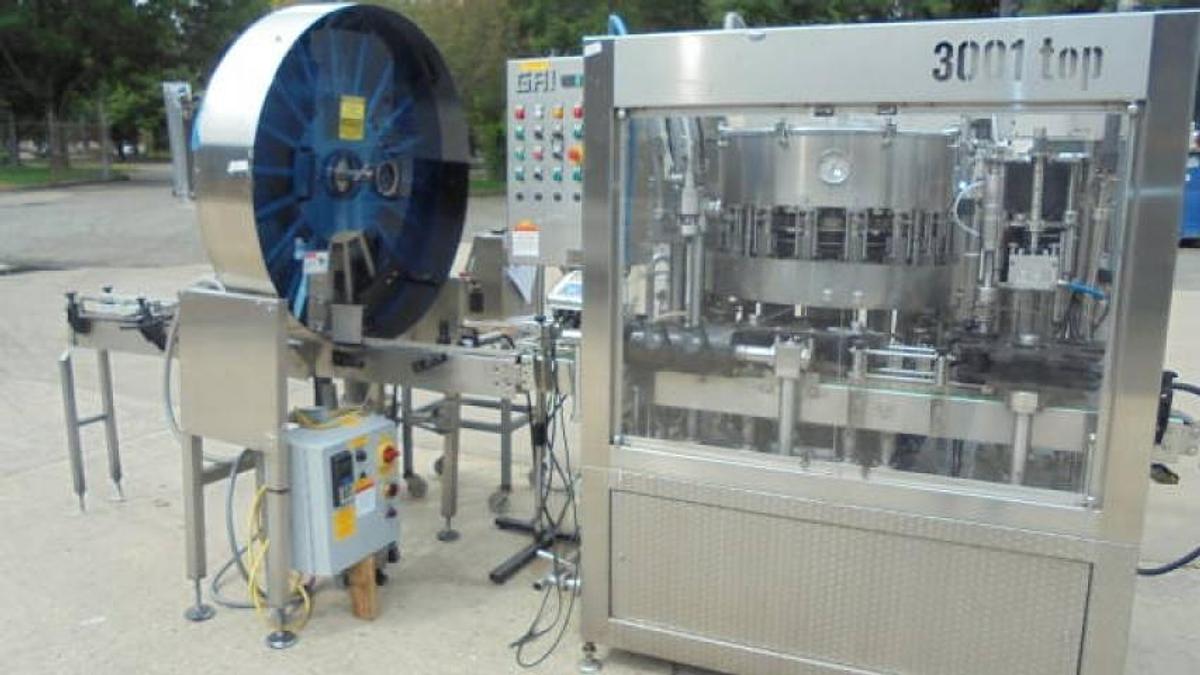
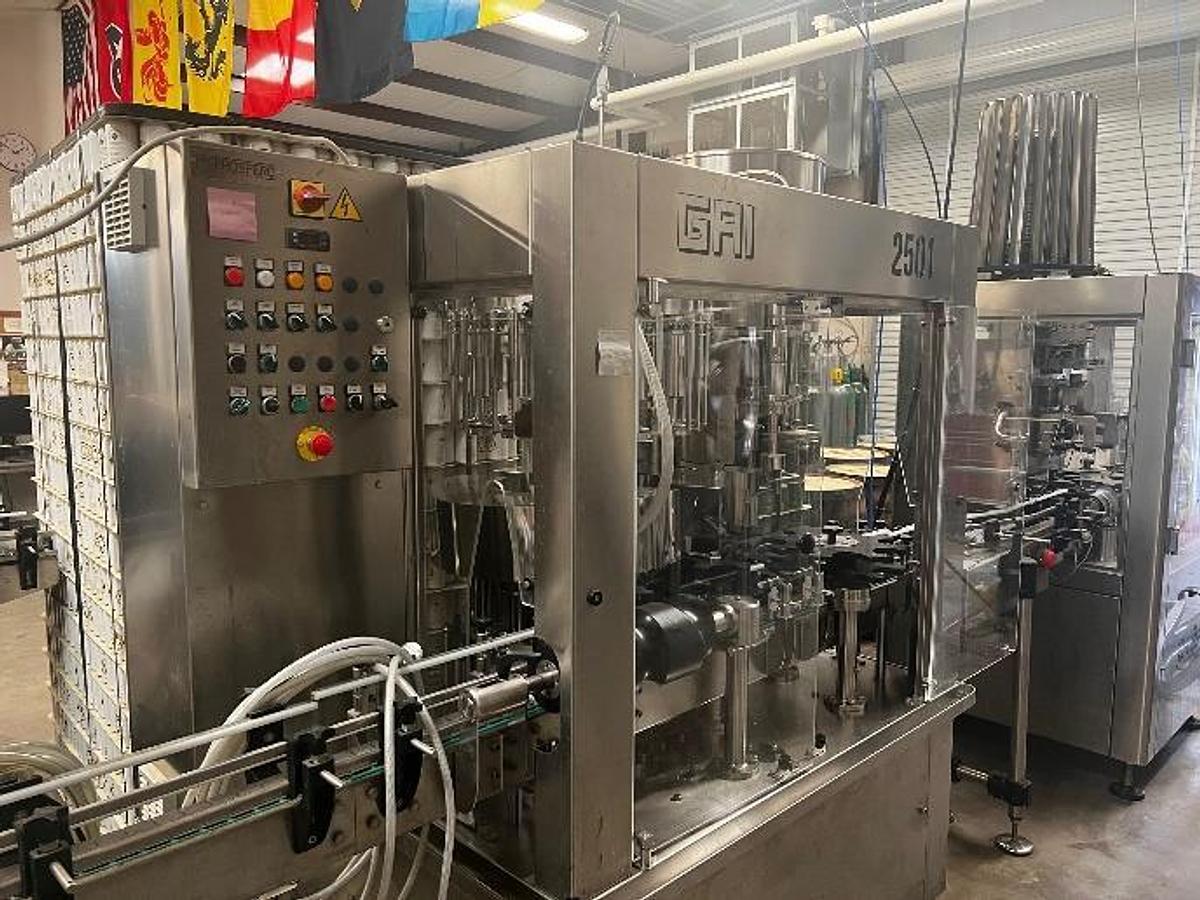
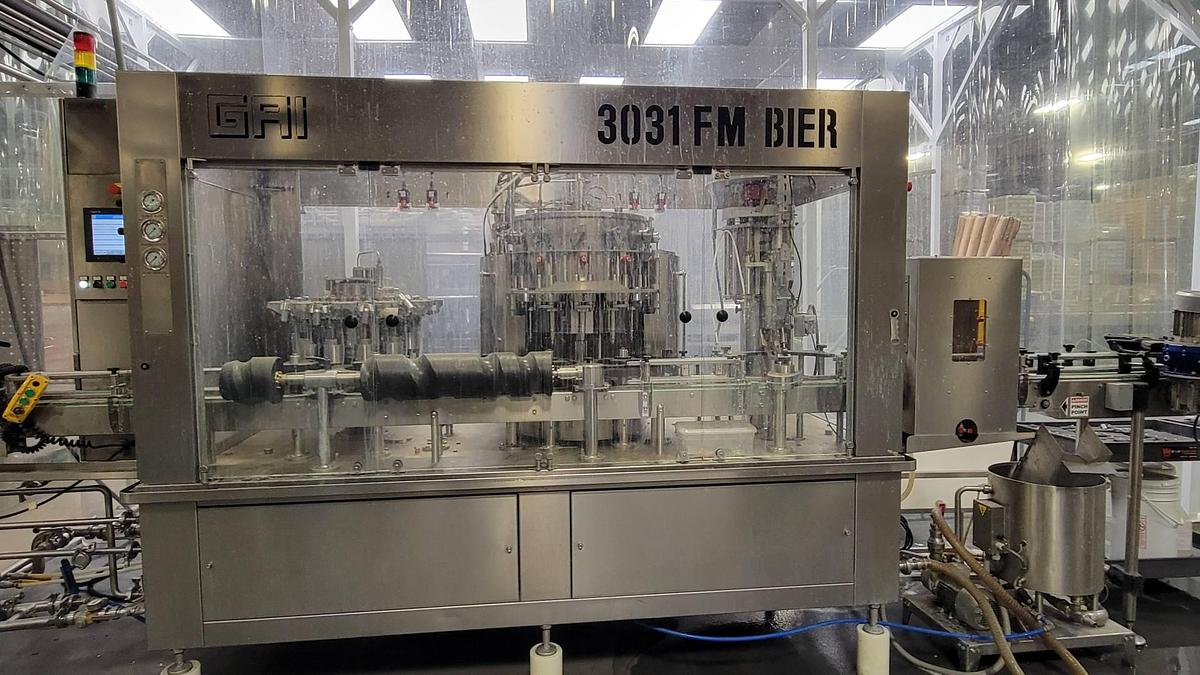
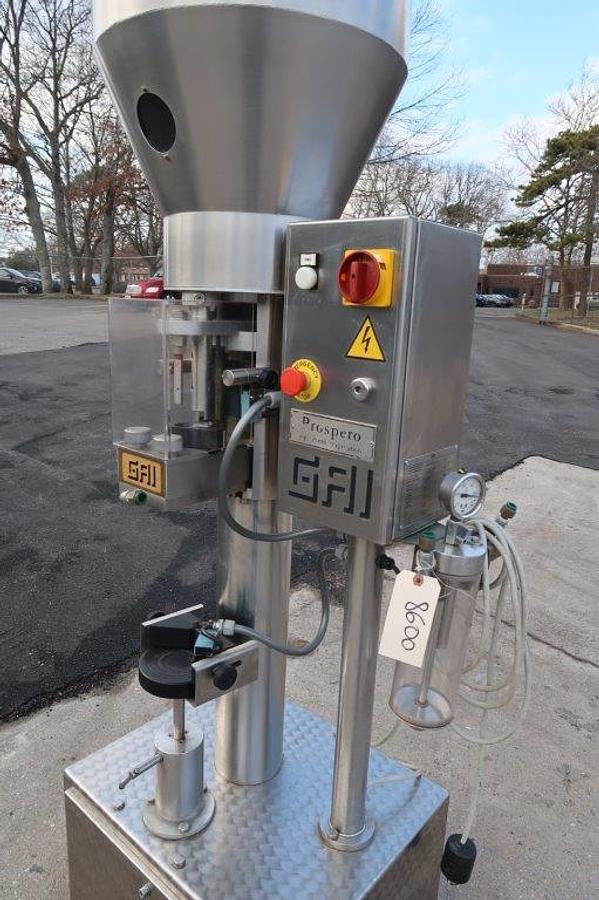
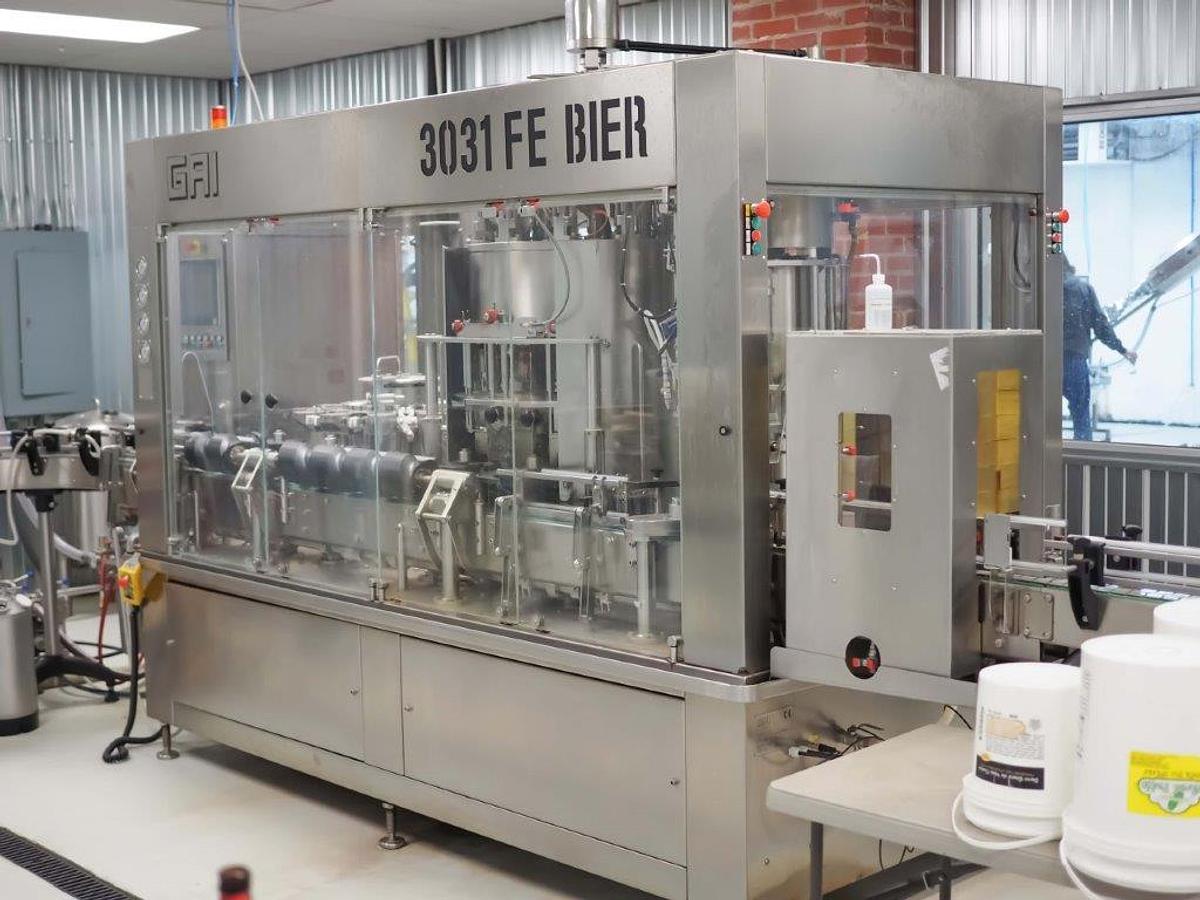
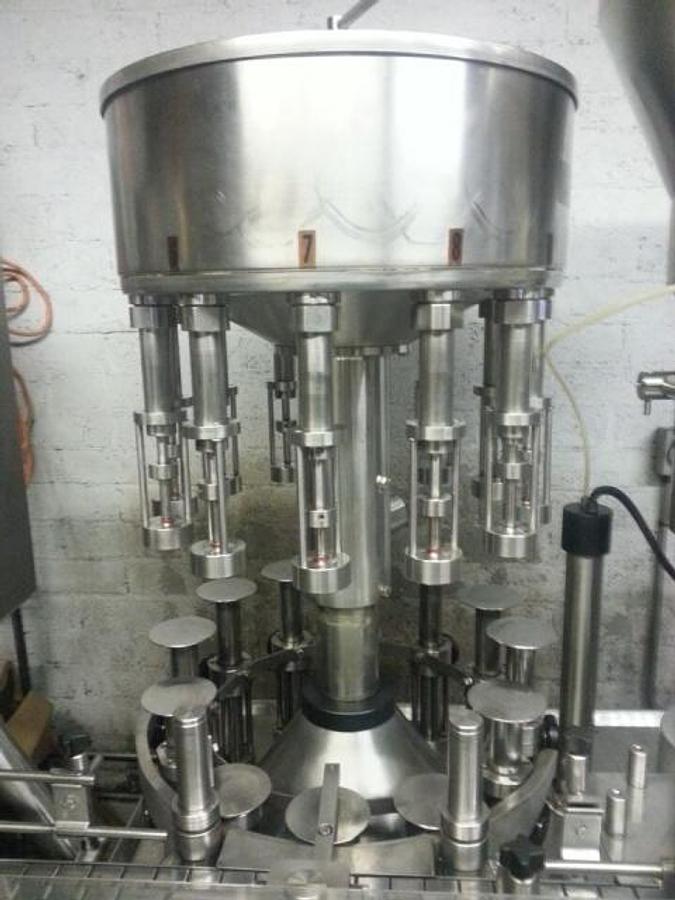
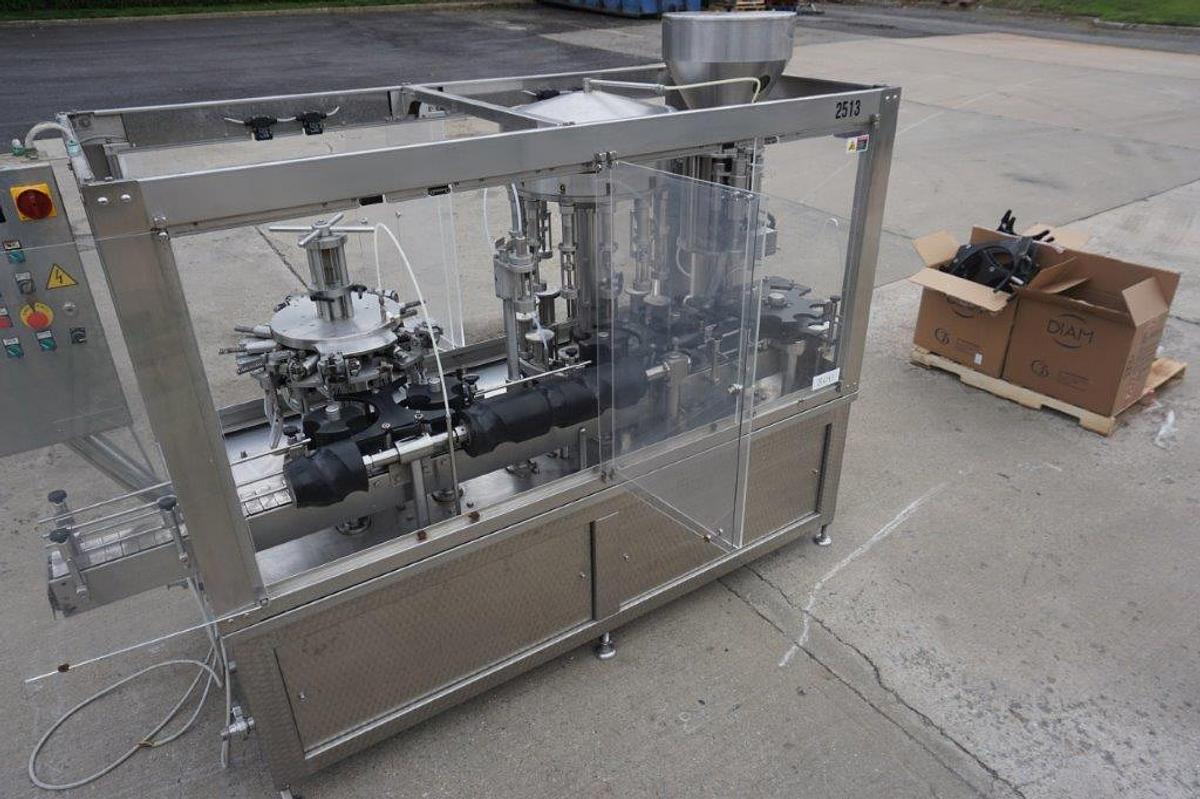
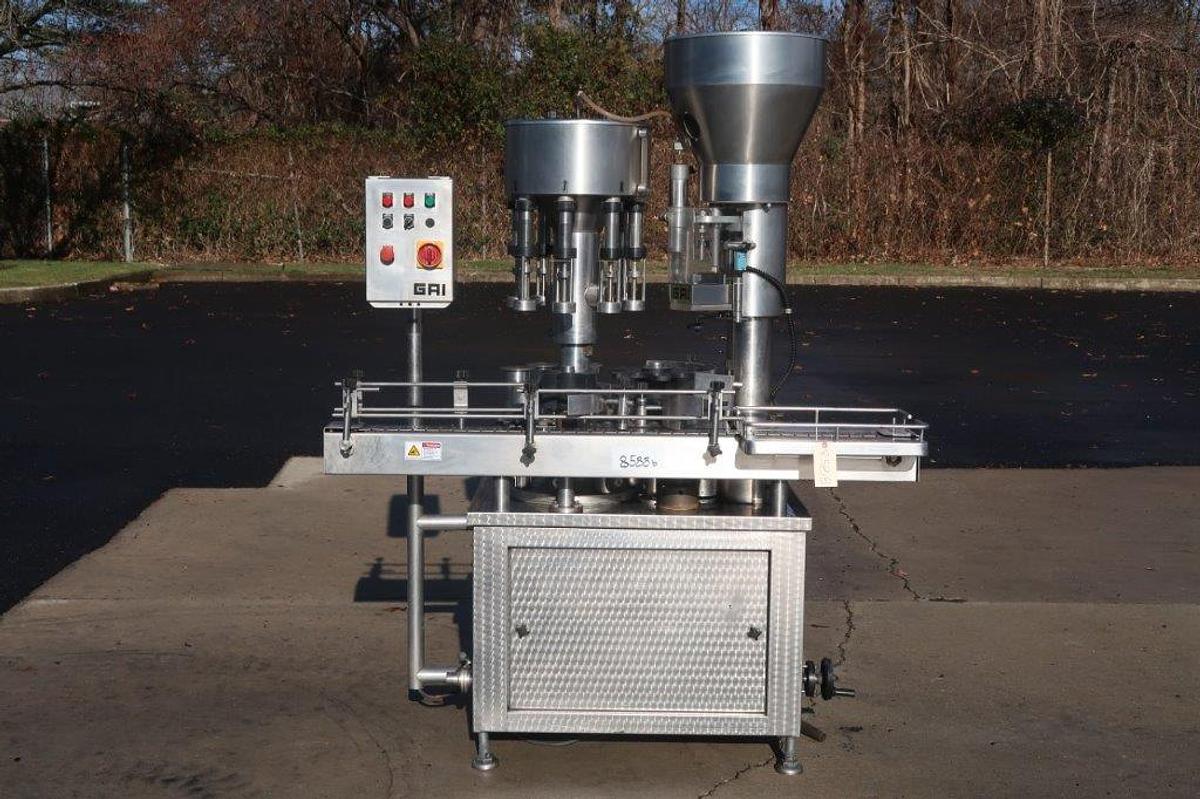
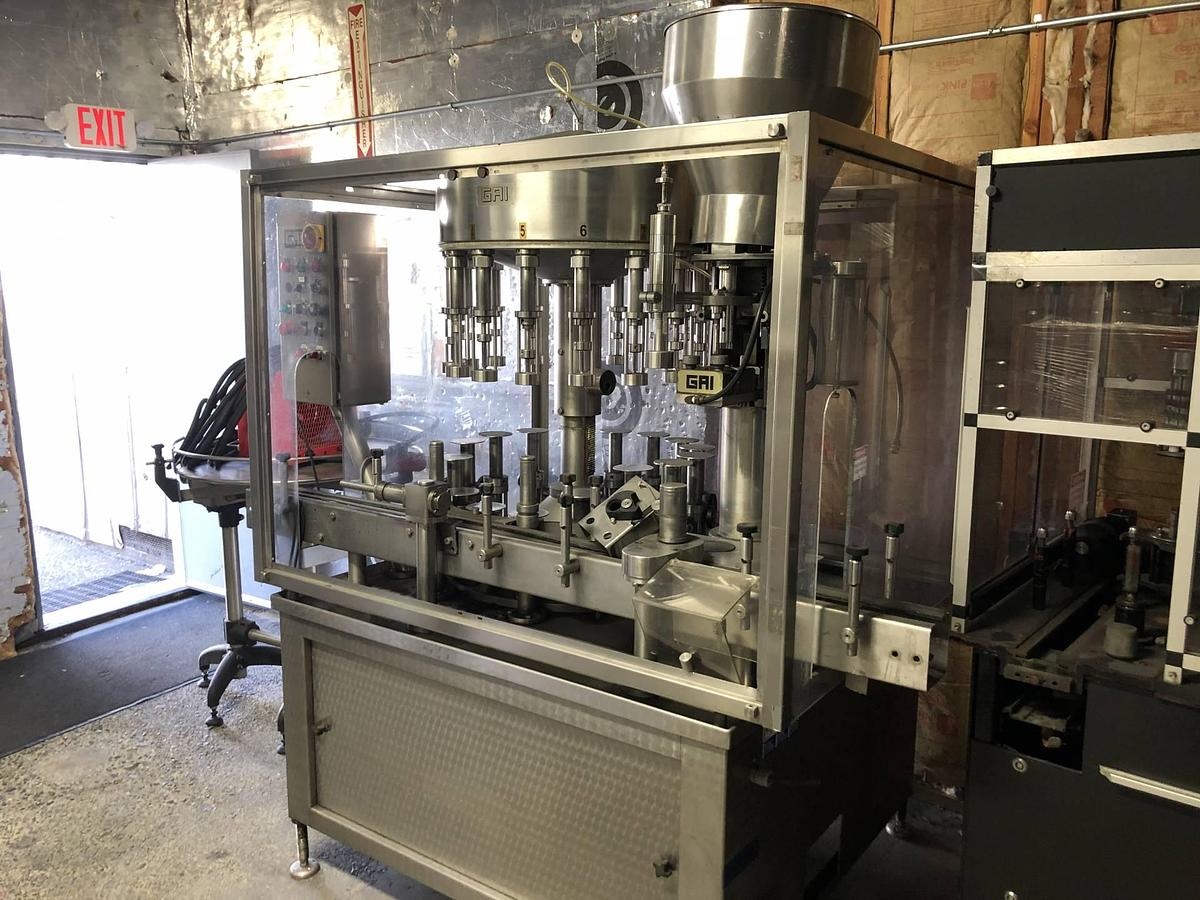
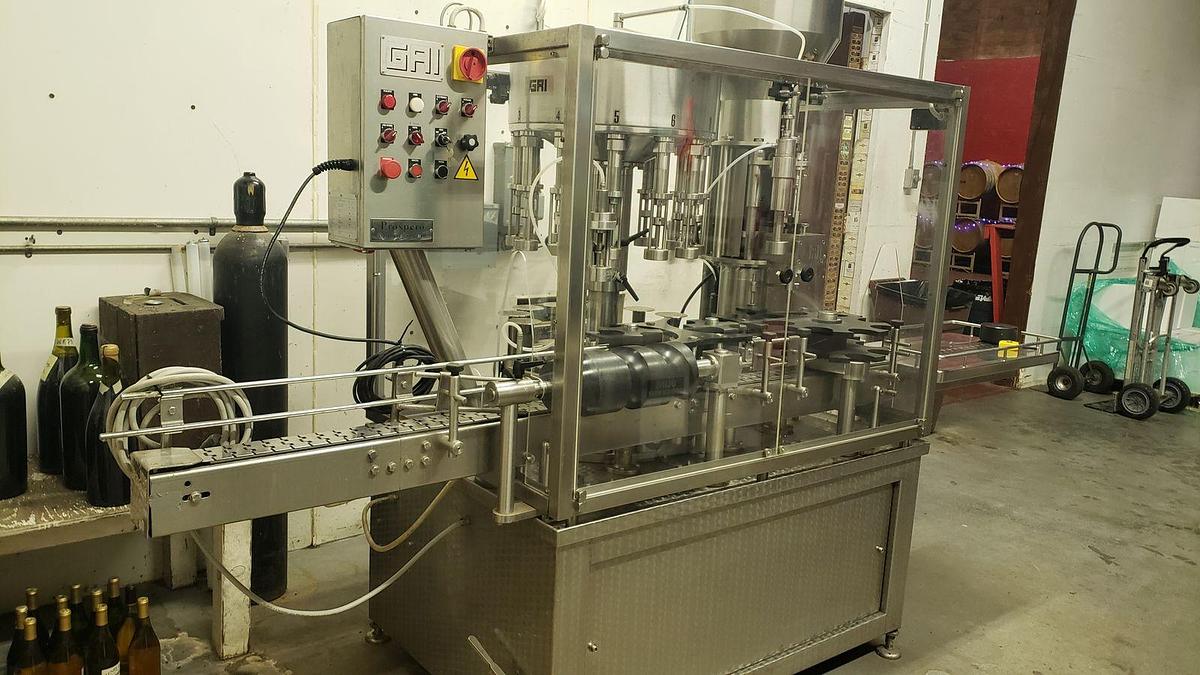
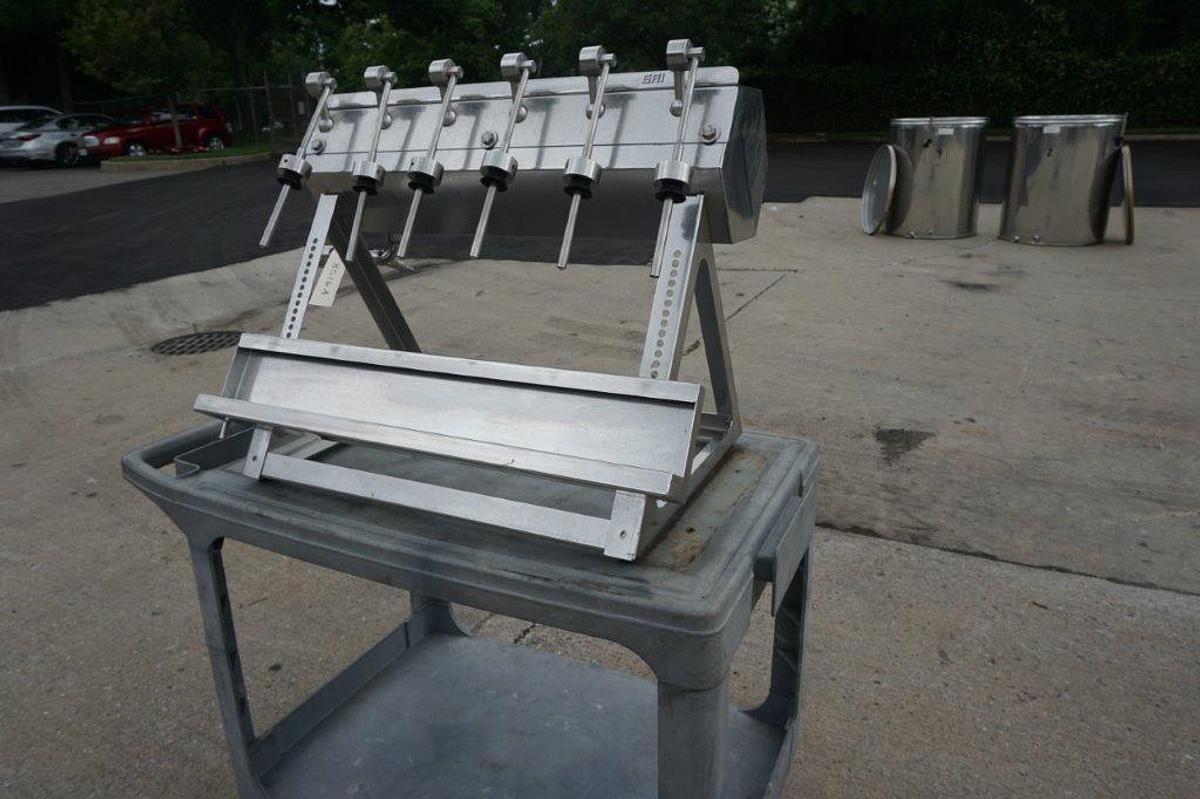
GAI produces a wide range of bottling and packaging machinery for the wine and spirits industries, and used examples of most of their major product lines appear regularly on the secondary market. The most common configurations available are monoblock systems, which combine rinsing, filling, and corking into a single integrated unit. Examples include the GAI 2511, 2513, 2501, 2502, 3000, and 3031 monoblock lines, each designed for different production volumes and closure types. Standalone machines such as semi-automatic vacuum corkers (like the GAI 404) and multi-head fillers are also available for wineries that need to upgrade one part of their process rather than replace an entire line.
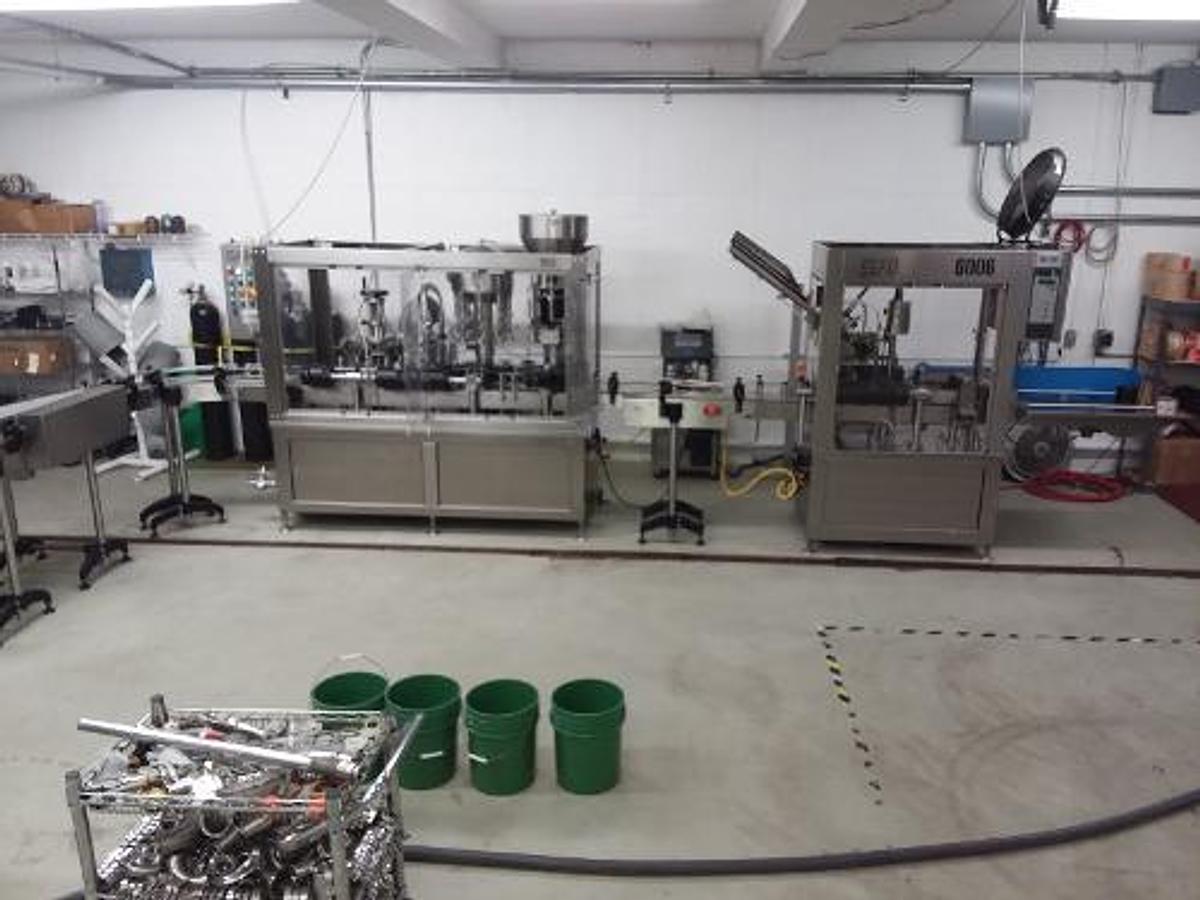
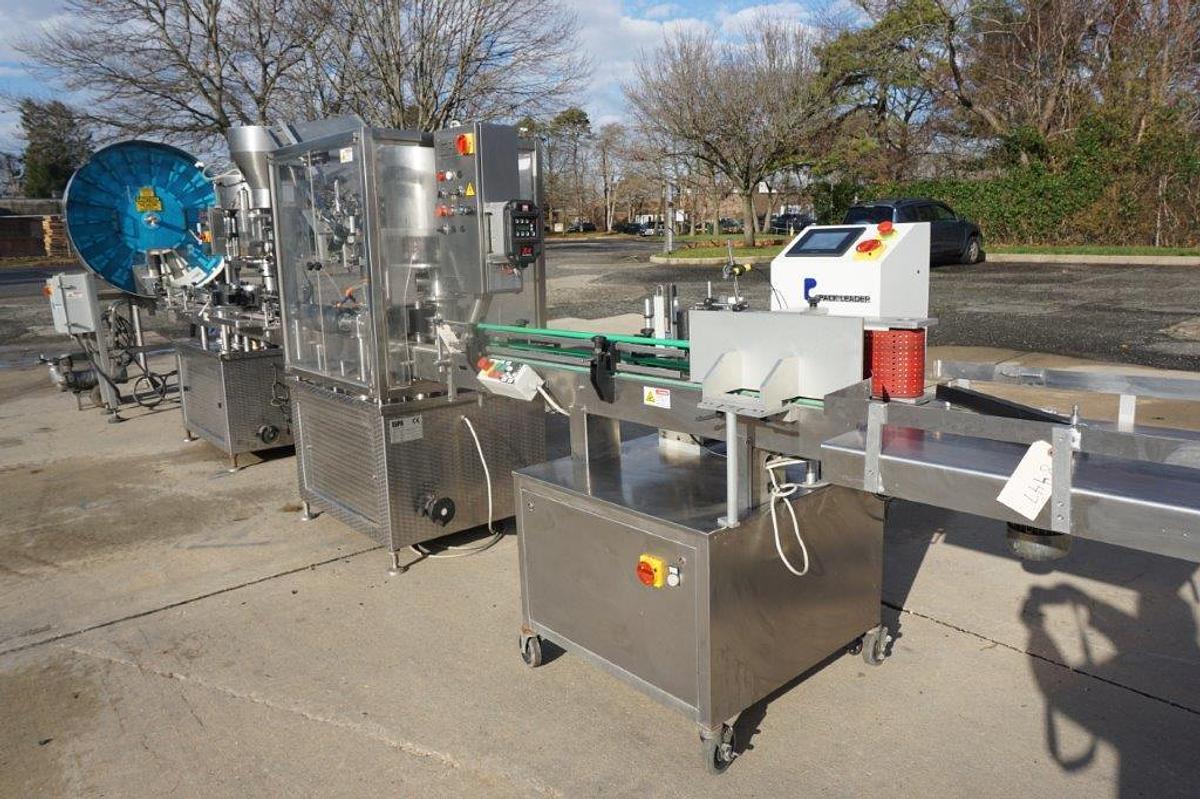
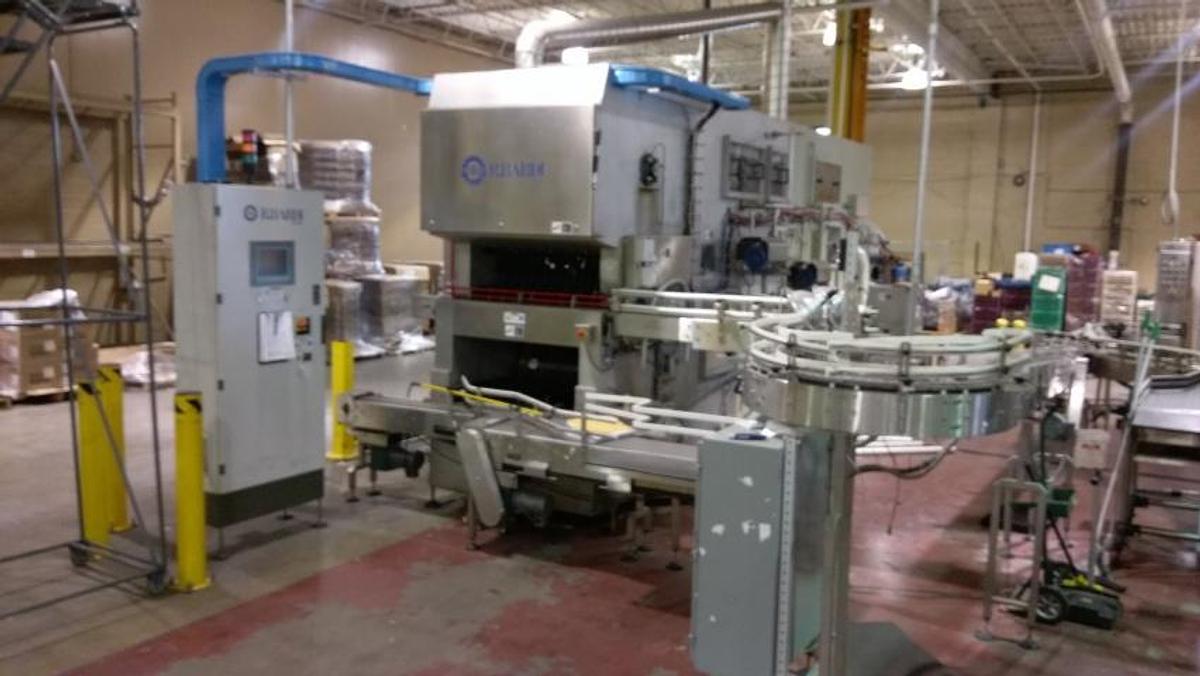
Beyond individual machines, complete turnkey GAI bottling lines do come up for sale, giving buyers the opportunity to acquire a full production setup in a single transaction. These complete lines can include bottle rinsers, deaeration units, fillers, corkers, and downstream equipment, all matched and sized to work together. Production capacities across the used GAI inventory span a broad range, from smaller semi-automatic systems suited to boutique wineries all the way up to high-speed commercial lines capable of 60 or more bottles per minute. Buyers should review the specific model specifications carefully, as capacity, head count, and closure compatibility vary significantly from one configuration to the next.
What is the production capacity range for GAI wine bottling equipment?
GAI designs its bottling systems to serve a wide spectrum of production needs, and the used machines available on the market reflect that range. Smaller semi-automatic and entry-level monoblock configurations typically handle anywhere from 500 to 2,000 bottles per hour, making them practical for small and mid-sized wineries. The GAI 2513 monoblock, for instance, is rated at approximately 2,000 bottles per hour. Mid-range commercial systems generally fall in the 3,000 to 6,000 bottles-per-hour range, while larger, fully automated GAI lines can exceed 10,000 bottles per hour for high-volume producers.
For context, a line running at 55 to 60 bottles per minute, which is a common specification seen in used GAI listings, translates to roughly 3,300 to 3,600 bottles per hour under continuous operation. Actual throughput in a real production environment will depend on factors like bottle format, closure type, operator experience, and line efficiency. Buyers should assess their current and projected annual production volumes before selecting a machine, since over-specifying capacity means unnecessary capital expenditure, while under-specifying creates a bottleneck. Reviewing the rated capacity of any specific used GAI unit with the selling dealer, and where possible cross-referencing that with the manufacturer's published specifications for that model, is a sound approach before committing to a purchase.
What filling technologies do GAI wine bottling machines use, and why does it matter for wine quality?
GAI bottling equipment is well regarded in the industry for its use of isobaric (counter-pressure) and vacuum filling technologies. Isobaric filling is particularly important for sparkling wines and carbonated beverages, as it equalizes pressure between the bottle and the filling tank before the liquid enters, which prevents excessive foaming and CO2 loss. Vacuum filling, on the other hand, is widely used for still wines and works by evacuating air from the bottle prior to filling, which reduces dissolved oxygen pickup during the bottling process. Minimizing oxygen exposure at the bottling stage is one of the most critical factors in preserving a wine's freshness, color stability, and shelf life.
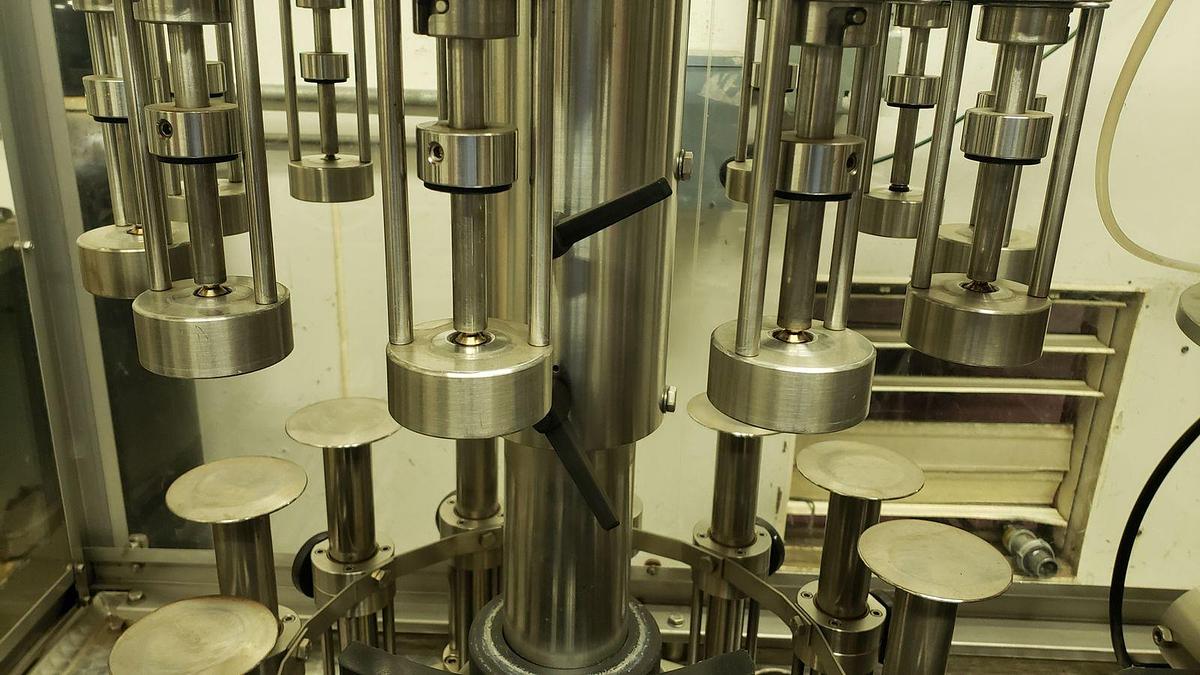
For still wine applications, the vacuum filling approach used in many GAI machines helps producers maintain tight control over dissolved oxygen levels, a metric that premium winemakers monitor closely. Some GAI monoblock configurations also incorporate a deaeration step before filling, which strips dissolved gases from the wine itself prior to it entering the bottle. This combination of deaeration and vacuum filling represents a technically sophisticated approach to quality-conscious bottling. When evaluating a used GAI machine, buyers should confirm which filling technology the specific model employs and whether the relevant components, such as vacuum pumps, filling valves, and pressure regulation systems, are in serviceable condition, since these are the components most directly tied to finished wine quality.
What closure types are GAI bottling machines compatible with?
GAI designs its equipment to handle a variety of closure formats, which is one of the reasons the machines are used across such a broad range of wine and spirits producers. Natural cork, synthetic cork, screw caps (ROPP closures), crown caps, and T-corks are all closure types that different GAI models are built to apply. Monoblock systems typically include a corking head matched to a specific closure type, so buyers need to verify that the used machine they are considering is configured for the closure their product requires. Some machines can be adapted to handle multiple closure formats with a changeover kit, but this depends on the specific model and the availability of the relevant parts.
For wineries transitioning between closure types, or those producing multiple SKUs with different closures, it is worth asking the selling dealer whether the machine has been run with more than one closure format and whether any additional tooling is included in the sale. Screw cap (ROPP) cappers require a different mechanical setup than corkers, so these are generally distinct machines or monoblock configurations. When inspecting a used GAI unit, paying close attention to the condition of the corking or capping heads, the insertion tooling, and the feed mechanisms is important, as these components experience the most wear during normal production and are the most likely to require attention after purchase.
What bottle sizes and formats are compatible with GAI wine bottling lines?
Most GAI wine bottling lines are designed with flexibility in mind and can be adjusted to handle the standard bottle formats used in the wine industry. The 750ml Bordeaux and Burgundy bottles are the most common configurations these machines are set up to run, but many GAI systems can be adjusted to handle formats ranging from 375ml half-bottles up to 1.5L magnums and sometimes larger. The extent of that flexibility depends on the specific model, the design of the bottle-handling components (starwheels, guides, and conveyors), and whether the machine has been set up with changeover parts for multiple formats.
When evaluating a used GAI bottling line, buyers should ask the dealer which bottle formats the machine was actually running in production, and whether the format change parts for other sizes are included in the sale. Changeover parts such as format-specific starwheels, filling head spacers, and conveyor guides can be expensive to source separately, particularly for older models where parts availability may be more limited. Bottle shape also matters, as some specialty formats with unusual shoulder profiles or lightweight glass can require mechanical adjustments to run reliably. Confirming compatibility with your specific bottle before finalizing a purchase is a straightforward step that can prevent costly surprises after installation.
What should buyers know about inspecting used GAI wine bottling equipment before purchasing?
Buying used bottling equipment requires a more thorough due diligence process than purchasing a commodity item, and GAI machines are no exception. Reputable used equipment dealers will typically accommodate in-person inspections, virtual walkthroughs, or detailed video documentation of the machine's current condition. In some cases, the equipment may still be installed and running at the facility where it was used, which gives a buyer the opportunity to see it in operation. In other cases, the machine has been decommissioned and is in storage, where a static inspection can still reveal a great deal about its mechanical condition, cleanliness, and completeness.
Key areas to focus on during any inspection of a used GAI line include the condition of the filling valves and seals, the state of the corking or capping heads, the integrity of the conveyor systems, and the general cleanliness of product-contact surfaces. Electrical panels, control systems, and pneumatic components should also be checked for age, condition, and compatibility with local power standards. It is worth consulting directly with GAI or an authorized service provider to understand what level of support and parts availability exists for the specific model and age of machine being considered, since older models may have more limited support. Most used equipment dealers do not have the permitting or facilities to run actual product through a machine during an inspection, so buyers should factor this into their assessment process and rely on thorough mechanical inspection rather than a live production test.
How difficult is it to install and operate a GAI wine bottling machine?
GAI machines are purpose-built production equipment, and their installation and commissioning requires meaningful technical knowledge. A monoblock bottling line involves mechanical, electrical, and pneumatic systems that need to be properly set up, leveled, connected to utilities, and calibrated before production can begin. For larger or more complex lines, professional installation by a qualified technician familiar with GAI equipment is strongly advisable. This is particularly true for used machines, which may need adjustment or reconditioning of certain components before they run at rated capacity. Buyers who are setting up a bottling line for the first time should budget for installation labor and potentially for a technician visit to commission the machine and train operators.
Day-to-day operation of a GAI bottling line, once properly set up, is manageable for trained cellar or production staff. The machines are designed for industrial production environments and include controls for adjusting fill levels, line speed, and other parameters. That said, operating a bottling line efficiently and maintaining quality output requires operators who understand the equipment and can recognize when something is not running correctly. Regular cleaning and preventive maintenance are essential for food and beverage production equipment, and GAI machines require attention to CIP (clean-in-place) procedures, valve maintenance, and lubrication schedules. Prospective buyers with limited bottling line experience should factor in operator training as part of their total acquisition plan.
Can a used GAI machine be integrated into an existing bottling line?
In many cases, yes, individual GAI machines or sub-systems can be integrated into an existing bottling operation, though the feasibility depends on the specific equipment involved and how the current line is configured. A standalone GAI filler or corker, for example, can often be positioned within an existing conveyor layout and connected to upstream and downstream equipment, provided the line speeds, bottle handling formats, and mechanical interfaces are compatible. GAI monoblock units, which combine multiple functions into a single frame, are somewhat more self-contained and may require more significant conveyor reconfiguration to fit cleanly into an existing line.
The most important factors to assess before attempting integration are line speed compatibility, conveyor height and width, bottle format, and electrical/pneumatic supply requirements. A mismatch in any of these areas can create a production bottleneck or require additional engineering work to resolve. When purchasing a used GAI unit with the intention of integrating it into an existing setup, sharing the specifications of both the GAI machine and the existing line with a knowledgeable equipment dealer or integration specialist before finalizing the purchase is a practical step. It is also worth confirming that the necessary interface components, such as infeed and outfeed conveyors, timing screws, or transfer starwheels, are either included with the machine or readily available.
What is the typical price range for used GAI wine bottling equipment?
Pricing for used GAI wine bottling equipment varies considerably based on the type of machine, its age, configuration, condition, and production capacity. Standalone semi-automatic machines such as a single-function corker or a small bench-top filler can be found at the lower end of the price spectrum, sometimes in the range of a few thousand dollars. Mid-range monoblock systems, which combine rinsing, filling, and corking in a single unit and handle several thousand bottles per hour, typically sell in the range of tens of thousands of dollars depending on their condition and completeness. Complete high-speed GAI bottling lines with multiple integrated functions can command prices well into the six-figure range.
For buyers comparing the cost of used GAI equipment against purchasing a comparable system from a manufacturer, the savings on used equipment can be substantial, often 40 to 70 percent below the cost of a comparable configuration bought through a manufacturer's sales channel. However, buyers should account for the full landed cost of the equipment, including shipping, rigging, installation, any reconditioning work required, and operator training, when making that comparison. Getting a clear picture of what is included in the sale price, whether that is just the machine itself or also format parts, tooling, manuals, and spare parts inventory, is an important part of evaluating the true value of any used GAI listing.
What should buyers understand about shipping and payment when purchasing used GAI bottling equipment?
Used GAI bottling machines, particularly monoblock systems and complete lines, are large, heavy pieces of industrial equipment that require careful handling throughout the shipping process. Proper packaging is essential to prevent damage in transit, and depending on the size and weight of the machine, this can range from basic palletization to full custom crating. Larger machines will typically require professional rigging for both loading at the origin and unloading at the destination, and these rigging costs are generally in addition to the freight charge itself. Buyers should request a detailed breakdown of packaging, rigging, and freight costs from the dealer before finalizing a purchase, so the full landed cost of the equipment is clear upfront.
On the payment side, used equipment dealers typically require full payment before a machine is released for shipping. Some dealers may offer payment terms to established repeat customers, but this is not the norm for first-time transactions. Because these are used machines sold without manufacturer warranties, buyers carry the responsibility of thoroughly inspecting the equipment and satisfying themselves as to its condition before payment is made. Conducting a thorough inspection, whether in person, via video, or through detailed photographic documentation, is the primary protection available to a buyer in a used equipment transaction. Selecting a dealer with a strong track record in the wine and beverage equipment sector, and one who is transparent about the machine's history and condition, significantly reduces the risk involved in the purchase.