Category
Manufacturer
Model
Fulton
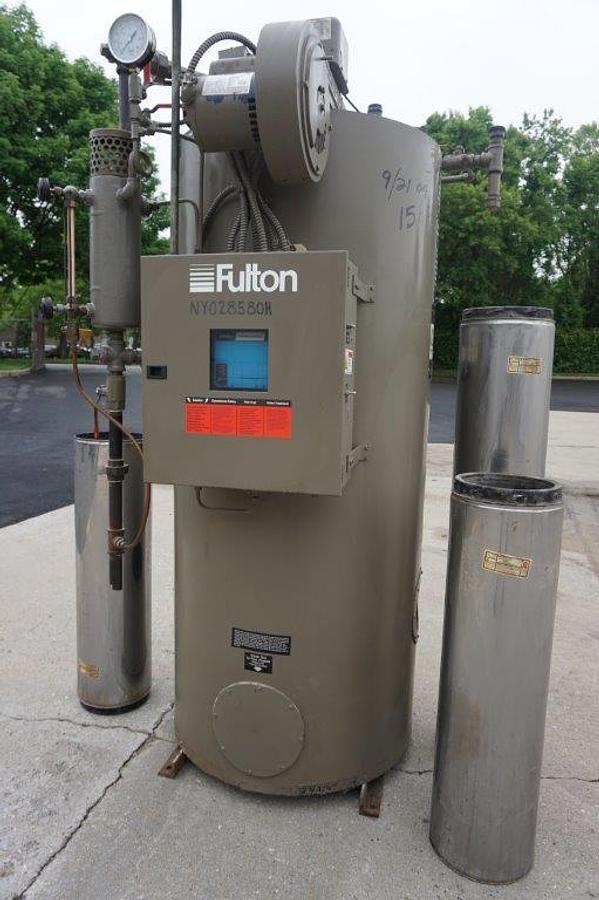
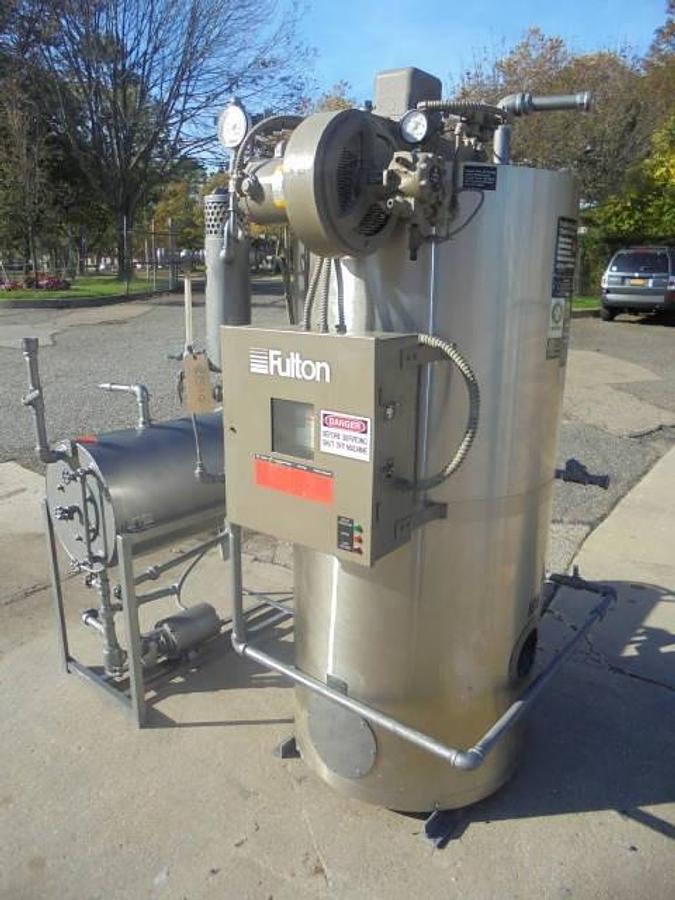
Fulton is known for its steam and thermal fluid solutions, catering to various industries including food processing and pharmaceuticals. Their equipment is designed for reliability and efficiency in heat transfer applications.
FAQ:
What is a Fulton steam boiler and what makes the brand well-regarded in industrial markets?
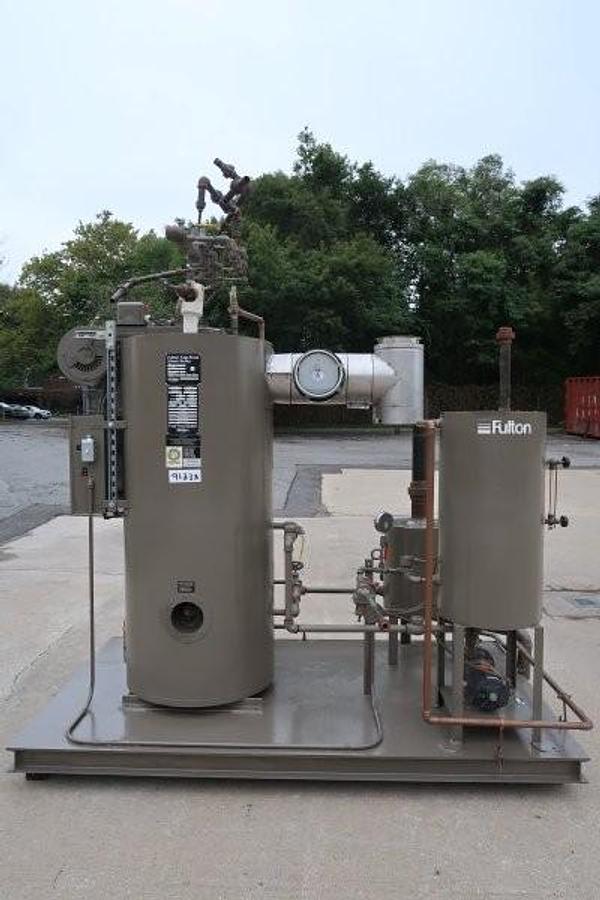
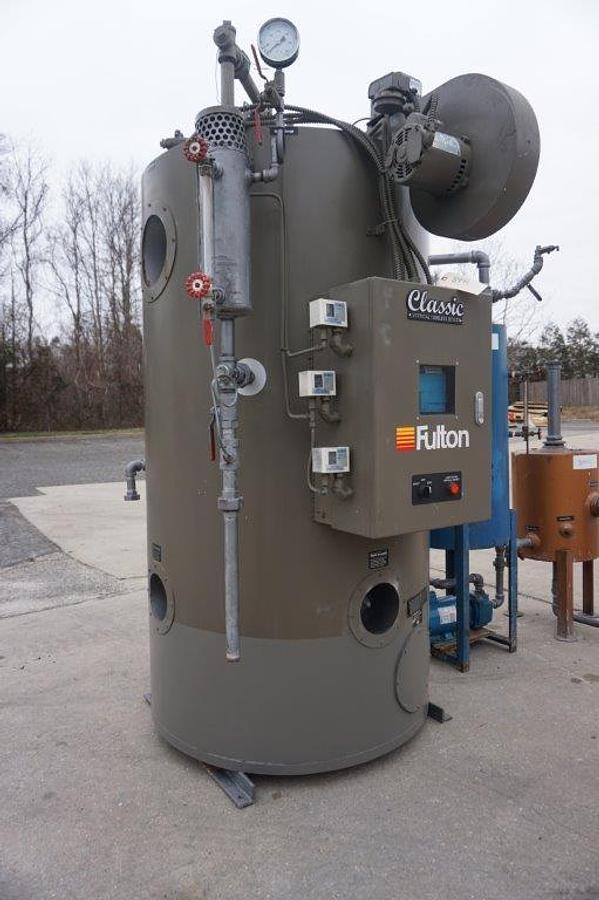
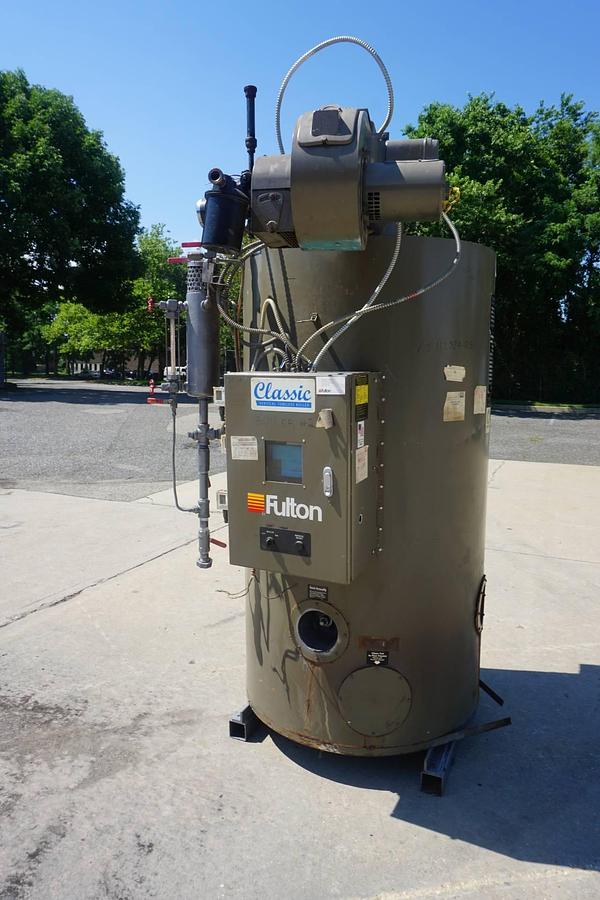
Fulton has been manufacturing steam and thermal fluid heating equipment since 1948, making it one of the longer-standing names in industrial boiler manufacturing. The brand built its reputation on a signature vertical tubeless design that eliminates the tubes found in conventional fire-tube boilers. Because tubes are a primary site for scale buildup and corrosion over time, removing them from the design reduces maintenance frequency and extends the working life of the equipment. That engineering decision is a large part of why Fulton boilers show up so consistently in used equipment markets decades after their manufacture date.
Fulton also produces fire-tube and electric boiler lines, giving facilities a range of configurations to match their fuel source, space constraints, and steam output requirements. The brand is particularly well-known in food processing, pharmaceutical manufacturing, chemical processing, textile production, laundry operations, and commercial HVAC applications. Across those industries, consistent steam quality and reliable uptime are critical, and Fulton equipment has historically delivered on both counts. That track record is a key reason buyers actively seek out used Fulton units rather than settling for a generic alternative.
What sizes and steam output capacities are typically available for used Fulton steam boilers?
Fulton steam boilers span a wide capacity range, generally starting around 15 BHP (boiler horsepower) on the smaller end and scaling up to several hundred BHP for large industrial installations. To put that in practical terms, a 15 BHP unit like the Fulton FB-015-A produces roughly 150 pounds of steam per hour, while larger models can exceed 293 lbs of steam per hour or significantly more depending on the configuration. That range makes Fulton equipment relevant for everything from small commercial kitchens and laboratories to full-scale pharmaceutical or food processing plants.
In the used equipment market, availability at any given time depends on what has recently come off production lines or been decommissioned by facilities upgrading their systems. Listings can include compact skid-mounted electric units, mid-range natural gas-fired models, and larger fuel-fired systems. Buyers with specific output requirements should check current inventory carefully and ask dealers about the rated capacity of each unit, since the model number alone does not always tell the full story about a particular machine's configuration or condition.
What fuel types do Fulton steam boilers run on?
Fulton manufactures steam boilers across several fuel configurations, with natural gas being the most common in the used market. Many of the FB-series models, including the FB-015-A and FB-020-A, are designed as fuel-fired units running on natural gas. Some models are built for dual-fuel operation, allowing facilities to switch between natural gas and fuel oil depending on availability and cost. Fulton also produces electric boiler systems, such as the FB-100-L, which are popular in facilities where gas infrastructure is limited or where clean-room and emissions requirements make electric heat the preferred option.
When shopping for a used Fulton boiler, confirming the fuel type is one of the first practical steps. A natural gas unit requires a gas supply line of adequate pressure and volume, while an electric boiler requires the correct electrical service capacity. Propane conversions are possible on some models but should be verified with a qualified technician before purchase. Buyers should also ask dealers whether the burner assembly is intact and in serviceable condition, since the burner is one of the components most likely to need attention on a used machine.
What industries use Fulton steam boilers most commonly?
Fulton steam boilers are used across a broad range of industries, but they appear most frequently in food and beverage processing, pharmaceutical manufacturing, chemical processing, textile production, commercial laundry, and HVAC applications. In food processing, steam is used for cooking, sterilization, blanching, and cleaning, and the consistent output of a well-maintained Fulton unit makes it a practical fit for those applications. Pharmaceutical and biotech facilities value Fulton equipment for its ability to produce clean, reliable steam under controlled conditions, which is critical for sterilization and clean-in-place (CIP) systems.
Beyond those core markets, Fulton boilers also show up in breweries, hospitals, universities, and light manufacturing operations where process heat or space heating is needed. The electric models, in particular, are well-suited for facilities with strict emissions controls or those located in areas without natural gas access. Because used Fulton boilers retain their core functionality long after initial installation, they are a practical choice for smaller operations or facilities looking to add steam capacity without the capital expenditure of purchasing equipment directly from a manufacturer.
What should buyers inspect when evaluating a used Fulton steam boiler?
Buying a used steam boiler requires more due diligence than purchasing most other types of used industrial equipment, because pressure vessels are subject to safety regulations and their internal condition is not visible without proper inspection. Key areas to evaluate include the condition of the pressure vessel itself, the burner assembly, controls and safety devices (pressure relief valves, low-water cutoffs, operating and high-limit pressure controls), and the overall integrity of the casing and insulation. Asking for any available service records or inspection history is worthwhile, since documented maintenance is a strong indicator of how the machine was treated during its working life.
Reputable used equipment dealers typically accommodate in-person inspections, video walkthroughs, or photo documentation of the machine. Some units may still be installed and operating at a production facility, which allows a buyer to see the boiler running under real conditions. It is worth noting that most equipment dealers are not set up for live steam production testing, since operating a boiler for product testing requires permitting and infrastructure that a resale operation does not typically maintain. Buyers should also consult with Fulton directly about parts availability and technical support for the specific model they are considering, since the age and model of a unit can affect what service resources are available.
Does a used Fulton steam boiler come with a warranty?
Manufacturer warranties are tied to the sale of equipment directly from the manufacturer and are not transferable through the used equipment market. Used Fulton boilers are sold as-is, which is standard practice across the used industrial machinery industry. That puts the responsibility for assessing condition squarely on the buyer, which is why inspection before purchase is so important. The as-is nature of used equipment transactions is not a red flag in itself; it simply means buyers need to do their homework rather than relying on a warranty as a safety net.
The best protection a buyer has is choosing a dealer with a long track record in industrial equipment sales and a specialization in the relevant category. Experienced dealers have reputations to protect and are generally more forthcoming about known issues with specific machines. Buyers should ask detailed questions about the machine's history, request inspection access, and consult with Fulton or an authorized service provider about the specific model's serviceability before committing to a purchase. Taking those steps reduces risk considerably even in the absence of a formal warranty.
What is the typical price range for used Fulton steam boilers?
Pricing for used Fulton steam boilers varies considerably based on model, capacity, age, condition, and configuration. Smaller units in the 15 to 20 BHP range, such as the FB-015-A or FB-020-A, typically trade at a fraction of what comparable capacity equipment would cost purchased directly from a manufacturer. Larger or more specialized units, including skid-mounted electric systems or high-output fuel-fired models, command higher prices reflecting their greater capacity and the cost of equivalent replacement equipment. The presence of intact controls, a functional burner, and clean vessel condition all push prices upward.
Because the used equipment market fluctuates based on supply and demand, it is difficult to quote a fixed price range without knowing current inventory. Buyers should contact dealers directly for current pricing on specific units and factor in the full landed cost of the equipment, including shipping, rigging, and any reconditioning work needed before the boiler goes back into service. Getting a clear picture of total acquisition cost, not just the purchase price, is the right way to evaluate whether a particular used Fulton unit represents good value.
What certifications should buyers look for on a used Fulton steam boiler?
Fulton steam boilers are built to meet ASME (American Society of Mechanical Engineers) Boiler and Pressure Vessel Code standards, which is the primary certification framework for pressure vessels in North American industrial applications. ASME certification means the vessel was designed, fabricated, and tested to meet specific safety and performance standards at the time of manufacture. Many Fulton units also carry UL listings for their electrical components and burner systems. For facilities exporting to or operating in European markets, CE marking may be relevant, though this is less common on units originally built for the North American market.
For used equipment, the relevant question is whether the boiler's certification documentation is still available and whether the vessel has maintained its integrity since manufacture. In many jurisdictions, boilers must pass a third-party inspection by a certified boiler inspector before being placed back into service, regardless of their original certification status. Buyers should check local and state regulations regarding boiler re-commissioning requirements, and factor the cost of any required inspections or certifications into their total acquisition budget. A dealer familiar with industrial boiler sales should be able to advise on what documentation is available for a specific unit.
How does shipping and delivery work for used Fulton steam boilers?
Steam boilers are heavy, bulky pieces of industrial equipment, and shipping them requires more planning than a typical freight shipment. Smaller Fulton units may be palletized and shipped via freight carrier, but larger models often require specialized rigging for loading and unloading, which adds to the overall cost. Crating requirements depend on the size and fragility of the specific unit, and dealers will typically quote packaging and rigging costs separately from the base equipment price. Buyers should ask for a detailed breakdown of all shipping-related costs before finalizing a purchase so there are no surprises on the landed price.
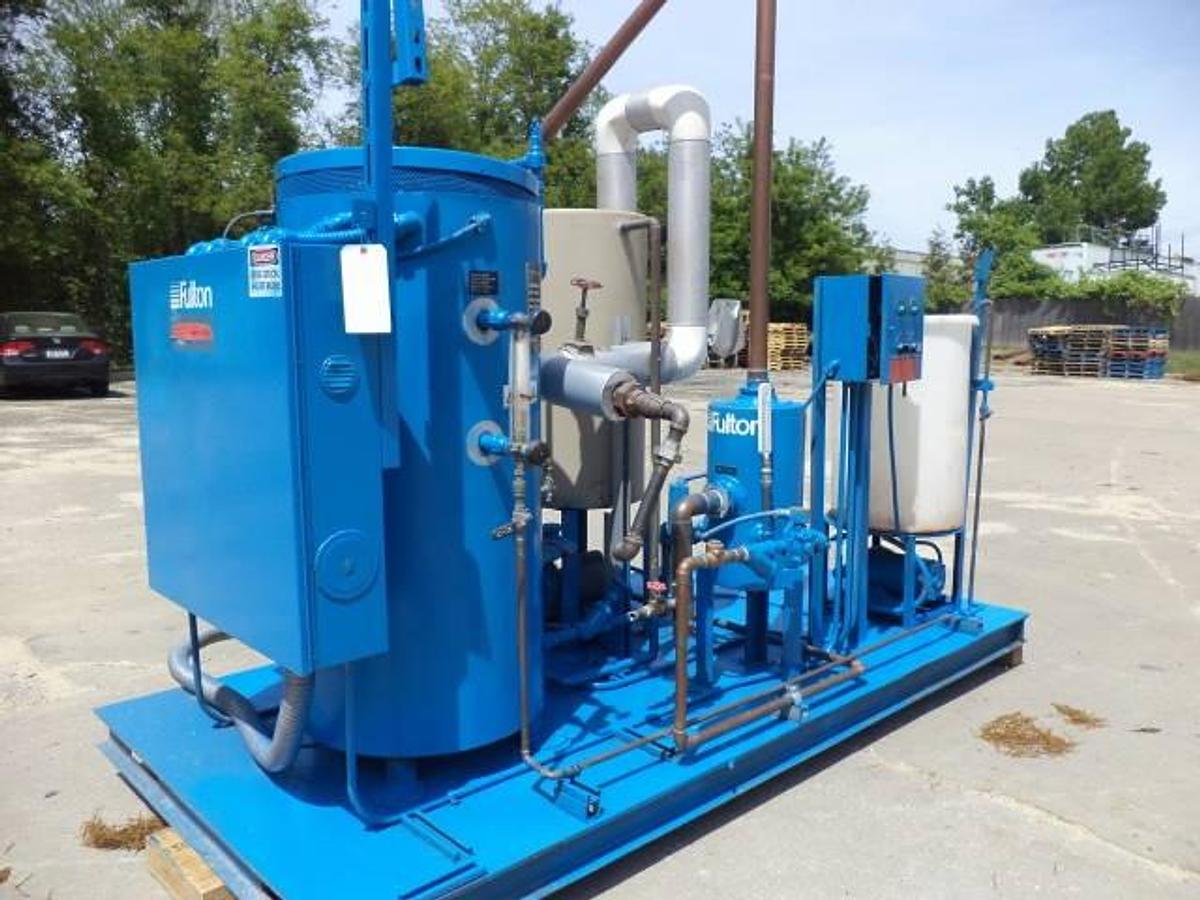
For very large or heavy units, a flatbed truck or specialized heavy equipment transport may be necessary, and the buyer's facility needs to have appropriate unloading equipment, such as a forklift with adequate capacity or an overhead crane, ready to receive the shipment. Skid-mounted systems like the FB-100-L electric boiler are somewhat easier to handle because the skid provides a stable base for rigging and transport. Buyers should communicate their facility's unloading capabilities to the dealer early in the process so that the right packaging and transport arrangements can be made.
Can a used Fulton steam boiler be used for both process steam and space heating applications?
Fulton steam boilers are designed primarily as steam generators for process applications, but the steam they produce can be directed to space heating systems through heat exchangers or steam-to-hot-water converters. In facilities where a single boiler plant serves both production processes and building heat, a properly sized Fulton unit can handle both loads, provided the total demand does not exceed the boiler's rated output. This dual-use configuration is common in food processing plants, breweries, and institutional facilities like hospitals and universities, where process steam and building heat requirements overlap.
For buyers considering a used Fulton boiler for space heating only, it is worth evaluating whether a steam-based system is the right fit for the application, since hot water boilers are often more efficient for pure space heating. That said, facilities already plumbed for steam distribution will find that a used Fulton unit integrates naturally into their existing infrastructure. The key is matching the boiler's output capacity and pressure rating to the actual demand of the system it will serve. Consulting with a licensed boiler technician or mechanical engineer before purchase helps ensure the selected unit is appropriately sized for the intended application.