Category
Manufacturer
Model
Fristam
Fristam is a leading manufacturer of pumps and mixers, widely used in the food, beverage, and pharmaceutical industries. Their products are known for their reliability and hygienic design, essential for maintaining product integrity.
FAQ:
What types of Fristam pumps are available on the used equipment market?
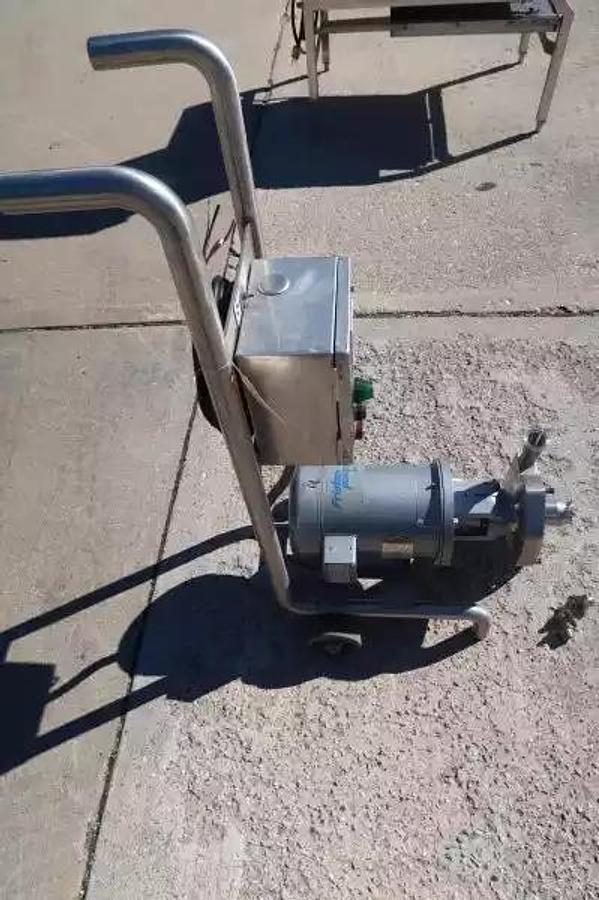
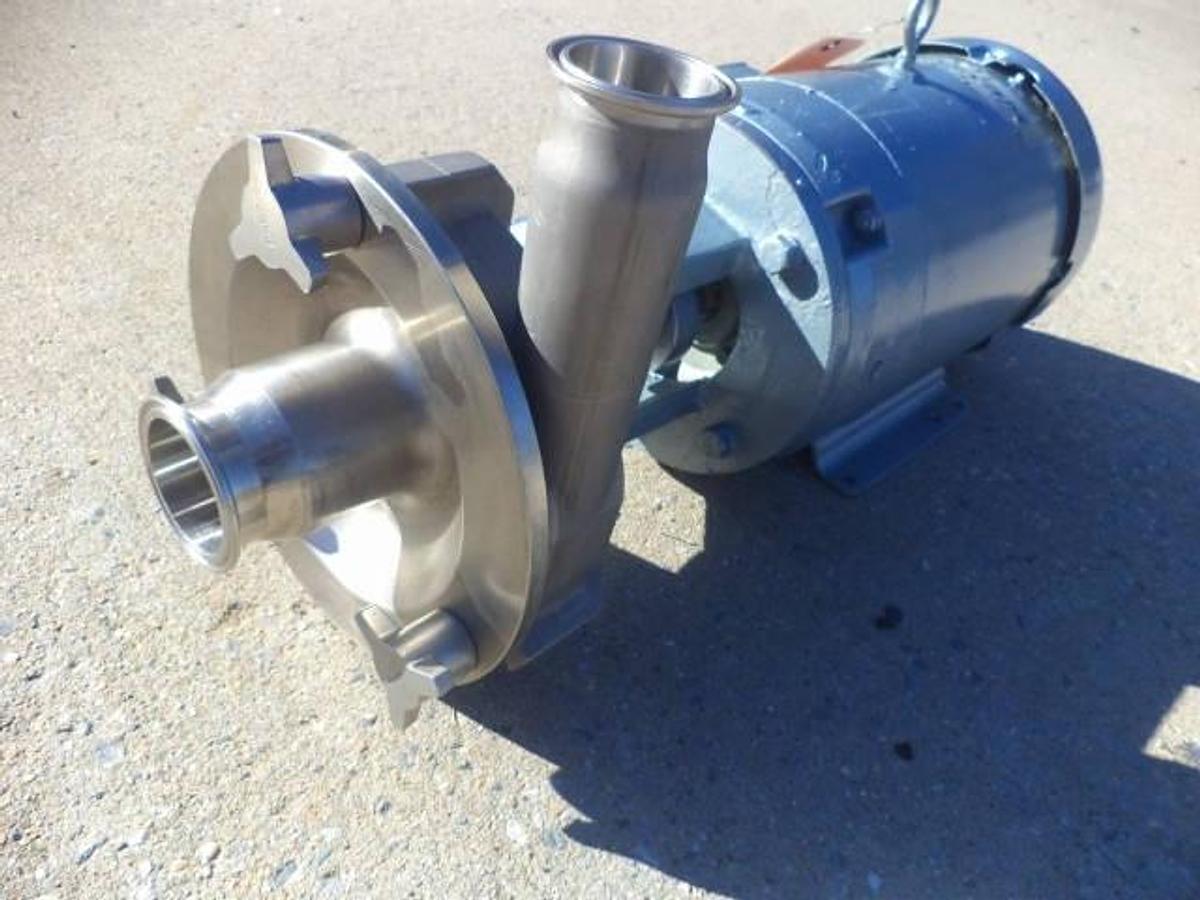
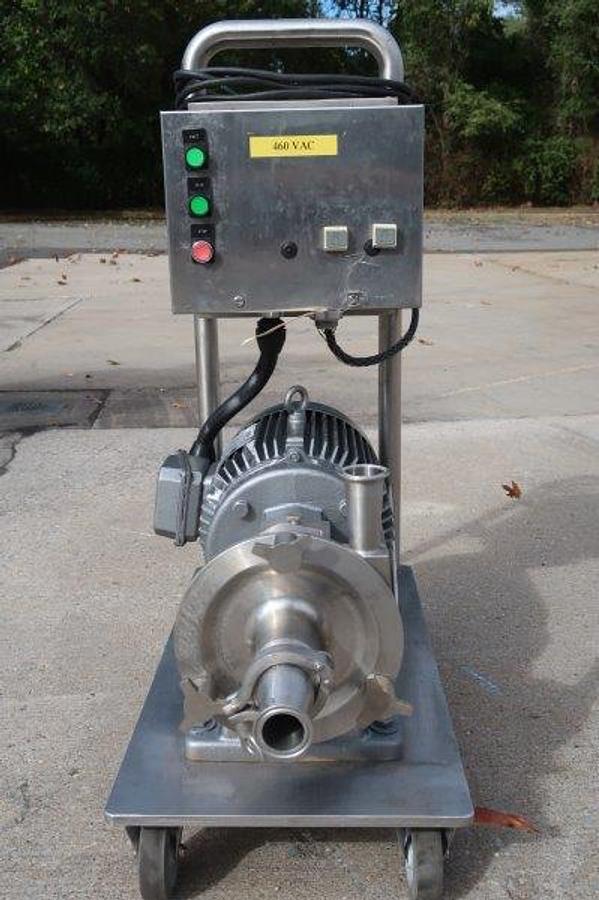
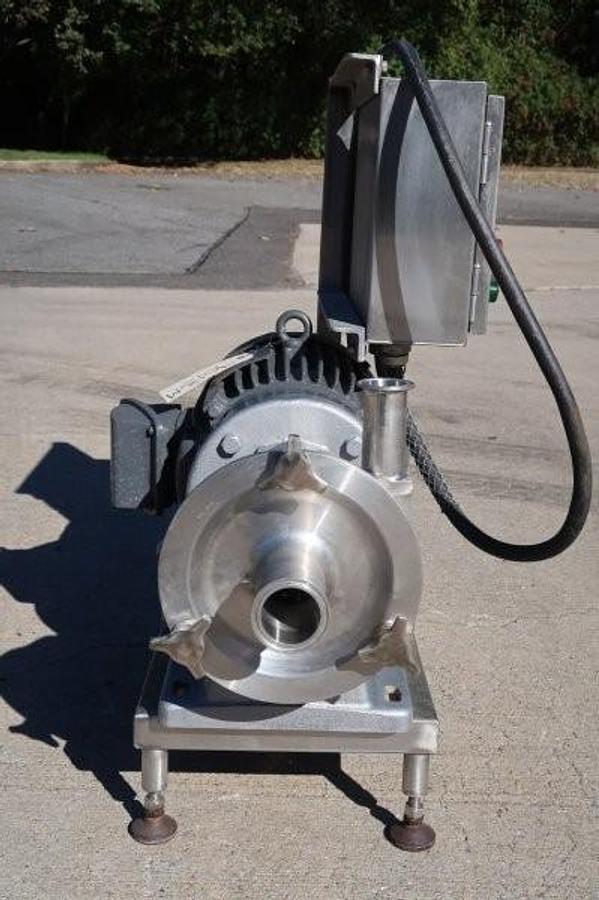
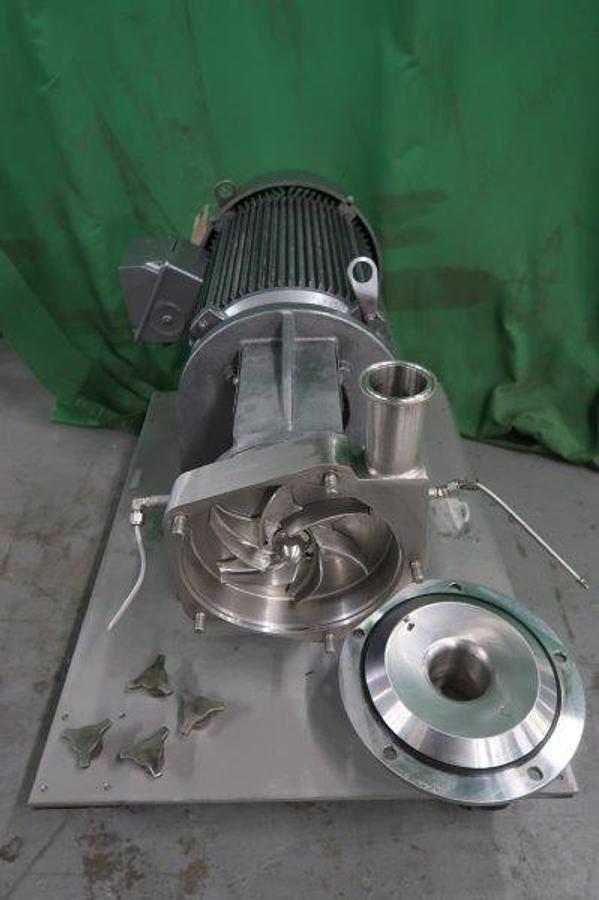
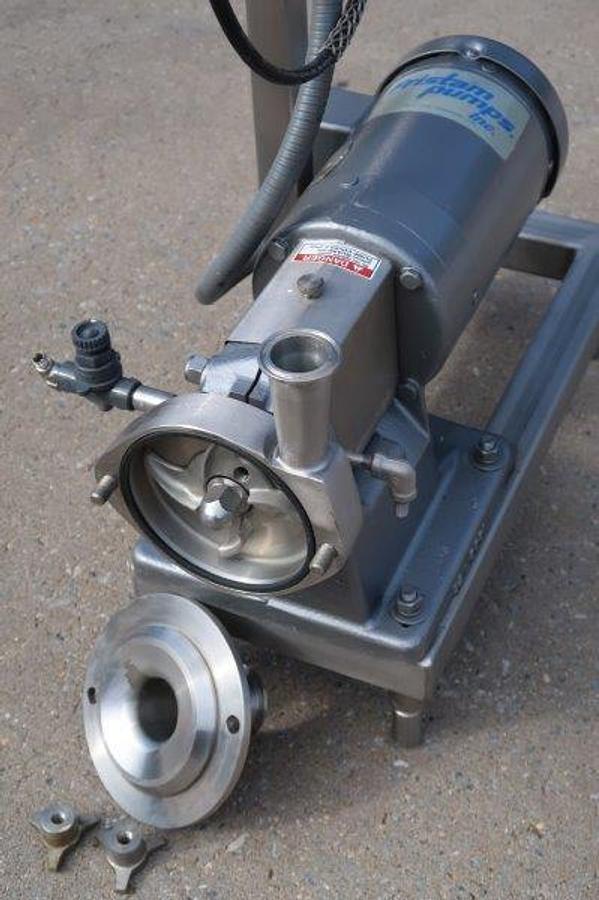
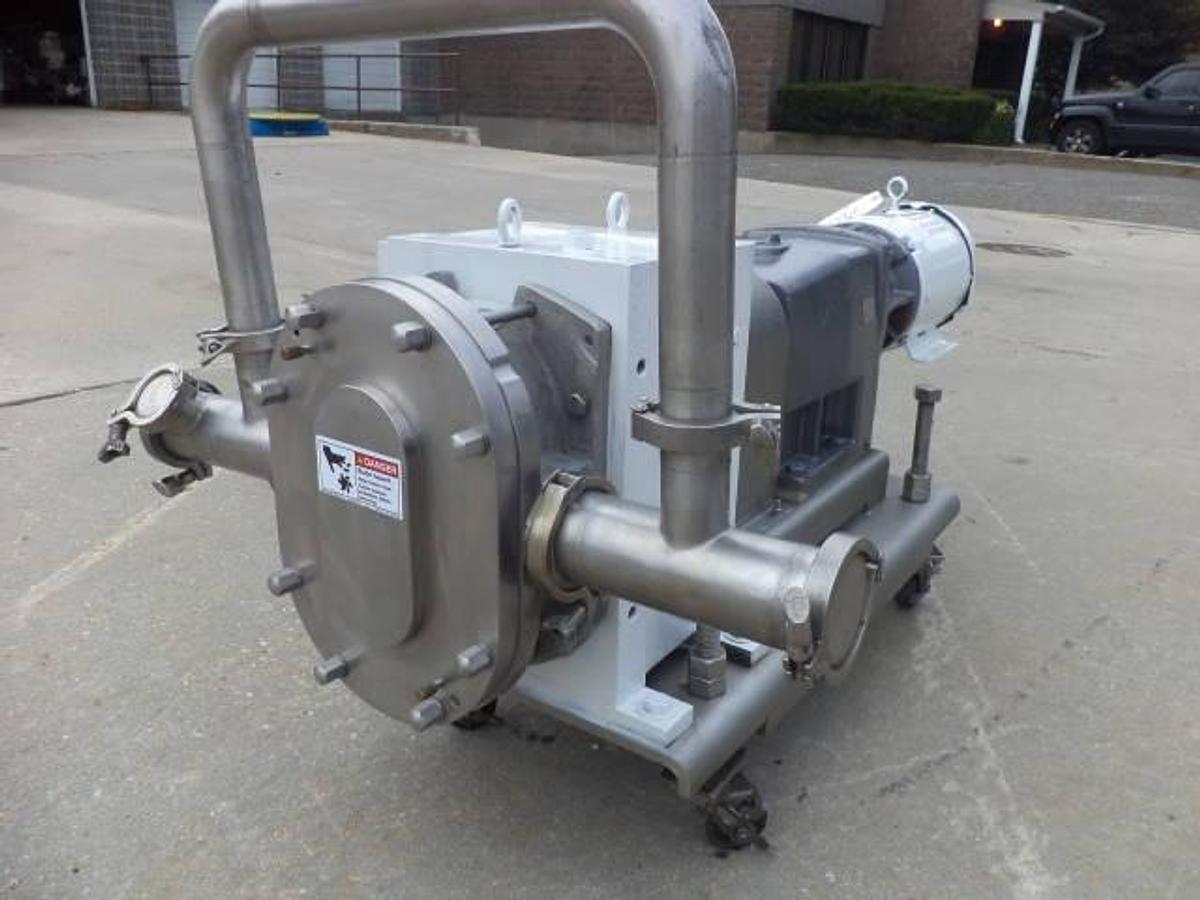
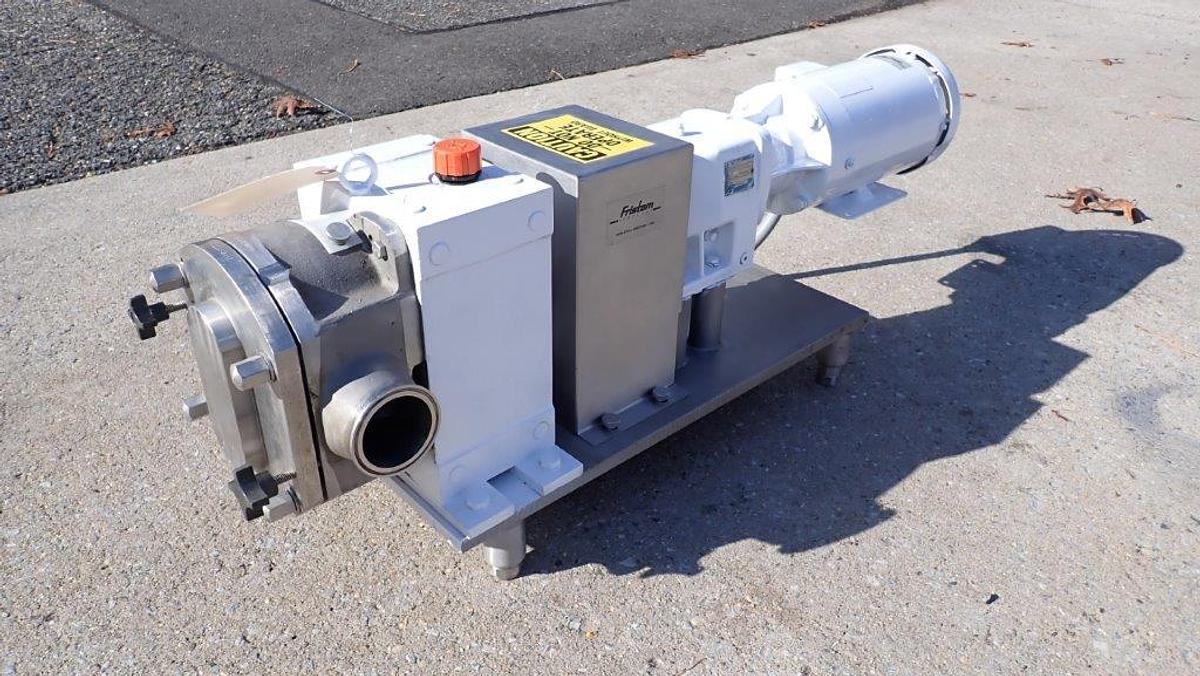
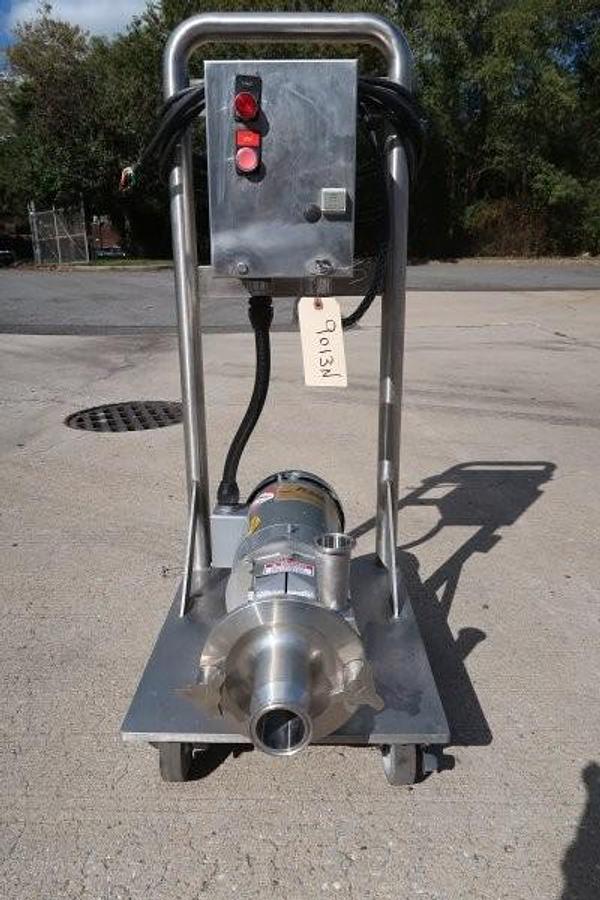
Fristam produces several distinct pump categories, and most of them show up regularly in the used equipment market. The most common are sanitary centrifugal pumps, which include the FP and FPX series, available in a range of horsepower ratings from 2 HP up through 15 HP and beyond. These are widely used for transferring liquids in food, beverage, and dairy processing lines. Positive displacement pumps, particularly the FKL lobe pump series (such as the FKL15, FKL50, FKL75, and FKL150), are also frequently available used and are favored for applications requiring precise flow metering or handling of viscous products.
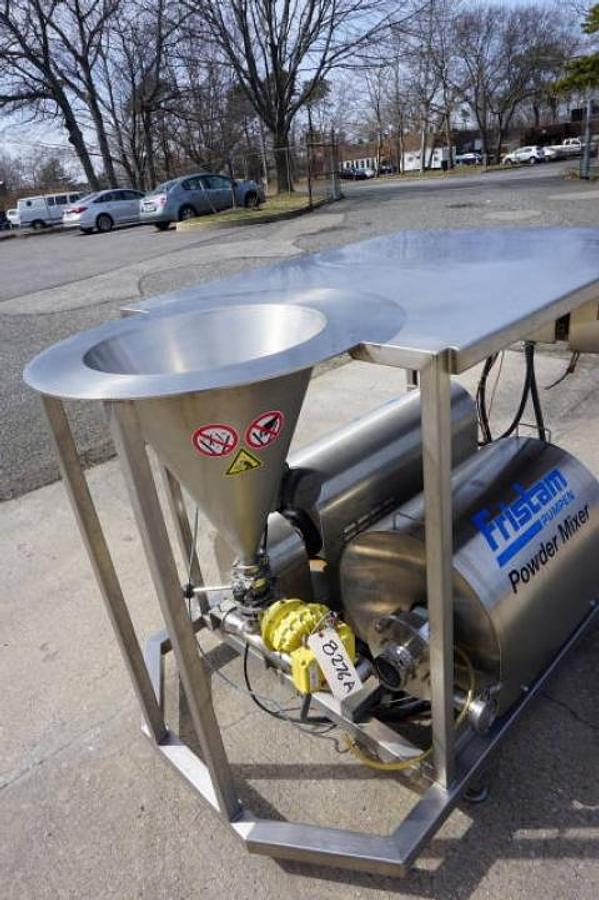
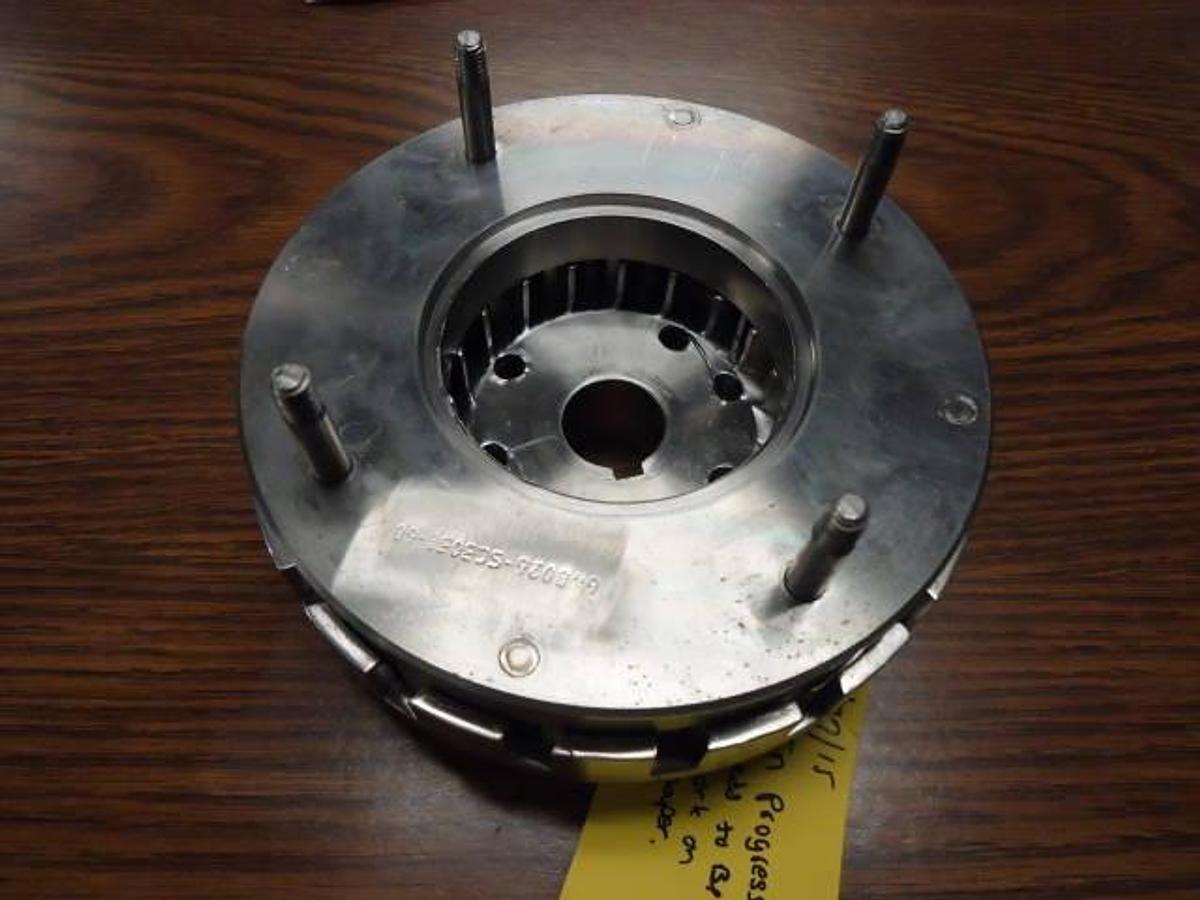
Beyond those two main categories, Fristam powder mixer systems surface on the used market as well. These are more specialized pieces of equipment designed to incorporate dry ingredients into liquid streams without clumping, and they tend to be higher-value items given their complexity. Replacement components like rotors and stators for specific models also appear for sale separately, which is useful for buyers looking to rebuild or repair equipment they already own. The variety of Fristam equipment available used reflects how broadly the brand is deployed across processing industries.
What industries use Fristam pumps?
Fristam pumps are built specifically for hygienic processing environments, which makes them a standard choice across several regulated industries. Food and beverage processing accounts for a large share of Fristam installations, including dairy operations, breweries, wineries, juice producers, and sauce or condiment manufacturers. The pumps are also heavily used in pharmaceutical and biotechnology facilities, where cleanability and material compatibility with active ingredients are non-negotiable requirements. Cosmetics and personal care product manufacturing represent another segment where Fristam equipment is commonly found.
The common thread across all these industries is the need for sanitary design. Fristam pumps are engineered to meet 3-A Sanitary Standards, which govern the design of equipment used in contact with food or drug products. This means smooth internal surfaces that resist bacterial buildup, materials that can withstand repeated CIP (clean-in-place) and SIP (steam-in-place) cycles, and seal configurations that prevent contamination. Buyers sourcing used Fristam equipment from decommissioned food or pharma plants can generally expect the pumps to have been maintained to these sanitary standards, though independent inspection is always advisable before purchase.
What materials are Fristam pump wetted parts made from?
The wetted components of Fristam pumps, meaning the parts that come into direct contact with the product being pumped, are typically constructed from 316L stainless steel. This grade of stainless is preferred over the more common 304 grade in sanitary applications because of its higher molybdenum content, which improves corrosion resistance against chlorides and the caustic cleaning chemicals used in CIP cycles. The surface finish on these components is also held to tight tolerances, often Ra 32 microinch or better, to minimize surface irregularities where bacteria could otherwise accumulate.
Elastomers used in seals and gaskets are selected for FDA compliance. EPDM (ethylene propylene diene monomer) is a common choice because it holds up well against a wide range of food-grade cleaning chemicals and is approved for contact with food products. Buna-N (nitrile rubber) is another option used in applications where oil resistance is a priority. When evaluating used Fristam pumps, it is worth checking the condition of seals and elastomers, as these are wear items that may need replacement regardless of the overall condition of the pump body. The good news is that Fristam maintains parts availability for many of its pump models, so sourcing replacement seals is generally straightforward.
What is the difference between Fristam centrifugal pumps and positive displacement pumps?
Centrifugal pumps, like the Fristam FP and FPX series, use a rotating impeller to impart velocity to the liquid, converting that velocity into pressure as the fluid exits through the volute casing. They are well-suited for high-flow, lower-viscosity applications such as transferring water, milk, juice, or beer at relatively high flow rates. Centrifugal pumps are also simpler mechanically, which generally makes them easier to clean and maintain. Their flow rate varies with system pressure, which is something process engineers factor into system design.
Positive displacement pumps, such as the Fristam FKL lobe pump series, work differently. They trap a fixed volume of fluid between rotating lobes and move it from the inlet to the outlet with each rotation, delivering a consistent flow regardless of downstream pressure. This makes them the preferred choice for metering applications, for handling viscous products like syrups, creams, or pastes, and for situations where shear-sensitive products (such as live cultures or fruit pieces) need to be moved without damage. On the used market, positive displacement pumps like the FKL series tend to command higher prices than comparably sized centrifugal pumps because of their greater mechanical complexity and the precision required in their manufacture.
Are used Fristam pumps suitable for food-grade and pharmaceutical applications?
Fristam pumps are designed from the ground up to meet the sanitary requirements of food-grade and pharmaceutical processing, so a used Fristam pump that has been properly maintained retains those design characteristics. The 316L stainless steel construction, polished internal surfaces, and FDA-compliant elastomers do not degrade simply because the pump has been in service. Many used Fristam pumps available on the market were decommissioned from operating food or pharmaceutical plants due to facility upgrades, line changes, or consolidations rather than because of any mechanical failure.
That said, buyers intending to use a pump in a regulated environment should conduct a thorough inspection before purchase. Key things to evaluate include the condition of seals and gaskets, the integrity of the internal surface finish (looking for pitting, corrosion, or scratches that could harbor bacteria), and the condition of the mechanical seal or packing. It is also worth consulting with Fristam directly to confirm parts availability and manufacturer support for the specific model and age of the pump being considered, since support levels can vary depending on how long a particular model has been in production. A reputable used equipment dealer will typically accommodate in-person or video inspections to help buyers make an informed assessment.
How do I choose the right Fristam pump model for my application?
Selecting the right pump comes down to matching the pump's performance characteristics to the demands of the process. The most important variables to define upfront are the required flow rate (typically expressed in gallons per minute), the total differential pressure the pump needs to generate, and the viscosity and temperature of the product being handled. For thin, water-like liquids at moderate pressures and high flow rates, a centrifugal pump like the FPX series is usually the right fit. For viscous products, precise dosing, or shear-sensitive materials, a positive displacement lobe pump like the FKL series is the more appropriate choice.
Beyond the basic hydraulic match, buyers should also consider the port sizes relative to their existing piping, the available motor horsepower and electrical supply at the installation site, and whether the pump needs to handle CIP cycles in place. Fristam publishes performance curves for its pump models that show flow rate versus head at various impeller sizes and speeds, and these are useful tools for verifying that a specific used unit will meet process requirements. If there is any uncertainty, working with a process engineer or the equipment dealer to cross-reference the pump's nameplate data against the published specs is a practical approach before committing to a purchase.
What should I inspect when buying a used Fristam pump?
A thorough inspection of a used Fristam pump should cover both the mechanical condition and the sanitary integrity of the unit. On the mechanical side, check the impeller or lobe rotors for wear, erosion, or damage, and listen for unusual noise or vibration if the pump can be run during inspection. Inspect the mechanical seal for signs of leakage or wear, and check the bearing housing for play or roughness. The motor should be evaluated for proper amperage draw and insulation resistance if possible. Look at the pump casing and ports for any cracks, weld repairs, or corrosion that could indicate the unit was misapplied or poorly maintained.
For sanitary condition, examine the internal wetted surfaces for pitting, deep scratches, or discoloration that might indicate chemical damage or inadequate cleaning over time. Gaskets and seals are consumable items and should be budgeted for replacement regardless of apparent condition. Most reputable used equipment dealers will accommodate in-person inspections at their facility, or provide detailed video walkthroughs if travel is not practical. Some equipment may still be installed at the plant where it was last used, in which case the dealer can often arrange an inspection at the operating facility. Keep in mind that dealers generally do not have the production permits required to run actual product through the pump during a test, so performance verification under real process conditions will typically need to happen after installation.
What are typical flow rates and pressure capabilities for Fristam centrifugal pumps?
Fristam's sanitary centrifugal pump lineup covers a wide performance range to accommodate everything from small-batch specialty production to large-volume continuous processing lines. Smaller models in the 2 HP range are typically suited for flow rates in the range of 20 to 80 gallons per minute at moderate head pressures, making them appropriate for pilot-scale operations or lower-demand transfer applications. Mid-range models around 7.5 HP can handle flow rates from roughly 100 to 250 gallons per minute depending on impeller selection and system pressure. Larger units in the 15 HP and above range extend that capacity further for high-throughput production environments.
It is important to understand that centrifugal pump performance is not a fixed number but a curve. As system backpressure increases, flow rate decreases, and the relationship between the two is described by the pump's performance curve. Fristam publishes these curves for each model and impeller configuration, and they are the proper tool for verifying whether a specific pump will deliver the required flow at the actual operating pressure of the system it will be installed in. When evaluating used centrifugal pumps, confirming the impeller size installed in the unit is important since the same pump casing can be fitted with different impellers that produce meaningfully different performance characteristics.
What should buyers understand about shipping and logistics for used Fristam pumps?
Shipping costs for used pumps depend on several factors that buyers should clarify with the seller before finalizing a purchase. Smaller centrifugal pumps in the 2 to 7.5 HP range can often be palletized and shipped via standard LTL (less-than-truckload) freight, but the level of packaging matters significantly. Pumps should be properly blocked, braced, and protected to prevent damage in transit, and the cost of crating versus basic palletization will vary. Larger or heavier equipment like powder mixer systems may require specialized rigging for loading at the seller's facility and unloading at the destination, which adds to the total landed cost and should be factored into the purchase decision.
Buyers should ask the seller for a detailed breakdown of packaging, rigging, and freight costs before committing, so there are no surprises when the final invoice arrives. For international shipments, customs documentation, import duties, and compliance with destination-country regulations add another layer of complexity. It is also worth confirming the seller's process for documenting the pump's condition before shipment, including photographs or video, so that any damage that occurs in transit can be clearly distinguished from pre-existing condition. Most used equipment dealers require full payment prior to releasing equipment for shipment.
How does buying a used Fristam pump compare to purchasing a new one?
The most obvious advantage of purchasing a used Fristam pump is cost. Used units typically sell for a fraction of the price of a comparable pump purchased through a distributor, and since Fristam equipment is built to a high standard with quality materials, a well-maintained used pump can deliver many additional years of reliable service. For companies running pilot lines, replacing a failed unit quickly, or outfitting a secondary production facility without a large capital budget, the used market offers access to proven, industry-standard equipment at a much lower entry price.
The tradeoffs are worth understanding clearly. Used equipment is sold as-is, meaning there is no manufacturer coverage from the selling dealer, and the buyer takes on responsibility for verifying condition through inspection. Lead times for used equipment are typically much shorter than for manufactured-to-order equipment, which can be a significant advantage when a production line is down. Buyers should also contact Fristam directly to understand parts availability and technical support for the specific model they are considering, since older or discontinued models may have more limited support than current production units. Selecting a dealer with a strong track record in sanitary process equipment and a willingness to facilitate thorough inspections goes a long way toward reducing the risk inherent in any used equipment purchase.