Category
Manufacturer
Model
Foodesign
Foodesign provides packaging solutions for the food industry, specializing in custom designs that enhance product appeal. They are known for their innovative packaging machinery that meets diverse customer needs.
FAQ:
What types of packaging machinery does Foodesign manufacture?
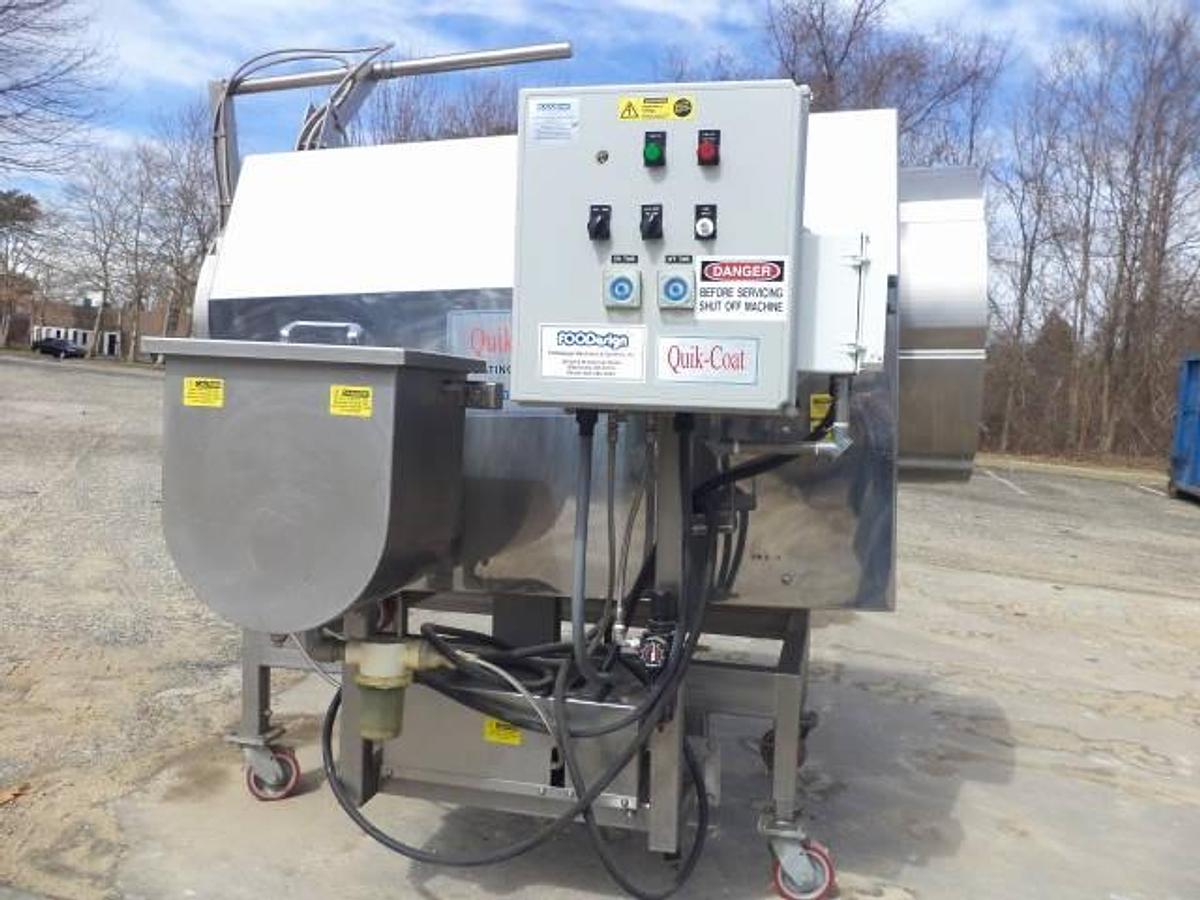
Foodesign Corporation is a U.S.-based manufacturer focused on food packaging and processing equipment. The company is particularly well known for tray sealing, modified atmosphere packaging (MAP), and vacuum skin packaging (VSP) machinery, all of which are designed for high-volume commercial food production. Their equipment is used across meat, poultry, seafood, and produce processing operations where shelf life extension and product presentation are priorities. Beyond sealing and atmosphere packaging, Foodesign also produces coating and seasoning equipment. The Foodesign "Quik-Coat" coating drum and seasoner, for example, is built entirely from stainless steel and is designed for applying coatings, seasonings, or glazes to food products in a continuous production environment. Nut frying lines with integrated tunnel and coating systems are another example of the specialized processing machinery Foodesign has produced. This range reflects the company's focus on custom-engineered solutions that address specific food handling and packaging challenges rather than offering purely off-the-shelf equipment.
What industries use Foodesign packaging equipment?
Foodesign packaging machinery is built specifically for the food industry, with the strongest presence in meat, poultry, seafood, and fresh produce processing. These sectors rely heavily on tray sealing and modified atmosphere packaging to slow spoilage, maintain product appearance, and meet retail presentation standards. Because the equipment is designed for food-grade environments, it is also well suited to snack food production, nut processing, and other value-added food manufacturing operations where coating, seasoning, or portioning steps are part of the line.
The machinery is engineered for mid-to-large scale commercial and industrial food processors rather than small-batch or artisan operations. Facilities running high daily throughput, whether in a packing house, a co-packer setting, or a large food manufacturing plant, are the typical end users. The stainless steel construction found across many Foodesign models is a direct response to the sanitation demands of these environments, where equipment must withstand frequent washdowns and comply with strict food safety hygiene standards.
What should buyers know about purchasing used Foodesign packaging machinery?
Buying used Foodesign packaging equipment is a practical way to access industrial-grade food processing machinery at a fraction of the cost of purchasing it through other channels. That said, used equipment is sold as-is, which places the responsibility of due diligence squarely on the buyer. Unlike purchasing directly from a manufacturer, used machinery transactions do not typically come with manufacturer warranties. Buyers should focus on selecting reputable dealers with a long track record of selling food processing and packaging equipment, since industry specialization matters when it comes to accurate machine descriptions and honest condition assessments.
Before committing to a purchase, buyers should request an inspection, either in person, via video call, or through detailed video footage of the machine in its current state. Some machines may still be installed and running at a production facility, which can allow for a live demonstration. Others may be decommissioned and in storage. It is also worth contacting Foodesign directly to understand what level of parts availability and technical support can be expected for the specific model and age of machine being considered, since older models may have limited manufacturer support regardless of the seller.
What is modified atmosphere packaging (MAP) and why is Foodesign equipment used for it?
Modified atmosphere packaging is a preservation technique where the air inside a sealed food package is replaced with a controlled gas mixture, typically a combination of carbon dioxide, nitrogen, and oxygen, calibrated to slow the growth of bacteria and oxidation. The result is a significantly extended shelf life compared to standard air packaging, which makes MAP a standard practice in retail meat, poultry, seafood, and produce departments. The gas composition used varies depending on the product, since red meat requires a different atmosphere than fresh fish or cut vegetables.
Foodesign tray sealing and packaging machinery is engineered to handle MAP applications at commercial production speeds. The equipment creates a consistent, airtight seal around the tray while injecting or flushing the correct gas atmosphere before sealing. For food processors supplying grocery chains or food service distributors, this capability is not optional. It is a baseline requirement for meeting shelf life specifications and reducing shrink from spoilage. Used Foodesign MAP equipment can be a cost-effective way for a processor to add or expand this capability without the lead times and capital outlay associated with sourcing machinery through other channels.
How does vacuum skin packaging (VSP) differ from standard tray sealing, and does Foodesign make VSP equipment?
Standard tray sealing places a lidding film over a filled tray and heat-seals it to the tray flange, sometimes with a modified gas atmosphere inside. Vacuum skin packaging takes a different approach. In VSP, a heated film is draped directly over the product and conforms tightly to its shape, essentially shrink-wrapping the item to the tray or substrate beneath it. This creates a tight, second-skin appearance that is visually appealing at retail and provides excellent oxygen barrier properties, which further extends shelf life. VSP is widely used for premium cuts of meat, seafood, and cheese.
Foodesign has produced machinery capable of VSP applications, which is one reason the brand is recognized in high-end food retail packaging. The tight film conformity requires precise temperature control and specific tooling, so VSP equipment tends to be more technically demanding than basic tray sealers. When evaluating used Foodesign VSP machinery, buyers should pay particular attention to the condition of the heating elements, the tooling and dies, and the film feed system, as these components see significant wear in production and directly affect seal quality and film presentation.
What is a Foodesign Quik-Coat seasoner and what is it used for?
The Foodesign Quik-Coat is a rotating coating drum and seasoner built entirely from stainless steel. It is designed to apply dry seasonings, coatings, glazes, or other topical ingredients to food products as they tumble through the drum in a continuous flow. The rotating drum action ensures even coverage across all surfaces of the product, which is critical for consistent flavor and appearance in snack foods, coated nuts, seasoned proteins, and similar products. The all-stainless construction makes it suitable for wet or dry ingredients and simplifies sanitation between production runs.
This type of equipment is commonly found in snack food manufacturing, nut processing, and value-added meat or poultry operations where a coating step is part of the production line. Used Quik-Coat units appear periodically on the secondary market and can represent strong value for processors looking to add a seasoning or coating step without building out a full custom line. Buyers evaluating a used unit should inspect the drum interior for wear or pitting, check the drive system and bearings, and confirm that the inlet and outlet configurations are compatible with their existing line layout.
What does a Foodesign nut frying line typically consist of?
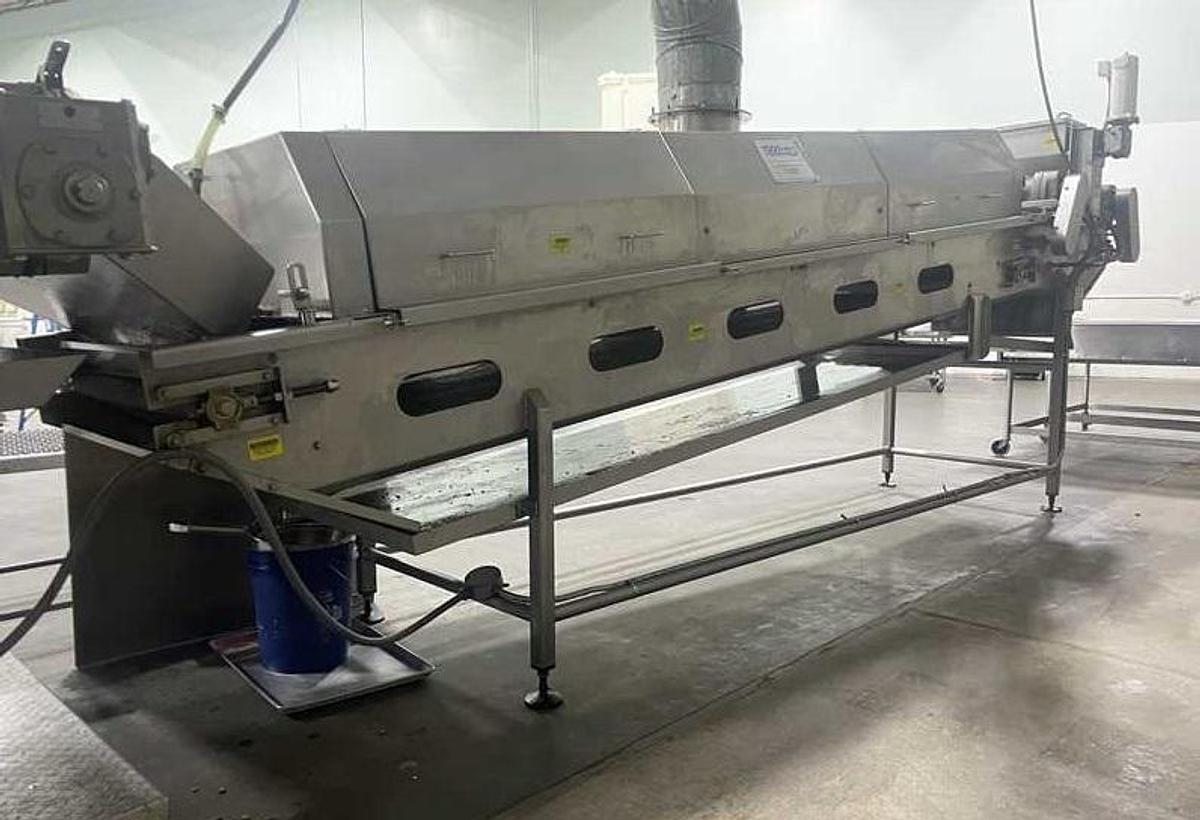
A Foodesign nut frying line is a multi-component system designed to fry nuts at commercial production volumes in a continuous process. A complete line typically includes a fryer section, a tunnel for draining and cooling the product after frying, and a coating or seasoning drum that applies flavoring immediately after frying while the product is still warm enough to absorb the coating. The integrated design keeps the product moving through each stage without manual handling, which supports consistent output and reduces labor requirements.
These lines are built for food-grade industrial environments, with stainless steel contact surfaces and designs that accommodate the washdown procedures common in food plants. For a processor looking to enter the value-added nut market or expand existing capacity, a used Foodesign frying line can be a practical option. Because these systems involve multiple interconnected components, buyers should verify that all sections of the line are present and accounted for, assess the condition of the fryer heating elements and oil management components, and confirm that the tunnel and coater are mechanically sound before finalizing a purchase.
How should buyers inspect used Foodesign packaging machinery before purchasing?
Inspections are a critical step when buying any used packaging equipment, and Foodesign machinery is no exception. Reputable dealers will typically offer buyers the option to inspect equipment in person at the dealer's facility, or in some cases at the plant where the machine was in production. When an in-person visit is not feasible, video inspections conducted live via video call or through detailed pre-recorded footage are a reasonable alternative. The goal is to get an accurate picture of the machine's current mechanical condition, including the state of wear parts, sealing components, drive systems, and any tooling or dies that come with the unit.
One important limitation to keep in mind is that most used equipment dealers are not permitted to run actual food production at their facilities, since that requires separate permitting and food safety certifications. This means a live test with actual product is rarely possible at a dealer's warehouse. Buyers should focus instead on confirming that the machine powers on, that mechanical functions operate correctly, and that major components show no signs of significant damage or excessive wear. Consulting with a qualified technician or the equipment manufacturer about what to look for on a specific Foodesign model can help buyers ask the right questions during the inspection process.
What are the typical shipping and logistics considerations for used Foodesign packaging machinery?
Shipping used packaging machinery involves more complexity than standard freight, and the costs can vary considerably depending on the size and weight of the equipment. Smaller units like a Quik-Coat seasoner may require basic palletization and strapping, while a complete nut frying line or a large tray sealing system will likely need custom crating to prevent damage in transit. Heavier equipment may also require professional rigging for both loading at the seller's location and unloading at the buyer's facility. These rigging services are typically an added cost on top of the freight charges.
Buyers should ask the dealer for a detailed breakdown of all costs involved before committing, including packaging, crating, rigging, freight, and any applicable fuel surcharges or liftgate fees. Getting this information upfront allows for an accurate calculation of the total landed cost of the equipment, which can differ meaningfully from the listed sale price alone. For large or complex machinery, it is also worth coordinating with a rigger or millwright at the receiving facility in advance to ensure the machine can be safely unloaded and positioned once it arrives.
What payment terms are typical when buying used packaging machinery from a dealer?
Most used equipment dealers require full payment before a machine is released for shipping. This is standard practice in the industry and applies to the majority of transactions, particularly for buyers purchasing from a dealer for the first time. Payment is generally expected by wire transfer or another cleared funds method, and dealers will typically not schedule pickup or delivery until payment has been confirmed. Buyers should factor this into their planning, especially for larger purchases that may require internal approval processes or financing arrangements.
Some dealers do offer extended payment terms or financing options to established repeat customers, though this is handled on a case-by-case basis rather than as a standard offering. Buyers who need financing for used packaging equipment may also want to explore third-party equipment financing companies that specialize in food processing machinery, as these lenders are familiar with the asset class and can sometimes move quickly on approvals. Regardless of payment method, buyers should ensure they receive clear documentation of the sale, including a description of the equipment, the agreed price, and any terms related to the condition of the machine as sold.