Category
Manufacturer
Model
Fogg
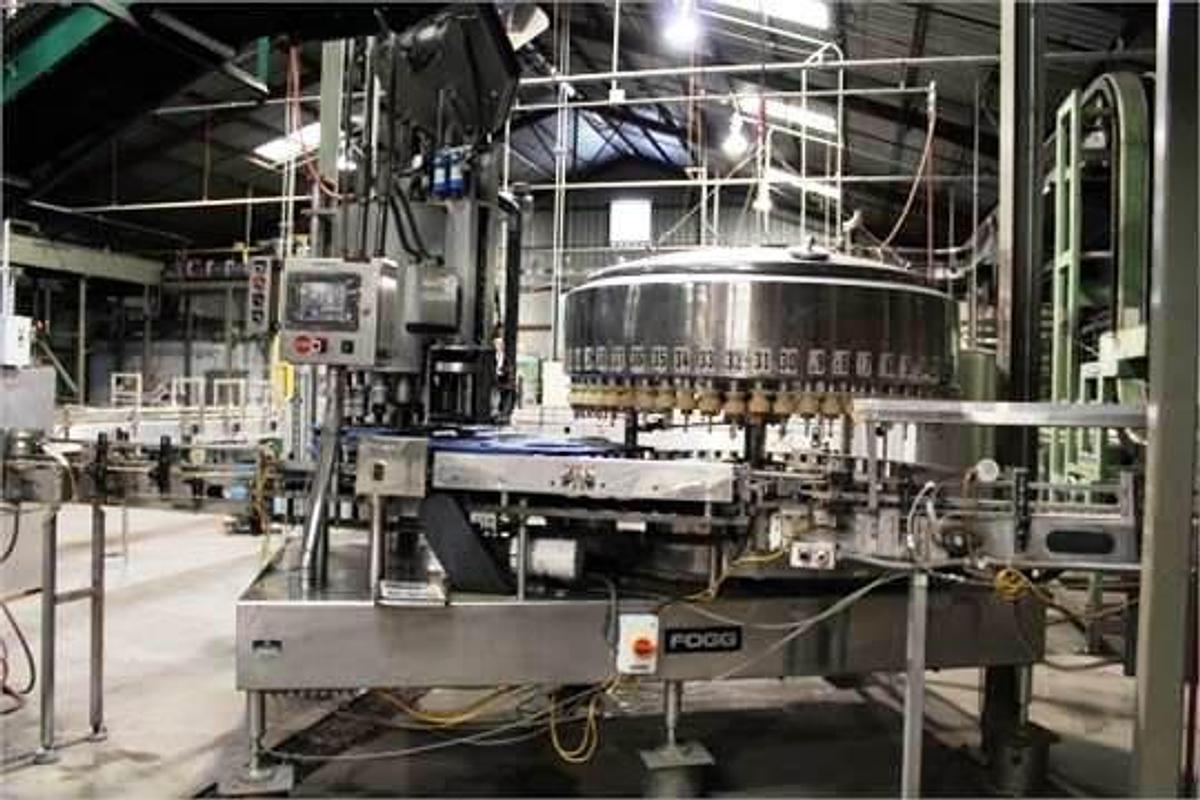
Fogg specializes in filling and packaging equipment for the beverage industry. They are particularly known for their high-speed filling machines that ensure accuracy and efficiency in production.
FAQ:
What types of products can Fogg filling machines handle?
Fogg filling machines are designed to handle a wide range of liquid and semi-liquid products across multiple industries. In the beverage sector, they are commonly used for still water, juice, carbonated soft drinks, sports drinks, and dairy products like milk and flavored beverages. Beyond beverages, Fogg fillers are also used for food products such as sauces, condiments, and dressings, as well as liquid personal care items including shampoos, conditioners, and lotions.
The specific product compatibility of any given machine depends on the valve configuration, filling head design, and materials of construction. Stainless steel construction is standard on most Fogg equipment, which makes sanitation and product changeovers more manageable. Buyers sourcing used Fogg equipment should confirm the valve type and any product contact materials with the dealer before purchasing, since certain configurations are better suited to thin, free-flowing liquids while others are designed for more viscous or foamy products. Reviewing the machine's specifications carefully against your intended application is an important step in the selection process.
What fill speed and output capacity do Fogg fillers typically offer?
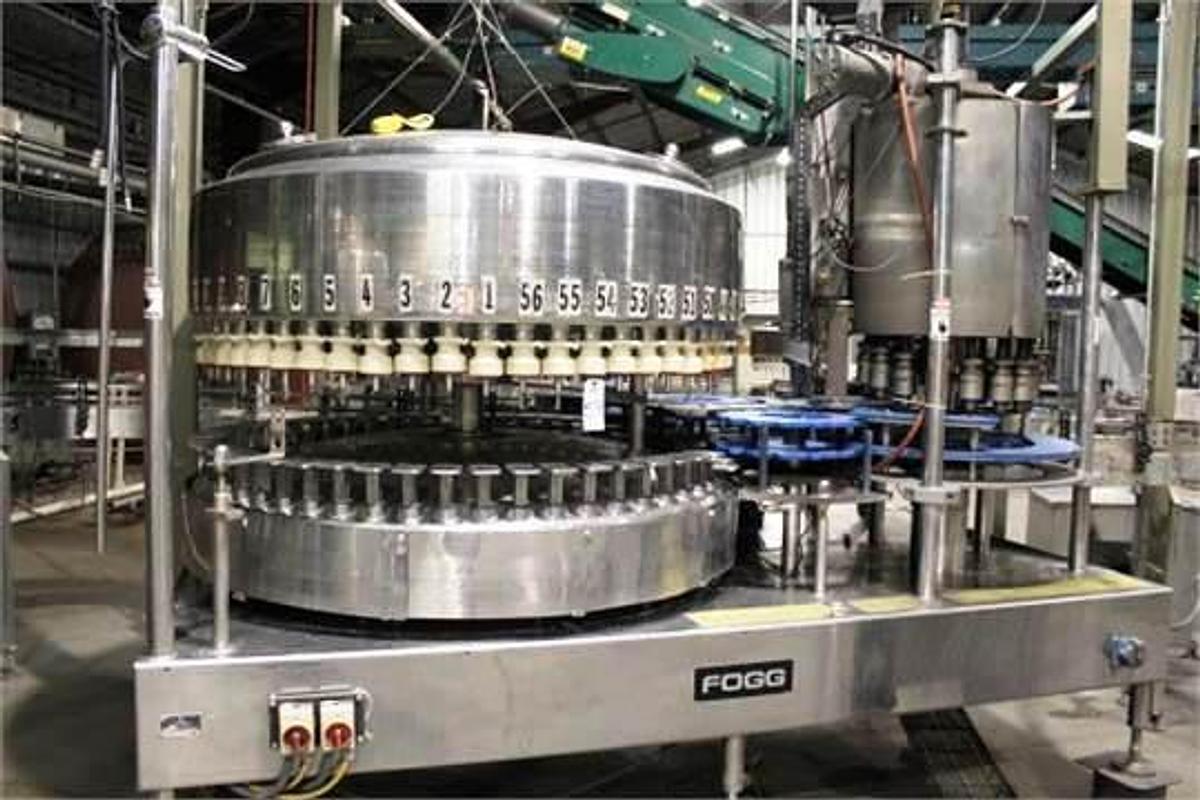
Fogg filling machines are built for high-speed production environments and are particularly well regarded for their throughput capabilities. Output capacity varies significantly depending on the number of filling valves, the container size being filled, and the specific model. Machines with 12 to 18 valves are generally suited to mid-range production volumes, while larger configurations with 54 or 56 valves are designed for high-volume bottling lines that may run tens of thousands of containers per hour.
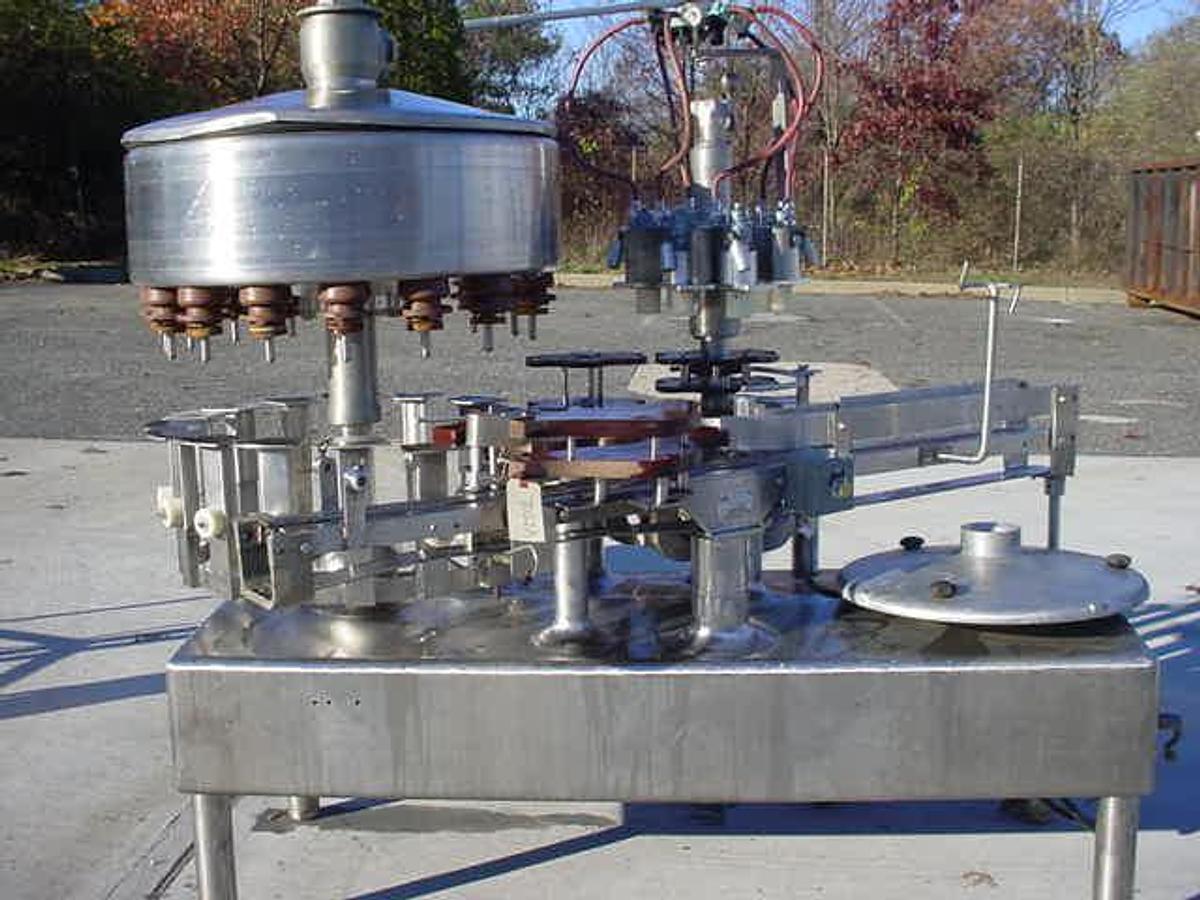
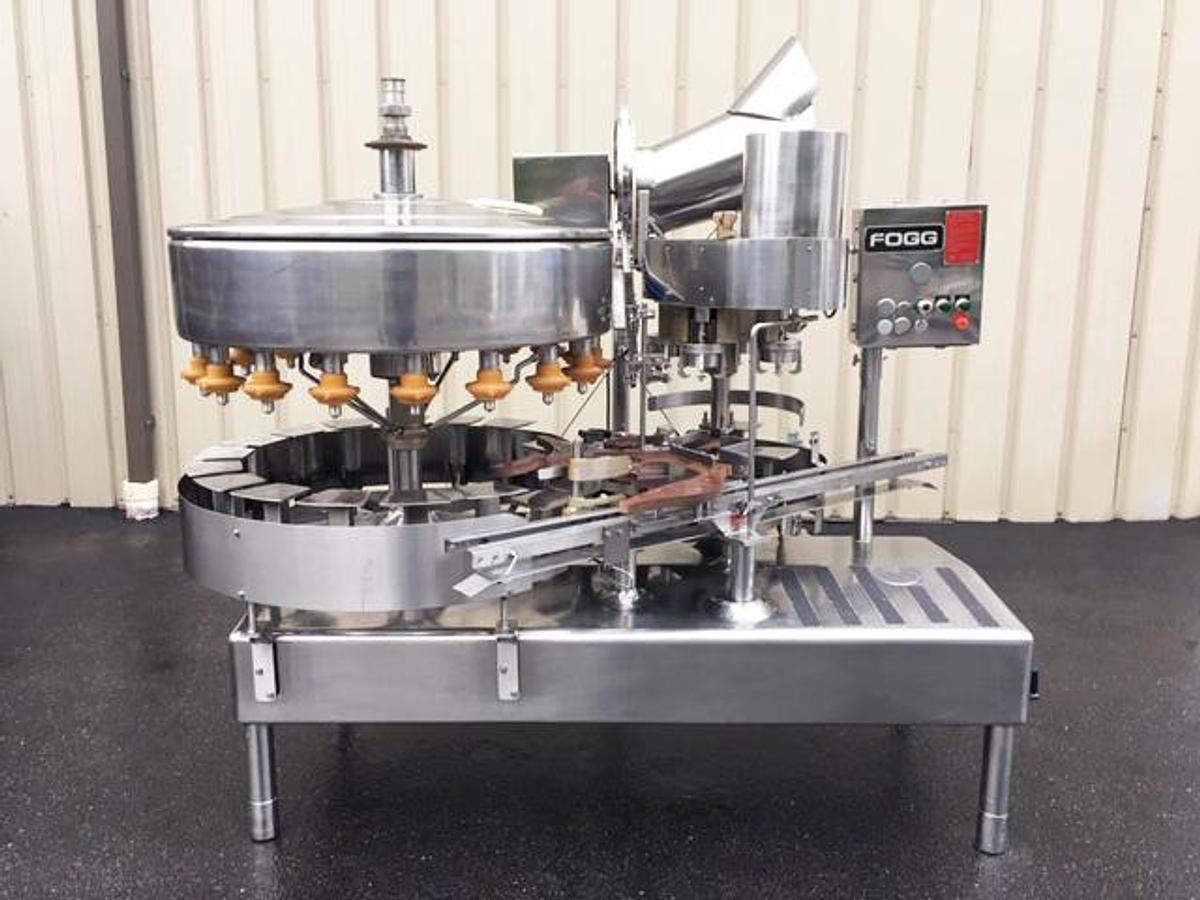
For context, the used Fogg equipment available on the market includes models such as 12-valve rotary filler/cappers, 18-valve bottle fillers paired with 4-head screw cappers, and larger 54- and 56-valve fillers combined with 16- or 18-head screw cappers. Each step up in valve count generally corresponds to a meaningful increase in bottles-per-minute output. Buyers should request detailed production specifications from the dealer and, where possible, verify the machine's last known operating speed. Since these are used machines, actual throughput at the time of purchase may differ from the manufacturer's rated capacity depending on the machine's condition and age.
What is the difference between a Fogg monoblock filler and a standalone filling machine?
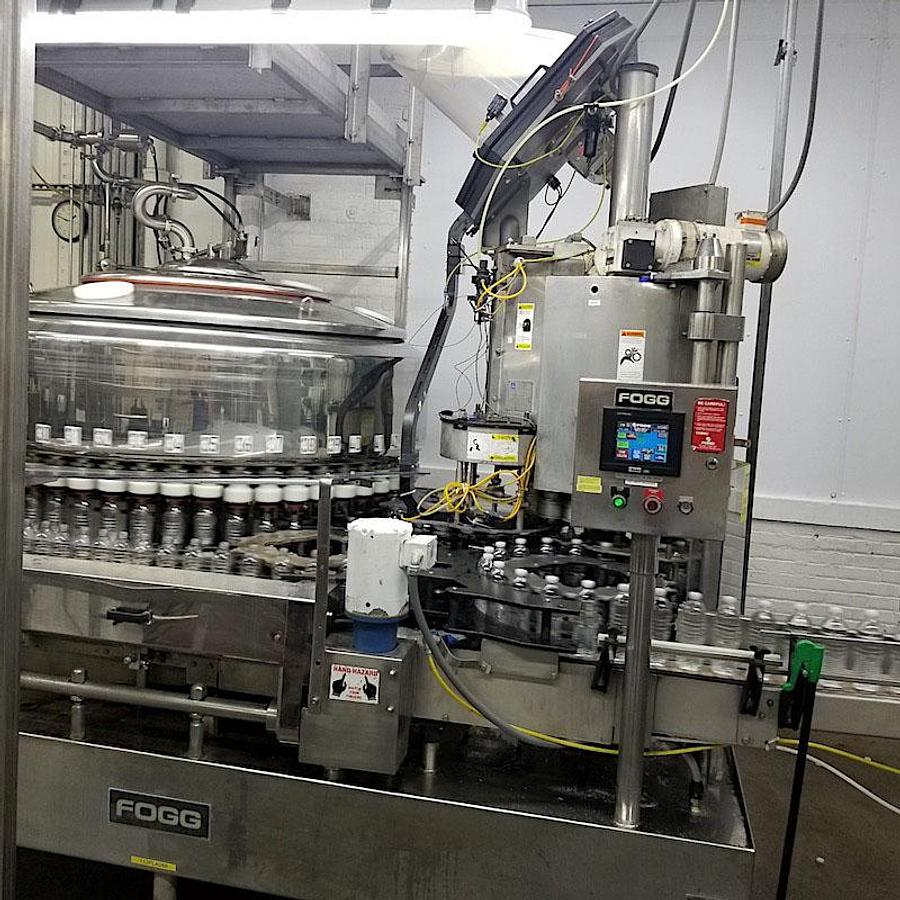
A monoblock system integrates multiple functions, typically rinsing, filling, and capping, into a single compact unit that operates as one synchronized machine. Fogg is well known in the industry for producing monoblock filler/capper combinations, where the filling carousel and capping heads are built into the same frame and driven by a shared control system. This design reduces the footprint of the overall line, minimizes the number of conveyors and transfer points between functions, and can improve overall line efficiency by keeping all critical steps tightly coordinated.
Standalone filling machines, by contrast, handle only the filling function and must be paired with separate capping, rinsing, or labeling equipment downstream. These machines can offer more flexibility when a facility already has capping equipment or needs to fill into multiple container types that require different capping systems. Several used Fogg models on the market are configured as combined filler/capper units, such as the Fogg 56 Valve Bottle Filler with Alcoa 16 Head Screw Capper or the Fogg 12-4 Rotary Filler/Capper. Buyers should evaluate their existing line layout and production requirements to determine which configuration makes the most sense for their operation.
What industries commonly use Fogg filling equipment?
Fogg filling equipment has found broad adoption across several industries where high-speed, accurate liquid filling is a production priority. The beverage industry is the most prominent user, with applications spanning bottled water, juices, carbonated beverages, sports drinks, ready-to-drink teas, and dairy products. The machines are built to handle the sanitation standards and production volumes that beverage manufacturers require, and their rotary design makes them well suited to continuous, high-throughput bottling environments.
Beyond beverages, Fogg equipment is used in food manufacturing for products like sauces, condiments, and liquid flavorings, as well as in the personal care and household products sector for items such as shampoos, body washes, and cleaning solutions. This cross-industry versatility is one reason the used market for Fogg machines remains active. Smaller and mid-size operations in any of these sectors often turn to used Fogg equipment as a cost-effective way to access proven, high-quality filling technology without the lead times and capital costs associated with purchasing comparable equipment.
What should buyers know about purchasing used Fogg filling equipment?
Buying used filling equipment requires a more careful evaluation process than purchasing comparable equipment directly from a manufacturer. Since used machines are sold as-is, the responsibility for assessing condition falls squarely on the buyer. Key factors to investigate include the machine's age, the number of production hours it has logged, the condition of filling valves and seals, the state of the drive components, and whether the control system is still functional and supported. Requesting detailed photos, video footage, or an in-person inspection are all reasonable steps before committing to a purchase.
It is also worth contacting Fogg directly to understand what level of technical support and parts availability exists for the specific model and age of machine you are considering. Older models may have limited parts availability, while more recent used machines are more likely to have manufacturer support still accessible. Selecting a dealer who specializes in packaging and bottling equipment, rather than a general industrial surplus seller, can make a meaningful difference in the quality of information and inspection access you receive. A reputable specialist dealer will typically have more detailed knowledge of the equipment's history and condition.
How do inspections work when buying used Fogg filling machines?
Inspections are a standard part of the used equipment buying process and are typically offered by dealers in several formats. In-person inspections allow a buyer or their technician to physically examine the machine, check mechanical components, review wear patterns, and assess the overall condition firsthand. Virtual inspections conducted via video call are a practical alternative for buyers who cannot travel, and many dealers can also provide detailed video recordings that walk through the machine's key components and, where possible, demonstrate its operation.
Some used Fogg machines may still be installed in an active production facility at the time of sale, in which case an inspection can sometimes be arranged at the plant where the equipment is currently running. This gives buyers the opportunity to see the machine operating under real production conditions, which is one of the most informative ways to assess its working order. Keep in mind that dealers typically do not have the permitting or infrastructure to run actual product through a machine at their own facility, so testing with your specific product is generally not possible. Buyers should use the inspection to focus on mechanical condition, completeness of components, and any visible signs of wear or damage.
What is the typical price range for used Fogg filling equipment?
Pricing for used Fogg filling equipment varies considerably based on the model, valve count, age, condition, and included components such as capping heads or integrated controls. Smaller rotary filler/capper units with 12 to 18 filling valves generally fall at a lower price point and are more accessible to smaller bottling operations or startups scaling up production. Larger, high-valve-count machines with 54 or 56 filling valves and multi-head capping systems represent a significantly higher investment, though still substantially less than comparable equipment purchased directly from a manufacturer.
Because these are used machines, condition plays a large role in determining value. A well-maintained machine with a documented service history and readily available replacement parts will command a higher price than a machine sold for parts or in unknown condition. Buyers should also factor in additional costs beyond the listed price, including freight, rigging, installation, and any refurbishment or parts replacement needed to bring the machine to production-ready status. Getting a clear picture of the total landed cost before finalizing a purchase helps avoid surprises and allows for a more accurate return-on-investment calculation.
Does used Fogg filling equipment come with a warranty?
Used filling equipment is generally sold on an as-is basis, which is standard practice across the used machinery industry. Warranties are typically offered only by equipment manufacturers on machines sold directly from their production facilities. When purchasing through a used equipment dealer, buyers should not expect warranty coverage, and the responsibility for evaluating the machine's condition and fitness for purpose rests with the buyer. This is why thorough pre-purchase inspections are so important.
To reduce risk when buying used Fogg equipment, buyers should prioritize dealers with a long track record in the packaging and beverage equipment space, since experienced specialists are more likely to provide accurate condition information and support a smooth transaction. It is also advisable to consult with Fogg directly about the specific model being considered, as the manufacturer can provide insight into parts availability, known service issues for that model, and the level of technical support a buyer can realistically expect. Choosing equipment that is not excessively old improves the likelihood that replacement components and manufacturer support are still accessible.
How difficult is it to find replacement parts for used Fogg filling machines?
Parts availability for Fogg filling equipment depends largely on the age and model of the machine. Fogg is an established U.S.-based manufacturer with a reputation for building durable, long-lasting equipment, and the company has historically maintained reasonable parts support for its product lines. For more recent models, parts such as filling valves, seals, gaskets, and drive components are generally accessible either directly through Fogg or through third-party suppliers who stock components for common filling equipment brands.
For older machines, parts availability can become more limited, and buyers should investigate this before purchasing. Contacting Fogg directly with the machine's model number and approximate age is a practical way to get a realistic assessment of what is and is not still available. Some buyers of older used equipment also source parts from other machines of the same model that are being sold for parts, which can be a cost-effective strategy for keeping a machine running. Working with a dealer who specializes in filling and packaging equipment can also be helpful here, as they may have knowledge of parts sources or be able to assist with locating specific components.
What should buyers expect regarding shipping and logistics for used Fogg filling equipment?
Shipping used filling equipment involves more planning and cost than standard freight, particularly for large rotary filler/capper systems. Fogg machines, especially multi-valve models, are substantial pieces of equipment that require proper packaging, whether palletized or crated, to prevent damage in transit. The level of packaging required will influence freight costs, and buyers should ask dealers for a detailed breakdown of what packaging is included in the quoted price and what may be an additional charge.
Larger machines may also require specialized rigging for loading at the dealer's location and unloading at the buyer's facility. Rigging services involve the use of forklifts, cranes, or other heavy equipment to safely move machinery, and these costs are typically separate from the freight charges. Buyers should request a full landed cost estimate from the dealer before finalizing the purchase, covering packaging, rigging, freight, and any applicable fees. Understanding these logistics costs upfront allows buyers to accurately assess the total investment and plan for receiving and installing the equipment at their facility.