Category
Manufacturer
Model
Fitzpatrick
Fitzpatrick specializes in milling and sieving equipment for the pharmaceutical and food industries. Their machines are designed for precision and efficiency, ensuring consistent particle size and quality.
FAQ:
What types of Fitzpatrick milling and sieving equipment are commonly available on the used market?
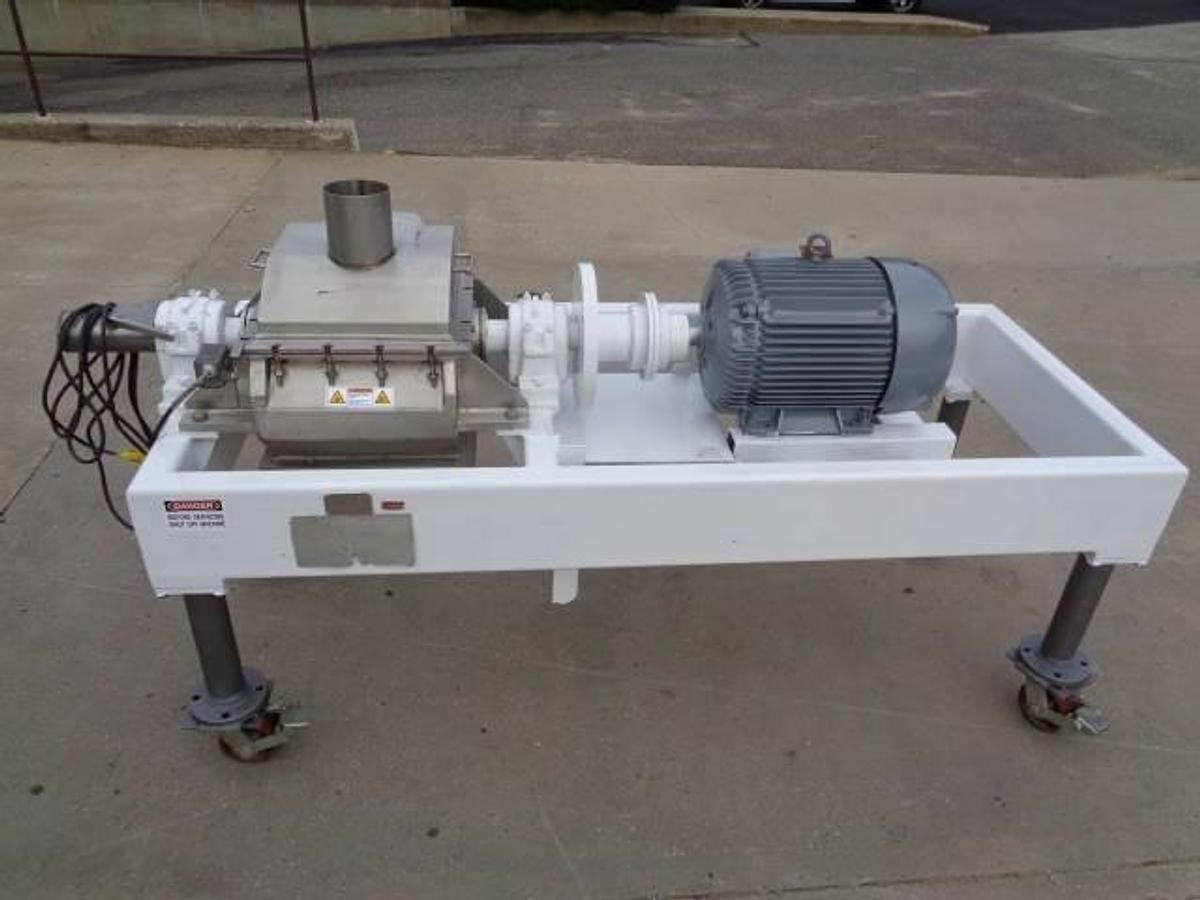
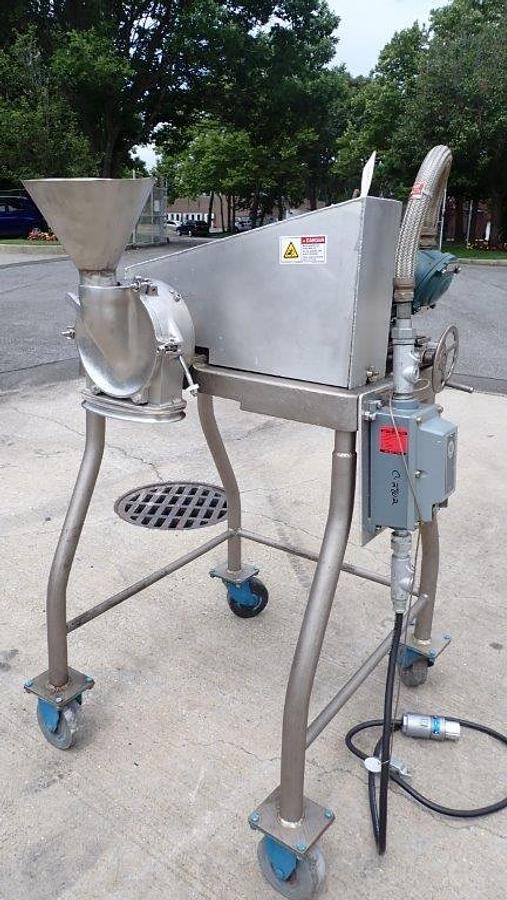
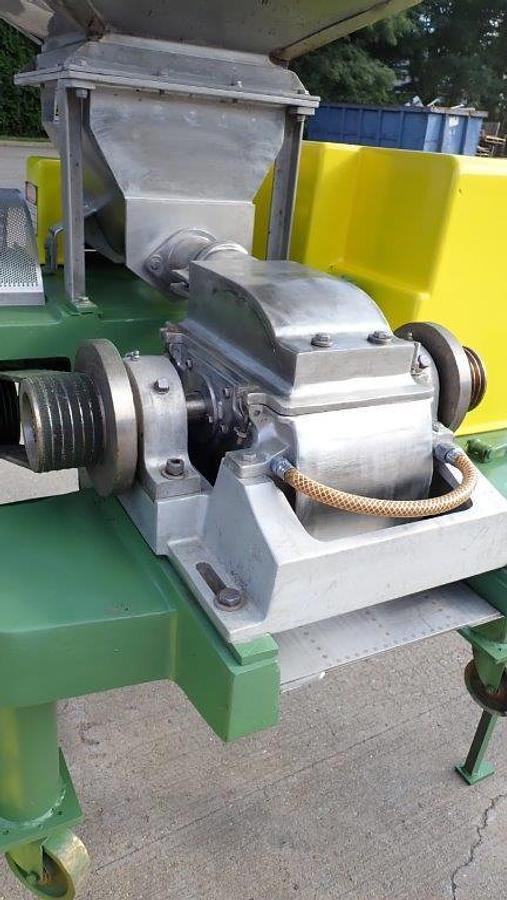
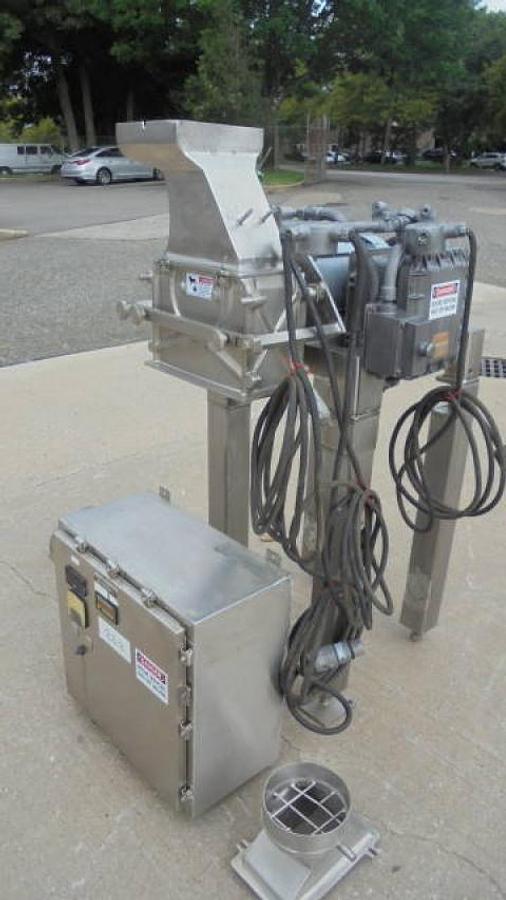
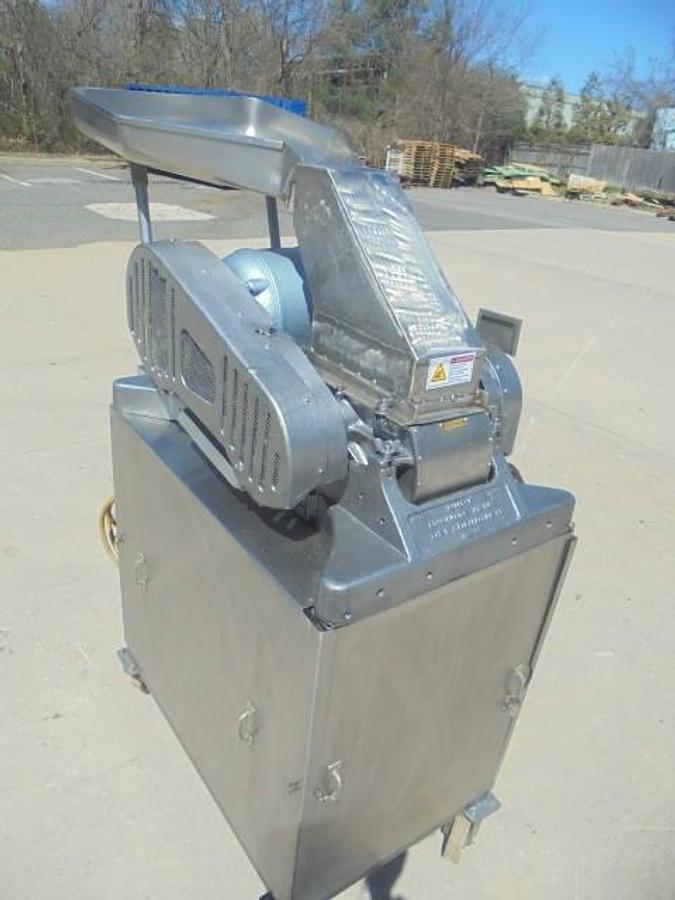
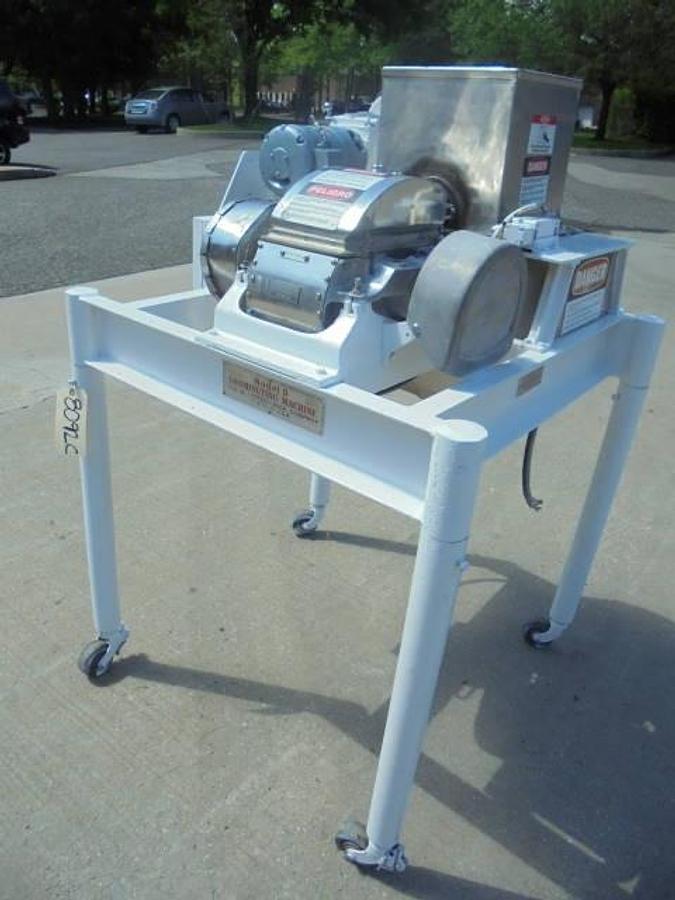
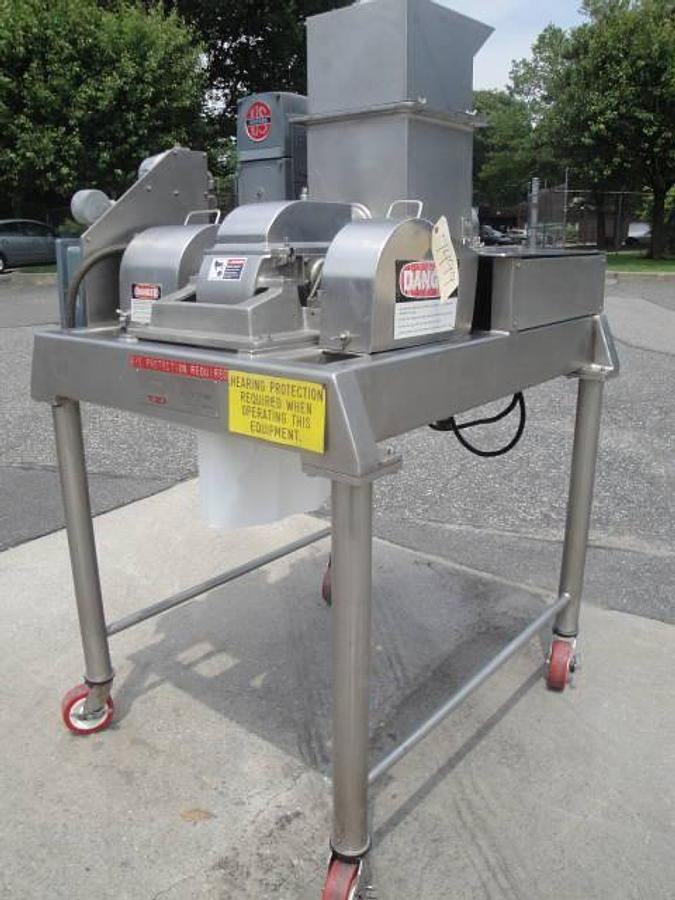
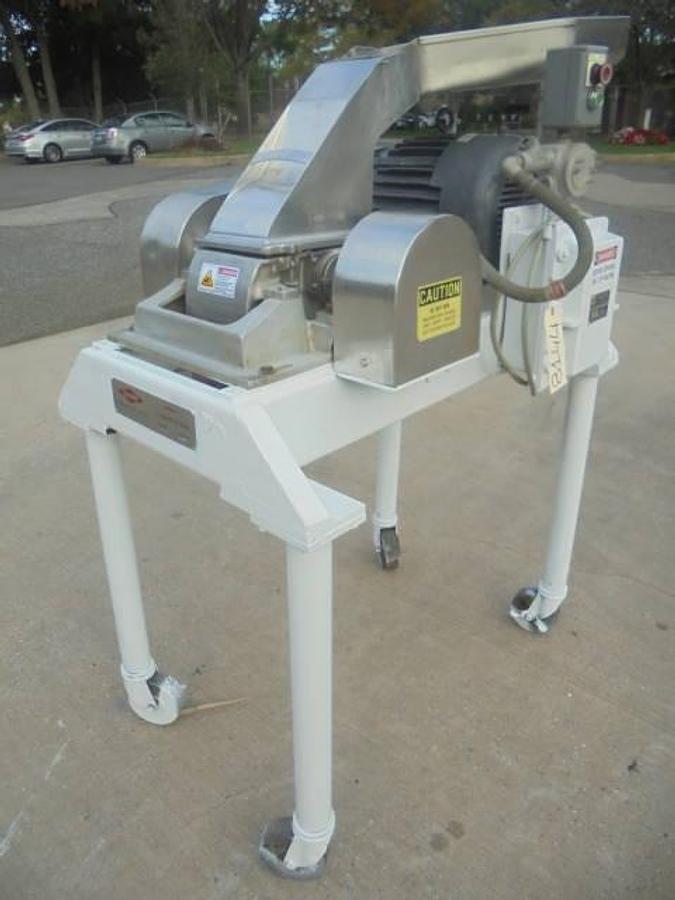
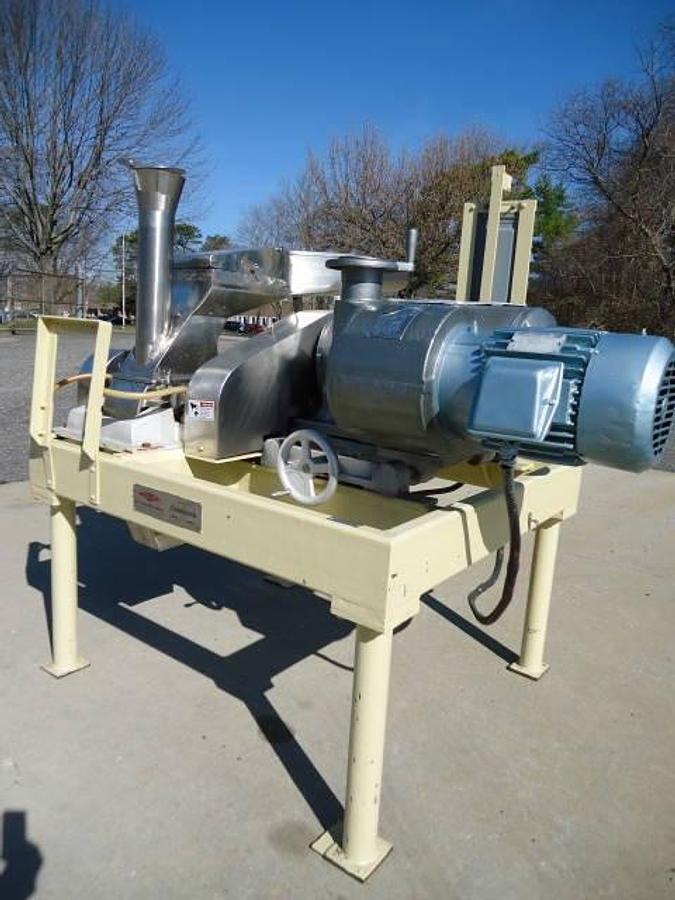
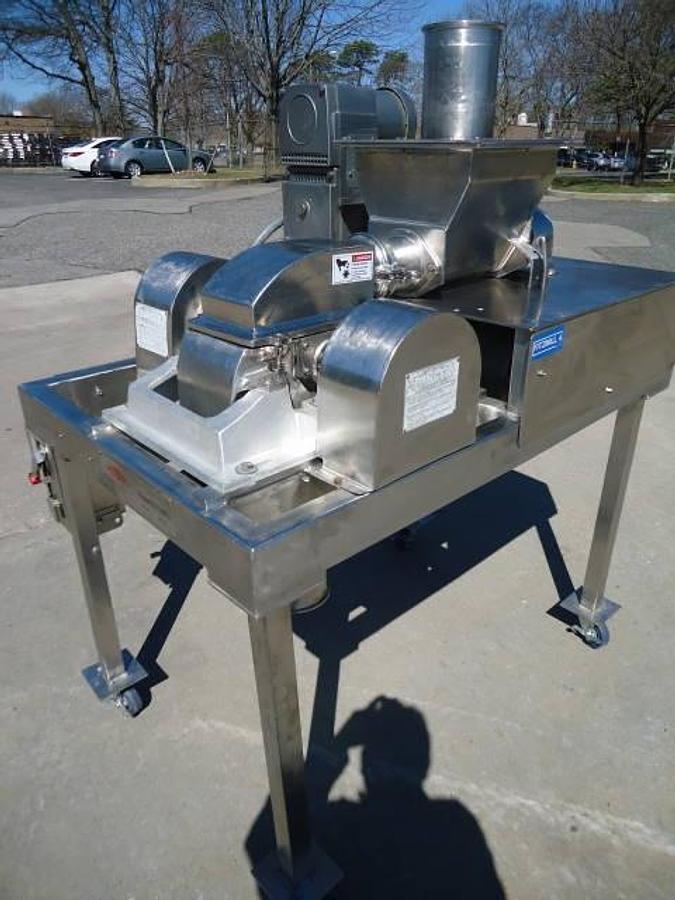
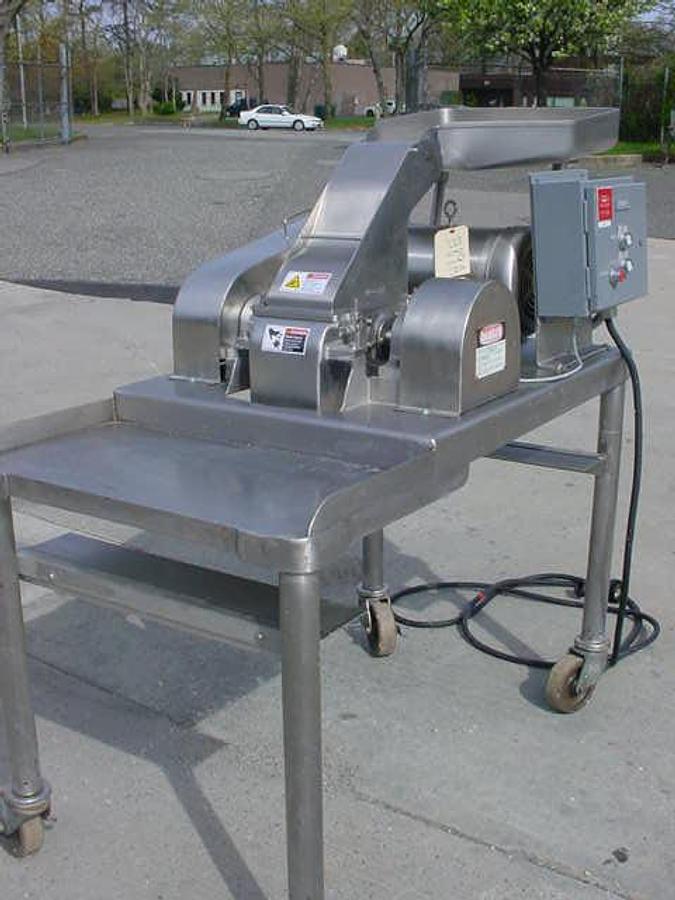
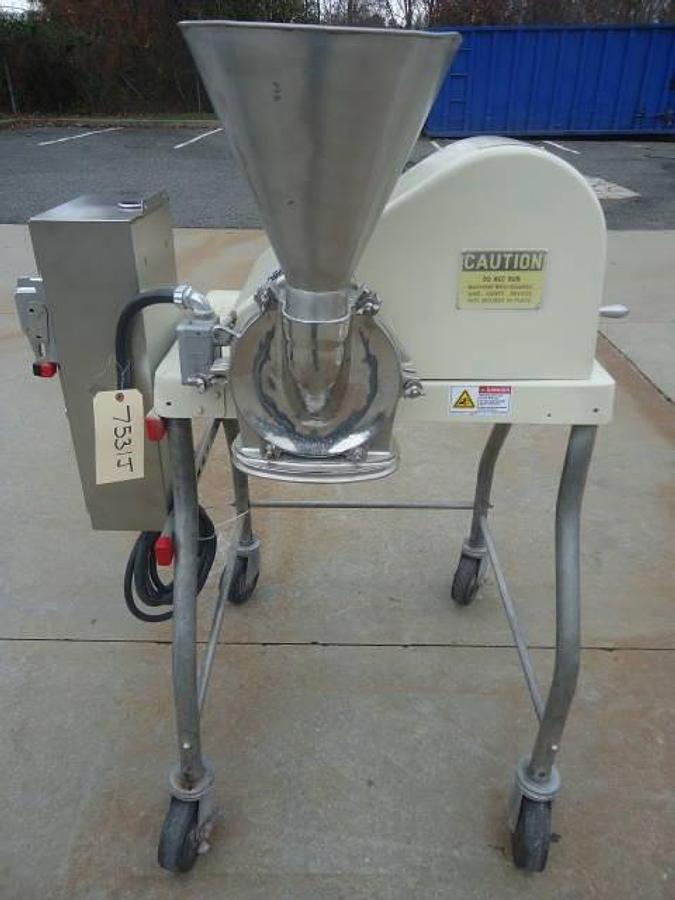
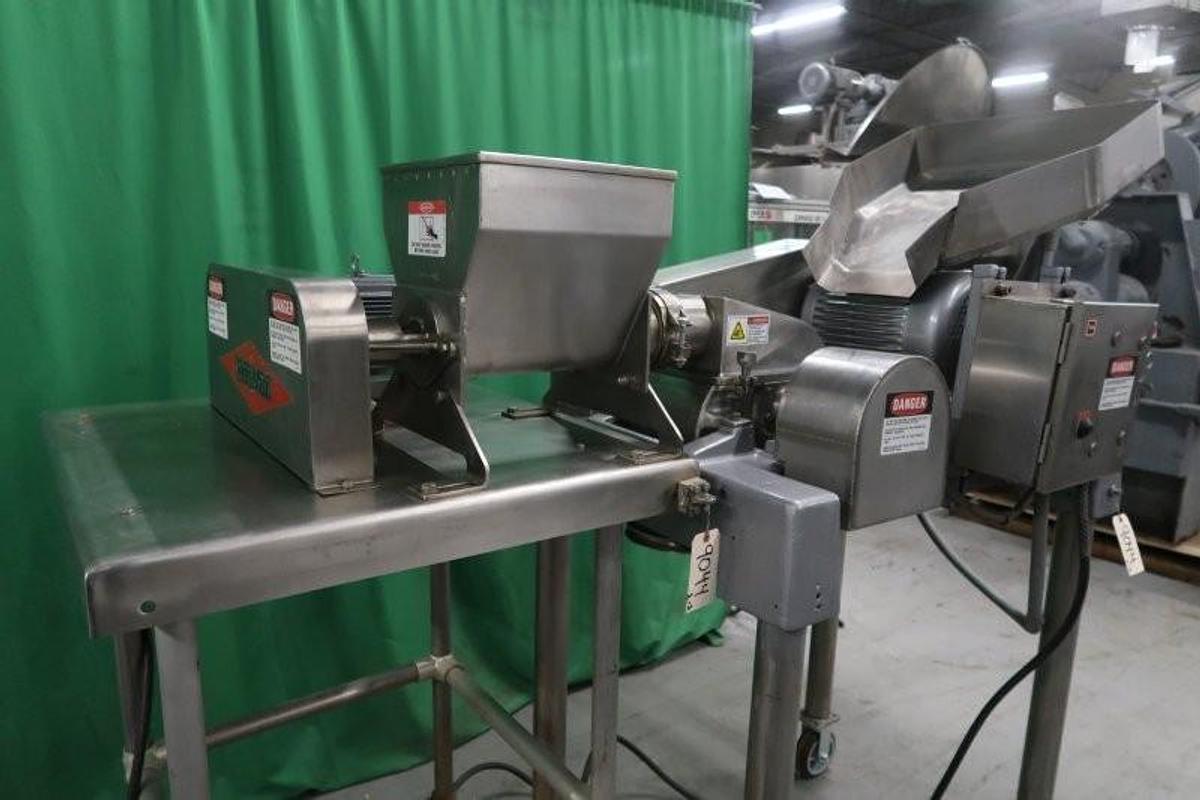
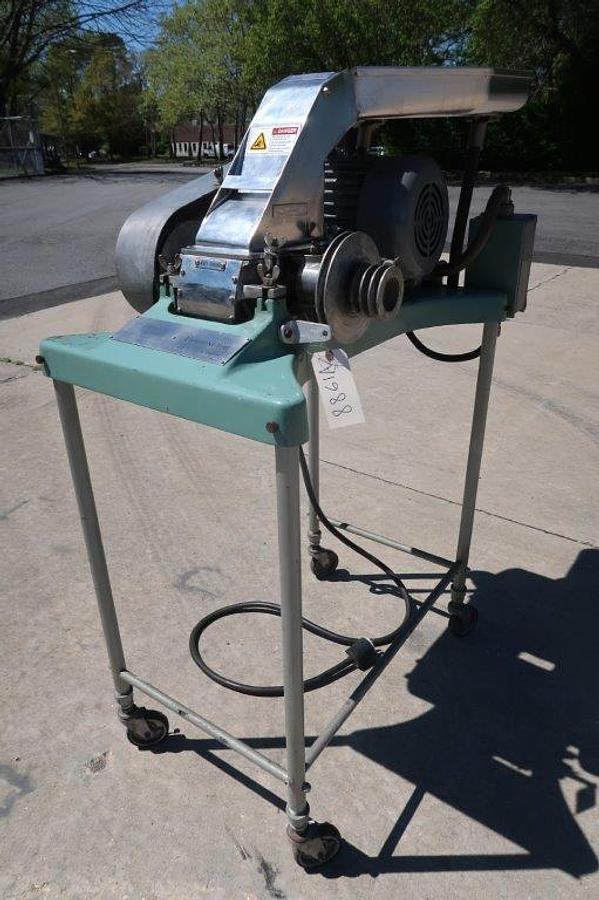
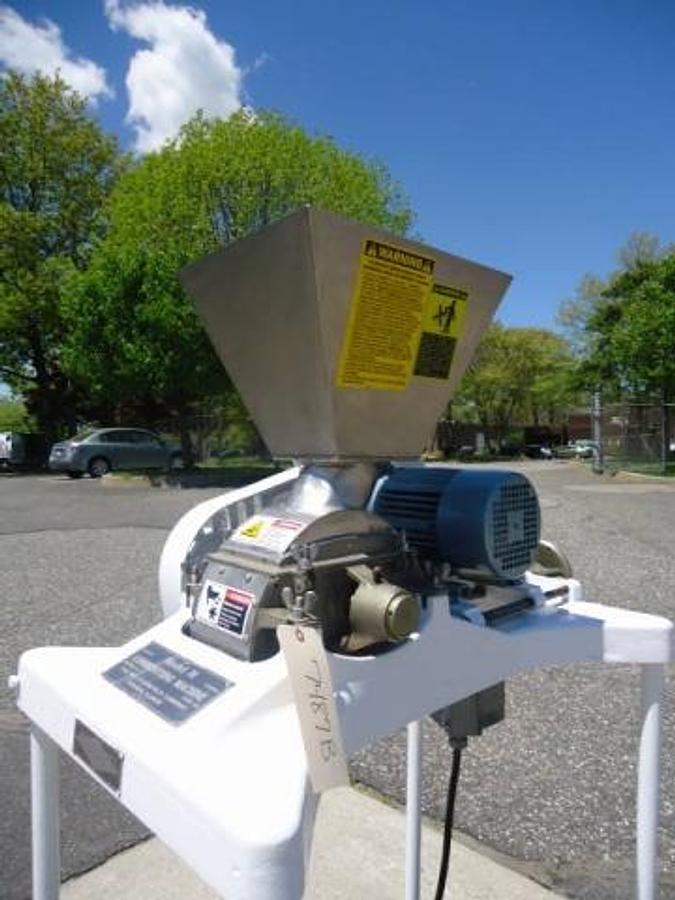
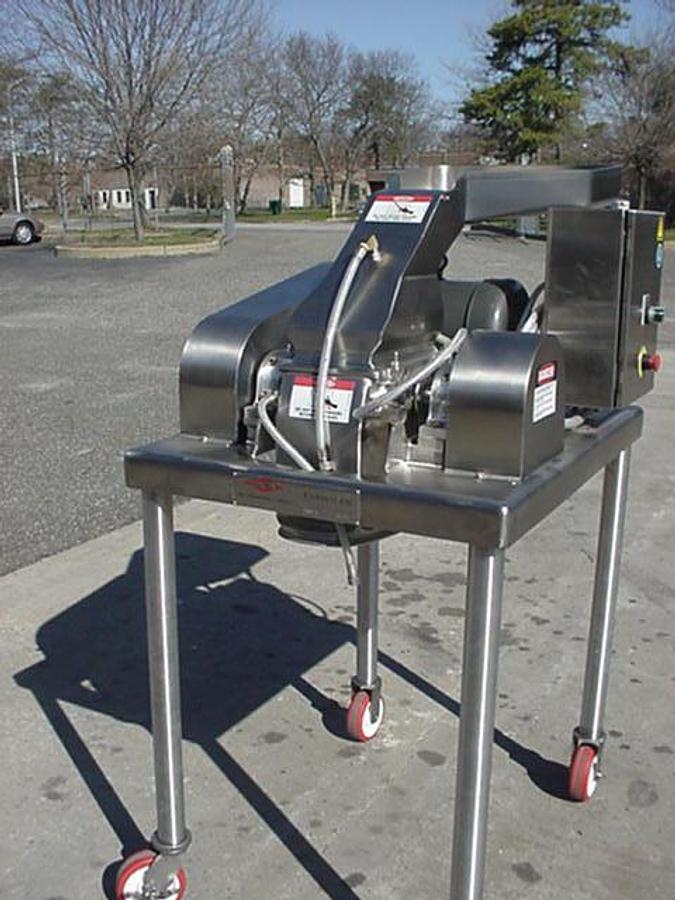
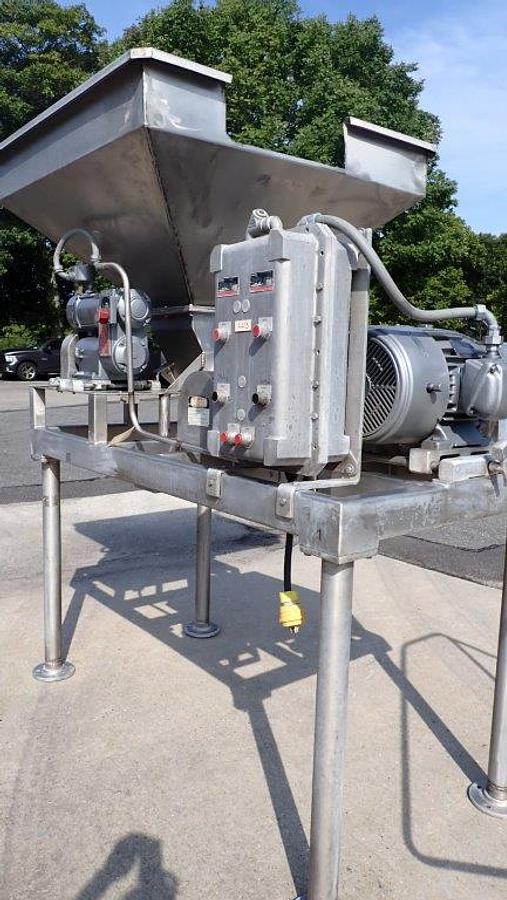
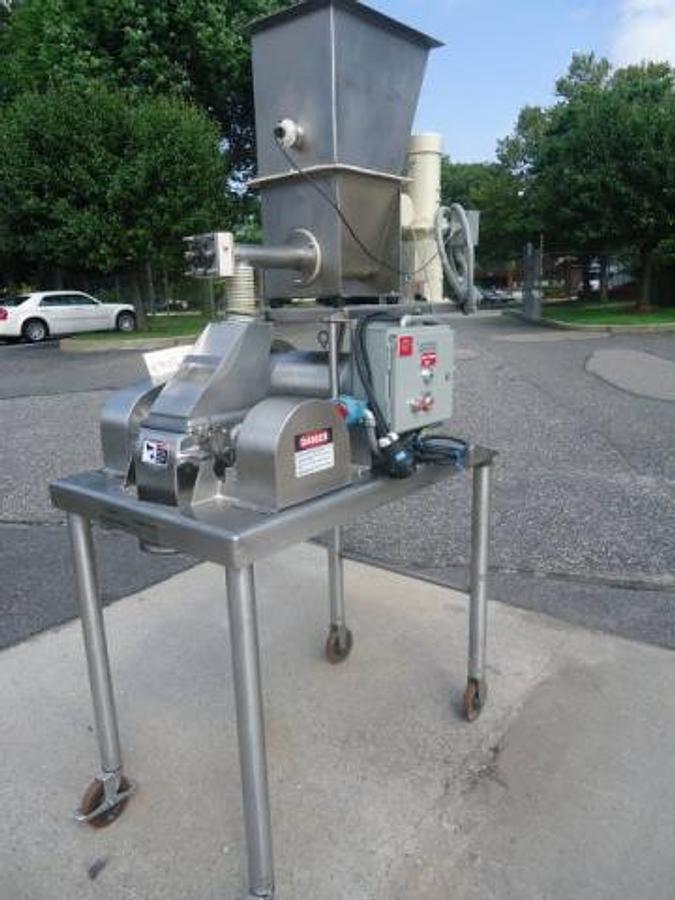
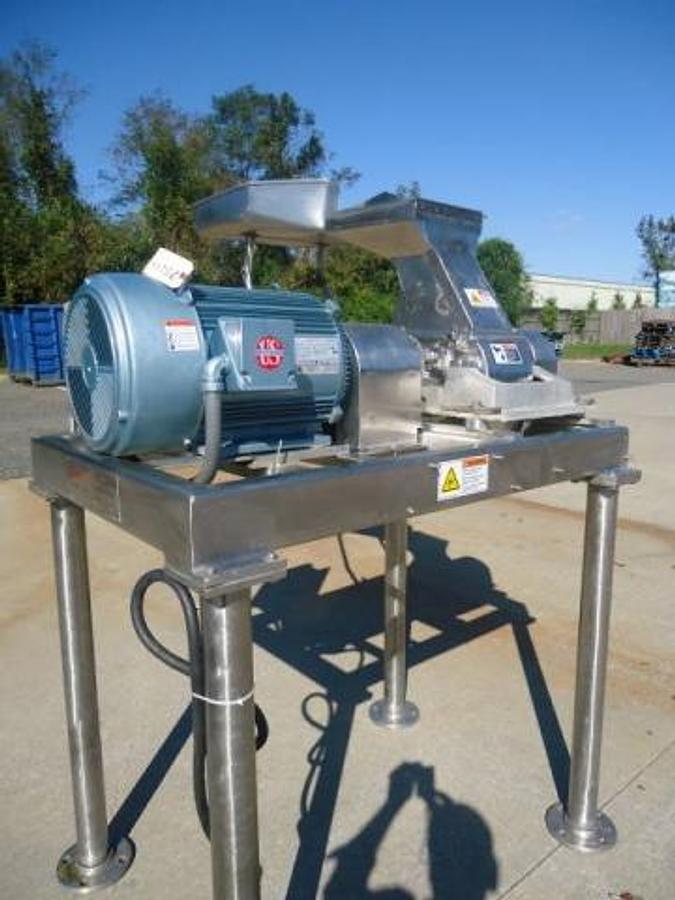
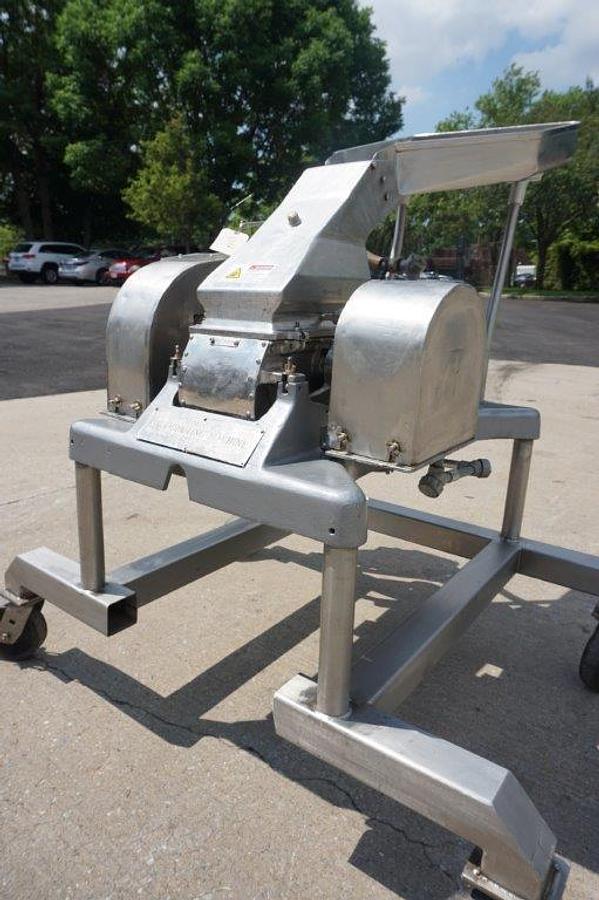
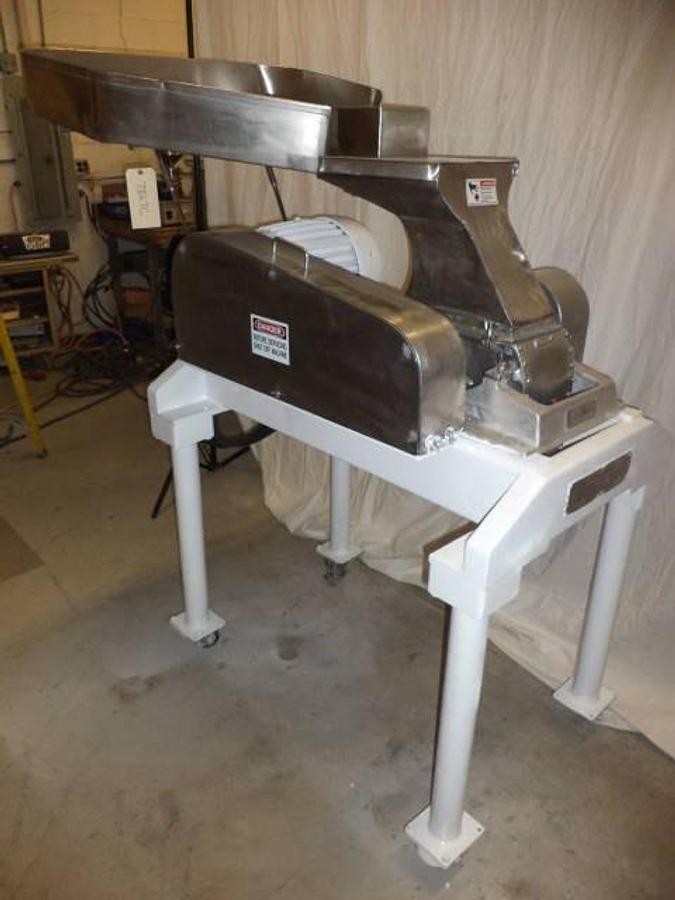
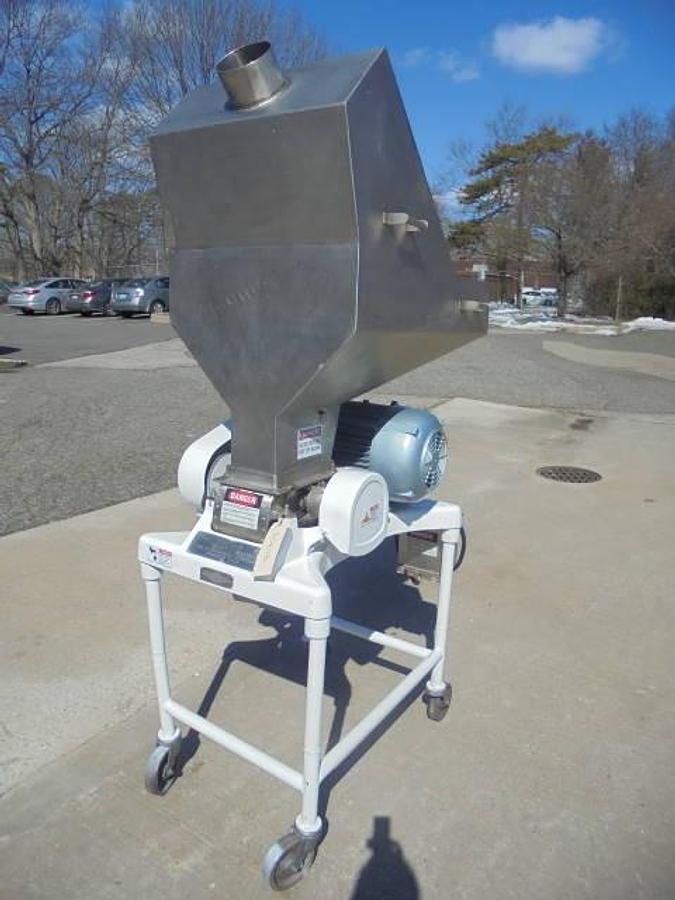
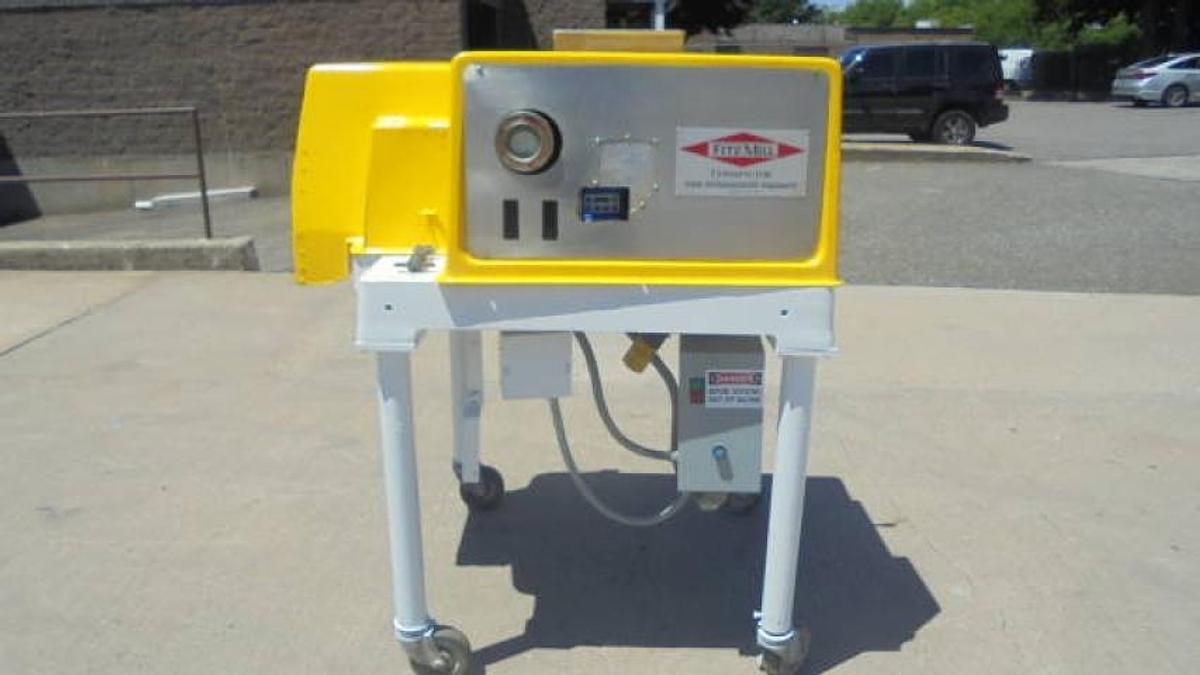
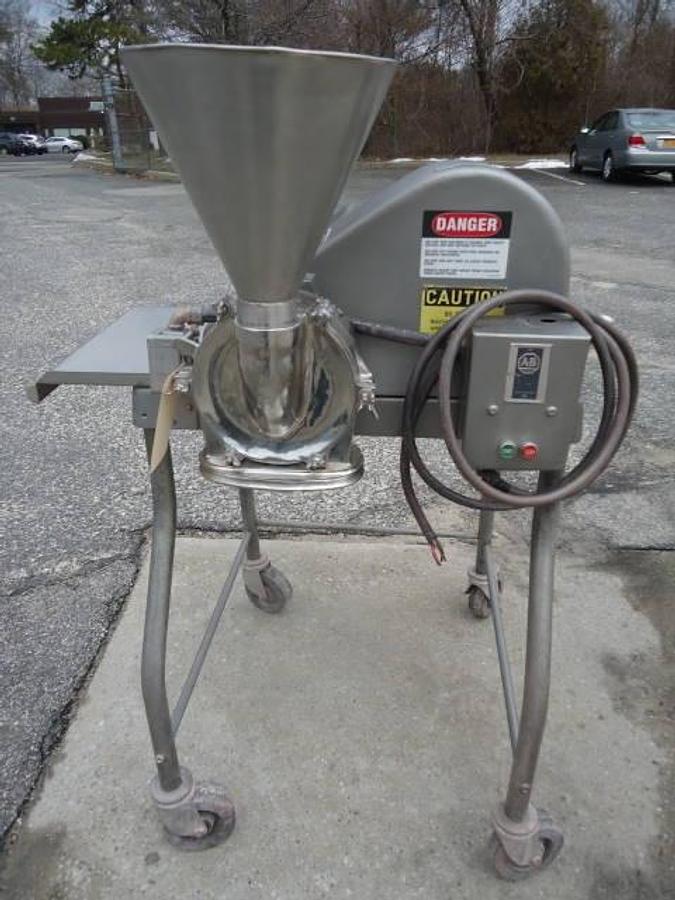
The used market for Fitzpatrick equipment tends to feature a fairly wide range of size reduction and compaction machinery. The most frequently available machines include the DAS06 Comminutor/Pulverizer in several configurations (pan feed, screw feed, jacketed chamber, explosion-proof, and all-stainless variants), the D6 and D6A Comminuting Mills, the Homoloid Pulverizer, and the M-5 Comminuting Machine. Roller compaction equipment, specifically the Fitzpatrick Chilsonator in models like the L-83, 4x10, and Pilot Plant versions, also appears regularly. Horsepower ratings across these listings typically range from 2 HP on smaller bench-scale units up to 40 HP on larger production machines like the 16x10 Riving Machine.
Beyond the core comminuting and pulverizing lines, buyers often find machines configured for specific processing demands, such as XP (explosion-proof) motors for handling flammable materials, 316 stainless steel construction for pharmaceutical and food contact applications, and screw-feed or pan-feed intake options depending on the material flow requirements of the application. The variety of configurations available on the used market makes it reasonably practical to find a Fitzpatrick machine that closely matches a specific production need without purchasing new capital equipment.
What industries use Fitzpatrick milling equipment?
Fitzpatrick milling equipment has a strong foothold in pharmaceutical manufacturing, where consistent and repeatable particle size reduction is critical for drug formulation. Granulation, dry blending, and active pharmaceutical ingredient (API) milling are all common applications. The brand's reputation for precision and its GMP-compatible construction, particularly models built with 316L stainless steel contact parts, have made Fitzpatrick mills a standard fixture in regulated production environments where documentation and cleanability matter.
Outside of pharmaceuticals, Fitzpatrick equipment is widely used in food processing for milling spices, starches, sugars, and other dry ingredients where particle size directly affects texture, solubility, or shelf life. Chemical processing operations also rely on Fitzpatrick comminuting mills for breaking down resins, pigments, and other powdered materials. The breadth of industries served is one reason used Fitzpatrick equipment retains strong resale value. A machine decommissioned from a pharmaceutical plant, for example, may be well-suited for a food or nutraceutical application, extending the productive life of the equipment considerably.
What particle size ranges can Fitzpatrick comminuting mills achieve?
Fitzpatrick comminuting mills are capable of producing a broad range of particle sizes, which is a large part of their appeal across multiple industries. Depending on the screen size, rotor speed, and blade configuration used, these mills can reduce materials to anywhere from coarse granules in the range of several millimeters down to fine powders approaching 100 microns or finer in some configurations. The operator has meaningful control over the final particle size distribution by adjusting rotor tip speed, screen aperture, and the angle and type of the impactor blades (knives versus hammers).
This flexibility is particularly valued in pharmaceutical granulation, where the target particle size band directly affects tablet compressibility, dissolution rate, and blend uniformity. In food processing, the same adjustability allows a single machine to handle tasks ranging from coarse chopping to fine milling by swapping screens and changing operating parameters. When evaluating a used Fitzpatrick mill, buyers should confirm which screens and rotor components are included with the machine, as these accessories are what define the achievable size range and may represent additional cost if they need to be sourced separately.
Does Fitzpatrick milling equipment meet GMP and FDA compliance standards?
Fitzpatrick has long designed its comminuting mills and related equipment with pharmaceutical GMP requirements in mind. Features commonly associated with GMP compliance include 316L stainless steel product-contact surfaces, tool-free or minimal-tool disassembly for cleaning and inspection, smooth internal surfaces that minimize product entrapment, and construction that supports validation documentation. Many Fitzpatrick models were purpose-built to satisfy the cleanliness and traceability expectations of regulated pharmaceutical and food manufacturing environments.
For buyers purchasing used Fitzpatrick equipment, GMP compliance is a more nuanced consideration. The machine's original construction may fully satisfy GMP design standards, but the buyer's own validation team will typically need to assess the condition of contact surfaces, verify that no modifications were made that compromise cleanability, and confirm that the machine can be qualified within their specific facility and process. Consulting with the equipment dealer about the machine's history and requesting any available documentation, such as prior IQ/OQ records or material certifications, can help support the qualification process. The level of documentation available will vary depending on the machine's age and where it was previously used.
What is the typical price range for used Fitzpatrick milling equipment?
Pricing for used Fitzpatrick milling equipment varies considerably based on the model, size, configuration, age, and overall condition of the machine. Smaller bench-scale or pilot-plant comminuting mills with lower horsepower ratings, such as a 2 HP or 5 HP unit, will generally be priced lower than larger production-scale machines. Mid-range production comminuting mills in good condition, particularly those with stainless steel construction or explosion-proof motors, tend to command higher prices due to the added value of those features. Roller compaction systems like the Chilsonator are typically among the higher-priced Fitzpatrick listings given their complexity and the cost of comparable new equipment.
Because Fitzpatrick is a well-regarded brand with a long service life, used machines often retain meaningful resale value compared to lesser-known manufacturers. Buyers should factor in not just the purchase price but also the full landed cost, including freight, rigging, any needed refurbishment, and replacement parts or screens that may not be included in the base listing. Contacting the dealer directly for a current price and a clear accounting of what is included with the machine is the most reliable way to understand total acquisition cost.
Are spare parts and replacement screens available for used Fitzpatrick mills?
Spare parts and replacement screens for Fitzpatrick mills are generally available through the manufacturer and through authorized parts distributors, though availability can vary depending on the specific model and how long ago it was manufactured. Fitzpatrick has been producing comminuting mills for decades, and the company has maintained parts support for many of its legacy models. That said, buyers of older used equipment are encouraged to consult directly with Fitzpatrick (now part of IDEX MPT) to confirm what parts, screens, and rotor components are currently stocked or can be fabricated for a particular machine before completing a purchase.
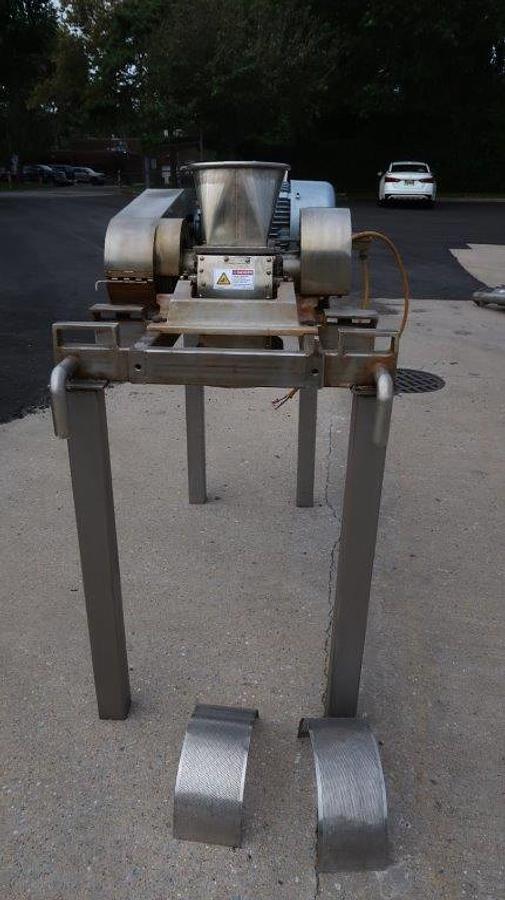
Screens are consumable items that wear over time and are critical to achieving target particle sizes, so understanding screen availability and cost is an important part of evaluating a used Fitzpatrick mill. Some used machine listings include a set of screens with the equipment, while others do not. Buyers should clarify exactly what accessories are included with a given machine and, if screens are not included, obtain pricing from the manufacturer or a parts supplier before committing to the purchase. Having a reliable parts supply is especially important in regulated industries where equipment downtime carries significant production and compliance costs.
What should buyers inspect when evaluating a used Fitzpatrick comminuting mill?
A thorough inspection of a used Fitzpatrick mill should cover several key areas. The condition of the product-contact surfaces is a priority, particularly for pharmaceutical or food applications, as scratches, pitting, or corrosion on stainless steel surfaces can affect cleanability and may require remediation before the machine can be used in a regulated environment. The rotor, blades or hammers, and screens should all be examined for wear, since these are the components that directly determine milling performance. Bearing condition, shaft alignment, and the integrity of seals and gaskets are also worth assessing, as these affect both performance and the potential for cross-contamination.
Reputable used equipment dealers will typically accommodate in-person inspections or provide detailed video walkthroughs of a machine. Some equipment may still be installed at the facility where it was last used, in which case an inspection can sometimes be arranged at that location, and in some cases the machine may still be in operation, allowing the buyer to observe it running. Keep in mind that most equipment dealers are not set up to run actual product through a machine during an inspection, as that level of testing requires production permitting they typically do not hold. Buyers with specific performance requirements should factor in the cost of a post-purchase test run within their own facility when planning their acquisition budget.
What is the Fitzpatrick Chilsonator and what is it used for?
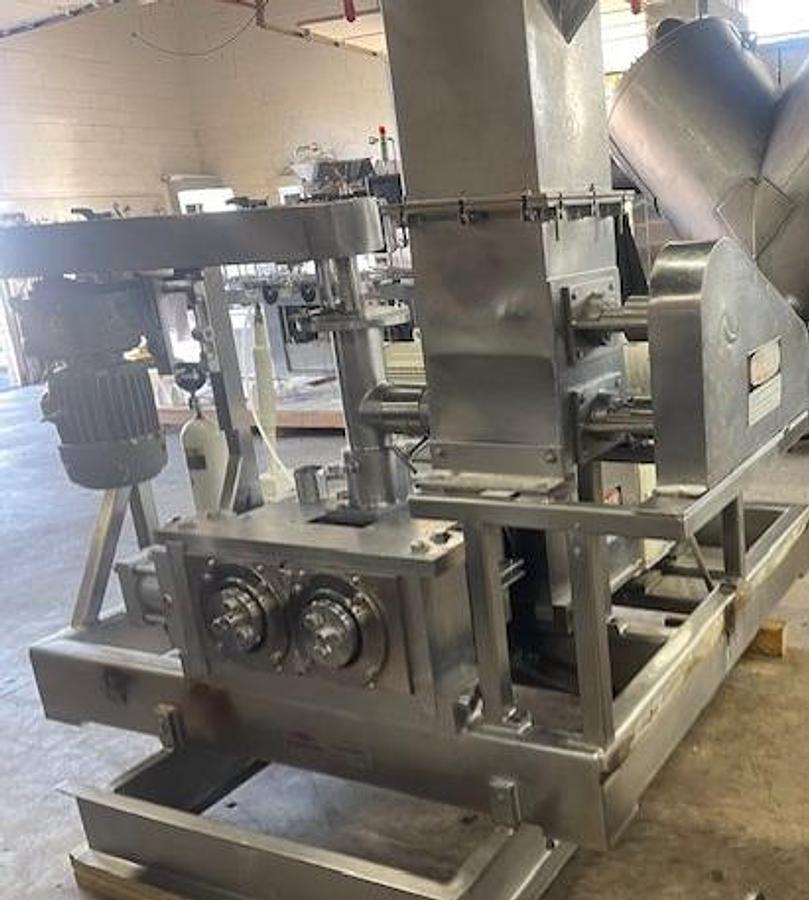
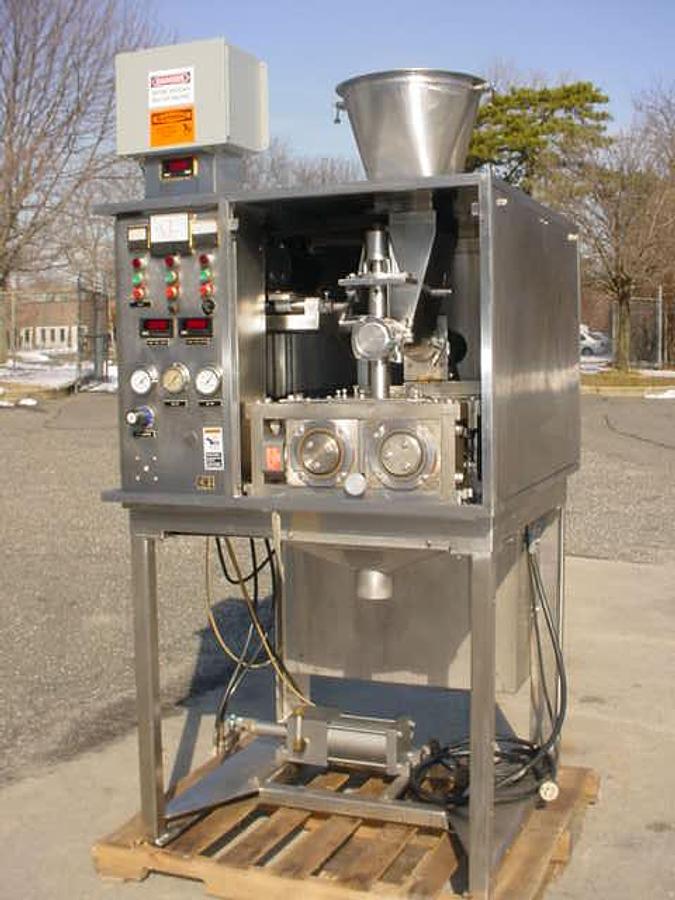
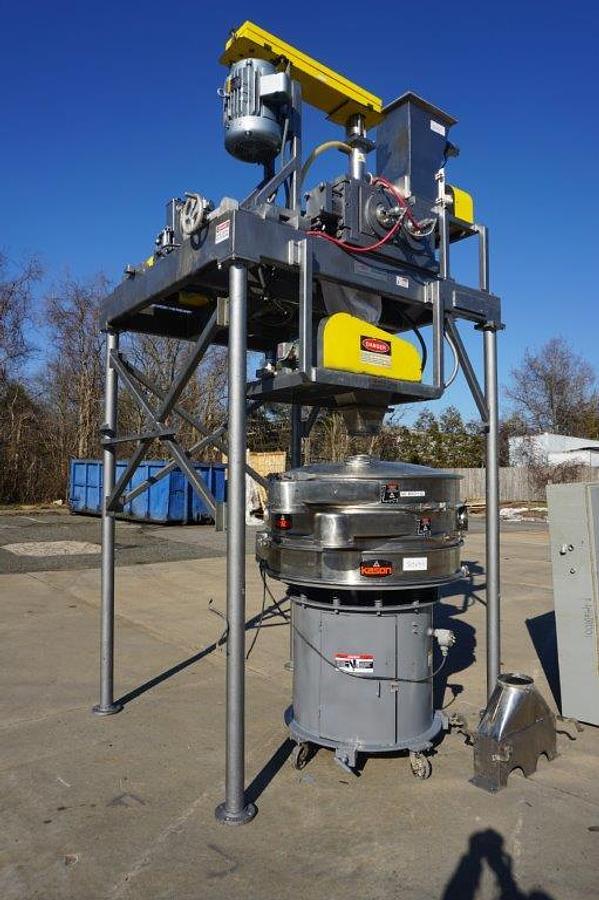
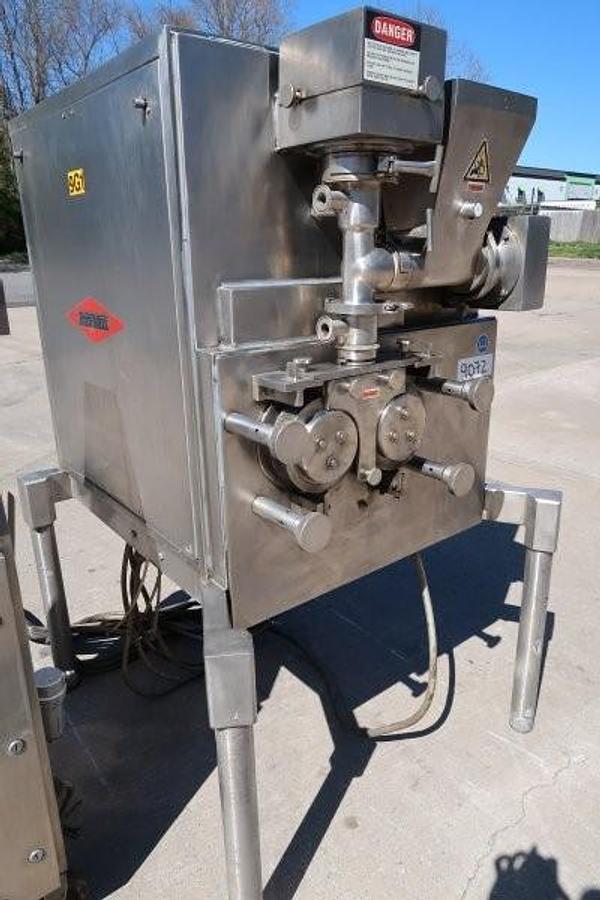
The Fitzpatrick Chilsonator is a roller compaction system used primarily in dry granulation processes. Roller compaction is a technique used to densify powdered materials by pressing them between two counter-rotating rolls, producing ribbons or flakes that are then milled into granules of a controlled size. This approach is favored in pharmaceutical manufacturing as an alternative to wet granulation, particularly for active ingredients that are moisture-sensitive or heat-sensitive. The Chilsonator is designed to handle these materials with precision, producing granules with consistent density and particle size distribution that directly affect downstream tablet compression and capsule filling performance.
In the used equipment market, Chilsonator units appear in several configurations, including pilot-plant scale machines suitable for development and small-batch work, as well as larger production models. The 4x10 and L-83 models, for example, represent different roll dimensions and throughput capacities. Because roller compactors are complex systems with multiple components including the compaction rolls, a milling section, and feed mechanisms, buyers evaluating a used Chilsonator should pay close attention to the condition of the rolls themselves, as surface wear or damage can affect compaction uniformity and may be expensive to address.
What is the difference between a Fitzpatrick Comminutor and a Pulverizer?
In Fitzpatrick's product nomenclature, the terms Comminutor and Pulverizer are often used interchangeably or in combination (as seen in listings like "Comminutor/Pulverizer") to describe their comminuting mill platform, which is sometimes called the Fitzmill. The core operating principle is the same: material is fed into a milling chamber where a high-speed rotor fitted with impactor elements (knives or hammers) breaks the material down, and a screen at the bottom of the chamber controls the maximum particle size that exits the mill. The distinction between "comminuting" and "pulverizing" in this context generally refers to the intended fineness of the output, with pulverizing implying a finer end product, though the same machine can often perform both functions by adjusting operating parameters and screen selection.
From a practical standpoint, buyers looking at used Fitzpatrick listings will find that models designated as Comminutors, Pulverizers, or Comminutor/Pulverizers are all variations of the same fundamental machine family. The more meaningful distinctions between individual listings are the motor size, feed mechanism (pan feed vs. screw feed), material of construction (carbon steel vs. stainless steel), and any special features like explosion-proof motors or jacketed chambers for temperature-sensitive materials. Understanding these configuration differences is more useful for matching a machine to a specific application than focusing on whether the listing calls it a Comminutor or a Pulverizer.
What should buyers know about shipping and payment for used Fitzpatrick equipment?
Shipping costs for used milling equipment can vary significantly depending on the size and weight of the machine, the distance it needs to travel, and the level of packaging required to protect it in transit. Smaller Fitzpatrick comminuting mills may be palletized, while larger machines or complete systems like roller compactors may require custom crating. Heavier equipment will likely need professional rigging services for loading and unloading, which adds to the total cost. Buyers should ask the dealer for a clear breakdown of packaging, rigging, and freight charges before finalizing a purchase so there are no surprises in the landed cost of the equipment.
On payment terms, most used equipment dealers require full payment before a machine ships. Some dealers may offer extended terms to established customers with a prior purchasing history, but this is not standard practice. Buyers should also be aware that used equipment is typically sold as-is, which places the responsibility for confirming the machine's condition squarely on the buyer prior to purchase. This makes pre-purchase inspection, whether in person or via detailed video provided by the dealer, an important step rather than an optional one. Selecting a dealer with a long track record in the industry and specific experience with processing equipment is one of the more reliable ways to reduce risk in a used equipment transaction.