Category
Manufacturer
Model
Filling Equipment Company
Filling Equipment Company specializes in providing filling machines and packaging solutions for the food, beverage, and pharmaceutical industries. They are known for their innovative designs that enhance speed and accuracy in the filling process.
FAQ:
What types of filling machines does Filling Equipment Company manufacture?
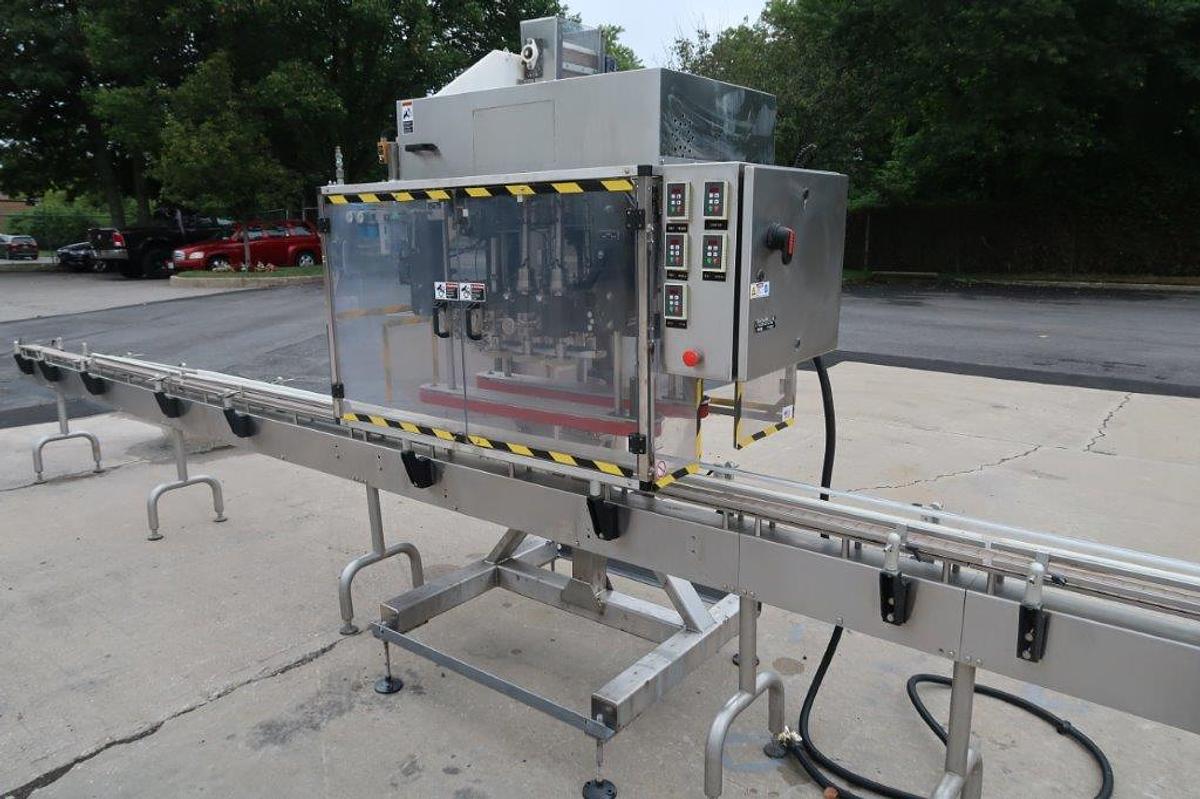
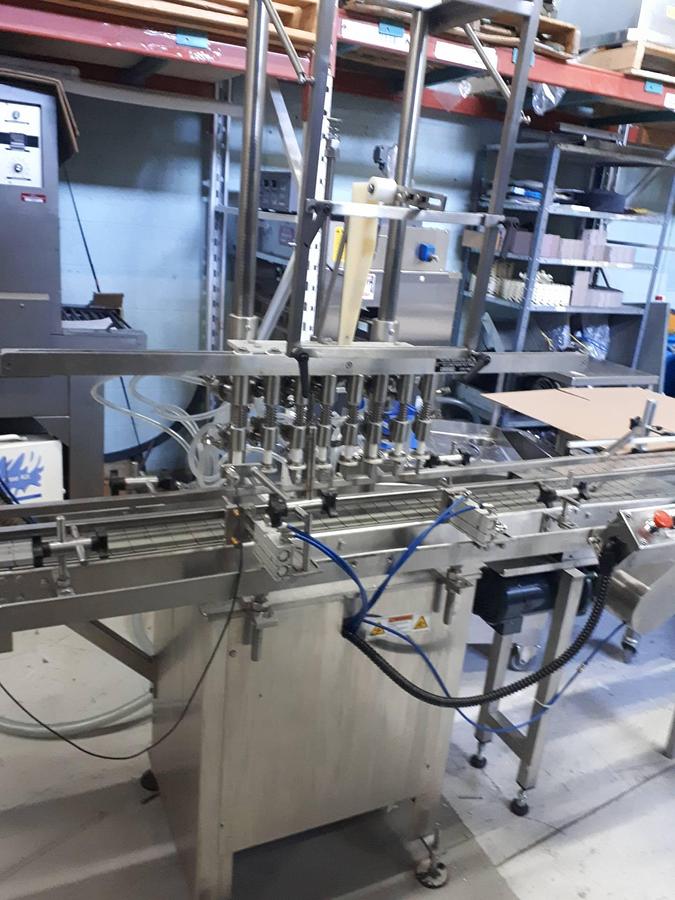
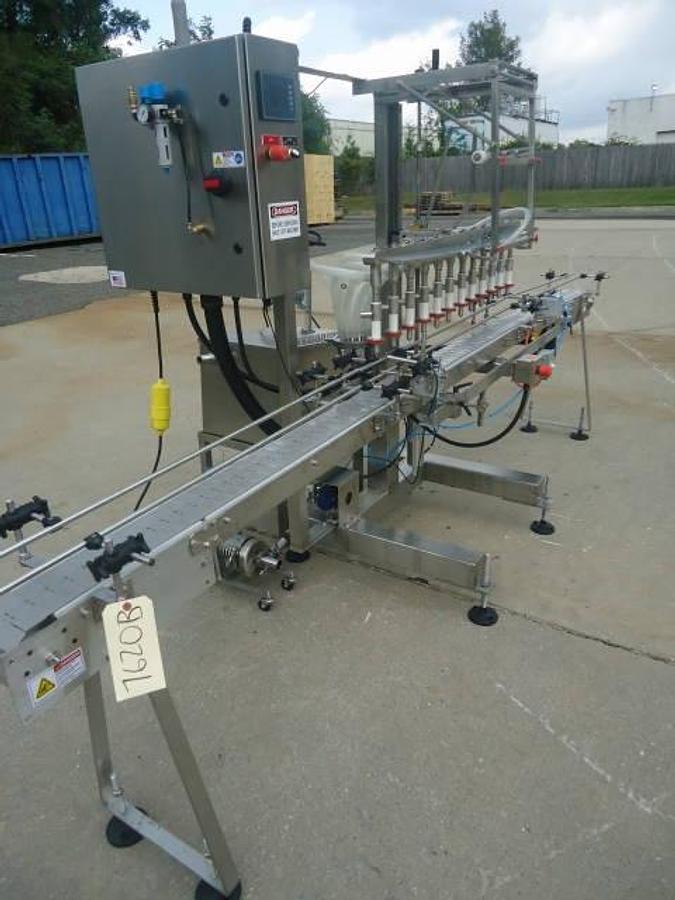
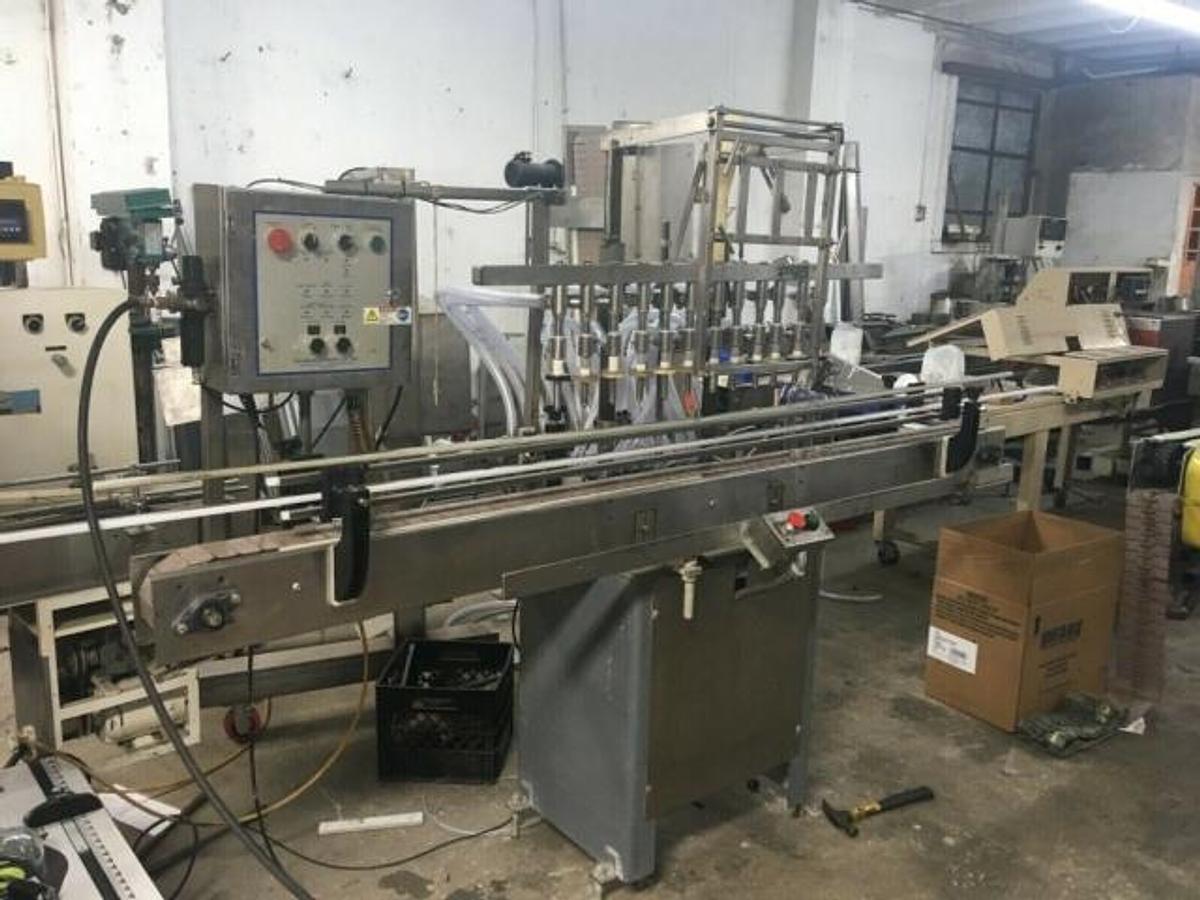
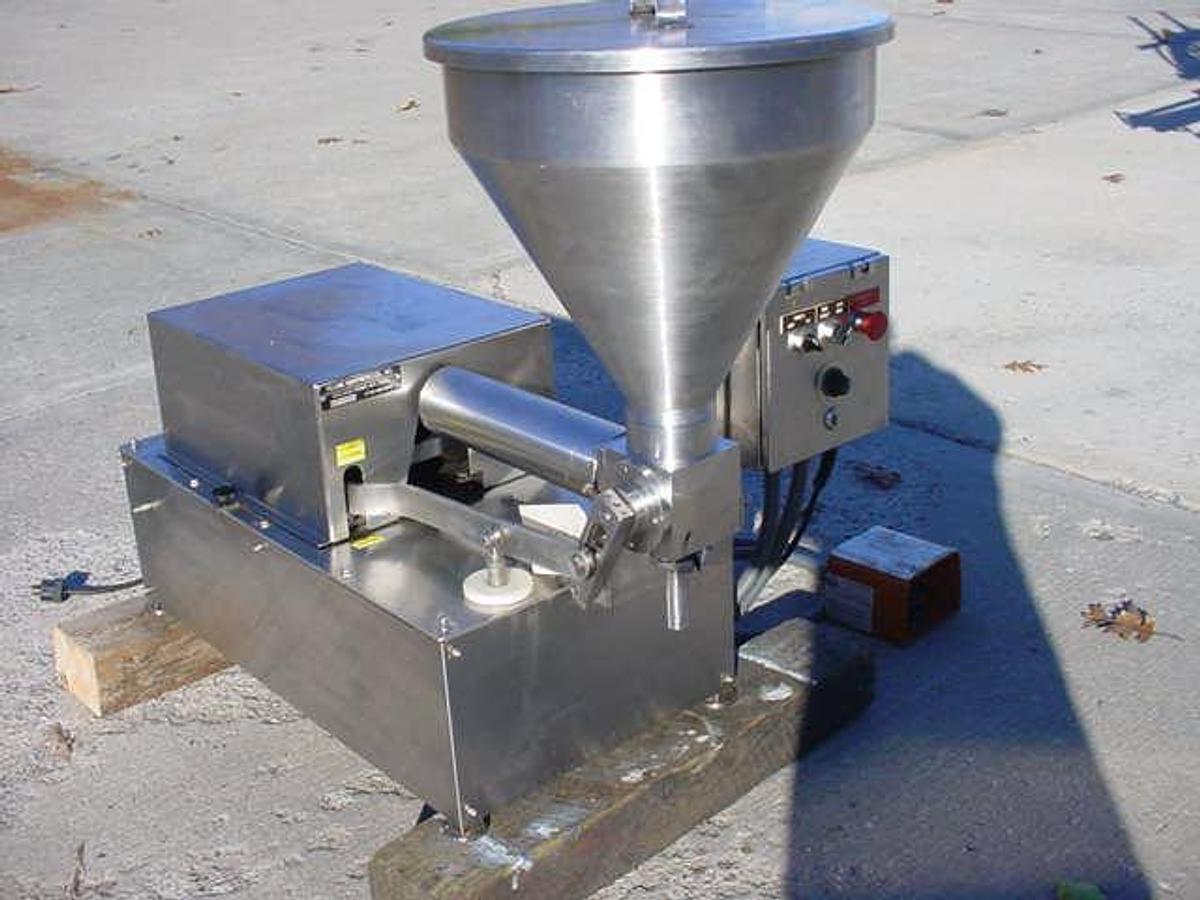
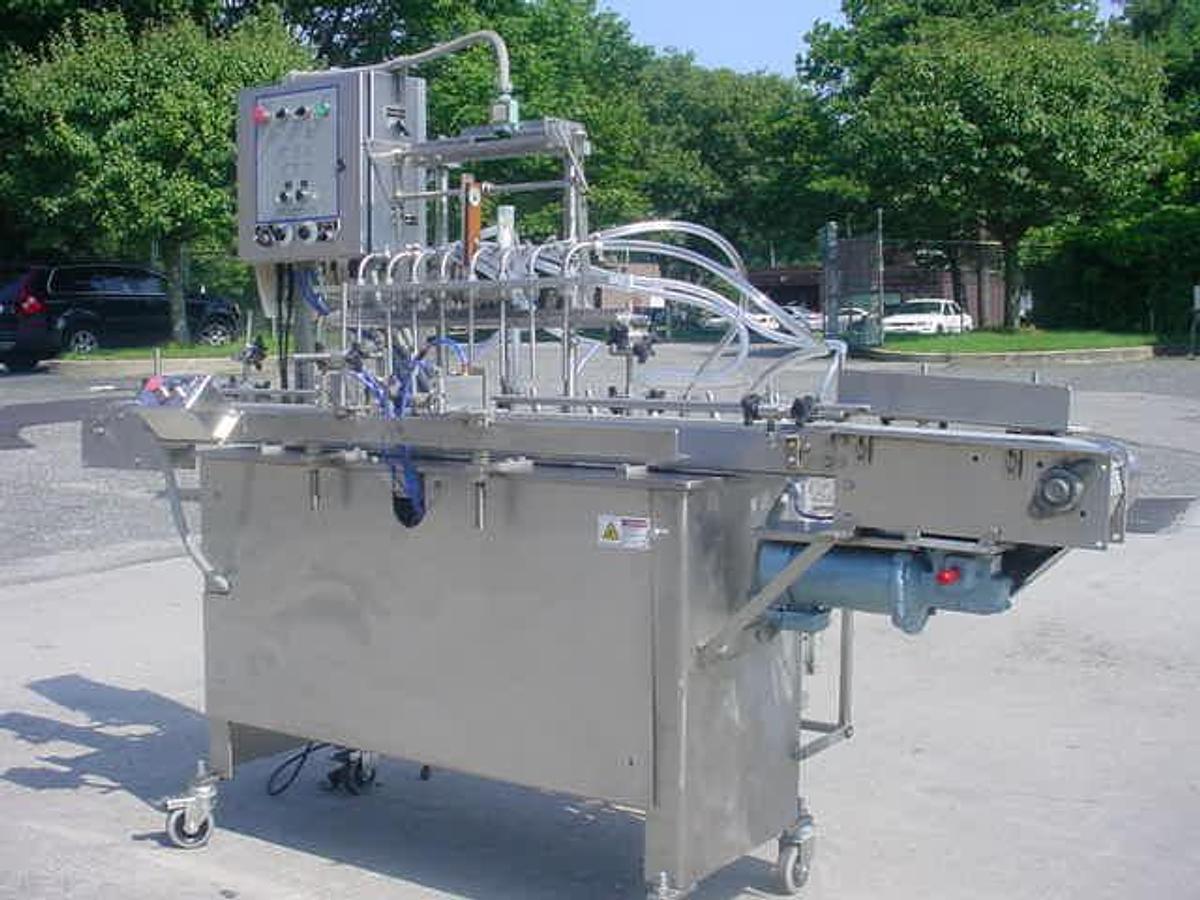
Filling Equipment Company (FEC) produces a range of liquid filling and packaging machines designed for small to mid-sized production environments. Their lineup includes piston fillers, overflow fillers, pump filling systems, and inline automatic liquid fillers. Specific configurations include single-piston tabletop units, multi-head straight-line fillers with 8 or 12 heads, and multi-spout automatic liquid fillers. The company also manufactures inline automatic screw capping machines, making it possible for buyers to source both filling and capping equipment from the same manufacturer.
FEC machines are built for the food, beverage, pharmaceutical, and cosmetic industries, with stainless steel construction being a standard feature across much of the product line. That material choice is significant because it meets sanitary requirements for food-grade and pharmaceutical applications, and it holds up well in washdown environments. The combination of tabletop semi-automatic models and fully automatic multi-head configurations gives buyers flexibility depending on their current production volume and budget.
What industries commonly use Filling Equipment Company machines?
Filling Equipment Company machines are used across several process-intensive industries where accurate, repeatable liquid or product filling is critical. The primary markets include food and beverage production, pharmaceutical manufacturing, cosmetics and personal care, and chemical processing. Within those sectors, the machines handle everything from thin, free-flowing liquids like water and juice to thicker products like sauces, lotions, and cleaning concentrates.
The stainless steel construction on many FEC models makes them particularly well-suited for regulated industries where sanitation standards are enforced, such as food processing and pharmaceutical packaging lines. Smaller craft producers, contract packagers, and growing consumer goods brands also rely on FEC equipment because the machines are designed to be operator-friendly and allow relatively quick changeovers between different product types or container sizes. That flexibility is a practical advantage for operations running multiple SKUs on a single line.
What is the difference between a piston filler and an overflow filler?
A piston filler uses a cylinder and piston mechanism to draw a precise, measured volume of product and then dispense it into a container. Because the fill volume is determined mechanically, piston fillers are well-suited for thick or viscous products like pastes, gels, sauces, and creams. They deliver consistent fill-by-volume accuracy regardless of minor variations in container dimensions, which makes them a popular choice in food, cosmetic, and pharmaceutical applications.
An overflow filler works differently. It fills each container to a specific level rather than a specific volume, which means all bottles on the line will appear filled to the same height even if there are slight variations in internal bottle capacity. This is particularly useful for clear or translucent containers where visual fill consistency on the shelf matters to the end consumer. Overflow fillers are generally used for thinner, free-flowing liquids. Understanding which fill method matches your product viscosity and container type is an important step before purchasing any used filling equipment.
Are used Filling Equipment Company machines a practical option for small or growing production operations?
Used FEC machines are frequently a practical entry point for small manufacturers, startups, and growing operations that need reliable filling equipment without the capital outlay of purchasing from a manufacturer. Because Filling Equipment Company designs its machines for small to mid-sized production environments, used units tend to match the throughput requirements of businesses at that scale. Models like the single-piston tabletop filler, for example, are compact enough for limited floor space while still delivering consistent fill accuracy.
The key consideration with any used filling machine is the condition of wear components, including seals, nozzles, pistons, and any pneumatic or electrical systems. Buyers should request a thorough inspection, either in person or via video, to assess the machine's current working order before committing to a purchase. Consulting the manufacturer directly about parts availability and support for a specific model and age of machine is also a smart step, since older models may have more limited parts support than more recent ones.
What should buyers inspect before purchasing a used filling machine?
Before purchasing any used filling machine, buyers should focus their inspection on the components most subject to wear during normal production. This includes the fill nozzles and valve assemblies, piston seals and cylinder bores (on piston-style machines), pump mechanisms, and any conveyor or indexing systems. Corrosion, pitting on stainless steel contact surfaces, and worn gaskets are all signs that a machine may require significant reconditioning before it returns to production. Electrical panels, sensors, and controls should also be evaluated, particularly on automatic multi-head machines where programmable logic controllers or timing systems govern the fill cycle.
Reputable used equipment dealers will typically accommodate in-person inspections or provide detailed video walkthroughs of a machine's current condition. Some machines may still be installed and operational at a production facility, in which case a live inspection can give a buyer a clear picture of how the equipment performs under real conditions. Keep in mind that most used equipment dealers are not set up to run actual product through a machine during an inspection, as that would require production permits they do not typically hold. Buyers should factor inspection findings into their total cost estimate, accounting for any refurbishment or parts replacement needed before the machine goes back into service.
How does the number of fill heads affect production throughput on a liquid filling machine?
The number of fill heads on an inline liquid filling machine directly determines how many containers can be filled simultaneously in each machine cycle, which has a compounding effect on overall throughput. A single-head or single-piston tabletop machine is suited for low-volume production, sampling runs, or operations just getting started. An 8-head or 12-head straight-line automatic filler, by contrast, can fill significantly more containers per minute because each cycle fills a full row of bottles at once. Filling Equipment Company offers machines across this range, from single-piston tabletop units to 8-head and 12-head automatic configurations.
When evaluating a used multi-head filler, buyers should consider not just the head count but also the fill speed rating, typically expressed in containers per minute (CPM), and whether that rating applies to the specific container size and product viscosity they plan to run. A 12-head machine rated at a high CPM on a thin liquid may perform differently with a thicker product. Matching the machine's design specifications to the actual production requirements is essential to getting the throughput gains that a multi-head configuration is intended to deliver.
Do used filling machines come with a warranty?
Used filling machines are generally sold on an as-is basis by equipment dealers, meaning no warranty is provided by the seller. Manufacturer warranties are tied to the purchase of equipment directly from the manufacturer and do not transfer through secondary sales of used machinery. This is standard practice in the used industrial equipment market and places the responsibility of due diligence squarely on the buyer.
Because of this, selecting a used equipment dealer with a long track record in the industry and specific experience with filling and packaging machinery is important. A knowledgeable dealer can provide accurate condition assessments, facilitate inspections, and help buyers understand what they are purchasing. Buyers should also contact Filling Equipment Company directly to ask about parts availability, service manuals, and technical support for the specific model they are considering, since the level of manufacturer support available can vary depending on the age and model of the machine.
What are typical shipping and rigging considerations for used filling equipment?
Shipping a used filling machine involves more logistical planning than standard freight because the equipment is heavy, often has precision-machined components, and can be damaged if improperly secured during transit. Smaller tabletop units may be palletized, while larger inline automatic fillers with multi-head assemblies typically require custom crating to protect nozzles, frames, and control panels. The level of packaging required directly affects shipping costs, so buyers should ask the dealer specifically how the machine will be prepared for transport before agreeing to a purchase price.
Larger machines may also require professional rigging for both loading at the dealer's location and unloading at the buyer's facility. Rigging involves specialized equipment and trained crews to safely move heavy machinery, and it is an added cost that should be factored into the total landed price of the equipment. Buyers should request a full breakdown of packaging, rigging, freight, and any applicable fuel surcharges from the dealer so there are no surprises when the machine arrives. Understanding the complete cost from the dealer's floor to the buyer's production line is an essential part of evaluating whether a particular used machine represents good value.
What payment terms should buyers expect when purchasing used filling equipment?
Most used equipment dealers require full payment before a machine is released for shipping. This is the standard practice in the industry and reflects the fact that used machinery, once shipped, cannot easily be returned or resold at the same value. Payment is typically made by wire transfer, though some dealers may accept other forms of verified payment. Buyers should confirm the accepted payment methods and the exact timing of payment relative to shipping with the dealer before finalizing any transaction.
Some dealers may offer extended terms or payment arrangements to established customers with a history of repeat purchases, but this is not a standard offering for first-time buyers. Financing through third-party equipment lenders is another avenue some buyers explore independently, though the dealer itself may not facilitate that process. Whatever the arrangement, buyers should ensure they have a clear written agreement covering the machine description, condition, price, payment terms, and shipping responsibilities before any funds are transferred.
What fill volume ranges and container types are typically compatible with Filling Equipment Company machines?
Filling Equipment Company machines are designed to handle a wide range of fill volumes and container formats, which contributes to their appeal for operations running multiple product SKUs. Tabletop piston fillers are generally adjustable across smaller fill volumes, making them practical for sample sizes, trial runs, or lower-volume specialty products. Larger automatic inline fillers can typically be configured for higher fill volumes and faster cycle times suited to production-scale bottling. The specific fill range for any individual machine depends on the model, nozzle configuration, and piston or pump size installed.
Container compatibility is similarly flexible. FEC machines can typically accommodate round bottles, square bottles, jars, and other rigid containers across a range of diameters and heights, with adjustments made to conveyor guides, fill head height, and indexing settings. Buyers evaluating a specific used machine should confirm the fill volume range and container size parameters with the dealer and cross-reference those specs against the machine's documentation or the manufacturer's published specifications for that model. This is especially important when purchasing used equipment, since machines may have been modified or may include non-standard components from their time in production.