Category
Manufacturer
Model
Fette
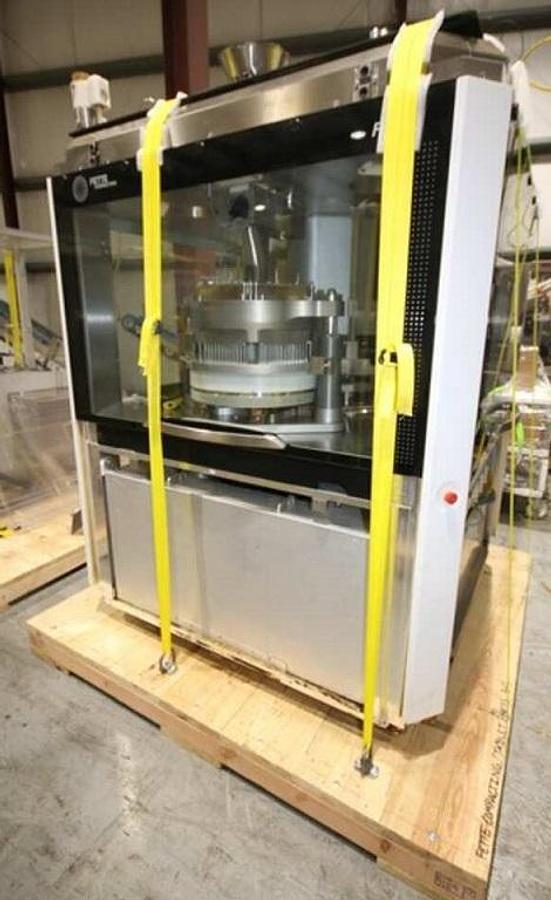
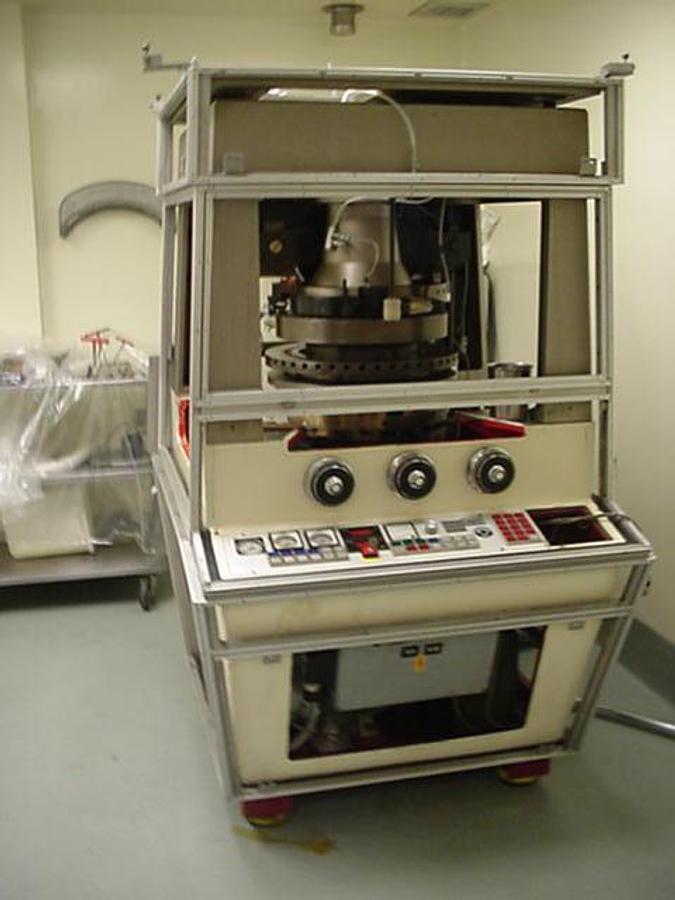
Fette is renowned for its tablet press technology, serving the pharmaceutical industry with high-speed production capabilities. Their machines are designed for precision, reliability, and ease of use, making them a preferred choice for tablet manufacturing.
FAQ:
What is the price range for a used Fette tablet press?
Used Fette tablet presses typically range from around $30,000 on the lower end to $250,000 or more for higher-capacity models in better condition. The price spread is wide because so many variables factor in: the specific model, the number of stations, the age of the machine, its overall mechanical condition, and whether tooling sets or documentation are included in the sale. A smaller, older single-sided press will naturally sit at a different price point than a high-speed double-sided rotary press like a Fette P2000 or P3000 series machine.
Buyers should treat the listed price as a starting point and factor in additional costs before committing. Shipping, rigging, crating, and any reconditioning work can add meaningfully to the total landed cost. Requesting a detailed quote that breaks out each of these line items is the best way to understand the true cost of acquisition. Because Fette machines hold their value well due to the brand's strong reputation in pharmaceutical manufacturing, buyers can generally expect pricing to reflect that resale strength compared to lesser-known tablet press manufacturers.
What Fette tablet press models are most commonly available on the used market?
The models that appear most frequently on the secondary market include the Fette 1200, 2090, and 3090 series, along with the P1000, P2000, and P3000 platforms. The Perfecta series, including the Perfecta 3000 and Perfecta 3100, also surfaces regularly and is well regarded for its high station count and output capacity. These machines were produced in large quantities for major pharmaceutical manufacturers, which means a reasonably healthy supply of used units exists compared to more obscure press models.
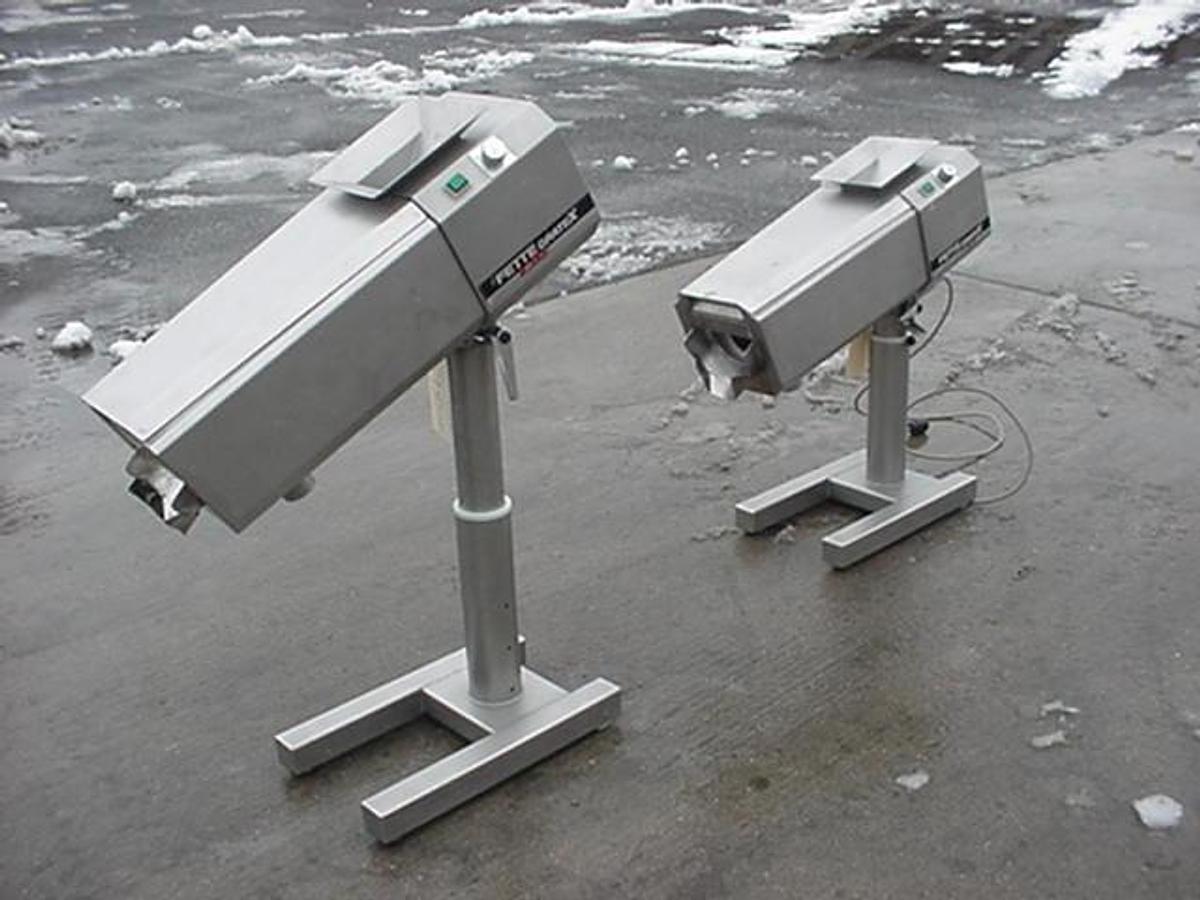
The P2000 is a 43-station rotary press that handles mid-to-high volume production runs, while the Perfecta 3000 and 3100 are 55-station machines suited for higher-output applications. Tablet dedusters, such as the Fette Gratex stainless steel models, are also available as standalone pieces and are commonly paired with rotary presses in production lines. When sourcing a specific model, buyers should check with dealers who specialize in pharmaceutical processing equipment, as general industrial machinery dealers are less likely to stock Fette presses or understand their specifications in depth.
What is the difference between the Fette 1200, 2090, and 3090 tablet press models?
The Fette 1200, 2090, and 3090 represent different generations and capacity tiers within Fette's rotary tablet press lineup. The 1200 is generally considered an entry-level to mid-range press, suitable for smaller batch sizes or facilities that do not require the throughput of a larger machine. It is a single-sided press, meaning it compresses tablets in one stage per turret rotation. The 2090 steps up in output capacity and is designed for more demanding production environments, offering higher tablet-per-hour rates and greater flexibility across formulations.
The 3090 sits at the higher end of that generation's lineup and is typically a double-sided press, which means it compresses from both the top and bottom punches simultaneously, dramatically increasing output. Station count, turret diameter, maximum compression force, and punch tooling compatibility all differ across these models, so buyers should confirm the technical specifications against their production requirements before purchasing. Consulting the Fette manufacturer directly about parts availability and support for a specific model is also advisable, since older machines may have more limited service infrastructure than more recent platforms.
What tooling formats are compatible with Fette tablet presses?
Fette rotary tablet presses are generally compatible with standard TSM (Tablet Specification Manual) and EU tooling formats, which include B, D, and BB punch configurations. The specific tooling format a press accepts depends on the turret design for that model. B tooling is the most common and accommodates a wide range of tablet sizes and shapes, while D tooling handles larger tablet diameters and is preferred for bigger tablets or specialized shapes. BB tooling is a variant that fits B-type turrets but uses a smaller punch tip, allowing more punches per turret and higher output on smaller tablets.
Buyers sourcing a used Fette press should confirm the tooling format before purchasing, especially if they already own a tooling inventory they intend to reuse. Mixing incompatible tooling with a press is a serious operational and safety issue. It is also worth noting that Fette has historically offered proprietary turret designs on some models, so verifying compatibility with the specific machine serial number or model designation is the safest approach. Tooling condition should be evaluated separately from the press itself, as worn or damaged punches and dies will affect tablet quality regardless of how well the press itself is maintained.
Are used Fette tablet presses suitable for FDA-regulated pharmaceutical manufacturing?
Used Fette tablet presses can absolutely be used in FDA-regulated environments, but the compliance burden falls entirely on the purchasing facility rather than the equipment dealer. In regulated pharmaceutical manufacturing, equipment must be qualified through IQ (Installation Qualification), OQ (Operational Qualification), and PQ (Performance Qualification) protocols before it can be used in production. These validation activities are the responsibility of the buyer's quality and engineering teams, and a used press will need to go through the same qualification process as any other piece of equipment entering a GMP facility.
One practical consideration is documentation. Buyers should request whatever records the seller has available, including prior maintenance logs, FAT (Factory Acceptance Testing) records, calibration certificates, or any existing validation documentation. While dealers selling used equipment typically cannot guarantee the completeness of historical records, having partial documentation can reduce the time and cost of revalidation. Buyers should also contact Fette directly to determine what level of technical support, spare parts availability, and documentation the manufacturer can provide for the specific model and serial number being purchased, since older machines may have more limited manufacturer support.
What production output can you expect from a used Fette rotary tablet press?
Output capacity varies considerably across Fette models, but the machines are designed for high-speed pharmaceutical production and are capable of impressive throughput even in older configurations. A mid-range press like the Fette P2000, which is a 43-station machine, can produce hundreds of thousands of tablets per hour under the right conditions. Higher-station models like the Perfecta 3000 and 3100, both 55-station presses, push output even further. Actual throughput in practice depends on the tablet formulation, punch tooling, compression force settings, and the condition of the machine.
Buyers should be realistic about the fact that a used machine's actual output may differ from published specifications, particularly if the press has not been recently serviced or rebuilt. Worn compression rollers, punch guides, and cam tracks can reduce speed and consistency. Requesting a mechanical inspection prior to purchase, either in person or via video, gives buyers a clearer picture of the machine's current state. Most reputable used equipment dealers will accommodate inspection requests, and some machines may still be in active production at the selling facility, which allows for an even more accurate assessment of real-world performance.
What should buyers inspect before purchasing a used Fette tablet press?
A thorough pre-purchase inspection of a used Fette tablet press should cover several key mechanical and structural areas. The compression rollers and cam tracks are high-wear components and should be examined for scoring, pitting, or uneven wear patterns. Punch guides and the turret itself should be checked for wear and concentricity. The main drive system, including the motor, gearbox, and any variable speed mechanisms, should be evaluated for smooth operation. Control systems and HMI panels should be tested for functionality, and any error codes or faults should be documented and explained.
Buyers who cannot inspect in person should ask the dealer for detailed video footage of the machine running, close-up photos of wear surfaces, and any available service records. Some machines may still be installed and operating at a production facility, which creates an opportunity to see the press running under actual conditions. Keep in mind that used equipment dealers generally do not have the permits or facilities to run actual pharmaceutical product through a press for demonstration purposes, so functional testing is typically limited to dry runs or no-load operation. Factoring in the cost of any necessary reconditioning work is an important part of evaluating the true value of a specific unit.
What documentation typically comes with a used Fette tablet press?
Documentation availability on used pharmaceutical equipment varies widely and depends on how well the previous owner maintained records and what the selling dealer was able to collect at the time of acquisition. In the best cases, a used Fette press may come with the original operator and maintenance manuals, parts lists, electrical schematics, prior calibration records, and historical maintenance logs. Some machines may also have partial IQ/OQ documentation from their previous installation, which can serve as a useful starting point for revalidation.
In practice, many used machines arrive with incomplete or missing documentation, particularly if they passed through multiple owners or were decommissioned and stored for an extended period. Buyers in regulated industries should plan for the possibility that they will need to source manuals independently, either through Fette directly or through third-party documentation services. Reaching out to the manufacturer with the machine's serial number is often the most reliable way to determine what documentation is still available and what level of technical support can be expected for that particular model and vintage. Buyers should make documentation requests a standard part of their pre-purchase due diligence rather than assuming records will be included.
How does shipping and logistics work when purchasing a used Fette tablet press?
Fette tablet presses are large, heavy pieces of pharmaceutical equipment and require careful handling throughout the shipping process. Proper packaging is essential to prevent damage in transit, and costs will vary depending on the level of palletization or custom crating required for the specific machine. Larger presses, particularly full-size rotary models, may require professional rigging services for loading and unloading, which adds to the total cost. Buyers should ask the dealer for a detailed breakdown of packaging, rigging, and freight charges before finalizing a purchase so there are no surprises in the total landed cost.
For international shipments, additional considerations include customs documentation, import duties, and compliance with any country-specific import regulations for pharmaceutical equipment. Buyers should confirm with the dealer exactly what is included in the quoted shipping price and what responsibilities fall to the buyer upon delivery. It is also worth discussing the condition in which the machine will be prepared for shipment, including whether any disassembly is required and how components will be protected and labeled for reassembly. Coordinating with a freight forwarder experienced in industrial equipment can help streamline the logistics process, particularly for cross-border transactions.
What are the typical payment terms for purchasing a used Fette tablet press?
Most used equipment dealers require full payment prior to shipping the machine. This is standard practice in the industry and reflects the nature of selling high-value capital equipment on the secondary market. Unlike purchasing from a manufacturer with established credit lines, used equipment transactions typically do not include financing terms for first-time buyers. Some dealers may offer payment terms to customers with whom they have an established purchasing history, but this is the exception rather than the rule.
Buyers should also be aware that wire transfer is the most common payment method for transactions of this size, and dealers will typically not release equipment for shipment until funds have fully cleared. For buyers who are unfamiliar with a particular dealer, taking time to verify the company's track record, how long they have been in business, and whether they specialize in pharmaceutical equipment is a reasonable step before committing to a large purchase. A dealer with a long history of selling pharmaceutical processing equipment is generally a more reliable counterparty than a generalist auction house or broker with limited industry-specific knowledge.