Category
Manufacturer
Model
Feldmeier
Feldmeier manufactures high-quality stainless steel processing equipment for the pharmaceutical and food industries. Their product lineup includes tanks, vessels, and custom processing solutions designed for hygiene and efficiency.
FAQ:
What sizes and capacities are available for used Feldmeier stainless steel tanks?
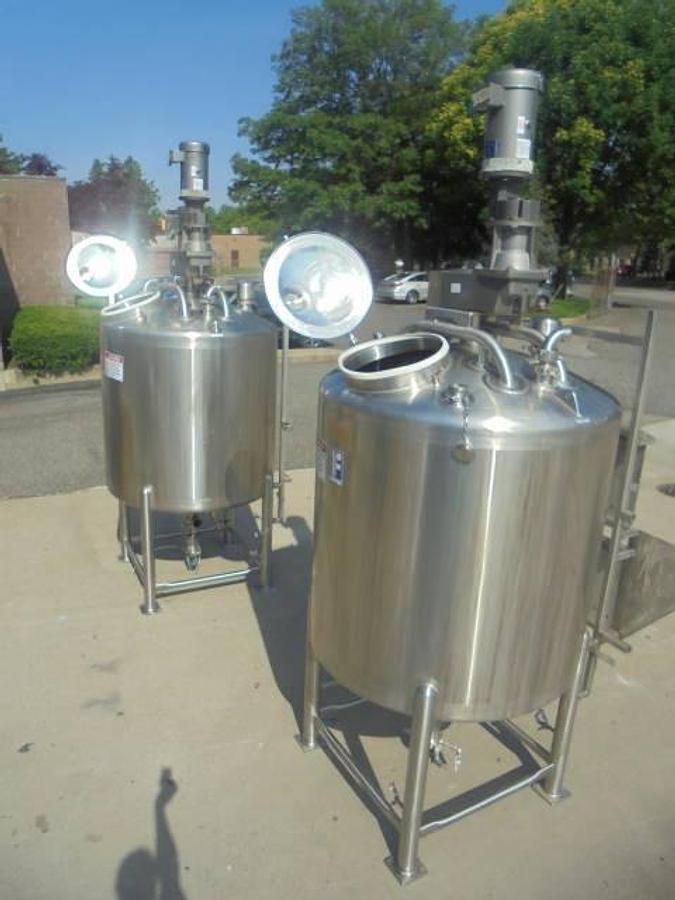
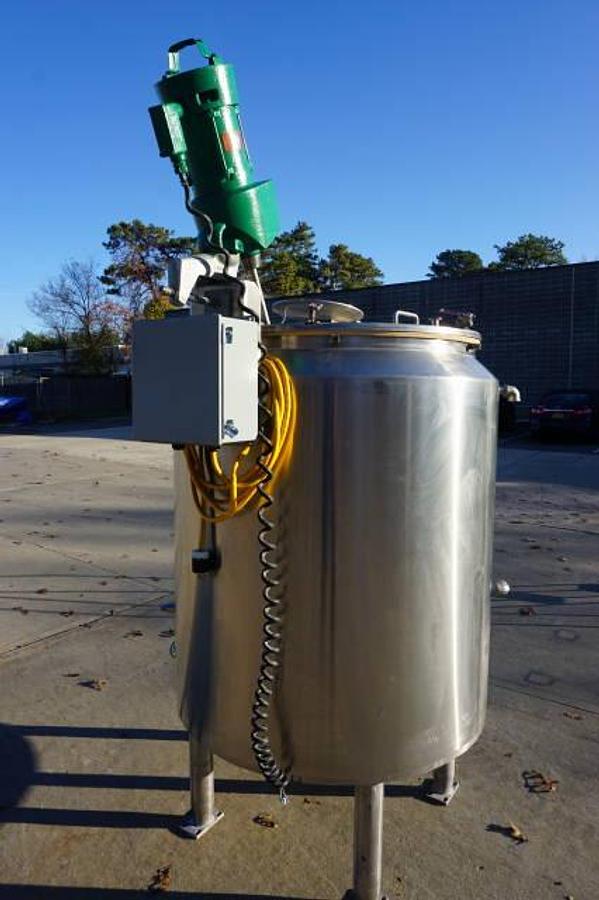
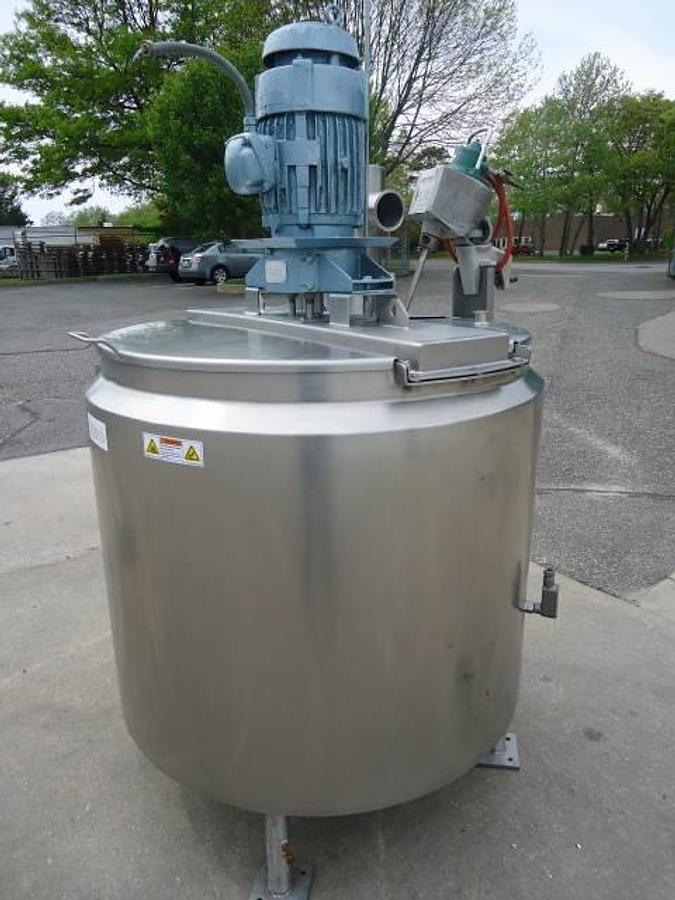
Used Feldmeier stainless steel tanks appear on the market in a wide range of capacities, making it relatively straightforward to find a size that fits a specific process requirement. Common sizes seen in the used equipment market include 100-gallon sanitary jacketed reactors, 200-gallon jacketed mix tanks, 250-gallon mixing and homogenizing kettles, 500-gallon sanitary mix tanks, 1,000-gallon pressure vacuum jacketed agitated reactors, 2,000-gallon jacketed dual motion mixing tanks, and larger vertical storage vessels in the 3,000-gallon range. Ribbon blenders and other processing vessels are also available in volumetric measurements, such as 50 cubic foot units.
Because Feldmeier has historically produced equipment across such a broad capacity range, buyers sourcing used units have a good chance of finding something close to their target volume without having to commission a custom build. That said, availability at any given time depends entirely on what has come off production lines and entered the secondary market. Buyers with flexibility on exact capacity often find better value by considering tanks slightly above or below their ideal size, particularly if the price difference is significant or if the larger unit offers features like dual-motion agitation or a higher-rated jacket that would otherwise require an upgrade.
What grade of stainless steel is used in Feldmeier tanks, and does it matter for my application?
Feldmeier tanks are manufactured using either 304 or 316L stainless steel, and the distinction matters considerably depending on the industry and process involved. Grade 304 is a general-purpose austenitic stainless steel with good corrosion resistance, commonly used in food and beverage applications where the product contact environment is not highly aggressive. Grade 316L contains molybdenum, which significantly improves resistance to chlorides and pitting corrosion. The "L" designation indicates a low-carbon variant that reduces the risk of sensitization during welding, a critical consideration in sanitary fabrication. Pharmaceutical, biotech, and high-purity food processing applications typically specify 316L for any product-contact surfaces.
When evaluating a used Feldmeier tank, buyers should confirm the steel grade from available documentation, the nameplate, or by requesting material test reports (MTRs) if the seller has them on file. For applications governed by FDA, cGMP, or other regulatory frameworks, using the correct alloy grade is not optional. It is also worth noting that 316L tanks generally command a higher price on the used market due to their suitability for a wider range of regulated applications. Buyers in the dairy, beverage, and general food processing sectors may find 304 units perfectly adequate and available at a lower price point.
Are used Feldmeier tanks suitable for pharmaceutical and food-grade applications?
Feldmeier has a long-standing reputation for manufacturing sanitary process equipment specifically designed for pharmaceutical, biotech, dairy, beverage, and food processing industries. Their tanks are built to meet the hygienic design standards that regulated industries require, including smooth internal surface finishes, crevice-free welds, and configurations that support clean-in-place (CIP) and steam-in-place (SIP) protocols. Many units are constructed to 3-A Sanitary Standards, which set specific requirements for equipment used in contact with milk and other food products, and some are fabricated to ASME pressure vessel codes for applications involving pressurized or vacuum service.
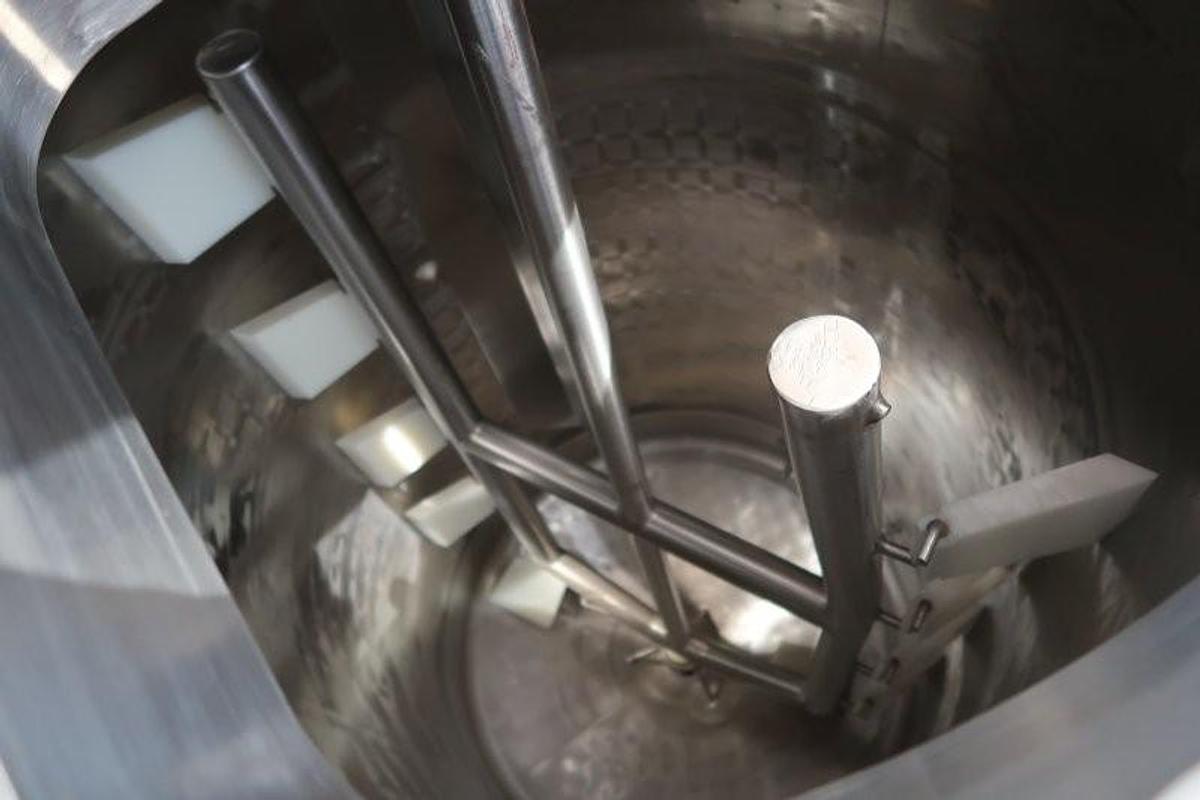
When purchasing a used Feldmeier tank for a regulated application, buyers should take a few additional steps beyond what might be required for general industrial equipment. Confirming the original build specifications, surface finish Ra values, and any certifications associated with the specific unit is important. Internal surface condition should be carefully inspected for pitting, scratches, or corrosion that could compromise product purity or make the vessel difficult to clean. A used tank that was previously maintained in a pharmaceutical or food-grade facility and kept in good condition can absolutely continue to serve in similar applications, but the burden of verifying that condition falls on the buyer. Consulting with a reputable used equipment dealer who specializes in sanitary process equipment is a practical way to narrow down candidates that are genuinely suitable for regulated use.
What certifications should I look for when buying a used Feldmeier stainless steel tank?
The most relevant certifications for Feldmeier tanks depend on the intended application, but there are a few that come up consistently in regulated industries. 3-A Sanitary Standards certification is significant for dairy and food processing applications, as it confirms the equipment was designed and fabricated to meet specific hygienic requirements covering materials, surface finish, and design geometry. ASME certification under the Boiler and Pressure Vessel Code (BPVC) is important for any tank rated for pressure or vacuum service. An ASME U-stamp on the nameplate indicates the vessel was fabricated under a documented quality system and inspected by an authorized third party at the time of manufacture. Some Feldmeier tanks are also built to FDA-compliant material specifications, which matters for pharmaceutical and direct food-contact applications.
For used equipment, buyers should understand that certifications were issued at the time of manufacture and do not automatically transfer or remain valid after the vessel changes hands or is modified. The original documentation, including the ASME data report, 3-A certificate, and any mill certifications for the stainless steel, may or may not be available depending on the history of the equipment. Asking the seller upfront about available paperwork is always worthwhile. Even if original documentation is incomplete, a tank's physical nameplate, construction details, and the reputation of the original manufacturer can still provide meaningful assurance. For applications where regulatory compliance is critical, buyers should also consult with their own quality and engineering teams before finalizing a purchase.
What configurations and features are commonly found on Feldmeier tanks?
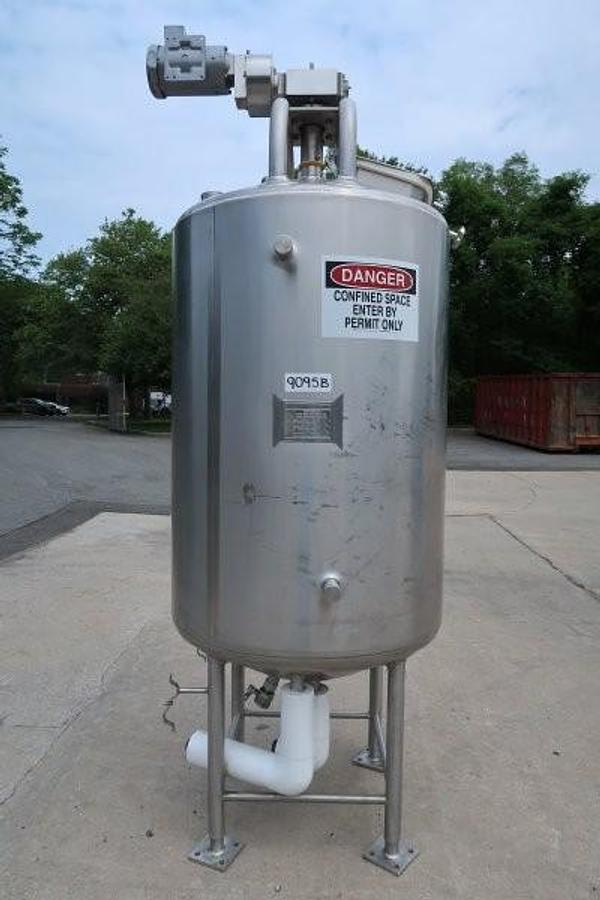
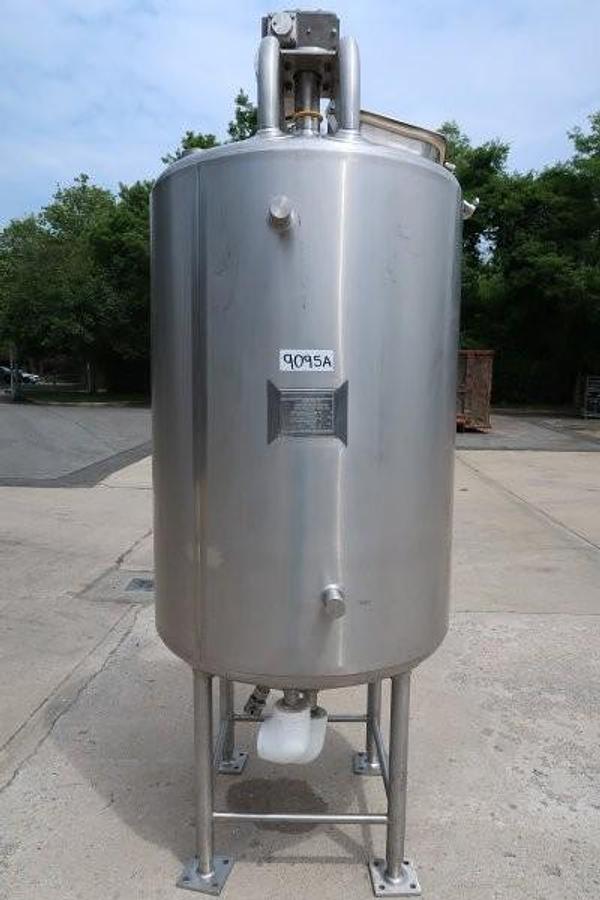
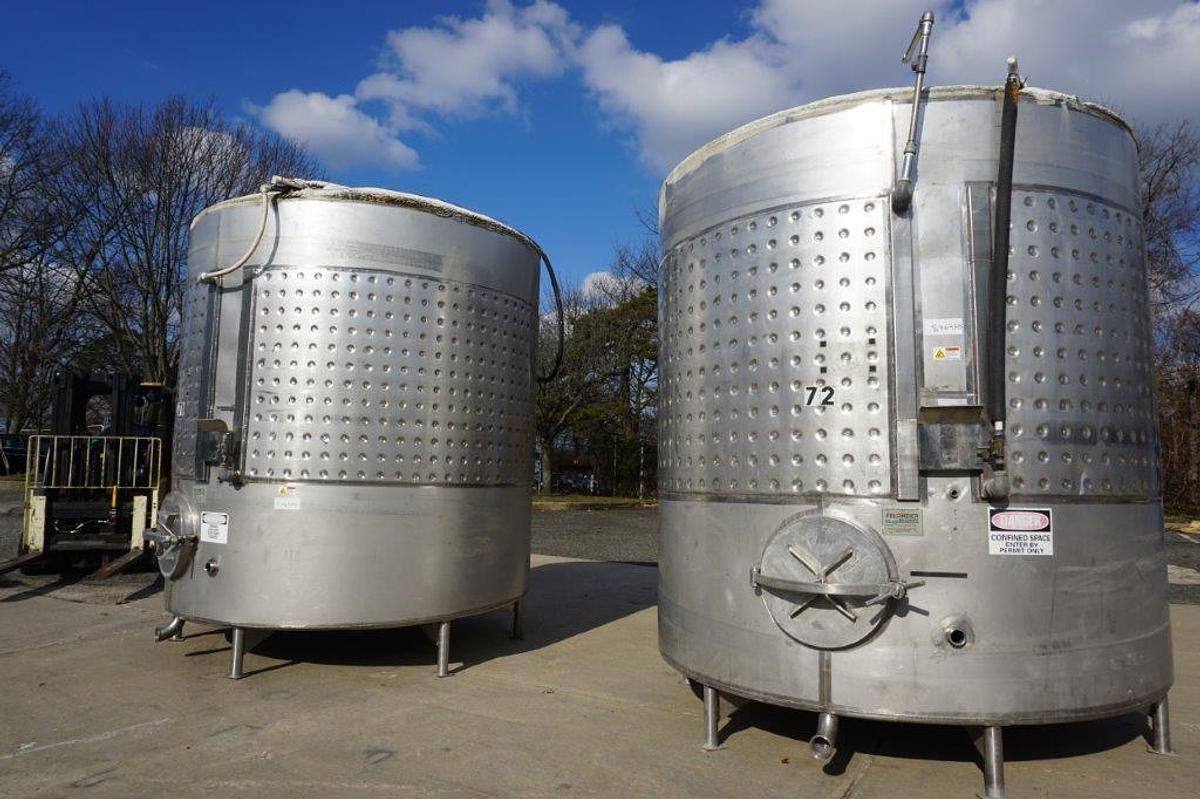
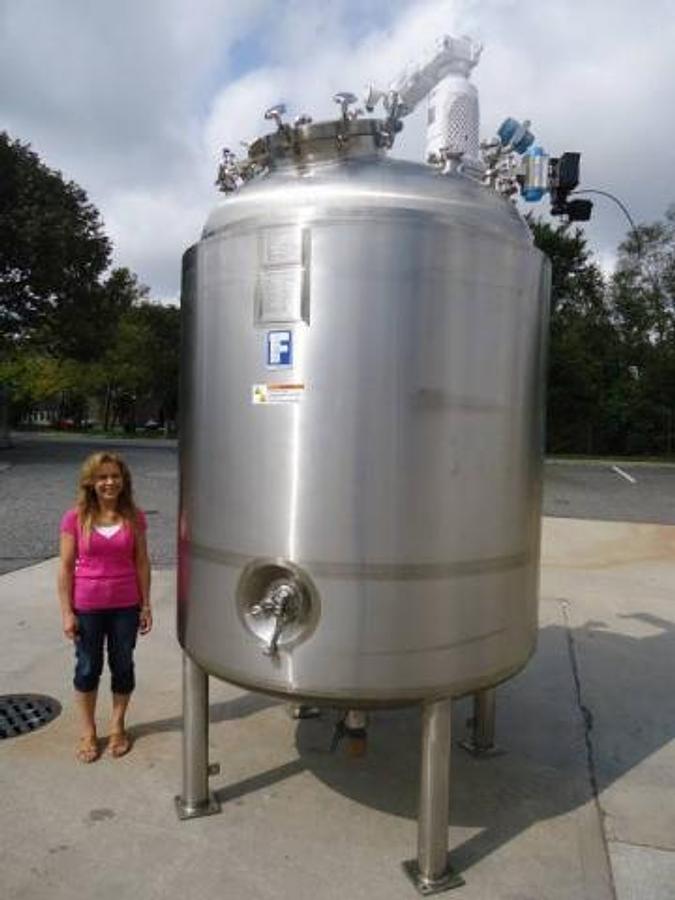
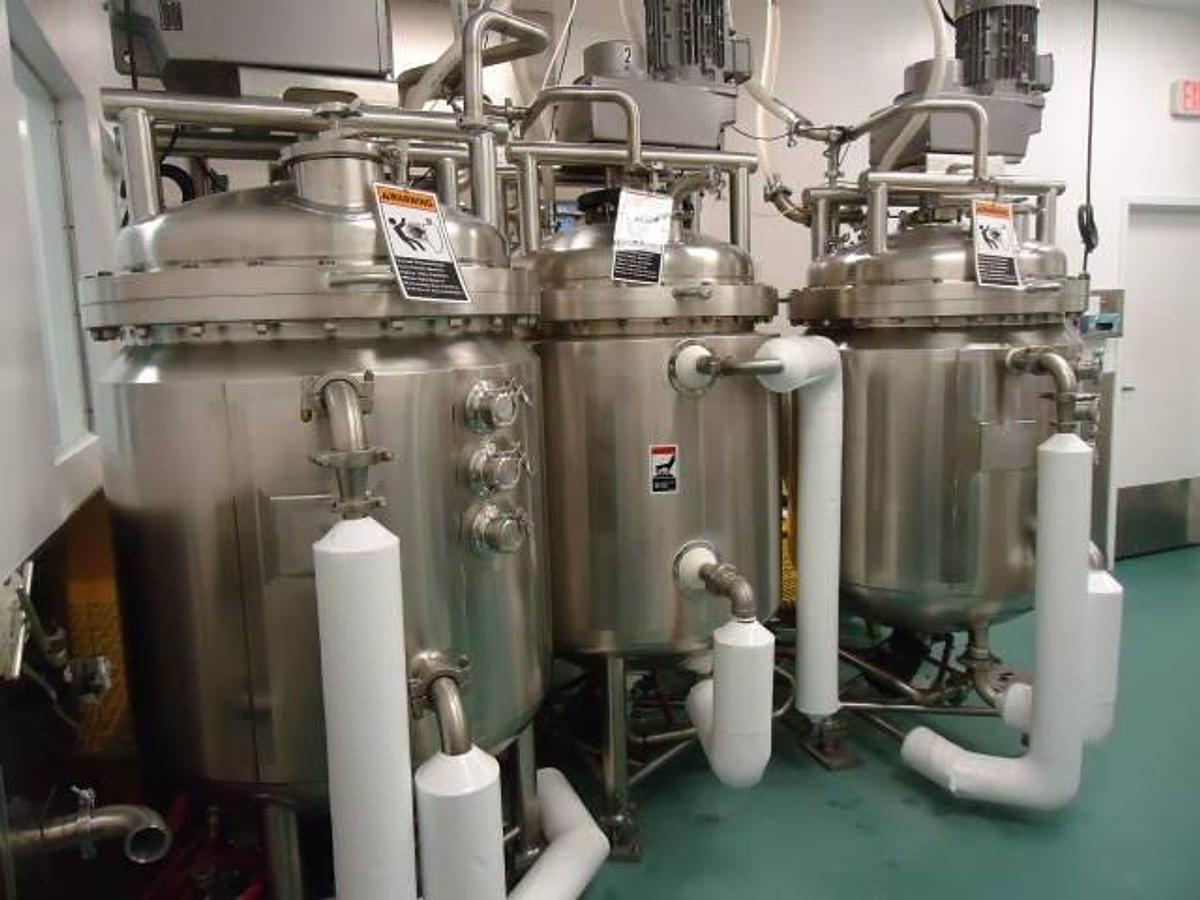
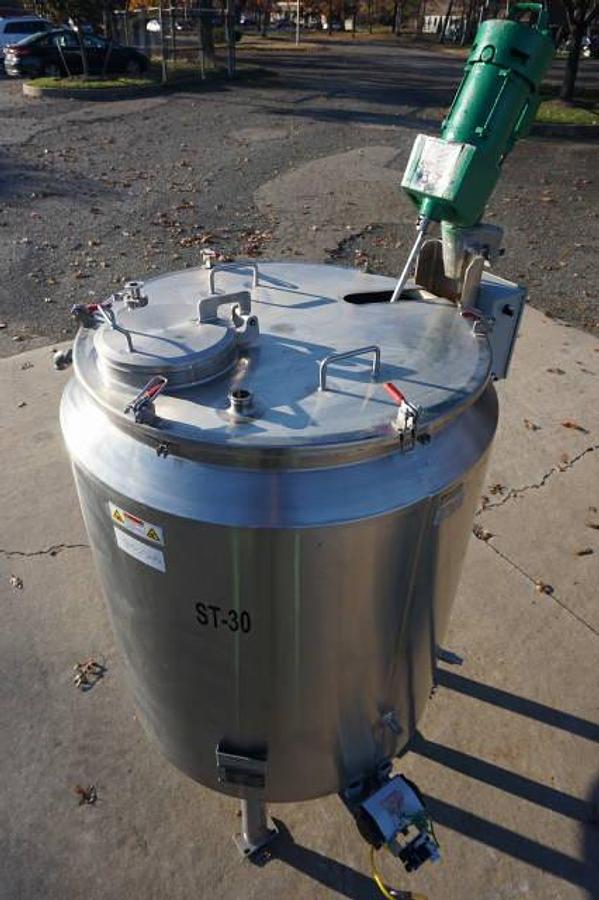
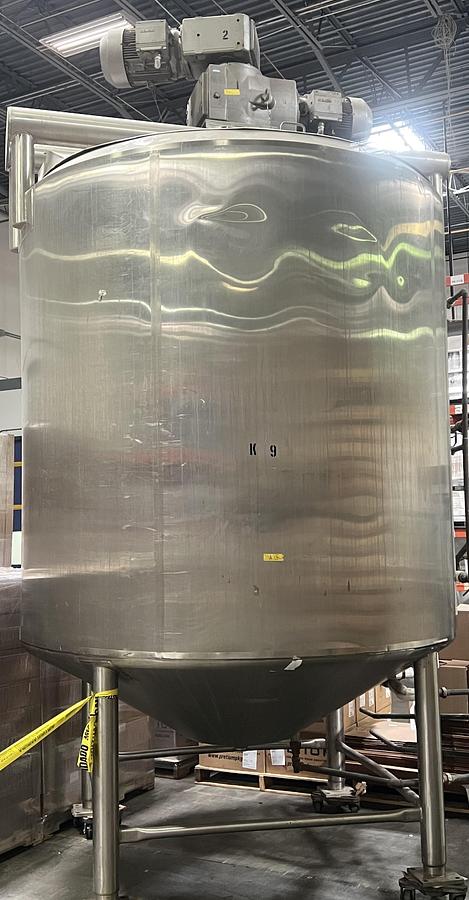
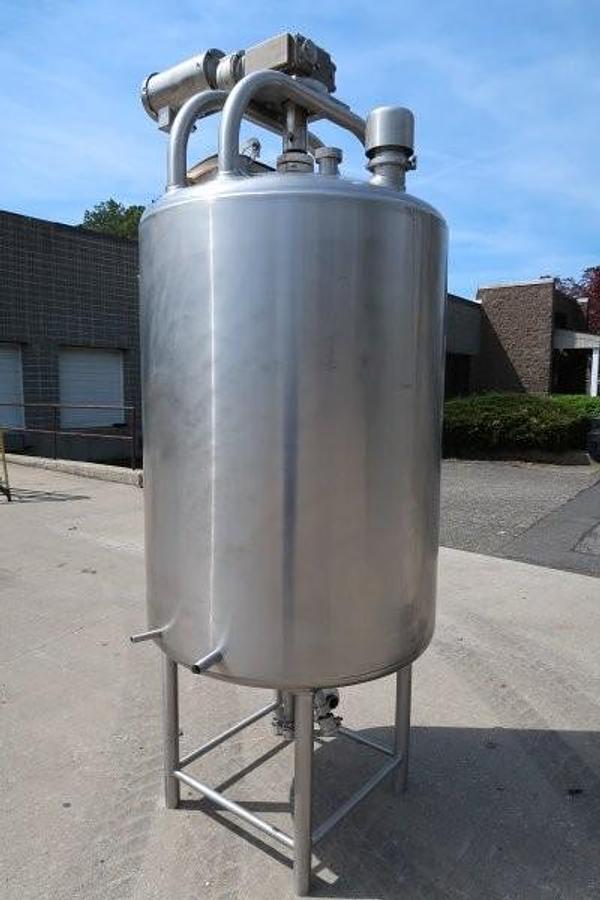
Feldmeier produces a broad range of tank configurations, and used units on the market reflect that variety. Jacketed tanks are among the most common, with the jacket allowing for heating or cooling of the vessel contents by circulating steam, hot water, glycol, or other heat transfer media through the space between the inner vessel wall and the outer jacket. Agitated and mixing tanks are also widely available, with agitator styles ranging from simple sweep agitators to more complex dual-motion configurations that combine planetary and rotation movements for demanding mixing applications. Pressure and vacuum-rated vessels, sometimes referred to as reactors, are available for processes that require operation above or below atmospheric pressure. Vertical orientation is the most common, though horizontal tanks are also produced for certain storage and processing applications.
Beyond the basic vessel configuration, Feldmeier tanks are typically equipped with sanitary fittings and tri-clamp (also called tri-clover) connections, which allow for tool-free disassembly and cleaning. Ports for temperature probes, sight glasses, spray balls, CIP return lines, and manways are standard features on many units. Some tanks are built with insulation between the jacket and an outer shell for energy efficiency. Buyers evaluating a specific used unit should review the available specifications carefully to confirm that the existing nozzle locations, agitator type, jacket rating, and working pressure match their process requirements, since modifying a sanitary vessel after the fact can be costly and may affect its certification status.
What is the typical price range for used Feldmeier stainless steel tanks?
Pricing for used Feldmeier stainless steel tanks varies considerably based on capacity, configuration, condition, and current market availability. Smaller units in the 100 to 200-gallon range with basic jacketed and agitated configurations might be found in the range of a few thousand dollars on the low end, while larger or more specialized vessels such as 1,000 to 3,000-gallon jacketed reactors or dual-motion mixing tanks can run into the tens of thousands of dollars. Tanks with documented certifications, well-maintained interior surfaces, and complete ancillary components such as agitator drives, controls, and sanitary fittings intact will generally command higher prices than stripped or heavily worn units.
One reason used Feldmeier equipment tends to hold its value reasonably well is the brand's reputation for durable, precision-manufactured sanitary equipment. Buyers who would otherwise be looking at a significant capital expenditure for comparable fabrication can often find substantial savings by sourcing used. That said, the true cost of a used tank includes more than the purchase price. Inspection costs, freight and rigging, any reconditioning work needed to bring the vessel up to the buyer's standards, and installation all factor into the total landed cost. Getting a clear picture of those additional expenses before committing to a purchase is an important part of evaluating whether a specific used unit represents good value.
How do I inspect a used Feldmeier tank before purchasing?
Inspecting a used Feldmeier tank before purchase is one of the most important steps a buyer can take, and reputable used equipment dealers will typically accommodate in-person visits, video walkthroughs, or detailed photo documentation of the equipment. The goal is to get an accurate picture of the vessel's current condition, including the interior surface finish, the condition of welds, the integrity of the jacket, the functionality of any agitator or drive components, and the status of fittings and nozzles. For tanks that are still installed and in production at a facility, the dealer can often arrange an inspection at the plant, where the equipment may even be running. For decommissioned equipment held at a dealer's warehouse, a direct visit or a live video call with someone who can physically access the tank is the practical alternative.
A few specific things are worth paying close attention to during a tank inspection. Interior pitting or corrosion on product-contact surfaces is a red flag, particularly for pharmaceutical or high-purity food applications where surface finish is critical. The jacket should be checked for evidence of leaks or prior repairs. Agitator shaft seals, mechanical seals, and drive components should be examined for wear. Buyers should also ask about the tank's service history if that information is available, since a vessel that spent its prior life in a clean food or dairy application is in a very different position than one used for chemical processing. Keep in mind that most used equipment dealers do not have the permitting or infrastructure to run actual production through a tank, so functional testing with product is generally not possible in a dealer setting.
What industries commonly use Feldmeier stainless steel tanks?
Feldmeier stainless steel tanks are used across a fairly wide range of industries, all of which share a need for sanitary, corrosion-resistant process vessels. Dairy processing is one of the most traditional applications, with Feldmeier equipment appearing in milk storage, pasteurization, and cheese and yogurt production. Beverage production, including wine, beer, juice, and specialty drinks, is another major sector, and the used market frequently includes tanks that were previously used in these applications. Food processing more broadly, covering sauces, condiments, nutritional products, and similar goods, relies heavily on jacketed and agitated vessels of the type Feldmeier manufactures.
On the higher-purity end of the spectrum, pharmaceutical manufacturing and biotech applications use Feldmeier vessels for mixing, blending, and storage of active ingredients, excipients, and intermediates. These applications typically require 316L stainless steel, documented surface finishes, and compliance with cGMP standards. Chemical processing is also a user of Feldmeier equipment, though the specific alloy and design requirements vary depending on the chemicals involved. The breadth of industries that have historically purchased and used this equipment is part of what makes used Feldmeier tanks relatively accessible on the secondary market, since equipment coming out of one industry can often be evaluated for reuse in another, provided the construction materials and design specifications are compatible with the new application.
What should buyers know about shipping and rigging a used Feldmeier tank?
Shipping a used stainless steel tank requires more planning than most standard freight shipments, and the costs can be significant depending on the size and weight of the vessel. Smaller tanks in the 100 to 500-gallon range can often be moved on standard pallets with proper blocking and banding, though sanitary fittings and agitator components should be protected or removed and packed separately to avoid damage in transit. Larger vessels in the 1,000-gallon-plus range typically require flatbed trucking and may need custom crating or skidding to prevent damage during loading, transport, and unloading. Buyers should ask the seller specifically about how the equipment will be packaged and what is included in the quoted freight price.
Rigging is a separate consideration, particularly for large or heavy tanks that need to be lifted onto a truck at the point of origin and off the truck at the destination. This work requires specialized equipment and experienced rigging crews, and the cost is usually an added line item on top of freight. Buyers should factor rigging charges at both ends of the shipment into their total landed cost calculation. It is also worth confirming in advance whether the receiving facility has the equipment and clearances needed to unload and position a large vessel, since an unprepared receiving dock can create delays and additional expenses. Getting a complete freight and rigging quote before finalizing a purchase helps avoid surprises.
What are typical payment terms when purchasing used Feldmeier tanks from a dealer?
Most used equipment dealers require full payment before a tank is released for shipment. This is standard practice in the used machinery industry and reflects the nature of the transaction, where the seller is holding a physical asset and needs confirmation of payment before arranging logistics. Buyers who are purchasing from a dealer for the first time should expect to pay in full prior to any shipping arrangements being made. Wire transfer is the most common payment method for transactions of this size, though dealers may accept other forms of payment depending on the circumstances.
Some dealers extend credit terms or deferred payment arrangements to established customers with a track record of prior purchases, but this is the exception rather than the rule for first-time buyers. Buyers who need financing for a used tank purchase may want to explore equipment financing through a third-party lender, which can allow them to pay the dealer in full while spreading their own payments over time. Before committing to a purchase, it is worth getting a complete breakdown of all costs, including the equipment price, any applicable taxes or fees, packaging, rigging, and freight, so that the total amount due is clear and there are no surprises at the time of payment.