Category
Manufacturer
Model
Federal
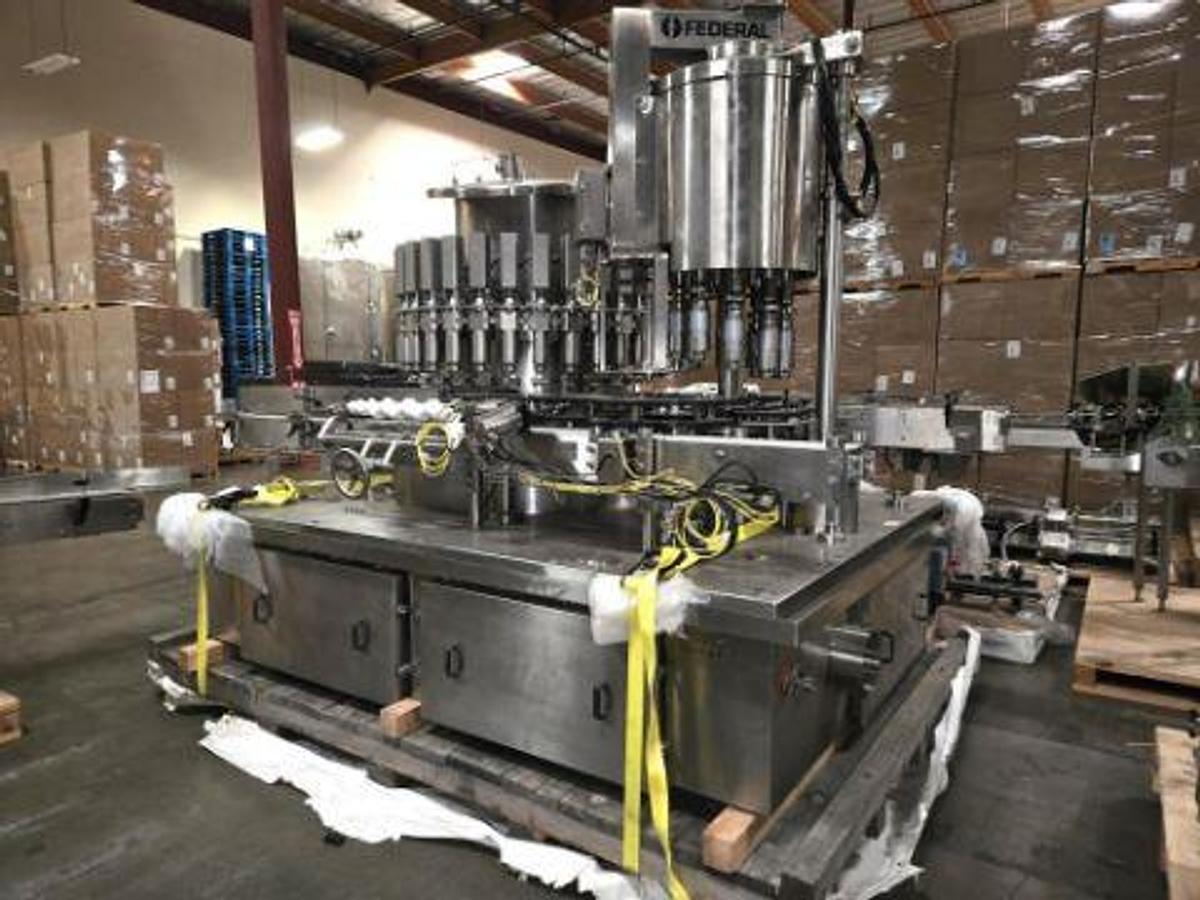
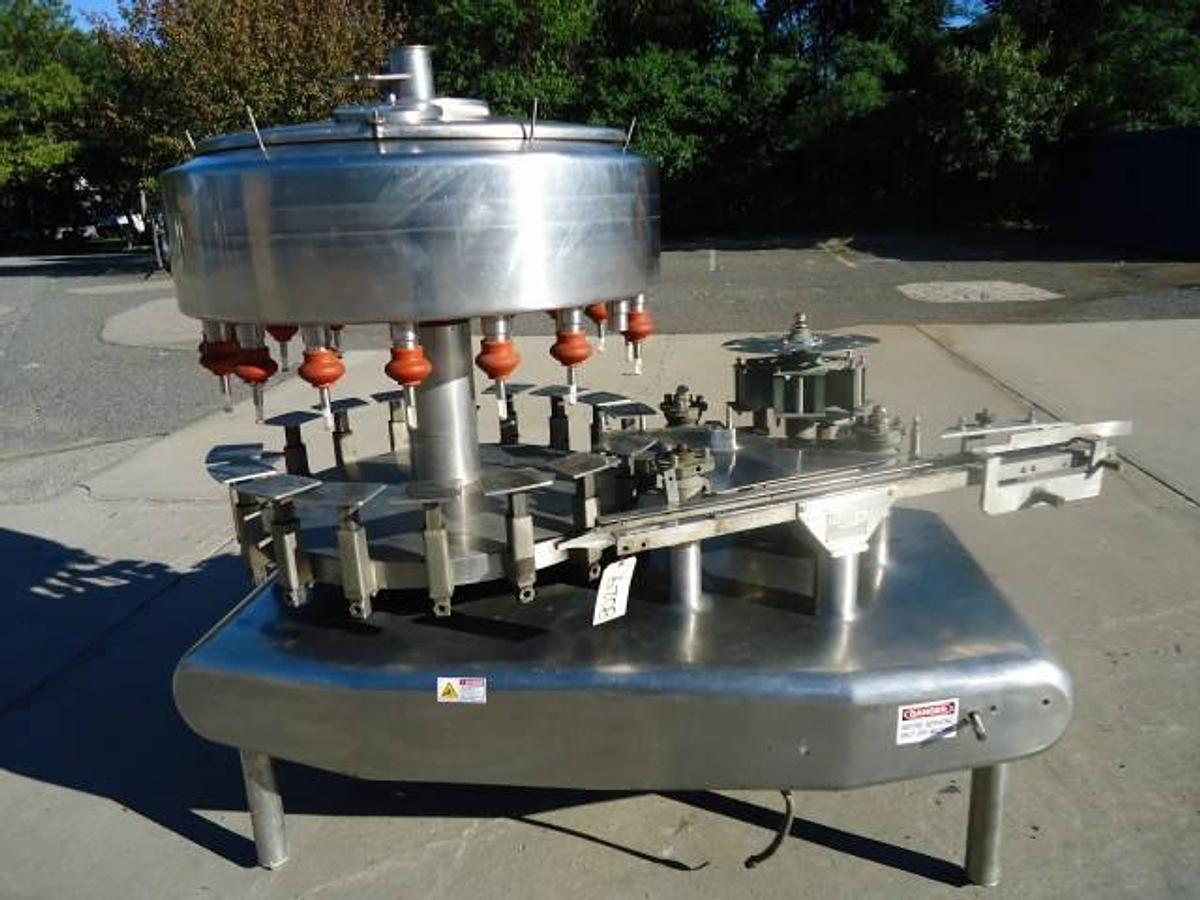
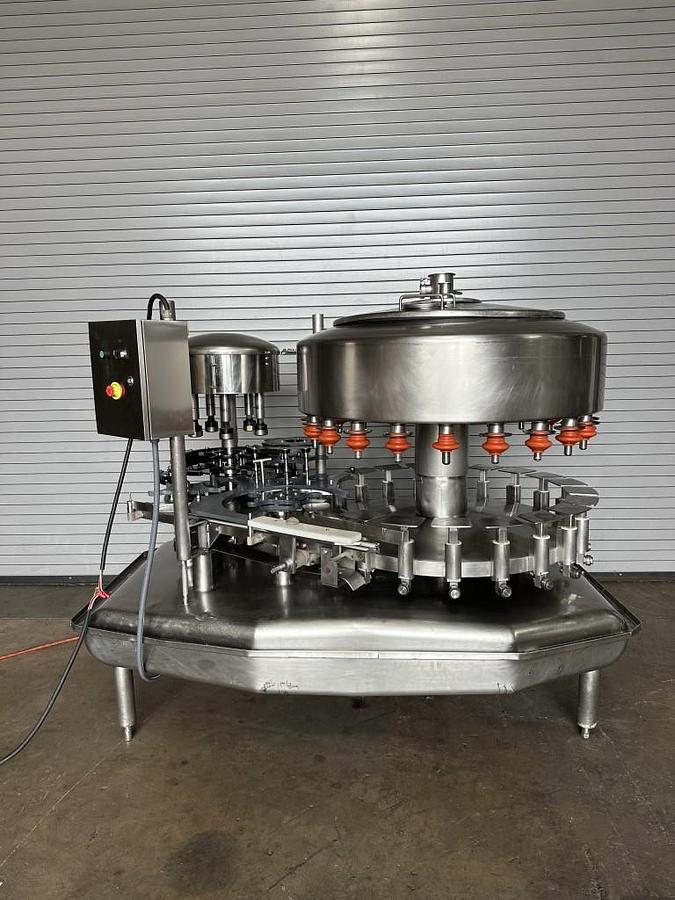
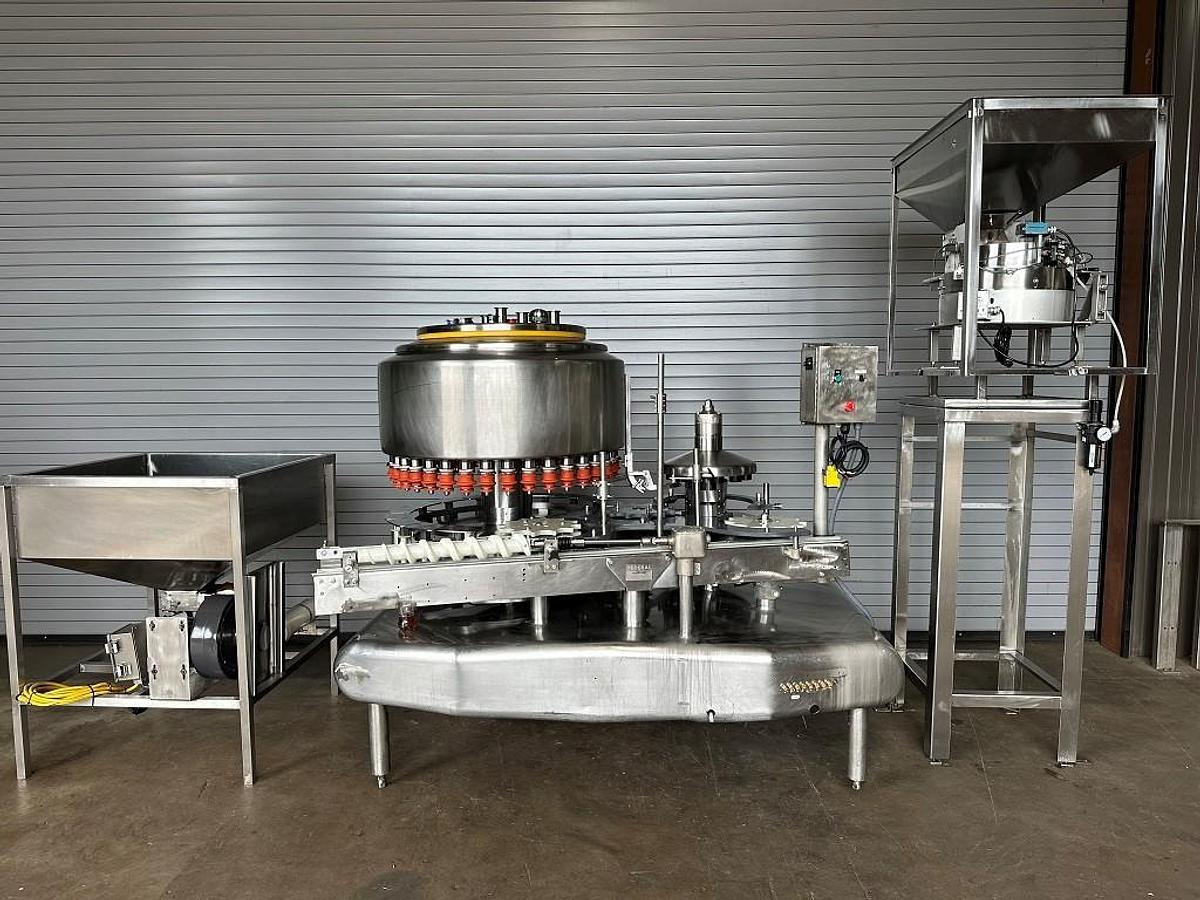
Federal produces a variety of packaging equipment tailored for the food, pharmaceutical, and consumer goods sectors. Their product range includes filling machines, sealing equipment, and custom solutions that cater to specific manufacturing needs.
FAQ:
What types of Federal packaging equipment are commonly available on the used market?
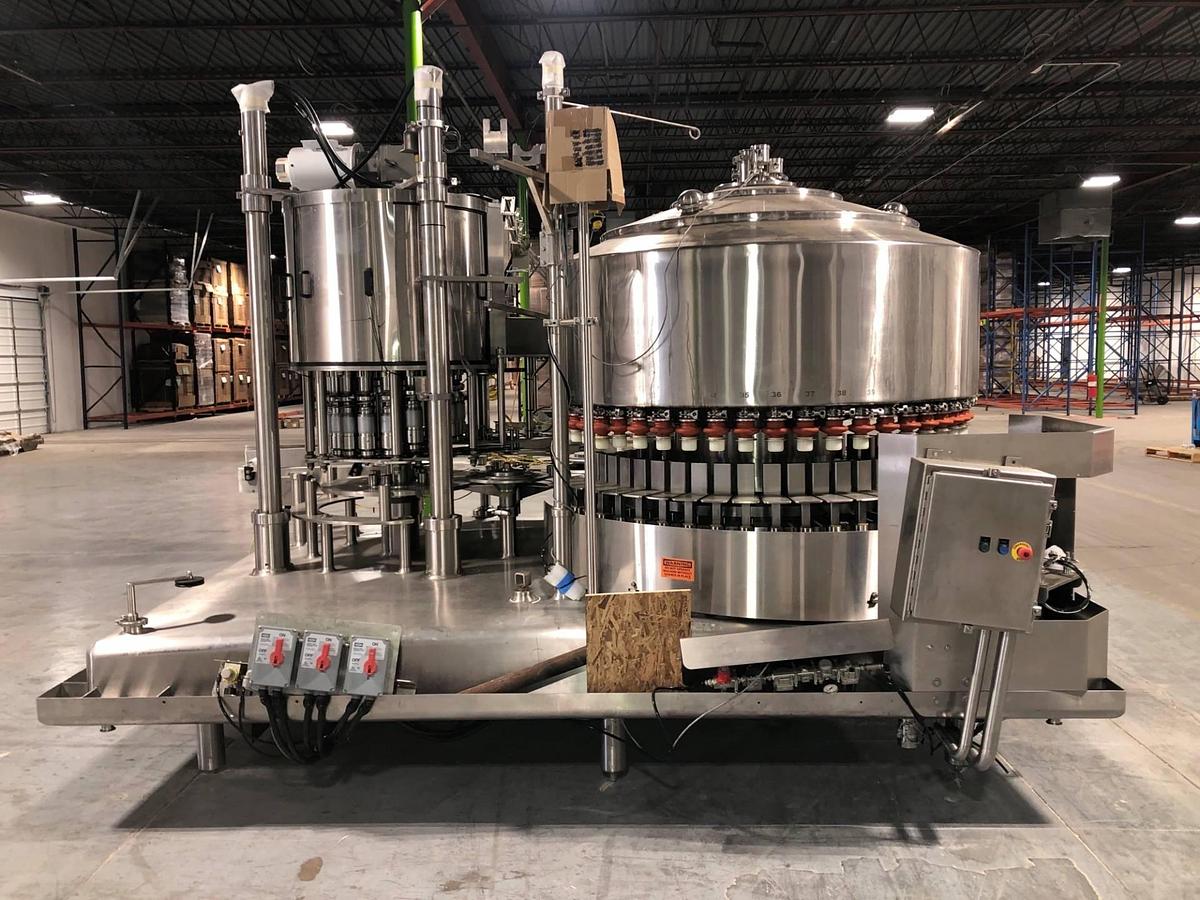
Federal Manufacturing produces a range of liquid packaging machinery that shows up regularly on the used equipment market. The most common categories include rotary liquid fillers, multi-valve bottle fillers, and combination filling and capping machines. Specific configurations vary widely, from smaller 21-valve rotary gallon bottle fillers paired with 5-head screw cappers to larger 51-valve rotary fillers with 17-head cap stations designed for high-volume juice filling lines. You'll also find stainless steel rotary liquid fillers like the G-185 model, which is built for sanitary production environments.
Beyond standalone fillers, Federal machines are frequently sold as integrated filling-and-capping systems. A 36-valve bottle filler paired with a 12-head capper, or a 30-head filler combined with a 10-head capping machine, are examples of the kind of turnkey line configurations that appear on the used market. These combination setups are particularly attractive to buyers looking to minimize integration work, since the filling and capping functions are already matched and tested together as a unit.
What industries are Federal filling and capping machines best suited for?
Federal liquid packaging equipment has a strong track record across several process-intensive industries. Food and beverage is probably the most prominent application, with Federal rotary fillers widely used for juice, water, sauces, and other liquid food products. The stainless steel construction and sanitary design of many Federal machines make them well-suited for food-grade production environments where cleanability and compliance with FDA and GMP standards are non-negotiable.
Pharmaceutical, cosmetic, and chemical manufacturers also rely on Federal equipment. The precision fill volumes and rotary design allow for consistent, repeatable output at production speeds that mid-to-large scale operations require. Consumer goods companies filling bottles with personal care products, cleaning solutions, or similar liquid products represent another common user base. The broad container compatibility across many Federal models, handling everything from small bottles to gallon jugs, gives the equipment flexibility across different product lines and packaging formats.
What should buyers know about purchasing used Federal packaging machinery versus buying from a manufacturer?
Buying used Federal packaging equipment can offer significant cost advantages compared to sourcing equivalent machinery through a manufacturer, but the tradeoffs are worth understanding clearly. Used machines are sold as-is, meaning there is no manufacturer warranty attached to the transaction. The responsibility for evaluating condition, functionality, and suitability falls entirely on the buyer. This makes the inspection process critical. Buyers should work only with dealers who have a long, verifiable track record in the packaging machinery space and who specialize in this category of equipment rather than generalist resellers.
One practical step that often gets overlooked is contacting Federal Manufacturing directly to ask about parts availability and technical support for the specific model and age of machine under consideration. Older models may have limited parts availability, and knowing that before purchase prevents expensive surprises later. A reputable used equipment dealer will typically facilitate in-person or video inspections so buyers can assess the machine's current condition accurately. Some machines may still be running in a production facility at the time of sale, which can actually be an advantage since the equipment can be observed operating under real production conditions.
What production speeds and fill volumes can Federal rotary filling machines handle?
Federal rotary fillers are built around continuous rotary motion, which allows for significantly higher throughput than inline or piston-style fillers. The number of fill valves on a given machine is a primary indicator of its capacity. A 21-valve machine running at moderate speeds can handle gallon-sized containers at production rates suitable for mid-scale operations, while a 51-valve machine with 17 capping heads is designed for high-volume continuous output, the kind of throughput associated with large juice or beverage bottling lines.
Fill volume adjustability is a standard feature on most Federal equipment, allowing operators to dial in specific fill weights or volumes for different products or container sizes within a given range. The actual achievable production rate depends on several factors beyond valve count: container size, product viscosity, fill level accuracy requirements, and the condition of the machine. Buyers evaluating used Federal equipment should ask for documentation on the machine's rated speed at the fill volume they intend to run, and factor in that some performance adjustment or reconditioning may be needed to reach those specifications on older equipment.
How should buyers inspect used Federal packaging equipment before purchasing?
A thorough inspection is the single most important step in buying used packaging machinery. For Federal filling and capping machines, buyers should look at the condition of the fill valves, valve seats, and seals, since these are the components that take the most wear in liquid filling operations. Stainless steel frames and contact surfaces should be examined for corrosion, pitting, or welds that suggest prior repairs. Drive components, timing systems, and the capping heads on combination machines should all be checked for wear or damage.
Reputable dealers will accommodate in-person inspections, virtual walkthroughs, or detailed video captures of the equipment. If the machine is still installed and running at a production facility, an in-person inspection there can be particularly valuable since the equipment can be observed in actual operation. Keep in mind that most used equipment dealers do not have the permits or infrastructure to run product through a machine for a live demonstration, so buyers should not expect a full production trial. What a good inspection can confirm is mechanical condition, completeness of parts, and the general state of the machine. Buyers should also verify that all major components are present, since missing parts on used filling equipment can be expensive to source.
What is the typical price range for used Federal filling and capping machines?
Pricing on used Federal packaging equipment varies considerably based on the machine's configuration, age, condition, and how many functions it combines. A single-function rotary filler in good working condition might be priced anywhere from the low tens of thousands into the six-figure range depending on valve count and production capacity. Combination filling and capping systems, particularly larger configurations like a 36-valve filler with a 12-head capper or a 51-valve filler with a 17-head cap station, will generally command higher prices because they represent a more complete production solution.
Beyond the equipment price itself, buyers should account for the full landed cost of acquisition. Shipping charges for large filling machines can be substantial, especially if the equipment requires specialized rigging for loading and unloading. Crating and palletization requirements will also affect freight costs. If the machine needs reconditioning, replacement seals, or valve rebuilds upon arrival, those costs should be factored into the budget as well. Getting a clear picture of total acquisition cost, including shipping, rigging, and any anticipated reconditioning, is important before committing to a purchase.
What are the shipping and logistics considerations for used Federal packaging equipment?
Federal rotary filling and capping machines are heavy, precision-built pieces of equipment, and shipping them requires more planning than standard freight. The machine needs to be properly secured and protected before transport, and the level of crating or palletization required will directly affect shipping costs. Buyers should ask the dealer specifically what packaging will be used and whether the machine will be crated, palletized with bracing, or shipped in some other configuration. Inadequate packaging is one of the most common causes of damage to used machinery in transit.
For larger Federal machines, loading and unloading typically requires a forklift or crane, and in some cases specialized rigging services. These rigging costs are usually separate from the freight quote and can add meaningfully to the total. Buyers who are not set up to receive heavy machinery should arrange for professional unloading at their facility before the equipment ships. Asking the dealer for a complete breakdown of all charges, including packaging, rigging, freight, and any fuel surcharges, upfront is the best way to avoid surprises and accurately compare the total cost of different equipment options.
What payment terms are standard when purchasing used Federal packaging machinery?
Used packaging equipment transactions typically require full payment before the machine ships. This is standard practice across the used machinery industry and applies regardless of the size or price of the equipment. The logic is straightforward: once a machine leaves a dealer's facility, verifying its condition and handling disputes becomes significantly more complicated, so dealers protect themselves by requiring cleared funds prior to release.
Some dealers will extend payment terms to buyers with whom they have an established purchasing history, but this is the exception rather than the rule for first-time transactions. Buyers should clarify payment expectations early in the negotiation process, including what forms of payment are accepted and whether any deposit is required to hold a machine while financing or internal approvals are arranged. Wire transfer is the most common payment method for equipment transactions of this type. Buyers using equipment financing should confirm their funding timeline with their lender before committing to a purchase, since dealers will generally not hold equipment indefinitely without payment.
Can used Federal packaging machines be retrofitted or modified for different production requirements?
Used Federal filling and capping machines can often be adapted for different production needs, but the extent of what's practical depends heavily on the specific machine and the nature of the modification. Common adjustments include changing fill volumes through valve and timing adjustments, switching out capping heads to accommodate different closure types, and modifying conveyor heights or container handling components to work with different bottle sizes. These kinds of changes are within the scope of what an experienced packaging machinery technician can handle.
More substantial modifications, like converting a machine from one fill technology to another or significantly changing its rated production speed, are more complex and may not be cost-effective on older equipment. Before purchasing a used Federal machine with the intent to modify it, buyers should consult with a packaging machinery technician or integrator who has hands-on experience with Federal equipment specifically. They can assess whether the intended modification is feasible, what parts would be required, and what the realistic cost and timeline would look like. Federal Manufacturing may also be a resource for technical guidance on what modifications their machines can support.
How do buyers find reputable dealers selling used Federal packaging equipment?
The used packaging machinery market has a mix of dealers with very different levels of expertise and accountability. For Federal filling and capping equipment specifically, buyers are better served by working with dealers who specialize in packaging machinery rather than general industrial equipment resellers. Specialization matters because it affects the accuracy of machine descriptions, the quality of inspections offered, and the dealer's ability to answer technical questions about a specific model's condition and history.
A few practical indicators of a reputable dealer include years in business, a track record specifically in packaging equipment, willingness to facilitate thorough inspections, and transparency about what they know and don't know about a machine's history. Dealers who have sold Federal equipment before will be more familiar with common wear points, what documentation to look for, and how to represent the machine's condition accurately. Buyers should be cautious about listings with minimal technical detail or dealers who are reluctant to provide inspection access. The inspection process is the primary protection a buyer has in an as-is transaction, and any dealer worth working with will support it.