Category
Manufacturer
Model
Ertel
Ertel manufactures filtration equipment for the pharmaceutical, food, and beverage industries. Their products, including filter housings and cartridges, are designed to ensure product purity and compliance with industry standards. Ertel’s focus on quality and innovation has made them a preferred supplier for manufacturers seeking reliable filtration solutions.
FAQ:
What types of Ertel filtration equipment are commonly available on the used market?
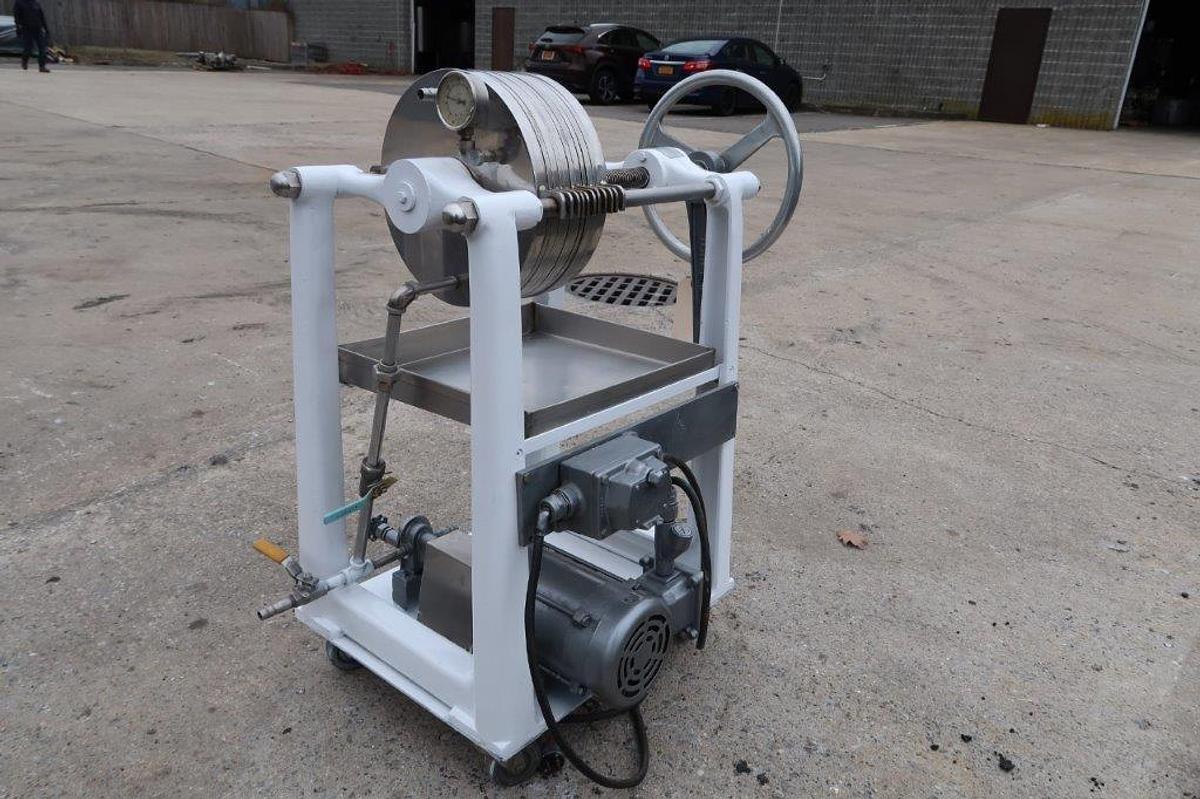
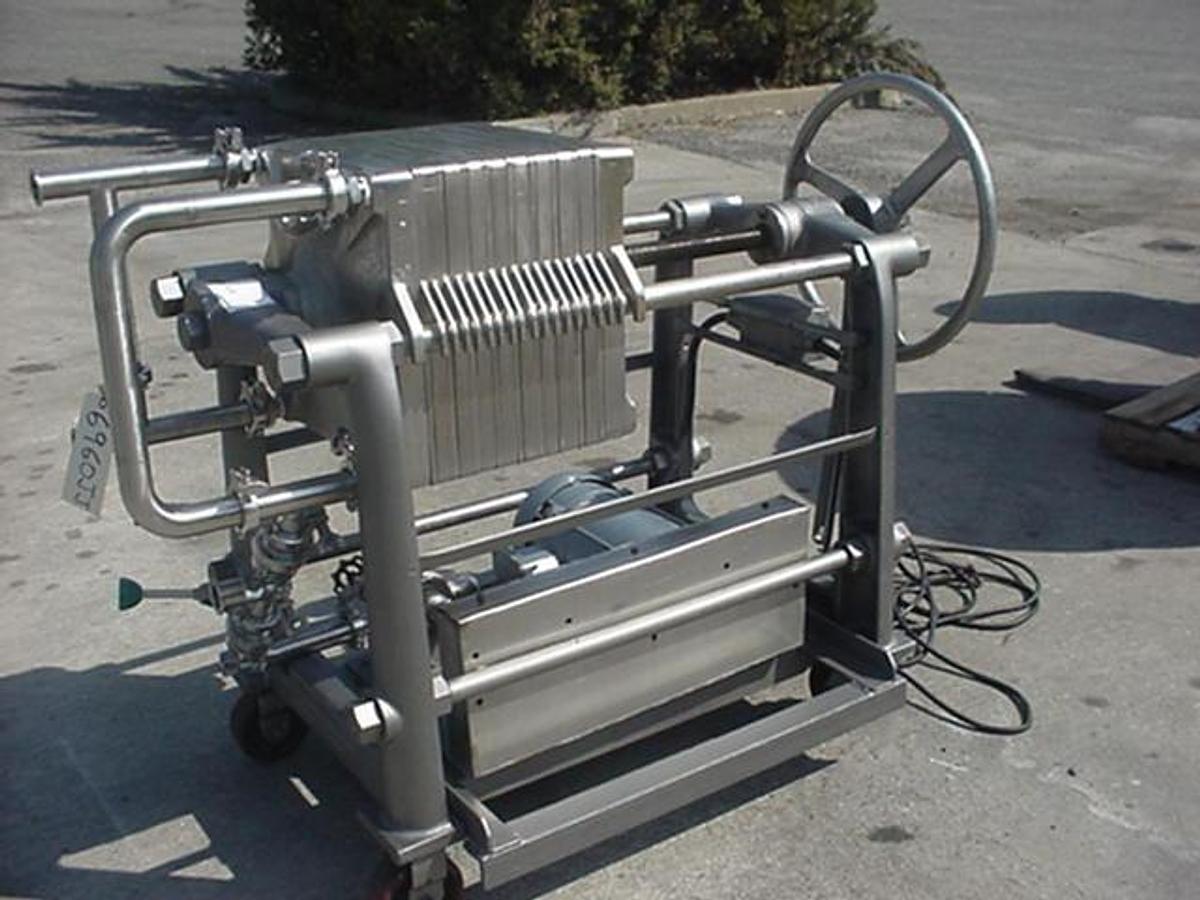
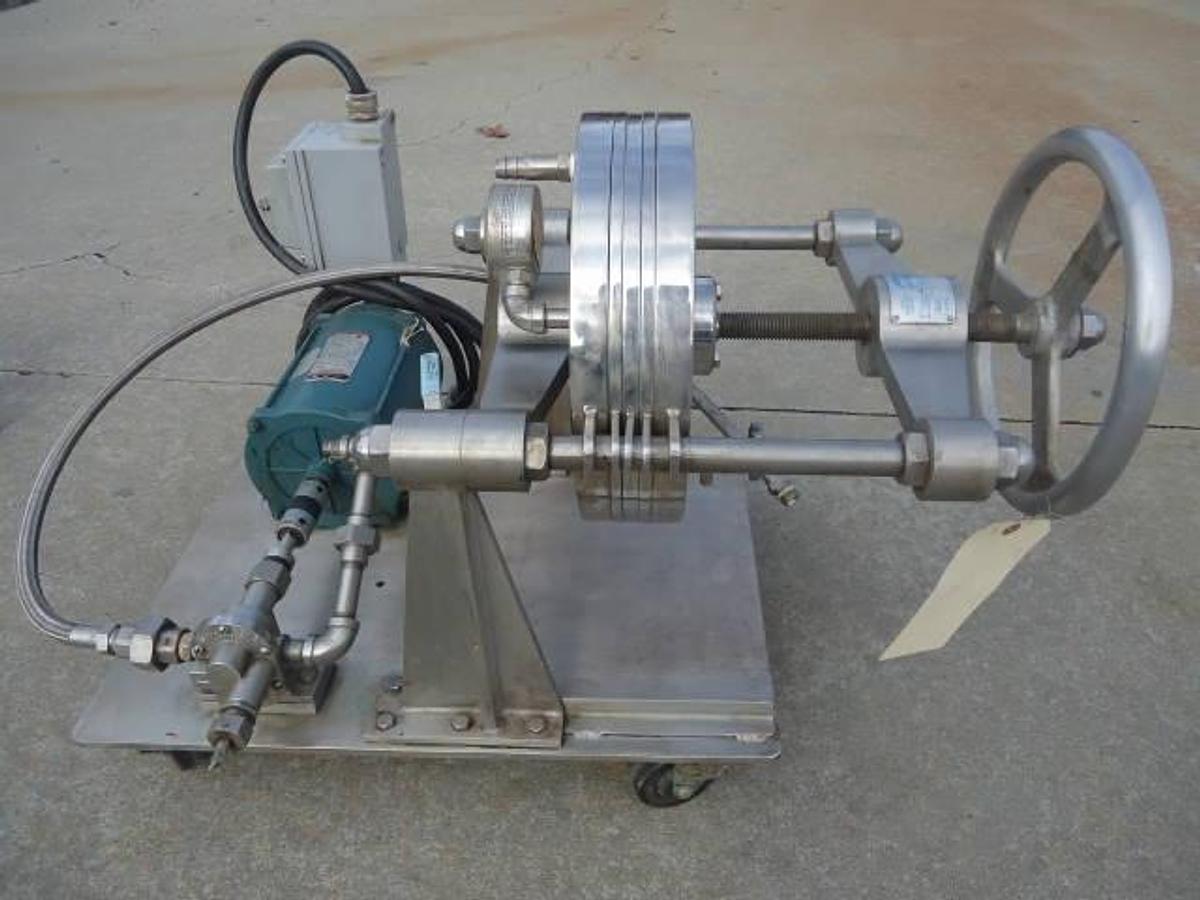
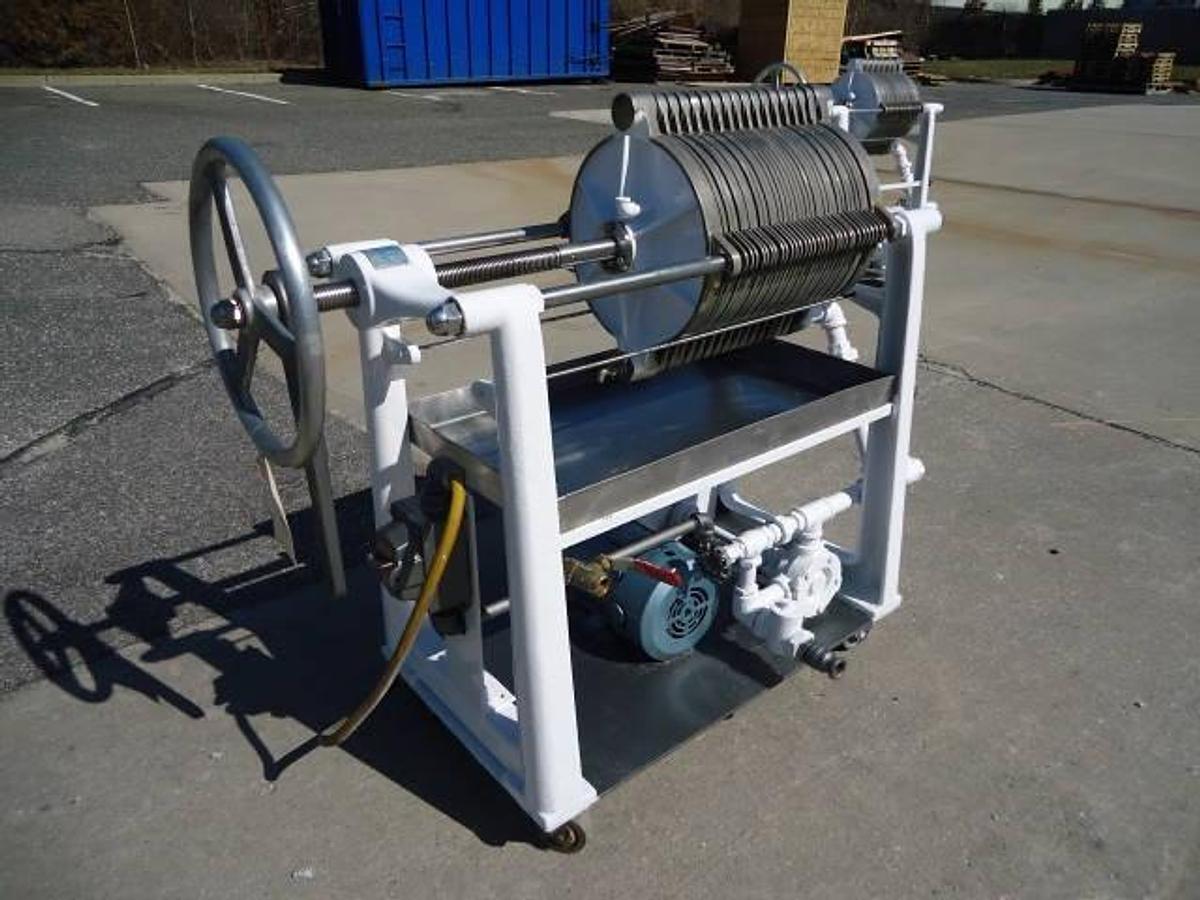
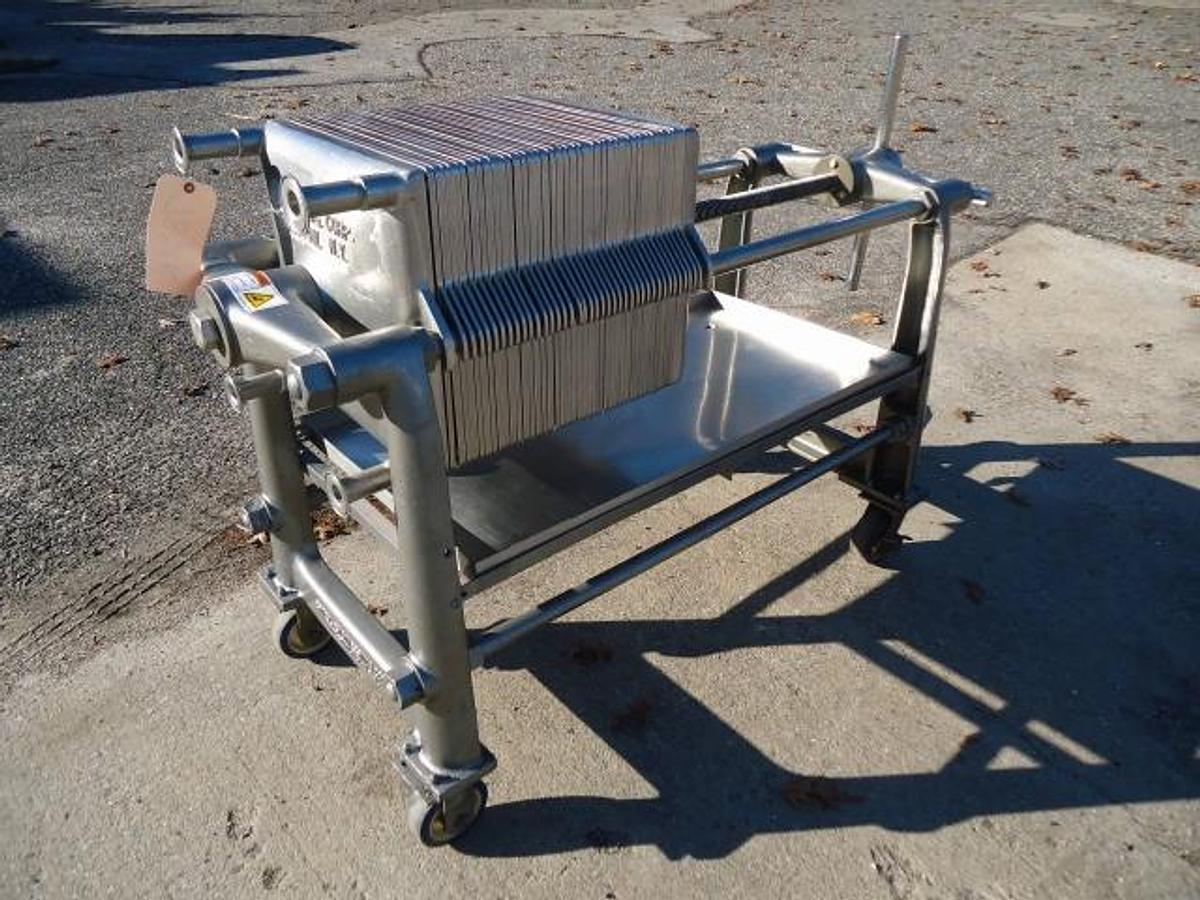
Used Ertel filtration equipment spans several product categories, with filter presses being among the most frequently available. These include plate-and-frame filter presses in various sizes (commonly 12-inch and 16-inch plate configurations), lenticular filter housings, disc filter presses, and portable filter press units that include integrated pumps. Many listings also include lab-scale units, which are popular with quality control departments and pilot-scale production facilities. Stainless steel construction is standard across most Ertel product lines, making the equipment well-suited for sanitary processing environments.
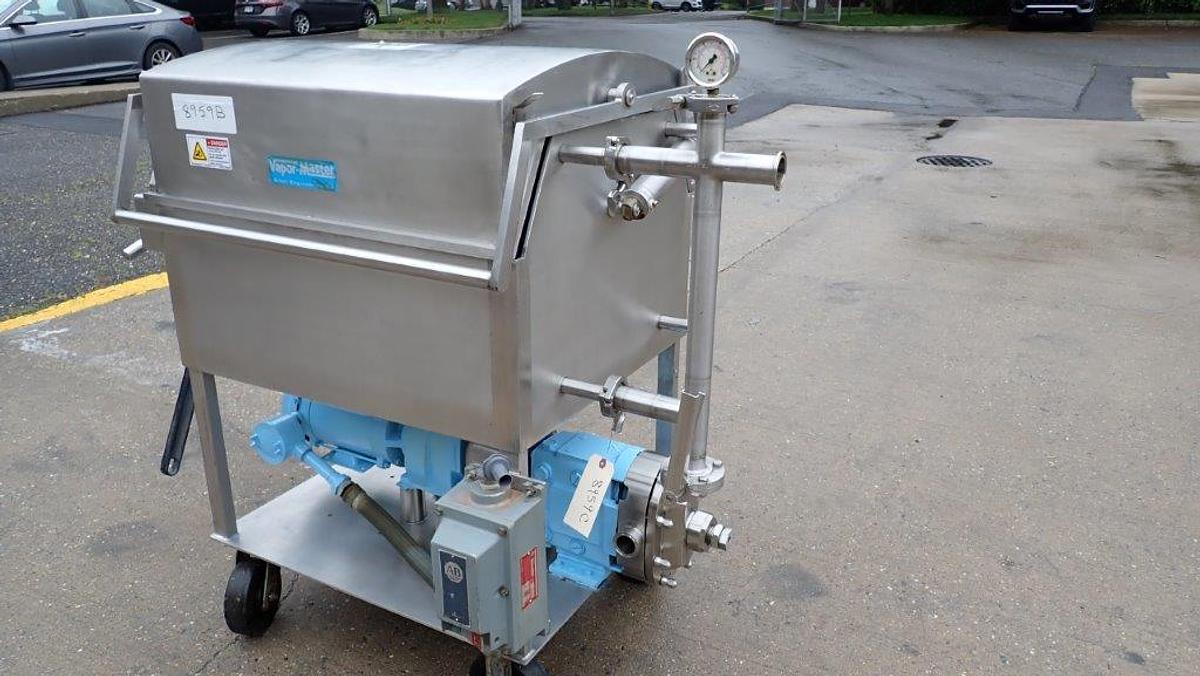
Beyond filter presses, Ertel also produced Vapor-Master filter presses designed for vapor-sensitive applications, as well as systems configured with explosion-proof (XP) motors for use in hazardous environments. When shopping the used market, buyers will find equipment ranging from small 12-inch diameter single-unit presses to larger multi-disc configurations with 20 or more filter discs. The variety of available models reflects Ertel's long history of serving pharmaceutical, food and beverage, and chemical processing industries, and the durability of their equipment means units manufactured decades ago can still be found in working or restorable condition.
What industries is Ertel filtration equipment best suited for?
Ertel filtration equipment has historically served four main industries: pharmaceutical manufacturing, food and beverage processing, biotechnology, and general chemical processing. The brand built its reputation on depth filtration technology, which is particularly valued in applications requiring both clarification (removing suspended solids and haze) and sterilizing-grade filtration (removing microbial contaminants). This dual capability makes Ertel equipment especially attractive to regulated industries where product purity and process validation are non-negotiable requirements.
In the food and beverage sector, Ertel presses are used for filtering wine, beer, juices, edible oils, and syrups. In pharmaceutical and biotech settings, the equipment handles API (active pharmaceutical ingredient) processing, biologics clarification, and prefiltration ahead of membrane filtration steps. The stainless steel construction and hygienic design of most Ertel units align with FDA and cGMP expectations for sanitary processing, which is one reason the brand retains strong demand on the used equipment market. Chemical processors also rely on Ertel presses for solvent filtration and catalyst recovery, particularly where product purity or operator safety is a concern.
How does Ertel lenticular filtration compare to plate-and-frame filter presses?
Ertel's lenticular filter modules and their plate-and-frame filter presses serve similar depth filtration purposes but differ significantly in design, operation, and best-fit applications. Lenticular (also called stacked disc or depth filter disc) systems use self-contained filter modules that stack inside a housing. Each module is a sealed unit, which means the operator has minimal contact with the filtrate during changeouts. This closed-system design is a significant safety and contamination-control advantage in pharmaceutical and biotech environments where operator exposure to potent compounds or biological material is a concern. Lenticular systems also tend to be faster to change out and require less cleanup between runs.
Plate-and-frame filter presses, on the other hand, are more traditional in design and generally offer higher solids-holding capacity per cycle. They are well-suited for applications where the filter cake itself has value (such as in some chemical or food processing applications) or where very large batch volumes need to be processed economically. Plate-and-frame presses require more hands-on operation during plate opening and media changeout, but they are often less expensive to operate on a per-liter basis at scale. For buyers evaluating used Ertel equipment, the choice between lenticular and plate-and-frame configurations should be driven by batch size, the nature of the product being filtered, and the regulatory environment of the facility.
Is Ertel filtration equipment compliant with FDA and cGMP standards for pharmaceutical and food processing?
Ertel Alsop designed its filtration equipment with regulated industries in mind, and many of their systems were built to meet FDA and cGMP (current Good Manufacturing Practice) requirements. The stainless steel construction used across most product lines is specifically chosen for its corrosion resistance, cleanability, and compatibility with sanitization and sterilization protocols. Ertel's depth filter media was also developed to meet extractables and leachables standards relevant to pharmaceutical and food contact applications, and the company has historically provided documentation to support validation activities.
That said, buyers of used Ertel equipment should approach compliance carefully. A machine's original design may have been compliant, but its current condition, maintenance history, and any modifications made during its service life all affect whether it can be qualified for use in a regulated environment. Buyers should request any available documentation from the seller, including manuals, maintenance records, or prior validation packages. It is also advisable to consult directly with Ertel Alsop (or the current brand owner) to understand what support, documentation, and replacement parts are available for the specific model and age of equipment being considered, as this can vary considerably across the product line.
Are replacement filter media and spare parts still available for older Ertel equipment?
One of the reasons used Ertel equipment holds strong resale value is the continued availability of replacement filter media and, in many cases, spare parts. Ertel Alsop's lenticular filter modules and filter sheets have been produced in relatively standardized sizes for decades, which means that media compatible with older housings is often still in production or available through authorized distributors. This is a meaningful advantage over some competing brands where discontinued models leave buyers unable to source consumables. Buyers should confirm media compatibility for their specific housing model and plate size before purchasing used equipment.
For mechanical spare parts such as pumps, seals, gaskets, and frames, availability depends heavily on the age and model of the equipment. Contacting the manufacturer directly is the most reliable way to assess parts availability for a given unit. Some dealers who specialize in used filtration equipment also maintain inventories of spare parts and can advise on sourcing. When evaluating any used Ertel press, it is worth factoring in the cost and availability of consumables as part of the total cost of ownership, not just the purchase price of the machine itself.
What should buyers inspect when evaluating used Ertel filter press equipment?
A thorough inspection of used Ertel filtration equipment should cover both mechanical condition and sanitary integrity. On the mechanical side, buyers should examine the press frame for cracks, corrosion, or signs of stress; check the closing mechanism (hydraulic or manual) for smooth operation; inspect the pump (if included) for wear and proper function; and review the condition of any valves, fittings, and manifolds. For disc or lenticular filter presses, the housing interior and sealing surfaces are critical areas, as damage there can compromise filtration performance and cleanability.
On the sanitary side, particularly for pharmaceutical or food and beverage applications, buyers should look closely at the surface finish of all product-contact stainless steel components. Pitting, discoloration, or rough welds can harbor contamination and may disqualify the equipment for regulated use without refurbishment. Reputable used equipment dealers will typically accommodate in-person or video inspections, and some equipment may still be installed and operational at a plant where the inspection can be arranged. Keep in mind that most dealers cannot run actual product through the machine during an inspection, as full production testing requires permitting and facilities that equipment dealers do not typically maintain. Buyers should use the inspection to assess physical condition and ask detailed questions about the machine's service history.
What is the typical price range for used Ertel filtration equipment?
Pricing for used Ertel filtration equipment varies considerably based on model, size, configuration, and condition. Small lab-scale filter presses with 12-inch diameter plates or housings typically list in the range of a few thousand dollars, making them accessible for pilot operations, quality labs, or smaller production facilities. Mid-size production units, such as 16-inch by 16-inch plate-and-frame presses with pumps, generally fall in the range of several thousand to tens of thousands of dollars depending on condition, included accessories, and the reputation of the seller. Larger, more complex systems with multiple disc configurations or specialized features can command higher prices.
Buyers should also factor in costs beyond the listed price. Shipping and rigging fees for heavier equipment can be substantial, particularly for large stainless steel presses that require specialized loading equipment. Refurbishment costs, replacement filter media, and any compliance-related reconditioning work should also be budgeted. That said, used Ertel equipment typically represents significant savings compared to purchasing comparable filtration capacity through other means, and the brand's durability means a well-maintained unit can deliver many additional years of reliable service. Getting multiple quotes and comparing the full landed cost across sellers is always a sound approach.
How do I determine the right Ertel filter press size for my application?
Sizing a filter press correctly comes down to three primary variables: the volume of liquid to be processed per batch or per unit time, the solids loading (how much suspended material is in the feed), and the required filtrate clarity or sterility level. For plate-and-frame presses, plate size and the number of plates or discs determine the total filter area and solids-holding capacity. A 12-inch press with 20 discs, for example, will handle a very different throughput than a 16-inch press of the same disc count. Ertel published technical literature and sizing guides for their product lines, and consulting those documents (or reaching out to a filtration specialist) is a practical starting point.
For buyers evaluating used equipment, it is worth working backwards from your process requirements. Identify the batch volume, target flow rate, and the nature of your feed stream (viscosity, solids content, particle size distribution). Then compare those parameters against the specifications of the specific used unit being considered. If the equipment was previously used in a similar application, that service history can be informative. Sellers who specialize in filtration equipment can often help match available inventory to a buyer's process needs, and Ertel Alsop's technical team may also be able to provide guidance on older models. Oversizing slightly is generally preferable to undersizing, as it provides capacity headroom and reduces cycle frequency.
What filter media is compatible with Ertel filtration systems?
Ertel filtration systems are designed to work with depth filter media, which functions by trapping particles throughout the thickness of the filter material rather than just on the surface. For plate-and-frame presses, this means filter sheets or pads made from materials such as cellulose, diatomaceous earth, perlite, or synthetic fibers, depending on the application and the required retention rating. Ertel Alsop manufactured their own branded filter sheets and depth filter modules, and these are often the recommended media for their housings due to fit and performance validation. However, compatible third-party media is also available from other filter media manufacturers, and buyers should verify dimensional compatibility and retention characteristics before substituting.
For lenticular (stacked disc) housings, the filter modules are specific to the housing diameter and configuration, so it is important to match the module series to the housing model. Ertel's lenticular modules are available in a range of retention ratings, from coarse clarification grades to tight sterilizing-grade ratings, allowing the same housing to be adapted for different process steps by simply changing the module specification. When purchasing used Ertel equipment, confirming the media series and sizing that the housing was designed for is an important early step, as this directly affects ongoing operating costs and availability of consumables.
What should buyers know about shipping and payment when purchasing used Ertel filtration equipment?
Used filtration equipment, particularly stainless steel filter presses, requires careful handling during transit to avoid damage to frames, fittings, and sealing surfaces. Sellers will typically quote shipping costs based on the level of packaging required, which can range from basic palletization for smaller units to custom crating for larger or more complex machines. Larger Ertel presses may require forklift or crane rigging for loading at the seller's facility and unloading at the buyer's site, and those rigging costs are generally an added expense on top of freight. Buyers should ask for a detailed breakdown of packaging, rigging, and shipping costs upfront to understand the full landed cost before committing to a purchase.
On payment, most used equipment dealers require full payment prior to releasing equipment for shipment. This is standard practice in the industry and reflects the fact that used machinery is sold without the return and financing infrastructure that retail purchases might carry. Some dealers extend payment terms to established repeat customers, but first-time buyers should expect to pay in full before the machine ships. Given the investment involved, buyers are well-served by completing any inspections and due diligence before payment is made, and by working with dealers who have a verifiable track record in the filtration equipment market.