Category
Manufacturer
Model
Enercon
Enercon is a leader in the design and manufacturing of induction sealing equipment, primarily serving the packaging industry. Their machines are widely used for sealing containers in food, beverage, and pharmaceutical applications, ensuring product integrity and shelf life. Enercon’s technology is recognized for its reliability and efficiency in production lines.
FAQ:
What types of Enercon induction sealers are available on the used equipment market?
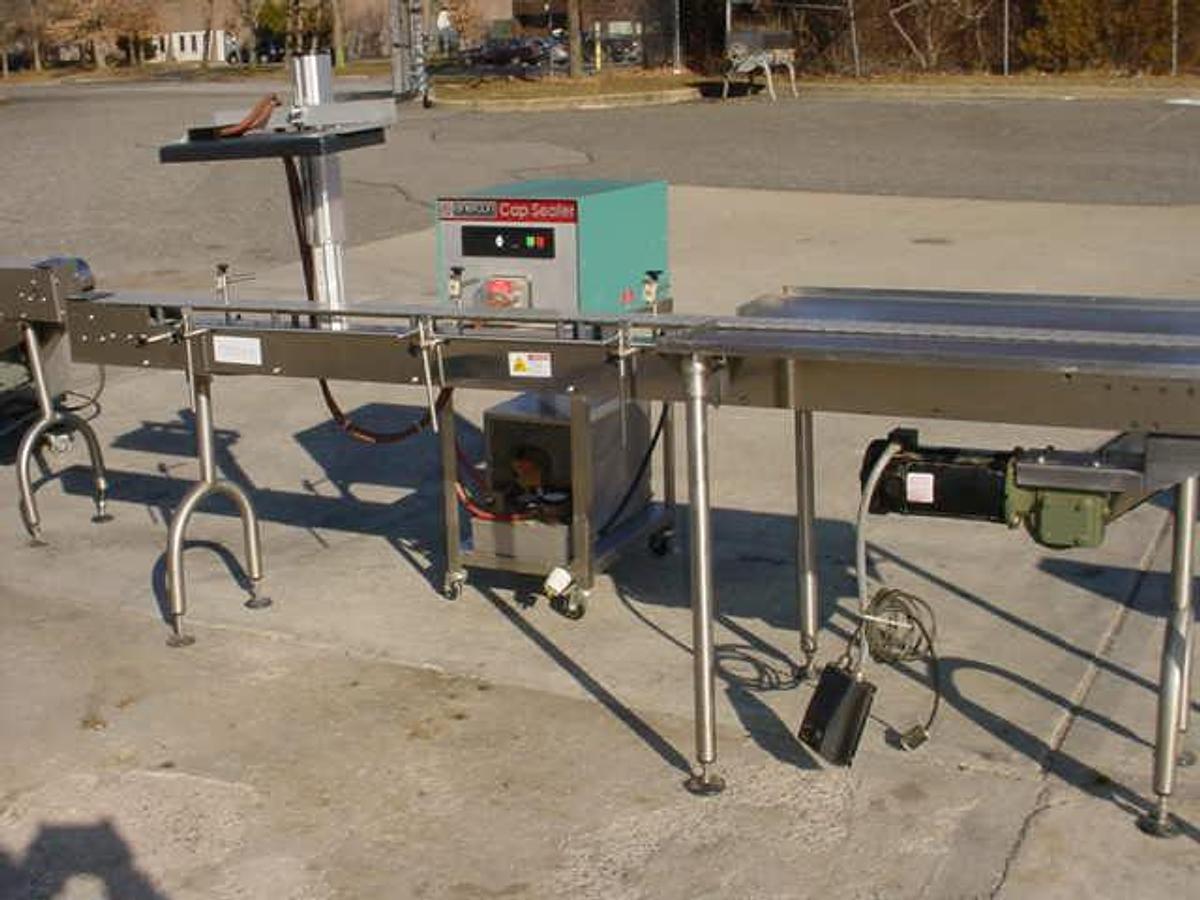
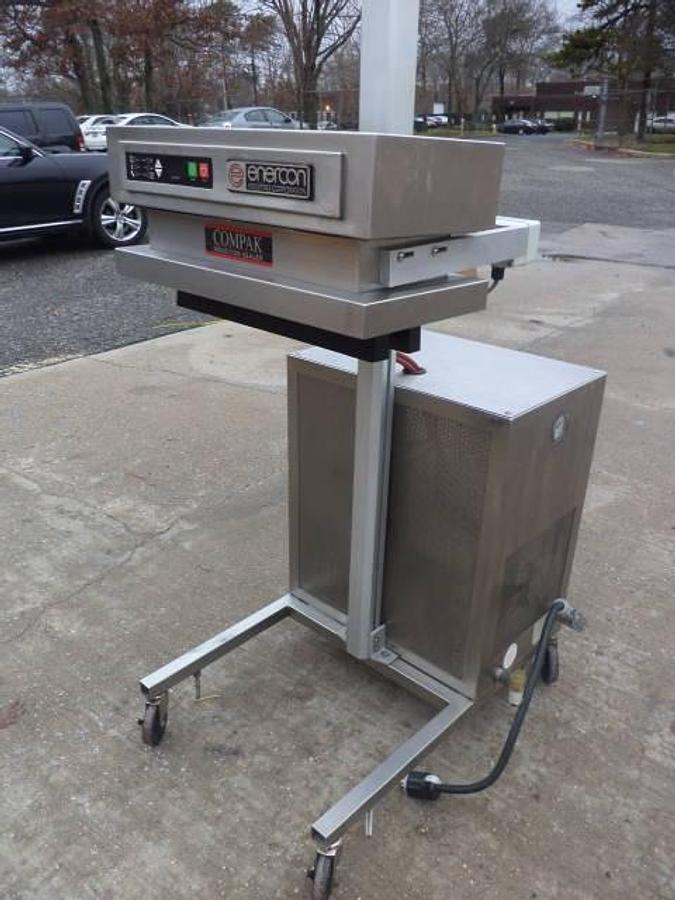
Enercon produces a broad range of induction sealing equipment, and many of these models circulate regularly on the used machinery market. The most commonly available units include the Super Seal series (available in multiple power configurations), the Superseal 50 and Superseal 75 portable models, the Compak 3KW portable cap sealer, and inline cap sealers that come paired with conveyors. These span a wide range of production scales, from compact benchtop and portable units suited for small-batch or lab environments to larger inline systems designed for high-volume packaging lines.
When shopping for a used Enercon sealer, it helps to know which product family fits your application. The Super Seal line is Enercon's flagship series and is the most widely encountered on the secondary market. Portable models like the Superseal 75 and Compak are popular with operations that need flexibility across multiple lines or filling stations. Inline models with integrated conveyors are better suited for fixed, continuous production. Identifying the right category before you start searching will save time and help you ask the right questions when evaluating specific machines.
What is induction sealing, and how does the process work?
Induction sealing is a non-contact method of bonding a foil liner to the opening of a container using electromagnetic energy. The process works by passing a capped container beneath an induction sealing head. The electromagnetic field generated by the sealer induces a current in the aluminum foil layer of the cap liner, which heats the foil rapidly. That heat melts a polymer bonding layer on the underside of the liner, which then fuses to the container's rim as it cools, creating an airtight, tamper-evident seal.
The entire process takes a fraction of a second and requires no direct contact between the sealing head and the cap. Because the heat is generated within the foil itself rather than applied externally, the seal is consistent and the cap material is not affected. This makes induction sealing especially well-suited for products that require tamper evidence, extended shelf life, or leak prevention, including pharmaceuticals, nutraceuticals, food products, chemicals, and cosmetics. The container and cap must be compatible with induction sealing, meaning the closure needs to contain an appropriate foil liner.
What industries use Enercon induction sealers?
Enercon induction sealers are used across a wide range of industries where container integrity, tamper evidence, and shelf life are critical. The most common sectors include pharmaceuticals and nutraceuticals, food and beverage, cosmetics and personal care, household and industrial chemicals, and automotive fluids. In pharmaceutical and supplement manufacturing, induction sealing is often a regulatory requirement to ensure tamper evidence and product safety. In food and beverage, it extends shelf life and prevents leaks during distribution.
Beyond those core markets, induction sealing is also used in agricultural chemicals, motor oils, and any product category where a sealed, leak-proof container is a baseline expectation. Enercon's equipment is designed to handle glass, HDPE, PET, PP, and a variety of other container materials, which gives it broad applicability across these sectors. When evaluating a used Enercon machine, it is worth confirming that the sealing head configuration and power output are appropriate for the specific container sizes and liner types used in your production environment.
What should buyers know about purchasing a used Enercon induction sealer?
Used Enercon induction sealers are sold as-is, which means the responsibility for evaluating the machine's condition falls on the buyer. Unlike purchasing directly from a manufacturer, used equipment transactions do not come with manufacturer support or coverage. This makes it critical to select a reputable used equipment dealer with a demonstrated track record in packaging machinery. Buyers should ask about the machine's history, including what it was sealing, how long it was in service, and whether any components have been replaced or repaired.
Reputable dealers will typically offer in-person inspections, video walkthroughs, or photo documentation of the machine's current condition. Some machines may still be in active production at a facility, allowing for a live inspection. Keep in mind that most equipment dealers do not have the permitting or setup to run full production tests with actual product, so inspections are generally focused on the mechanical and electrical condition of the unit. Buyers should also contact Enercon directly to understand what level of technical support, parts availability, and documentation exists for the specific model and age of the machine they are considering.
What is the difference between the Enercon Super Seal and the Superseal 50 or Superseal 75?
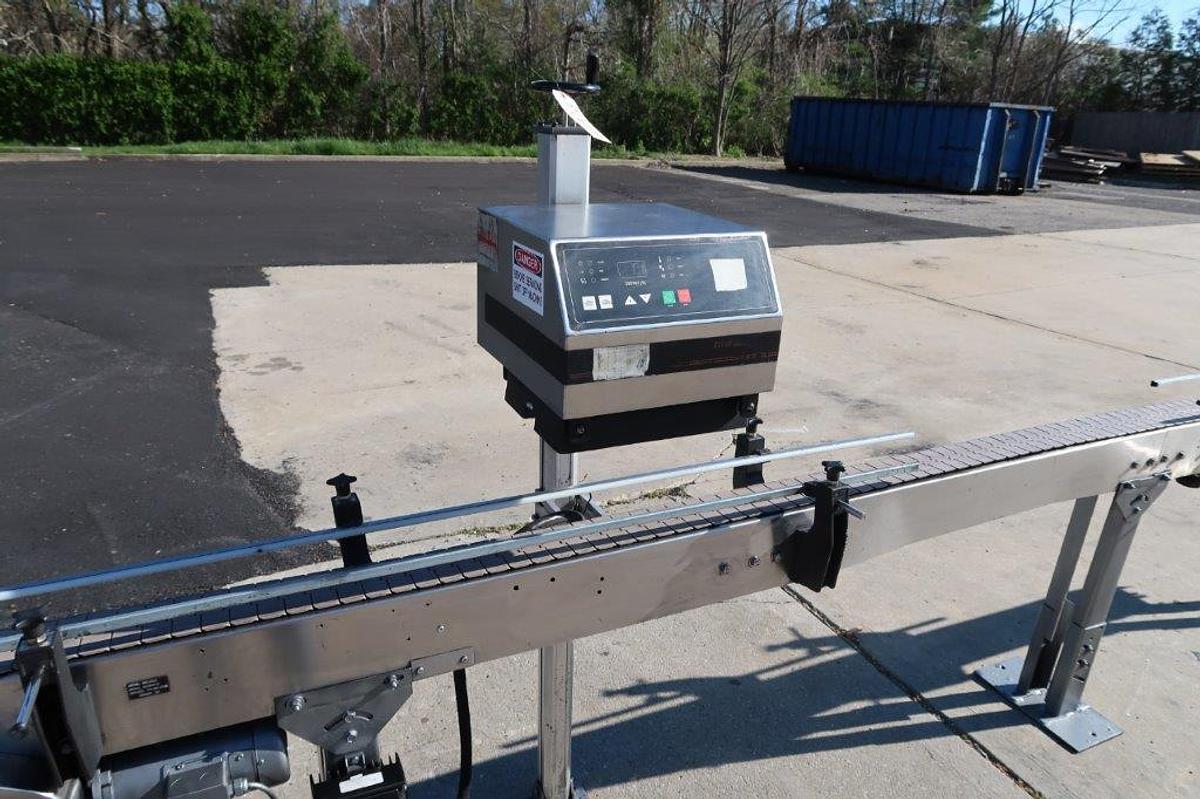
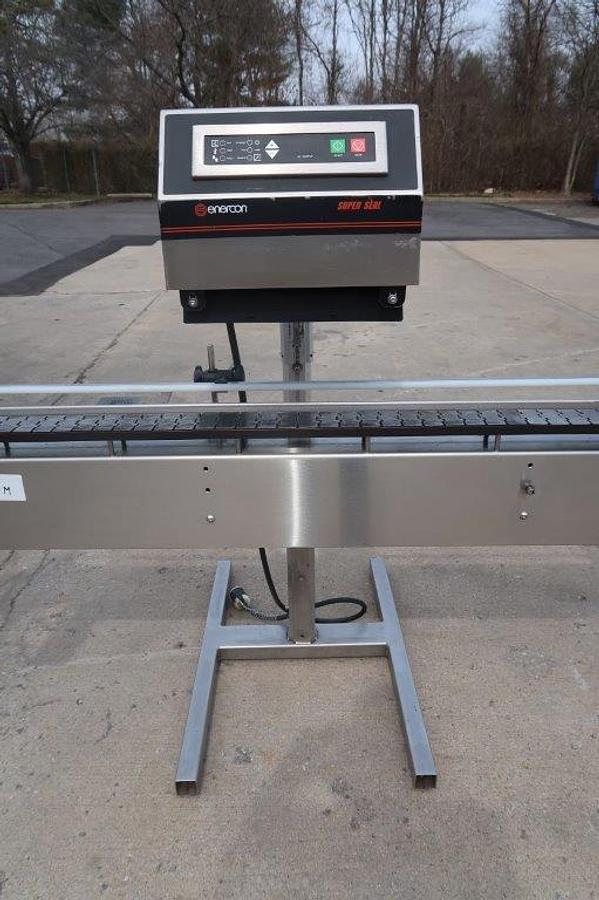
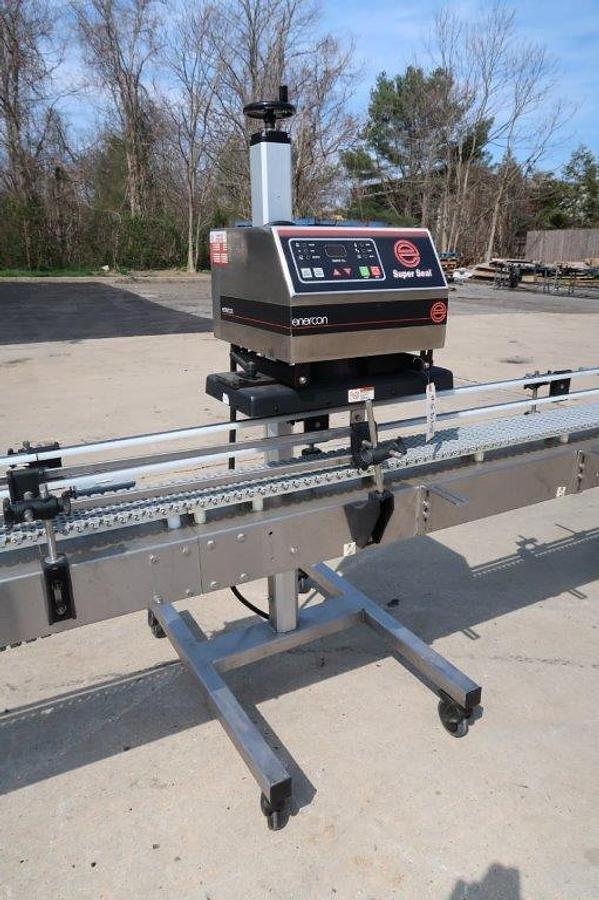
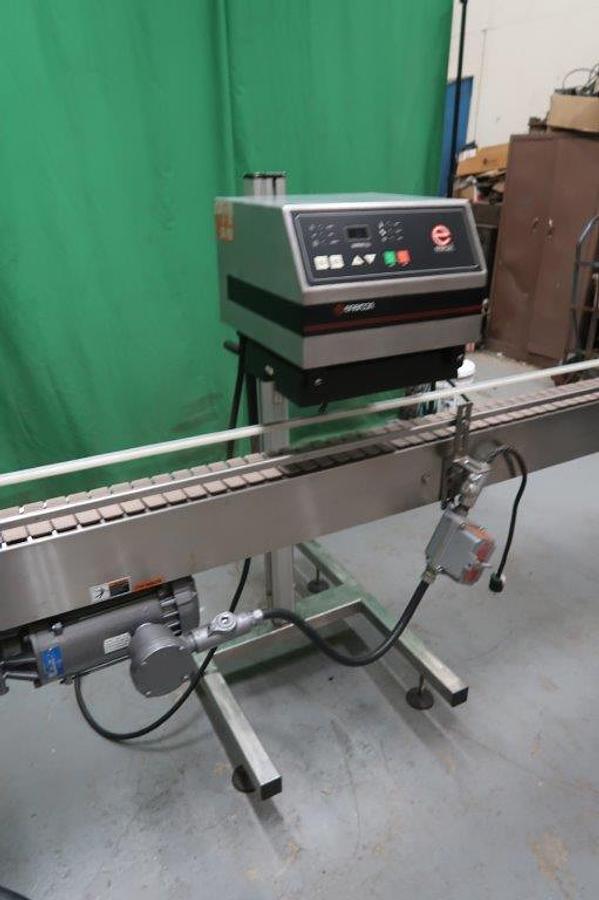
The Enercon Super Seal is the brand's core inline induction sealing platform, designed for integration into continuous packaging lines. It is available in multiple power configurations and is built for sustained, high-throughput production. The Super Seal series uses solid-state technology, which contributes to consistent sealing performance and energy efficiency over long production runs. These units are typically installed above a conveyor and seal containers as they pass beneath the sealing head.
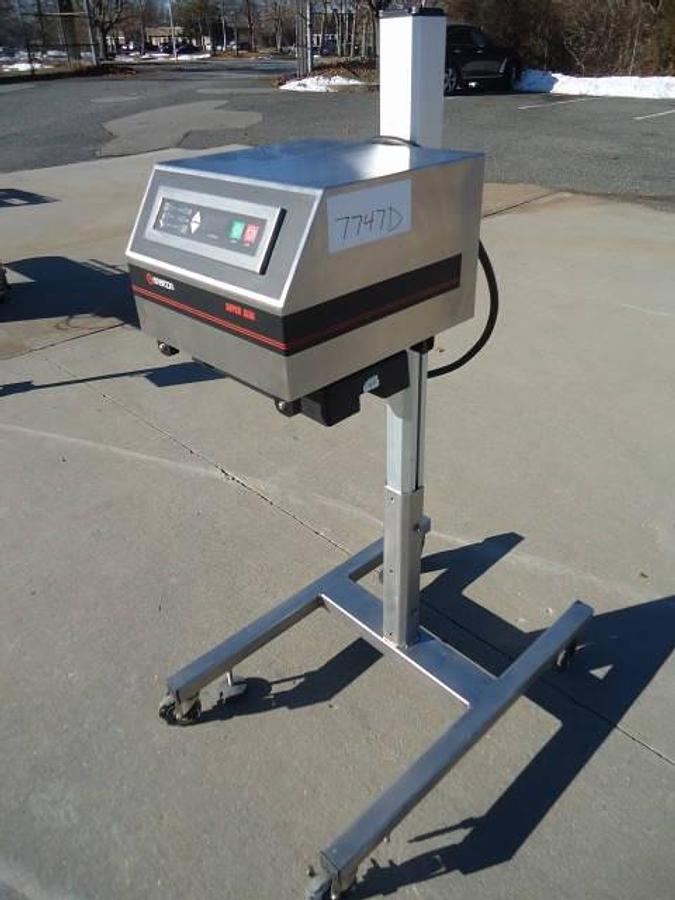
The Superseal 50 and Superseal 75 are portable models designed for more flexible or lower-volume applications. The Superseal 75, for example, is a self-contained unit that can be moved between workstations or used in environments where a fixed inline setup is not practical. The number in each model name generally corresponds to the power output in watts, with the 75 offering slightly more output than the 50. For buyers on the used market, the right choice depends on production volume, container size, and whether the machine needs to be portable or permanently installed. A portable unit will typically be less expensive than a full inline system, but may not be appropriate for high-speed continuous production.
What container types and cap sizes are compatible with Enercon induction sealers?
Enercon induction sealers are compatible with a wide range of container materials, including glass, HDPE, PET, PP, PVC, and most other rigid plastic and glass containers commonly used in packaging. The key requirement is not the container material itself but the cap liner. The closure must contain an induction-compatible foil liner, which typically consists of a wax layer, aluminum foil, and a heat-seal polymer layer. Without the correct liner, induction sealing will not work regardless of the sealer's output.
In terms of cap diameter, Enercon sealers accommodate a broad range of closure sizes, and the sealing head can often be adjusted or swapped to match specific diameter ranges. However, buyers of used equipment should verify that the sealing head included with the machine matches their closure sizes, since heads are not always interchangeable between configurations without additional parts. If a machine is listed with a specific sealing head, it is worth confirming the diameter range it covers before purchasing. Enercon can often provide guidance on head compatibility for their models, even for older units on the used market.
What power requirements do Enercon induction sealers typically need?
Power requirements for Enercon induction sealers vary depending on the model and its intended production scale. Smaller portable models like the Superseal 50 and Superseal 75 are generally designed for single-phase electrical supply, making them easier to deploy in facilities without dedicated three-phase power. The Compak 3KW is also a portable unit with a 3-kilowatt output, which reflects a higher power capacity suited for sealing larger closures or running at faster line speeds. Inline production models in the Super Seal series may require different electrical configurations depending on their power rating.
When evaluating a used Enercon sealer, buyers should confirm the machine's voltage, phase, and amperage requirements before purchase and compare those against what is available at their facility. Running a machine on incorrect power can damage the unit or produce inconsistent seals. Listings for used equipment will often specify single-phase or three-phase electrics, and this should be one of the first compatibility checks a buyer performs. If the listing does not include electrical specifications, ask the dealer directly, as this information is typically available from the machine's data plate or documentation.
How do induction sealers contribute to tamper evidence and product safety?
Induction sealing creates a hermetic bond between the foil liner and the container's sealing surface. Once the seal is formed, it cannot be broken without visible evidence of tampering. When a consumer opens a properly sealed container, the foil liner either remains bonded to the bottle and tears, or peels away cleanly depending on the liner type, but in either case the original seal is visibly disrupted. This is the core mechanism behind tamper-evident packaging, and it is why induction sealing is mandated or strongly recommended in pharmaceutical, nutraceutical, and over-the-counter product categories.
Beyond tamper evidence, the hermetic seal also prevents oxidation, contamination, and leakage during storage and transit. For products with a defined shelf life, such as food items, vitamins, or liquid pharmaceuticals, the foil seal acts as a barrier against moisture and oxygen ingress. This can meaningfully extend the usable life of the product and reduce spoilage or degradation. For companies moving to induction sealing for the first time, or upgrading older equipment, a used Enercon machine can deliver these protective functions at a lower capital cost than purchasing a new unit, provided the machine is in sound working condition.
What should buyers expect regarding shipping and logistics when purchasing a used Enercon induction sealer?
Shipping costs and logistics for used induction sealers depend heavily on the size and weight of the specific model. Portable units like the Superseal 75 or Compak are relatively compact and can typically be palletized and shipped via standard freight carriers without specialized rigging. Larger inline systems, particularly those that include an integrated conveyor, are heavier and may require more substantial crating or custom packaging to prevent damage in transit. The level of packaging directly affects shipping costs, and buyers should ask dealers for a detailed breakdown of palletization, crating, and freight charges before committing to a purchase.
For larger machines, loading and unloading may require a forklift or liftgate service, which adds to the landed cost. Buyers should confirm what equipment is available at their receiving dock and communicate that to the dealer in advance. Most used equipment dealers require full payment before the machine ships. It is worth getting a complete picture of all costs, including the machine price, packaging, freight, and any rigging fees, so there are no surprises when the equipment arrives. If possible, arranging an inspection before shipment is the best way to verify the machine's condition and reduce the risk of receiving equipment that does not meet expectations.
What production speeds can Enercon induction sealers handle?
Production speed capability varies significantly across the Enercon product line. Portable and benchtop models are designed for lower-volume applications, typically suited for small-batch production, laboratory use, or operations where flexibility matters more than throughput. These units are not intended for high-speed continuous lines. Inline Super Seal models, on the other hand, are built to integrate with production conveyors and can handle substantially higher container-per-minute rates, with some configurations capable of sealing hundreds of containers per minute depending on container size, closure type, and line speed.
For buyers evaluating a used Enercon sealer, matching the machine's rated throughput to actual production needs is important. A machine that is oversized for a given application is not necessarily a problem, but one that is undersized will become a bottleneck. When reviewing used equipment listings, look for the model's power output (measured in watts or kilowatts) as a rough indicator of its sealing capacity, since higher-powered units are generally capable of faster line speeds. If throughput specifications are not listed, the dealer or Enercon's technical team may be able to provide guidance based on the model number and sealing head configuration.